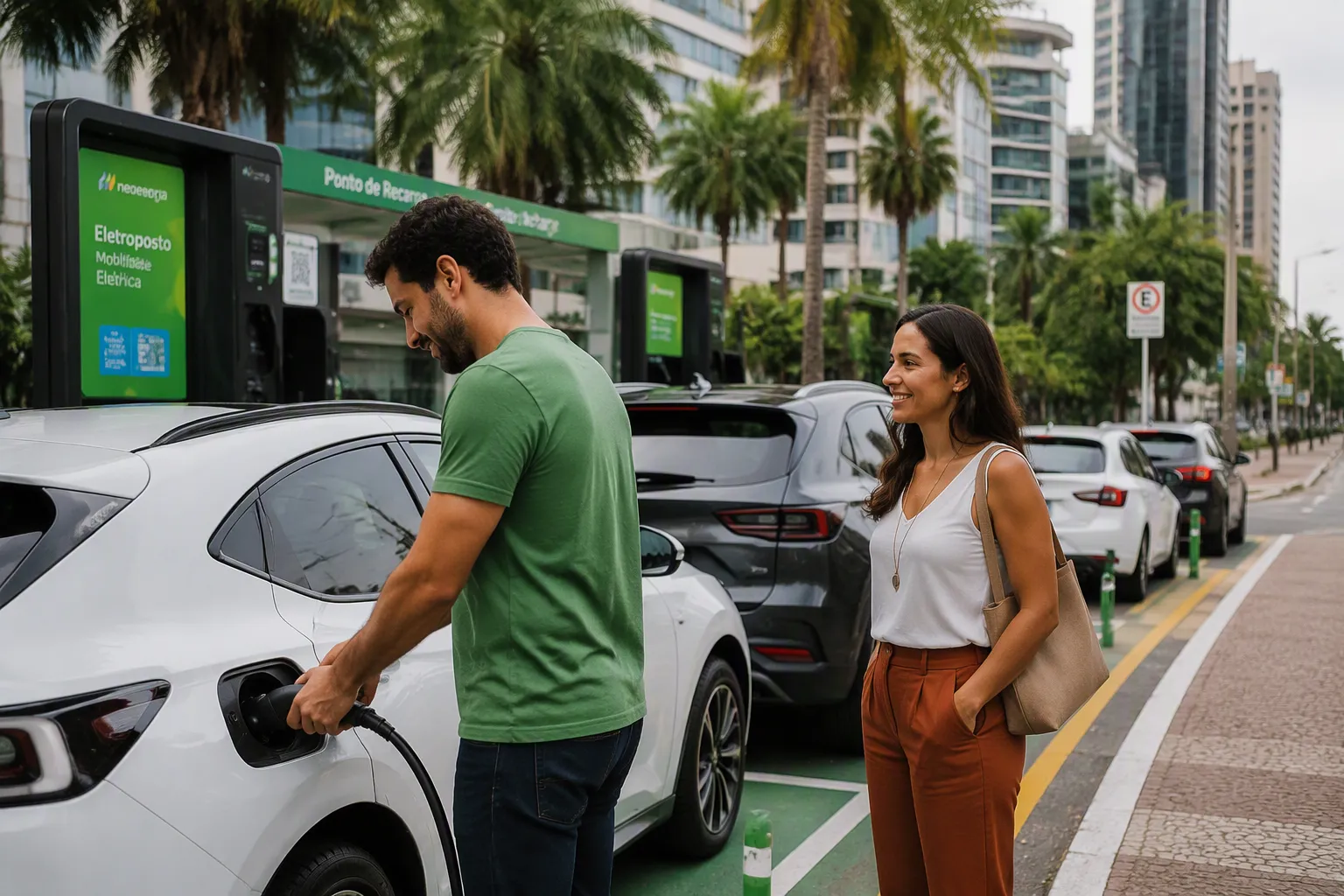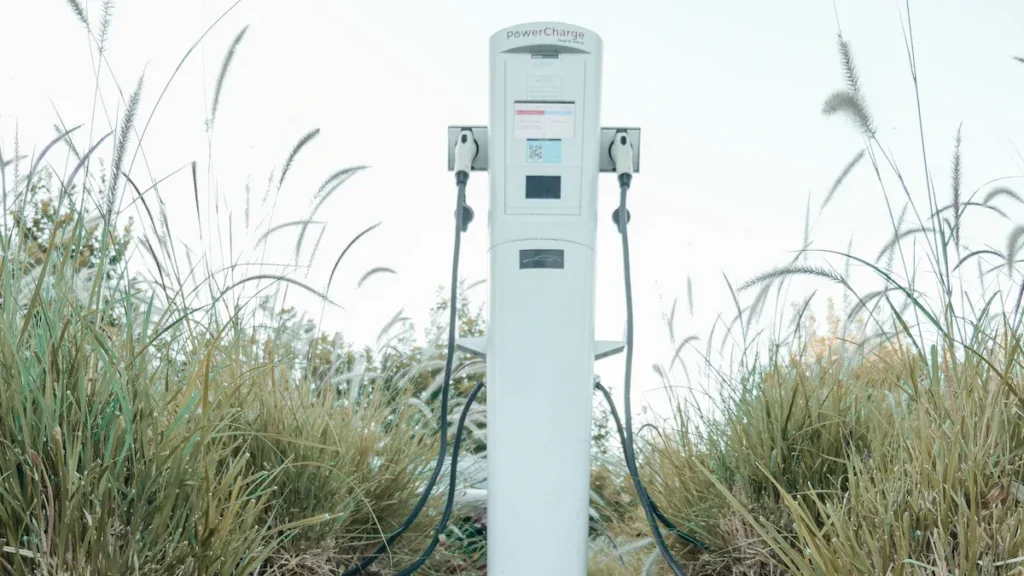
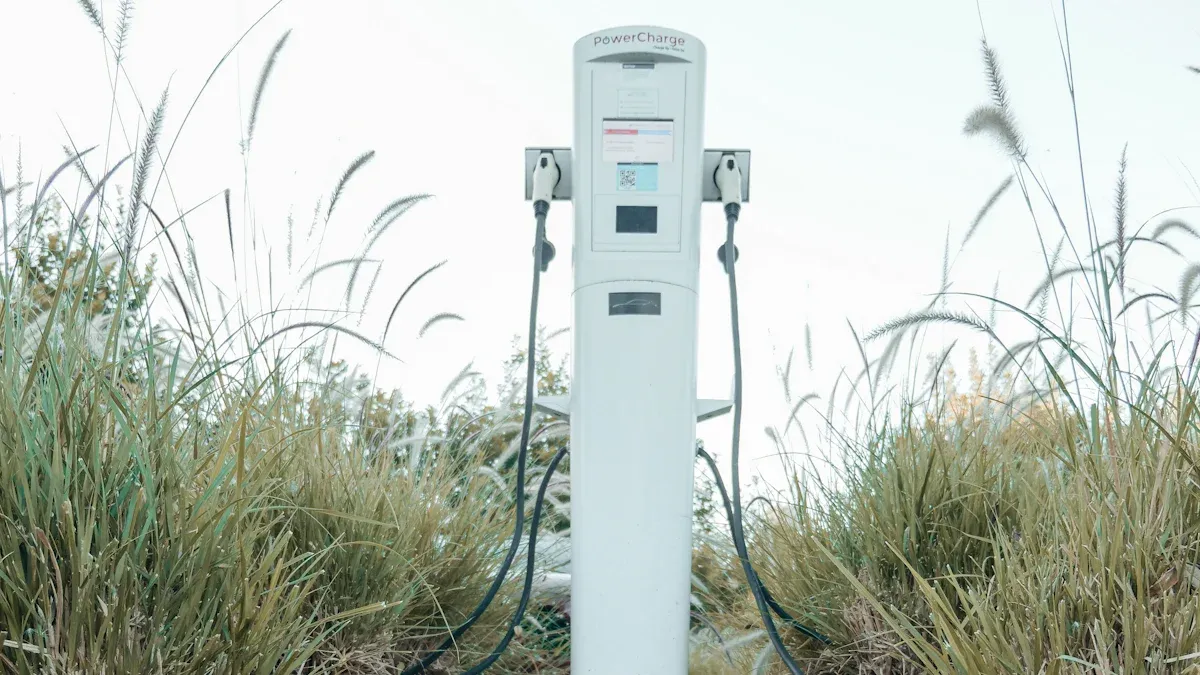
You can find EV chargers faster when you use dedicated locator apps and websites. Many locations, such as shopping malls and hotels, now work with EV charger manufacturers to install charging stations. When you combine these online tools with tips from locals, you boost your chances to find EV chargers where you least expect.
Tip: Always check for hidden chargers in public parking lots. You might discover a convenient spot just around the corner.
Use Apps and Websites to Find EV Chargers Fast
You can find EV chargers quickly by using specialized apps and websites. These digital tools help you locate charging stations in real time, saving you time and reducing range anxiety. Many apps also provide extra features, such as filtering by charger type or checking availability.
Top EV Charger Locator Apps in Southeast Asia
Many apps have become popular among EV owners in Southeast Asia. These platforms offer different features, from real-time availability to route planning. Here are some of the most widely used options:
- PlugShare
- ChargeFinder
- ChargePlus
- ChargeZone
- Tata Motors EV Charging Locator
- Bolt.Earth
- ChargePoint
- ChargeMod
- e-AMRIT
You can also explore other global and regional apps that help you find EV chargers, such as:
- EVHotels: Connects you with over 170 hotels offering charging stations.
- ChargePoint: Lets you check your vehicle’s charging level and find nearby stations.
- ChargeHub: Shares information on public and private charging options.
- EV Connect: Offers a user-friendly interface to locate available chargers.
- Chargeway: Uses a color-coded system to show charger speeds.
- A Better Route Planner (ABRP): Suggests charging stops for your journey.
- Google Maps’ EV feature: Integrates charging station data with navigation.
- EVmatch: Allows you to reserve private charging stations.
- Open Charge Map: Provides a global, open-source database of charging stations.
Tip: Try several apps to compare coverage and features. Some apps may list chargers that others miss.
Step-by-Step Guide to Using Locator Tools
Downloading and setting up the app
Start by downloading your chosen app from the App Store or Google Play. Most apps require you to create an account. You may need to enable location services for the best results.
Searching for nearby chargers
Open the app and use the search function to find EV chargers near your current location. Many apps display a map with icons marking each charging station.
Filtering by charger type and availability
You can filter results by charger type, speed, or network. Some apps show real-time availability, which helps you avoid busy or out-of-service stations.
Reading user reviews and updates
Many locator tools include user reviews and updates. These comments can alert you to issues like broken chargers or long wait times. Always check recent feedback before you head out.
| Barrier Type | Description |
|---|---|
| Infrastructural barriers | Insufficient charging stations and unreliable electricity supply affect usability of locator tools. |
| Economic barriers | High purchase costs and limited financing options hinder EV adoption. |
| Technological barriers | Issues like battery lifespan and charging time can deter users. |
| Policy and regulatory barriers | Inconsistent government policies create uncertainty for users. |
| Social and cultural barriers | Low public awareness and preference for conventional vehicles limit tool effectiveness. |
You may face challenges when you try to find EV chargers using these tools. Infrastructural gaps, economic factors, and inconsistent policies can limit the number of available stations. Stay updated with app notifications and local news to overcome these barriers.
Find EV Chargers in Unexpected Places

You can find EV chargers in locations that often surprise new EV owners. Many businesses and public spaces now offer charging stations as part of their amenities. You should explore these unexpected places to make your charging experience more convenient.
Shopping Malls and Retail Centers
How to check mall websites for charger info
Shopping malls in Southeast Asia frequently install EV chargers to attract eco-conscious shoppers. You can visit the official websites of malls and retail centers. Look for sections labeled “Amenities” or “Parking Information.” These pages often list available charging stations, including their locations within the parking area. Some malls also provide details about charger types and operating hours.
Pro Tip: If you cannot find charger information online, call the mall’s customer service desk. Staff can confirm charger availability and guide you to the right parking zone.
Using locator apps to filter for retail locations
Locator apps help you filter charging stations by location type. You can select “retail” or “shopping mall” filters to narrow your search. This feature saves time and helps you plan your visit. Many apps display real-time status, so you know if a charger is available before you arrive.
Hotels and Restaurants
Checking hotel amenities online
Hotels and restaurants increasingly offer EV charging as a premium service. You should check hotel websites for a list of amenities. Many properties highlight EV charging stations on their booking pages. You may also find charger details in the FAQ or sustainability sections.
The most common types of EV chargers at hotels and restaurants in Southeast Asia include:
- Level 1
- Level 2
- DC Fast Charging
These options suit different needs, from overnight charging to quick top-ups during a meal.
Asking staff about charging options
When you arrive at a hotel or restaurant, ask the staff about charging options. Employees can direct you to the nearest charger and explain usage policies. Some venues offer complimentary charging for guests, while others may require a reservation or payment.
Public Parking Areas and Government Buildings
Using local government websites
Public parking lots and government buildings often feature dedicated EV charging spots. You can visit local government websites to find EV chargers in your area. Many cities publish interactive maps or lists of public charging stations. These resources help you locate chargers near offices, libraries, and community centers.
The following table highlights government initiatives in Southeast Asia to expand public EV charging infrastructure:
| Country | Initiative Description |
|---|---|
| Singapore | Allocated USD 22 million (2021-2025) for EV adoption and charger increase at private properties. |
| Thailand | Plans for 53,000 electric motorcycle taxis by 2022 and 5,000 electric buses by 2025; USD 48 million green loan for EV charging network. |
| Malaysia | National Low Carbon Cities 2030 plan to establish 200 low carbon zones; plans for 25,000 public and 100,000 private charging points by 2030. |
Spotting signage and dedicated EV parking spots
You should look for clear signage in parking lots and near government buildings. Signs often display the universal EV charging symbol or indicate reserved spaces for electric vehicles. These visual cues make it easier to find EV chargers, even if you have not checked online resources.
Using Online Maps and Local Directories to Find EV Chargers
Online maps and business directories offer powerful tools to help you locate charging stations across Southeast Asia. These resources provide up-to-date information and often include user-generated content, making your search more efficient and reliable.
Google Maps and Map Features
Searching for “EV charger” or “charging station”
You can start your search by entering terms like “EV charger” or “charging station” into Google Maps. The platform displays a map with pins marking the locations of available chargers. You see detailed descriptions, including directions within parking lots, which helps you navigate directly to the charging point. Google Maps also suggests optimal charging stops during trip planning, based on your vehicle’s battery level.
- You can view:
- Real-time port availability
- Charging speed information
- Specific directions to chargers inside large complexes
Tip: Always check the map’s suggested stops when planning a long journey. This feature helps you avoid unnecessary detours and ensures you reach your destination without running low on power.
Checking reviews and photos for confirmation
Before you drive to a charging station, review the photos and comments posted by other users. These reviews often highlight the exact charger location, ease of access, and any recent issues. Photos provide visual confirmation, so you know what to expect when you arrive. This step reduces the risk of wasting time at a non-functional or hard-to-find charger.
Regional Business Directories
Business directories in Southeast Asia list companies and services related to EV charging. These directories help you discover new charging locations, especially in less urbanized areas.
Yellow Pages Southeast Asia
The Yellow Pages remains a trusted source for business listings. You can search for EV charging providers and filter results by city or region. Many listings include contact details and service descriptions.
Singapore Business Directory
Malaysia Business Directory
Indonesia Business Directory
Thailand Business Directory
Each country maintains its own business directory, which features local companies involved in EV charging infrastructure. You can use these directories to identify service providers, manufacturers, and charging network operators.
| Company Name | Description |
|---|---|
| BI-Charge | Provider of turnkey management solutions for EV charging stations. |
| BKK Battery | Top technology, Top quality, Top service which is always our aim. |
| BML | PT. Bagaskoro Mega Langgeng (BML) is a subsidiary of IndoPrima Group, the largest independent automotive parts manufacturer in Indonesia. |
| BUYO | Provides a 100% nature-based and biodegradable bioplastic solution to address the plastic crisis. |
| Bangkok industrial boilers | Provider of biomass to energy services. |
| Banksia New Energy | Specializes in R&D, sales, and service of data center infrastructure, dedicated to smart energy applications. |
| Banpunext | “Smart Energy Solutions” provider in Asia-Pacific with a vision of innovating infinite energy solutions. |
Finding chargers listed under amenities
When you browse business directories, look for EV chargers listed under amenities or services. Many hotels, malls, and office buildings highlight charging stations as a key feature. This approach helps you find EV chargers in places you might not expect, making your search more productive.
Community and Social Media Tips to Find EV Chargers
Staying connected with the EV community can give you a significant advantage when you want to find EV chargers quickly. Many drivers in Southeast Asia rely on local groups and social media to share real-time updates, tips, and hidden charging locations. You can tap into these networks to stay informed and make your charging experience smoother.
Local EV Owner Groups and Forums
Joining Facebook groups and online forums
You can join Facebook groups and online forums dedicated to electric vehicle owners in your region. These communities often welcome new members and encourage active participation. By joining, you gain access to a wealth of local knowledge and firsthand experiences. Members frequently post about new charging stations, share photos, and discuss the best times to visit popular spots.
- Individual EV owners form the largest user group on feedback platforms. They share their experiences and insights about charging stations.
- Real-time feedback from these groups allows you to learn about issues as they happen. This enhances the reliability of charging networks.
- Community engagement encourages interaction and knowledge sharing. You benefit from the exchange of tips among users.
Note: Many groups organize meetups or events where you can network with other EV owners and learn about the latest charging solutions.
Asking for real-time charger updates
You can ask group members for real-time updates on charger availability or report any issues you encounter. Many users respond quickly, providing details about busy stations, maintenance schedules, or alternative locations. This immediate feedback helps you avoid delays and plan your route more efficiently.
Social Media Hashtags and Location Tags
Searching Instagram and Twitter for charger posts
Social media platforms like Instagram and Twitter serve as valuable resources for EV drivers. You can search for posts tagged with location information to discover new or lesser-known charging stations. Many users share photos, reviews, and tips about their charging experiences, which can help you decide where to stop.
Using hashtags like #EVchargingSEA
Hashtags make it easier to filter relevant content and stay updated on the latest trends in EV charging. In Southeast Asia, several hashtags see frequent updates with new information about charging stations, payment solutions, and industry innovations.
| Hashtag | Relevance |
|---|---|
| #EVCharging | Related to electric vehicle charging in Southeast Asia |
| #InVehiclePayments | Related to payment solutions in vehicles |
| #AutomotiveInnovation | Related to advancements in the automotive sector |
| #DigitalTransactions | Related to online payment methods |
| #ConnectedCars | Related to smart vehicle technology |
| #MobilitySolutions | Related to transportation solutions |
| #Fintech | Related to financial technology innovations |
| #MarketResearch | Related to market analysis in automotive sector |
| #AutomotiveIndustry | Related to the automotive industry as a whole |
| #FutureOfPayments | Related to upcoming trends in payment systems |
You can follow these hashtags to receive timely updates and discover new ways to find EV chargers. Many posts include location tags, making it easier to pinpoint the exact spot of a charging station.
Offline Methods to Find EV Chargers Near You
You can discover EV chargers even when you do not have access to locator apps or online maps. Offline strategies prove especially useful in areas with limited digital infrastructure. Many cities in Southeast Asia have increased the installation of Level 2 chargers at workplaces, hotels, shopping centers, and public buildings. You can take advantage of these developments by using local knowledge and observation.
Asking Local Businesses and Staff
Approaching mall, hotel, and restaurant staff
When you visit a shopping mall, hotel, or restaurant, you should ask staff members about EV charging options. Employees often know the exact location of chargers within the property. You may find chargers in underground parking lots, near entrances, or in reserved spaces. Staff can also inform you about operating hours and any fees associated with charging. This approach works well in urban and suburban areas, where businesses integrate EV charging into daily life.
Tip: Always ask at the information desk or concierge. Staff members receive regular updates about amenities and can guide you directly to the nearest charger.
Getting tips from taxi drivers and parking attendants
Taxi drivers and parking attendants possess valuable local knowledge. You can ask them about places to find EV chargers nearby. They often notice new installations and know which locations offer reliable service. Many drivers work in areas with frequent EV traffic, such as airports, shopping centers, and hotels. Parking attendants can point out dedicated EV spaces and explain access procedures.
- Taxi drivers may suggest:
- Public parking lots with charging stations
- Hotels that offer complimentary charging
- Shopping centers with newly installed chargers
Checking Signage and Local Government Resources
Looking for EV charger signs in parking lots
You should look for EV charger signs when you enter parking lots. Many facilities use clear symbols or colored markings to indicate charging stations. Signs often display the universal EV charging icon, making them easy to spot. You may also see painted lines or reserved spaces labeled for electric vehicles. This visual approach helps you locate chargers quickly, even without digital tools.
| Location Type | Common Signage Features |
|---|---|
| Shopping Centers | EV charger icons, colored zones |
| Hotels | Reserved EV parking signs |
| Public Buildings | Directional arrows, floor maps |
Visiting local government offices for information
Local government offices serve as reliable sources of information. You can visit city halls, community centers, or transportation departments to ask about EV charging infrastructure. Many offices maintain printed maps or brochures listing public charging stations. Staff members can provide details about new installations and upcoming projects. This method proves effective in suburban areas, where government initiatives support the expansion of EV charging networks.
Note: Some cities host public events to promote EV adoption. You can attend these events to learn about new charging locations and network with other EV owners.
You can use these offline strategies to find EV chargers when digital resources are unavailable. By combining local knowledge, observation, and direct communication, you increase your chances of finding a convenient charging spot.
Ensuring Accuracy and Convenience When You Find EV Chargers

When you search for a charging station, accuracy and convenience matter most. You want to avoid wasted trips, long waits, or out-of-service chargers. By taking a few extra steps before you head out, you can make your charging experience smoother and more reliable.
Verifying Charger Status Before Arrival
Checking app updates and user comments
You should always check the latest updates in your locator app before you drive to a charging station. Many apps display real-time status, user comments, and recent check-ins. These features help you spot issues like unplanned outages, slow charging, or maintenance work. User comments often mention if a charger is out of order or if there are long queues. Advanced monitoring systems now provide diagnostics, remote troubleshooting, and instant alerts. These improvements give you better visibility and help you avoid unpleasant surprises.
Tip: Enable notifications in your app so you receive alerts about charger status changes or maintenance schedules.
Calling ahead to confirm availability
If you plan to charge at a hotel, restaurant, or public facility, consider calling ahead. Staff can confirm if the charger works and if it is available for guests. This step saves you time and helps you avoid disappointment, especially during peak hours or special events. Some locations require reservations or have limited access, so a quick call ensures you get the service you need.
Planning for Busy or Unavailable Chargers
Having backup locations ready
You should always prepare a list of backup charging stations along your route. If your first choice is busy or unavailable, you can quickly switch to another location. Many locator apps allow you to save favorite stations or create a custom charging plan. This strategy reduces stress and keeps your journey on track.
Using apps to monitor real-time status
Modern apps use real-time monitoring and predictive analytics to help you avoid long waits. These tools show which chargers are in use, which ones are out of service, and when peak hours occur. Some platforms even offer smart queue systems, letting you reserve a slot and receive notifications when it is your turn. The integration of IoT and analytics provides real-time visibility and predictive maintenance, which enhances your experience and reduces downtime.
Here is a quick overview of how real-time monitoring apps can help you:
| Feature | Benefit |
|---|---|
| Real-time charger availability | Provides up-to-date information on whether chargers are in use, helping users avoid stations that are occupied. |
| Condition monitoring | Alerts users to chargers that are out of service, preventing wasted trips. |
| Smart queue system | Allows users to reserve charging slots and notifies them when it’s their turn, reducing frustration and wait times. |
| Predictive analytics | Forecasts peak charging hours, guiding users to less crowded stations. |
You can use these features to find EV chargers efficiently and avoid unnecessary delays. By staying informed and planning ahead, you ensure a convenient and reliable charging experience every time.
Tips for First-Time EV Owners to Find EV Chargers in Southeast Asia
Understanding Local Charging Etiquette
How to queue and share chargers
You will encounter other drivers when you charge your EV in public spaces. Respecting local etiquette helps everyone enjoy a smooth experience. In Southeast Asia, you should always move your vehicle once charging finishes. This allows others to use the charger without delay. Many charging stations display clear signs about parking only in designated spaces. You should never unplug another vehicle unless you have permission. Some EVs use alarms to prevent unauthorized unplugging.
Charging etiquette also includes communicating with fellow users. If someone waits for a charger, let them know your estimated finish time. Most apps offer mobile reminders, so you can track your charging session and avoid idle fees. Following these rules keeps the charging process fair and efficient.
| Etiquette Rule | Description |
|---|---|
| Share Charging Points | Move your vehicle away from the charger once charging is complete to allow others access. |
| Avoid Idle Fees | Monitor your charging session to prevent overstaying and incurring fees. |
| Communicate with Fellow Users | Politely inform other drivers about remaining charge time if they are waiting. |
| Park in Designated Spaces | Ensure to park only in areas specifically designated for EV charging. |
| Unplugging Other Vehicles | Avoid unplugging another vehicle without permission, as some models have alarms to deter this. |
| Use Mobile Reminders | Utilize app notifications to track charging progress and ensure timely vacating of the space. |
Reporting issues or broken chargers
You may find EV chargers that do not work or need maintenance. Report any problems using the app or by notifying staff at the location. Many apps include a feedback feature for users to share updates about charger status. Quick reporting helps operators fix issues faster and keeps the network reliable for everyone.
Staying Safe While Charging
Choosing well-lit and secure locations
Safety should be your top priority when you charge your EV. Select charging stations in well-lit areas with security cameras or staff nearby. You reduce the risk of theft or vandalism by choosing busy locations. If you charge at night, park close to entrances or areas with regular foot traffic.
Avoiding scams and unofficial chargers
Always use official charging stations listed in trusted apps or on business websites. Avoid chargers that look damaged or lack proper signage. Scammers sometimes install fake chargers to steal payment information or damage vehicles. You should check for branding, secure payment systems, and clear instructions before you plug in.
Follow these safety guidelines every time you charge your EV:
- Follow manufacturer instructions. Always adhere to the guidelines provided by the EV manufacturer for safe charging.
- Use dedicated circuits and outlets. Charge your EV using circuits specifically designed for this purpose to prevent overload.
- Avoid water and moisture exposure. Ensure that the charging area and equipment are dry to prevent electrocution.
- Don’t run charger cable under rugs or carpet. Keep the charging cable visible to avoid tripping hazards and potential damage.
You can find EV chargers in many locations across Southeast Asia. By following local etiquette and safety tips, you make every charging session smooth and secure.
You can find EV chargers quickly by using locator apps and online maps. Explore malls, hotels, and public parking areas for hidden charging stations. Connect with local communities and monitor social media for real-time updates. Always check charger status before you leave. Ask staff and look for signage when digital tools are unavailable. Combine these methods to improve your charging experience and discover new locations.
Tip: Stay curious and keep exploring. You may uncover convenient charging spots where you least expect.
FAQ
Where can you find the most reliable EV charger information?
You should use dedicated locator apps like PlugShare or ChargeFinder. These platforms update charger status frequently and provide user feedback. You can also check official business websites for the latest details.
How do you know if an EV charger is available before you arrive?
You can check real-time availability using locator apps. Many apps display live status and recent user comments. Calling the location directly gives you extra confirmation.
What types of EV chargers are common in Southeast Asia?
You will find Level 2 chargers and DC Fast Chargers at malls, hotels, and public parking areas. Some locations offer slower Level 1 chargers for overnight use.
Tip: Always check charger type in the app before planning your stop.
Can you charge your EV at hotels or restaurants?
Many hotels and restaurants now offer EV charging as an amenity. You should check their websites or ask staff when you arrive. Some locations provide complimentary charging for guests.
What should you do if a charger is broken or not working?
You should report the issue using the locator app’s feedback feature. You can also notify staff at the location. Reporting problems helps operators fix chargers faster.
Are there safety tips for charging your EV in public places?
You should choose well-lit, secure locations and avoid unofficial chargers. Always follow manufacturer instructions and check for proper signage before plugging in.
| Safety Tip | Why It Matters |
|---|---|
| Well-lit area | Reduces risk of theft |
| Official charger | Ensures safe charging |
| Follow instructions | Prevents equipment damage |