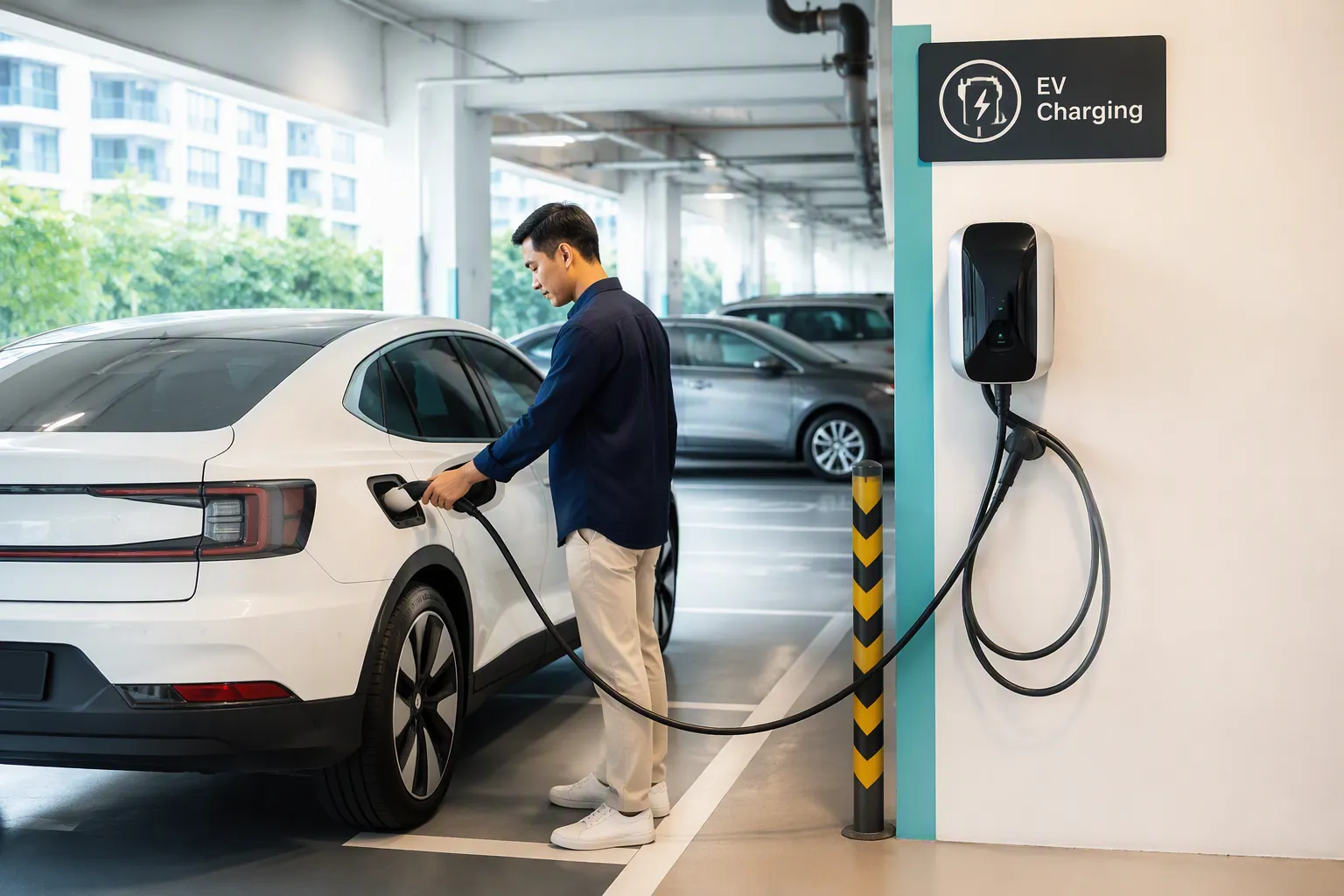
Several Southeast Asian countries are planning to offer EV Charger subsidies in 2025. Thailand, Singapore, Malaysia, Indonesia, Vietnam, and the Philippines are leading these efforts among Southest Asian countries. The governments are introducing incentives such as grants, rebates, and direct financial support for EV Charger infrastructure. These subsidies encourage EV charger manufacturers to expand their networks and reduce costs. Strong incentives help Southest Asian countries accelerate EV adoption and address urban mobility needs.
Southeast Asian Countries Leading EV Charger Subsidies in 2025

Thailand’s Charging Infrastructure Incentives
Government Subsidy Programs
Thailand stands out among southeast Asian countries for its proactive approach to EV charging infrastructure. The government has launched several subsidy programs to accelerate the deployment of charging stations. These subsidies target both public and private sector investments, aiming to make electric vehicle charging more accessible. Thailand’s policy incentives focus on reducing the upfront costs for businesses and consumers who install chargers. The government also collaborates with local manufacturers to ensure that the infrastructure meets international standards.
Eligibility and Application Process
Applicants seeking subsidies in Thailand must meet specific criteria. The government requires businesses to demonstrate compliance with safety and technical standards. Individuals and companies must submit documentation that verifies their investment in approved charging technology. The application process involves several steps, including registration, site inspection, and final approval. The government provides clear guidelines to streamline the process and encourage wider participation.
Types of Chargers Covered
Thailand’s subsidy programs cover a range of charger types. The incentives apply to both fast and slow chargers, supporting diverse charging needs across urban and rural areas. The government prioritizes the installation of fast chargers along major highways and in commercial zones. Slow chargers receive support in residential neighborhoods and smaller towns. This comprehensive approach ensures that electric vehicle owners have reliable access to charging infrastructure throughout the country.
Singapore’s EV Charging Grant Initiatives
National EV Charger Grant
Singapore leads southeast Asia with its robust policy framework for electric vehicles. The National EV Charger Grant offers financial support for the installation of charging stations in both public and private spaces. The government sets ambitious targets for reducing greenhouse gas emissions and encourages the adoption of electric vehicles through subsidies and tax exemptions. These initiatives make charging more affordable and accessible for residents and businesses.
Residential and Commercial Incentives
Singapore’s incentives extend to residential and commercial properties. Homeowners can apply for grants to install chargers in private parking lots. Commercial building owners receive support for deploying charging infrastructure in shopping centers, office complexes, and public car parks. The government’s approach ensures that charging is available where people live, work, and shop.
Impact on Urban Charging Network
Singapore’s focus on urban charging infrastructure has transformed the city’s electric vehicle ecosystem. The widespread availability of charging stations boosts consumer confidence and supports the growth of the electric vehicle market. The government’s commitment to expanding the network aligns with its sustainability goals and positions Singapore as a regional leader in electric mobility.
Malaysia’s Support for EV Charging Infrastructure
Public and Private Sector Initiatives
Malaysia’s government actively supports EV charging infrastructure through a mix of incentives and partnerships. Public-private partnerships play a crucial role in expanding charging stations, especially in urban areas. The National Automotive Policy sets aggressive targets for electric vehicle adoption, driving investment in charging infrastructure.
- The government provides tax exemptions and grants for green technology.
- Collaboration with smart city initiatives enhances the efficiency of the EV ecosystem.
- Charging-as-a-service business models create new opportunities for investors.
Tax Rebates and Grants
Malaysia offers tax rebates and grants to encourage the installation of charging stations. These incentives reduce the financial burden for businesses and individuals investing in electric vehicle infrastructure. Foreign direct investment further accelerates the growth of the sector, making Malaysia a key player in southeast Asia’s electric vehicle market.
Focus on Rural and Urban Areas
Malaysia’s strategy addresses both urban and rural needs. The government prioritizes charging infrastructure in major cities while also supporting deployment in smaller towns and remote regions. This balanced approach ensures that electric vehicle owners across Malaysia benefit from reliable charging options.
Indonesia’s Expansion of EV Charging Infrastructure
State-Owned Enterprise Support
Indonesia continues to strengthen its charging infrastructure through active involvement of state-owned enterprises. These companies invest in new charging stations and collaborate with private partners to accelerate deployment. The government encourages these enterprises to lead innovation and set standards for electric vehicle charging. Their participation ensures that charging networks expand rapidly and maintain high reliability.
Incentives for Home and Public Chargers
Indonesia offers incentives for both home and public chargers. Homeowners receive support for installing residential charging units, making electric vehicle ownership more practical. Public charging stations benefit from subsidies that lower installation costs and attract more users. These incentives help bridge the gap between urban and rural areas, ensuring that charging infrastructure reaches a wider population.
Expansion Plans for 2025
Indonesia sets ambitious targets for 2025 and beyond. The country plans to increase the number of charging stations to meet the growing demand for electric vehicles. The projected investment in charging infrastructure reaches billions of dollars. The following table highlights Indonesia’s goals for charger installations and investment:
| Year | Projected EV Cars | Projected Public Chargers | Required Investment (USD) |
|---|---|---|---|
| 2030 | 1.8 – 2 million | 20,000 – 30,000 | 2 – 3 billion |
These plans position Indonesia as a leader among southeast Asian countries in the transition to electric mobility.
Vietnam’s Pilot Programs for EV Charging
Pilot Subsidy Programs
Vietnam launches pilot programs to test new charging infrastructure and subsidies. These initiatives aim to attract investment and encourage adoption of electric vehicles. The government partners with local companies to deploy charging stations in key urban areas. Pilot programs focus on evaluating technology and gathering feedback for future policy development.
Partnerships with International Firms
Vietnam collaborates with international firms to enhance its charging network. These partnerships bring advanced technology and expertise to the country. Companies like VinFast work with global leaders to establish rapid-charging stations and improve service quality. International cooperation helps Vietnam address technical challenges and accelerate infrastructure growth.
Future Policy Directions
Vietnam faces several challenges in expanding its charging infrastructure. The following points summarize key outcomes and obstacles:
- Inadequate government regulations and policies limit investment and slow market growth.
- Limited charging infrastructure, especially rapid-charging stations, restricts EV adoption.
- Lack of investment and support results in a narrow selection of electric vehicles.
Vietnam’s future policy directions focus on improving regulations, increasing investment, and expanding the charging network to support the electric vehicle market.
The Philippines’ Emerging EV Charging Incentives
Government and Private Sector Initiatives
The Philippines introduces new incentives to boost charging infrastructure. The Electric Vehicle Industry Development Act (EVIDA) of 2022 provides financial and non-financial support for manufacturers and charging station developers. The government works with private companies to expand the network and promote electric vehicle adoption.
Incentives for Two- and Three-Wheel EVs
The Philippines targets incentives for two- and three-wheel electric vehicles. Tax breaks encourage consumers to choose electric options, supporting the country’s strategy to reduce greenhouse gas emissions by 75% by 2030. These incentives align with the Nationally Determined Contributions (NDCs) and help diversify the market.
Infrastructure Development Plans
The Philippines sets clear goals for charging infrastructure expansion. The country aims to increase the number of charging stations from 962 to 7,300 by 2028. The table below shows these targets:
| Projected Number of Charging Stations | Current Number of Charging Stations | Target Year |
|---|---|---|
| 7,300 | 962 | 2028 |
These development plans support the growth of the electric vehicle market and position the Philippines as a key player in southeast Asia’s transition to sustainable transportation.
How EV Charger Incentives Work Across Southeast Asia
Types of EV Charging Infrastructure Incentives
Direct Financial Subsidies
Governments in southeast Asia use direct financial subsidies to lower the cost of installing charging infrastructure. These subsidies help businesses and homeowners afford the initial investment in charging equipment. For example, Thailand and Indonesia offer cash grants to companies that build charging stations in urban and rural areas. These policy incentives encourage rapid expansion of charging networks and support the region’s goal of increasing ev adoption.
Tax Credits and Rebates
Tax credits and rebates play a significant role in making electric vehicle charging more accessible. Malaysia provides excise duty exemptions for evs, which also benefit charging infrastructure developers. Singapore and the Philippines offer rebates to property owners who install charging stations. These government incentives reduce the financial burden and motivate more stakeholders to participate in the electric mobility transition.
Grants for Infrastructure Development
Grants for infrastructure development target large-scale projects and public-private partnerships. Governments allocate funds to support the construction of charging stations in strategic locations. These grants often focus on areas with limited access to charging, such as rural communities or high-traffic urban zones. The following table highlights how incentives differ across southest asian countries:
| Country | Incentives for Charging Stations | Notes on EV Types and Goals |
|---|---|---|
| Malaysia | Excise duty exemption for EVs | 234 EV charging stations; focus on electric and hybrid vehicles |
| Philippines | Target of 1 million EVs by 2020 | 9,000 EVs on roads; 200 stations expected by 2022 |
| General ASEAN | No direct purchase subsidies | Focus on two-wheel and three-wheel EVs; addressing air pollution issues |
Note: Southeast Asia’s approach to incentives reflects each country’s unique priorities and market conditions.
Eligibility Criteria for EV Charger Subsidies
Consumer Requirements
Consumers must meet specific requirements to qualify for subsidies. Most government policies require applicants to own an electric vehicle and install approved charging equipment. Some programs ask for proof of residence or property ownership. In Singapore, homeowners must submit documentation showing compliance with safety standards before receiving rebates. These measures ensure that subsidies reach genuine users and support responsible infrastructure growth.
Business and Investor Qualifications
Businesses and investors face additional criteria when applying for subsidies. Governments often require companies to demonstrate technical expertise and financial stability. Applicants must use certified charging technology and follow local regulations. In Malaysia, investors must partner with recognized manufacturers to access excise duty exemptions. These policies help maintain high standards for charging infrastructure and protect public interests.
Application and Approval Process in Southeast Asian Countries
Steps to Apply
Applicants follow a structured process to secure subsidies for charging infrastructure. The typical steps include:
- Register with the relevant government agency.
- Submit detailed project proposals and technical specifications.
- Provide documentation of ownership or partnership agreements.
- Undergo site inspections and safety checks.
- Receive approval and funding disbursement.
This process ensures transparency and accountability in the distribution of incentives.
Timeline and Documentation
The timeline for approval varies by country and project size. Small-scale residential applications may receive approval within a few weeks. Large commercial projects often require several months for review and inspection. Required documentation usually includes:
- Proof of electric vehicle ownership
- Technical drawings of charging stations
- Compliance certificates for equipment
- Financial statements for business applicants
Tip: Applicants should prepare all documents in advance to avoid delays and ensure a smooth approval process.
Impact of Subsidies on EV Adoption and Charging Infrastructure
Growth in Charging Infrastructure Across Southeast Asia
Urban vs. Rural Expansion
Southeast Asia has seen rapid growth in charging infrastructure, driven by government initiatives and infrastructure projects. Urban centers in countries like Thailand and Indonesia now feature dense networks of charging stations, making electric vehicle use more practical for city dwellers. Rural areas are also beginning to benefit from expanded charging access, although the pace remains slower compared to urban regions. The region’s governments continue to prioritize both urban and rural expansion to support broader EV adoption.
- Thailand, Indonesia, Malaysia, and Vietnam actively increase EV adoption through incentives.
- Thailand aims to boost EV production by 2030, while Indonesia leverages its nickel resources for battery manufacturing.
- The region expands charging station networks and improves power grids to facilitate EV usage.
Fast vs. Slow Chargers
Charging infrastructure in Southeast Asia includes both fast and slow chargers. Fast chargers appear more frequently in urban areas and along major highways, supporting long-distance travel and quick turnaround times. Slow chargers serve residential neighborhoods and smaller towns, providing convenient overnight charging for electric vehicle owners. This balanced approach ensures that users can access charging options suited to their needs.
| Charger Type | Typical Location | Benefit |
|---|---|---|
| Fast | Urban, highways | Quick charging, travel-ready |
| Slow | Residential, rural | Cost-effective, overnight use |
Increase in EV Sales and Consumer Confidence
Consumer Confidence
Subsidies and incentives for charging infrastructure have increased consumer confidence in Southeast Asia. Indonesia’s plan to install 6,000 public chargers by 2026 reassures buyers about the reliability and accessibility of EVs. Thailand’s ‘30@30’ initiative, which aims to convert 30% of automotive production to EVs by 2030, further strengthens trust in the market. These efforts show that government support directly influences consumer attitudes toward electric vehicles.
- Indonesia’s charger installation initiative boosts confidence in EV reliability.
- Thailand’s production targets, supported by tax exemptions and subsidies, encourage consumers to choose electric vehicles.
Manufacturer Response
Manufacturers respond positively to increased incentives and charging infrastructure. The FAME II scheme in India led to a 45% rise in EV sales in 2022, demonstrating how subsidies can drive market growth. Southeast Asian countries observe similar trends, with local and international manufacturers investing in new models and production facilities. These actions help accelerate EV adoption and expand the range of available electric vehicles.
Environmental Benefits of EV Charging Expansion
Reduction in Emissions
Charging infrastructure expansion in Southeast Asia contributes to lower emissions. Electric vehicles produce fewer greenhouse gases compared to traditional cars. As more drivers switch to EVs, urban air quality improves and the region moves closer to its sustainability goals.
Support for Renewable Energy
Charging stations increasingly use renewable energy sources, such as solar and wind. This shift reduces dependence on fossil fuels and supports the region’s transition to clean energy. Southeast Asian countries continue to invest in renewable-powered infrastructure, reinforcing their commitment to environmental protection.
Opportunities and Challenges for EV Stakeholders in Southeast Asia
Consumers and Accessibility to Charging Infrastructure
Cost Savings and Accessibility
Consumers in southeast Asia benefit from the growing network of charging stations. Many urban areas now offer app-based services that help drivers locate and reserve charging spots. These innovations make electric vehicle ownership more practical. Solar-powered and decentralized charging stations in rural regions increase accessibility for those outside major cities. Lower maintenance costs and reduced fuel expenses provide long-term savings for electric vehicle owners. The expansion of charging infrastructure supports broader ev adoption and helps bridge the gap between urban and rural communities.
Barriers to Adoption
Despite progress, several barriers hinder widespread ev adoption in southest asian countries. High upfront costs for electric vehicles and charging equipment remain a challenge. Limited financing options and expensive electricity discourage some consumers. Many regions still lack sufficient charging stations, making long-distance travel difficult. Talent shortages in battery technology and ev charger installation slow infrastructure development. These obstacles require coordinated efforts from government, industry, and educational institutions to address.
Tip: Partnerships between automakers, utility companies, and tech firms help develop integrated charging ecosystems, which can reduce barriers for consumers.
Investors in Southeast Asia’s EV Market
Market Growth Potential
Investors see significant opportunities in southeast Asia’s ev market. Government incentives for ev manufacturing and charging infrastructure attract foreign and local capital. The demand for clean transportation continues to rise, driven by urbanization and environmental concerns. Investment in battery production and charging networks offers potential for strong returns as the market matures.
- Government incentives for ev manufacturing and charging infrastructure
- Growing demand for clean transportation
- Potential for significant investment in battery production and charging networks
Risks and Regulatory Hurdles
The market remains in a nascent state, with varying levels of ev readiness across asia. Investors face risks due to inconsistent regulations and the need for substantial investment in charging infrastructure. Some countries have advanced policies, while others lag behind. Regulatory hurdles and market fragmentation require careful analysis before committing resources.
- Nascent state of the market
- Varying levels of ev readiness across countries
- Need for substantial investment in charging infrastructure to support projected growth in ev adoption
Manufacturers and Local Production Incentives
Incentives for Local Production
Manufacturers receive strong incentives to establish local electric vehicle production in southeast Asia. These incentives include 100% foreign ownership, land ownership rights, and corporate income tax exemptions. Additional reductions apply for companies meeting local content requirements. Land allocation in industrial zones with preferential lease rates and support for technical infrastructure further encourage investment.
| Incentive Type | Description |
|---|---|
| 100% Foreign Ownership | Allows foreign companies to own their operations fully without needing a Thai partner. |
| Land Ownership Rights | Grants BOI companies the right to own land for their promoted activities, overcoming local restrictions. |
| Corporate Income Tax Exemptions | Offers tax exemptions ranging from 3 to 13 years based on project type and investment size. |
| Additional CIT Reductions | Provides an extra 2-year, 50% CIT reduction for companies meeting local content requirements. |
Supply Chain Considerations
Manufacturers must address supply chain challenges to succeed in southeast Asia. Support for technical infrastructure, such as roads and utilities, helps streamline operations. Land lease options reduce financial pressure during initial phases of production. Companies must also invest in talent development for battery technology and charging station installation. These steps ensure reliable infrastructure and sustainable growth for the electric vehicle industry.
Comparative Analysis of Southeast Asia’s EV Charging Progress

Success Stories in Southeast Asian Countries
Leading Countries and Programs
Several southest asian countries have demonstrated remarkable progress in expanding their EV charging networks.
- Thailand has prioritized renewable energy integration, with solar-powered charging hubs expected to lower operational costs by up to 30%.
- Malaysia’s government has set ambitious targets, driving rapid growth in public charging stations and supporting the transition to electric vehicles.
- Thailand’s strategic placement of fast-charging stations along intercity routes ensures that high-demand areas receive reliable service.
- Public-private partnerships in Thailand aim to expand the network to 5,000 stations by 2028, leveraging substantial government investment.
Notable Achievements in 2025
In 2025, southeast Asia witnessed several notable achievements in charging infrastructure.
- Thailand’s EV market is projected to reach 30% penetration by 2030, supported by policy-driven incentives such as BOI tax breaks.
- Malaysia’s expanding public charging network reflects the country’s commitment to infrastructure development.
- Thailand’s focus on renewable energy and strategic station placement has set a benchmark for other countries in the region.
Ongoing Challenges in Charging Infrastructure
Infrastructure Gaps
Despite significant progress, challenges persist in the region’s charging infrastructure.
- High upfront costs remain a barrier, with EVs averaging USD 30,000 compared to traditional vehicles at USD 20,000.
- Multi-story parking facilities often lack adequate electrical capacity, limiting large-scale charger deployment.
- Urban-rural disparities continue, as most charging stations concentrate in major cities, leaving rural areas underserved and increasing range anxiety.
Policy and Regulatory Issues
Regulatory inconsistencies complicate EV travel across southeast Asia.
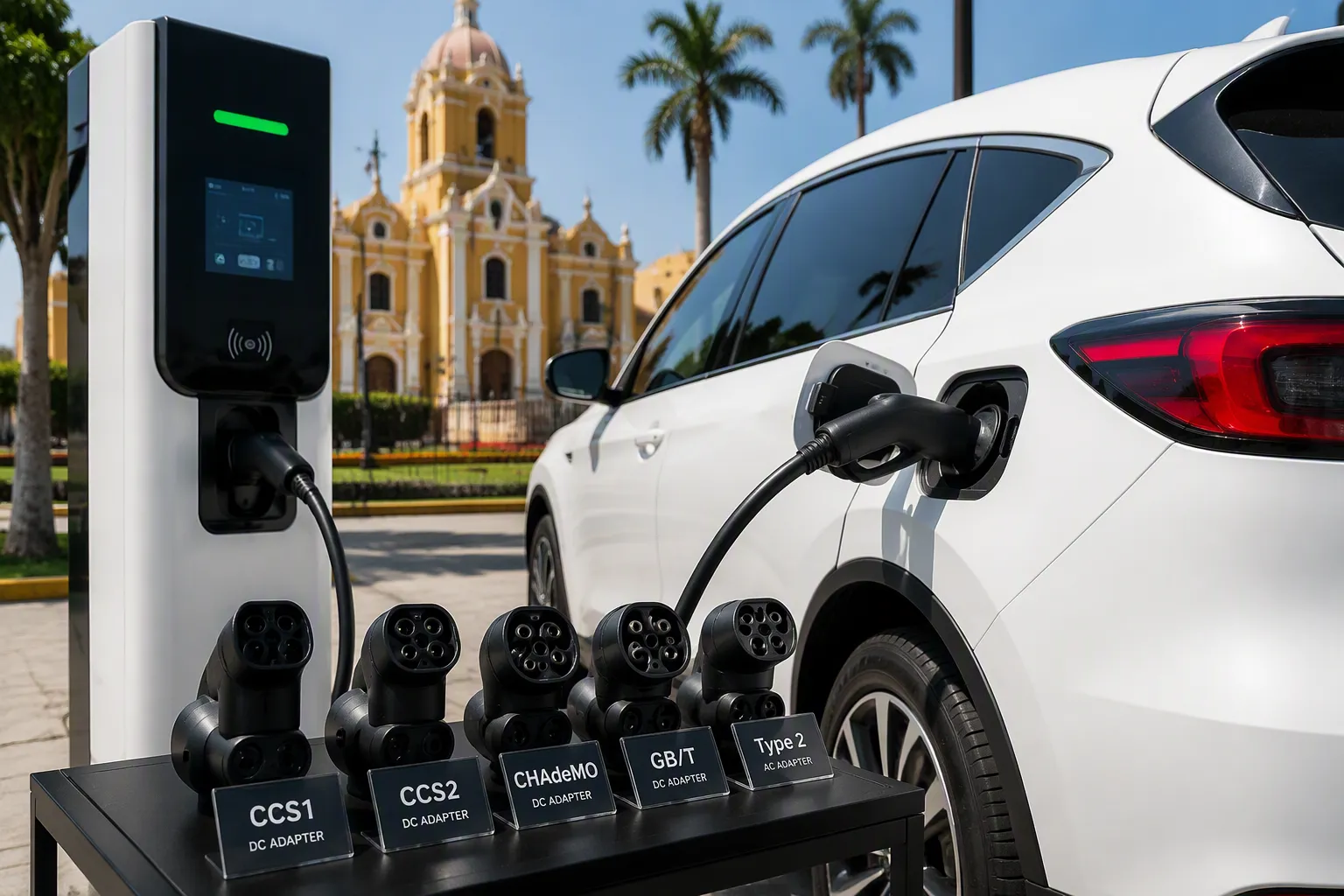
- Standards for charger types and payment systems vary between countries, making cross-border travel difficult.
- Inconsistent regulations hinder the development of a unified charging network and slow down EV adoption.
Lessons Learned for Future EV Growth
Best Practices
Stakeholders in southeast Asia have identified several best practices for advancing EV charging infrastructure.
- Targeted policies and innovative business models address unique regional challenges.
- Collaboration among governments, industry, and investors accelerates network development.
- Adaptive policymaking balances long-term vision with flexibility for technological changes.
Areas for Improvement
Future strategies should focus on place-based solutions and integrated energy planning.
- Different environments, such as rural, urban, and highway settings, require distinct approaches to charging infrastructure.
- Treating EV charging as part of broader decarbonization strategies will strengthen the region’s commitment to sustainable transportation.
| Policy Type | Description |
|---|---|
| Financial Subsidies | Subsidies for EV purchases to lower the initial cost for consumers. |
| Tax Exemptions | Tax breaks for EV manufacturers to encourage local production and investment. |
| Infrastructure Investment | Government investment in EV charging infrastructure to support adoption. |
Thailand’s strategic vision and practical actions have created a model for other emerging markets in Asia. The automotive industry increasingly focuses on Asia for EV innovation and manufacturing, reflecting a broader regional trend.
The Road Ahead for EV Charging Infrastructure in Southeast Asia
Future Policy Trends in Southeast Asian Countries
Expected Changes in 2026 and Beyond
Governments in Southeast Asia continue to refine their strategies for EV charging solutions. Indonesia plans to boost domestic manufacturing and raise luxury taxes on hybrid vehicles. Malaysia advances electrification under the Low Carbon Mobility Blueprint 2021-2030. Singapore sets a goal to phase out internal combustion engine vehicles by 2040 and expand public charging spots. These countries aim to install thousands of new charging stations, supporting the region’s transition to electric mobility.
| Country | Policy Highlights | Charging Infrastructure Goals |
|---|---|---|
| Indonesia | Focus on domestic manufacturing and increasing luxury tax on hybrids. | Increase charging stations from 180 (2020) to 7,146 (2030). |
| Malaysia | Electrification under ‘Low Carbon Mobility Blueprint 2021-2030’. | Install 7,700 charging systems by 2025. |
| Singapore | Phase out ICE vehicles by 2040 and expand public charging spots to 28,000 by 2030. | Set aside SGD30 million for related initiatives. |

Regional Collaboration
Regional collaboration plays a vital role in accelerating charging solutions across Southeast Asia. Countries work together to enhance network connectivity, enabling seamless travel for EV users. ASEAN promotes shared technology standards, encouraging interoperability for connectors and payment systems. Malaysia and Thailand pilot cross-border initiatives, allowing electric vehicles to travel between major cities without charging gaps.
| Evidence Point | Description |
|---|---|
| Network Connectivity | Regional cooperation enhances network connectivity, supporting seamless travel across borders for EV users. |
| Shared Technology Standards | ASEAN promotes interoperability by encouraging the adoption of international standards for connectors and payment systems. |
| Cross-border Initiatives | Countries like Malaysia and Thailand are piloting projects to enable EV travel between major cities without charging gaps. |
Outlook for Sustainable Transportation and EV Adoption
Long-Term Impact of Subsidies
Subsidies for charging solutions continue to shape the future of sustainable transportation in Southeast Asia. The market for electric vehicles grows as government policies and consumer preferences shift toward greener options. Consumers show greater environmental awareness, driving demand for electric vehicles. Investments from governments and private companies support the installation of charging stations, improving convenience for EV owners. These efforts help create a robust charging infrastructure that supports long-term adoption.
- The Electric Vehicles market in Southeast Asia is growing due to government policies and increasing customer preferences for greener options.
- Consumers are becoming more environmentally conscious, leading to a rise in demand for electric vehicles.
- The development of charging infrastructure is crucial, with investments from governments and private companies to install charging stations, enhancing convenience for EV owners.
Role of Private Sector
The private sector plays a critical role in expanding charging solutions throughout Southeast Asia. Public-private partnerships accelerate the deployment of charging stations, especially in urban areas. Vietnam’s revised Power Development Plan VIII and related incentives facilitate early successes in charging infrastructure. These collaborations help establish large networks of charging stations, but challenges remain. Regulatory fragmentation and infrastructure inadequacy require coordinated reforms to maximize benefits. Vietnam’s EV charging market is projected to grow at a compound annual rate of 18.88% through 2030, driven by these partnerships.
- Government and private sector collaborations are essential for the success of EV charging infrastructure projects in Southeast Asia, especially in Vietnam.
- The revised Power Development Plan VIII (PDP8) and various incentives are facilitating early deployment successes.
- Public-private partnerships (PPPs) are recognized as a strategy to quickly establish a large number of charging stations.
- Challenges such as regulatory fragmentation and infrastructure inadequacy need to be addressed to maximize the benefits of these collaborations.
- Vietnam’s EV charging market is projected to grow significantly, with a CAGR of 18.88% through 2030, driven by PDP8 targets.
- Public-private partnerships can facilitate the rapid deployment of 100,000-350,000 charging stations, particularly in urban areas.
- The need for coordinated reforms is emphasized to overcome challenges and prevent bottlenecks in EV adoption.
Note: The future of charging solutions in Southeast Asia depends on continued innovation, strong policy support, and effective collaboration between governments and private companies. 🚗🔌
Southeast Asia’s EV charger subsidies drive rapid infrastructure growth in 2025. Government policies and incentives reduce costs for consumers, promoting EV adoption and supporting sustainable transportation.
- Policymakers facilitate affordable home and near-home charging.
- Experts recommend supporting fast-charging networks for broader access.
Opportunities exist for consumers, investors, and manufacturers. Challenges remain, but continued policy support and innovation will sustain momentum in the region’s EV market.
FAQ
What types of EV charger subsidies are available in Southeast Asia?
Governments offer direct financial grants, tax rebates, and infrastructure development funds. Some countries provide incentives for both public and residential charging stations.
Who qualifies for EV charger incentives?
Eligibility varies by country. Most programs target homeowners, businesses, and investors who install approved charging equipment and meet safety standards.
How can applicants apply for EV charger subsidies?
Applicants register with government agencies, submit project proposals, and provide technical documentation. Approval usually requires site inspections and compliance checks.
Do incentives cover both fast and slow chargers?
Many subsidy programs support both fast and slow chargers. Fast chargers often receive priority in urban areas and along highways, while slow chargers serve residential zones.
Are there incentives for two- and three-wheel EVs?
Several Southeast Asian countries offer incentives for two- and three-wheel electric vehicles. These programs aim to increase adoption and reduce emissions in urban environments.
What challenges do EV charging networks face in Southeast Asia?
Infrastructure gaps, regulatory inconsistencies, and high upfront costs remain significant challenges. Urban-rural disparities also limit access to charging stations.
How do subsidies impact EV adoption rates?
Subsidies lower costs for consumers and businesses. Increased charging infrastructure boosts consumer confidence and accelerates electric vehicle adoption.
What role does the private sector play in charging infrastructure?
Private companies partner with governments to expand charging networks. Public-private partnerships drive innovation and investment, especially in urban areas.