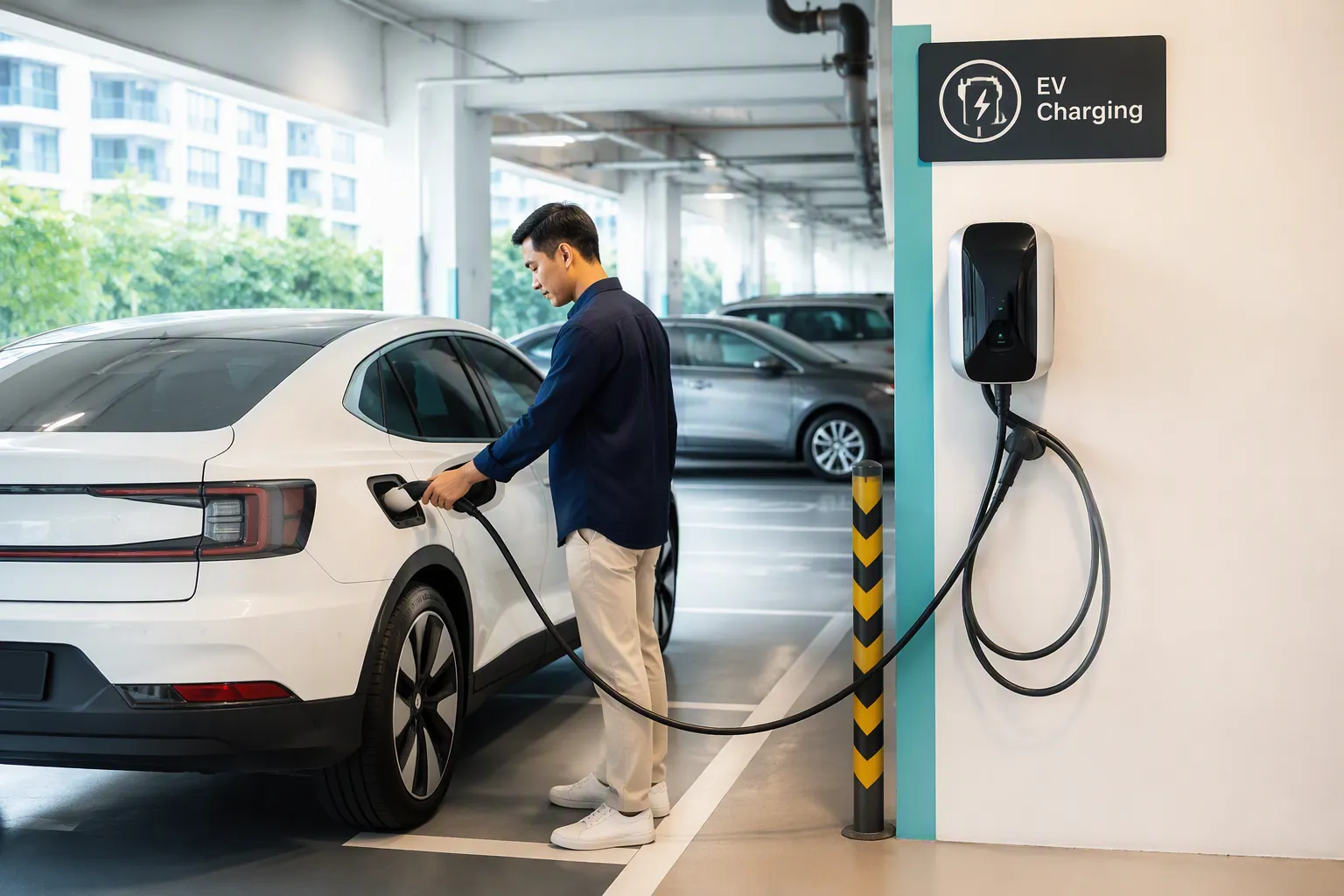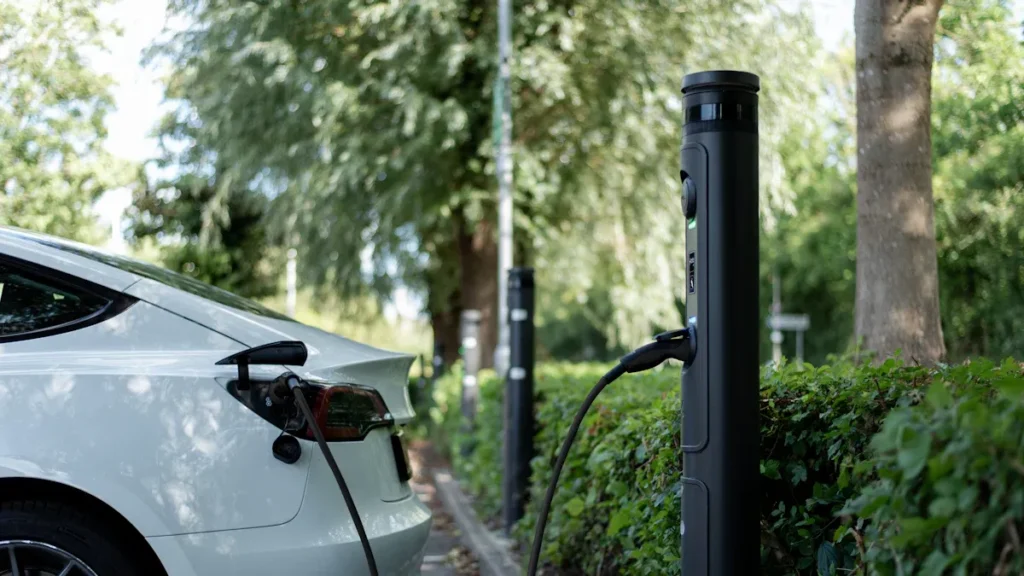
Portable electric car chargers in the UK range from £23 to £1,392. Drivers often ask, “how much does it cost to charge an electric car?” The answer depends on charger type, power output, and EV charger manufacturers. Most pay for electric car charging based on the charger’s speed and output. The table below highlights average costs for charging 152 miles:
| Charger Type | Cost for 152 miles | Power Output |
|---|---|---|
| Slow (7kW) | £8.70 | 7kW |
| Medium (60kW) | £25.03 | 60kW |
The cost to charge an electric car varies with features, brand, and compliance. Smart charging options and warranties also affect total cost.
Types of Portable Electric Car Chargers

Basic 3-Pin Plug Electric Car Chargers
Features and compatibility
Basic 3-pin plug electric car chargers represent the most straightforward solution for charging electric vehicles in the UK. These chargers connect directly to a standard household socket. They offer universal compatibility with most EVs, making them accessible for drivers who need a simple charging option. However, safety concerns arise with continuous use. 3-pin chargers can overheat and pose fire risks, especially when used for extended periods. Dedicated chargers, designed for higher loads, provide safer alternatives.
- Safety: 3-pin chargers risk overheating and fires during prolonged use.
- Charging Speed: These chargers deliver the slowest charging rates, often requiring up to 18 hours for a full charge.
- Convenience: Users may need extension cables, which can create trip hazards and clutter.
Typical use cases
Drivers often use basic 3-pin plug chargers as emergency backups or for occasional charging at home. They suit situations where no dedicated charging infrastructure exists. Many new EV owners rely on these chargers before installing a permanent solution. The simplicity and low upfront cost appeal to those seeking a temporary or secondary charging method.
Type 2 Portable Electric Car Chargers
Features and compatibility
Type 2 portable electric car chargers have become the standard for most modern EVs in the UK. These chargers connect to dedicated sockets or public charging points, offering improved safety and efficiency compared to 3-pin models. Type 2 chargers provide moderate charging speeds and support a wide range of vehicles. Their design allows for easy transport and use in various locations.
Tip: Type 2 chargers often come with built-in safety features, such as temperature monitoring and surge protection.
Typical use cases
Type 2 portable chargers suit drivers who need flexibility and convenience. They work well for charging at workplaces, public stations, or homes with compatible sockets. Many users choose these chargers for regular use due to their balance of cost and performance.
| Advantages | Disadvantages |
|---|---|
| Convenience: Easy to carry and use | Slower charging speeds compared to dedicated wall chargers |
| Flexibility: Can charge in various locations | Limited charging power |
| Cost-effectiveness: Generally less expensive | May require additional infrastructure |
Fast and Rapid Portable Electric Car Chargers
Features and compatibility
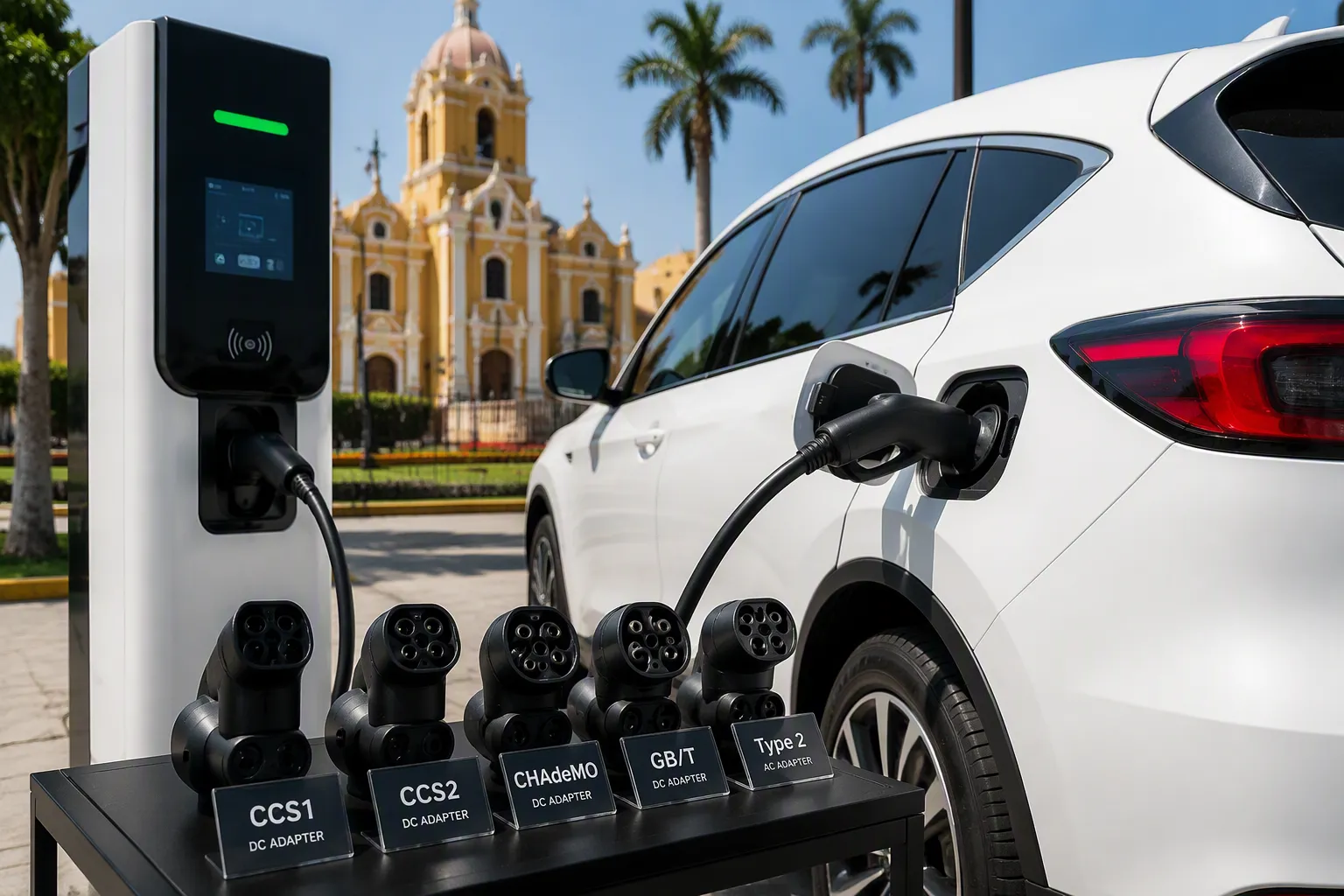
Fast and rapid portable electric car chargers deliver significantly higher power outputs than standard models. Fast chargers typically offer between 7kW and 22kW, reducing charging times to 3–12 hours. Rapid chargers can reach up to 150kW, enabling an 80% charge in 30–40 minutes. These chargers use DC power and often require specific connectors, such as CHAdeMO or CCS. Compatibility depends on the EV’s maximum charge rate.
- Fast Charging: Delivers 7kW–22kW, suitable for commercial spaces and frequent users.
- Rapid Charging: Provides up to 150kW, ideal for roadside stations and long-distance travel.
- Rapid and Ultra-Rapid Chargers: Use CHAdeMO or CCS standards, charging to 80% in 20 minutes to an hour.
Typical use cases
Businesses and fleet operators often rely on fast and rapid chargers to minimize downtime. These chargers also benefit drivers who travel long distances or require quick top-ups during journeys. Portable battery power banks, such as ZipCharge Go, serve as backup solutions for those without off-street parking. Commercial portable chargers, like Kempower Movable Charger and SparkCharge Roadie, target business users. Generator-based solutions, including RAC’s EV Boost and ZPN Energy’s ZAPME, provide emergency charging services.
| Type of Charger | Description |
|---|---|
| Portable Battery Power Banks | ZipCharge Go is a notable example, ideal for drivers without off-street parking or as a backup. |
| Commercial Portable Chargers | Includes Kempower Movable Charger (50kW) and SparkCharge Roadie (20kW), targeting businesses. |
| Generator-Based Solutions | RAC’s EV Boost and ZPN Energy’s ZAPME provide emergency charging but are service-based. |
A portable electric vehicle charger offers flexibility for drivers who need charging options beyond fixed installations. Portable ev chargers continue to evolve, providing solutions for a wide range of needs.
Price Breakdown by Electric Car Charger Type

Average Costs for Each Electric Car Charger Type
Basic 3-Pin Plug Electric Car Chargers
Basic 3-pin plug electric car chargers offer an affordable entry point for electric car charging at home. These chargers use a standard household socket and deliver a lower power output, which results in slower charging times. The cost of using a basic 3-pin plug charger depends on electricity rates and the size of the vehicle’s battery.
- The average price of electricity per kWh in the UK stands at 34p.
- A typical three-pin plug charger provides around 3kW of power.
- Charging an 80kWh Renault Zoe for 14 hours costs approximately £12.
This option suits drivers who need a backup solution or charge their electric car overnight. The low upfront cost makes it accessible, but the slower charging speed may not fit everyone’s needs.
Type 2 Portable Electric Car Chargers
Type 2 portable EV chargers have become the standard for many modern vehicles. These chargers offer improved safety and faster charging compared to basic models. The price for a Type 2 portable charger varies based on features and brand.
| Description | Regular Price | Sale Price | Savings |
|---|---|---|---|
| Type 2 Portable EV Charger | $266.00 | $234.00 | $32 (12%) |
Type 2 chargers often come with built-in safety features and support a wide range of vehicles. Many drivers choose these chargers for daily use due to their balance of cost and performance.
Fast and Rapid Portable Electric Car Chargers
Fast and rapid portable chargers deliver higher power outputs, which significantly reduce charging times. Prices for these chargers depend on cable length and power capacity. Longer cables usually cost more.
| Cable Length | Price |
|---|---|
| 5 metres | £130.00 |
| 7 metres | £149.00 |
| 10 metres | £179.00 |
| 15 metres | £209.00 |
| 20 metres | £259.00 |
| 25 metres | £299.00 |
| 30 metres | £349.00 |

Fast and rapid chargers suit drivers who need quick top-ups or operate commercial fleets. The higher price reflects the advanced technology and convenience these chargers provide.
What’s Included in the Price of Electric Car Chargers
Cables and adapters
Most electric car chargers include essential cables and adapters in the purchase price. Basic models often come with a standard charging cable, while Type 2 and rapid chargers may offer multiple adapters for compatibility with different vehicles. Some brands provide longer cables or additional adapters as optional extras. Buyers should check the product details to ensure the charger meets their needs.
Warranty and support
Manufacturers typically offer a warranty with new portable EV chargers. Warranty periods can range from one to three years, depending on the brand and model. Support services may include technical assistance, replacement of faulty units, and access to customer service. A strong warranty and reliable support add value and peace of mind for electric car owners.
Factors Affecting Electric Car Charger Cost
Power Output (kW) of Electric Car Chargers
Power output stands as one of the most significant factors influencing the price of electric car chargers in the UK. Chargers with higher power outputs, such as rapid and ultra-rapid models, command higher prices. These chargers deliver faster charging times, which appeals to drivers who value convenience and efficiency. The increased cost reflects both the advanced technology and the operational expenses required to support higher power delivery. Lower power output chargers, often used for home electric car charging, remain more affordable. These models suit users who can leave their vehicles plugged in overnight and do not require rapid charging capabilities. The choice between high and low power output depends on individual needs and budget.
Brand and Build Quality of Electric Car Chargers
Brand reputation and build quality also play a crucial role in determining the cost of a charger. Well-known brands often invest in rigorous testing, durable materials, and advanced engineering. These factors contribute to a higher price point but offer greater reliability and longevity. Premium brands may provide extended warranties and better customer support, which can justify the additional expense. In contrast, lesser-known brands might offer lower prices but could compromise on durability or safety standards. Buyers should consider the long-term value and peace of mind that come with investing in a reputable brand.
Smart Features in Electric Car Chargers
Modern electric car chargers increasingly include smart features that enhance user experience and efficiency. These advanced functionalities can significantly affect the overall cost.
App control
App control allows users to monitor and manage charging sessions remotely. This feature enables scheduling, real-time status updates, and energy usage tracking. Chargers with app integration often support Wi-Fi or 4G connectivity, making it easier for users to optimize their charging routines. The inclusion of app control increases the initial price but can lead to long-term savings by allowing users to take advantage of off-peak electricity rates.
Safety features
Safety features such as temperature monitoring, surge protection, and RFID authentication add another layer of value. These elements protect both the vehicle and the user during charging. Chargers that comply with industry standards, like OCPP for network integration or compatibility with solar PV systems, often cost more due to the complexity of their design. However, these features provide reassurance and help prevent accidents or equipment damage.
Note: Smart features like app control and remote monitoring not only improve convenience but also contribute to higher upfront costs. Over time, they can help users manage energy consumption more effectively and reduce overall expenses.
- Common smart features include:
- Wi-Fi/4G connectivity
- Mobile app integration
- RFID authentication
- OCPP compliance
- Solar PV system integration
Choosing a charger with the right combination of power output, brand reliability, and smart features ensures the best balance between cost and performance for electric car owners.
Certification and Compliance for Electric Car Chargers
Certification and compliance play a crucial role in the electric car charger market in the UK. Every charger must meet strict safety and regulatory standards before reaching consumers. These requirements protect users and ensure that manufacturers remain accountable for product quality.
Manufacturers must follow several key regulations. The table below outlines the most important standards and their impact on compliance and pricing:
| Regulation | Description | Compliance Impact |
|---|---|---|
| BS 7671:2018+A2:2022 Regulation 120.3 | Safety compliance for installations | Ensures safety standards are met, affecting installation costs |
| Electrical Equipment (Safety) Regulations 2016 | Equipment must meet safety standards | Non-compliance can lead to legal liabilities and increased costs |
| CE, UKCA, UKNI marks | Required for equipment compliance | Ensures manufacturer accountability, impacting pricing due to compliance costs |
Chargers must display CE, UKCA, or UKNI marks to confirm compliance with UK and European safety standards. These marks signal that the product has passed rigorous testing and meets legal requirements. Manufacturers who fail to comply face severe penalties. Authorities can issue fines of £10,000 for each charge point that breaches sale obligations. They may also impose fines up to £250,000 for obstructing enforcement or providing false statements. These risks drive manufacturers to invest in compliance, which increases the final price of electric car chargers.
The UK government introduced phased requirements to improve charger safety and security. The first phase, effective June 30, 2022, mandates smart functionality, electricity supplier interoperability, and enhanced safety measures. The second phase, effective December 30, 2022, adds cybersecurity protections and anti-tampering features. These steps ensure that chargers remain safe, reliable, and resistant to hacking or misuse.
Note: Compliance with these regulations not only protects consumers but also increases manufacturing and installation costs. Buyers should check for certification marks and confirm that chargers meet current standards before making a purchase.
Key compliance steps for electric car chargers in the UK include:
- Smart functionality and supplier interoperability
- Safety measures for installation and use
- Cybersecurity and anti-tampering protections
Manufacturers who meet these standards offer products that deliver peace of mind and long-term reliability. Buyers who choose certified chargers reduce the risk of legal issues and ensure safe operation for their vehicles. Certification and compliance remain essential factors that influence both the price and quality of electric car chargers in the UK.
Additional Costs to Consider for Electric Car Chargers
Delivery and shipping costs
When purchasing an electric car charger online in the UK, buyers often want to know about delivery and shipping costs. Many suppliers, such as EV Extras, offer free standard delivery for UK Mainland addresses. Standard shipping usually takes 2 to 3 days. For those who need a charger quickly, express next day delivery is available if the order is placed before 1pm on weekdays. While most buyers will not face extra charges for standard delivery, choosing faster shipping or delivery to remote areas may increase the total cost. Checking delivery options before completing a purchase helps avoid unexpected fees.
Installation costs (if applicable)
Although many portable chargers do not require professional installation, some drivers choose to install an electric car charger at home for convenience and safety. Installation costs can vary widely across the UK. For homes with a driveway, the typical price for installing a standard 7kW smart charger ranges from £800 to £1,200. In flats or apartments, installation may cost an additional £200 to £600 or more due to longer cable runs and the need for electrical upgrades. A Level 2 home charger can cost between £500 and £1,500, with installation fees ranging from £300 to over £1,000, depending on the complexity of the job. These costs can add up quickly, so drivers should factor them in when budgeting for a new home charge point or charging station.
Accessories for Electric Car Chargers
Adapters
Adapters play a key role in making electric car chargers compatible with different vehicles and charging points. Some drivers need adapters to connect their charger to public electric vehicle charging networks or to use various socket types. Adapters come in different shapes and sizes, and prices can vary based on the type and brand. Investing in the right adapter ensures that a charger works at both home and public locations, increasing flexibility and reducing charging hassles.
Carry cases
A carry case helps protect a portable charger and its accessories during transport. Many manufacturers offer custom cases designed to fit specific models. These cases keep cables organized and shield equipment from dust, moisture, and impact. While not essential, a carry case can extend the life of a charger and make it easier to store in a vehicle. Drivers who frequently use public charging stations or travel long distances often find a carry case to be a practical accessory.
Tip: Investing in quality accessories, such as adapters and carry cases, can improve the charging experience and protect valuable equipment.
Ongoing maintenance costs
Portable electric car chargers require regular maintenance to ensure safe and efficient operation. Drivers must inspect cables and connectors for signs of wear or damage. Frayed wires or loose connections can lead to charging failures or safety hazards. Cleaning the charger and its accessories helps prevent dust and moisture buildup, which can affect performance.
Manufacturers recommend checking the charger’s firmware for updates. Firmware updates improve compatibility and add new features. Some chargers allow users to update software through a mobile app or website. Keeping the charger’s software current reduces the risk of technical issues.
Routine maintenance tasks include:
- Visual inspection: Examine cables, plugs, and adapters for cracks or exposed wires.
- Cleaning: Wipe down the charger and connectors with a dry cloth. Avoid using water or harsh chemicals.
- Firmware updates: Install updates provided by the manufacturer.
- Storage: Store the charger in a cool, dry place when not in use. Use a carry case to protect against impact and moisture.
Tip: Regular maintenance extends the lifespan of the charger and reduces the likelihood of unexpected breakdowns.
Maintenance costs for portable chargers remain low compared to fixed installations. Most tasks do not require professional assistance. However, if a charger develops a fault, drivers may need to pay for diagnostic services or minor repairs. Some manufacturers offer support packages that include annual inspections or priority technical assistance. These packages can cost between £20 and £50 per year.
The table below summarizes typical ongoing maintenance costs for portable electric car chargers in the UK:
| Maintenance Task | Frequency | Estimated Cost (per year) |
|---|---|---|
| Visual inspection | Monthly | £0 (DIY) |
| Cleaning | Monthly | £0 (DIY) |
| Firmware updates | As released | £0 (DIY) |
| Support package | Annual | £20–£50 |
Regular care ensures reliable charging and protects the investment in electric vehicle technology.
Replacement costs
Over time, portable electric car chargers may require replacement due to wear, damage, or technological advancements. The lifespan of a charger depends on usage frequency, build quality, and adherence to maintenance routines. Most chargers last between three and seven years under normal conditions.
Replacement costs vary based on charger type and features. Basic 3-pin plug chargers cost between £23 and £60. Type 2 portable chargers range from £150 to £400. Fast and rapid chargers with advanced features can exceed £1,000. Drivers should consider the cost of replacing accessories, such as cables or adapters, which may wear out before the main unit.
Factors influencing replacement costs include:
- Power output: Higher-capacity chargers cost more to replace.
- Smart features: Chargers with app control or safety enhancements command higher prices.
- Brand reputation: Premium brands often charge more for replacement units.
- Warranty coverage: Some manufacturers offer discounted replacements within the warranty period.
Note: Investing in a charger with a longer warranty can reduce future replacement expenses.
The table below outlines average replacement costs for portable electric car chargers in the UK:
| Charger Type | Average Replacement Cost |
|---|---|
| Basic 3-Pin Plug Charger | £23–£60 |
| Type 2 Portable Charger | £150–£400 |
| Fast/Rapid Portable Charger | £500–£1,392 |
| Replacement Cable/Adapter | £20–£80 |
Drivers should budget for replacement costs when planning long-term electric vehicle ownership. Selecting a durable charger and maintaining it properly can delay the need for replacement and maximize value.
How to Choose the Best Value Electric Car Charger
Matching electric car charger to your vehicle
Selecting the right electric car charger starts with understanding the specific requirements of the vehicle. Each electric vehicle model has unique charging capabilities and connector types. Drivers should review several criteria before making a decision:
- Charging level: Identify whether the vehicle supports domestic plug sockets, 7 kWh, 22 kWh, or DC fast chargers. This ensures the charger matches daily commute needs and preferred charging times.
- Charging speed: Choose a charger with a power output that aligns with the vehicle’s maximum charging capacity. This approach avoids unnecessary expenses and maximizes efficiency.
- Connector type: Confirm compatibility by selecting the correct connector, such as CHAdeMO or CCS, for the specific EV model.
- Installation requirements: Assess the electrical capacity at the property and ensure installation meets safety standards.
AC charging works well for overnight charging using standard electricity at home. DC charging provides rapid top-ups, making it suitable for long journeys or when time is limited.
Tip: Always check the vehicle’s manual or manufacturer’s website for recommended charger specifications.
Considering your usage needs
Usage patterns play a significant role in determining the most cost-effective portable electric car charger. Drivers with regular, predictable routines may benefit from slow chargers, which offer affordability and convenience for overnight charging. Fast chargers appeal to those who travel long distances or require quick charging between trips.
- Charging speed: Slow chargers (Level 1) remain popular for their low cost and suitability for overnight use. Fast chargers (Level 3) provide rapid charging, ideal for drivers who need to minimize downtime.
- Charging station type: Private charging stations at home offer convenience and lower costs. Public charging stations serve those without access to private parking or who need to charge while on the road.
- User profiles: Commuters, fleet operators, and occasional drivers each have different charging behaviors. Understanding these patterns helps identify the most practical and economical charger.
Drivers should evaluate their daily mileage, access to charging infrastructure, and frequency of long trips to select the best option.
Balancing upfront cost vs. features of electric car chargers
Balancing the initial investment with desired features ensures long-term satisfaction and value. The table below compares common charger types, their charging speeds, cost ranges, and key features:
| Charger Type | Charging Speed (miles/hour) | Cost Range (installed) | Key Features |
|---|---|---|---|
| 3.6kW | 15 | £450-£700 | Suitable for overnight charging for low-mileage drivers |
| 7kW | 25-30 | £550-£850 | Most popular choice for home charging, fits most domestic settings |
| Ohme Home Pro | 25-30 | From £799 | Automatic tariff optimization, potential savings up to £600/year |
Drivers should weigh the benefits of advanced features, such as automatic tariff optimization, against the higher upfront cost. Investing in a charger with smart capabilities may lead to significant savings over time, especially for those who charge frequently. Choosing the right balance between price and functionality ensures the charger meets both current and future needs.
Where to buy electric car chargers for best deals
UK drivers can find competitive prices on electric car chargers by exploring a range of trusted suppliers. Many retailers offer both online and in-store options, allowing buyers to compare features, prices, and after-sales support. Choosing the right supplier ensures access to genuine products, warranty coverage, and technical assistance.
Specialist EV charging companies often provide the most comprehensive selection. These businesses focus on electric vehicle technology and understand the unique needs of EV owners. They stock a variety of models, from basic chargers to advanced smart units. Many also offer guidance on compatibility and installation.
Some leading suppliers in the UK include:
- ZAPME: ZAPME specializes in mobile and portable EV charging solutions. The company emphasizes simplicity and global availability, making it a strong choice for drivers who need flexibility. ZAPME’s range includes options suitable for home, workplace, and emergency use.
- Ohme: Ohme provides home EV chargers equipped with dynamic charging technology. Their products support various energy tariffs, helping users optimize charging costs. Ohme’s chargers are compatible with many electric vehicles and offer smart features for added convenience.
Major automotive retailers and electronics stores also stock electric car chargers. These outlets may offer seasonal promotions or bundle deals with accessories. Buyers should check for warranty terms and return policies before making a purchase.
Online marketplaces present another option for sourcing a portable electric vehicle charger. These platforms allow users to compare multiple brands and read detailed product specifications. However, buyers must verify the authenticity of sellers and ensure compliance with UK safety standards.
Public charging networks sometimes partner with manufacturers to offer exclusive discounts on home chargers. Drivers who use public charging stations regularly may benefit from these partnerships, gaining access to special pricing or installation packages.
Tip: Always confirm that the charger meets UK certification requirements and includes the necessary cables or adapters for your vehicle.
Comparing prices across different suppliers helps drivers secure the best deal. Reliable after-sales support and warranty coverage add value and peace of mind.
Electric Car Chargers Cost Comparison Table
Portable electric car charger types
Drivers in the UK can choose from several types of portable ev chargers, each designed to meet different needs and vehicle requirements. The main types include:
- Level 1 Chargers: These use a standard household outlet and provide slow charging speeds, typically between 1.4 and 2.4 kW. Charging a 60 kWh battery with this type may take 25 to 30 hours. Level 1 chargers suit drivers who have plenty of time to recharge and do not require fast turnaround.
- Level 2 Chargers: These offer faster charging, ranging from 3.3 kW up to 22 kW. They can reduce charging time for a 60 kWh battery to between 3 and 10 hours. Level 2 chargers are popular for home and workplace use, offering a balance between speed and convenience.
Portable ev chargers in both categories provide flexibility for drivers who need to charge at different locations or lack access to fixed charging points.
Key features of electric car chargers
When comparing electric car chargers, several features stand out as critical for decision-making. The table below highlights key aspects:
| Charging Method | Cost (£) |
|---|---|
| Home Charging (up to 7kWh) | £4.86 cheaper than public rapid charger |
| Public Rapid Charger (22-100kWh) | N/A |
Other important features include:
- The breakeven price for each charger increases with higher power due to greater asset leasing costs.
- Over a 10-year period, the breakeven price drops by more than 60% as wholesale energy prices fall and utilization rates improve.
Payment options also affect the total cost of charging. The following table compares tariffs for different charger types and payment methods:
| Tariff Type | Subscribers (£/kWh) | Pay as you go (£/kWh) | Contactless / Pay online (£/kWh) |
|---|---|---|---|
| AC7kW | £0.44 | £0.65 | £0.65 |
| Rapid (AC 43kW / DC 50kW) | £0.63 | £0.83 | £0.85 |
| Ultra-fast (DC 150 kW+) | £0.69 | £0.87 | £0.89 |

Note: Home charging remains the most cost-effective option for most drivers, especially when using a subscription tariff.
Price ranges for electric car chargers
The price of electric car chargers in the UK varies based on type, power output, and features. Level 1 chargers usually cost less, while Level 2 chargers and rapid charging units command higher prices. The following list summarizes typical price ranges:
- Level 1 portable chargers: £23 to £60
- Level 2 portable chargers: £150 to £400
- Fast and rapid portable chargers: £500 to £1,392
Accessories, such as adapters and carry cases, may add to the total cost. Drivers should consider both upfront and ongoing expenses when selecting a charger.
Portable electric car chargers in the UK market range from $49 to $210, with options like the Ovrod 3.5 kW charger and Type 2 smart chargers. 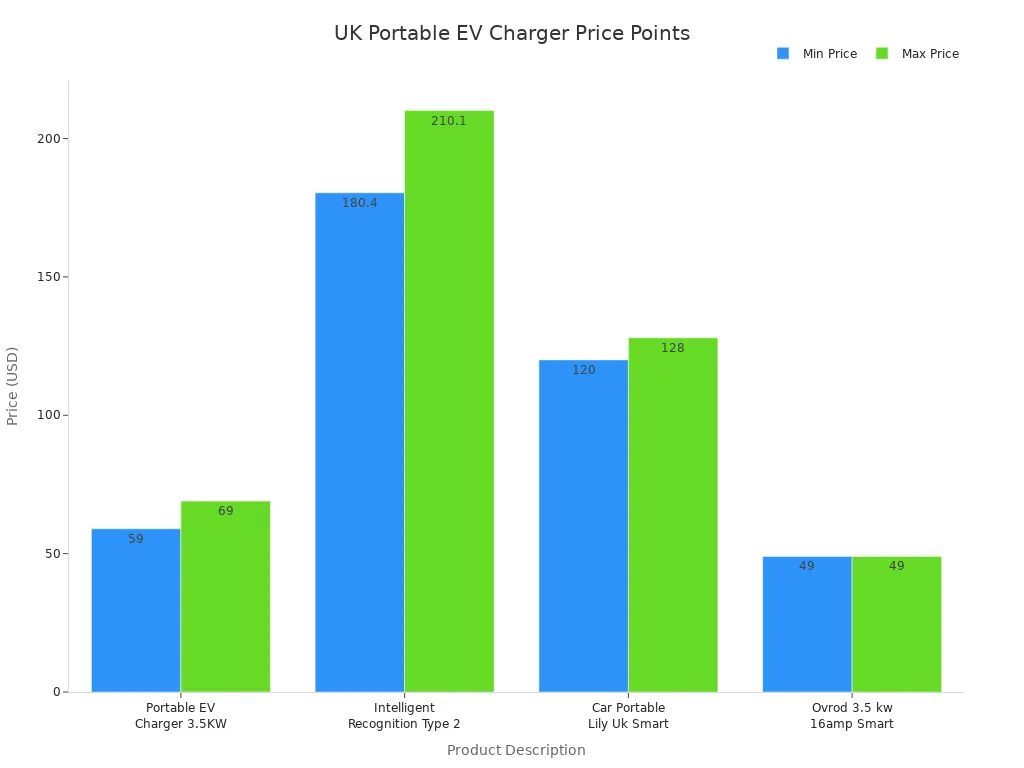
Drivers should evaluate charging speed, compatibility, installation needs, and smart features before purchasing. Choosing a commando socket can reduce the cost to charge an electric car. Many drivers find electric car charging more affordable by selecting efficient chargers and monitoring usage.

Tip: Hire a qualified electrician for installation and select certified chargers for safe electric car charging.
FAQ
How long does it take to charge an electric car with a portable charger?
Charging time depends on the charger’s power output and the vehicle’s battery size. A basic 3-pin charger may take up to 18 hours. A fast portable charger can reduce this to 3–12 hours.
Are portable electric car chargers safe to use at home?
Manufacturers design certified portable chargers with safety features like temperature monitoring and surge protection. Users should follow instructions and avoid using extension cords to reduce fire risks.
Can all electric cars use the same portable charger?
Not all electric cars use the same connector type. Drivers must check compatibility between the charger and their vehicle’s charging port, such as Type 2, CHAdeMO, or CCS.
Do portable chargers require professional installation?
Most portable chargers plug directly into existing sockets and do not need professional installation. Some high-power units or fixed home chargers may require an electrician for safe setup.
What is the typical lifespan of a portable electric car charger?
A quality portable charger usually lasts three to seven years. Lifespan depends on usage frequency, build quality, and regular maintenance.
Are there government grants for portable electric car chargers in the UK?
Government grants, such as the EV Chargepoint Grant, mainly support fixed home charger installations. Portable chargers typically do not qualify for these incentives.
What maintenance does a portable electric car charger need?
Users should inspect cables for damage, clean connectors, and update firmware when available. Regular care helps ensure safe and reliable operation.