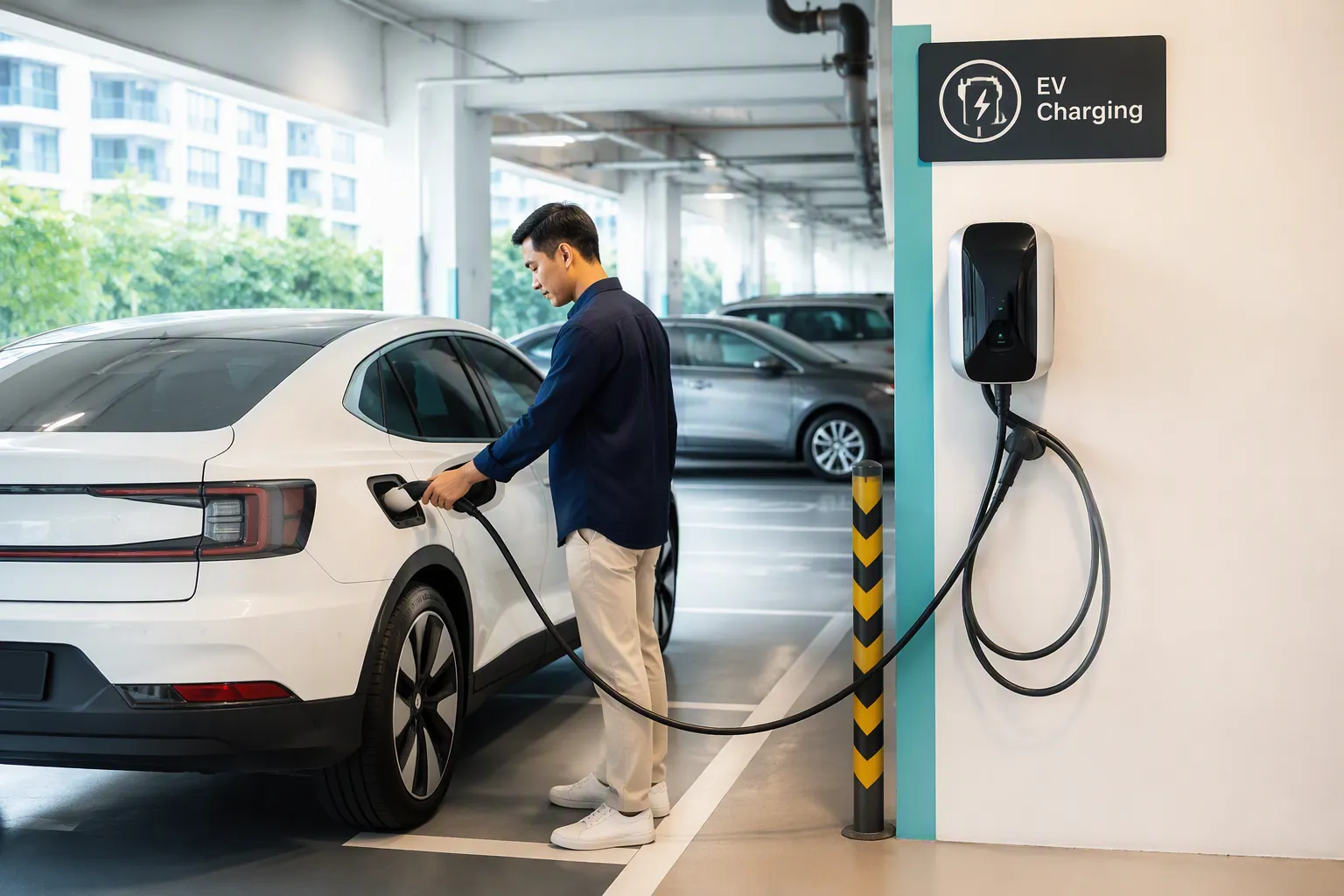
Singapore features a growing network of public EV charging stations that support the city’s shift toward electric mobility. As of September 2025, drivers can access over 7,100 public charging points, with major locations including SP Group at Orchard Central, Shell Recharge at Tampines Mall, Charge+ at Jurong Point, and BlueSG at Toa Payoh. These stations play a critical role in reducing range anxiety and ensuring reliable access to an EV Charger. Each site stands out for advanced technology and partnerships with leading EV charger manufacturers, making them essential stops for every EV user.
Overview of Public EV Charging Networks in Singapore

SP Group Charging Point Network
Network coverage across Singapore
SP Group operates one of the largest public EV charging networks in Singapore. The network covers a wide range of locations, including retail centers, business parks, and residential areas. SP Mobility manages 600 charging stations across 140 locations, making it accessible for drivers throughout the city. The following table shows the total number of SP Group charging points available:
| Source | Number of Charging Points | Locations |
|---|---|---|
| SP Expands Electric Vehicle Charging Network | Over 450 | More than 100 |
| SP app, the most seamless experience for EV charging | Over 1,400 | Close to 400 |
| Singapore EV Parking and Charging Guide 2022 | 200 | N/A |
This extensive coverage ensures that EV users can find a charging point in most major districts.
Charging speeds and technology offered
SP Group provides a mix of AC and DC fast chargers. The network supports advanced charging technologies, allowing users to charge their vehicles efficiently. Many stations offer fast charging options, which help reduce waiting times and improve convenience for drivers. The SP app enables seamless access and payment, making the charging process straightforward.
Shell Recharge Public EV Charging Stations
Unique features and services
Shell Recharge stations in Singapore offer several unique features. Customers can use 50-kW rapid direct-current chargers, which deliver an 80% charge in about 30 minutes. The stations provide air-conditioned shops, coffee, pastries, and snacks, allowing drivers to relax while their vehicles charge. The following table highlights the main features and technologies available at Shell Recharge stations:
| Feature/Technology | Description |
|---|---|
| Type of Chargers | Shell Recharge 50-kW rapid direct-current chargers |
| Charging Speed | 80% charge in about 30 minutes |
| Pricing | SGD $0.55 per kWh |
| Compatibility | Compatible with most EVs in Singapore |
| Additional Services | Air-conditioned shops, coffee, pastries, and snacks |
Key locations in Singapore
Shell Recharge stations are available at 10 Shell stations, including Sengkang and Newton Hooper. These locations provide convenient access for drivers in both central and suburban areas.
Charge+ Charging Point Network
Expansion plans and future coverage
Charge+ has become a major player in Singapore’s EV charging landscape. As of February, the network operates approximately 6,200 charging points, with 3,600 publicly accessible across more than 1,000 locations. Singapore aims to expand to 60,000 charging points by 2030, with 40,000 in public carparks and 20,000 in private properties. This ambitious plan will further improve accessibility for EV users.
- Charge+ currently operates thousands of charging points.
- The network will expand to 60,000 charging points by 2030.
- Public carparks and private properties will host most new stations.
User experience and app integration
Charge+ focuses on user experience by offering a dedicated mobile app. The app allows users to locate available charging points, monitor charging status, and manage payments. This integration streamlines the charging process and helps drivers plan their journeys more efficiently.
BlueSG and Bluecharge by TotalEnergies
Accessibility and public carpark integration
BlueSG and Bluecharge by TotalEnergies play a significant role in Singapore’s public EV charging landscape. These networks focus on integrating charging points within public carparks, making EV charging accessible for both residents and visitors. BlueSG began with a modest number of public charging points but quickly expanded its reach across the island.
- In April 2019, BlueSG offered 99 charging points for public use, representing about 13% of its total network of 755 chargers at 191 stations.
- The company set ambitious goals, aiming to deploy 2,000 charging points at 500 locations, with 400 points specifically available for public use.
- BlueSG targeted the deployment of 1,000 electric cars by 2020, supporting both car sharing and private EV ownership.
This integration with public carparks allows drivers to charge their vehicles conveniently while shopping, working, or running errands. The widespread distribution of charging stations ensures that users can find a charging point in many neighborhoods and commercial areas.
Car sharing and charging synergy
BlueSG’s model combines car sharing with public charging infrastructure. Users can rent electric vehicles from BlueSG and return them to any BlueSG station, where they can also recharge the vehicle. This synergy between car sharing and charging supports Singapore’s vision for sustainable urban mobility.
The Bluecharge network, now managed by TotalEnergies, continues to expand its footprint. By integrating with public carparks, Bluecharge enhances accessibility for both car sharing users and private EV owners. The seamless experience encourages more residents to adopt electric vehicles, knowing that charging infrastructure is readily available and easy to use.
Tip: Drivers benefit from the flexibility of charging at multiple locations, reducing the risk of range anxiety and supporting daily commutes or longer journeys.
Tesla and BYD Public Charging Points
Tesla Supercharger and BYD charging locations
Tesla and BYD have established dedicated charging networks in Singapore, catering to their respective vehicle owners. Tesla operates both Supercharger and Destination charging points, while BYD provides a growing number of chargers compatible with various EV models.
| Manufacturer | Number of Charging Points | Compatibility |
|---|---|---|
| BYD | 120 | Various EVs |
| Tesla | 20 (11 Supercharger + 9 Destination) | Tesla vehicles only (with potential for non-Tesla EVs in the future) |
Tesla’s Supercharger stations offer high-speed charging, primarily for Tesla vehicles. Destination chargers, located at hotels and shopping centers, provide slower charging options for longer stays. BYD’s network, with 120 charging points, supports a wide range of electric vehicles, making it a versatile choice for many drivers.
Network highlights and compatibility
Tesla’s Supercharger network stands out for its rapid charging capabilities, allowing Tesla owners to recharge quickly during short stops. The company continues to explore opening its network to non-Tesla EVs, which could further enhance accessibility in the future. BYD’s charging points serve a broader audience, supporting different EV brands and models.
Both networks contribute to Singapore’s robust EV charging ecosystem. Their presence in key locations ensures that drivers have reliable options for fast and convenient charging, whether they drive a Tesla, BYD, or another compatible electric vehicle.
Key Public EV Charging Stations by Network in Singapore
SP Group Charging Points
Prominent station locations and addresses
SP Group operates one of the most extensive networks of public EV charging stations in Singapore. Drivers can find these stations at major destinations, including shopping malls, business districts, and transport hubs. Some of the most prominent locations include:
- Jewel Changi Airport: 78 Airport Blvd, Singapore 819666
- Orchard Central: 181 Orchard Rd, Singapore 238896
- Mapletree Business City: 20 Pasir Panjang Rd, Singapore 117439
- Paya Lebar Quarter: 10 Paya Lebar Rd, Singapore 409057
- Jurong Point: 1 Jurong West Central 2, Singapore 648886
These locations provide convenient access for both daily commuters and travelers. SP Group ensures that each charging point is strategically placed to support the growing demand for electric vehicles.
Amenities and fast charging options
SP Group stations offer a range of amenities and fast charging options to enhance the user experience. Many sites feature high-speed chargers that minimize waiting times. The network also provides 24/7 customer support, ensuring reliable assistance at any hour. The following table summarizes the key features available at SP Group charging stations:
| Feature | Description |
|---|---|
| Nationwide coverage | Extensive network of public chargers across the island. |
| Fast charging facilities | Minimizes charging time with high-speed options. |
| Reliable support | 24/7 customer service for any issues or queries. |
| Location example | Fast chargers at Jewel Changi Airport for quick charges. |
Note: SP Group’s fast charging facilities help drivers reduce downtime and keep their electric vehicles ready for use.
Shell Recharge Charging Points
Convenient addresses and accessibility
Shell Recharge stations provide public EV charging stations at key locations throughout Singapore. These stations are often found at Shell service stations and popular retail destinations. Notable addresses include:
- Shell Sengkang: 61 Sengkang East Rd, Singapore 545015
- Shell Newton Hooper: 1 Newton Rd, Singapore 307943
- Shell Tampines Mall: 4 Tampines Central 5, Singapore 529510
- Shell Alexandra: 356 Alexandra Rd, Singapore 159949
Shell Recharge ensures that each charging point is easily accessible, with clear signage and convenient entry points for drivers.
Charging speed and payment details
Shell Recharge offers some of the fastest charging speeds available in Singapore. Each station features rapid chargers that can deliver up to 180 kW per station. Drivers can expect to add 30 kWh of charge in less than 15 minutes. Payment is simple and flexible, with options for contactless cards, the Shell App, and the Shell Recharge charge card. The table below outlines the charging speeds and payment methods:
| Charging Speed | Payment Methods | Discounts |
|---|---|---|
| 180 kW per station | Contactless payment card | Save 10p per kWh with Shell App |
| <15 min for 30 kWh | Shell App | Save 10p per kWh with Charge Card |
| Shell Recharge charge card |
Tip: Using the Shell App or Shell Recharge charge card can help drivers save on charging costs.
Charge+ Charging Points
High-traffic areas and shopping mall locations
Charge+ has positioned its public EV charging stations in some of Singapore’s busiest areas. The network focuses on high-traffic zones and popular shopping malls, making it easy for drivers to charge their electric vehicles while running errands or shopping. Key locations include:
- Jurong Point: 1 Jurong West Central 2, Singapore 648886
- NEX Mall: 23 Serangoon Central, Singapore 556083
- VivoCity: 1 HarbourFront Walk, Singapore 098585
- Great World City: 1 Kim Seng Promenade, Singapore 237994
- Tampines Mall: 4 Tampines Central 5, Singapore 529510
These sites attract a high volume of visitors, ensuring that the charging infrastructure supports both convenience and accessibility.
Nearby facilities and user convenience
Charge+ stations are designed with user convenience in mind. Drivers can access a wide range of nearby facilities, such as food courts, retail outlets, and entertainment centers. The Charge+ mobile app allows users to locate available charging points, monitor charging progress, and manage payments seamlessly. This integration helps drivers plan their charging sessions around daily activities, reducing downtime and maximizing efficiency.
Drivers benefit from the strategic placement of Charge+ stations, which support both public EV charging stations and the broader adoption of electric vehicles in Singapore.
BlueSG and Bluecharge Charging Points
Central locations and public transport links
BlueSG and Bluecharge have established a strong presence in Singapore’s urban landscape. Their charging points appear in central locations, making them accessible to a wide range of users. Many stations are situated near major public transport links, such as MRT stations and bus interchanges. This strategic placement allows drivers to leave their vehicles charging while they commute or run errands.
- BlueSG stations can be found in neighborhoods like Toa Payoh, Ang Mo Kio, and Bukit Merah.
- Bluecharge integrates charging points within public carparks, often adjacent to shopping centers and residential blocks.
- Proximity to public transport hubs increases convenience for both car owners and car-sharing users.
BlueSG and Bluecharge support Singapore’s goal of seamless mobility by connecting public ev charging stations with the city’s extensive transport network.
Integration with car sharing and parking
BlueSG’s model combines car sharing with public charging infrastructure. Users can rent electric vehicles from BlueSG and return them to any available station. This system encourages efficient use of both vehicles and charging points. Bluecharge, managed by TotalEnergies, continues this approach by integrating charging stations into public carparks.
- Drivers benefit from the ability to charge while parked for shopping, dining, or work.
- The synergy between car sharing and charging reduces the need for dedicated parking spaces.
- BlueSG’s network supports both private EV owners and car-sharing customers.
This integration helps maximize the utility of public ev charging stations, making electric vehicle ownership and usage more practical for city dwellers.
Tesla and BYD Charging Points
Key station locations and network coverage
Tesla and BYD have expanded their charging networks to serve Singapore’s growing EV community. Tesla’s first charger is located at the Singapore Island Country Club (SICC). The company has announced plans for additional chargers, which will further enhance network coverage across the island.
- Tesla’s initial location at SICC provides access for members and guests.
- BYD offers charging points in commercial and residential areas, supporting a diverse group of EV drivers.
- Both networks continue to grow, increasing the availability of public ev charging stations in Singapore.
The expansion of Tesla and BYD charging points ensures that drivers can find reliable charging options in key districts.
Special features and vehicle compatibility
Tesla and BYD charging stations offer advanced features and broad compatibility with multiple EV brands. The table below highlights some of the key features available at these stations:
| Feature | Details |
|---|---|
| Charging Points per HDB Town | 3 to 12 charging points by 2025 in every Housing and Development Board (HDB) town. |
| Fast Charging Availability | Fast charging stations are available in commercial areas, enhancing the charging network. |
Tesla and BYD stations support a wide range of electric vehicles, including:
- AION
- BYD
- Chery
- MG
- Tesla
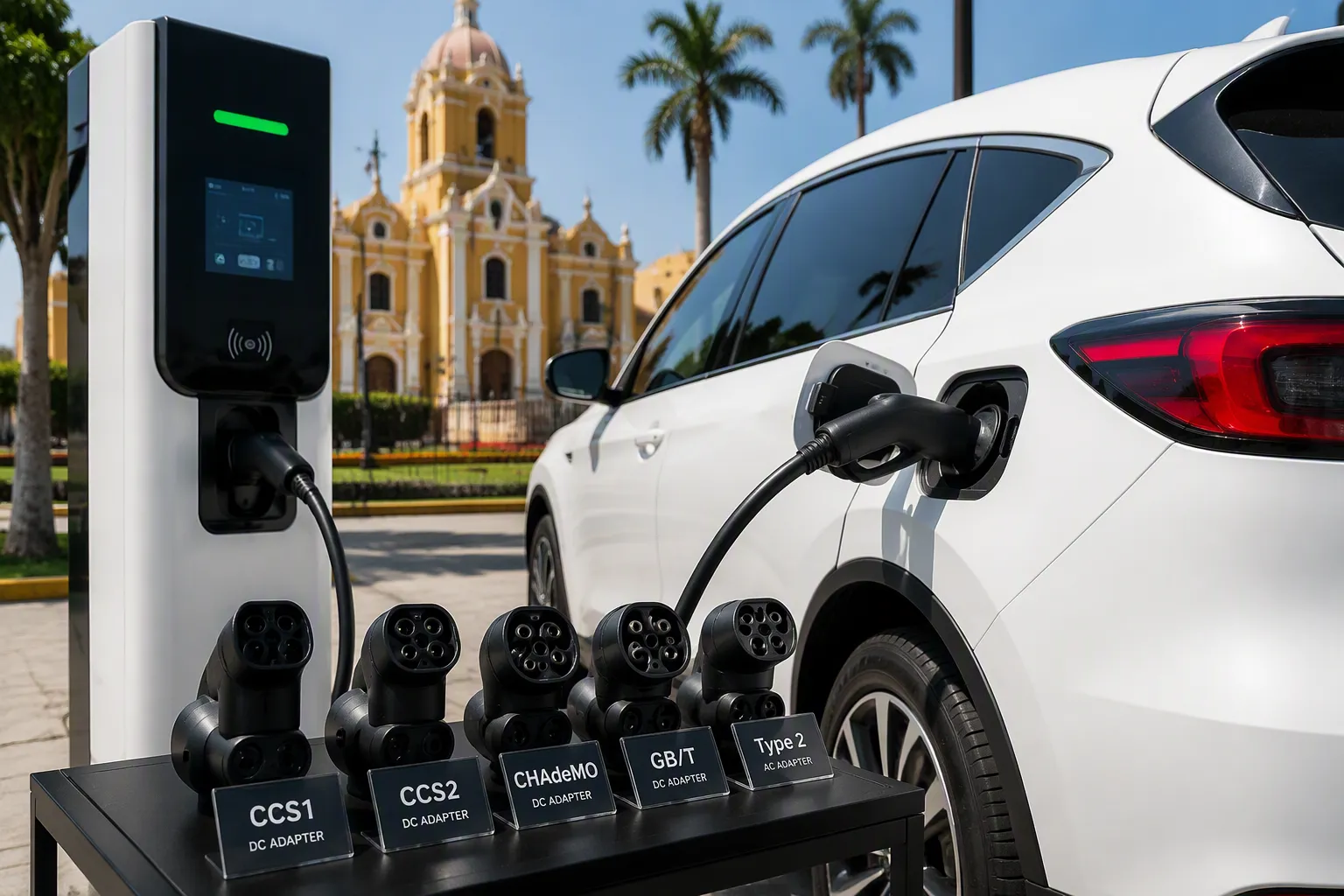
BYD’s Atto 3 model uses the CCS standard for charging. The top portion of the inlet supports Type 2 connectors for AC charging. Both sections of the inlet are used for fast or rapid DC charging.
- The BYD Atto 3 uses the CCS standard for charging.
- The top portion of the inlet is for Type 2 connectors for AC charging.
- Both sections of the inlet are used for fast/rapid DC charging.
These features make Tesla and BYD charging points versatile and future-ready. Drivers benefit from fast charging options and compatibility with many popular EV models.
How to Access and Use Public EV Charging Stations in Singapore
Finding a Charging Point
Using mobile apps (SP App, PlugShare, etc.)
Mobile apps play a crucial role in helping drivers locate available EV charging stations across Singapore. The SP App, PlugShare, and Charge+ App allow users to search for nearby stations, check real-time availability, and view charging speeds. These apps often provide navigation features, making it easier for drivers to reach their chosen charging point. Many apps also display user ratings and station details, which help drivers make informed decisions.
Online maps and directories for Singapore
Online maps and directories offer another reliable way to find public EV charging stations. Google Maps and the Land Transport Authority’s (LTA) EV charging station directory list locations, operating hours, and connector types. These resources ensure that drivers can plan their routes efficiently and avoid unnecessary detours.
Tip: Always check the latest updates on station availability before starting your journey to avoid delays.
Access Requirements for Public EV Charging
Membership, registration, and app setup
Public EV charging stations in Singapore have specific access requirements. Non-restricted access chargers are available in public areas and shared among multiple users. After installation, all EV chargers must be registered with the Land Transport Authority (LTA), and a Registered Responsible Person (RRP) must oversee maintenance and compliance. Charging operators must obtain a license, meet safety standards, and maintain public liability insurance. Most networks require users to create an account through their mobile app, which involves basic registration and linking a payment method.
Payment methods and free charging options
Most public charging stations accept a variety of payment methods, including credit cards, mobile wallets, and dedicated charging apps. Some networks offer loyalty programs or discounts for frequent users. Free charging options remain limited, but certain locations may provide complimentary charging during promotional periods or as part of parking packages.
Step-by-Step Charging Process
Plugging in your EV at a public charging point
Charging an EV at a public station involves several straightforward steps:
- Locate a public charging station using an app or online directory.
- Park your vehicle and connect it to the charging point using the appropriate cable.
- Confirm the connector type matches your vehicle’s requirements.
- Start the charging session through the app or payment terminal.
- Wait for your vehicle to reach the desired charge level.
Monitoring charging status and session completion
Drivers can monitor the charging status through the station’s display or the mobile app. Most apps provide real-time updates on charging progress and estimated completion time. Once charging finishes, users receive a notification and can safely disconnect their vehicle. Promptly vacating the spot ensures other drivers can access the point without unnecessary delays.
Note: Familiarizing yourself with payment methods and station features helps streamline the charging experience.
Troubleshooting Common Issues
App connectivity and payment problems
EV drivers in Singapore often rely on mobile apps to locate and access public charging stations. These apps, such as SP App and Charge+, sometimes experience connectivity issues. Users may encounter slow loading times, failed logins, or inaccurate station status updates. Network congestion or poor mobile signal can disrupt app performance, especially in underground carparks or remote areas.
Payment problems also arise at public charging stations. Some users report difficulties with card authorization or app-based transactions. Payment terminals may reject certain cards, or the app may fail to process a transaction due to server errors. These issues can delay charging and create frustration for drivers.
To address these challenges, drivers should:
- Ensure their mobile device has a stable internet connection before arriving at the station.
- Update charging apps regularly to access the latest features and bug fixes.
- Carry multiple payment options, such as credit cards and mobile wallets.
- Restart the app or device if connectivity problems persist.
- Contact customer support through the app or station hotline for immediate assistance.
Tip: Keeping the app updated and carrying backup payment methods can minimize disruptions during charging sessions.
Station availability and reporting faults
Limited charging infrastructure presents a significant challenge for EV users in Singapore. Most residents live in non-landed public housing, where charging stations remain scarce. This shortage restricts EV ownership and increases competition for available charging points. As the network expands, the electric grid may require upgrades to support higher demand.
Drivers sometimes arrive at a station to find it occupied, out of service, or experiencing technical faults. Common issues include damaged connectors, malfunctioning screens, or power outages. Safety risks such as fire hazards from outdated wiring, electric shock from high voltages, and cybersecurity threats also affect station reliability.
To troubleshoot station availability and faults, drivers should:
- Check real-time station status using mobile apps or online directories before departure.
- Look for alternative charging points nearby if the preferred station is unavailable.
- Inspect charging equipment for visible damage before use.
- Report faults immediately through the app or station hotline, providing details and photos if possible.
- Follow safety instructions posted at the station to avoid electrical hazards.
| Common Station Issues | Recommended Actions |
|---|---|
| Station occupied | Search for nearby alternatives |
| Equipment damage | Report via app or hotline |
| Payment terminal failure | Try another payment method |
| Power outage | Notify operator and seek support |
Drivers should remain vigilant for safety risks and report any suspicious activity or equipment faults. Prompt reporting helps operators maintain reliable and secure charging infrastructure.
- Fire hazards, electric shock risks, and cybersecurity threats require immediate attention from station operators.
- Commercial fleet operators face additional challenges due to high upfront costs and long charging times, which can affect operational efficiency.
By following these troubleshooting steps, EV users in Singapore can navigate common issues and ensure a safer, more reliable charging experience.
Features and Amenities at Public EV Charging Stations in Singapore
Charging Speeds and Types at Charging Points
Fast charging options and locations
Many public EV charging stations in Singapore offer fast charging options. These stations use direct current (DC) chargers that deliver high power output, allowing drivers to recharge their vehicles quickly. Locations such as shopping malls, business districts, and transport hubs often feature these fast chargers. For example, drivers can find rapid charging at Jewel Changi Airport and selected Shell Recharge stations. Fast charging reduces waiting times and supports busy urban lifestyles.
Standard charging options and compatibility
Standard charging options remain widely available across the island. Alternating current (AC) chargers provide a reliable solution for longer parking durations, such as overnight or during work hours. Most public stations support the Type 2 connector, which ensures compatibility with a broad range of electric vehicles. This flexibility allows drivers to select the most suitable charging point for their needs, whether they require a quick top-up or a full charge.
On-site Amenities for EV Users
Food, beverage, and retail outlets nearby
Public EV charging stations in Singapore often sit close to popular amenities. Many stations are located within or near shopping malls, supermarkets, and food courts. Drivers can enjoy a meal, grab a coffee, or shop for essentials while their vehicles charge. This arrangement maximizes convenience and turns charging sessions into productive breaks.
Rest areas, Wi-Fi, and convenience services
Some charging locations provide additional comforts for users. Rest areas with seating, free Wi-Fi, and clean restroom facilities enhance the overall experience. Certain stations offer convenience services such as vending machines or parcel lockers. These amenities help drivers stay comfortable and connected during their visit.
Safety and Security at Public Charging Points
Lighting, surveillance, and secure parking
Operators prioritize safety at public charging points. Well-lit environments and surveillance cameras deter theft and vandalism. Secure parking areas protect both vehicles and users. These measures create a safe atmosphere for charging at any time of day.
Emergency support and assistance
Singapore enforces strict technical guidelines for public EV charging infrastructure. The Land Transport Authority (LTA) and Energy Market Authority (EMA) require cybersecurity measures to protect users and systems. Operators implement API protection, encryption, and multi-factor authentication for payment systems. Regular software updates and collaboration with managed security service providers further strengthen defenses. The government’s regulations focus on minimizing downtime and ensuring reliability, especially as the country targets 60,000 charging points by 2030. Emergency support hotlines and clear instructions at each station provide immediate assistance if issues arise.
Note: Robust safety and security protocols ensure that every charging experience remains reliable and secure for all users.
Tips for Efficient Public EV Charging in Singapore
Planning Your Charging Stops at Public Stations
Avoiding peak hours and busy locations
Drivers in Singapore often face crowded charging stations during peak hours, especially in high-use zones like shopping malls and business districts. To minimize waiting times, they should plan charging sessions during off-peak periods, such as late evenings or weekday mornings. Familiarity with the local charging infrastructure helps users identify less congested stations. Many apps display real-time availability, allowing drivers to select stations with open spots. Strategic planning ensures a smoother experience and reduces unnecessary delays.
Route optimization for charging convenience
Efficient route planning can save both time and energy. Drivers should consider the location of charging stations along their daily routes or near destinations they frequent. By integrating charging stops with errands or work commutes, they maximize productivity. The table below outlines strategies for optimizing charging stops:
| Strategy | Description |
|---|---|
| Understanding Charging Infrastructure | Users should familiarize themselves with the availability and types of charging stations, especially during peak hours. |
| Utilizing Government Incentives | Taking advantage of available incentives can reduce costs and encourage more frequent use of public charging stations. |
| Location Consideration | Planning charging stops near high-use zones can optimize time and convenience for EV users. |
Tip: Drivers who ensure accessibility to high-use zones and consider urban mobility patterns can optimize their charging routines.
Maximizing Charging Speed and Efficiency
Battery management and pre-conditioning
Proper battery management extends the lifespan of an electric vehicle and improves charging efficiency. Drivers should avoid letting the battery level drop too low before recharging. Pre-conditioning the battery, especially before using fast chargers, can help achieve optimal charging speeds. Many modern EVs allow users to set pre-conditioning schedules through their onboard systems or mobile apps. This practice ensures the battery reaches the ideal temperature for rapid energy transfer.
Choosing the right charging point for your needs
Selecting the appropriate charging station depends on the driver’s schedule and vehicle requirements. Fast chargers suit those who need a quick top-up, while standard chargers work best for longer parking durations. Drivers should check connector compatibility and charging speeds before arrival. By matching the charging point to their needs, users can reduce downtime and improve overall efficiency.
Etiquette and Best Practices at Public Charging Points
Sharing charging spots and minimizing wait times
Public charging etiquette plays a vital role in supporting the EV community. Drivers should avoid occupying charging spots longer than necessary. When finished, they should promptly move their vehicles to free up space for others. Clear communication and consideration help minimize wait times and foster a cooperative environment.
Time management and unplugging promptly
Effective time management ensures fair access to charging infrastructure. Drivers should monitor their charging session and return to their vehicle before or as soon as the session ends. Many apps send notifications when charging completes. Promptly unplugging and vacating the spot allows others to use the facility without unnecessary delays.
Note: Practicing good etiquette at public charging points strengthens the sense of community and supports the growth of electric mobility in Singapore.
Cost-Saving Strategies for Public EV Charging
Membership benefits and loyalty programs
Many public EV charging networks in Singapore offer membership plans and loyalty programs. These programs help drivers reduce their overall costs. Members often receive discounted rates, priority access to new features, and exclusive promotions. For example, some networks provide lower per-kWh rates for registered users compared to pay-per-use customers. Others reward frequent users with bonus credits or free charging sessions after a certain number of visits.
Drivers can maximize savings by enrolling in multiple programs. They should compare the benefits of each network before committing. Some providers also offer bundled packages that include both charging and parking privileges. This approach suits drivers who regularly visit the same locations.
Tip: Drivers who monitor their usage and take advantage of loyalty rewards can see significant savings over time.
The table below summarizes key government incentives that further reduce the cost of owning and operating an electric vehicle in Singapore:
| Incentive Type | Description |
|---|---|
| EV Early Adoption Incentive (EEAI) | 45% Additional Registration Fee (ARF) rebate of up to $20,000 until December 2023. |
| Enhanced Vehicular Emissions Scheme (VES) | Increased rebates of $5,000 for cars and $7,500 for taxis until December 2025. |
| ARF Floor Reduction | $0 ARF for electric cars and taxis until December 2023, with combined rebates up to $45,000. |
| Road Tax Reduction | Up to 34% reduction for electric cars from January 2022, aligning with internal combustion engine equivalents. |
These incentives lower the upfront and ongoing costs for EV owners, making public charging more affordable.
Off-peak pricing and free charging opportunities
Some charging networks in Singapore introduce off-peak pricing to encourage drivers to charge their vehicles during less busy hours. Off-peak rates usually apply late at night or early in the morning. These lower rates help drivers save money and reduce congestion at popular stations. Drivers should check each provider’s app or website for specific off-peak periods and rates.
Occasionally, providers offer free charging promotions. These may coincide with public holidays, special events, or the launch of new stations. While free charging remains rare, drivers who stay informed about upcoming offers can take advantage of these opportunities.
- Monitor provider announcements for limited-time free charging events.
- Schedule charging sessions during off-peak hours to benefit from reduced rates.
- Combine off-peak pricing with loyalty rewards for maximum savings.
Note: Careful planning and awareness of available promotions allow drivers to minimize their charging expenses throughout the year.
Future Developments in Public EV Charging Stations in Singapore
Upcoming Charging Points and Network Expansions
Planned station rollouts and new locations
Singapore continues to expand its public charging infrastructure to support the growing adoption of electric vehicles. The government has set a target to establish 60,000 charging stations by 2030. As of now, more than 15,300 stations have been installed, with over 7,100 available as public charging points. New locations will appear in residential neighborhoods, commercial centers, and transport hubs. Operators plan to increase coverage in underserved areas, ensuring that every driver can access a charging point within a short distance.
Adoption of new charging technologies
Charging networks in Singapore have started upgrading existing stations with advanced technology. Fast chargers now appear at more locations, reducing charging times and improving convenience. The first public fast chargers launched at Woodlands Civic Centre, marking a significant milestone. These upgrades allow electric vehicle owners to recharge quickly, making daily use more practical. Operators also explore smart charging solutions that optimize energy use and reduce strain on the grid.
Government Initiatives for Public EV Charging
Incentives for EV users and station operators
The government provides strong support for both electric vehicle users and charging station operators. Incentives include rebates on registration fees, road tax reductions, and grants for installing charging infrastructure. These measures lower the cost of ownership and encourage more drivers to switch to electric vehicles. Station operators benefit from streamlined licensing and support for deploying new technology.
Infrastructure upgrades and policy support
Singapore’s national e-hc charging infrastructure receives continuous upgrades. The government works closely with industry partners to enhance reliability and safety. Recent milestones include the deployment of fast chargers and the integration of cybersecurity measures. The table below summarizes key initiatives and upgrades:
| Initiative/Upgrade | Details |
|---|---|
| Target for Charging Stations | Establish 60,000 charging stations by 2030. |
| Current Progress | Over 15,300 stations installed, with more than 7,100 being public charging points. |
| Fast Charger Deployment | Upgrading some public chargers to fast chargers, enhancing charging efficiency significantly. |
| Recent Milestone | First public fast chargers unveiled at Woodlands Civic Centre on November 4th. |
Note: Ongoing policy support ensures that infrastructure keeps pace with rising demand for electric vehicles.
Sustainability and Green Efforts at Charging Points
Renewable energy integration at public stations
Operators have begun integrating renewable energy sources at public charging stations. Some sites use solar panels to generate clean electricity, reducing the carbon footprint of each charging session. These efforts align with Singapore’s broader sustainability goals and help create a greener transport ecosystem.
Green certifications and eco-friendly practices
Charging networks pursue green certifications and adopt eco-friendly practices. Many stations use energy-efficient lighting, recycled materials, and smart systems to minimize waste. Operators also promote responsible usage by encouraging drivers to unplug promptly and conserve resources.
Charging infrastructure in Singapore evolves rapidly, combining technology, policy, and sustainability to support the future of electric mobility.
Singapore’s public EV charging stations provide reliable access for every electric vehicle driver. Major networks like SP Group, Shell Recharge, Charge+, BlueSG, and Tesla offer extensive coverage and advanced features. Drivers should explore these options to maximize convenience and efficiency.
For a smooth EV experience, plan charging stops, monitor station updates, and follow best practices.
Stay informed about new developments to make the most of Singapore’s growing electric mobility landscape.
FAQ
What types of EV chargers are available at public stations in Singapore?
Public stations offer AC chargers (Type 2) and DC fast chargers (CCS2). Most electric vehicles in Singapore can use these connectors. Fast chargers provide quicker charging, while AC chargers suit longer parking durations.
How can drivers pay for charging at public stations?
Drivers can pay using mobile apps, credit cards, or dedicated charging cards. Most networks accept contactless payments. Some providers offer loyalty programs or discounts for registered users.
Are public EV charging stations open 24/7?
Most public EV charging stations in Singapore operate 24 hours a day. Drivers can access charging points at any time, including weekends and public holidays.
Can non-Tesla vehicles use Tesla Superchargers in Singapore?
Currently, Tesla Superchargers in Singapore serve only Tesla vehicles. The company may open access to other brands in the future, depending on policy changes and network upgrades.
What should drivers do if a charging station is out of service?
Drivers should check the charging app for real-time status updates. If a station is faulty, they can report the issue through the app or hotline. Operators usually respond quickly to restore service.
Is it safe to leave an EV unattended while charging?
Charging stations in Singapore feature surveillance cameras and lighting. Most locations offer secure parking. Drivers can leave their vehicles charging while they shop or dine nearby.
How long does it take to charge an EV at a public station?
Charging time depends on the charger type and vehicle battery size. DC fast chargers can provide an 80% charge in 30 minutes. AC chargers may take several hours for a full charge.
Do public charging stations support all EV brands?
Most public charging stations in Singapore support major EV brands using Type 2 or CCS2 connectors. Drivers should check compatibility before charging, especially for less common models.