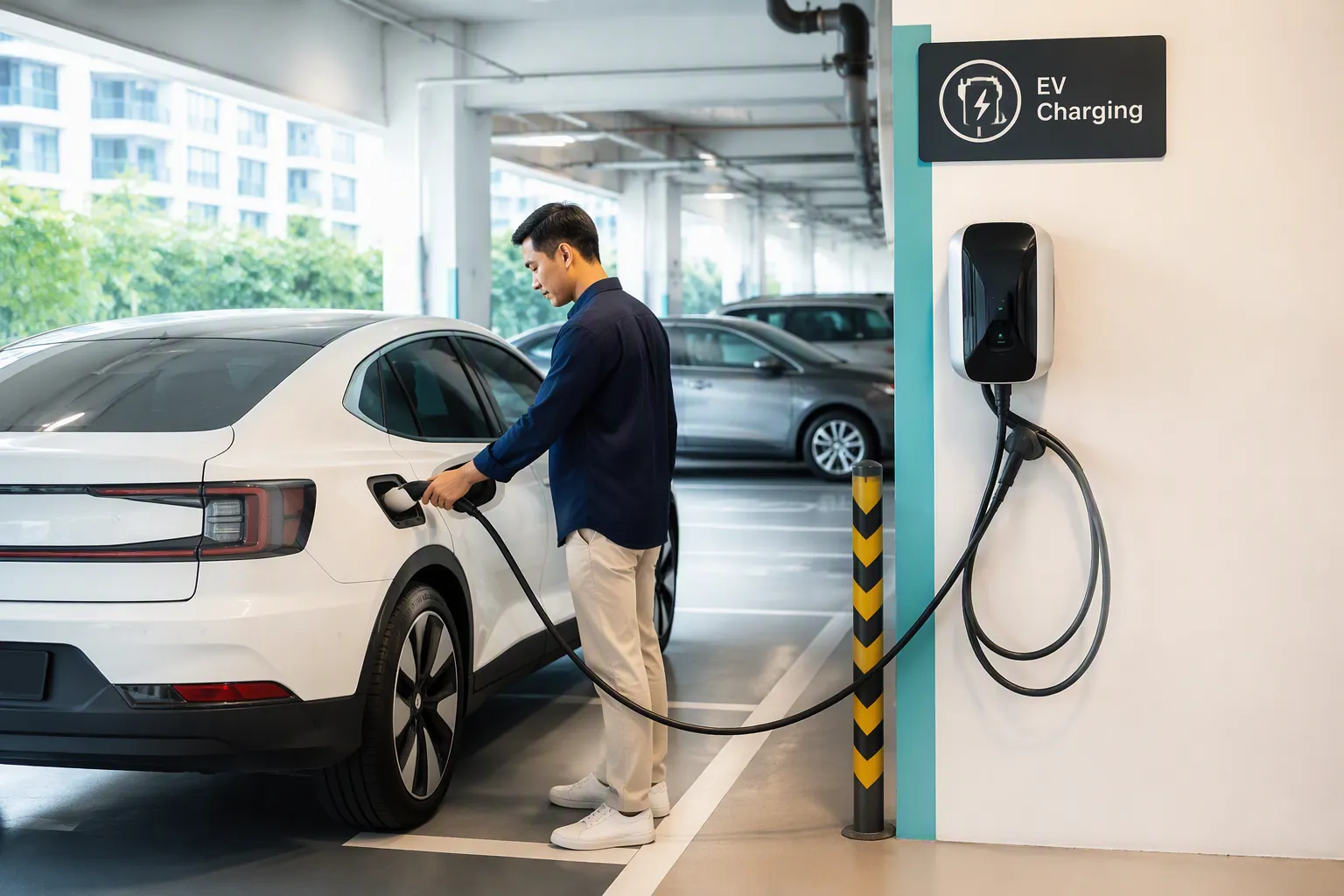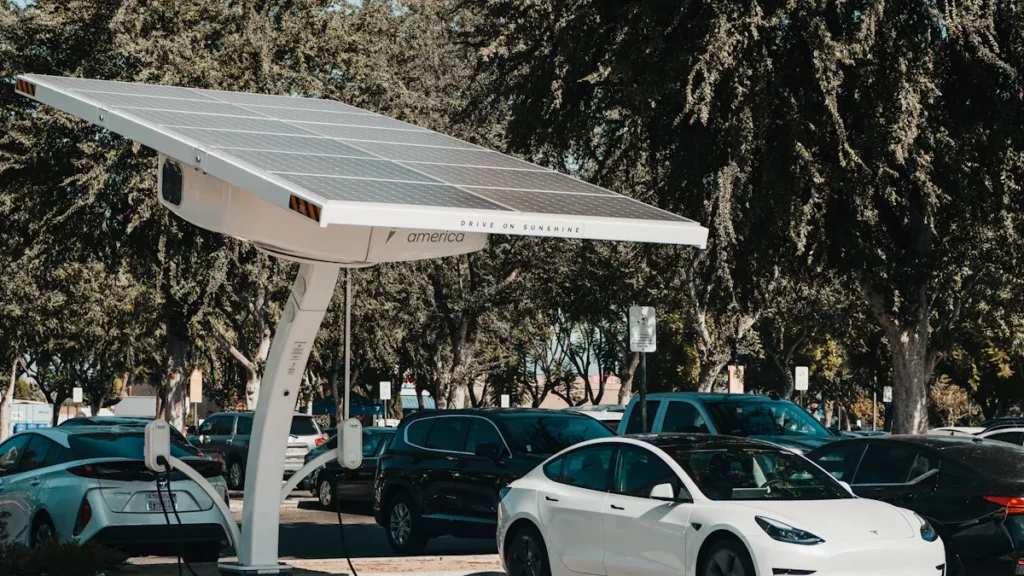

Businesses now view the installation of a commercial electric vehicle charger as a strategic step. Owners start the process by evaluating needs and choosing a charger that aligns with their goals. They work with EV charger manufacturers and certified installers to ensure compliance with local codes. Recent industry reports highlight several impacts:
- The commercial segment captured over 19% of global revenue in 2022.
- Retailers with an electric vehicle charger attract more customers and improve retention.
- Convenience from an EV Charger enhances customer experience.
Why Commercial Electric Vehicle Charger Installation Matters
Attracting Customers with Commercial EV Charging
Increased Foot Traffic
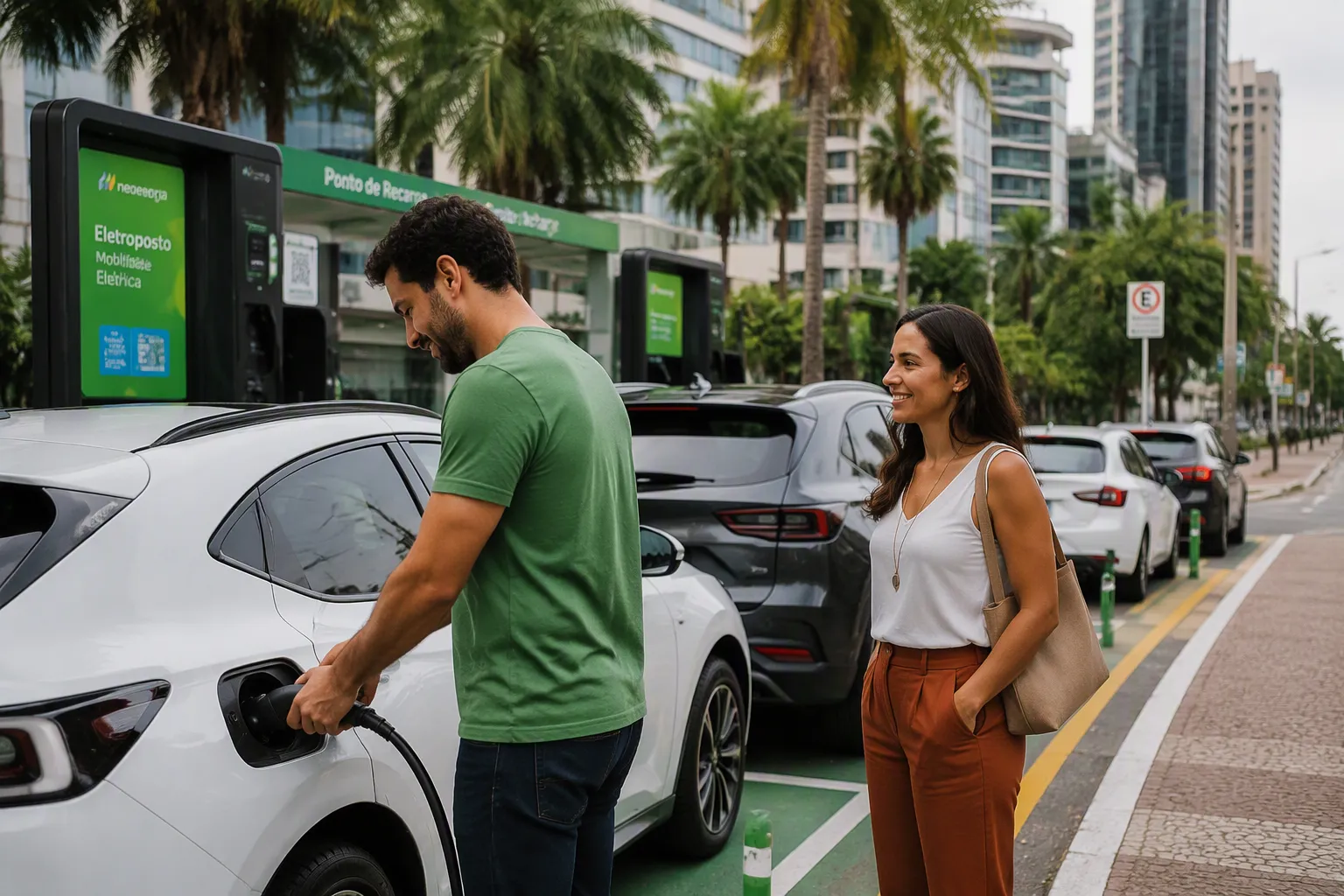
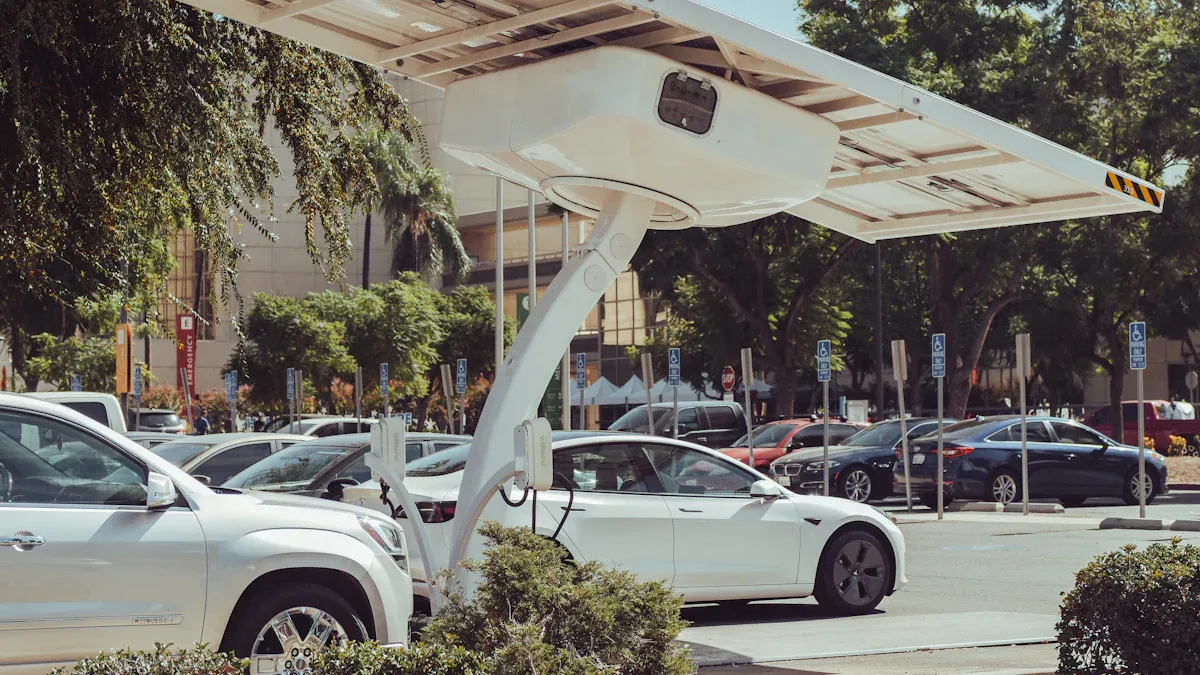
Businesses that install a commercial electric vehicle charger often see a noticeable rise in customer visits. EV owners actively seek out locations with charging options, especially as the number of electric vehicles on the road continues to grow. Studies show that 63% of EV drivers prefer venues with charging infrastructure, which directly increases customer attraction. Retailers and hospitality businesses benefit from greater visibility on public charging maps, drawing in new visitors who might not have otherwise stopped by.
- In 2019, businesses near charging stations experienced an average annual spending increase of 1.4%, translating to nearly $23,000 in additional revenue.
- From 2021 to mid-2023, the average increase was 0.8%, or about $3,400 per year.
- Each new charging station brought approximately 17 more customers and $1,478 in extra spending in 2019.
These figures highlight the economic impact of commercial EV charger installation on local businesses.
Enhanced Customer Experience
Offering charging services creates a more convenient and enjoyable experience for customers. Level 2 stations encourage longer visits, as drivers spend time shopping or dining while their vehicles charge. This extended dwell time often leads to increased spending. Customers appreciate the added value, which can set a business apart from competitors.
Tip: Listing your charging station on public maps can further boost visibility and attract tech-savvy, eco-conscious shoppers.
Employee Benefits of Workplace Charging
Charging Perks for Staff
Workplace charging provides a valuable perk for employees who drive EVs. On-site charging helps staff manage their daily routines and reduces their reliance on public infrastructure. This benefit appeals to current employees and can attract new talent, especially those who prioritize sustainability.
Employee Retention and Satisfaction
| Evidence Type | Description |
|---|---|
| Employee Benefits | Electric car salary sacrifice schemes align with modern sustainability preferences, boosting retention. |
| Financial Appeal | These programs offer financial advantages, particularly for younger employees, increasing satisfaction. |
| Cost Efficiency | Employers improve retention without extra costs, as employees save on taxes and leasing expenses. |
Providing charging options demonstrates a company’s commitment to employee well-being and environmental responsibility, which strengthens loyalty and satisfaction.
Sustainability and Brand Image Through Commercial EV Charging
Environmental Responsibility
| Evidence | Description |
|---|---|
| Meeting ESG Goals | Commercial EV charging stations support EV adoption and reduce greenhouse gas emissions. |
| Supporting Long-term Sustainability Goals | Integrating solar panels with charging stations lowers costs and supports sustainability. |
| Comprehensive Renewable Integration | Charging infrastructure can decrease carbon footprint by up to 70%. |
| Reducing Carbon Footprint | Encouraging EV use through charging stations aligns with sustainability targets. |
| Corporate Responsibility | Demonstrating environmental responsibility enhances brand image and appeals to stakeholders. |
| Encouraging Renewable Energy Integration | Charging stations can use renewable energy, reducing reliance on fossil fuels. |
Positive Public Perception
Businesses that invest in commercial EV charging infrastructure send a clear message about their commitment to sustainability and innovation. Malls and retailers that adopt green practices attract eco-conscious shoppers and foster long-term loyalty. Publicly visible charging stations can generate positive media coverage, enhancing a company’s reputation and differentiating it from competitors.
Future-Proofing Your Business with Commercial EV Charger Installation
Staying Ahead of Trends
Businesses that invest in commercial EV charger installation position themselves at the forefront of industry innovation. The global electric vehicle market continues to expand rapidly. Market analysts valued the sector at approximately $246.7 billion in 2020, with projections reaching $287.36 billion by the end of 2021. This growth signals a shift in consumer preferences and transportation habits. The electric commercial vehicle market is expected to reach $72.3 billion by 2024, with a compound annual growth rate of 12.7% from 2025 to 2034. Wireless EV charging technology also shows promise, with forecasts predicting the market will exceed $30.3 million by 2024 and grow at a rate of over 53.5% annually through 2034.
Note: Early adoption of charging infrastructure allows businesses to capture new revenue streams and attract tech-savvy customers.
Companies that monitor these trends can anticipate future needs and adapt their offerings. By installing EV charging stations, they demonstrate a commitment to innovation and sustainability. This proactive approach helps businesses remain competitive as electric vehicles become more prevalent.
Meeting Regulatory Requirements
Regulatory standards for commercial EV charger installation continue to evolve. As of November 24th, 2024, businesses must comply with the Public Charge Point Regulations 2023. These rules require chargers to maintain 99% uptime and report reliability each year. Operators must provide a staffed helpline available 24/7, display pricing in a standardized format, and support contactless payments for chargers over 8kW.
- New buildings with more than 10 parking spaces must offer at least one EV charging point.
- At least one in every five remaining parking spaces must include cable routes for future charging installations.
- Part S of Schedule 1 to the Building Regulations 2010 mandates EV charging infrastructure in new commercial buildings.
- Scotland introduced similar requirements in June 2023.
These regulations ensure that businesses provide reliable and accessible charging options for customers and employees. Compliance not only avoids penalties but also enhances the reputation of the business as a responsible and forward-thinking organization.
Tip: Regularly review local and national guidelines to ensure ongoing compliance and maximize the benefits of commercial EV charger installation.
By staying informed and meeting these requirements, businesses secure their place in a changing market and support the transition to sustainable transportation.
Step-by-Step Commercial EV Charger Installation Guide

Assessing Your Commercial Charging Needs
Number of Chargers Required
Business owners must determine the optimal number of chargers for their location. This decision depends on several factors, including employee demand, customer traffic, and fleet requirements. The process begins with a thorough site assessment and planning phase. Owners survey staff and clients to gauge interest in electric vehicle charging. They review lease agreements to identify any restrictions that could affect installation. After gathering utility bills and electrical plans, they clarify their goals for the charging infrastructure. The next step involves drafting an electrification proposal and seeking approval from facility managers or freeholders.
Tip: Businesses should align the number of chargers with projected growth in EV adoption to avoid future upgrades.
Types of Vehicles Served
Different commercial sites cater to various vehicle types. Retailers may focus on passenger cars, while logistics companies prioritize fleet vehicles. Understanding the mix of vehicles helps select the right charger models and power levels. Owners consider the average dwell time and charging needs of their users. For example, office buildings may require chargers for employees’ daily use, while hotels might serve guests with longer stays. This analysis ensures the commercial electric vehicle charger installation meets the needs of all users.
Site Evaluation and Power Requirements for Installation
Electrical Capacity Assessment
A successful installation depends on the property’s electrical capacity. Owners obtain electrical plans and analyze past utility bills to estimate current and future energy needs. They evaluate the existing electrical infrastructure to confirm it can support the demands of commercial EV charging. If upgrades are necessary, they plan for additional wiring or transformer capacity. The assessment also identifies potential obstructions that could hinder installation.
- Evaluate electrical infrastructure for compatibility with charging systems.
- Assess the property’s capacity and plan upgrades if needed.
- Gather utility data to forecast energy consumption.
Location Selection
Selecting the right location for the electric vehicle charger is critical. Owners identify accessible parking spots that maximize convenience and safety for users. They consider proximity to power sources and ensure compliance with local regulations, zoning laws, and building codes. A thorough site assessment and planning process helps avoid delays and ensures smooth installation. Proper electrical grounding and securing permits are essential steps before beginning physical work.
Note: Strategic placement of chargers increases visibility and encourages higher usage rates.
Choosing the Right Commercial Electric Vehicle Charger
Level 2 vs. DC Fast Chargers
Owners must choose between Level 2 and DC fast chargers based on user needs and site capabilities. The table below highlights key differences:
| FEATURE | LEVEL 2 CHARGING | DC FAST CHARGING |
|---|---|---|
| Power Output | 3.3 – 19.2 kW | 50 – 350+ kW |
| Voltage | 208V – 240V AC | 400V – 900V+ DC |
| Charging Speed | 10–60 miles/hour | 100–200+ miles in 20–30 min |
| Typical Use | Daily home/work charging | Road trips, emergency top-up |
| Installation Cost | $500 – $2,000 (home) | $30,000+ (commercial only) |
| Charging Time (Full) | 4 – 10 hours | 30 min – 1 hour (up to 80%) |
| Impact on Battery | Minimal | Slight degradation |
| Availability | Widely available | Growing network |
| User Convenience | Easy, overnight charging | Fast, may involve wait time |
| Infrastructure Needs | Panel upgrade (sometimes) | High-voltage grid access |
Level 2 chargers suit locations where users stay for several hours, such as offices or retail centers. DC fast chargers provide rapid charging for travelers or fleet vehicles, but require more robust infrastructure and higher installation costs.
Smart Features and Connectivity
Modern commercial EV charging stations offer advanced smart features and connectivity options. Owners benefit from OCPP compliance, which supports smart scheduling and dynamic pricing. Two-way communication enables real-time status updates and remote diagnostics. Plug-and-play platform flexibility allows integration with leading charging networks and fleet management systems. Modular hardware designs make it easy to expand charging infrastructure without major upgrades.
| Feature/Option | Description |
|---|---|
| OCPP Compliance | Advanced scheduling and pricing features |
| Two-Way Communication | Status updates and transaction logging |
| Platform Flexibility | Integration with charging networks and fleet systems |
| Modular Hardware | Easy expansion of charging ports |
| Access Control Systems | Secure access via RFID, mobile apps, or PIN codes |
| Network Mesh Options | Ethernet, Wi-Fi, or LTE connectivity |
| Load Balancing | Distributes power based on demand |
| Priority Charging Modes | Faster charging for fleet or VIP vehicles |
| Energy Monitoring Integration | Syncs with building energy management systems |
| Remote Control and Diagnostics | Enables remote management and troubleshooting |
These features enhance user experience, improve operational efficiency, and support future scalability. Owners should select chargers that align with their business goals and infrastructure capabilities.
Finding a Qualified Installer for Commercial EV Charging
Selecting the right professional for commercial EV charger installation ensures safety, compliance, and long-term reliability. The installer’s qualifications directly impact the success of the project and the performance of the charging infrastructure.
Certified Electricians
A qualified installer must hold the proper certifications and training. Commercial projects require more than basic electrical skills. Installers should possess a Level 3 Electrotechnical Qualification and specialized training in EV charger installations. Health and safety training remains essential for working on high-voltage systems. Manufacturer certification further enhances the installer’s competency, ensuring they follow the latest standards and best practices.
The following table outlines the key qualifications for a commercial electric vehicle charger installer:
| Qualification Type | Description |
|---|---|
| Professionally Accredited Electrician | Must complete a suitable qualification for managing electric energy. |
| Industry Accreditation | Accreditation from recognized bodies like NICEIC or ELECSA is required. |
| Public Liability Insurance | Essential for customer protection, especially in commercial projects. |
| Specific Training | Completion of training specific to EV charging station installations. |
Tip: Always verify the installer’s credentials and request proof of insurance before starting the installation.
Experience with Commercial Projects
Experience with commercial projects sets top installers apart. They understand the complexities of large-scale charging infrastructure and can anticipate challenges unique to business environments. Installers with a proven track record in commercial EV charger installation can manage site assessment and planning, coordinate with multiple stakeholders, and ensure compliance with all regulations. Their expertise reduces the risk of costly delays and ensures a smooth installation process.
Permits, Compliance, and Landlord Permission
Proper permits and compliance steps protect businesses from legal issues and ensure the safety of the charging system. Landlord permission may also be necessary for leased properties.
Local Building Codes
Local building codes govern every aspect of commercial EV charger installation. Businesses must determine the type of charger—Level 2 or DC fast charger—since each typically requires an electrical installation permit. The chosen location must comply with parking regulations and accessibility standards. Businesses submit detailed installation plans, including electrical diagrams and load calculations, to confirm safety and code compliance.
A typical checklist for permit and compliance requirements includes:
- Contact the local permitting office to identify specific requirements.
- Prepare documentation: site plans, electrical schematics, load calculations, ADA compliance plans, manufacturer specifications, and permit application forms.
- Submit the permit application and pay any required fees.
- Undergo a permit review and approval process, which may take several days or weeks.
Note: Scheduling an inspection with the local authority ensures the installation meets all building codes before activation.
Utility Coordination
Utility coordination plays a vital role in the installation process. Businesses must notify the utility company about any changes to the electrical infrastructure. This step ensures the property’s electrical system can handle the increased load from the new charging stations. Utilities may require additional information, such as load calculations and electrical diagrams, to approve the connection. Early communication with the utility provider helps prevent delays and supports a seamless installation.
Installation Process for Commercial EV Chargers
A structured approach to installation guarantees efficiency and safety. The process involves several key stages, from preparation to physical setup.
Scheduling and Preparation
The installation process begins with internal buy-in. Stakeholders must understand the sustainability and financial benefits of commercial EV charger installation. Businesses then partner with a solutions provider who guides them through equipment selection and installation planning. Site validation and valuation follow, where experts assess feasibility, plan equipment placement, and review regulations and incentives. Site development includes preparing for construction, refining plans, and securing all necessary permits.
Callout: Early and thorough site assessment and planning reduce the risk of unexpected issues during installation.
Physical Installation Steps
Once preparation is complete, the physical installation starts. Contractors execute engineering, procurement, and construction tasks. Certified electricians install the charging equipment, connect utilities, and ensure all systems meet safety standards. The process concludes with an inspection by local authorities to confirm compliance with building codes. After approval, the business can activate the charging stations and begin offering services to employees and customers.
A typical installation process includes:
- Secure stakeholder support.
- Collaborate with an experienced solutions provider.
- Conduct site assessment and planning.
- Prepare the site and finalize plans.
- Complete engineering, procurement, and construction.
- Schedule inspection and obtain final approval.
- Activate and maintain the charging infrastructure.
Tip: Ongoing maintenance and asset management keep the commercial electric vehicle charger operating efficiently and safely.
Testing and Activation of Commercial EV Charging Stations
Safety Checks
Testing and activation of commercial EV charging stations require a systematic approach to safety. Technicians conduct a series of electrical and functional tests to confirm that the charging infrastructure operates reliably and meets all regulatory standards. They begin with ground fault circuit integrity testing and insulation resistance checks. These steps help prevent electrical hazards and ensure the system remains safe for users.
The following table outlines the essential safety checks performed during the activation process:
| Category | Safety Checks |
|---|---|
| Electrical Testing | Ground fault circuit integrity testing, Insulation resistance testing, Polarity and phase rotation verification, Voltage and current measurement verification, Ground resistance testing |
| Functional Testing | Charging cycle testing with actual vehicle, Safety shutdown system testing, Emergency stop function verification, Communication system testing, User interface and display testing |
| Code Compliance Inspection | Electrical code compliance review, Installation workmanship inspection, Safety system functionality verification, Proper labeling and documentation review, Final approval and permit sign-off |
| Common Inspection Issues | Improper GFCI installation, Inadequate grounding, Incorrect labeling, Code violations, Workmanship issues |
Technicians verify polarity and phase rotation to prevent equipment damage. They measure voltage and current to confirm that the station delivers consistent power. Ground resistance testing ensures that the system remains properly earthed, reducing the risk of electrical shock. Functional testing includes charging cycle tests with actual vehicles and emergency stop function verification. The team checks the user interface and display to guarantee that users receive accurate information during charging sessions.
Code compliance inspections play a critical role in the activation process. Inspectors review the installation for adherence to electrical codes and verify that all safety systems function as intended. They check for proper labeling and documentation before granting final approval. Common inspection issues, such as improper GFCI installation or inadequate grounding, must be resolved before the station becomes operational.
Tip: Businesses should schedule a final inspection with local authorities to confirm that the installation meets all safety and code requirements.
Initial Setup and User Training
After passing safety checks, technicians proceed with the initial setup and user training. They test the charging station’s network connectivity and remote monitoring capabilities. Mobile app setup and billing system verification ensure that users can access charging services and manage payments efficiently.
A successful activation includes end-to-end charging cycle testing. Technicians document all system settings and configurations for future reference. They provide hands-on training for employees and customers, covering connector handling, cable management, and charging session procedures. Users learn how to initiate and terminate charging sessions, interpret status displays, and use mobile apps for account management.
A checklist for user training includes:
- Proper connector handling and cable management
- Charging session initiation and termination procedures
- Understanding charging indicators and status displays
- Mobile app usage and account management
- Basic troubleshooting and problem resolution
- Electrical safety precautions during charging
- Proper handling of charging cables in wet conditions
- Emergency shutdown procedures
- Recognition of potential safety hazards
- When to contact professional service
Technicians emphasize electrical safety and emergency procedures. They instruct users on recognizing potential hazards and knowing when to seek professional assistance. This comprehensive training helps prevent accidents and ensures that users feel confident operating the charging station.
Callout: Thorough user training and documentation support long-term reliability and safety for every commercial EV charger installation.
Commercial EV Charger Installation Costs, Incentives, and ROI
Upfront Costs of Commercial Electric Vehicle Charger Installation
Equipment Expenses
Businesses face a range of equipment expenses when planning for commercial EV charger installation. The type of charger selected has a significant impact on the overall budget. Level 2 charging stations offer a cost-effective solution for many commercial properties, while DC fast chargers require a larger investment due to their advanced technology and higher power output.
The following table outlines average equipment costs for different charger types:
| Charger Type | Average Cost per Port/Dispenser |
|---|---|
| Level 2 charging station | $3,500 – $15,000 |
| DC fast charging equipment | $10,000 – over $200,000 |
| Basic DC fast chargers | Starting at $20,000 |
Ultra-rapid DC chargers can exceed $200,000 per unit, especially for high-traffic locations or fleet operations. These figures represent the core equipment only and do not include installation or site preparation.
Installation Fees
Installation fees add a substantial portion to the net installed cost of a commercial EV chargepoint. These fees cover labor, site preparation, electrical upgrades, and integration with existing infrastructure. The complexity of the project, such as trenching, wiring, and electrical panel upgrades, influences the final amount.
| Installation Component | Average Cost Range |
|---|---|
| Installation Costs | £2,000 – £25,000+ |
| DNO (Distribution Network Operator) Costs | £100s to £50,000+ |
In the United States, the installed cost of a commercial EV chargepoint can vary widely. For Level 2 stations, the total project cost often falls between $3,500 and $15,000 per port. DC fast chargers range from $18,000 to over $350,000 per unit, depending on site conditions and power requirements. Businesses should also consider the commercial chargepoint cost for electrical service upgrades and permitting.
Note: Accurate site assessment and early planning help control charging stations costs and avoid unexpected expenses.
Available Incentives and Rebates for Commercial EV Charging
Federal Programs
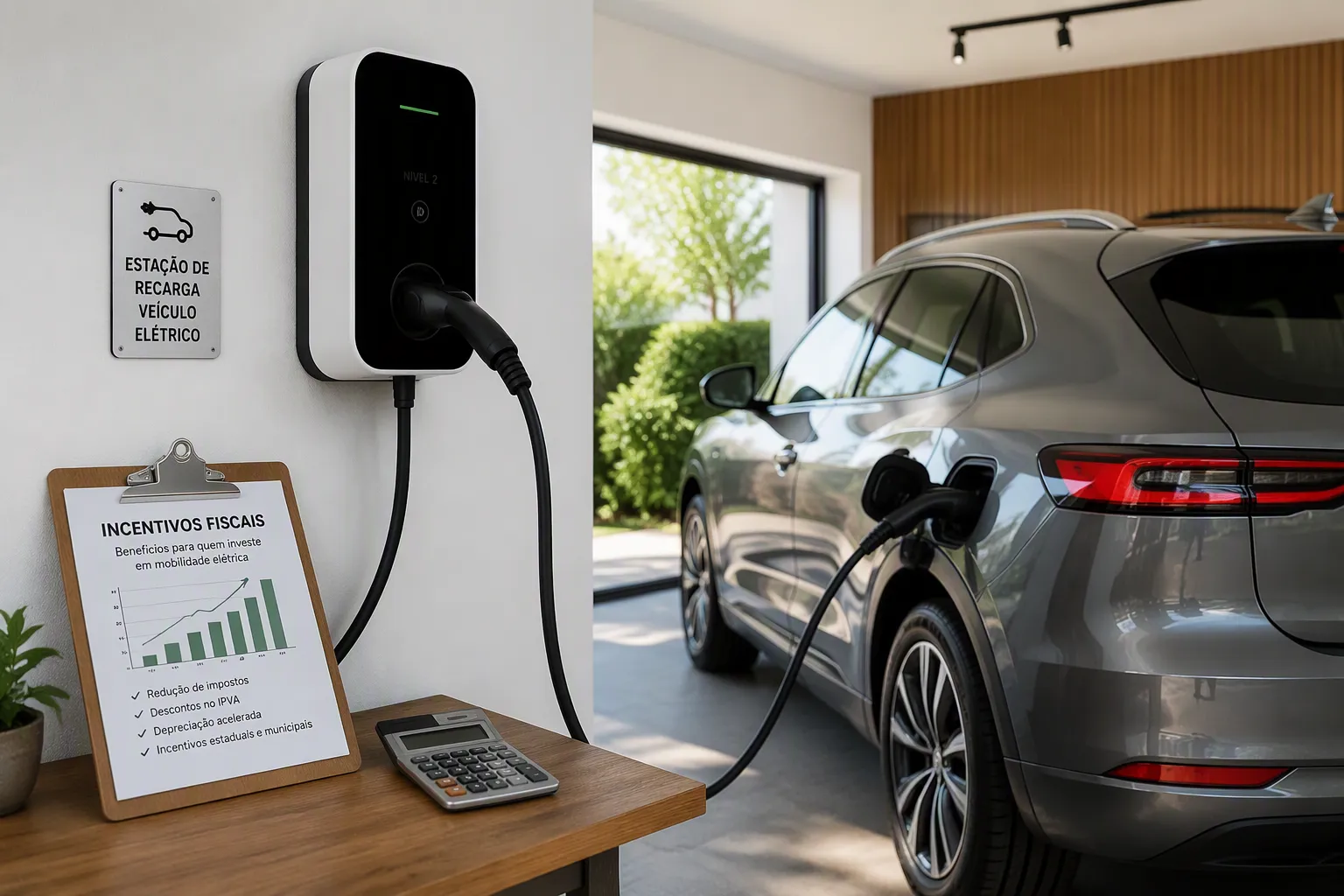
Federal incentives play a crucial role in reducing the upfront costs of commercial EV charger installation. The Alternative Fuel Vehicle Refueling Property Tax Credit allows businesses to claim a tax credit of 30% of the installation costs, up to $100,000 per charger. This program applies to both equipment and installation expenses, making it easier for businesses to invest in charging infrastructure.
Utility companies often support commercial EV charging projects by offering rebates and special pricing programs. These programs may include financial assistance for equipment purchases or discounted electricity rates for charging operations.
State and Local Incentives
Many states and local governments offer additional incentives to encourage the adoption of commercial EV charging. Most states allow businesses to stack state and federal incentives, maximizing savings. Requirements for these programs vary by location, charger type, and sometimes income qualifications.
- States like California and New York provide significant rebates for businesses installing charging stations.
- Many programs prioritize disadvantaged communities and income-qualified customers.
- Utility providers may offer rebates, grants, or technical support for commercial projects.
Tip: Businesses should research local programs and utility offerings to reduce the net installed cost and improve project ROI.
Ongoing Maintenance for Commercial EV Charging Stations
Service Contracts
Ongoing maintenance ensures that commercial EV charging stations remain reliable and safe for users. Service contracts typically cover routine inspections, software updates, and preventive maintenance. These agreements help businesses manage long-term costs and minimize downtime.
The table below summarizes average maintenance costs by charger type:
| Charger Type | Average Maintenance Cost | Key Factors Influencing Costs |
|---|---|---|
| Level 1 | $400 per station | Simplicity, fewer moving parts |
| Level 2 | Higher than Level 1 | Increased complexity, weather impact |
| Level 3 | Highest | Frequent use, network capabilities |
Level 2 and Level 3 chargers require more frequent servicing due to their complexity and exposure to environmental factors. Service contracts can help businesses budget for these ongoing expenses.
Troubleshooting and Repairs
Prompt troubleshooting and repairs are essential for maintaining uptime and user satisfaction. Technicians address issues such as software errors, hardware malfunctions, and connectivity problems. Regular inspections help identify potential failures before they disrupt service.
Callout: Proactive maintenance and rapid response to repairs protect the investment and ensure a positive experience for all EV users.
Calculating Return on Investment for Commercial EV Charger Installation
Revenue Opportunities
Businesses can unlock new revenue streams by installing commercial EV charging stations. The process of calculating return on investment begins with a clear understanding of all associated costs. Owners must account for installation, operational, and marketing expenses. These costs form the foundation for any profitability analysis.
Operators estimate revenue generation by analyzing the average charging price and the expected number of daily charging sessions. For example, a retail location may set a competitive rate per kilowatt-hour and monitor usage patterns to forecast monthly income. Charging stations costs vary based on charger type, location, and energy rates. Owners should track these variables to optimize pricing strategies.
Tip: Businesses can increase revenue by offering premium charging options or partnering with local fleets.
The following ordered list outlines the recommended steps for calculating ROI:
- Identify total investment costs, including installation, operational, and marketing expenses.
- Estimate revenue generation by calculating the average charging price and expected daily sessions.
- Calculate payback period and profitability using the ROI formula and determine how quickly the investment will return its value.
A simple ROI formula helps owners measure profitability:
ROI = (Net Profit / Total Investment Costs) x 100
Net profit includes all charging revenue minus ongoing costs such as maintenance and electricity. Owners can use this formula to compare different scenarios and select the most profitable approach.
Long-Term Savings
Commercial EV charger installation delivers significant long-term savings for businesses. Owners reduce fuel expenses for company vehicles and lower maintenance costs compared to traditional fueling infrastructure. Over time, these savings offset the initial commercial chargepoint cost and contribute to overall profitability.
Energy-efficient charging stations also help businesses manage operational costs. Smart charging features allow operators to schedule charging during off-peak hours, reducing electricity expenses. Integration with renewable energy sources, such as solar panels, further decreases reliance on grid power and enhances sustainability.
A table below summarizes key areas of long-term savings:
| Savings Area | Description |
|---|---|
| Fuel Cost Reduction | Electric vehicles cost less to operate than gasoline vehicles. |
| Maintenance Savings | EV chargers require less frequent servicing than fuel pumps. |
| Energy Management | Smart scheduling and load balancing lower utility bills. |
| Incentive Utilization | Federal and state programs reduce upfront and ongoing costs. |
Businesses that monitor usage data and optimize charging schedules maximize their savings. Owners who leverage available incentives and rebates shorten the payback period and improve overall ROI.
Note: Regular analysis of charging station performance ensures continued cost savings and supports future expansion.
Maximizing the Impact of Commercial EV Charging
Promoting Your Commercial Electric Vehicle Charger
Marketing Strategies
Businesses can maximize the value of their commercial EV charger by implementing targeted marketing strategies. Identifying target customers through data analysis allows companies to tailor campaigns that resonate with specific audiences. Building trust remains essential, so organizations often create valuable content that addresses customer needs and concerns. Many businesses combine digital advertising with traditional marketing methods to reinforce their brand presence. Digital advertising increases brand awareness and targets specific demographics, while content marketing positions the company as a thought leader in the charging industry. Highlighting unique advantages over competitors can attract more users and drive engagement.
- Identify target customers using data analysis
- Build trust with informative content
- Combine digital and traditional marketing
- Use digital advertising for targeted outreach
- Position the business as a thought leader
Partnerships and co-branding with other businesses can further enhance visibility. Rebates and incentive programs also encourage users to choose specific charging stations, increasing overall traffic.
Listing on EV Charging Maps
Visibility on public EV charging maps is crucial for attracting new customers. Businesses should ensure their charging locations appear on popular platforms such as PlugShare, ChargePoint, and Google Maps. Accurate listings help drivers find available stations and plan their visits. Regularly updating information, including hours of operation and pricing, ensures a positive user experience and builds trust with the EV community.
Integrating Commercial EV Charging with Business Operations
Payment Systems
Integrating charging infrastructure with existing payment systems streamlines the customer experience. Subscription services allow users to pay once and access charging until their credit runs out, making expense management easier. Adaptive pricing structures tailored for commercial users can attract loyal customers, especially those managing large fleets. Unified billing for mixed fleets simplifies administration and compliance, providing a seamless process for both businesses and drivers.
Customer Loyalty Programs
Linking charging events to customer loyalty programs unlocks new opportunities for engagement and revenue. Offering points or benefits for each charging session encourages repeat visits and increases app usage. Businesses can update their CRM systems to capture charging events and assign rewards. Clear communication of program benefits helps customers understand the value, while ongoing monitoring and personalization optimize the impact on store sales. Integrating charging with loyalty programs also enables better segmentation and targeting, leading to higher retention rates.
Monitoring Usage and Performance of Commercial EV Chargers
Data Analytics
Data analytics forms the foundation of effective EV charging infrastructure management. IoT-enabled chargers collect session-level data, providing insights into usage patterns and customer behavior. Cloud-based data warehouses store information from all stations and sensors, while ETL processes prepare data for analysis. Business intelligence platforms such as Power BI and Tableau help visualize trends and support decision-making.
| Tool/Strategy | Description |
|---|---|
| Cloud-based data warehouse | Centralized storage for all station and sensor data |
| ETL processes | Prepare data for analysis |
| BI and analytics platforms | Visualize trends and performance |
| Real-time dashboards | Monitor performance and detect anomalies instantly |
Cloud-based platforms also ensure compliance with cybersecurity and data privacy standards, which is critical for protecting sensitive information.
Optimizing Charger Availability
Monitoring key metrics helps businesses optimize charger availability and improve customer satisfaction. Operators track transaction revenue, charging heatmaps, live charger status, and average charge duration. They also monitor the number of active users and most used locations. This data enables proactive maintenance, reduces downtime, and ensures that charging stations remain accessible when drivers need them most.
Tip: Regular analysis of usage data supports better planning and helps businesses adapt to changing demand.
Overcoming Common Commercial EV Charger Installation Challenges
Addressing Installation Barriers for Commercial EV Charging
Limited Electrical Capacity
Many businesses encounter limited electrical capacity when planning installation of commercial EV chargers. Existing infrastructure often cannot support the additional load required for multiple charging stations. Upgrading electrical systems can involve lengthy lead times and complex coordination with utility providers. Supply chain disruptions, especially those seen during the COVID-19 pandemic, have delayed delivery of essential components. Innovative solutions, such as battery systems that decouple power generation from the grid, allow for flexible placement of charging stations and help overcome these barriers. According to recent studies, nearly half of consumers express concern about the lack of public charging infrastructure, highlighting the urgency for businesses to address capacity limitations.
Space Constraints
Space constraints present another common challenge during installation. Many commercial properties have limited parking or awkward layouts that complicate charger placement. Strategic site evaluation helps identify optimal locations that maximize accessibility and safety. Businesses often repurpose existing spaces or use compact charger designs to fit within tight areas. Early planning and collaboration with experienced installers ensure that charging stations integrate seamlessly with current infrastructure.
Managing Costs of Commercial EV Charger Installation
Budget Planning
Effective budget planning is essential for managing costs during installation. Businesses analyze initial expenditures by considering site complexity and local permitting requirements. Operational costs, including electricity, maintenance, and network fees, must be factored into long-term financial planning. A clear understanding of all expenses helps organizations forecast payback periods and make informed investment decisions.
| Cost Management Strategy | Description |
|---|---|
| Understanding Initial Expenditures | Analyze factors like site complexity and local permitting requirements to estimate upfront costs. |
| Managing Operational Costs | Consider annual expenses such as electricity, maintenance, and network fees to budget effectively. |
| Leveraging Government Incentives | Utilize federal and state programs to reduce installation and operational costs, including tax credits and rebates. |
Leveraging Incentives
Leveraging government incentives significantly reduces installation costs. Federal and state programs offer tax credits and rebates that offset both upfront and operational expenses. Businesses should research available incentives and coordinate with utility providers to maximize savings. Strategic use of these programs shortens the payback period and improves overall project viability.
Ensuring Reliability of Commercial EV Charging Stations
Regular Maintenance
Reliability depends on consistent maintenance practices. Weekly or monthly visual inspections help prevent malfunctions and identify signs of wear. Keeping software and firmware updated ensures compatibility with new EV models and enhances charging efficiency. Preventive maintenance programs extend the lifespan of equipment and minimize unexpected downtime.
- Conduct regular inspections and cleaning.
- Implement preventive maintenance schedules.
- Update software and firmware for optimal performance.
- Use monitoring systems for real-time tracking.
- Train staff for proper equipment handling.
| Maintenance Practice | Description |
|---|---|
| Regular Inspections | Identify signs of damage and wear in components. |
| Software Updates | Enhance performance and security. |
| Preventive Maintenance | Inspect and service charging stations periodically. |
| Monitoring Systems | Track usage and identify potential malfunctions. |
| Staff Training | Ensure proper handling and troubleshooting of equipment. |
Support Resources
Support resources play a vital role in maintaining reliability. Businesses invest in training programs for staff to ensure proper troubleshooting and maintenance. Real-time monitoring systems alert operators to potential issues before they impact service. Access to technical support and service contracts guarantees prompt resolution of problems, protecting both the investment and user experience.
Real-World Success Stories in Commercial EV Charging
Retail Businesses and Commercial EV Charger Installation
Increased Customer Dwell Time
Retailers have observed a direct link between commercial EV charger installation and increased customer dwell time. Shoppers who drive electric vehicles often choose stores with charging stations, knowing they can recharge while browsing. This behavior leads to longer visits, which translates into higher sales per customer. Store managers report that EV drivers spend more time exploring aisles and considering additional purchases. The presence of charging infrastructure encourages repeat visits, as customers appreciate the convenience and reliability.
Note: Retailers who monitor dwell time metrics can adjust store layouts and promotions to maximize the impact of EV charging stations.
Enhanced Brand Loyalty
Retail businesses that invest in EV charging infrastructure strengthen brand loyalty among environmentally conscious consumers. Shoppers recognize the commitment to sustainability and reward these efforts with repeat business. Companies that prioritize green initiatives often see improved customer retention rates. The visibility of charging stations reinforces the brand’s image as forward-thinking and responsible. Retailers also benefit from positive word-of-mouth, as satisfied customers share their experiences with peers.
Office Buildings with Commercial Electric Vehicle Chargers
Employee Satisfaction
Office buildings equipped with commercial EV chargers provide a valuable amenity for staff. Employees who drive electric vehicles appreciate the convenience of charging at work. This perk contributes to higher job satisfaction and supports recruitment efforts. Facility managers note that offering charging options aligns with modern workplace expectations. The availability of EV charging demonstrates a commitment to employee well-being and technological advancement.
- Employees experience reduced commuting stress.
- Companies attract talent interested in sustainability.
- Charging infrastructure supports flexible work schedules.
Sustainability Recognition
Organizations that install commercial EV chargers in office buildings gain recognition for their sustainability efforts. Industry groups and local governments often highlight these businesses as leaders in environmental responsibility. The installation of charging stations helps companies meet corporate social responsibility goals. Building owners can leverage this recognition to attract tenants who value green amenities. Sustainability awards and certifications further enhance the reputation of the property.
Hospitality Industry and Commercial EV Charging
Attracting EV Travelers
Hotels and resorts with commercial EV charging stations appeal to a growing segment of travelers. Guests who drive electric vehicles seek accommodations that offer reliable charging options. Hospitality managers observe that EV drivers often choose properties based on charging availability. The convenience of on-site charging encourages longer stays and increases guest satisfaction. Properties listed on EV charging maps gain visibility among travelers planning road trips.
Competitive Advantage
Hospitality businesses gain a competitive advantage by installing commercial EV chargers. The investment delivers a clear payback through increased bookings and enhanced guest experiences. Hotels differentiate themselves from competitors by offering amenities that cater to modern transportation needs. The presence of charging infrastructure signals innovation and a commitment to sustainability. Hospitality leaders recognize that early adoption positions their properties as preferred destinations for EV owners.
A commercial electric vehicle charger offers a strategic advantage for any business. Companies attract new customers, improve employee satisfaction, and prepare for future industry changes. Careful planning and expert guidance make the installation process clear and manageable.
Take action today to transform operations and stay ahead in a rapidly evolving market.
FAQ
What types of commercial EV chargers are available?
Businesses can choose from Level 2 chargers and DC fast chargers. Level 2 chargers suit locations with longer parking times. DC fast chargers provide rapid charging for high-traffic or fleet environments. Each type offers different power outputs and installation requirements.
How long does commercial EV charger installation take?
Installation time varies by site complexity and charger type. Most projects require one to four weeks, including permitting, site preparation, and final inspection. Delays may occur if electrical upgrades or utility coordination are necessary.
Are commercial EV chargers compatible with all electric vehicles?
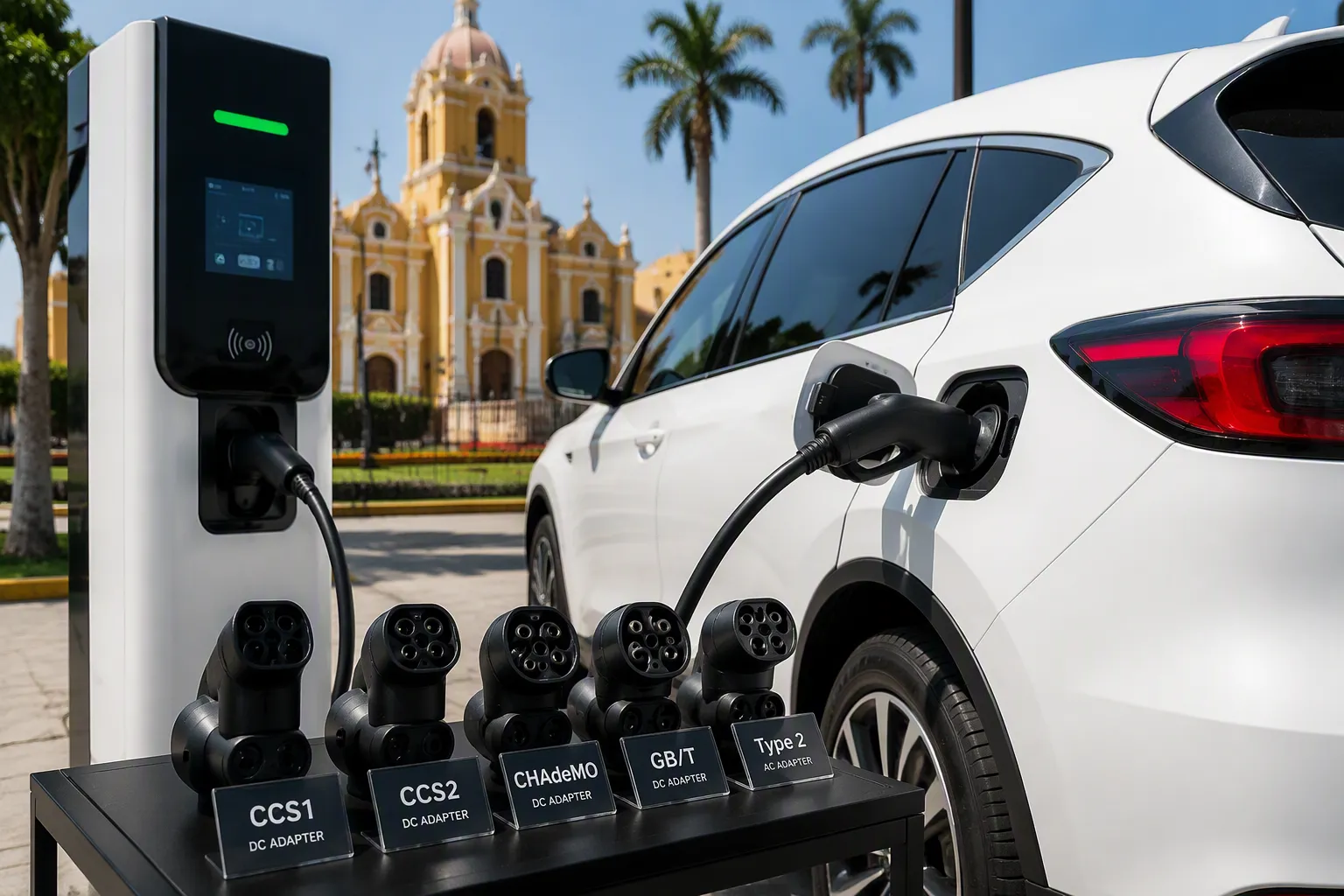
Most commercial EV chargers support all major electric vehicle models. Level 2 chargers use the universal J1772 connector. DC fast chargers may offer multiple connector types, such as CCS and CHAdeMO, to accommodate different vehicles.
What maintenance do commercial EV charging stations require?
Routine maintenance includes visual inspections, cleaning, software updates, and periodic electrical checks. Service contracts help ensure reliable operation and minimize downtime. Preventive care extends equipment lifespan and supports user safety.
Can businesses set their own charging fees?
Yes, businesses can set charging fees based on energy usage, time, or session. Many charging platforms offer flexible pricing tools. Operators may adjust rates to reflect demand, cover costs, or offer incentives for specific user groups.
Do commercial EV chargers increase property value?
Properties with EV charging infrastructure often attract more tenants and customers. Charging stations signal innovation and sustainability. Many real estate professionals report increased property value and improved marketability after installation.
What incentives are available for commercial EV charger installation?
Federal, state, and local programs offer tax credits, rebates, and grants. Eligibility depends on location, charger type, and project scope. Businesses should consult with local authorities and utility providers to maximize available incentives.
How can businesses monitor charger usage and performance?
Most commercial EV chargers include networked management systems. Operators access real-time data, usage reports, and maintenance alerts through web dashboards or mobile apps. Data analytics support operational decisions and help optimize charger availability.