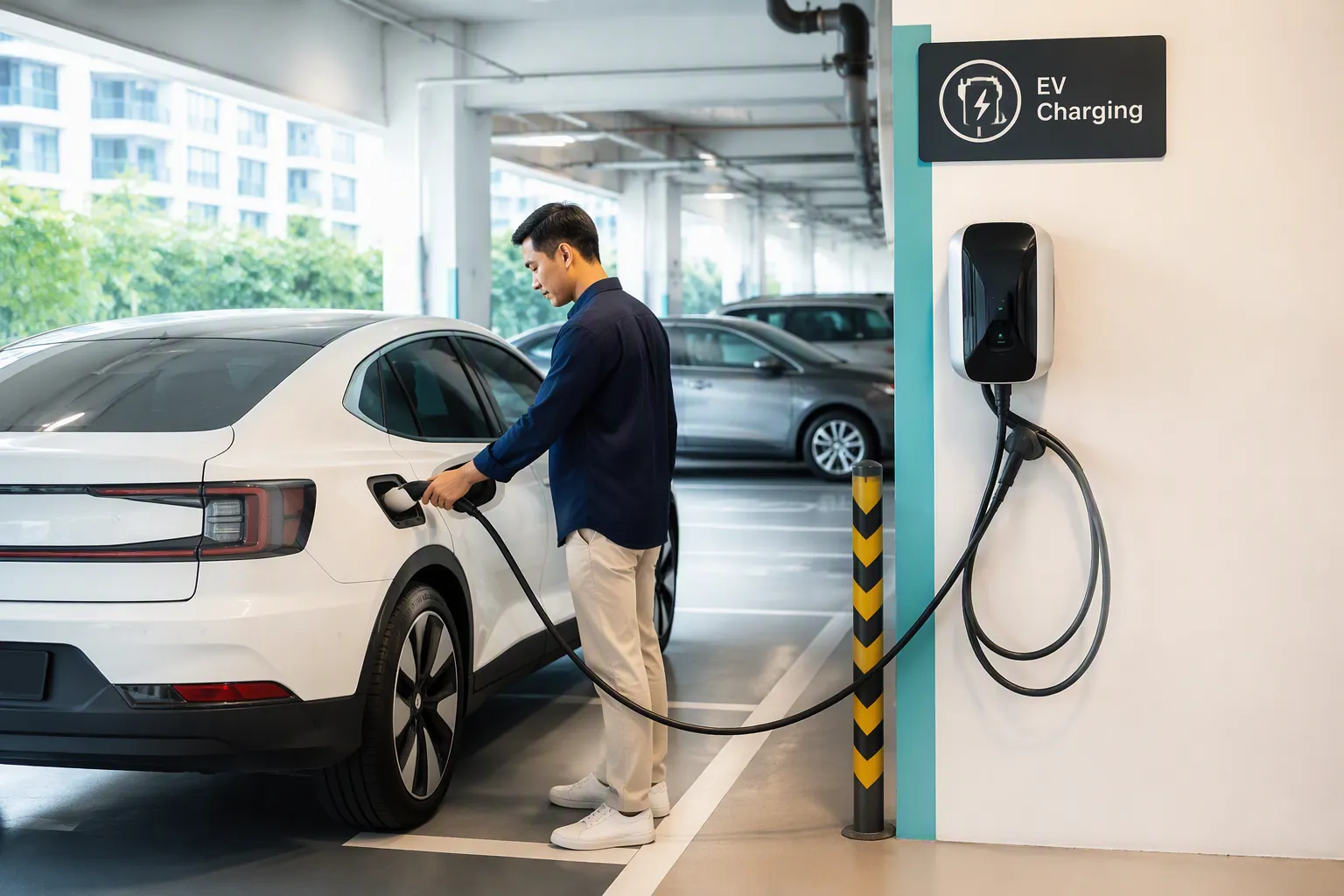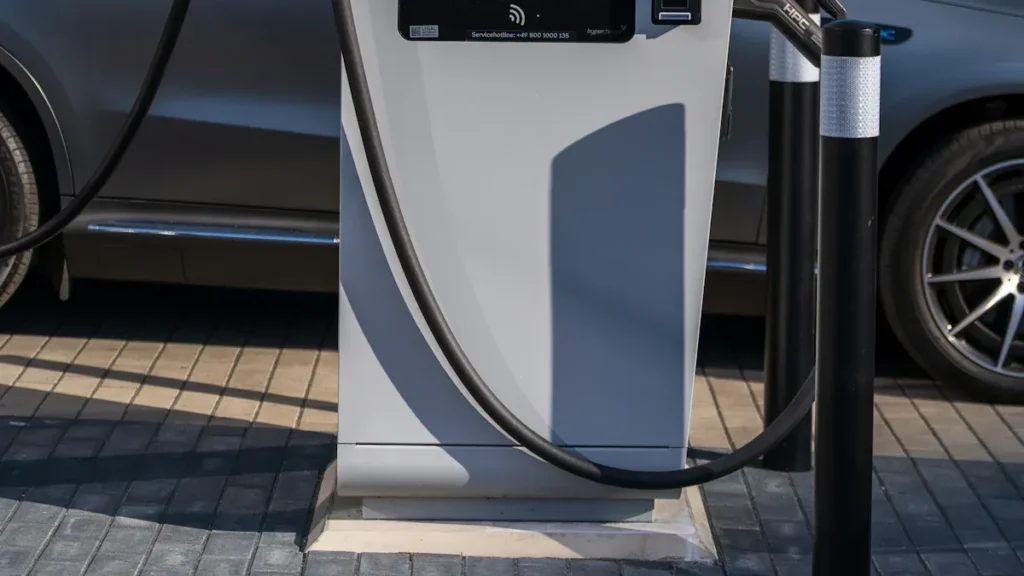

Sweden’s EV charging costs in 2025 remain lower than traditional petrol and diesel expenses for most drivers. The cost difference stands out when comparing electric car charging to fueling with petrol or diesel. Swedish drivers see the impact clearly in the following table:
| Vehicle Type | Cost per 10 km (SEK) | Notes on Charging Costs |
|---|---|---|
| Electric Car | 2.60 (North) | Lowest cost for home charging in price area 1 |
| 5.50 (South) | Highest cost for home charging in price area 4 | |
| Petrol Car | 15.20 | Consistent price across the country |
| Diesel Car | 13.00 | Consistent price across the country |
| Public Charging | +5.00 (North) | More expensive than home charging |
| +2.20 (South) | More expensive than home charging |

Understanding these costs helps drivers make informed decisions about vehicle choice, charging habits, and selecting reliable EV charger manufacturers.
EV Charging Costs vs Traditional Fuel Costs in Sweden

Average EV Charging Costs for Electric Cars
Home EV Charging Costs in Sweden
Home charging remains the most cost-effective way for Swedish drivers to power their electric vehicles. In 2025, the average cost of charging an electric car at home ranges from 2.60 SEK per 10 km in the north to 5.50 SEK per 10 km in the south. These figures reflect regional differences in electricity prices, which depend on local supply and demand. Home charging allows drivers to take advantage of lower night-time rates and reduces reliance on public charging stations. The cost of charging at home also depends on the efficiency of the vehicle and the type of charger installed.
Public EV Charging Points Costs
Public EV charging points in Sweden offer convenience for drivers who cannot charge at home or need to top up during longer journeys. The average rates at public charging stations align closely with the European Union average. Countries such as France, Germany, Croatia, Italy, and Denmark report similar public charging costs. In Sweden, public charging typically adds between 2.20 SEK and 5.00 SEK per 10 km to the cost of home charging, depending on the region. The charging network continues to expand, making it easier for drivers to find available stations across the country.
- Sweden’s public EV charging rates are around the European average.
- Other countries with similar rates include France, Germany, Croatia, Italy, and Denmark.
Average Petrol and Diesel Costs in Sweden 2025
Petrol Costs per Liter
Petrol prices in Sweden have remained relatively stable in recent years. In 2025, the average price for gasoline stands at 15.99 SEK per liter, which equals about 1.71 USD per liter. This price reflects both global oil market trends and Swedish fuel taxes. Drivers in urban and rural areas pay similar prices at the pump, thanks to the country’s well-developed fuel distribution network.
Diesel Costs per Liter
Diesel prices in Sweden in 2025 average 16.89 SEK per liter, or approximately 1.81 USD per liter. Diesel remains a popular choice for long-distance drivers and commercial vehicles. The price difference between petrol and diesel is modest, but diesel cars often achieve better fuel efficiency.
| Fuel Type | Price (SEK per liter) | Price (USD per liter) |
|---|---|---|
| Diesel | 16.89 | 1.81 |
| Gasoline | 15.99 | 1.71 |
Cost per 100 km: Electric Car vs Petrol/Diesel
Electric Car Consumption and Costs
Electric vehicles in Sweden offer significant savings compared to traditional fuel-powered cars. The average cost to drive 100 kilometers in an electric car ranges from 26 SEK to 55 SEK, depending on the region and whether the driver uses home or public charging. EVs have running costs that are three to five times lower per mile than petrol vehicles. For a typical Swedish driver covering 10,000 miles per year, this can mean annual savings of £1,000 to £1,500. The cost of charging depends on the efficiency of the vehicle, the type of charger, and the local electricity market.
Petrol/Diesel Car Consumption and Costs
Petrol and diesel cars in Sweden incur higher running costs. The average cost to drive 100 kilometers in a petrol car is about 152 SEK, while a diesel car costs around 130 SEK for the same distance. These figures reflect both the higher price of fuel and the lower efficiency of internal combustion engines compared to electric motors. Fuel costs remain a significant expense for Swedish drivers, especially as fuel taxes and environmental fees continue to rise.
| Vehicle Type | Average cost per 10 km (SEK) |
|---|---|
| Electric Car | 2.60 – 5.50 |
| Petrol Car | 15.20 |
| Diesel Car | 13.00 |
Note: Electric vehicles offer lower running costs and reduced environmental impact, making them an attractive option for many Swedish drivers.
Side-by-Side Cost Breakdown Table
A direct comparison of EV charger costs and traditional fuel expenses in Sweden reveals the complexity behind each option. Drivers encounter several cost components when operating an electric car or a diesel car. The following table presents a clear breakdown of the main expenses associated with each vehicle type over a typical month.
| Cost Component | Electric Car (EV) Charging | Petrol Car Fueling | Diesel Car Fueling |
|---|---|---|---|
| Energy Price (per kWh/liter) | Electricity prices | Petrol prices | Diesel prices |
| Infrastructure Costs | Home charger installation, charging station fees | Fuel station network | Fuel station network |
| Time-Based Fees | Charging station hourly rates | N/A | N/A |
| Fixed Session Fees | Charging station session fees | N/A | N/A |
| Subscription Fees | Charging network monthly plans | N/A | N/A |
| Additional Fees | Parking, blocking fees | Environmental fees | Environmental fees |
Drivers should consider all cost components, not just the price per kWh or liter. Many studies underestimate the total cost of EV charging by ignoring infrastructure, session, and subscription fees.
Key Cost Components for EV Charging and Traditional Fuel
For EVs, monthly expenses include:
- Average electricity price for home charging
- Weighted prices for public charging stations, which factor in:
- Energy price per kWh
- Time-based fees (per minute or hour)
- Fixed session fees
- Monthly subscription fees for charging network access
- Occasional additional costs such as blocking or parking fees
For petrol and diesel cars, monthly costs typically consist of:
- Fuel prices per liter at stations
- Environmental fees and taxes
- Maintenance of access to fuel station infrastructure
Electric car chargers in Sweden often require upfront installation costs at home, while public charging stations may add session or time-based fees. The charging network continues to expand, offering more options for drivers. In contrast, petrol and diesel car owners pay consistent prices at stations, with environmental fees included in the pump price.
The levelized cost of EV charging varies depending on the charging station operator, location, and pricing scheme. Infrastructure costs and additional fees can influence the overall cost for Swedish drivers. By analyzing all components, drivers gain a realistic view of monthly expenses for each vehicle type.
🚗 Tip: Drivers who use home charging for their EVs in Sweden usually pay less overall than those who rely on public charging stations. However, public charging offers flexibility for long journeys and urban travel.
Regional EV Charging Points and Fuel Costs in Sweden
Urban vs Rural EV Charger Costs
Major Cities (Stockholm, Gothenburg, Malmö)
Sweden’s largest cities—Stockholm, Gothenburg, and Malmö—offer the highest density of EV charging points. These urban centers benefit from advanced infrastructure and strong investment in renewable energy. The charging network in these cities features a wide range of stations, including fast chargers and standard options. Drivers in urban areas often find it easier to access public charging, especially near shopping centers, parking garages, and workplaces. The cost of using EV charging points in these cities remains competitive due to the country’s focus on nuclear and hydroelectric power. This commitment to clean energy helps keep EV charger costs lower than in many other European countries. Home charging is also popular in urban areas, especially for residents with private parking.
Note: Urban drivers often enjoy shorter waiting times at charging stations because of the higher number of available chargers.
Smaller Towns and Rural Areas
In smaller towns and rural regions, the availability of EV charging points can vary. Some rural areas have fewer public charging stations, which may require drivers to plan routes carefully. However, Sweden’s national strategy aims to expand the charging network across all regions. Home charging becomes especially important in these areas, as public infrastructure may not always meet demand. The cost of charging in rural regions sometimes reflects local electricity prices, which can differ from those in major cities. Despite these challenges, Sweden’s renewable energy mix supports stable and affordable electricity for EV owners, even outside urban centers.
Regional Fuel Costs Differences
City Fuel Costs
Fuel costs in Swedish cities remain relatively stable. Petrol and diesel prices in Stockholm, Gothenburg, and Malmö do not fluctuate much between stations. The country’s efficient distribution system ensures that drivers pay similar amounts for fuel, regardless of location. City drivers benefit from easy access to multiple fueling stations, which helps maintain consistent pricing. The cost of fueling a petrol or diesel car in urban areas typically matches the national average.
Rural Fuel Costs
Rural fuel costs in Sweden can show slight variations compared to urban areas. Some remote regions may experience higher prices due to transportation expenses and lower station density. However, the difference usually remains small. Diesel car owners in rural areas may notice minor increases in fuel costs, especially if stations are far apart. Sweden’s commitment to reliable infrastructure helps minimize these disparities, ensuring that both urban and rural drivers have access to affordable fuel.
Tip: Drivers in rural areas should check the location of charging points and fuel stations before long trips to avoid unexpected delays or higher costs.
Impact of Charging Location on Electric Car Costs

Home EV Charging vs Public EV Charging Points
Installation and Setup Costs
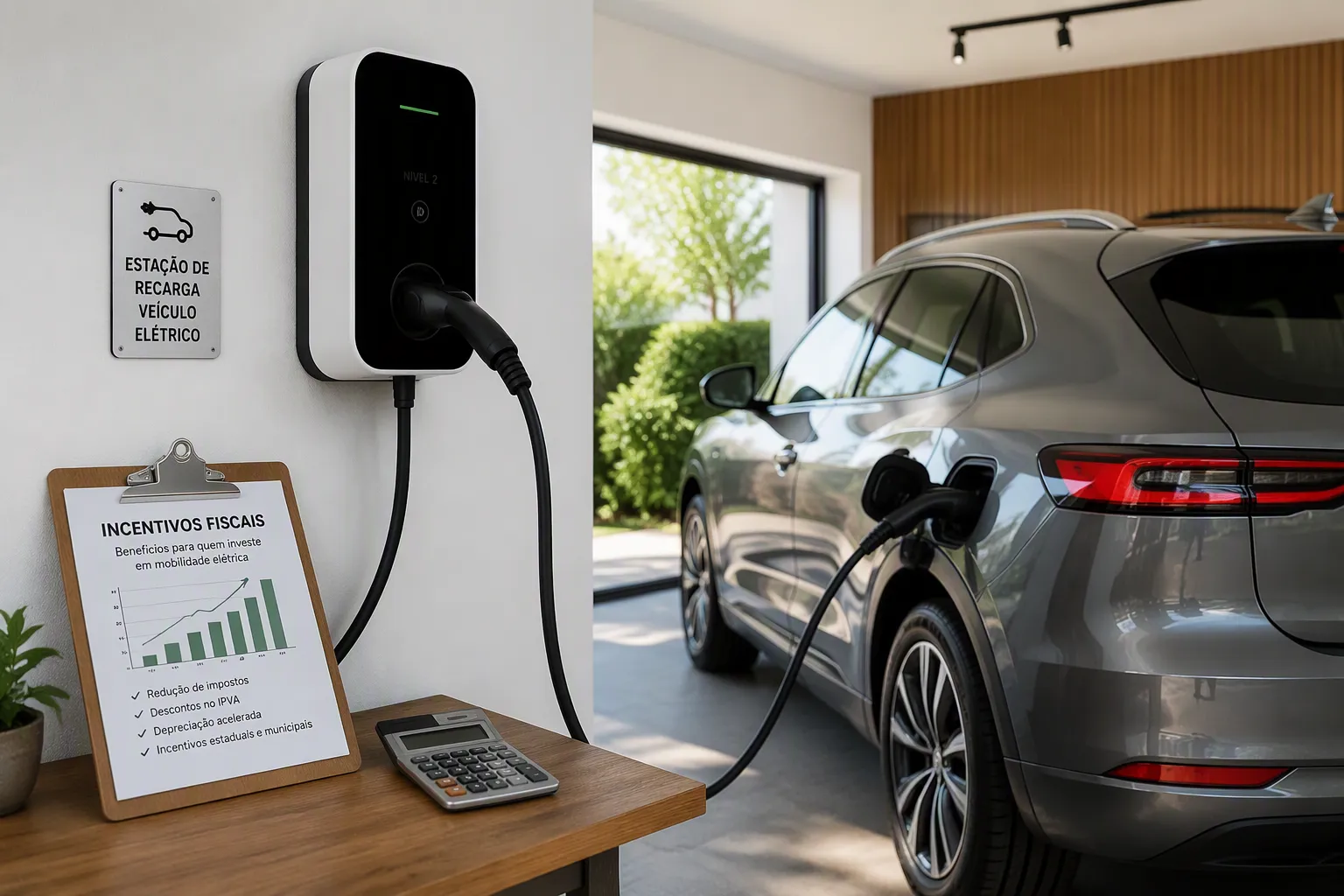
The initial investment for home charging in Sweden often appears lower than many expect. Home EV charging requires the purchase and installation of a wallbox or similar device. The Swedish government supports this transition by offering subsidies that cover up to 50% of installation costs, with a maximum grant of 15,000 Swedish kronor per unit. Applications for these grants remain open, making it easier for drivers to install home charging solutions. In contrast, public charging stations receive investment support of up to 70% for infrastructure development, but individual drivers do not benefit directly from these subsidies.
| Aspect | Home EV Charging Costs | Public Charging Costs |
|---|---|---|
| Government Subsidy | Up to 50% of installation costs | N/A |
| Maximum Grant Amount | 15,000 Swedish kronor per unit | N/A |
| Application Availability | Open applications with no deadlines | N/A |
| Investment Support | N/A | Up to 70% for public charging stations |
Home charging offers long-term savings, especially for those who plan to keep their electric car for several years.
Ongoing Electricity Rates
Ongoing electricity rates play a significant role in the total cost of EV ownership. Home charging allows drivers to take advantage of lower night-time electricity rates, which can reduce monthly expenses. Public EV charging, on the other hand, often involves higher rates due to operational costs and convenience fees. The charging network in Sweden continues to expand, but public charging remains more expensive per kilowatt-hour than home charging. Diesel car owners do not face these electricity rate considerations, but they pay higher fuel prices at stations.
Fast Charging vs Standard Charging at EV Charging Points
Cost Differences
Charging speed affects the price drivers pay at public EV charging points. Standard slow chargers (up to 22kW) typically cost 4.49 SEK per kWh. Rapid chargers (up to 50kW) and high-power chargers (up to 400kW) both cost around 5.99 SEK per kWh. The table below highlights these differences:
| Charging Type | Cost (SEK/kWh) |
|---|---|
| Slow charger (max 22kW) | 4.49 |
| Rapid charger (up to 50 kW) | 5.99 |
| High power charger (up to 400 kW) | 5.99 |
Several factors influence these cost differences:
- Type of charging station: AC, DC, and superfast stations use different technologies and speeds.
- Cost per kWh: Electricity prices vary by station type and location.
- Time of day and electricity tariffs: Off-peak hours often provide lower rates.
- Location of the charging station: Urban stations may charge more due to higher rent and operational expenses.
Convenience vs Price
Fast charging provides significant convenience for drivers who need to recharge quickly, especially during long trips or busy days. However, this convenience comes at a higher price compared to standard charging. Drivers who rely on fast charging at public EV charging points pay more per session, but they save valuable time. Those who use home charging or standard public chargers benefit from lower costs, though charging takes longer. The choice between convenience and price depends on individual driving habits and access to charging infrastructure.
Tip: Drivers who plan their charging sessions during off-peak hours can reduce their overall EV charging expenses.
Factors Influencing EV Charger Costs and Fuel Costs in Sweden
Electricity Market Trends and Costs
Swedish Energy Mix Impact
Sweden relies on a stable electricity market, supported by hydro and nuclear power. This foundation keeps electricity prices predictable for most consumers. The country has increased its use of solar and wind energy, which helps lower the cost per kilowatt-hour. However, these weather-dependent sources can cause fluctuations in supply. As transportation and industry shift toward electrification, demand for electricity rises. This trend can influence the price drivers pay at ev charging points. The aggressive deployment of charging infrastructure aligns with Sweden’s goal to achieve a fossil-free vehicle fleet by 2030. Reduced electricity tax for vehicle charging supports this transition and helps manage costs for ev owners.
Seasonal Price Fluctuations
Electricity prices in Sweden often change with the seasons. Winter months bring higher demand for heating, which can increase prices. In contrast, summer usually sees lower demand and more stable rates. These seasonal shifts affect the cost of charging at home and at public stations. Drivers who plan their charging during off-peak periods can benefit from lower rates. The growing share of renewable energy also introduces some variability, but the overall impact remains manageable due to the country’s robust energy mix.
Government Taxes, Incentives, and Costs
EV Subsidies and Tax Breaks
Sweden offers several incentives to encourage ev adoption. Individuals who replace an older car with a battery electric vehicle receive a scrapping premium of SEK 10,000. Owners of battery electric vehicles pay a reduced annual ownership tax of SEK 360 and avoid the malus surcharge for high-emission vehicles for three years. Company cars benefit from a SEK 350,000 discount on taxable benefit value and a 40% reduction on the remaining amount. Local governments support EV drivers with environmental zones and grants for installing charging points. The Ladda Bilen program covers up to 50% of installation costs for home charging infrastructure.
Fuel Taxes and Environmental Fees
Traditional fuel vehicles face higher taxes and environmental fees. These charges aim to reduce emissions and promote cleaner transportation. Petrol and diesel prices include significant taxes, making them less attractive compared to EV options. Environmental zones in cities further restrict access for high-emission vehicles, encouraging more drivers to switch to electric alternatives.
EV Charging Points Infrastructure and Accessibility
Availability of EV Charging Points
Sweden has rapidly expanded its ev charging points network. In 2021, the country offered over 13,700 public charging stalls, a dramatic increase from just 500 in 2012. By 2025, the number of public chargers has grown to 16,000, serving a market of 300,000 electric vehicles. About 65% of ev drivers have access to charging at home, work, or public locations. The growth of charging infrastructure is driven by rural and suburban electrification and government incentives. However, fast chargers remain scarce in rural regions, leading to longer wait times and range anxiety for some drivers.
Fuel Station Density
Fuel stations remain widely available across Sweden, providing consistent access for petrol and diesel vehicles. While urban areas offer dense networks of both fuel and charging stations, rural regions still rely more on traditional fuel infrastructure. Fast chargers are less common outside major cities, so drivers in remote areas often depend on slower charging options. Queues for fast chargers in popular locations can cause delays, highlighting the need for continued investment in charging infrastructure.
Note: Sweden’s commitment to expanding ev charging points and supporting infrastructure ensures that more drivers can access reliable and affordable charging options, even as the number of electric vehicles continues to rise.
Historical Trends in EV Charger Costs and Fuel Costs
EV Charger Costs Trends in Sweden (2020-2025)
Price Changes Over Time
EV charger costs in Sweden have shifted noticeably from 2020 to 2025. In the early years, home charging rates remained low due to stable electricity prices and government incentives. Public charging stations introduced higher fees, reflecting infrastructure investments and operational expenses. By 2025, the gap between home and public charging costs widened. Drivers who charged at home benefited from lower rates, while those relying on public stations faced increased session and time-based fees. The expansion of the charging network improved accessibility, but regional price differences persisted. Sweden’s focus on renewable energy helped stabilize electricity costs, keeping EV charging affordable for most drivers.
Technology Improvements Impacting Costs
Technological advancements have played a major role in shaping EV charging costs. Several innovations have emerged between 2020 and 2025, each contributing to greater efficiency and convenience.
| Technological Advancement | Description |
|---|---|
| Fast Charging Technologies | Innovations in ultra-fast charging stations that significantly reduce charging times. |
| Wireless Charging Technology | Pilot programs for wireless charging that eliminate the need for cables, enhancing convenience. |
| Vehicle-to-Grid (V2G) Technology | Allows EVs to store and return excess electricity to the grid, simplifying the charging process. |
- The Sweden Electric Vehicle (EV) Charging Market is projected to reach USD 1771.3 million by 2030.
- The introduction of V2G technology enhances the value for EV owners by enabling energy exchange with the grid.
Fast charging technologies have shortened charging sessions, making public stations more attractive for busy drivers. Wireless charging pilots have started to remove the hassle of cables, offering a glimpse into the future of seamless charging. V2G technology allows EVs to interact with the power grid, providing flexibility and potential cost savings. These improvements have helped reduce overall charging costs and increased the appeal of EV ownership.
Fuel Costs Trends in Sweden (2020-2025)
Global Oil Market Impact on Costs
Fuel costs in Sweden have responded to global oil market fluctuations. Between 2020 and 2025, oil prices experienced volatility due to geopolitical events and supply chain disruptions. Petrol and diesel prices at stations reflected these changes, with periods of sharp increases followed by gradual stabilization. Swedish drivers saw fuel expenses rise during global supply shortages, then level off as markets adjusted. The country’s reliance on imported oil made fuel costs sensitive to international trends.
Swedish Policy Changes Affecting Costs
Government policies have influenced fuel costs throughout this period. Sweden introduced higher environmental taxes and stricter emissions regulations, raising the price of petrol and diesel. These measures aimed to encourage the adoption of EVs and reduce carbon emissions. Fuel stations incorporated these taxes into pump prices, making traditional vehicles less cost-effective. Policy changes also supported the expansion of charging infrastructure, further shifting the cost balance in favor of EVs.
Note: Sweden’s commitment to clean energy and sustainable transportation has shaped both EV charging and fuel cost trends, guiding drivers toward more efficient and environmentally friendly options.
Practical Takeaways for Swedish Electric Car Drivers
Choosing the Most Cost-Effective Option in Sweden
When Electric Cars Save on Costs
Electric vehicles offer significant savings for many Swedish drivers. Home charging remains the most affordable option, especially for those who can install a charger and take advantage of night-time electricity rates. Drivers who travel mostly within cities or towns benefit from the comprehensive network of public charging stations. Choosing an energy-efficient EV model further reduces charging expenses. Regular maintenance and careful driving habits help maximize range and minimize recharging frequency. For those who drive long distances or commute daily, the lower running costs of EVs often outweigh the higher initial purchase price.
Drivers who use home charging and optimize their charging times see the greatest cost benefits from EV ownership.
When Traditional Cars Are Cheaper
Traditional petrol or diesel cars may still be more cost-effective for some individuals. Those living in remote areas with limited access to charging infrastructure might face higher costs or inconvenience with EVs. Drivers who frequently rely on fast public charging stations pay more per kilowatt-hour, which can reduce the cost advantage of electric vehicles. In cases where a driver covers very high annual mileage and cannot charge at home or work, traditional cars may offer lower overall expenses due to the widespread availability of fuel stations and consistent fueling times.
Tips for Reducing EV Charger Costs and Fuel Costs
Smart EV Charging Strategies
- Use mobile apps to locate the best deals at public charging stations.
- Select slower AC chargers when time allows, as they often cost less than rapid chargers.
- Seek out free or discounted charging opportunities at workplaces or public locations.
- Consider subscribing to charging card plans that offer reduced rates for frequent users.
- Choose an energy-efficient EV to lower charging costs.
- Maintain the vehicle regularly to improve energy efficiency.
- Adjust driving habits to extend range and decrease the need for frequent charging.
Sweden’s extensive public charging network in cities, towns, and along highways makes it easier for drivers to find affordable charging options.
Fuel-Saving Driving Habits
- Accelerate smoothly and avoid sudden stops to reduce energy or fuel consumption.
- Keep tires properly inflated and perform regular vehicle maintenance.
- Limit the use of air conditioning and heating when possible.
- Plan routes to avoid heavy traffic and unnecessary detours.
Drivers who adopt these strategies can lower both EV charging and traditional fuel expenses. Consistent attention to driving style and vehicle care leads to long-term savings and improved efficiency.
EV charger costs in Sweden remain lower than traditional fuel expenses in 2025. Drivers should evaluate electricity rates, charging infrastructure, and government incentives before choosing a vehicle. They can save more by charging at home and planning routes around available stations. Careful consideration of these factors helps drivers make informed, cost-effective decisions for their transportation needs.
FAQ
How much does it cost to install a home EV charger in Sweden?
Most Swedish homeowners pay between 10,000 and 20,000 SEK for installation. Government grants can cover up to 50% of this cost. The final price depends on charger type, electrical upgrades, and labor fees.
Are public EV charging stations more expensive than home charging?
Yes. Public charging stations usually charge higher rates per kilowatt-hour. Drivers pay for convenience, faster charging speeds, and network maintenance. Home charging remains the most cost-effective option for most Swedish EV owners.
Do electricity prices for EV charging change throughout the year?
Electricity prices in Sweden often rise during winter due to increased demand. Summer rates tend to be lower. Drivers who charge at night or during off-peak hours can save money.
Can all electric cars use the same charging stations in Sweden?
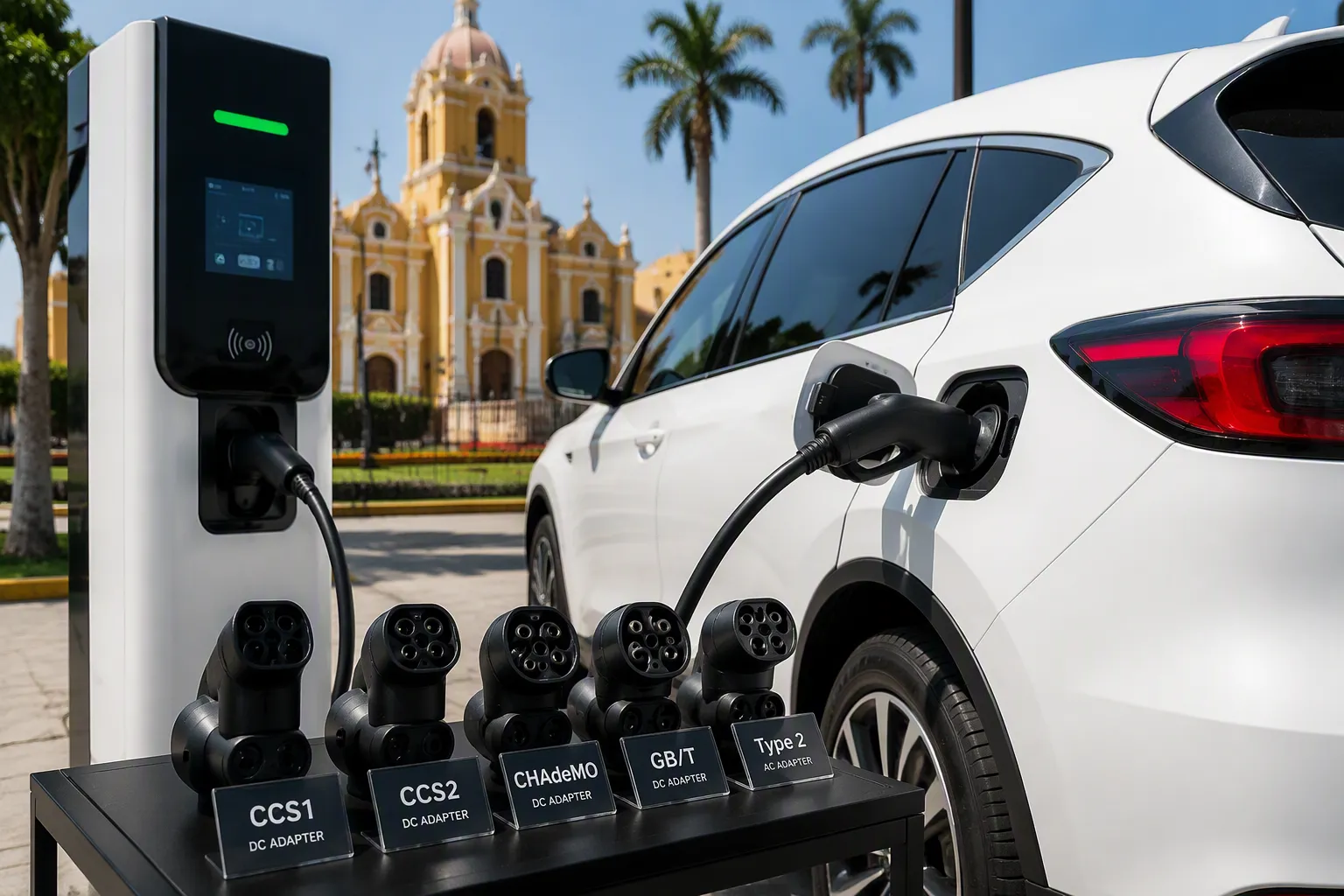
Most modern EVs in Sweden use standardized connectors, such as Type 2 or CCS. Some older models may require adapters. Drivers should check compatibility before using a new charging station.
What incentives does Sweden offer for EV owners in 2025?
Sweden provides reduced vehicle taxes, scrapping premiums, and grants for home charger installation. Company cars receive tax benefits. Local governments may offer additional support, such as environmental zones or parking privileges.
How do fuel taxes affect petrol and diesel prices in Sweden?
Fuel taxes and environmental fees make up a significant portion of petrol and diesel prices. These taxes encourage drivers to choose cleaner transportation options and help fund infrastructure improvements.
Is it easy to find EV charging points in rural Sweden?
Rural areas have fewer public charging stations than cities. However, Sweden continues to expand its charging network. Drivers in rural regions often rely on home charging or plan routes to include available public chargers.