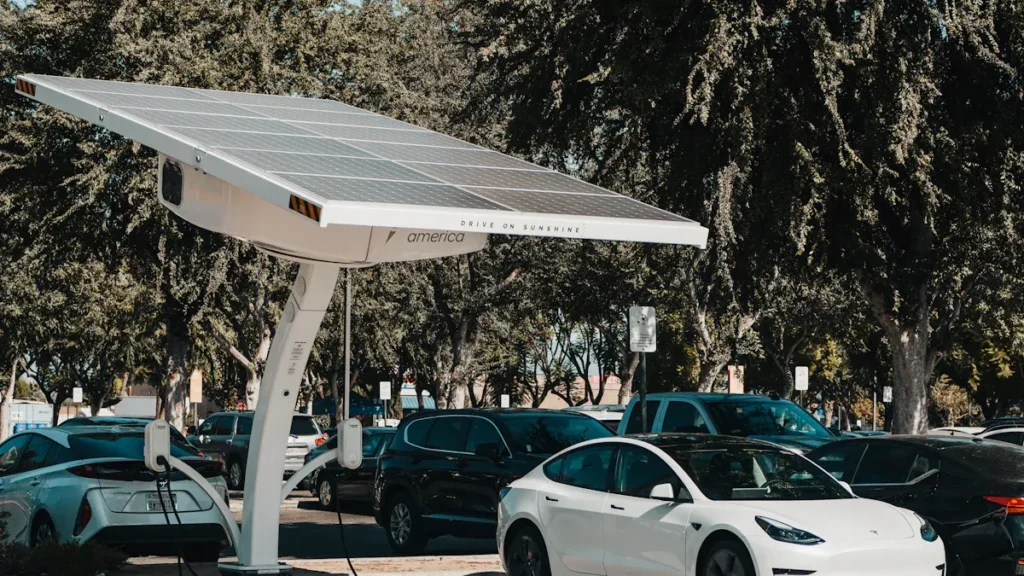

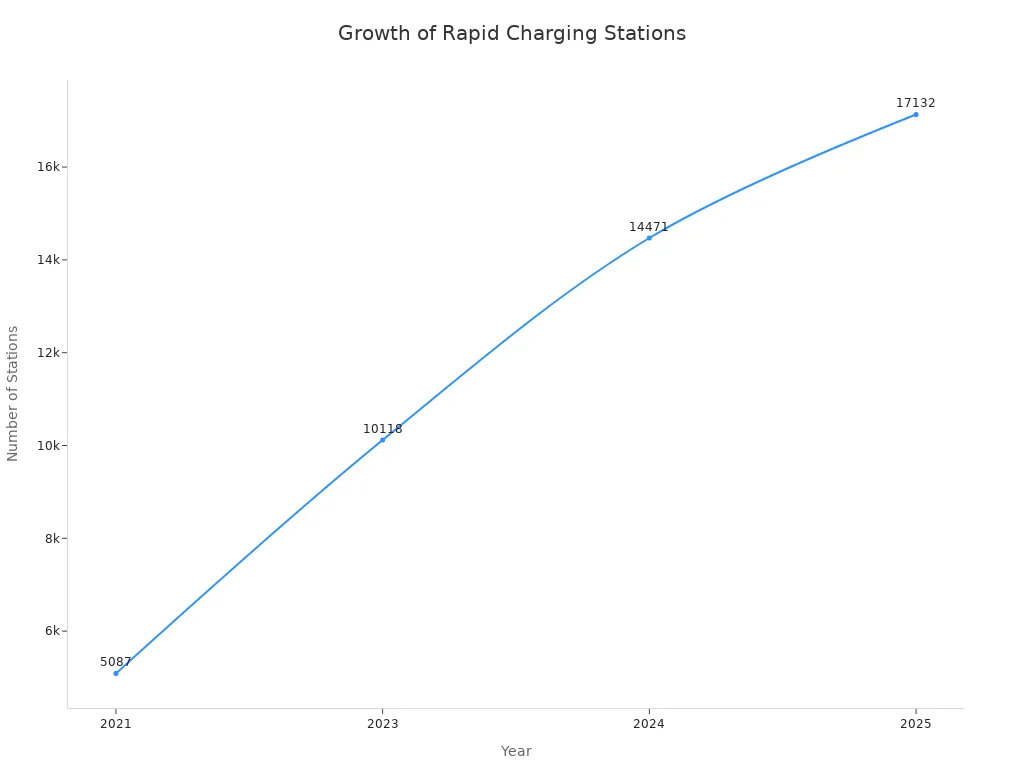
Travelers in 2025 often prioritize efficiency and reliability when planning an EV road-trip. Many drivers now use tips from EV charger manufacturers and digital tools to optimize charging stops. A recent report shows:
The rapid expansion of EV charger infrastructure makes it easier to plan a road trip with confidence.
Selecting reliable charging locations and staying informed about charging options ensures a smooth experience for every EV enthusiast.
Pre-Trip Preparation for Charging Stops
Charge Overnight Before Your Road Trip
Maximizing Battery Range for Long Journeys
Drivers who plan a road trip in 2025 often begin by maximizing their battery range. They charge overnight before departure to ensure a full battery. This practice allows them to start with optimal range and reduces the need for early charging stops. Hotels with Level 2 charging stations provide convenient overnight charging for travelers. Many EV manufacturers recommend planning routes to include charging stops, which helps maintain battery health and range throughout the journey.
Tip: Charging overnight at a hotel with Level 2 stations ensures a full battery and a stress-free start to any road trip.
Home Charging Tips for a Full Start
Home charging remains the most reliable method for starting a trip with a full battery. Owners should check their charging equipment for proper function and confirm that the vehicle reaches full charge before leaving. Setting charging schedules to finish just before departure helps preserve battery status and range assessment. Monitoring charging progress through mobile apps provides real-time updates and alerts for any issues.
- Confirm charging cable connections are secure.
- Set charging timers to complete just before departure.
- Monitor battery status using the vehicle’s app.
Vehicle Readiness for Rapid Charging Stations
Checking Battery Health and Range
Before heading out, drivers should assess battery status and range assessment. They check for any warning lights or notifications related to battery health. Reviewing the vehicle’s estimated range ensures that the planned charging stops align with actual driving needs. Regular maintenance and battery checks help prevent unexpected issues at rapid charging stations.
Updating Software and Navigation Tools
Modern EVs rely on up-to-date software for accurate navigation and charging station information. Owners update their vehicle’s software and navigation tools to access the latest maps and charging station data. This step improves compatibility with en route chargers and provides real-time updates on charging station availability. Updated navigation systems also help drivers locate rapid charging stations efficiently.
Note: Updated navigation tools can display real-time charging station status and route adjustments for unexpected detours.
Essential Information for Locating Rapid Charging Stations
Using Charging Network Apps and Route Planners
Locating rapid charging stations requires reliable sources and digital tools. The following table highlights popular apps and networks that help drivers find charging stations and plan routes:
| Source | Key Features |
|---|---|
| PlugShare | Real-time updates, user-generated content, route planning, pricing information, community engagement. |
| A Better Route Planner | Optimized route planning, real-time traffic updates, weather data integration, energy consumption estimates. |
| Chargetrip | Specialized EV navigation, real-time updates, charging speed information, compatibility data. |
| Electrify America | Extensive DC fast charger network, real-time availability, connector type details. |
Top-rated charging networks in 2025 include Tesla Superchargers, Fastned, Electra, EnergyDrive, GreenFlux, IONITY, Powerdot, Allego, and BKW Smart Energy & Mobility AG. These networks offer broad coverage and high accuracy for locating rapid charging stations across Europe.
Memberships, Payment Options, and Compatibility
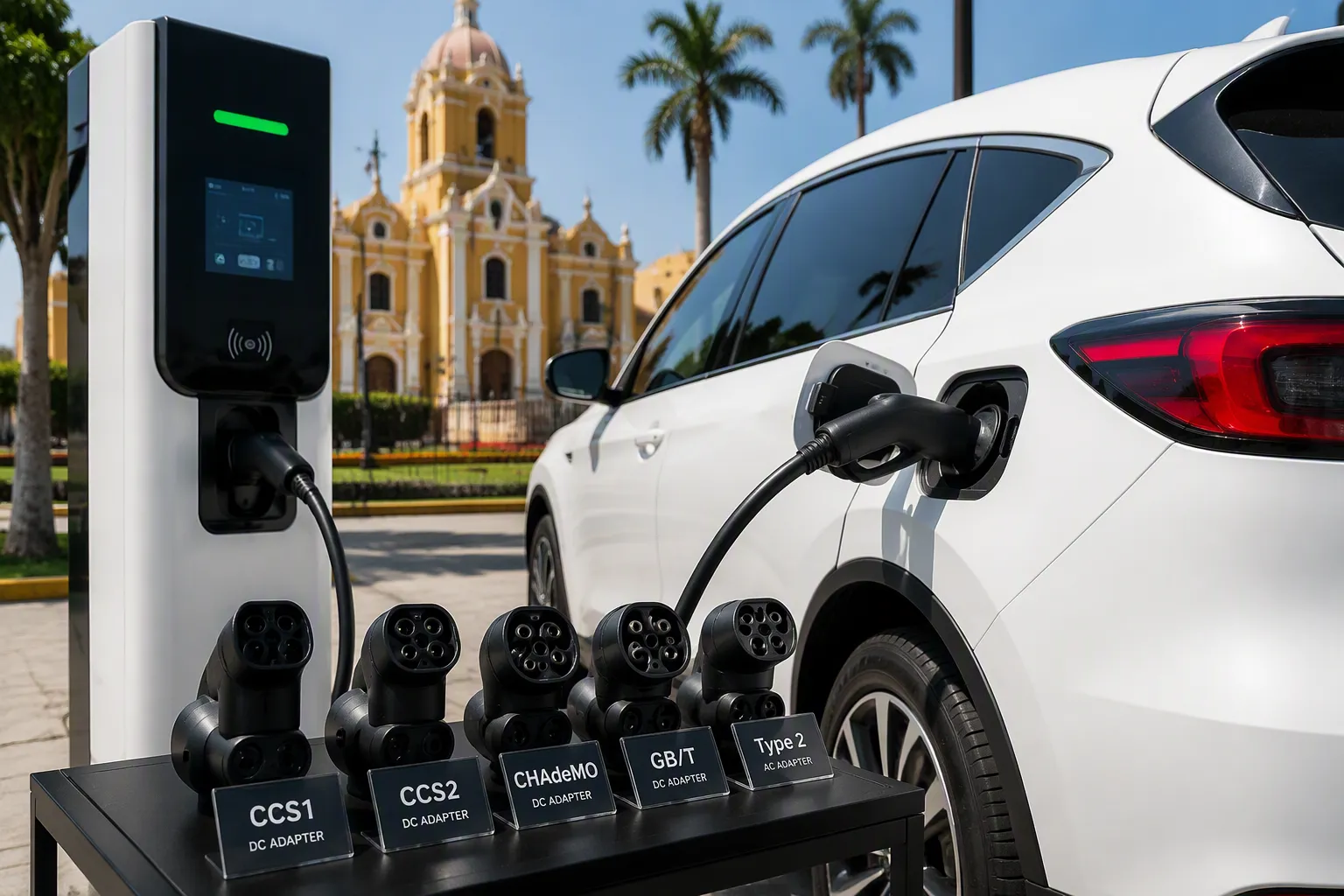
Drivers should review public charging access methods before departure. They identify their vehicle’s native charging type by checking the charging port or vehicle guidebook. Assessing compatibility with rapid charging stations ensures efficient charging during the trip. If the charging station connectors do not match, owners use appropriate adapters. Many charging networks require memberships or specific payment options, so travelers should register in advance and verify accepted payment methods.
Tip: Register for charging network memberships and carry compatible adapters to avoid delays at charging stations.
Plan a Road Trip with Charging Stops in Mind

Mapping Your Route and Locating Rapid Charging Stations
Using EV Route Planners and Google Maps
Drivers planning a long-distance journey in 2025 rely on digital tools to map their routes and locate rapid charging stations. Google Maps offers a user-friendly interface with real-time data, allowing users to enter their starting point and destination, then select route options that include charging stops. EV-specific route planners, such as A Better Route Planner (ABRP), provide tailored routes based on vehicle type and preferences. These planners prioritize speed and range efficiency, helping drivers optimize their travel time.
- Google Maps displays detailed information about charging stations, including charger speeds and available services.
- ABRP enables live navigation and route adjustments, ensuring drivers can replan if conditions change.
- Both platforms allow users to filter routes to include EV charging stations, making it easier to find suitable locations.
Tip: Use both Google Maps and EV route planners to compare charging stop options and select the most efficient route for your road trip.
Integrating Charging Stops for Safety Margins
Experienced EV travelers map out charging stations in advance to maintain safety margins throughout their journey. They consider their vehicle’s true range, which can vary based on speed and temperature. By planning for backup charging options, drivers avoid potential delays if their first choice is busy or unavailable.
- Know your vehicle’s actual range under different conditions.
- Identify alternative charging stations along your route.
- Schedule charging stops before the battery drops below 20% to maintain flexibility.
This approach ensures that drivers can complete their long-distance journey without unnecessary stress or risk of running out of power.
Considering Range, Terrain, and Weather
Adjusting for Elevation and Climate
Terrain and weather play a significant role in EV range during a road trip. Hilly routes increase energy consumption, reducing overall range. Cold temperatures decrease battery performance, while hot conditions force the battery to work harder. Strong headwinds also increase drag, further impacting efficiency.
- Steep hills may require additional charging stops.
- Cold weather can lower battery capacity, so plan for shorter intervals between stops.
- Monitor weather forecasts and adjust your route if extreme conditions are expected.
Drivers who account for these factors can better estimate their charging needs and avoid unexpected issues.
Planning for Unexpected Detours and Delays
Road trips often involve unpredictable events, such as detours or traffic delays. Drivers should prepare for these scenarios by identifying backup charging stations and adjusting their plans as needed. Real-time navigation tools help drivers locate alternative rapid EV chargers if their original route changes.
- Use live navigation updates to reroute efficiently.
- Keep a list of nearby fast chargers in case of emergencies.
- Allow extra time in your schedule for unforeseen delays.
Note: Flexibility in planning ensures that drivers can adapt to changing conditions and maintain a smooth travel experience.
Prioritizing Reliable Rapid Charging Stations
Fast Charging vs. Standard Charging Options
Selecting the right charging stations is crucial for minimizing downtime during a long-distance journey. Rapid charging stations offer faster charging speeds, allowing drivers to get back on the road quickly. Fast chargers are ideal for travelers who want to maximize efficiency, while standard charging options may be suitable for longer stops or overnight stays.
| Criteria | Description |
|---|---|
| Number of available charging stations | Target areas with at least 6 charging stations to avoid long queues. |
| Nearby amenities | Choose stations with nearby services to utilize waiting time effectively. |
| Use of rapid charging stations | Opt for rapid charging stations to minimize waiting time during charging. |
Drivers should prioritize locations with multiple charging stations and nearby amenities, such as restrooms or restaurants, to make the most of their waiting time.
Trusted Brands and Network Coverage
Reliable charging networks provide broad coverage and consistent service for EV travelers. In 2025, networks like IONITY, Shell Recharge Solutions, BP Pulse, Allego, and EVBox stand out for their commitment to high-speed charging and smart energy management. IONITY operates ultra-fast charging stations across more than 24 European countries, using renewable energy. Shell Recharge Solutions integrates smart charging with Shell’s energy strategy, while BP Pulse focuses on high-speed public charging in the UK. Allego and EVBox offer technology-agnostic solutions and smart energy usage.
- Choose trusted brands for reliable service and network coverage.
- Verify compatibility with your vehicle before departure.
- Register for network memberships to streamline payment and access.
Selecting reputable networks ensures that drivers can depend on rapid charging stations throughout their road trip.
Scheduling Charging Stops for Convenience
Timing Charging Stops During Your Road Trip
Avoiding Peak Hours and Busy Locations
Drivers who plan charging stops during off-peak hours experience shorter wait times at rapid charging stations. Many use predictive wait time models to estimate delays based on traffic flows and the number of EVs at stations. These models suggest alternate charging sites to reduce overall wait times, even if the charging phase takes longer. By scheduling stops outside busy periods, travelers minimize travel disruptions and maintain a steady pace.
- Predictive wait time models help drivers avoid crowded stations.
- Optimization algorithms recommend alternate sites for faster service.
- Charging during off-peak hours improves convenience and reduces stress.
Balancing Driving Time and Charging Breaks
EV travelers balance driving time with charging breaks to maximize efficiency. The charge scheduling algorithm aims to minimize total travel time, waiting time, and charging costs while supporting grid stability. Drivers often plan stops to coincide with natural breaks in their journey, such as rest periods or meal times. Routes shorter than 300 km can often be completed without stopping, but longer trips require strategic planning to avoid unnecessary delays.
- Charging at rapid stations can increase travel time by about 8% compared to non-stop driving.
- Inadequate infrastructure may lead to up to 30% longer travel times.
- Starting with a low state of charge can result in additional stops and longer journeys.
Coordinating Charging Stops with Meals and Activities
Charging While Dining or Sightseeing
Many drivers align charging stops with meal breaks or sightseeing opportunities. Trip planners, such as Tesla’s, help users find Supercharger locations along their route and match these with dining times or rest periods. By customizing routes, travelers ensure they can visit attractions or plan around meal breaks, making the most of their time on the road.
- Frequent charging stops maintain a safe battery level.
- Strategic stops for charging can coincide with meals or sightseeing.
- Charging stations are often located near supermarkets and attractions.
Exploring Local Attractions During Charging
Organizing meal breaks, walks, and sightseeing around charging stops minimizes waiting time and enhances the travel experience. Drivers integrate charging with other activities to make the most of travel time. Many look for charging options available at various locations to ensure convenience and flexibility.
- Charging stations near local attractions allow for easy exploration.
- Integrating charging with activities maximizes travel enjoyment.
- Travelers benefit from charging options at diverse locations.
Managing Wait Times and Queues at Rapid Charging Stations
Real-Time Station Availability and Updates
Drivers rely on real-time updates to manage wait times and queues at rapid charging stations. Many use dedicated apps to check station availability and receive instant notifications about open spots. These tools help travelers adjust their plans quickly and avoid long waits.
- Real-time updates provide accurate station status.
- Apps notify drivers of available charging spots.
- Quick adjustments reduce overall waiting time.
Backup Charging Options for Emergencies
In emergencies, drivers access backup charging options to restore battery power quickly. Portable EV charging stations and mobile charging services offer flexibility and reliability. Many request assistance through dedicated apps and receive real-time updates on service arrival.
- Emergency charging options include portable stations.
- Mobile charging services support various vehicles.
- Dedicated apps provide real-time assistance and updates.
Charging at Your Destination During a Road Trip
Researching Local Rapid Charging Stations and Infrastructure
Hotel and Lodging Charging Options
Travelers often prioritize hotels that offer convenient charging solutions for their EVs. The duration of a typical hotel stay matches well with the time needed for a standard Level 2 charger to fully recharge a vehicle. This alignment makes hotels an ideal choice for overnight charging stops. Availability varies by hotel type, as shown below:
| Hotel Type | Percentage with Chargers |
|---|---|
| Luxury Hotels | Almost 90% |
| Limited-Service Hotels | About 20% |
| All US Hotels | Roughly 26% |
Many hotels provide different charging models:
- Free charging for guests
- Fee-for-charging to recover costs
- Charging as a revenue source
Selecting a hotel with reliable charging infrastructure ensures a smooth start each morning.
Public Charging Near Popular Attractions
Some destinations feature public charging stations close to popular attractions. These stations allow travelers to recharge while exploring local sights. Locating rapid charging stations near museums, parks, or shopping centers maximizes convenience and reduces downtime. Travelers should use charging network apps to identify these locations before arrival.
Reserving Charging Stops in Advance
Booking Charging Spots Ahead of Arrival
Major charging networks now support advance reservations. The process typically includes these steps:
- Select the charging station.
- Choose a compatible connector.
- Indicate the reservation date.
- Pick a time slot from available intervals.
- Review the system’s calculation of duration and cost.
This approach guarantees access to charging infrastructure, especially during peak travel seasons.
Understanding Local Charging Policies and Fees
Travelers should review local policies and fee structures before booking. Some regions require payment upfront, while others offer complimentary charging for guests. Understanding these details helps avoid unexpected costs and ensures compliance with local regulations.
Tip: Always confirm the reservation and payment details before arrival to prevent delays at charging stops.
Overnight Charging Strategies for Road Trips
Maximizing Convenience and Safety
Modern EVs include built-in safety features that prevent overcharging and overheating. Certified chargers add another layer of protection with surge control. A qualified electrician should inspect the electrical system at home or at lodging to ensure safe operation.
- Built-in safety features in EVs
- Certified chargers with surge protection
- Proper electrical installation by professionals
Tips for Secure Overnight Charging
Travelers can enhance safety and convenience by following these practices:
- Use a dedicated EV charging station for long-term reliability.
- Perform regular maintenance checks on charging equipment.
- Take advantage of smart charging features to control schedules and monitor progress.
These strategies help prevent overheating, reduce fire hazards, and protect battery health during overnight charging.
Essential Accessories and On-the-Go Tips for Charging Stops
Must-Have Gear for Locating Rapid Charging Stations
Portable Chargers and Adapters
Portable chargers and adapters offer essential flexibility for EV drivers during road trips. These devices allow users to connect to various power sources, making it possible to charge in locations without dedicated infrastructure. Next-generation portable chargers, such as those from Juice Technology AG, deliver near-wallbox performance in a compact format. Advanced safety features, including overheating prevention, ensure safe and efficient charging wherever the vehicle is parked. Drivers who carry adapters can connect to different charging stations, reducing the risk of being stranded due to incompatible connectors.
Charging Cables and Connectors
Reliable charging cables and connectors remain vital for every EV journey. Drivers should pack cables compatible with both rapid and standard charging stations. Many modern connectors support multiple charging speeds, which helps users adapt to different station types. Keeping cables clean and inspecting them for damage before each trip improves safety and performance. A well-organized cable kit allows quick access and minimizes delays at charging stops.
Staying Informed During Your Road Trip
Monitoring Battery Levels and Range
Monitoring battery levels and range helps drivers make informed decisions throughout their journey. Most EVs display real-time battery status on the dashboard and through mobile apps. Drivers check these indicators regularly to avoid unexpected power loss. Accurate range estimation allows users to plan stops efficiently and maintain a comfortable safety margin. Frequent monitoring supports proactive adjustments to the route or charging schedule.
Updating Charging Plans on the Go
Updating charging plans during travel ensures a smooth experience. Navigation apps and charging network platforms provide real-time information about station availability and wait times. Drivers use these tools to adjust their route if a station becomes busy or unavailable. Quick updates to the charging plan help avoid delays and keep the trip on track. Many platforms offer notifications and tips for optimizing charging stops based on current conditions.
Troubleshooting Common Issues at Charging Stops
Handling Charging Errors and Malfunctions
Drivers may encounter technical issues at rapid charging stations. The following steps help resolve common problems:
- Check the charging cable for compatibility with fast charging.
- Try different fast chargers from the same manufacturer.
- Clean the charging port to remove dirt or debris.
- Confirm that fast charging is enabled in the vehicle settings.
- Disable USB debugging mode if applicable.
- Close all active apps that may consume power.
- Turn off Wi-Fi or mobile data connections.
- Charge in safe mode to eliminate interference from third-party apps.
These steps address most charging errors and help restore normal operation quickly.
Emergency Support and Roadside Assistance
Roadside assistance services provide valuable support during charging emergencies. Mobile charging solutions can deliver up to 7.7kW of power, allowing drivers to gain up to one mile of range per minute. Some services offer emergency charging as a complimentary feature, while others integrate with charging networks for added convenience. Providers like Zapme-Charge deploy trained operators who handle high-voltage battery systems safely and efficiently. Drivers benefit from rapid recovery and professional help when facing unexpected charging challenges.
Staying Flexible and Stress-Free on Your Road Trip
Adapting Charging Stops to Changes in Plans
Dealing with Station Outages and Route Adjustments
EV drivers in 2025 often encounter unexpected situations, such as charging station outages or sudden route changes. When a rapid charging station becomes unavailable, drivers should check their navigation app for real-time updates. Most modern EV route planners display live station status and suggest alternative locations. Drivers who stay alert to these updates can avoid unnecessary delays.
Pro Tip: Always keep at least one backup charging station in mind for each planned stop. This approach reduces stress if the primary station is out of service.
If a detour occurs, drivers can quickly recalculate their route using their vehicle’s navigation system or a dedicated charging network app. These tools help identify the nearest compatible rapid charging stations along the new path. By preparing for these scenarios, drivers maintain control over their travel schedule.
Finding Alternative Rapid Charging Stations
Locating alternative rapid charging stations requires a proactive mindset. Drivers should use charging network apps that filter stations by speed, availability, and connector type. Many platforms now offer a map view with real-time occupancy data. This feature allows drivers to select stations with shorter wait times or better amenities.
A simple checklist for finding alternatives includes:
- Checking app notifications for station status changes
- Filtering for rapid chargers only
- Reviewing user comments for recent station performance
- Confirming payment compatibility before arrival
These steps help drivers adapt quickly and keep their journey on track.
Keeping a Positive Mindset During Charging Stops
Enjoying the Journey and Embracing EV Travel
A positive attitude transforms charging stops from interruptions into opportunities. Many drivers use these breaks to stretch, enjoy a snack, or explore nearby attractions. Charging stations often sit near parks, cafes, or shopping centers, providing a chance to relax and recharge both the vehicle and the driver.
Remember: Every charging stop offers a moment to appreciate the journey and discover something new.
Embracing the unique rhythm of EV travel helps drivers stay patient and enjoy the experience.
Learning from Each Road Trip Experience
Every road trip teaches valuable lessons about route planning, charging habits, and flexibility. Drivers who reflect on their experiences can improve future trips. Keeping a simple travel log or using a notes feature in a charging app helps track what worked well and what could improve.
A table for post-trip reflection might look like this:
| Aspect | What Worked Well | What to Improve |
|---|---|---|
| Charging Locations | Easy access, clean area | Longer wait at peak |
| Route Planning | Accurate estimates | Missed backup option |
| Amenities | Good food nearby | Limited seating |
By reviewing each journey, drivers build confidence and develop effective strategies for future EV adventures. These tips support a smoother, more enjoyable travel experience.
Drivers who plan ahead benefit from efficient charging stops and reliable rapid charging stations. They use route planners, monitor battery levels, and select trusted networks for a smooth journey.
Professional tip: Review charging options before departure to avoid delays.
A simple checklist helps travelers stay organized:
- Map charging stations along the route
- Schedule stops with meals or activities
- Prepare backup options for emergencies
Confidence grows with each successful trip, making EV road travel enjoyable and stress-free.
FAQ
What is the difference between rapid and ultra-rapid charging stations?
Rapid charging stations deliver power between 50kW and 150kW. Ultra-rapid stations provide over 150kW, allowing vehicles to charge faster. Drivers choose ultra-rapid stations for shorter stops and maximum efficiency during long trips.
How can drivers check charging station availability in real time?
Drivers use charging network apps like PlugShare or ABRP. These platforms display live station status, occupancy, and estimated wait times. Real-time updates help drivers avoid busy locations and plan efficient charging stops.
Do all EVs support rapid charging?
Most modern EVs support rapid charging. Some older models may only accept standard charging speeds. Drivers should review their vehicle’s specifications and confirm compatibility with rapid chargers before starting a road trip.
What payment methods do charging stations accept?
Charging stations accept credit cards, mobile payments, and network memberships. Some stations require pre-registration or app-based payments. Drivers should verify accepted payment options for each network before departure.
Can drivers reserve charging spots in advance?
Many networks allow reservations through their apps or websites. Drivers select a station, connector type, and time slot. Advance booking guarantees access, especially during peak travel periods.
How does weather affect EV charging and range?
Cold or hot weather reduces battery efficiency and charging speed. Drivers may need more frequent stops in extreme conditions. Monitoring weather forecasts helps drivers adjust routes and charging plans.
What should drivers do if a charging station is out of service?
Drivers check their route planner for alternative stations. Most apps provide real-time outage alerts and suggest nearby options. Keeping backup charging locations ensures a smooth journey.
Are portable chargers safe for emergency use?
Certified portable chargers include safety features like surge protection and overheating prevention. Drivers should follow manufacturer guidelines and inspect equipment regularly to ensure safe operation.