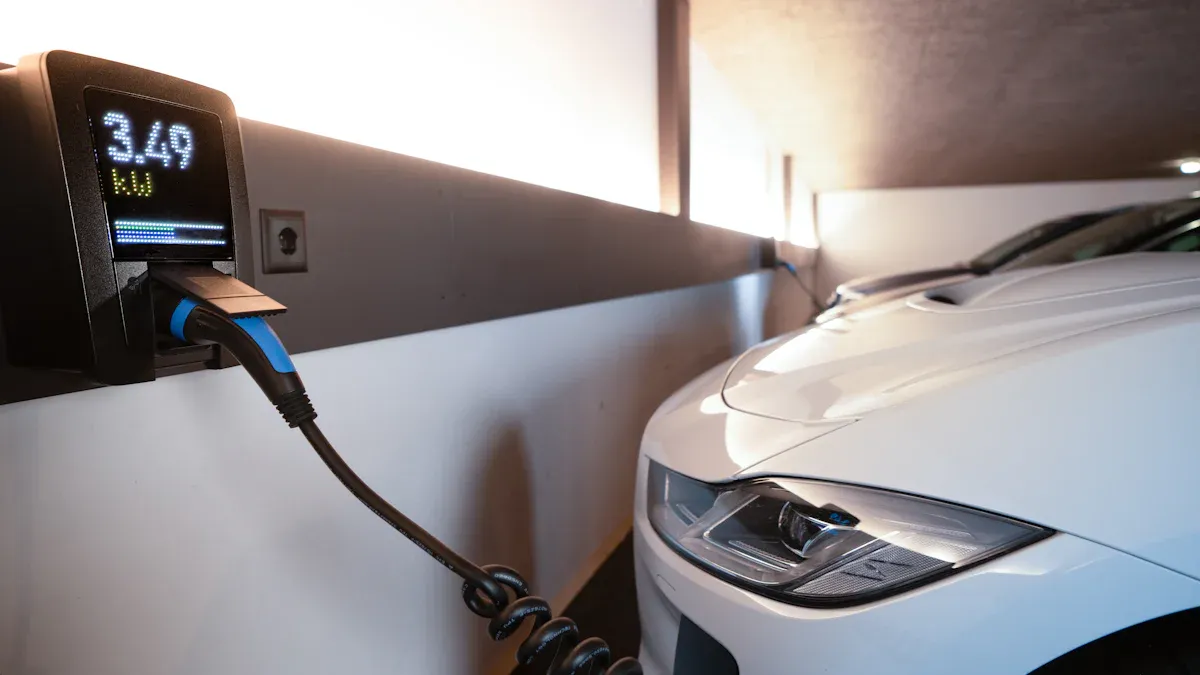
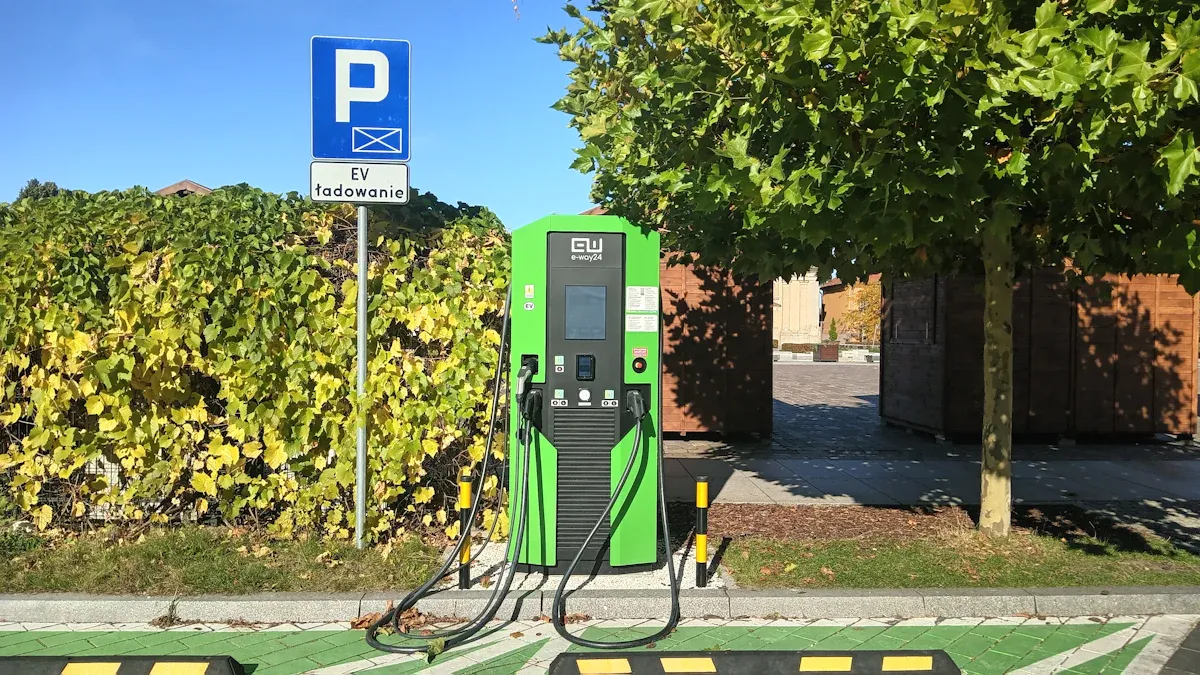
For most Singaporean electric vehicle owners, the long-term savings and convenience provided by Smart EV charging boxes definitively outweigh the initial expense. The primary financial advantages come from optimized charging schedules and advanced control features. EV charger manufacturers design EV charging solutions that significantly reduce your electricity bills. This smart technology adds substantial daily value to your home charging experience, a benefit not found in a basic charger or portable EV chargers. The additional cost for a smart EV Charger is a practical investment.
Understanding the Core Difference: Smart vs. “Dumb” Chargers

Choosing the right EV charger involves more than just knowing how fast you can charge at home. The primary decision for homeowners is between a basic, non-connected “dumb” charger and a feature-rich smart charger. While both will power up your electric car, their capabilities and long-term value differ significantly.
What Defines a Basic “Dumb” Charger?
Core Functionality and Limitations
A basic charger has one job: to deliver electricity to your vehicle safely. It functions like a simple wall socket. You plug in your electric car, and the charging process begins. You unplug it when the battery is full. This type of charger offers no remote control, data tracking, or scheduling capabilities. The charging speed for electric cars is fixed, and users have no way to manage energy consumption beyond manually plugging and unplugging the cable.
Safety Standards and LTA Approval
In Singapore, any home charger must be installed by a licensed electrical worker and comply with TR 25 safety standards. A basic charger meets these essential safety requirements to prevent electrical hazards. However, some budget models may lack integrated safety features like PEN fault protection, potentially requiring additional external devices during installation. This can lead to unexpected costs.
What Makes a Charger “Smart”?
A smart charger elevates the home charging experience from a simple utility to an integrated part of your household. Technologically advanced providers like TPSON design smart EV charging boxes that offer superior control and efficiency. The “smart” label comes from a suite of connected features.
Wi-Fi/Bluetooth Connectivity
The foundation of a smart charger is its ability to connect to your home network via Wi-Fi or Bluetooth. This connectivity allows the charger to communicate with other devices, most importantly your smartphone.
Smartphone App Integration
Connectivity enables a dedicated smartphone app. This app becomes your command center for the charging process. Users can start, stop, and monitor charging sessions from anywhere. This provides immense convenience and peace of mind.
Intelligent Scheduling and Load Balancing
The most powerful smart features are intelligent scheduling and load balancing. A smart charger can automatically start charging during off-peak hours when electricity rates are lowest. It can also monitor your home’s total electricity usage. The charger will reduce its charging speed if it detects high demand from other appliances, preventing a circuit breaker trip.
This table summarizes the key differences:
| Feature/Aspect | Basic EV Charger | Smart EV Charger |
|---|---|---|
| Smart Scheduling | No dynamic scheduling; relies on manual timing. | Automatically charges during off-peak hours for cost savings. |
| Load Balancing | Cannot adjust to home energy demand; risks overload. | Intelligently balances load to prevent tripped breakers. |
| Connectivity | No Wi-Fi or app integration. | Connects via Wi-Fi/Bluetooth for app control and updates. |
| Expandability | Limited to single-charger function. | Often ready for multi-EV setups and future grid integration. |
Ultimately, a smart charger provides tools for active energy management, a feature completely absent in its basic counterpart.
How Smart Chargers Reduce Your Monthly Electricity Bill
A primary advantage of smart EV chargers is their ability to directly lower household expenses. These devices achieve savings through intelligent energy management, turning a daily necessity into a financial benefit. The technology focuses on two key areas: optimizing charging times and preventing costly electrical problems.
Capitalizing on Singapore’s Off-Peak Electricity Tariffs
Many electricity retailers in Singapore offer time-of-use plans with lower rates during off-peak hours, typically late at night. A smart charger is the perfect tool to take advantage of these savings automatically.
How Smart Scheduling Automates Savings
Smart scheduling is a core feature that automates cost reduction. Users simply set their desired charging schedule in a smartphone app, such as programming the charger to operate only between 11 PM and 7 AM. The smart system handles the rest, ensuring the electric car begins charging when electricity is cheapest. This “set it and forget it” approach to optimising charging at home guarantees maximum savings with zero daily effort.
Real-World Savings Calculations
The financial impact is significant. An EV owner driving 15,000 km annually might consume around 2,250 kWh for charging. Shifting this consumption from a peak rate of 32 cents/kWh to an off-peak rate of 24 cents/kWh results in annual savings of $180. This recurring benefit directly reduces the total cost of ownership for an electric car and improves household energy efficiency.
Avoiding Grid Overload with Smart Load Balancing
Modern homes run numerous high-power appliances simultaneously. Adding an EV to the mix can strain a home’s electrical system. Smart load balancing is a critical safety and convenience feature that prevents this.
Protecting Your Home’s Main Circuit Breaker
Smart load balancing technology actively protects your home’s electrical panel. The system works by:
- Monitoring Power Consumption: The smart charger continuously measures the total electricity being used throughout the house.
- Calculating Available Capacity: It compares this real-time demand against the main circuit breaker’s maximum limit.
- Dynamic Power Adjustment: If it detects high usage from other appliances, the system automatically reduces the charging speed. Once the other appliances turn off, it restores full power to the charging session.
This dynamic process ensures the total electrical load never exceeds safe limits, making smart home chargers a truly integrated and safe solution.
The Hidden Costs of Electrical Trips
A tripped circuit breaker is more than an inconvenience. It can interrupt work, reset smart home devices, and even cause data loss on computers. Repeated overloads can also degrade electrical components over time, leading to expensive repairs. The smart charger’s ability to prevent these trips provides invaluable peace of mind and avoids this hidden cost, enhancing both safety and energy efficiency.
The Tangible Value of Control When Charging an Electric Car at Home
Beyond automated cost savings, smart EV chargers deliver immense value through enhanced control and data visibility. These features transform the experience of charging an electric car at home from a passive task into a managed, transparent process. The ability to interact with and understand energy consumption provides homeowners with unparalleled convenience and financial clarity.
Remote Control and Monitoring via Smartphone
The core of a smart charger’s control system is its smartphone app. This connectivity gives users complete command over their charging sessions, regardless of their physical location.
Start, Stop, and Check Status from Anywhere
Smart home chargers empower users to manage their vehicle’s charging remotely. An owner can initiate a charging session from the office to ensure their electric car is ready for an evening trip. They can also stop a session if plans change. The app provides real-time updates on the current battery level, estimated time to full, and the charging speed. This level of remote oversight offers flexibility that a basic charger cannot match, allowing users to see exactly how fast you can charge at home at any given moment.
Peace of Mind and Real-World Convenience
This remote capability delivers significant peace of mind. Homeowners no longer need to physically check if they plugged in their electric car. A quick glance at their phone confirms the charging status. This convenience eliminates “charge anxiety” and ensures the vehicle is always prepared for the next journey. The smart system provides the assurance of waking up to a fully charged vehicle every morning, streamlining the daily routine.
Tracking Your EV’s Exact Energy Consumption
A key benefit of a smart charger is its ability to meticulously track energy usage. This data demystifies the costs associated with EV ownership and enables better financial management.
Gaining Clarity on Your EV Running Costs
Smart chargers generate detailed reports on every charging session, logging the exact kilowatt-hours (kWh) consumed. This information allows owners to calculate the precise running cost of their electric car. By analyzing this data, users gain a clear understanding of their vehicle’s energy needs, which is essential for optimising charging at home. This transparency moves beyond estimates, providing concrete figures for the cost per kilometer.
Using Data for Better Household Budgeting
The detailed energy reports from a smart system are powerful tools for household budgeting. Homeowners can see exactly how much of their monthly utility bill is dedicated to vehicle charging. This data helps families accurately allocate funds and identify opportunities for savings. By monitoring consumption patterns, users can make informed decisions to adjust their charging habits, further reducing expenses and integrating the EV into the home energy ecosystem more efficiently.
A Detailed Cost-Benefit Analysis for Singaporean Homeowners
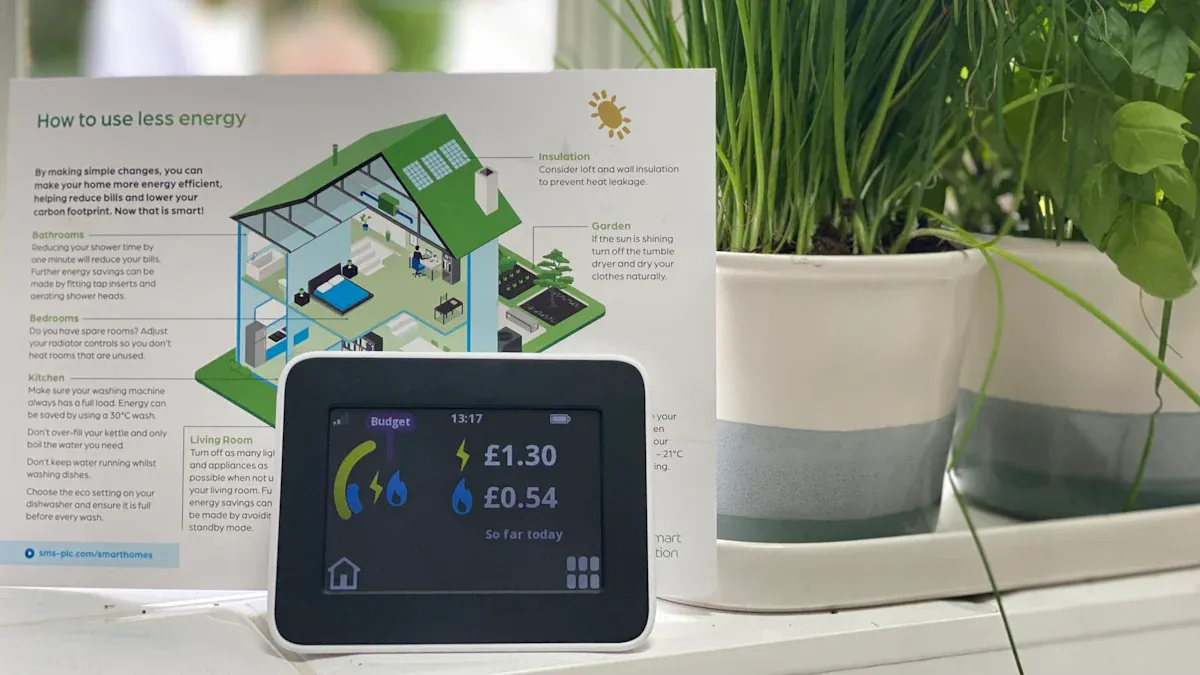
Deciding between a basic and a smart charger involves a clear financial trade-off. Homeowners must weigh the higher upfront cost of a smart device against its potential for long-term savings and convenience. A thorough analysis reveals when the investment in smart technology begins to pay for itself.
Breaking Down the Upfront Investment
The initial purchase price is the first financial hurdle. The market offers a distinct price separation between basic and feature-rich models.
The Typical Price of a Basic Charger
A standard, non-connected charger provides a safe and reliable way to power an electric car. In Singapore, the hardware cost for a basic 7.4kW AC charger typically ranges from S$800 to S$1,200. This price covers the unit itself, which offers simple plug-and-charge functionality without any connectivity or advanced features.
The Price Premium for Smart EV Charging Boxes
Smart EV charging boxes come with a justifiable price premium for their advanced technology. These units, equipped with Wi-Fi, app control, and load balancing, generally cost between S$1,500 and S$2,500. The premium, therefore, sits at approximately S$700 to S$1,300 more than a basic charger. This additional cost funds the hardware and software that enable automated savings and remote control.
The Cost of Installing a Dedicated Home Charger
The hardware is only one part of the equation. The cost of installing a dedicated home charger is a significant factor that homeowners must budget for. This process requires a Licensed Electrical Worker (LEW) to ensure safety and compliance.
Factors Influencing Installation Fees
The final installation bill can vary widely based on several site-specific conditions. Understanding these variables helps homeowners anticipate the total expense. Key factors include:
- Property Type: Installation in a landed property is often more straightforward than in a condominium, which may require MCST approval and longer cable runs.
- Cable Length: The distance from your home’s main switchboard to the desired location of the home charging point directly impacts labor and material costs.
- Electrical Work: Some homes may need minor upgrades to the distribution board to accommodate the new circuit for the charger.
- Trunking and Concealment: The complexity of hiding the electrical cables (e.g., through false ceilings or underground) adds to the labor cost.
Note: The question of
how to get a charging point installed at homeinvolves contacting certified installers who can provide a detailed quote after a site survey. This step is crucial for an accurate cost assessment.
Average Installation Costs in Singapore
For a standard home installation scenario in a landed property, homeowners can expect the cost of installing a dedicated home charger to be between S$1,200 and S$2,500. This figure can increase for more complex projects. The total upfront cost for a dedicated home charger (hardware + installation) is therefore a key consideration. The process of how to get a charging point installed at home starts with budgeting for both the device and this essential installation service.
Calculating Your Break-Even Point
The primary financial justification for a smart charger is its ability to pay for itself over time. By calculating the break-even point, homeowners can see a clear timeline for their return on investment.
Estimating Monthly Savings from Smart Features
The main source of savings comes from automated off-peak charging. As calculated previously, a homeowner driving 15,000 km annually can save approximately $180 per year, or $15 per month, by shifting their charging to cheaper tariff periods. This consistent saving is the foundation of the cost-benefit calculation.
When the Smart Investment Pays for Itself
The break-even point is when the accumulated savings equal the initial price premium of the smart device. We can illustrate this with a simple calculation.
Let’s assume the following:
- Price of a basic charger: S$1,000
- Price of a smart charger: S$1,800
- Smart Premium: S$1,800 – S$1,000 = S$800
- Monthly Savings: S$15
The calculation is straightforward:
Break-Even Point (Months) = Smart Premium / Monthly Savings
S$800 / S$15 per month ≈ 53 months
This table summarizes the investment return:
| Metric | Value |
|---|---|
| Smart Charger Premium | S$800 |
| Annual Savings | S$180 |
| Break-Even Point | ~4.5 Years |
After approximately four and a half years, the smart charger has fully paid for its additional cost through electricity savings. Every month thereafter represents a net financial gain for the homeowner. This analysis demonstrates that the higher upfront cost of smart EV charging boxes is not a sunken expense but a strategic investment. It transforms the daily task of charging an electric car at home into an opportunity for long-term financial benefit, making the smart home charging point the more prudent choice for most users.
Future-Proofing Your Property with a Dedicated Home Charger
Installing a dedicated home charger is more than a daily convenience; it is a strategic investment in a property’s future. This forward-thinking upgrade prepares a home for the next generation of energy and transportation technology. It also significantly boosts its appeal in the real estate market.
Preparing for Singapore’s Evolving Energy Grid
A smart charger connects a home to Singapore’s advancing energy infrastructure. This readiness for future grid technologies is a key benefit that basic chargers cannot offer.
Readiness for Demand Response Programs
Singapore’s energy system is moving toward greater efficiency. Smart technologies will help manage grid strain, especially from low-carbon cooling and electric vehicle charging. Smart chargers position homeowners to participate in future Demand Response programs.
These programs may offer financial incentives to consumers who allow the grid to temporarily reduce their energy consumption during peak hours. A smart charger can automatically adjust its charging schedule in response to grid signals, helping to balance energy demand and earning the homeowner rewards.
This capability turns an electric car into an asset for grid stability.
The Potential of Vehicle-to-Grid (V2G) Technology
Vehicle-to-Grid (V2G) technology represents the next frontier. It enables a parked electric car to not only draw power but also send it back to the grid. This bidirectional flow helps stabilize the power supply. While V2G is still emerging, a smart, connected home charging point is the foundational hardware required to participate. Installing one today ensures a home is ready for this future innovation.
Enhancing Your Home’s Resale Value
A dedicated home charger is quickly becoming a standard feature for modern properties. Its presence directly enhances a home’s marketability and value.
EV Charging as a Must-Have Home Amenity
As electric vehicle adoption increases, a home charging point is shifting from a luxury to a necessity. Installing a dedicated home charger helps future-proof a property for this transition. Buyers increasingly expect this amenity, much like they expect high-speed internet or modern kitchen appliances. A home without one may be seen as outdated.
Attracting Future-Ready Property Buyers
A home with a pre-installed charger holds a distinct advantage in the property market. It signals to potential buyers that the property is modern and well-equipped for the future. For buyers who already own or plan to buy an EV, this feature removes a significant logistical hurdle and expense. This makes the property more attractive and can lead to a faster sale at a better price.
When a Basic Charger Might Be the Right Choice
An EV charger is a significant investment for any homeowner. While smart chargers offer compelling long-term benefits, they are not the universal solution for every situation. A basic, non-connected charger can be a practical and sensible choice under specific circumstances. Homeowners should evaluate their driving habits, budget constraints, and willingness to manage charging manually before making a final decision.
Scenario 1: Your Daily Commute is Short and Predictable
For some drivers, the advanced features of a smart charger may be unnecessary. A consistent routine with minimal charging needs can make a basic unit a perfectly adequate option.
Minimal and Consistent Charging Needs
An owner who drives a short, predictable distance each day, such as a 20-30 km round trip to work, may not need to charge their electric car every night. Their vehicle might only require a top-up once or twice a week. In this case, the sophisticated scheduling and load management of a smart system offer limited value. The primary goal is simply to replenish a small amount of energy, a task a basic charger handles effectively.
The Feasibility of Manual Off-Peak Charging
Homeowners with a disciplined routine can still take advantage of off-peak electricity rates without a smart device. This approach requires manually plugging in the vehicle before bed and unplugging it in the morning. For someone who is consistently at home during these hours, this manual process is entirely feasible. It achieves the same goal of lower-cost charging, albeit with more hands-on effort.
Scenario 2: The Upfront Budget is the Absolute Priority
Financial constraints are a primary consideration for any major home purchase. When the initial outlay is the most critical factor, a basic charger presents a viable path to EV ownership.
Meeting Basic Needs on a Tight Budget
If the upfront cost is a significant barrier, a basic charger provides a functional and safe solution without the higher price tag. This choice allows a homeowner to get their charging infrastructure in place while managing a tight budget. The essential function—powering the vehicle—is met, deferring the expense of advanced features. This makes owning and charging an EV at home more accessible from a financial standpoint.
Understanding the Long-Term Trade-Offs
Opting for a basic charger involves accepting long-term trade-offs for immediate savings. The primary compromise is financial, as the owner forgoes the automated savings from optimized off-peak charging.
The Financial Opportunity Cost Choosing a basic charger means missing out on significant long-term savings. Studies show that smart charging can reduce energy costs by up to 50% by utilizing off-peak tariffs. This leads to higher operational costs over the vehicle’s lifetime. A 2018 trial highlighted a strong consumer preference for optimization, with 95% of drivers choosing smart charging over simply plugging in, even for modest savings. The lower initial price of a basic unit is offset by these missed financial benefits and the lack of convenient automation.
For most Singaporean homeowners, the extra cost for smart EV charging boxes is a wise investment. The direct financial returns and convenience outweigh the higher initial price. The “smart” features in these smart home chargers are practical tools that deliver measurable benefits, making them the superior choice for maximizing the value of owning an electric car.
- Financial Savings: A smart charger automates charging during cheaper off-peak hours, significantly reducing the cost to power your vehicle at home.
- Lifestyle Convenience: Owners gain full control, ensuring their car is always ready and eliminating the need to rely on public charging stations.
FAQ
What is the main benefit of a smart charger?
A smart charger’s primary benefit is cost reduction. It automatically schedules charging sessions during off-peak hours when electricity rates are lowest. This feature provides significant long-term savings on utility bills for homeowners.
Do homeowners need a permit for installation?
Yes, installation requires a Licensed Electrical Worker (LEW). The LEW submits the necessary paperwork to ensure the installation complies with Singapore’s TR 25 safety standards. This process guarantees the charger operates safely within the home’s electrical system.
Can a smart charger work with any electric car?
Most smart chargers use a universal Type 2 connector, which is the standard for almost all electric cars sold in Singapore. Homeowners should confirm compatibility, but it is rarely an issue for modern EVs.
What is load balancing and why is it important?
Load balancing is a smart feature that prevents electrical overloads. It monitors a home’s total power usage and reduces the charger’s speed if necessary. This protects the main circuit breaker from tripping.
Is a smart charger necessary for a short commute?
A basic charger may suffice for drivers with short, predictable commutes. They can manually plug in their vehicle during off-peak hours. However, they miss the convenience and automated savings of a smart system.
Can a charger be installed in an HDB flat?
Currently, installing personal chargers in HDB car parks is not standard practice. The government is expanding the public charging network in HDB estates. Landed property and condominium owners have a more direct path for private charger installation.
How much does installation typically cost? 💰
Installation costs in Singapore generally range from S$1,200 to S$2,500. The final price depends on factors like property type, the distance from the switchboard, and the complexity of the cable routing.