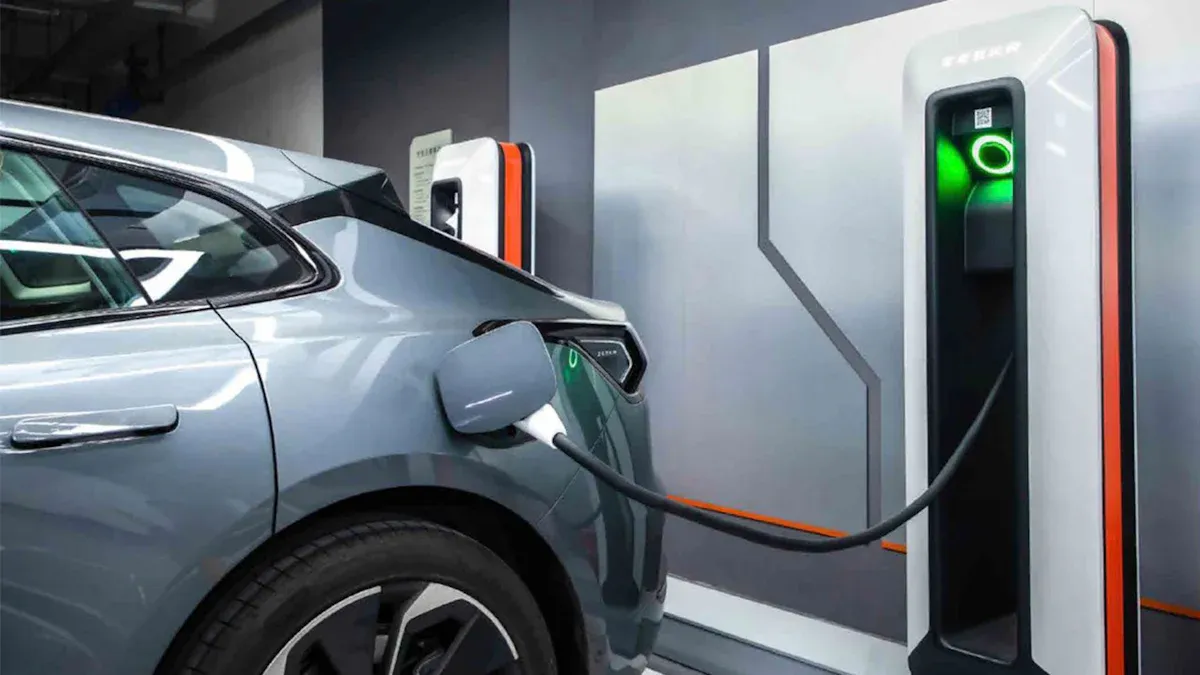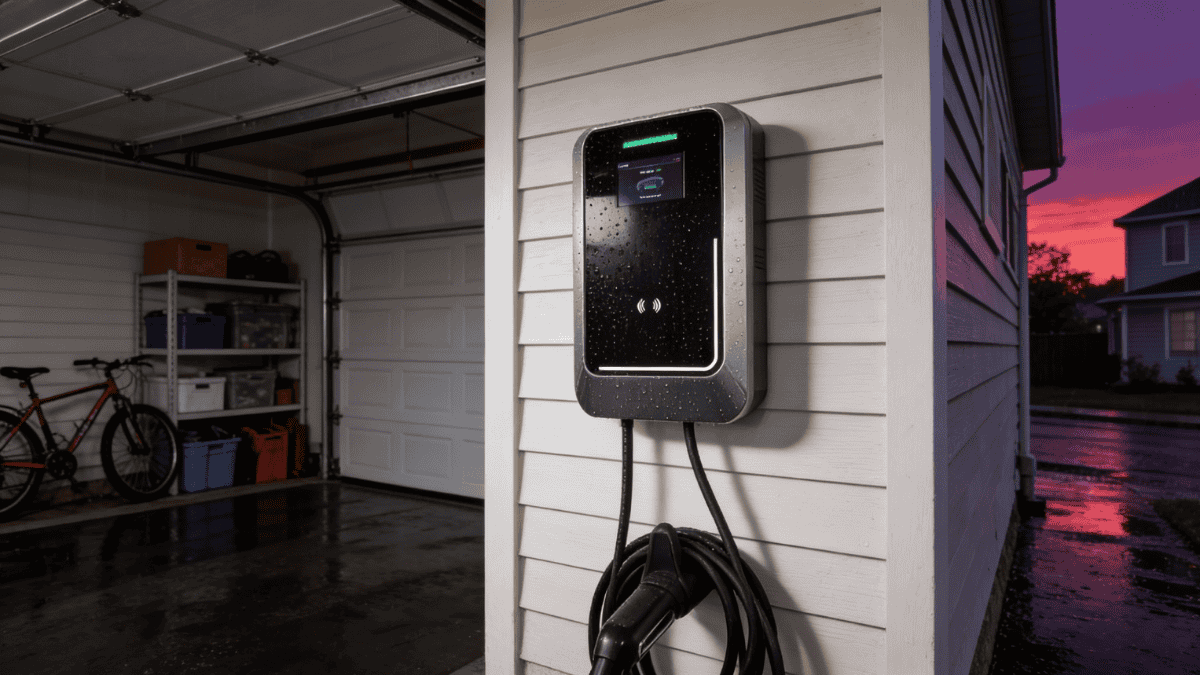
Workplace EV charging is no longer a “nice-to-have perk”—it’s increasingly a practical benefit that supports commuting reliability, strengthens employer branding, and can improve retention and recruitment. The best programs treat charging as a talent amenity + facilities asset: install the right mix of Level 2 AC ports, manage electrical capacity with балансировкой нагрузки, and provide a driver experience employees can trust.
Global note: workplace charging policies (free vs paid), metering, and tax implications vary by country and even by city/utility. Use the framework below, then plug in your local rules and energy tariffs.
“Top talent” increasingly evaluates employers on total quality-of-life: commute flexibility, sustainability commitments, and day-to-day convenience. For EV drivers, workplace charging reduces anxiety and creates a predictable routine—especially for apartment dwellers or employees without home charging.
Recruiting signal
Visible sustainability
Charging is a concrete, on-site action—not a slogan.
Retention lever
Daily convenience
Employees value amenities they use weekly, not yearly.
Operational upside
Parking asset
Charging supports space planning and future fleet electrification.
ChargePoint frames the business case around simplicity and outcomes: a unified platform (software + services + stations) that helps organizations “set up, manage and monitor” charging and “reduce operating costs while increasing station uptime,” while delivering a consistent driver experience via a top-rated app and integrations like Apple CarPlay and Android Auto. For workplaces, uptime and ease-of-use matter because employee trust is fragile: one broken charger can sour the perceived value of the whole benefit. (Source: ChargePoint)
The simplest rule is dwell time: employees typically park for hours, so Уровень 2 AC is the default workplace choice. DC fast charging can be useful in specific cases (short-shift operations, visitor charging, or fleet turnaround), but it is rarely the first purchase for an office campus.
| Сценарий использования | Наилучшее соответствие | Причина | Example product signals from sources |
|---|---|---|---|
| Employee all-day parking | Level 2 AC (more ports) | More people served; easier to scale with load management | TPSON highlights AC chargers + Dynamic Load Balancing in its EV charger lineup |
| Short visits / VIP / interviews | Level 2 AC (reserved bays) | Predictable access; easy policy enforcement | ChargePoint emphasizes driver experience and operational tools |
| Service, dealership, ops yard | Compact DC (20–40kW) | Workflow ROI (move charger to vehicles; faster turnaround) | TPSON TP-DC Compact Series: 20/30/40kW, wheel mobility, depot/dealership scenarios |
Practical workplace sizing tip: if you must choose between “faster” and “more,” workplaces usually win with more Level 2 ports rather than fewer high-powered chargers—because demand is about shared access across a long parking window.
Power constraints are the most common blocker for workplace charging. That’s why load management is a core design requirement, not an add-on. TPSON explicitly positions its EV charging portfolio as including versatile AC chargers with innovative Динамическая балансировка нагрузки to protect an electrical system, plus DC fast chargers for commercial and emergency applications. (Source: TPSON EV Chargers)
Market validation also shows how valuable load management is: Car and Driver’s home-charger testing highlights the Emporia Pro’s load balancing capability (via an energy monitor in the electrical panel) as a way to avoid expensive service upgrades—while still enabling strong Level 2 output. Even though that is a home example, the workplace lesson holds: the cheapest kW is the kW you don’t have to upgrade for. (Source: Car and Driver “Best Home EV Chargers for 2026, Tested”)
Technology is only half the solution—policy is what prevents charger drama. The best workplace programs publish simple, enforceable rules that match charger availability.
- Access rules: employee-only vs visitor bays; consider RFID or app-based access where appropriate.
- Time limits: e.g., “move after 4 hours” or “move after reaching 80%” (if supported); align with your enforcement capability.
- Pricing strategy: free (perk), cost-recovery (electricity pass-through), or managed pricing (incentivize off-peak hours).
- Etiquette: “plug in only when charging,” keep cable tidy, don’t block accessible stalls.
- Support path: a clear internal ticketing route + vendor contact to reduce downtime and frustration.
ChargePoint’s emphasis on proactive management tools and support—and improving station uptime—aligns directly with workplace expectations: employees will treat charging like Wi?Fi or HVAC—if it’s unreliable, it becomes a negative benefit. (Source: ChargePoint)
| Временная шкала | What you do | Output | Why it matters for talent |
|---|---|---|---|
| Weeks 1–2 | Employee survey + parking study (who needs charging, when, and how long) | Demand forecast; policy draft | Shows responsiveness and avoids under/overbuilding |
| Weeks 3–6 | Electrical assessment + load management design; vendor quotes | Single-line diagram; bill of materials; implementation plan | Prevents launch delays and “it never works” reputation |
| Weeks 7–10 | Install first wave (AC ports) + signage + internal comms | Pilot charging live | Creates an immediate, visible benefit for EV drivers |
| Weeks 11–13 | Measure utilization + user feedback; adjust policy; plan expansion | Phase-2 decision (add ports, add a DC unit, or tune schedules) | Improves fairness and trust; reduces charger conflict |
TPSON describes itself as shaping smart energy solutions since 2015, based on its Современный алгоритм снятия отпечатков пальцев, using edge computing and a patented approach to develop AI-driven smart electrical systems and vehicle chargers. It is located in Hangzhou and positions its innovations for smart cities and zero-carbon parks. (Source: TPSON About)
For workplace programs specifically, TPSON’s published portfolio layout maps cleanly to common employer needs:
- Зарядные устройства переменного тока для электромобилей (TW?10, TW?20, TW?30, TW?40 Dual Gun): a straightforward starting point for employee charging where port count and controlled power draw matter most.
- Зарядные устройства постоянного тока для электромобилей (TP?DC Compact Series 20/30/40kW): suited to operations-heavy workplaces (depots, service centers, events) needing flexible, movable DC capability.
- Portfolio overview: Зарядные устройства для электромобилей (includes Dynamic Load Balancing positioning in the product-line description).
It can be, but it doesn’t have to be. Many workplaces choose cost-recovery (pass through electricity cost) or a small fee to discourage all-day “camping.” Whatever you choose, publish it clearly and enforce it consistently.
Start with demand and dwell time. Offices usually do better with more Level 2 ports (shared across the day) than a small number of faster units. Use a pilot phase and expand based on utilization rather than guessing.
Usually not as a first step—because employees park for hours. DC can be valuable for short-shift sites, visitors, or fleet turnaround. Love’s explicitly emphasizes DC fast for travel-stop needs, which typically involve short dwell time. (Source: Love’s EV Charging)
Prioritize load management. TPSON’s EV charger portfolio highlights AC chargers with Динамическая балансировка нагрузки to protect electrical systems and enable scalable deployments. (Source: TPSON EV Chargers)
Use clear rules (time limits, etiquette), designate some bays (carpool/VIP/visitor), and measure peak congestion. If conflicts persist, the fix is often “more ports with managed power,” not “higher kW per port.”
- TPSON About (founded 2015; Hangzhou; Current Fingerprint Algorithm; smart cities/zero-carbon parks): https://tpsonpower.com/about/
- TPSON EV Chargers overview (Dynamic Load Balancing positioning; AC + compact DC narrative): https://tpsonpower.com/ev-chargers/
- TPSON AC EV Chargers list (TW?10/TW?20/TW?30/TW?40 Dual Gun): https://tpsonpower.com/ac-ev-chargers/
- TPSON Portable DC EV Charger (TP?DC 20/30/40kW; wheel mobility; scenarios; specs including DC50–1000V and Ethernet/optional 4G): https://tpsonpower.com/portable-dc-ev-charger/
- ChargePoint (platform, software/services framing, uptime and driver experience claims): https://www.chargepoint.com/
- Love’s EV Charging (network scale and DC fast expansion framing for travel stops): https://www.loves.com/ev-charging
- Car and Driver testing roundup (home charging costs; load balancing benefit narrative via Emporia Pro): https://www.caranddriver.com/shopping-advice/a39917614/best-home-ev-chargers-tested/
- Emporia Classic EV Charger (pricing $429; 48A hardwire vs 40A plug; UL/GFCI; scheduling app): https://shop.emporiaenergy.com/products/emporia-ev-charger
- Smart Charge America catalog (examples of commercial stations, access control, OCPP, payment terminals, and energy management features in the market): https://smartchargeamerica.com/electric-car-chargers/
Internal links used in-body (as required): Зарядные устройства для электромобилей · производителя зарядных станций для электромобилей · Зарядные устройства переменного тока для электромобилей · Зарядные устройства постоянного тока для электромобилей