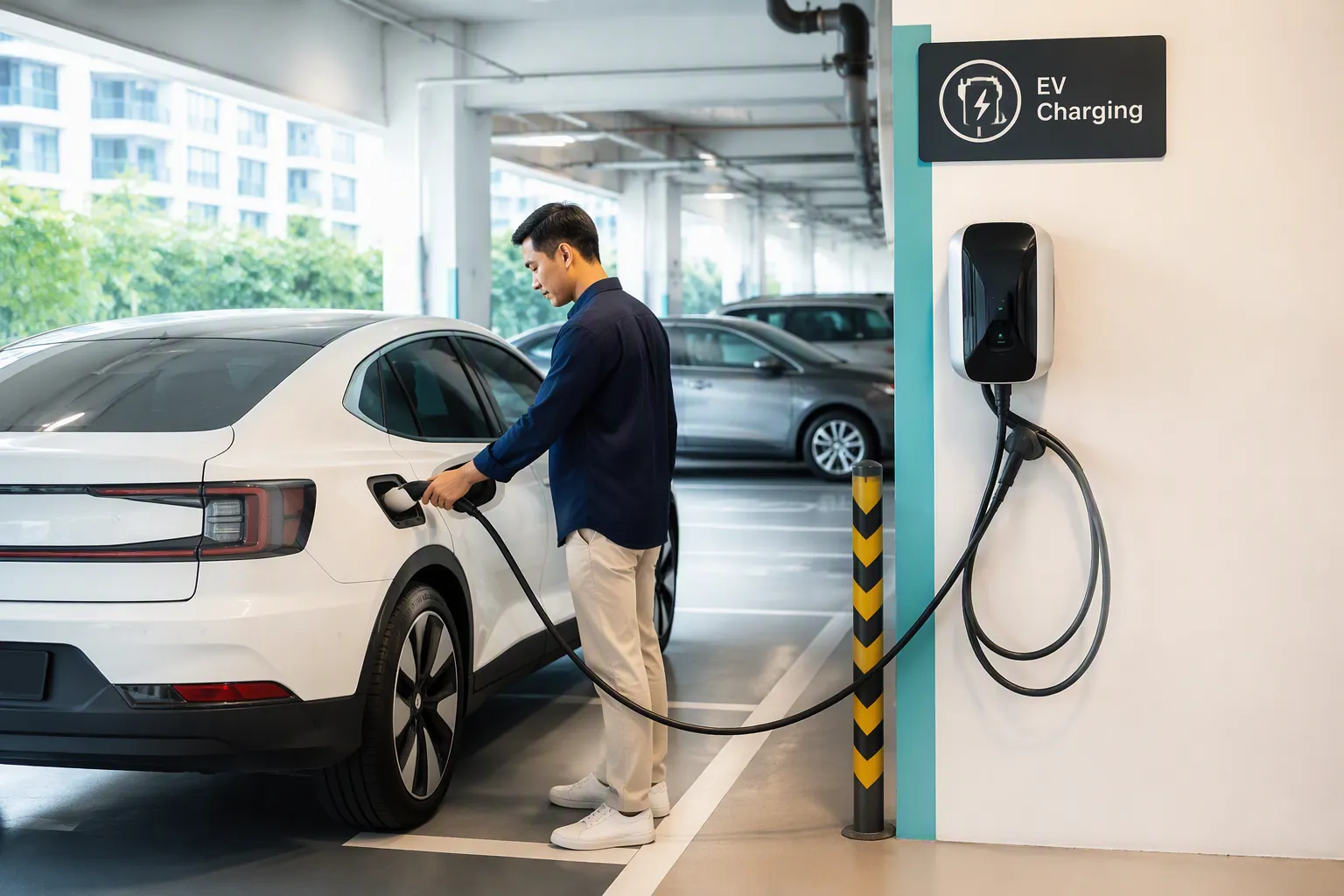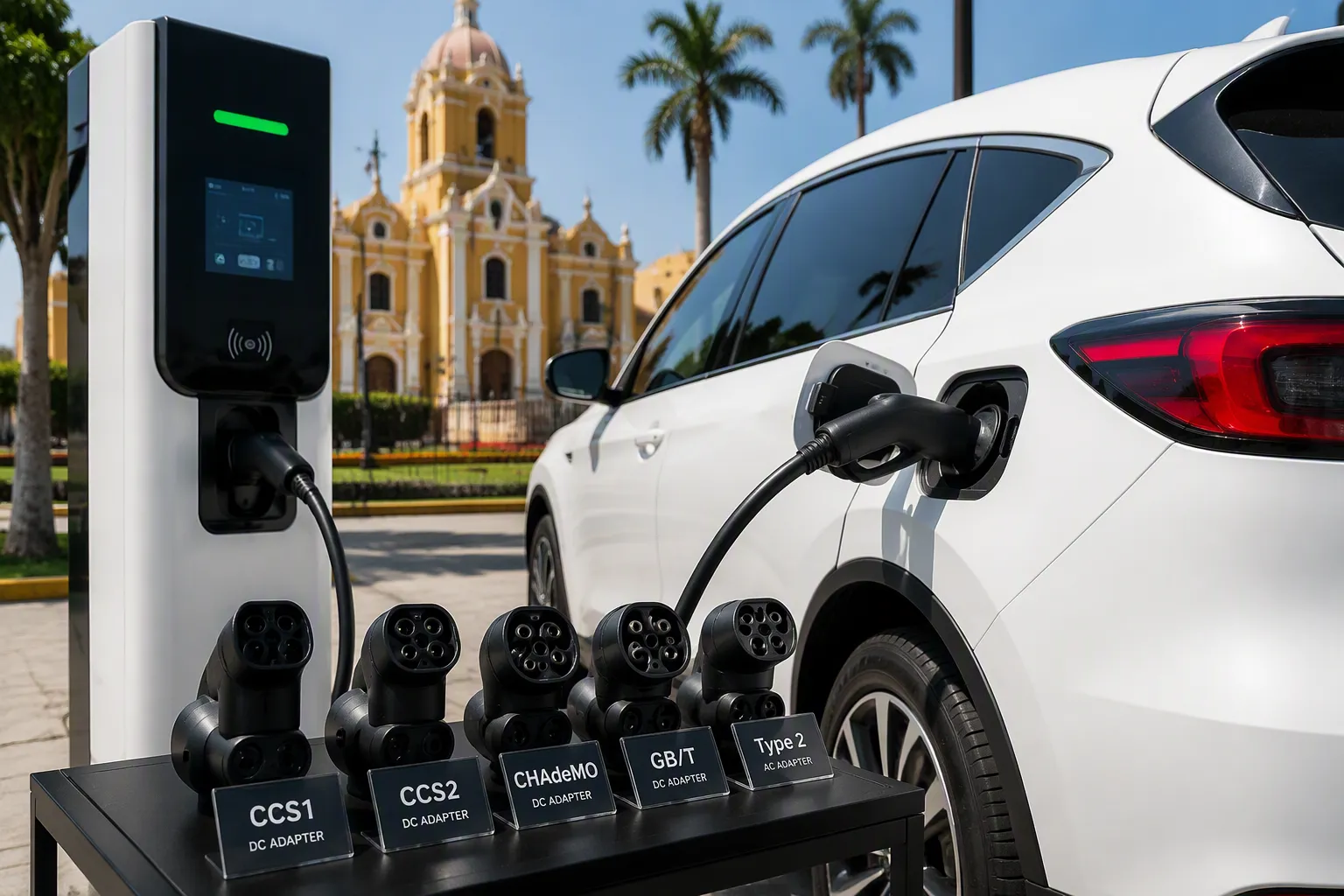

A smart EV charging network uses advanced connectivity and centralized management to deliver efficient Решения для зарядки электромобилей in apartment buildings. Apartment residents often face barriers to EV adoption because they lack convenient access to charging infrastructure, unlike single-family homeowners who use private driveways for their Зарядное устройство для электромобилей. Smart technology enables property owners to provide secure, scalable charging options from leading Производители зарядных устройств для электромобилей. This network supports портативные зарядные устройства and streamlines access, helping residents charge vehicles affordably and reliably.
Understanding a Smart EV Charging Network
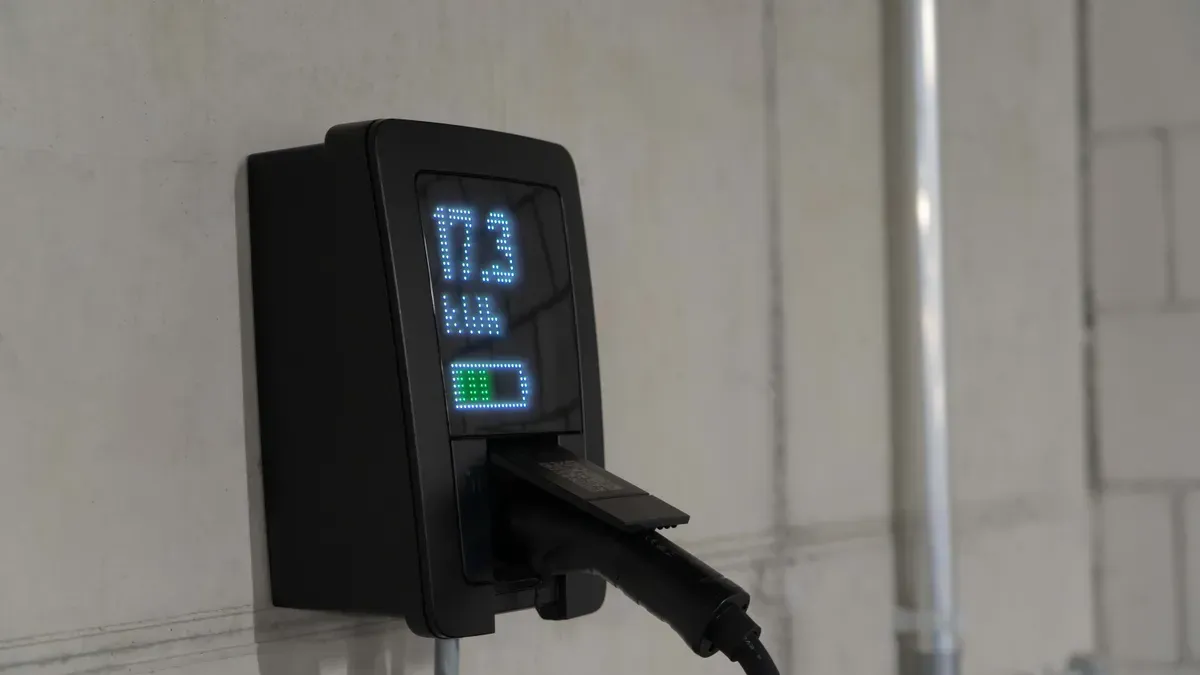
A smart EV charging network comprises several interconnected hardware and software components designed to optimize electric vehicle charging in multifamily buildings. These systems enable property managers and residents to benefit from reliable, efficient, and user-friendly charging solutions.
Core Components of a Smart EV Charging Network
Interconnected Charging Stations
At the heart of a smart EV charging network are the зарядные станции themselves. These stations are often wall-mounted or stand-alone units capable of high-power level 2 charging, which significantly reduces charging times for residents. The hardware includes essential elements such as power converter boards, communication control boards, and security features that ensure safe and reliable operation. These stations are designed to connect seamlessly with the broader system, allowing for centralized management and monitoring.
Centralized Management Software
Complementing the hardware are management platforms that oversee the entire network. These platforms, like those offered by TPSON, provide real-time data management, remote control capabilities, and user authentication features. They enable property owners to monitor energy consumption, troubleshoot issues, and optimize the system’s performance. The management software integrates with the hardware components, creating a cohesive system that simplifies maintenance and enhances reliability.
Key Features of Smart EV Charging
Connectivity and Remote Access
Connectivity plays a vital role in smart EV charging solutions. Systems equipped with Wi-Fi or cellular communication boards allow property managers and residents to access charging stations remotely. This connectivity facilitates real-time monitoring, usage tracking, and control via mobile apps or web portals. Such features improve user experience and ensure that charging stations remain accessible and secure.
Load Management Technology
Load management technology is crucial for preventing electrical overloads and optimizing energy use. Smart systems dynamically distribute power across multiple charging stations based on demand, ensuring efficient utilization of available capacity. For example, intelligent load balancing can adjust charging rates or delay charging sessions during peak periods, reducing utility costs and preventing system failures. This technology is especially important in apartment buildings where electrical infrastructure may have limited capacity.
User Authentication and Security
Security features safeguard the system against unauthorized access. User authentication methods, such as RFID cards or app-based login, ensure that only authorized residents can access charging stations. Additionally, built-in cybersecurity measures protect data and prevent malicious attacks. These security protocols are vital for maintaining trust and ensuring the system’s integrity.
Smart vs. Traditional EV Charging
Automation and Data Insights
Unlike traditional EV charging setups, smart EV charging networks automate many processes. They collect and analyze data on energy consumption, user behavior, and system performance. This data-driven approach allows property managers to make informed decisions, optimize energy use, and plan for future expansion. For instance, predictive analytics can forecast charging demand, enabling proactive infrastructure upgrades.
Scalability and Flexibility
Smart EV charging systems are inherently scalable. They can easily accommodate additional charging stations as demand grows, without requiring extensive electrical upgrades. This flexibility ensures that property owners can expand their infrastructure cost-effectively. In contrast, traditional setups often lack this adaptability, leading to higher costs and limited capacity for future growth.
By integrating these core components and features, a smart EV charging network offers a comprehensive solution that enhances reliability, security, and user experience. It positions apartment buildings to meet the evolving needs of residents and aligns with sustainable energy practices.
TPSON stands out as a leading provider of such advanced EV charging solutions, delivering systems that combine cutting-edge hardware with intelligent management software to create efficient, scalable, and secure charging networks.
How a Smart EV Charging Network Works
A smart EV charging network operates through a combination of advanced connectivity, intelligent load management, and user-centric features. These elements work together to deliver efficient, reliable, and flexible charging solutions for apartment buildings.
Connectivity and Communication
IoT Integration for Real-Time Monitoring
Internet of Things (IoT) technology forms the backbone of smart EV charging systems. Charging stations are equipped with sensors and communication modules that transmit real-time data on energy consumption, operational status, and system health. This connectivity allows property managers to monitor all chargers remotely, enabling early detection of potential issues. For example, if a charger malfunctions, technicians can receive alerts immediately, reducing downtime and maintenance costs. Centralized management software collects this data, providing a comprehensive view of the entire network’s performance. This integration enhances operational efficiency by allowing quick troubleshooting and informed decision-making.
Remote Control Capabilities
Remote control features enable property managers to adjust charging parameters, start or stop sessions, and update firmware without visiting each station physically. Communication protocols such as OCPP (Open Charge Point Protocol) facilitate seamless interaction between chargers and management platforms. These protocols support smart charging functions, including dynamic load balancing and energy management, which optimize power distribution based on real-time demand. This flexibility ensures that charging stations operate efficiently, even during peak usage periods, and allows for swift responses to user requests or system alerts.
Load Management and Energy Optimization
Balancing Power Demand Across Chargers
Effective load management prevents electrical overloads and maximizes energy efficiency. Smart networks utilize algorithms that dynamically distribute power among multiple chargers, ensuring each receives an appropriate amount based on current demand. Techniques like dynamic load management (DLM) adjust charging rates in real-time, preventing the system from exceeding capacity. This approach not only safeguards the building’s electrical infrastructure but also enables better utilization of available energy resources. For instance, during high-demand periods, the system can reduce charging speeds across some stations to maintain overall stability.
Preventing Overloads and Maximizing Efficiency
Smart systems incorporate strategies such as scheduled load management, which shapes charging behavior based on time-of-use tariffs and grid conditions. By analyzing energy demand patterns, the network can shift charging sessions to off-peak hours, reducing utility costs and easing strain on the electrical grid. Additionally, integration with renewable energy sources and utility grids allows the system to leverage clean energy when available, further enhancing sustainability. These features ensure that energy is used optimally, lowering operational costs and supporting green initiatives.
User Experience and Access
Mobile Apps and Payment Systems
Residents benefit from intuitive mobile apps that simplify access and control over their charging sessions. These apps enable users to locate available chargers, initiate or stop charging, and monitor energy consumption in real time. Payment integration within the app streamlines billing, allowing tenants to pay based on actual usage. Automated billing systems automatically generate invoices, reducing administrative overhead and ensuring transparency. Secure authentication methods, such as RFID cards or app-based login, protect against unauthorized access while providing convenience.
Scheduling and Access Control
Smart networks offer scheduling features that allow residents to reserve charging stations in advance, minimizing wait times and ensuring availability. Access control mechanisms restrict or grant usage based on user profiles, membership status, or payment plans. These controls help property managers manage demand effectively and prevent misuse. Real-time availability displays and reservation systems improve overall user experience, making charging seamless and efficient for residents. This level of control and convenience encourages EV adoption and enhances tenant satisfaction.
By integrating these sophisticated communication, load management, and user-focused features, a smart EV charging network ensures that apartment buildings can meet the growing demand for electric vehicle charging. It provides a reliable, scalable, and sustainable infrastructure that benefits residents, property owners, and the environment alike.
Benefits of EV Charging in Apartment Buildings

Implementing EV charging solutions in apartment buildings offers numerous advantages for property owners and residents alike. These benefits extend beyond convenience, influencing property value, market appeal, and operational efficiency.
Tenant Convenience and Satisfaction
Easy Access to Charging for Residents
Home charging remains the most economical option for EV owners, often costing about half as much as public stations. This cost difference, combined with the convenience of charging at home, significantly boosts tenant satisfaction. Residents appreciate the ability to charge their electric vehicles overnight without leaving the property, which enhances their overall living experience. Properties equipped with EV chargers become more attractive to prospective tenants, especially younger renters who prioritize sustainability and modern amenities. Installing shared EV charge points can also foster a sense of community and demonstrate a property’s commitment to green living.
Supporting Growing EV Adoption
As electric vehicles become more prevalent, residents increasingly seek buildings that support their eco-friendly lifestyle. Smart EV charging networks facilitate this transition by providing reliable, scalable infrastructure. They enable tenants to adopt EVs confidently, knowing they have access to secure and efficient charging options. This support aligns with broader environmental goals and helps residents reduce their carbon footprint, making the property more appealing to environmentally conscious individuals.
Property Value and Market Appeal
Attracting and Retaining Tenants
Properties with EV charging stations tend to attract a broader pool of prospective tenants. Evidence shows that EV-ready buildings can command higher rental rates and experience lower vacancy rates. Installing EV chargers повышает стоимость недвижимости, especially as electric vehicle adoption continues to grow. These amenities serve as a key differentiator in competitive rental markets, helping landlords attract tenants who prioritize sustainability and modern conveniences. Moreover, tenants who already own EVs are more likely to stay longer when charging infrastructure is readily available, reducing turnover and vacancy costs.
Защита здания в будущем
Adding EV charging stations prepares the building for future demand. As electric vehicles become more mainstream, the need for accessible charging will only increase. Smart EV charging networks are scalable, allowing property owners to expand their infrastructure without costly upgrades. This proactive approach ensures the building remains competitive and aligned with evolving market trends, ultimately boosting its long-term value.
Energy Efficiency and Cost Savings
Optimized Energy Use with Smart Charging
Smart EV charging solutions enable efficient energy management by balancing demand across multiple chargers. They optimize energy use, reducing waste and lowering utility costs. For example, intelligent load management can shift charging to off-peak hours, leveraging lower electricity rates and supporting sustainability initiatives. This approach not only benefits the environment but also results in tangible savings for property owners and tenants.
Lower Utility Costs and Revenue Opportunities
Smart networks can generate additional revenue streams through flexible billing options and usage-based charging. Residents can pay for their actual consumption, and property owners can implement tiered pricing or subscription models. Additionally, buildings with EV charging capabilities often see increased property valuations and attract environmentally-minded tenants, further enhancing revenue potential. These factors make EV charging a strategic investment that benefits the building’s financial performance.
Why Your Apartment Building Needs a Smart EV Charging Network
Meeting Resident Expectations
Enhancing Amenities for Modern Living
Residents in multi-unit dwellings expect modern amenities that support their evolving lifestyles. A smart EV charging network transforms apartment living by providing reliable, accessible charging for electric vehicles. Tenants value the convenience of charging at home, which aligns with their preference for sustainable transportation options. Property managers who offer advanced EV charging demonstrate a commitment to innovation and resident satisfaction. This amenity not only meets current expectations but also anticipates future needs as EV adoption continues to rise.
Staying Competitive in the Market
The rental market has become increasingly competitive. Apartment communities that provide EV charging stand out to prospective tenants. Many renters now consider access to EV charging a deciding factor when choosing where to live. Buildings without this feature risk losing residents to properties that offer a more comprehensive amenity package. By investing in a smart EV charging network, property owners ensure their apartments remain attractive and relevant in a rapidly changing market.
Managing Infrastructure and Costs
Avoiding Expensive Electrical Upgrades
Property owners often worry about the costs associated with upgrading electrical infrastructure to support multiple EV chargers. A smart EV charging network addresses these concerns through intelligent load management and dynamic power allocation. The following table outlines how these systems help avoid costly upgrades:
| Выгода | Описание |
|---|---|
| Automatic Power Balancing | DLM allows for the automatic balancing of power between multiple chargers, preventing overloads. |
| Избегайте перегрузок | It helps avoid overloading the building’s electrical system, which can lead to costly upgrades. |
| Flexible Expansion | Property owners can expand their charging networks without incurring significant upgrade costs. |
Smart technology enables property managers to add more charging stations as demand grows, without the need for major electrical work. This flexibility supports the long-term scalability of EV charging infrastructure in apartment settings.
Scalable Solutions for Growing Demand
The number of EVs on the road increases every year. Apartment buildings must adapt to this trend by offering scalable charging solutions. A smart EV charging network allows property owners to start with a few stations and expand as more residents drive EVs. This approach ensures that the infrastructure grows alongside demand, preventing bottlenecks and maintaining a high level of service. Property managers can monitor usage patterns and plan future installations based on real data, optimizing both investment and resident satisfaction.
Compliance and Sustainability
Supporting Green Initiatives
Sustainability has become a priority for many residents and property owners. Installing EV charging points contributes to green building certifications, such as BREEAM, by earning valuable points toward these standards. A smart EV charging network supports broader environmental goals by encouraging the use of electric vehicles and reducing carbon emissions. Apartment communities that embrace these initiatives position themselves as leaders in responsible development and attract environmentally conscious tenants.
Соответствие нормативным требованиям
Many cities and states have introduced regulations that require new or existing multi-unit dwellings to provide EV charging infrastructure. A smart EV charging network helps property owners comply with these mandates efficiently. Centralized management software simplifies reporting and ensures that all charging stations meet safety and operational standards. By staying ahead of regulatory trends, apartment buildings avoid penalties and future-proof their investments.
Совет: Early adoption of smart EV charging solutions can help property owners secure incentives and rebates offered by local governments and utilities.
A smart EV charging network delivers significant advantages for apartment buildings. It enhances resident satisfaction, manages costs, and supports sustainability goals. Property owners who invest in this technology ensure their communities remain competitive, compliant, and ready for the future of transportation.
Practical Considerations for Installing a Smart EV Charging Network
Assessing Electrical Capacity and Infrastructure
Evaluating Existing Power Supply
Property managers must begin by assessing the electrical load capacity of the apartment building. This process involves several steps to ensure the infrastructure can support new charging stations:
- Hire a certified electrician to evaluate the electrical system.
- Inspect existing panels and measure output voltages, such as 120/208V, 120/240V, or 480V.
- Determine the current draw and remaining capacity.
- Communicate with the local utility company to confirm if the service can handle additional demand.
- Consider adding a separate electrical service for EV charging if the current capacity is insufficient.
- Implement load management systems like Dynamic Load Management to optimize available capacity.
These steps help property managers identify potential limitations and plan for efficient integration of charging solutions.
Planning for Upgrades if Needed
Managers must review several factors to determine if upgrades are necessary. The following table outlines key considerations:
| Фактор | Описание |
|---|---|
| Current EV Density | Evaluate the number of electric vehicles in the local area. |
| Время пребывания | Assess how long vehicles typically stay parked on-site. |
| Local Chargers | Review available chargers and their speeds nearby. |
| Spare Power Capacity | Identify available power for additional chargers. |
| Local Power Network | Check if the network can support extra power needs. |
Managers should also consider site redevelopment plans, service drawings, circuit schedules, power shutdown requirements, parking space types, and the potential for on-site renewable energy facilities.
Setting Up Connectivity and Network Integration
Internet and Network Requirements
Reliable connectivity forms the backbone of a smart EV charging network. Managers must ensure stable internet access for all charging stations. Wired connections offer greater reliability, but wireless options may suit some locations. Network security remains essential to protect user data and system integrity.
Integration with Building Management Systems
Seamless integration with building management systems enhances operational efficiency. Managers should connect charging software with energy management systems, metering tools, and utility tariff feeds. APIs and event-driven architecture enable real-time coordination of solar production, battery charge, and charging demand. Dynamic power allocation adjusts charging rates based on the building’s current load, optimizing energy use and supporting scalability.
Tip: Modular logic and API integration allow property managers to adapt to future upgrades and expand the charging network as demand grows.
Maintenance and Support for EV Charging
Ongoing Monitoring and Troubleshooting
Continuous monitoring ensures reliable operation. Charging Point Management Systems collect data on station status, energy usage, and maintenance needs. Integration with third-party tools like Zendesk and ChargerHelp! provides 24-hour customer support for residents. Managers should plan for long-term maintenance, especially for years three, five, and ten.
Service and Repair Considerations
Wall-mounted charging stations with screens and integrated cables may require service calls and replacement parts. A maintenance-free setup, such as smart outlet-based systems, reduces reliance on Wi-Fi or cell service. Pro EV offers ongoing maintenance and servicing to ensure charger reliability and safety. Their smart software management includes access settings, usage reports, and both remote and on-site maintenance.
Note: Regular maintenance and proactive support help maximize uptime and tenant satisfaction.
Billing and Management Solutions
Effective management of EV charging stations hinges on robust billing and user access systems. Property owners and managers require solutions that streamline payments, provide detailed usage insights, and ensure transparency. Modern management platforms incorporate features that make these processes straightforward and reliable.
Resident Payment Options
Smart EV charging networks offer residents multiple convenient ways to pay for their charging sessions. Contactless payment methods, such as mobile apps, RFID cards, or credit card terminals, enable quick and secure transactions. These options allow residents to initiate charging and settle bills without hassle, fostering a seamless experience. Importantly, residents only pay for the energy they use, not their neighbors’ charging, which promotes fairness and transparency. Built-in software records vehicle charging through a unique account for each resident, ensuring accurate tracking of individual usage. Monthly billings are automatically generated based on actual consumption, reducing administrative overhead and minimizing billing errors. This automation enhances trust and simplifies financial management for property owners.
Отслеживание использования и отчетность
A key feature of smart billing systems is detailed usage tracking. Property managers can access comprehensive reports that display each resident’s charging history, energy consumption, and costs. This data helps in identifying usage patterns, optimizing energy distribution, and planning future infrastructure needs. For residents, the ability to view their charging history fosters transparency and encourages responsible energy use. The system’s reporting capabilities also support energy efficiency initiatives by highlighting high-usage periods or devices, enabling targeted improvements.
| Характеристика | Описание |
|---|---|
| Billing Integration | Combines billing and payment functionalities into the EV charge point management system, simplifying fee collection. |
| Usage Tracking | Residents can review their charging history and monitor energy consumption over time. |
| Automated Billing | Generates accurate, transparent invoices based on individual usage, reducing manual effort and errors. |
By leveraging these advanced billing and management solutions, property owners can efficiently oversee their EV charging infrastructure. They ensure residents enjoy flexible, fair payment options while gaining valuable insights into energy use. This integration of smart billing enhances operational efficiency, promotes transparency, and supports sustainable energy practices.
Future-Proofing with Smart EV Charging Networks
Smart EV charging networks must keep pace with rapid changes in electric vehicle technology and user demand. Property owners who invest in future-proof EV charging solutions can ensure their buildings remain relevant and competitive for years to come.
Adapting to Evolving EV Technology
Supporting New Vehicle Models and Charging Standards
The automotive industry continues to introduce new electric vehicle models and charging standards. Smart charging networks must adapt to these changes to provide seamless service for all residents. Manufacturers now design hardware to support evolving requirements, such as ISO 15118 compliance, which is mandatory for many markets. This standard enables advanced features like plug-and-charge and improved security. Interoperability testing has become essential as more vehicle models enter the market by 2027.
Smart charging systems also use dynamic load management to balance power between chargers. This technology allows the network to prioritize energy distribution based on specific rules, ensuring efficient operation even as new vehicles with different charging needs arrive. Remote diagnostics and software updates help minimize downtime and keep the system compatible with the latest vehicles.
- Hardware supports new charging standards, including ISO 15118.
- Dynamic load management balances power and prioritizes energy use.
- Remote diagnostics and software updates maintain compatibility.
Upgrading Software and Hardware Over Time
Technology never stands still. Smart EV charging networks must offer easy pathways for upgrades. Software updates can add new features, improve security, and optimize performance without replacing physical equipment. Remote updates reduce the need for on-site visits and keep the system running smoothly.
Hardware upgrades may become necessary as charging standards evolve or as new vehicles require higher power levels. Manufacturers design modern charging stations with modular components, making it easier to swap out parts or add new capabilities. This approach protects the initial investment and ensures the network remains effective in the future.
Tip: Choose charging solutions that support remote software updates and modular hardware for long-term flexibility.
Planning for Increased Demand
Scalable Infrastructure for More Chargers
As electric vehicle adoption grows, apartment buildings must prepare for increased demand. Smart charging networks use load balancing algorithms to prevent grid overload and maximize infrastructure utilization. These systems can optimize energy distribution and reduce costs, even as more residents use the network.
Integration of battery storage at charging hubs helps manage peak demand. This feature allows the building to store energy during off-peak hours and use it when demand is highest, reducing strain on the grid and lowering utility expenses.
| Характеристика | Выгода |
|---|---|
| Балансировка нагрузки | Prevents overload and maximizes utilization |
| Battery storage | Manages peak demand and reduces costs |
| Modular expansion | Adds new chargers as demand increases |
Flexible Management for Growth
Smart charging networks provide flexible management tools that help property managers respond to changing needs. Centralized platforms allow for real-time monitoring, usage tracking, and remote control of all charging stations. Managers can add new chargers, adjust energy distribution, and update user access as the resident population grows.
This flexibility ensures the network can scale efficiently, supporting both current and future residents. By planning for growth, property owners can avoid costly upgrades and maintain a high level of service.
Note: Investing in scalable, flexible charging infrastructure today ensures the building remains ready for the future.
A smart EV charging network becomes essential for modern apartment buildings. It offers tenants convenient, reliable access to charging, boosts property value, and enhances energy efficiency. Property owners and managers who invest in this technology position their communities for future growth. Embracing smart charging solutions ensures sustainability, competitiveness, and long-term success in an evolving transportation landscape.
ЧАСТО ЗАДАВАЕМЫЕ ВОПРОСЫ
What is a smart EV charging network?
A smart EV charging network connects multiple charging stations through advanced software and communication technology. It enables remote management, load balancing, and secure access, optimizing energy use and enhancing user experience in apartment buildings.
How does load management improve efficiency?
Load management dynamically distributes power across chargers based on demand. It prevents overloads, reduces utility costs, and ensures all residents have access to reliable charging without requiring costly electrical upgrades.
Can residents use mobile apps to access chargers?
Yes. Mobile apps allow residents to locate chargers, start or stop charging sessions, and monitor energy consumption. They also facilitate secure payments, making charging convenient and transparent for users.
Is a smart EV network scalable for future growth?
Absolutely. Smart systems support adding more chargers without major electrical upgrades. They adapt to increasing demand by balancing loads and expanding infrastructure efficiently, ensuring long-term scalability.
What security features protect the system?
Smart EV networks incorporate user authentication, encrypted data transmission, and cybersecurity protocols. These measures safeguard against unauthorized access and data breaches, maintaining system integrity and resident trust.
Do smart chargers support different vehicle models?
Yes. Many smart chargers comply with evolving standards like ISO 15118, supporting various EV models and future vehicle technologies. This compatibility ensures residents can charge any new or existing electric vehicle.
How does smart charging reduce energy costs?
Smart systems optimize energy use by shifting charging to off-peak hours and balancing loads. They also integrate renewable sources and battery storage, lowering utility bills and supporting sustainability goals.
What maintenance is required for smart EV chargers?
Regular monitoring through management software detects issues early. Maintenance includes software updates, cleaning, and occasional hardware checks. Many systems support remote diagnostics, reducing downtime and repair costs.