The total investment for a home ev charging box in Colombia typically ranges from COP 3,500,000 to COP 7,000,000.
Final costs depend on three key elements: the Зарядное устройство для электромобилей hardware price, professional installation fees, and any necessary electrical system upgrades. The process of charging electric cars at home requires reliable equipment for all electric vehicles. Производители зарядных устройств для электромобилей, like the technologically advanced provider TPSON, offer various Решения для зарядки электромобилей. These range from basic портативные зарядные устройства to sophisticated wall-mounted units, each impacting the total expense.
Breaking Down the Cost of an EV Charging Box

An EV charging box is a crucial part of the home charging infrastructure. The purchasing price varies significantly based on the charger’s level, power, and features. Understanding these differences is the first step in budgeting for your домашняя зарядка.
Level 1 Chargers (Portable)
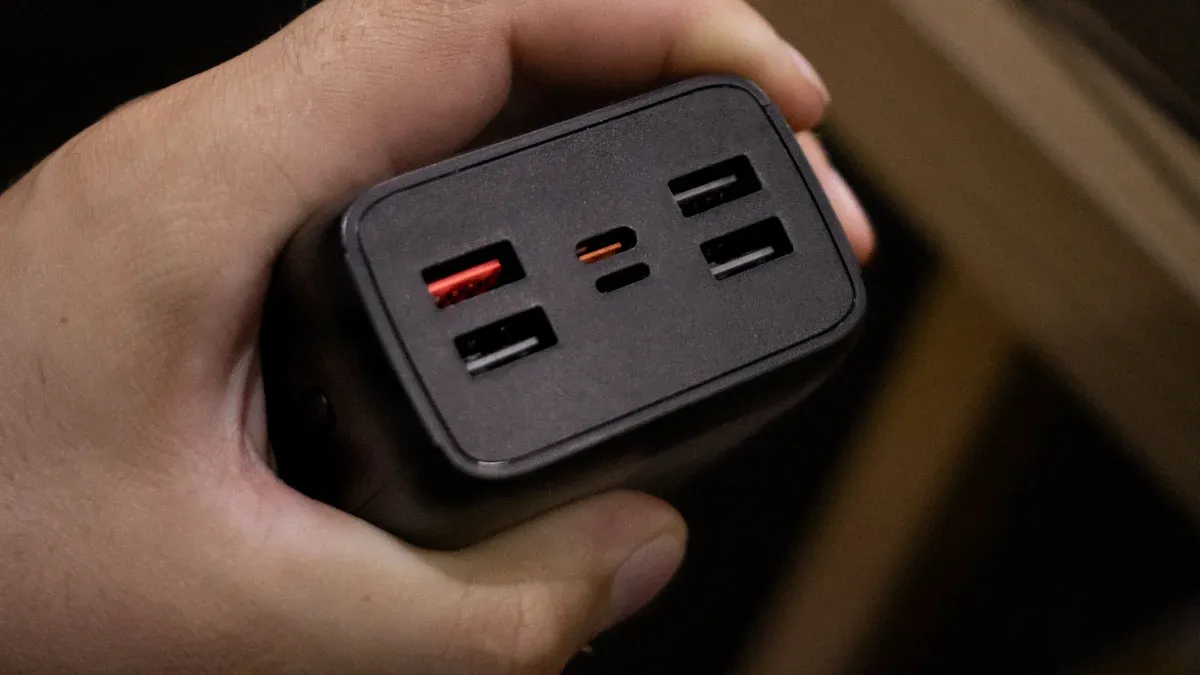
Level 1 chargers are the most basic option for charging electric cars. They are portable units that do not require professional installation.
Price Range for Portable Chargers
The cost for a Level 1 portable charger in Colombia generally falls between COP 800,000 and COP 1,500,000. These chargers plug directly into a standard household outlet, making them a convenient, plug-and-play solution.
Примечание: Most electric vehicles include a Level 1 portable charger as standard equipment. Always check what comes with your vehicle before buying a separate unit.
When to Buy a Separate Level 1 Unit
Most drivers will not need to purchase a separate Level 1 charger. However, a few situations justify the expense:
- Keeping a spare: Some owners prefer having a dedicated charger for their home and another to keep in the vehicle for emergencies or for charging at a friend’s house.
- Replacing a lost or damaged unit: If the original manufacturer-provided charger is lost or stops working, a replacement becomes necessary.
- Needing a longer cable: Aftermarket Level 1 chargers sometimes offer longer cables than the standard units, which can be useful if your parking spot is far from an outlet.
Level 1 chargers offer the slowest charging speed. They operate on a standard 120-volt outlet and typically provide the following performance:
- Выходная мощность: 1.4 to 1.9 kilowatts (kW).
- Скорость зарядки: Adds approximately 5 to 8 kilometers of range per hour of charging.
This speed is often sufficient for plug-in hybrid vehicles (PHEVs) or for all-electric vehicle (BEV) owners who drive short distances daily and can charge overnight.
Level 2 Chargers (Wallbox Style)
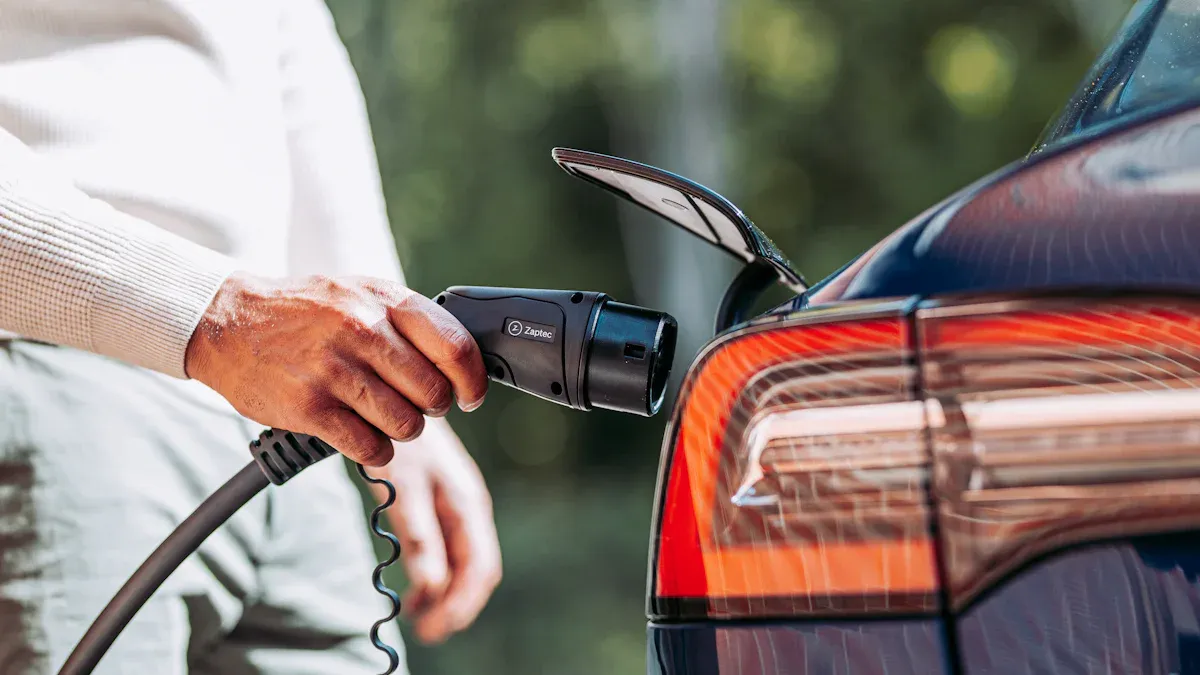
Level 2 chargers, often called “wallboxes,” are the most common and practical solution for home EV charging. They require professional installation but offer significantly faster charging speeds, making them ideal for most BEV owners and the growing electric vehicle fleet in Colombia.
Price by Power Output (7.4 kW vs. 22 kW)
The power output, measured in kilowatts (kW), is a primary driver of a Level 2 charger’s cost.
| Выходная мощность | Typical Price Range (COP) | Лучшее для |
|---|---|---|
| 7,4 кВт | COP 2,500,000 – 4,000,000 | Homes with single-phase electrical systems; most BEVs for overnight charging. |
| 22 кВт | COP 4,000,000 – 6,000,000 | Homes with three-phase electrical systems; drivers needing very fast charging. |
A 7.4 kW charger is sufficient for the vast majority of residential users. A 22 kW charger requires a three-phase electrical connection, which is uncommon in Colombian homes but may be available in newer apartment buildings or commercial properties.
Price by Features (Smart vs. Basic)
Beyond power, features separate basic chargers from advanced “smart” chargers.
- Basic (Non-Smart) Chargers: These units simply charge your vehicle when it’s plugged in. They are more affordable but lack advanced functionality.
- Smart Chargers: These chargers connect to your home’s Wi-Fi. This connectivity unlocks features like remote monitoring, charge scheduling to take advantage of lower electricity rates, and energy usage tracking via a mobile app. The added technology increases the hardware cost by COP 500,000 to COP 1,500,000 on average.
Cost of Popular Brands in Colombia
Several reputable brands offer EV charging solutions in the Colombian market. Technologically advanced providers like TPSON offer a range of products that balance features and cost. The price for a quality Level 2 ev charging box from a recognized brand typically starts around COP 2,800,000 for a 7.4 kW smart model. Prices can increase based on brand reputation, warranty length, and included premium features. It is essential to compare models to find the right balance of performance and cost for your specific needs and vehicle.
Analyzing Professional Installation Costs

The price of the charger hardware is only one part of the equation. Professional installation is a mandatory and significant expense that ensures safety, reliability, and compliance with Colombian electrical codes. The complexity of a home’s existing electrical infrastructure directly impacts the final installation bill. This work is not a DIY project; it requires a сертифицированный электрик to build out the necessary charging infrastructure safely.
Standard Installation Package
Most installation companies offer a “standard” or “basic” installation package. This package covers a straightforward setup with no complications. Homeowners can expect this base fee to cover the essential steps for a functional and safe charger.
What a Standard Fee Includes
A standard installation fee typically bundles the core services and materials required for a simple setup. An owner should confirm the exact deliverables, but a basic package generally contains:
- Initial Site Visit: A preliminary assessment to plan the installation.
- Charger Mounting: Securely fixing the ev charging box to a suitable wall near the parking space.
- Проводка: Running up to 10-15 meters of appropriate gauge electrical cable from the main electrical panel to the charger’s location.
- Circuit Breaker: Installing a new, dedicated two-pole breaker (typically 40A or 50A) in the existing electrical panel.
- Conduit: Protecting the electrical cable in PVC or metal conduit.
- Final Testing: Commissioning the charger and performing tests to ensure it operates correctly and safely with the vehicle.
Typical Cost Range in COP
For a standard installation that meets the criteria above, homeowners in Colombia can expect to pay between COP 1,200,000 and COP 2,200,000. This price assumes the electrical panel is nearby, has sufficient capacity, and the wiring path is simple.
Совет профессионала: Always get a written quote that explicitly lists what is included in the standard fee. This prevents surprise charges for services you assumed were covered.
Факторы, увеличивающие стоимость установки
Any deviation from the standard scenario will increase the total cost. An electrician will identify these factors during the site assessment. These variables are the primary reason installation costs can differ dramatically from one home to another.
Long Wiring Distance from Panel
The standard package includes a limited wiring distance. If the main electrical panel (caja de breakers) is far from the desired charger location, costs will rise.
- Impact: Installers charge a per-meter fee for extra cable and conduit.
- Сметная стоимость: Expect an additional COP 40,000 to COP 80,000 per meter beyond the standard allowance. A 30-meter run could easily add over COP 1,000,000 to the bill.
Trenching for Underground Cables
Parking spaces in a detached garage or an outdoor spot may require running the electrical cable underground. This is a labor-intensive process.
- Impact: Trenching involves digging, laying conduit, backfilling the trench, and potentially repairing landscaping or concrete.
- Сметная стоимость: This is a major cost driver. Trenching can add COP 1,500,000 to COP 4,000,000 or more, depending on the distance and the surface material (dirt vs. pavement).
Complex Wall Mounting
Mounting the charger on a simple brick or drywall surface is straightforward. However, some materials present challenges.
- Impact: Drilling through reinforced concrete, tile, or stone requires specialized tools and more labor. Installing a separate pedestal or post for the charger also adds significant material and labor costs.
- Сметная стоимость: Complex mounting can add COP 200,000 to COP 800,000 to the installation fee.
Adding a New Dedicated Circuit
Every Level 2 charger requires its own dedicated circuit to operate safely. If the main electrical panel is full, the electrician must make space. The installation of a charging point in this scenario becomes more complex.
- Impact: If there are no empty slots, an electrician might install a smaller “tandem” breaker to free up space or add a sub-panel.
- Сметная стоимость: Adding a sub-panel to create new circuit capacity typically costs between COP 400,000 and COP 1,000,000.
Electrical System Upgrade Costs
In some cases, particularly in older homes, the existing electrical infrastructure cannot handle the added load of an EV charger. These upgrades represent the highest potential costs and are critical for the safety of the entire property. These improvements are vital as the nation’s electric vehicle fleet continues to expand.
Assessing Your Home’s ‘Caja de Breakers’
The first step is a load calculation. A certified electrician will assess the home’s total electrical capacity (measured in amps) and determine if the main panel can support a new 40-50 amp circuit without being overloaded.
Внимание: An undersized panel is a serious fire hazard. Attempting to add a high-power charger to an inadequate system can lead to frequent tripping, equipment damage, or electrical fires.
Cost to Upgrade an Electrical Panel
If the existing panel is too old, has a low amperage rating (e.g., 60A), or is of a brand known for safety issues, it must be replaced.
| Тип обновления | Typical Cost Range (COP) | Описание |
|---|---|---|
| Panel Replacement | COP 2,000,000 – 4,500,000 | Replacing an old 60A or 100A panel with a modern 150A or 200A panel. |
| Service Upgrade | COP 3,000,000 – 6,000,000+ | Upgrading the main service line from the utility pole to the house. |
Cost for a New Transformer
This is the most complex and expensive scenario. In rare cases, the local utility company’s transformer that serves several homes may not have enough capacity for the new load.
- Impact: The utility company must be involved to approve and install a higher-capacity transformer. This process can be slow and very costly.
- Сметная стоимость: The cost for a new transformer can exceed COP 10,000,000 and is often shared among the property owner and the utility, depending on local regulations. This is a major infrastructure project.
Uncovering Hidden Costs and Administrative Fees
Beyond the charger and labor, several administrative and certification costs can affect the final budget. These fees ensure the installation is safe, legal, and compliant with Colombian regulations. A homeowner must account for this official paperwork and the professional services needed to complete it. Proper planning for this part of the electrical infrastructure project prevents last-minute financial surprises.
Permits and Certifications
Official approvals are not optional. They are a mandatory part of a safe and legal EV charger installation. These costs cover the review and certification of the work by qualified professionals and government entities.
Municipal Construction Permit Fees
Some municipalities in Colombia classify a Level 2 charger installation as a minor electrical modification. This may require a permit from the local planning office (curaduría urbana или secretaría de planeación).
- Цель: To ensure the work complies with local building codes.
- Сметная стоимость: Permit fees are typically minor, ranging from COP 100,000 to COP 300,000, but vary by city. The installing electrician usually manages this process.
RETIE Certification Costs
This is arguably the most important certification. The Reglamento Técnico de Instalaciones Eléctricas (RETIE) is a mandatory Colombian standard for all electrical installations.
What is RETIE? It is a government regulation that guarantees an electrical installation is safe for people and property. A certified electrician must inspect the work and issue a formal RETIE certificate. Without it, the installation is not legally recognized.
The cost for this inspection and official document typically falls between COP 300,000 and COP 600,000.
Utility Company Inspection Fees
After the installation, the local electricity provider (e.g., Enel, EPM) may need to conduct its own inspection. This is especially common if the project involved a service panel upgrade or a new transformer. The utility company verifies that the new connection will not negatively impact the grid. This fee can range from COP 150,000 to COP 400,000.
Professional Consultation Fees
Before any work begins, a professional must evaluate the site. This initial assessment is a critical service that has an associated cost.
Initial Site Assessment Costs
An installer will not provide an accurate quote without first visiting the property. During this visit, the electrician performs a load calculation, plans the wiring route, and identifies any potential complexities. Most companies charge a fee for this initial technical visit. This fee compensates the professional for their time and expertise. The cost for a site assessment is generally between COP 80,000 and COP 200,000.
How Consultation Fees Can Be Waived
Homeowners can often avoid paying this fee out-of-pocket. Many installation companies will waive or credit the assessment fee under one condition:
- Commitment to Service: If the homeowner agrees to hire the company for the full installation, the initial consultation fee is typically deducted from the final invoice. It becomes part of the total project cost rather than a separate charge.
How to Reduce Your Total EV Charger Investment
A homeowner can significantly reduce the final cost of an EV charger installation through careful planning and research. Making informed choices about government programs, hardware selection, and installer vetting will maximize value and minimize expenses. This ensures the investment supports the growing electric vehicle fleet without unnecessary spending.
Leveraging Government Incentives and Subsidies
Colombia offers финансовые стимулы to encourage the adoption of electric vehicles and related equipment. These programs can directly lower the upfront cost of purchasing and installing a charger.
National Tax Deductions for EVs and Equipment
The Colombian government provides tax benefits for sustainable transportation. Owners of electric vehicles may be eligible for income tax deductions related to the purchase of their vehicle and associated charging equipment.
Действенный совет: An owner should consult with a tax professional to understand how to claim deductions for their EV charger purchase on their annual tax return (
declaración de renta). Keep all receipts for the hardware and installation.
Local Municipal Rebate Programs
Some major cities, like Bogotá or Medellín, occasionally offer local rebates or incentives. These programs aim to accelerate the transition to electric mobility. They might provide a direct subsidy for installing a Level 2 charger. These programs are often time-sensitive and have specific eligibility requirements.
How to Apply for Available Benefits
Applying for benefits requires organization and attention to detail. The process generally involves these steps:
- Research: Check the websites of the Ministry of Mines and Energy and your local municipal government for active programs.
- Gather Documents: Collect purchase receipts for the charger, the installation invoice, and the RETIE certification.
- Submit Application: Complete the official application forms and submit them through the designated government portal or office.
Выбор зарядного устройства, соответствующего вашим потребностям
Selecting the appropriate charger is crucial for cost control. An owner should avoid paying for features or power they will not use.
Подбор мощности зарядного устройства к вашему автомобилю
Not every vehicle can accept the fastest charging speeds. A 22 kW charger offers no benefit if the car’s onboard charger is limited to 7.4 kW.
| Vehicle’s Max AC Charging Rate | Recommended Charger Power |
|---|---|
| До 7,4 кВт | 7.4 kW Charger |
| 11 кВт | 7.4 kW or 22 kW Charger |
| 22 кВт | Зарядное устройство мощностью 22 кВт |
Checking the vehicle’s specifications before buying a charger prevents overspending on unnecessary power capacity.
Avoiding Overspending on Unused Smart Features
Smart chargers from providers like TPSON offer valuable features like remote scheduling and energy monitoring. However, a basic, non-smart charger may be sufficient if an owner’s routine is simple. A driver who just needs to plug in and charge overnight can save COP 500,000 to COP 1,500,000 by opting for a less complex model.
Sourcing and Comparing Installation Quotes
Installation costs vary widely between providers. Diligent comparison shopping is the best way to secure a fair price for quality work.
Why You Need at least Three Quotes
Obtaining multiple quotes provides a clear picture of the market rate. It helps an owner identify if a bid is too high or suspiciously low. This comparison empowers the homeowner to negotiate from a position of knowledge.
How to Vet Certified Installers
An owner should verify an installer’s credentials before hiring them. Key items to check include:
- RETIE Certification: Ensure the electrician is authorized to issue a RETIE certificate.
- Experience: Ask for references or photos of previous EV charger installations.
- Insurance: Confirm they have liability insurance to cover any potential damages.
Comparing Quotes for the Best Value
The lowest price is not always the best deal. When comparing quotes, an owner should look at the total value. A quality quote will be itemized, clearly listing costs for labor, materials (like cable and conduit), and certifications. This transparency helps ensure there are no hidden fees.
Real-World Cost Scenarios in Colombia
To illustrate how costs can vary, these three scenarios represent common installation situations in Colombia. Each example breaks down the potential expenses a homeowner might face, from a simple apartment setup to a complex home renovation.
Scenario 1: Simple Installation
This scenario involves a homeowner in a modern apartment building in Bogotá. The dedicated parking space is located directly below the apartment, near the building’s electrical room.
Cost Breakdown for an Apartment with a Nearby Panel
The owner chooses a 7.4 kW smart charger from a technologically advanced provider like TPSON to schedule charging during off-peak hours. The installation is straightforward.
| Артикул | Estimated Cost (COP) | Примечания |
|---|---|---|
| 7.4 kW Smart Charger | 3,200,000 | Includes Wi-Fi and app features. |
| Стандартная установка | 1,500,000 | Short 8-meter wiring run. |
| Permits & RETIE | 500,000 | Includes municipal and certification fees. |
Total Estimated Cost
Total Investment: Approximately COP 5,200,000 💰
Scenario 2: Moderately Complex Installation
A family in a single-family house (casa) in Medellín needs a charger. Their main electrical panel is at the front of the house, but their parking area is in the backyard, 25 meters away.
Cost Breakdown for a House with a Long Wiring Run
The installation requires significant extra cabling and conduit. The electrician must run the wire along the exterior wall of the house.
- 7.4 kW Smart Charger: COP 3,200,000
- Standard Installation Fee: COP 1,500,000
- Additional Wiring (10m extra): COP 600,000 (at COP 60,000/meter)
- Permits & RETIE: COP 500,000
Total Estimated Cost
Total Investment: Approximately COP 5,800,000 🔌
Scenario 3: Complex Installation
An owner of an older home in Cali purchases an electric vehicle. A site assessment reveals the home’s 60-amp electrical panel is insufficient and must be upgraded to handle the new load safely.
Cost Breakdown for a Home Needing an Electrical Upgrade
This project involves a major electrical overhaul before the charger can even be installed. It represents a significant but necessary investment in the property’s safety and modernization.
| Артикул | Estimated Cost (COP) | Примечания |
|---|---|---|
| 7.4 kW Smart Charger | 3,200,000 | Standard smart charger purchase. |
| Модернизация электрических щитов | 3,500,000 | Replacement with a new 150A panel. |
| Стандартная установка | 1,500,000 | Labor for the charger after the upgrade. |
| Permits & RETIE | 800,000 | Higher fees due to the major upgrade. |
Total Estimated Cost
Total Investment: Approximately COP 9,000,000 ⚡️
A homeowner’s final cost for an ev charging box installation varies significantly. The table below summarizes the potential investment.
| Cost Scenario | Total Estimated Range (COP) |
|---|---|
| Low-End | 4,500,000 – 5,500,000 |
| Average | 5,500,000 – 7,000,000 |
| High-End | 7,000,000 – 10,000,000+ |
Three elements most influence this price:
- The charger model (smart vs. basic)
- Installation complexity, like wiring distance
- The need for major electrical system upgrades
To receive an accurate price for a specific property, a homeowner’s first step should be scheduling a site assessment with a certified electrician.
ЧАСТО ЗАДАВАЕМЫЕ ВОПРОСЫ
Может ли домовладелец самостоятельно установить зарядное устройство?
No. A Level 2 charger installation requires a certified electrician. This professional ensures the work is safe and provides the mandatory RETIE certification. DIY installations are illegal and dangerous.
Сколько времени занимает стандартная установка?
A standard installation typically takes between four to eight hours. More complex projects, such as those requiring trenching or panel upgrades, can extend the timeline to several days.
Will a Level 2 charger significantly increase my electricity bill?
A Level 2 charger will increase electricity consumption. However, интеллектуальные зарядные устройства from providers like TPSON allow scheduling during off-peak hours. This feature helps manage the running costs of charging.
How much range does a 7.4 kW charger add per hour?
A 7.4 kW charger typically adds 40 to 50 kilometers of range per hour of charging. This speed is sufficient for a full overnight charge for most electric vehicles.
Всегда ли зарядное устройство мощностью 22 кВт является лучшим вариантом?
Not necessarily. A 22 kW charger requires a three-phase electrical connection, which is rare in homes. It also provides no extra benefit if the vehicle’s onboard charger cannot accept that power level.
Why is RETIE certification so important?
The RETIE certificate is a mandatory legal document in Colombia. It proves a certified professional performed the installation safely and according to national electrical standards, protecting both people and property.
Do I need a permit for every installation?
Permit requirements vary by municipality. An installer will determine if a local permit from the curaduría urbana is necessary for the project. They typically handle the application process.