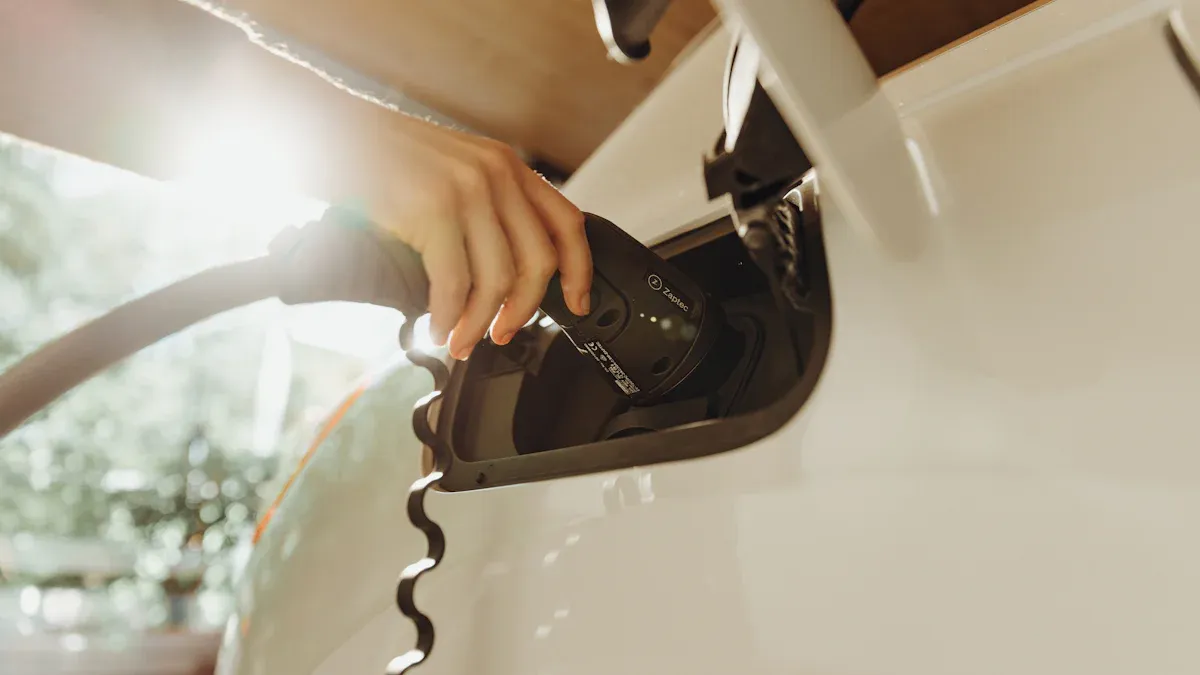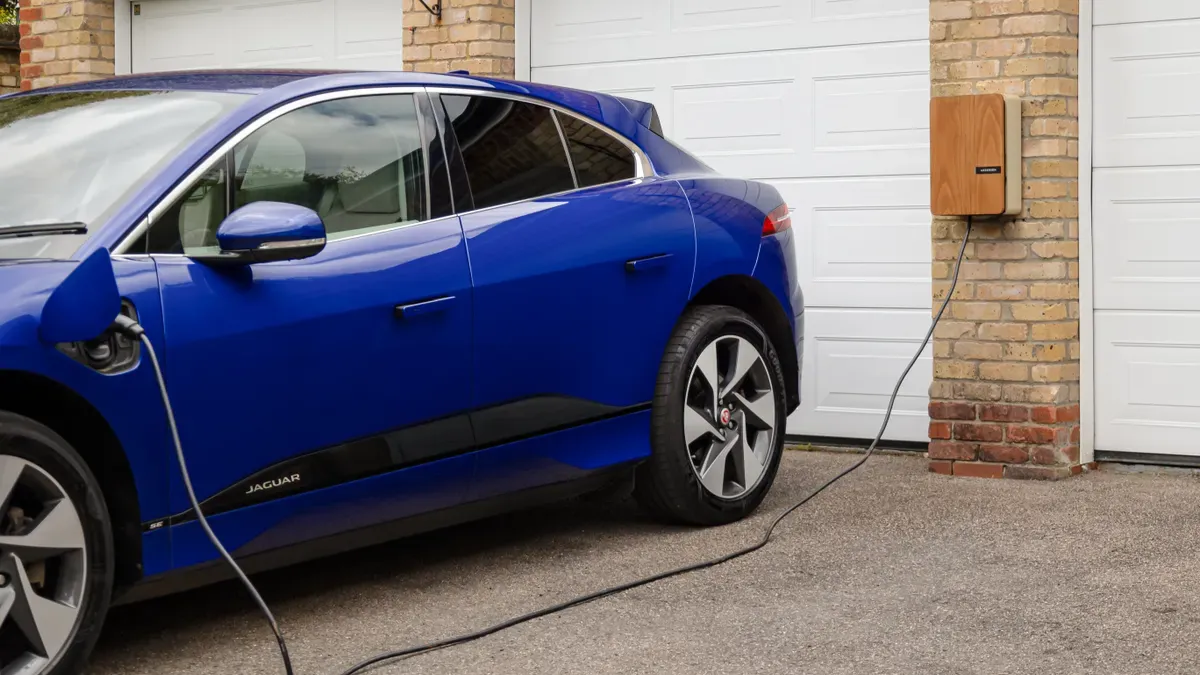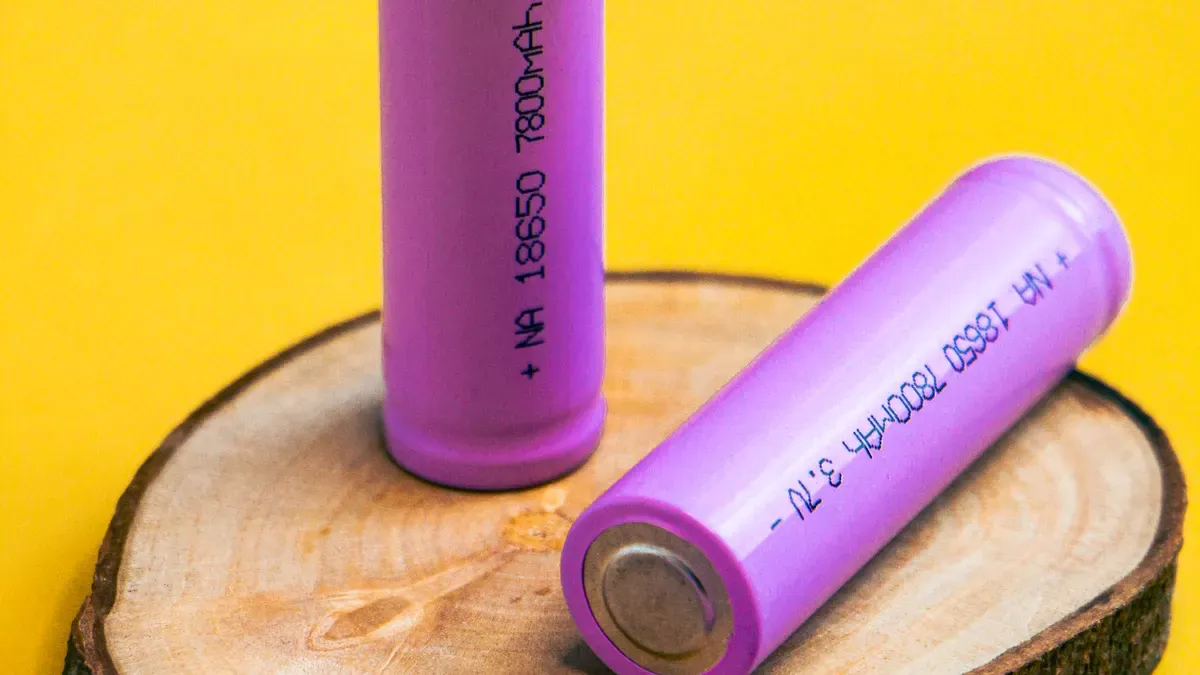

Подключайте электромобиль к зарядке каждую ночь зимой для защиты здоровья аккумулятора и обеспечения надежной работы. Холодная погода влияет на аккумуляторы электромобилей, снижая эффективность и замедляя скорость зарядки. Водители замечают значительное снижение запаса хода, иногда теряя 10% - 30%. Возросшее энергопотребление на обогрев дополнительно сокращает доступную мощность. Оптимальная зарядка происходит при температуре аккумулятора в диапазоне 15–25°C, но холодная погода может затруднить это. Использование Зарядное устройство для электромобилей от авторитетных Производители зарядных устройств для электромобилей и применение Решения для зарядки электромобилей таких как портативные зарядные устройства помогает поддерживать электромобили в готовности к ежедневному использованию.
- Холодная погода может сократить запас хода электромобиля на 10–30%.
- Эффективность аккумулятора снижается при экстремальных температурах.
- Предварительный прогрев аккумулятора улучшает скорость зарядки.
Почему стоит подключать электромобиль к зарядке каждую ночь в холодную погоду
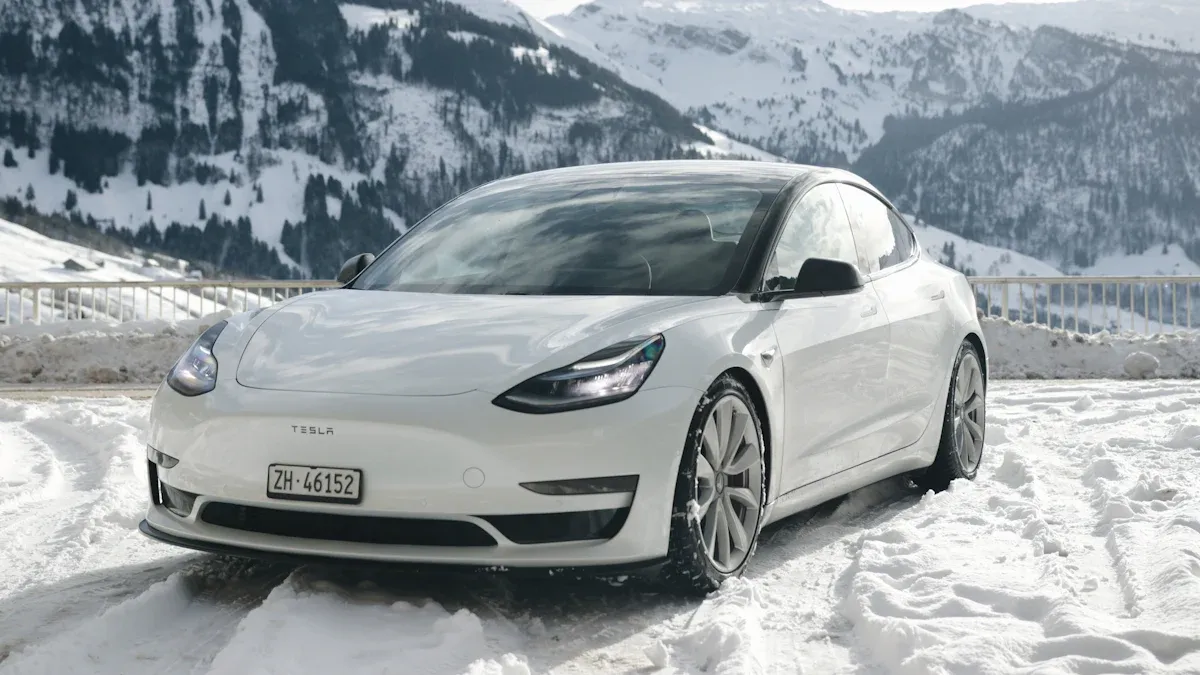
Защита аккумуляторов электромобилей от зимних нагрузок
Предотвращение глубокого разряда
Холодная погода создает значительную нагрузку на аккумуляторы электромобилей. При падении температуры химические реакции внутри аккумулятора замедляются, что затрудняет внедрение ионов лития в графитовый анод. Если за ночь заряд аккумулятора падает ниже 70%, риск литиевого покрытия возрастает, что может необратимо снизить производительность аккумулятора. Подключайте электромобиль к зарядке каждую ночь помогает поддерживать здоровый уровень заряда и предотвращает глубокий разряд, который может повредить аккумулятор и сократить срок его службы.
- Производительность аккумулятора снижается при отрицательных температурах, что влияет на скорость зарядки и отдачу мощности.
- Оставление электромобиля с низким зарядом в холодную погоду может привести к быстрой потере заряда и потенциальному повреждению аккумулятора.
- Зимой рекомендуется более частая зарядка, что делает ночную зарядку лучшей практикой.
Поддержание температуры аккумулятора
Зарядка в холодную погоду помогает поддерживать аккумулятор в оптимальном температурном диапазоне. Предварительный прогрев аккумулятора при подключении к сети нагревает его, обеспечивая эффективную отдачу мощности и снижая нагрузку. Большинство современных электромобилей используют системы терморегулирования, которые активируются при подключении автомобиля к сети, поддерживая температуру аккумулятора в диапазоне 15–25°C. Этот процесс не только защищает аккумулятор, но и повышает эффективность зарядки и общий запас хода электромобиля.
Совет: Поддержание уровня заряда аккумулятора между 20% и 80% зимой снижает нагрузку и способствует долгосрочному здоровью.
Обеспечение надежного утреннего запуска
Избежание неожиданностей с низким зарядом
Подключение электромобиля к зарядке каждую ночь гарантирует, что автомобиль будет начинать каждый день с достаточным зарядом, даже после холодной ночи. Холодная погода может вызвать более быструю потерю заряда аккумулятором, поэтому поддержание более высокого уровня заряда создает буфер против неожиданной потери запаса хода. Многие производители рекомендуют заряжать до 80-90% для ежедневного использования, особенно зимой, чтобы избежать неожиданностей с низким зарядом.
Поддержка функций предварительного прогрева
Функции предварительного прогрева позволяют водителям прогреть салон и аккумулятор перед поездкой. Когда автомобиль остается подключенным к сети, предварительный прогрев использует энергию сети вместо расхода заряда аккумулятора. Этот подход сохраняет запас хода электромобиля и обеспечивает комфортный, размороженный старт в холодные утра. Поддержка функций предварительного прогрева через регулярную зарядку в холодную погоду максимизирует как комфорт, так и эффективность.
- Предварительный прогрев аккумулятора при подключении к сети снижает нагрузку и повышает эффективность.
- Прогрев салона и аккумулятора перед выездом сохраняет запас хода электромобиля и улучшает впечатления от вождения.
Максимизация запаса хода и производительности в холодную погоду
Сокращение потери запаса хода
Запас хода электромобиля значительно снижается зимой. Исследования показывают, что при -6°C снижение запаса хода может достигать 20–30%, а при -15°C потери могут превысить 30%. Например, автомобиль с запасом хода 160 миль может потерять 10-15 миль в холодную погоду. В таблице ниже обобщены данные из нескольких источников:
| Источник | Процент потери запаса хода |
|---|---|
| Fleet UK | 15% до 20% |
| Independent | 15% до 20% |
| Tyson Cooper | 10% до 40% |
| What Car? | 10-15 миль (160 миль) |
Зарядка каждую ночь в холодную погоду помогает компенсировать эти потери, обеспечивая старт аккумулятора с более высоким уровнем заряда. Эта практика дает водителям больше гибкости и уверенности даже в самые холодные дни.
Эффективное питание систем обогрева
Зимняя езда увеличивает энергопотребление из-за систем обогрева и подогрева сидений. Зарядка в холодную погоду гарантирует, что у аккумулятора достаточно мощности для работы этих систем без ущерба для запаса хода электромобиля. Исследования показывают, что зимой водители заряжаются примерно на 16% чаще, что отражает возросшую нагрузку на аккумулятор. Регулярная зарядка обеспечивает надежную работу всех систем автомобиля и поддерживает оптимальную производительность.
Примечание: Несмотря на сложности холодной погоды, данные из стран с суровыми зимами показывают, что электромобили остаются практичными и надежными, когда водители следуют лучшим практикам зарядки.
Зарядка электромобиля зимой: что нужно знать
Как холодная погода влияет на аккумуляторы электромобилей
Снижение емкости аккумулятора
Холодная погода влияет на электромобили несколькими способами. Аккумуляторы электромобилей работают лучше всего в диапазоне от 15°C до 25°C. Когда температура опускается ниже этого диапазона, химические реакции внутри аккумулятора замедляются. Это изменение увеличивает внутреннее сопротивление и снижает емкость аккумулятора. Водители часто замечают уменьшение запаса хода, даже когда аккумулятор полностью заряжен. Необходимость обогрева салона и разморозки дополнительно расходует энергию, делая зимнюю езду более требовательной.
| Температурные условия | Среднее снижение емкости аккумулятора |
|---|---|
| Типичная зимняя погода | 10% – 30% |
| Extreme Cold (< -5°C) | Up to 40% |
Cold temperatures make electrolytes more viscous, slowing ion flow and reducing energy storage and release. Regenerative braking becomes less efficient, limiting the battery’s ability to recharge during deceleration. These factors combine to diminish battery capacity and overall performance.
Slower Charging Rates
Charging your EV in winter presents unique challenges. Cold weather slows down chemical reactions in the battery, resulting in longer charging times. Increased internal resistance means the battery works harder, reducing power output and causing faster charge loss. Charging speeds drop noticeably, especially when using public chargers in freezing conditions. Drivers must plan for extended charging sessions and adjust their routines accordingly.
Tip: Schedule charging sessions during warmer parts of the day to help maintain battery efficiency and reduce charging time.
Charging Infrastructure Challenges
Home Charging vs Public Charging
Charging your EV in winter requires reliable infrastructure. Home charging offers convenience and consistency, allowing drivers to plug in overnight and start each day with a full battery. Proper home charging setups help mitigate the effects of cold weather. Public charging stations provide flexibility for longer trips, but charging speeds can vary. Modern DC charging systems maintain high reliability rates, with 95–99% uptime, even in extreme temperatures. Public chargers automatically adjust to temperature changes, ensuring safe and reliable charging.
- Зарядка для дома provides consistent access and supports preconditioning features.
- Public charging offers flexibility but may experience slower speeds in winter.
Charging Speed Variations in Winter
Charging speed depends on temperature and battery condition. Cold weather increases energy demand and can lead to faults in charging infrastructure. Drivers rely on accessible and reliable charging points to maintain confidence during winter travel. Lack of real-time information about charger status can undermine trust in electric vehicle journeys. Smart charging habits and proper infrastructure reduce the impact of cold weather on charging your EV in winter.
- Charging speeds decrease in cold weather due to slower battery chemistry.
- Increased risk of faults in the charging network affects availability.
- Reliable infrastructure and smart habits help maintain performance.
Practical Tips for Charging Your EV in Winter

Preconditioning Your EV Batteries
Scheduled Charging for Optimal Temperature
Drivers can optimize battery performance in cold weather by scheduling charging sessions. Most electric vehicles allow users to set a departure time, which triggers preconditioning. The vehicle warms the battery and cabin before driving, using energy from the grid rather than the battery itself. This process preserves driving range and ensures the battery reaches its optimal temperature. Preconditioning enhances charging efficiency and reduces energy consumption for heating. The best time to pre-condition is during colder weather, especially when temperatures fall below 10°C.
- Pre-heat your car while plugged in to bring the battery to its ideal temperature.
- Scheduling departure times enables automatic warming of the cabin and battery.
- Remote activation via smartphone apps allows drivers to start preconditioning from anywhere.
Tip: Preconditioning before driving helps maintain battery health and extends its lifespan by reducing thermal stress.
Warming Up Cabin and Battery Before Driving
Warming up the cabin and battery before departure improves comfort and efficiency. Electric vehicles equipped with pre-heating functions can significantly improve range in winter. When plugged in, the vehicle uses grid power to heat the cabin and battery, preserving stored energy for driving. This strategy ensures the battery operates within its optimal range and reduces the impact of cold weather on performance.
Parking Strategies for Cold Weather
Garage vs Outdoor Parking
Parking indoors protects the battery from extreme temperatures. Garages and sheltered areas shield electric vehicles from cold weather, enhancing battery longevity and efficiency. If indoor parking is unavailable, drivers should park near a charging station to help keep the battery temperature stable. Experts recommend avoiding exposure to severe cold whenever possible.
- Park in a garage or sheltered area to minimize battery stress.
- When parking outdoors, choose spots near charging stations.
Using Car Covers and Shelters
Car covers and portable shelters offer additional protection for electric vehicles parked outside. These accessories reduce exposure to cold weather and help maintain battery temperature. Drivers who lack access to indoor parking can use covers to shield their vehicles from frost and snow.
Note: Parking near charging stations supports battery temperature stability and reliable performance.
Managing Charge Levels in Winter
Keeping Battery Between 20%-80%
Battery manufacturers recommend maintaining a state of charge above 20% during winter. Keeping the battery between 20% and 80% supports long-term cell stability and reduces unnecessary stress. This range prolongs battery life by minimizing wear caused by frequent full charges or deep discharges. Prioritizing AC charging further enhances battery health.
| Charge Level | Выгода |
|---|---|
| 20%-80% | Reduces stress, prolongs life |
| <20% | Increases risk of degradation |
| >80% | May cause unnecessary wear |
Avoiding Full Discharge
Drivers should avoid letting the battery fully discharge in winter. Deep discharges increase the risk of degradation and reduce performance. Maintaining a healthy charge level ensures reliable operation and supports optimal battery health throughout the cold season.
Callout: The правило 20-80 helps electric vehicle owners maximize battery longevity and maintain consistent performance during winter.
Caring for Charging Equipment in Cold Weather
Inspecting Cables and Connectors
Charging equipment faces unique challenges during cold months. Regular inspection of cables and connectors helps prevent unexpected failures. Drivers should look for cracks, corrosion, or fraying on all visible parts of the charging cable. Moisture can enter small openings and cause corrosion, especially when temperatures fluctuate. Connector pins must remain clean and dry to ensure a safe and efficient charging process.
A simple checklist for inspecting charging equipment includes:
- Examine cables for visible damage, such as splits or exposed wires.
- Check connectors for signs of rust or moisture buildup.
- Ensure connector pins are free from dirt and debris.
- Test the power supply by confirming outlets and circuits are secure and that no breakers have tripped.
- Avoid using extension leads, as they can increase the risk of overheating or electrical faults.
- Update charging station software regularly, since firmware updates often improve safety and efficiency.
- Contact a professional if any damage or faults appear.
Tip: Early detection of wear or damage can prevent costly repairs and keep charging sessions safe throughout the season.
Preventing Ice and Snow Buildup
Ice and snow can interfere with the performance of charging equipment. Drivers should clear snow from charging ports and cables before plugging in. Moisture trapped in connectors may freeze, making it difficult to establish a secure connection. Using a weatherproof cover for the charging station protects against snow accumulation and reduces the risk of water ingress.
Best practices for preventing ice and snow buildup:
- Remove snow and ice from the charging area before each use.
- Store portable chargers in a dry, sheltered location when not in use.
- Use weatherproof covers to shield charging stations from direct exposure.
- Allow extra time for charging, as cold conditions can slow the process.
- Precondition the vehicle before plugging in to help maintain optimal charging speed.
Note: Keeping charging equipment dry and protected ensures reliable operation, even during harsh winter weather.
Routine care of charging equipment supports the overall reliability of electric vehicles. By following these steps, drivers can reduce downtime and avoid unexpected issues caused by winter conditions.
Automaker Solutions for Cold Weather EV Charging
Built-In Battery Management Systems
Thermal Management Features
Automakers equip electric vehicles with advanced battery management systems to address the challenges of cold weather. These systems include insulating layers that shield the battery from low temperatures. An electronic temperature management system activates automatically, maintaining the battery within an optimal range of 20 to 40 degrees Celsius. This process helps prevent performance drops and extends battery life. Зарядные станции also adjust power delivery based on battery temperature, which prevents overload and supports long-term reliability. Thermal management systems consume some power during charging to keep the battery at the right temperature, which can affect charging efficiency and duration. Effective thermal management systems are essential for maintaining battery performance, especially when temperatures fall and efficiency risks increase.
Automatic Preconditioning
Many electric vehicles now feature automatic battery preconditioning features. These systems prepare the battery for charging by gently warming it before energy transfer begins. In very cold conditions, additional heating ensures the battery remains within the ideal temperature range of 15 to 30 degrees Celsius. This preparation is vital for achieving a satisfactory driving range and for reducing the risk of range loss during winter. Some vehicles allow drivers to schedule preconditioning through a mobile app, making it easier to start each day with a ready battery.
Manufacturer Guidelines for Charging Your EV in Winter
Recommended Charging Schedules
Major automakers provide clear guidelines for winter charging. They recommend using the vehicle’s app to preheat the car before unplugging, which helps maintain battery health. Drivers should add a buffer to their estimated range to account for possible delays in winter conditions. Manufacturers also advise preconditioning the vehicle while it remains plugged in, which enhances battery performance. Maintaining battery levels between 20% and 80% for daily use is standard, with a full charge reserved for longer trips. Planning for longer charging durations is important, as cold weather can increase charging times and reduce efficiency.
Software Updates for Winter Performance
Automakers regularly release software updates that improve electric vehicle charging and performance in winter. Over-the-air updates can enhance energy management and optimize efficiency. For example, some updates have improved vehicle efficiency by up to 10%, which helps maintain range and charging speed in colder temperatures. These updates ensure that thermal management systems and battery preconditioning features operate at peak effectiveness.
EV Models with Winter-Friendly Features
Heated Battery Options
Several electric vehicle models offer features designed specifically for winter driving. For instance, the Kia EV6 includes a Snow Mode that smooths power delivery for better acceleration on slippery surfaces. Its all-wheel drive system distributes torque intelligently, improving grip and handling. The EV6 also uses an efficient heat pump system to warm the cabin while preserving battery range. Heated seats and steering wheels further enhance comfort during cold weather.
Remote Start and Climate Control
Other models, such as the Ford F-150 Lightning, provide advanced winter-friendly features. The Lightning’s dual-motor all-wheel drive system ensures constant traction on snow and ice. Regenerative braking aids stable deceleration on slippery roads. The Lightning supports preconditioning, allowing drivers to warm the cabin and battery while plugged in, which preserves driving range. Remote start and climate control features enable drivers to prepare their vehicles for winter conditions without stepping outside.
TPSON, as a technologically advanced electric vehicle charging solution provider, supports these innovations by offering reliable charging solutions that complement automaker advancements.
Driving Tips for EVs in Cold Weather
Planning Routes with Charging Your EV in Winter in Mind
Accounting for Reduced Range
Electric vehicle drivers face reduced range during winter. Lower temperatures decrease battery efficiency and increase energy demand for heating. Drivers should plan routes carefully to avoid range anxiety. They can use eco-driving techniques, such as gentle acceleration and steady speeds, to conserve energy. Preconditioning the battery and cabin while the vehicle remains plugged in also helps save energy for driving. Regenerative braking allows the vehicle to recapture energy, which extends the available range.
Identifying Charging Stations
Route planning becomes essential when cold weather affects battery performance. Drivers should identify charging stations along their route before starting a trip. Many navigation systems and mobile apps display real-time charger availability. By planning charging stops in advance, drivers ensure they have enough charge to reach their destination. Efficient journey planning reduces stress and increases confidence during winter travel.
Tip: Use seat warmers instead of heating the entire cabin to extend driving range.
Managing Energy Consumption in Cold Weather
Using Cabin Heat Efficiently
Electric vehicles use battery power to heat the cabin, unlike combustion engines that rely on waste heat. During winter, drivers should use heating systems efficiently to preserve battery life. Heated seats and steering wheels provide comfort with less energy than full-cabin heating. Preconditioning the cabin while the vehicle is plugged in reduces the need for battery-powered heating during the drive.
Minimizing Accessory Use
Accessory use can drain the battery quickly. Drivers should minimize the use of high-energy features, such as defrosters and entertainment systems, when possible. Turning off unnecessary lights and electronics helps conserve energy for driving. Efficient energy management ensures the vehicle maintains enough charge for the entire journey.
| Месяц | Avg. Efficiency (m/kWh) | Avg. Weekly Consumption (kWh) | Avg. Weekly Charges |
|---|---|---|---|
| Январь | 2.83 | 107.5 | 4.7 |
| July | 3.4 | 76.6 | 3.8 |
Note: For every 1°C drop in temperature, vehicle efficiency decreases by about 1.2%.
Safety Considerations for Winter EV Driving
Tire Choices and Traction
Proper tire selection improves safety in winter conditions. Drivers should consider winter tires or all-season tires with good tread for better traction on snow and ice. Maintaining correct tire pressure also enhances grip and handling. Regular tire checks help prevent accidents and ensure reliable performance.
Решения для аварийной зарядки
Unexpected delays or detours can occur during winter travel. Drivers should carry portable charging equipment and know the location of backup charging stations. Some roadside assistance services offer mobile charging for electric vehicles. Preparing for emergencies ensures drivers stay safe and avoid getting stranded in cold weather.
Callout: Careful planning and efficient energy use help electric vehicle drivers navigate winter conditions with confidence.
Addressing Common Concerns About Plug in My EV Every Night
Battery Degradation and Cold Weather Myths
Cold Weather vs Long-Term Battery Health
Many drivers worry that plugging in their EV every night during cold weather will harm the battery. Research shows that most concerns stem from common myths. Some believe that electric vehicles lose significant battery health in cold conditions. In reality, cold weather mainly affects temporary performance, not long-term battery life. The American Department of Energy reports that while EVs can lose up to 20% efficiency in cold weather, gasoline cars also lose about 15% under similar conditions. This comparison demonstrates that electric vehicles perform similarly to traditional cars when temperatures drop.
Note: Modern EVs use advanced battery management systems to protect against extreme temperatures and maintain battery health over time.
Unfounded myths about EV safety also circulate. For example:
- EVs are unsafe in rain or car washes.
- Fact: EVs are sealed and undergo rigorous safety testing, just like conventional vehicles.
Impact of Charging Frequency
Some drivers believe that charging an EV every night accelerates battery degradation. However, frequent charging at moderate levels does not harm modern lithium-ion batteries. Automakers design battery management systems to prevent overcharging and deep discharging. Keeping the battery between 20% and 80% state of charge helps preserve cell health. New battery technologies, such as CATL’s Shenxing 2.0 LFP battery, allow rapid charging even at -20°C, charging from 20% to 80% in about 24 minutes. These innovations further reduce concerns about frequent charging in cold weather.
Cost of Charging Your EV in Winter
Electricity Usage Estimates
Charging an EV every night in winter raises questions about electricity costs. The actual expense depends on battery size, local electricity rates, and driving habits. On average, charging an EV at home costs less than fueling a gasoline car. Most drivers see a slight increase in electricity bills during cold weather due to higher energy use for heating and reduced battery efficiency. Monitoring usage through smart chargers or utility apps helps drivers manage costs.
Off-Peak Charging Benefits
Many utility companies offer lower rates during off-peak hours, usually at night. Scheduling charging sessions during these times can reduce costs. Smart chargers and vehicle apps allow drivers to set charging times automatically. Off-peak charging not only saves money but also supports grid stability by balancing demand.
Environmental Impact of Winter EV Charging
Energy Efficiency in Cold Weather
EVs remain more energy-efficient than gasoline vehicles, even in cold weather. Although efficiency drops in low temperatures, the overall environmental impact stays lower because electric motors convert more energy into motion. Using renewable energy sources for home charging further reduces emissions.
Sustainable Charging Practices
Drivers can adopt sustainable habits to minimize their environmental footprint. Preconditioning the vehicle while plugged in, using energy-efficient heating settings, and maintaining proper tire pressure all contribute to better efficiency. Choosing green electricity plans or installing solar panels at home also supports cleaner charging.
Tip: Small changes in charging and driving habits can make a significant difference for both the environment and your wallet.
- Drivers should plug in my ev every night to protect battery health and ensure reliable performance.
- Smart charging habits help manage cold weather challenges and maximize range during winter.
- Automaker recommendations and practical tips support those who want to plug in my ev consistently.
Careful planning and informed decisions allow electric vehicle owners to enjoy stress-free driving, even when temperatures drop.
ЧАСТО ЗАДАВАЕМЫЕ ВОПРОСЫ
How often should drivers plug in their EV during winter?
Most experts recommend plugging in the EV every night in winter. This practice maintains battery health, ensures reliable starts, and supports preconditioning features.
Does nightly charging damage the EV battery?
Nightly charging does not harm modern EV batteries. Battery management systems prevent overcharging and deep discharging, which protects long-term battery health.
What is the ideal charge level for winter?
Drivers should keep the battery between 20% and 80%. This range reduces battery stress and supports optimal performance during cold weather.
Can drivers use public chargers in freezing temperatures?
Public chargers work in cold weather. Charging speeds may decrease, but most stations adjust automatically to temperature changes for safe operation.
Should drivers precondition their EV every morning?
Preconditioning improves comfort and efficiency. Warming the cabin and battery while plugged in preserves range and ensures a smooth start.
How can drivers reduce charging costs in winter?
Drivers can schedule charging during off-peak hours. Many utilities offer lower rates at night, which helps reduce electricity bills.
Is it safe to charge an EV outdoors in snow?
Charging outdoors is safe if equipment remains dry and free from ice. Drivers should inspect cables and use weatherproof covers for added protection.