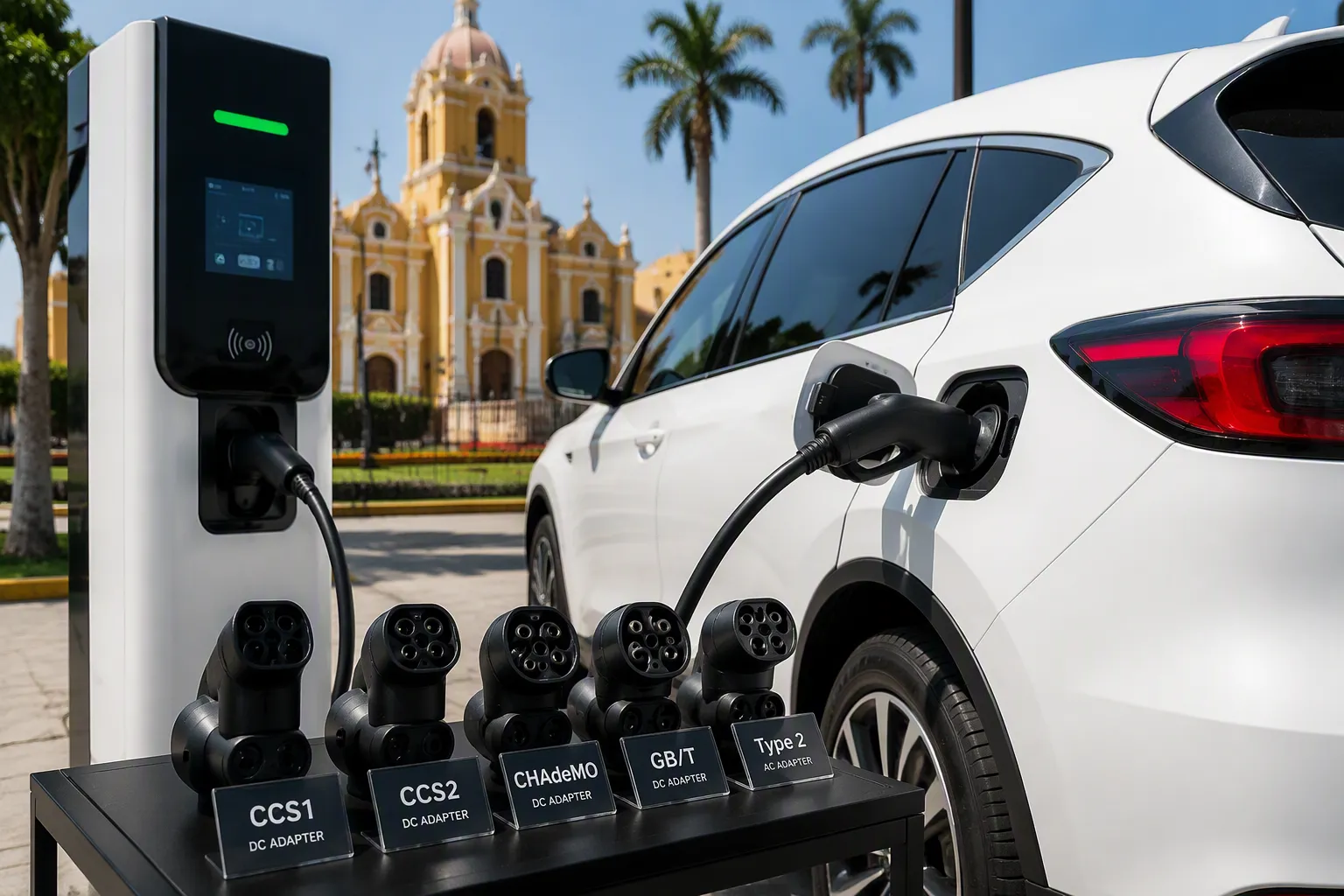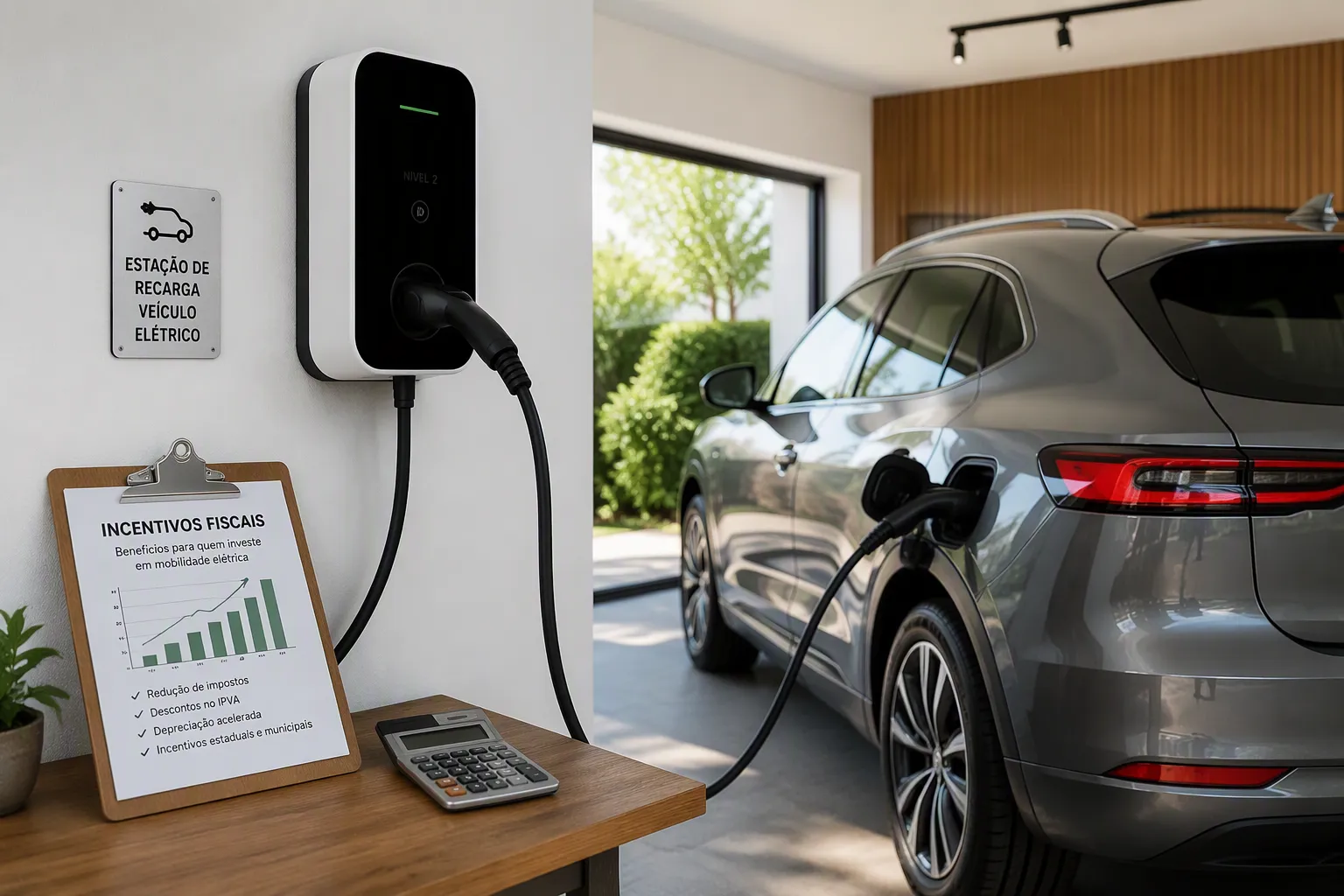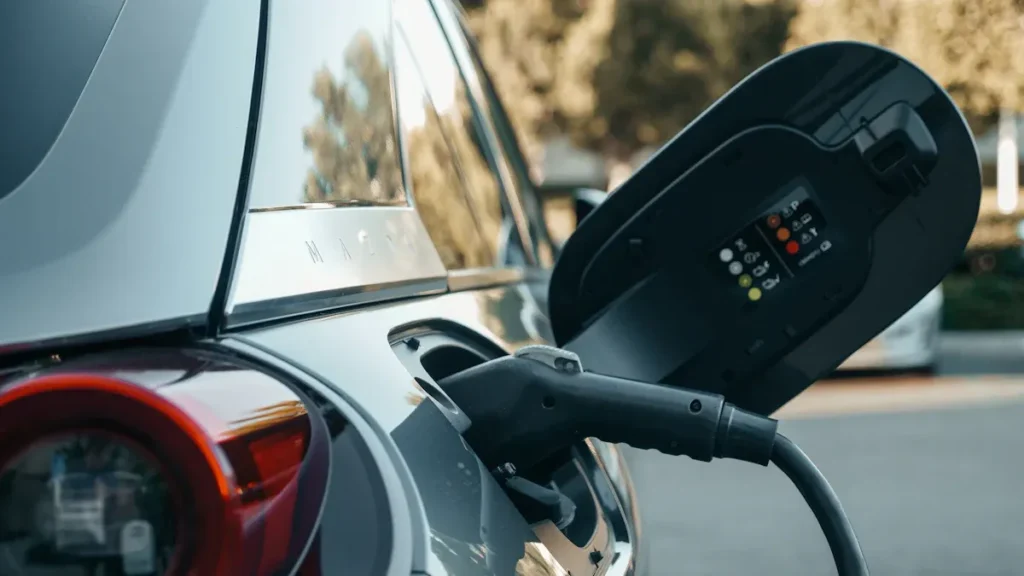
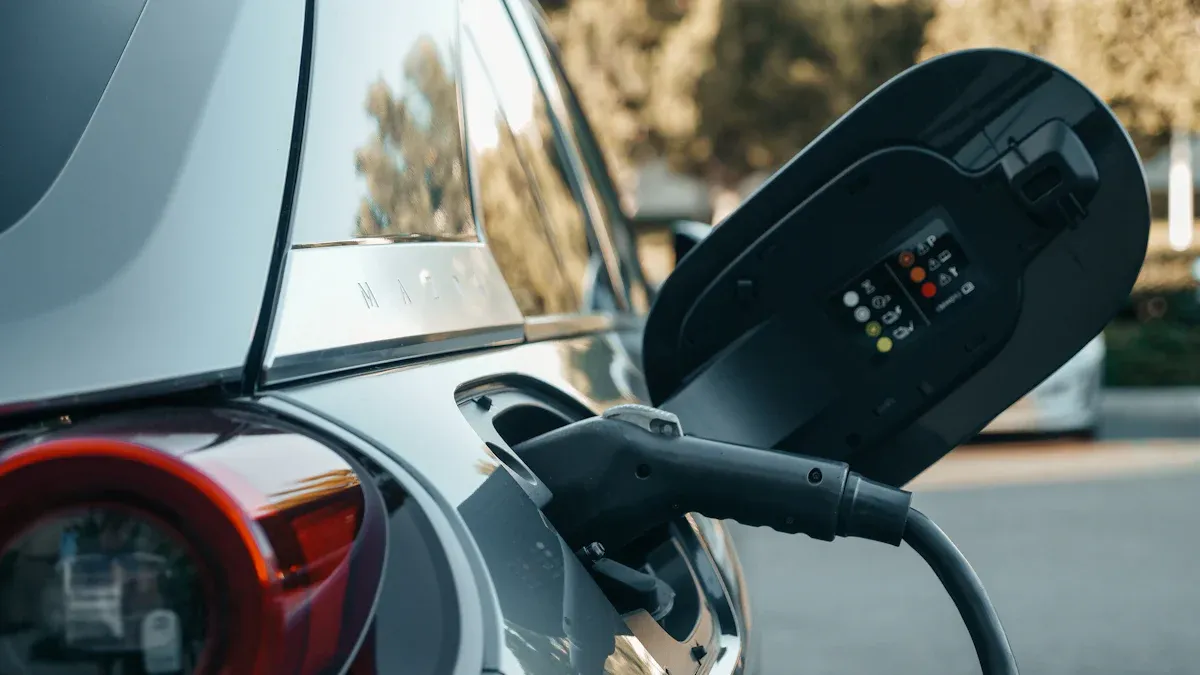
A Level 2 Зарядное устройство для электромобилей provides a reliable and efficient way to charge an EV at home. These units typically add 25 to 30 miles of range for every hour of charging. This speed allows most electric vehicles to reach a full battery in just 4 to 10 hours overnight.
Many drivers adopt this overnight charging routine. It is a primary benefit of modern Решения для зарядки электромобилей. Reputable Производители зарядных устройств для электромобилей, like the technologically advanced provider TPSON, offer systems far more capable than standard портативные зарядные устройства, ensuring drivers can wake up to a full battery every morning.
What Determines Your Exact Charging Time?
While the 4-to-10-hour overnight estimate is a helpful guideline, the precise time it takes to charge an EV depends on a combination of three key factors. An owner’s vehicle, charging equipment, and charging habits all play a significant role. Understanding these elements helps drivers set realistic expectations and optimize their home charging routine.
Your EV’s Battery Size (kWh)
The single biggest factor influencing charging time is the size of your vehicle’s battery, measured in kilowatt-hours (kWh). Think of the battery as a fuel tank; a larger tank simply takes longer to fill.
Why Larger Batteries Take Longer to Fill
A battery’s kWh capacity represents the total amount of energy it can store. Therefore, a vehicle with a large 80 kWh battery requires more time to charge than a model with a smaller 40 kWh battery, assuming the same charger is used.
Примечание: Manufacturers often distinguish between ‘gross capacity’ (the total energy a battery can hold) and ‘net’ or ‘usable capacity’ (the energy available for driving). The usable kWh is the figure that directly correlates with charging time and the vehicle’s official driving range. This is because the battery management system reserves a small portion of the battery to prevent damage from over-charging or complete depletion.
Examples with Popular EV Models
Battery capacities vary widely across the market, from smaller batteries in city cars to massive ones in long-range SUVs and trucks. This variation directly impacts how long each vehicle needs to be plugged in.
Here is a look at the battery sizes for several popular EV models:
| Модель | Ёмкость аккумулятора (кВт·ч) |
|---|---|
| Kia e-Niro SUV | 39 kWh / 64 kWh |
| Volkswagen ID.3 Hatchback | 45 kWh / 58 kWh / 77 kWh |
| Renault ZOE | 52 kWh |
| Vauxhall Corsa-e | 50 кВтч |
| MG ZS EV SUV | 44.5 kWh |
| Tesla Model 3 | 53 kWh, 78 kWh, 82 kWh |
Your Level 2 Charger’s Power Output (kW)
The second critical factor is the power output of your Level 2 charger, measured in kilowatts (kW). This determines the rate at which electricity flows into your vehicle’s battery. A higher kW rating means a faster charge.
Common Power Levels for Home Chargers
Level 2 chargers offer a broad power spectrum, but most residential installations fall within a specific range.
- Full Range: Level 2 chargers can technically deliver power from 3 kW up to 19.2 kW.
- Common Residential Power: Most home chargers operate between 7 kW and 11.5 kW. These levels provide a substantial speed increase over Level 1 charging without requiring major electrical service upgrades for most homes.
How Your Car’s Onboard Charger Can Limit Speed
Your charging speed is only as fast as its weakest link. Every EV has an бортовое зарядное устройство that converts AC power from your home outlet into DC power that the battery can store. This onboard charger has a maximum acceptance rate.
For example, if you have a powerful 11 kW Level 2 charger but your EV’s onboard charger is limited to 7.4 kW, the vehicle will only charge at a maximum of 7.4 kW. It is like pouring water through a funnel—no matter how fast you pour, the water can only flow as quickly as the funnel’s neck allows. This is why matching your charger to your car’s capabilities is important.
Your Battery’s Current State of Charge (SoC)
Finally, your battery’s starting charge level significantly affects the total charging time. Charging a nearly empty battery will naturally take longer than topping off a half-full one.
The 20-80% Sweet Spot for Fast Charging
For daily driving, most EV manufacturers recommend keeping the battery’s state of charge (SoC) между 20% и 80%. Adhering to this “20-80 rule” helps preserve the battery’s long-term health and longevity. It also means your daily charging sessions are often shorter, as you are only replenishing the energy used during your commute rather than filling the entire battery from empty. A full 100% charge is typically reserved for long road trips.
Why Charging Slows Down Near 100%
You may notice that your EV charges very quickly at first, but the speed drops significantly as it approaches a full charge, especially after 80%. This is an intentional safety feature controlled by the vehicle’s Battery Management System (BMS).
As battery cells fill up, they become more resistant to charging. The BMS slows the flow of electricity to prevent overheating and cell degradation. This protective tapering ensures the battery remains healthy, though it adds time to the final 10-20% of the charge.
How to Calculate Your Home Charging Time
Estimating your время зарядки is simpler than it might seem. With a basic formula and a few key numbers, any EV owner can predict how long it will take to replenish their vehicle’s battery. This knowledge empowers drivers to plan their charging sessions effectively around their daily schedules.
The Simple Charging Time Formula
At its core, the calculation for charging time involves a straightforward division. It balances the total energy needed by the battery against the rate of power supplied by the charger.
Formula: Battery Size (kWh) / Charger Power (kW) = Hours to Charge
The fundamental formula provides a clear estimate for charging an EV from empty to full.
Total Charging Time (Hours) = Battery Capacity (kWh) ÷ Charger Power Output (kW)
For instance, a vehicle with a 60 kWh battery connected to a 7.4 kW Зарядное устройство уровня 2 would theoretically take about 8.1 hours to charge from 0% to 100% (60 kWh / 7.4 kW = 8.1 hours).
Примечание: This formula provides a baseline estimate. Real-world times can be slightly longer due to the charging slowdown above 80% and minor energy losses during the power conversion process.
Adjusting the Calculation for a Partial Charge
Most daily charging sessions do not involve filling the battery from empty. A more practical calculation determines the time needed for a partial charge, such as going from 20% to 80%.
To calculate this, you first determine the amount of energy needed in kWh:
- Calculate Energy Needed: (Target SoC % – Starting SoC %) × Total Battery Capacity (kWh)
- Calculate Time: Energy Needed (kWh) ÷ Charger Power (kW)
For a 60 kWh battery charging from 20% to 80% with a 7.4 kW charger:
- 625 миль ÷ 4 мили/кВт·ч = 156,25 кВт·ч в месяц (0.80 – 0.20) × 60 kWh = 36 kWh
- Charging Time: 36 kWh ÷ 7.4 kW ≈ 4.86 hours
This shows that a typical daily top-up is significantly faster than a full charge.
Real-World Calculation Examples
Applying this formula to popular vehicles demonstrates how battery size and charger power interact. Technologically advanced charging solutions from providers like TPSON are designed to handle these varying demands efficiently.
Example 1: Charging a Tesla Model Y
The Tesla Model Y Long Range is a popular EV with a substantial battery. Let’s calculate its charging time with a suitable Level 2 charger.
- Автомобиль: Tesla Model Y Long Range
- Battery Capacity (Usable): ~83 kWh
- Max AC Charge Rate: 11 кВт
- Home Charger: An 11 kW Level 2 charger
Calculation for a full 0-100% charge:
83 kWh ÷ 11 kW = 7.55 hours
This aligns closely with the manufacturer’s official estimate of around 8 hours and 15 minutes, which accounts for the charging curve slowdown.
Calculation for a daily 20-80% charge:
- 625 миль ÷ 4 мили/кВт·ч = 156,25 кВт·ч в месяц (0.80 – 0.20) × 83 kWh = 49.8 kWh
- Charging Time: 49.8 kWh ÷ 11 kW ≈ 4.5 hours
This quick top-up easily fits within an overnight window, ensuring the car is ready for the next day.
Example 2: Charging a Ford F-150 Lightning
Electric trucks and large SUVs feature massive batteries to deliver adequate range, which directly impacts how long it takes to charge an EV. The Ford F-150 Lightning with the extended-range battery is a prime example. Vehicles in this class often have batteries exceeding 90 kWh.
- Автомобиль: Ford F-150 Lightning (Extended Range)
- Battery Capacity (Usable): 131 kWh
- Home Charger: An 11.5 kW Level 2 charger
Calculation for a full 0-100% charge:
131 kWh ÷ 11.5 kW ≈ 11.4 hours
Even with a powerful home charger, the sheer size of the 131 kWh battery means a full charge requires a longer session, often extending beyond a typical 8-hour night.
Calculation for a daily 20-80% charge:
- 625 миль ÷ 4 мили/кВт·ч = 156,25 кВт·ч в месяц (0.80 – 0.20) × 131 kWh = 78.6 kWh
- Charging Time: 78.6 kWh ÷ 11.5 kW ≈ 6.8 hours
This demonstrates that even for a vehicle with one of the largest batteries on the market, a standard overnight charging session is more than enough to replenish the energy used for a typical day’s driving.
How to Choose a Level 2 Charger to Charge an EV
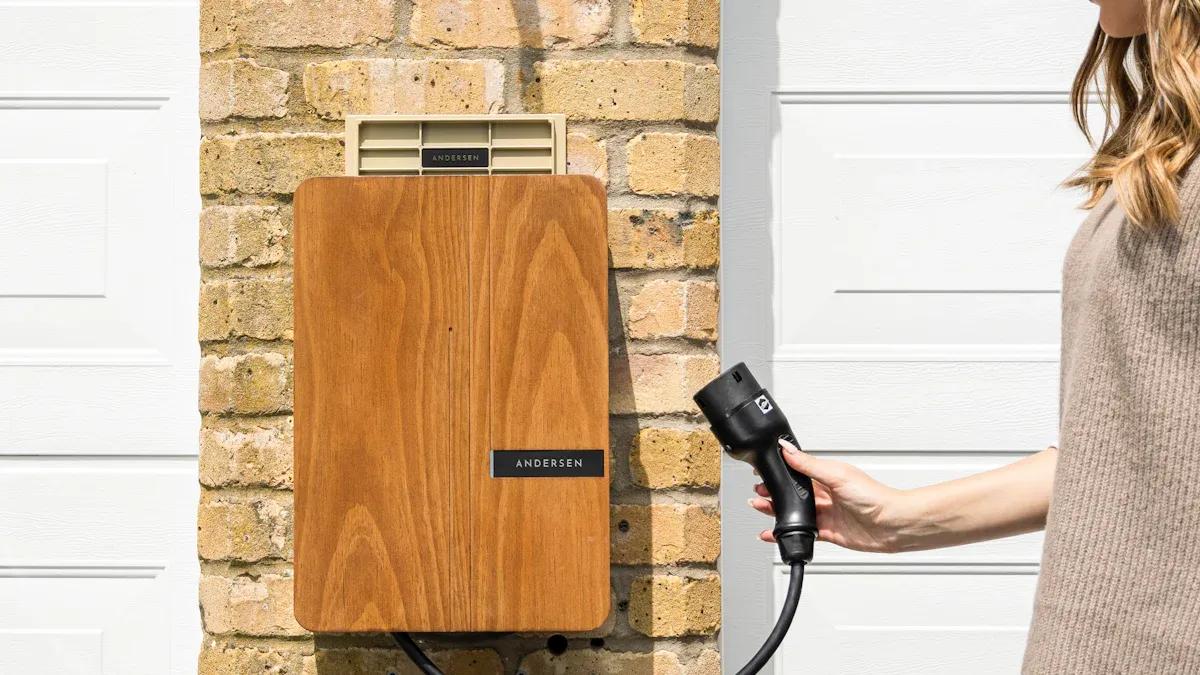
Selecting the right Level 2 charger involves matching the hardware to a driver’s vehicle, daily driving habits, and home electrical system. Chargers are categorized by their power output (kW) and the electrical current they draw (amperage). Understanding these categories helps owners make an informed decision.
3.3 kW to 7.7 kW Chargers (30-32 Amps)
This power range represents the most common choice for residential EV charging. These chargers offer a significant upgrade over Level 1 charging without requiring extensive electrical work in most homes.
Typical Charging Speeds and Use Cases
A charger in this category typically adds 15 to 30 miles of range per hour. A 7.7 kW unit can fully charge most EVs overnight. This speed is more than sufficient for the average driver who commutes daily and plugs in each evening.
Best for Most Daily Commutes and PHEVs
These chargers are ideal for battery electric vehicles (BEVs) with small to medium-sized batteries and for all plug-in hybrid electric vehicles (PHEVs). Their charging speed easily replenishes the 30-40 miles used in a typical day’s driving, ensuring the vehicle is ready every morning.
9.6 kW to 11.5 kW Chargers (40-48 Amps)
For drivers with long-range EVs or those who want faster turnaround times, higher-power chargers offer a compelling solution. Technologically advanced providers like TPSON offer robust systems in this category to meet growing power demands.
Faster Charging for Large-Battery EVs
These powerful units can add 35 to 45 miles of range per hour. This speed is particularly beneficial for vehicles with large batteries (80 kWh or more), significantly reducing the time needed to charge an EV. A full charge can often be completed in 6 to 8 hours, even for the biggest batteries.
Electrical Requirements for Installation
Installing a high-power charger requires careful planning. The National Electrical Code (NEC) classifies EV chargers as “continuous loads.” This classification has specific safety requirements.
The code requires the circuit’s breaker to be rated for 125% of the charger’s maximum amperage. This rule prevents the wiring from overheating during long charging sessions. A dedicated circuit is also mandatory for any charger drawing more than 16 ампер.
A licensed electrician must ensure the home’s electrical panel can support the added load.
| Сила тока зарядного устройства | Рекомендуемый размер выключателя | Minimum Wire Gauge (Copper) |
|---|---|---|
| 32 ампера | 40 ампер | 8 AWG |
| 40 ампер | 50 ампер | 6 AWG |
| 48 ампер | 60 ампер | 6 AWG |
Выбор зарядного устройства в соответствии с вашими потребностями
The best charger is one that aligns with both current and future needs. Owners should consider their vehicle’s capabilities and potential future upgrades.
Aligning with Your Car’s Maximum AC Charge Rate
An EV will only accept power at the maximum rate of its onboard charger. For example, installing an 11 kW charger for a car that can only accept 7.4 kW will not speed up charging. Owners should check their vehicle’s specifications to avoid paying for power they cannot use.
Перспективная зарядка для дома
Investing in a slightly more powerful or feature-rich charger can be a wise long-term decision.
- Higher Power: Many new EVs, like the Hyundai IONIQ 5 and Genesis G80 Electrified, now come standard with 11 kW onboard chargers. Installing an 11.5 kW charger prepares a home for these and future vehicles.
- Интеллектуальные возможности: Wi-Fi-enabled smart chargers offer significant advantages. They allow users to schedule charging for off-peak electricity rates, monitor energy use via an app, and balance the electrical load to prevent overloading a home’s circuit. These software-updatable features ensure the charger remains relevant for years.
What Other Factors Can Affect Charging Speed?
Beyond the core components of the battery, charger, and state of charge, external conditions can influence how long it takes to charge an EV. Environmental temperature and a home’s simultaneous electricity usage are two significant factors that can alter charging performance. Understanding these variables helps owners manage expectations and optimize their charging sessions.
Ambient Temperature
Lithium-ion batteries operate most efficiently within a specific temperature range, typically between 20°C and 25°C (68°F and 77°F). Extreme temperatures, both hot and cold, can prompt the vehicle’s Battery Management System (BMS) to adjust the charging process to protect the battery.
How Cold Weather Can Slow Charging
In cold conditions, the chemical reactions inside a battery slow down. The BMS may need to divert some initial power to a battery heater before it can begin accepting a charge at full speed. This preconditioning step adds time to the overall session. As a result, charging an EV in freezing temperatures can take noticeably longer than it would in a milder climate.
How Hot Weather Affects Battery Health
High ambient temperatures can be detrimental to a battery’s long-term health. To prevent overheating and degradation, the BMS will actively work to cool the battery pack during charging. This cooling process consumes energy and may lead the system to reduce the charging speed, prioritizing battery longevity over rapid charging.
Household Electrical Load
A home’s electrical panel has a finite capacity. Running multiple high-power devices at the same time as charging an EV can strain this system. This is where modern charging technology provides a critical safety net.
Smart Chargers and Load Balancing
Интеллектуальные зарядные устройства, including advanced systems from providers like TPSON, offer a feature called load balancing. This technology intelligently manages a home’s electrical consumption to prevent overloads. The process works in a few key steps:
- The system constantly monitors the total electrical demand across all circuits in the home.
- It calculates the available capacity after accounting for other running appliances.
- It automatically adjusts the EV charger’s power output to stay within the panel’s safe limits.
This dynamic adjustment prevents tripped circuit breakers and potential fire hazards from overheated wiring, ensuring a safe and reliable charge without requiring expensive electrical panel upgrades.
Impact of Running Other Major Appliances
Many household appliances draw a significant amount of power. Operating them while an EV is charging can easily push a home’s electrical system to its limit, especially without a smart charger.
| Прибор | Typical Power Consumption |
|---|---|
| Electric Dryer | 2,500 – 5,000 Watts |
| Electric Oven | 2,000 – 3,000 Watts |
| Central Air Conditioner | 3,000 – 5,000 Watts |
For example, running an electric dryer and an oven while charging an EV could draw more power than the circuit can handle. A smart charger mitigates this by temporarily reducing the charging speed until the other appliances are turned off, then automatically resuming the maximum safe charging rate.
Level 2 vs. Level 1 Charging: A Time Comparison

While Level 2 chargers are the focus for efficient home charging, understanding their primary alternative—Level 1 charging—highlights why they have become the industry standard. The difference in speed and convenience is substantial, impacting an owner’s daily experience.
Объяснение зарядки уровня 1
Level 1 charging is the most basic method available. It utilizes the standard electrical outlets found in every home, making it accessible but extremely slow.
Using a Standard 120V Wall Outlet
A Level 1 charger is essentially a portable cord that plugs directly into a standard 120-volt household socket. No special installation is required. This method delivers a very slow trickle of power to the vehicle’s battery. Data shows that this setup typically adds only 3 to 7 miles of range for every hour of charging. This minimal speed makes it a fallback option rather than a primary solution.
Expected Charging Time: Days, Not Hours
The slow power delivery of a Level 1 charger translates into exceptionally long charging times. A typical session to replenish a battery is measured in days, not hours.
For example, adding the 39 kWh needed to take a 65 kWh battery from 20% to 80% would take over 16 hours, even under ideal conditions. A full charge from empty could easily extend beyond 24 hours. This lengthy duration makes it impractical for drivers who rely on their vehicle daily.
Why Level 2 is the Home Standard
Level 2 chargers resolve the significant time constraints of Level 1, establishing themselves as the default solution for home charging. Their superior speed and reliability align with the needs of modern EV drivers.
The Unmatched Convenience of Overnight Charging
The primary advantage of a Level 2 charger is its ability to fully charge an EV overnight. This convenience transforms the ownership experience.
- Speed: Зарядное устройство уровня 2 заряжается в 5–7 раз быстрее, чем устройство уровня 1.
- Надежность: Оно гарантирует полностью заряженный аккумулятор каждое утро.
- Спокойствие: Водителям больше не нужно беспокоиться о достаточном запасе хода для ежедневных поездок.
Эта диаграмма наглядно иллюстрирует разрыв в производительности.:

Соответствие требованиям ежедневной эксплуатации
Зарядное устройство уровня 2 — это не просто удобство; для большинства владельцев электромобилей это необходимость. Оно обеспечивает мощность, необходимую для восполнения запаса хода, потраченного за день, в течение нескольких часов. Технологически продвинутые поставщики, такие как TPSON, предлагают надежные системы уровня 2, которые безопасны, эффективны и рассчитаны на будущее. Это делает уровень 2 бесспорным стандартом для всех, кто ищет практичный и надежный способ зарядки электромобиля дома.
| Тип зарядного устройства | Скорость зарядки (миль/час) | Пригодность для дома |
|---|---|---|
| Уровень 1 | 3-7 | Ограничено небольшими поездками или чрезвычайными ситуациями |
| Уровень 2 | 25-30 | Идеально для любого ежедневного использования; гарантирует полную зарядку за ночь |
Зарядное устройство уровня 2 — это окончательное решение для удобной и надежной домашней зарядки электромобиля. Опросы удовлетворенности владельцев подтверждают, что оно обеспечивает наилучший опыт, гарантируя полностью заряженный аккумулятор каждое утро. Хотя точное время варьируется, скорость легко удовлетворяет потребности ежедневной езды. Этот метод также обеспечивает значительную долгосрочную экономическую выгоду.
Один эксперт заявляет:, “Я не представляю мира, где общественная зарядка будет стоить дешевле или даже столько же, сколько домашняя”.”
Технологически продвинутые поставщики, такие как TPSON, предлагают эти надежные системы, обеспечивая полное спокойствие для владельцев электромобилей.
ЧАСТО ЗАДАВАЕМЫЕ ВОПРОСЫ
Стоит ли зарядное устройство уровня 2 своих денег?
Да. Зарядное устройство уровня 2 предлагает превосходное удобство и скорость. Оно гарантирует полную зарядку аккумулятора за ночь. Это делает его практической необходимостью для владельцев электромобилей, которые зависят от своего транспортного средства в ежедневных поездках.
Могу ли я самостоятельно установить зарядное устройство уровня 2?
Нет. Квалифицированный электрик должен установить зарядное устройство уровня 2. Этот процесс гарантирует, что установка соответствует всем нормам безопасности. Он также подтверждает, что электрическая система вашего дома может выдержать дополнительную нагрузку без риска.
Нужно ли моему электромобилю зарядное устройство уровня 2 определенного типа?
Большинство электромобилей используют универсальный разъем для зарядки уровня 2. Владельцам следует соотносить выходную мощность зарядного устройства (кВт) с максимальной скоростью зарядки переменным током их автомобиля. Технологически продвинутые поставщики, такие как TPSON, предлагают различные варианты, подходящие для возможностей разных автомобилей.
Подойдет ли зарядное устройство уровня 2 для подключаемого гибрида (PHEV)?
Безусловно. Зарядное устройство уровня 2 — отличный выбор для PHEV. Оно может полностью зарядить меньшую батарею PHEV всего за несколько часов. Это помогает максимально увеличить запас хода на электротяге для ежедневных поездок.
Почему мое зарядное устройство не заряжает на максимальной скорости?
На скорость зарядки могут влиять несколько факторов. Встроенное зарядное устройство вашего автомобиля может иметь более низкую допустимую мощность, чем выходная мощность зарядного устройства. Экстремальные температуры или высокое энергопотребление в доме также могут заставить систему намеренно снижать скорость.
В чем основное различие между зарядкой уровня 1 и уровня 2?
Основное различие — это скорость. Зарядное устройство уровня 2 обеспечивает гораздо более быструю и надежную зарядку.
- Уровень 1: Добавляет всего 3–7 миль запаса хода в час.
- Уровень 2: Добавляет 25–30 миль запаса хода в час.
Это делает уровень 2 стандартом для эффективной домашней зарядки.