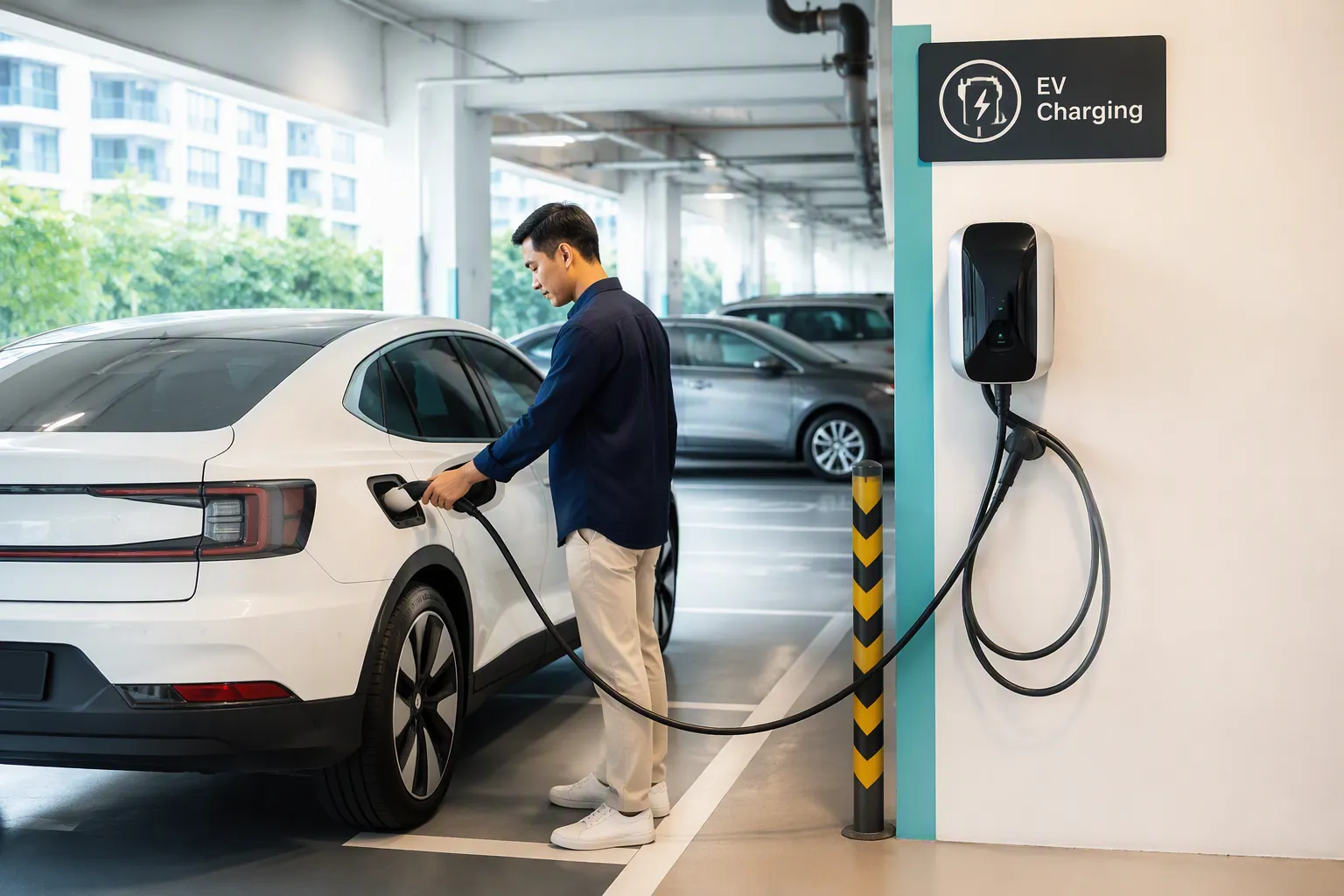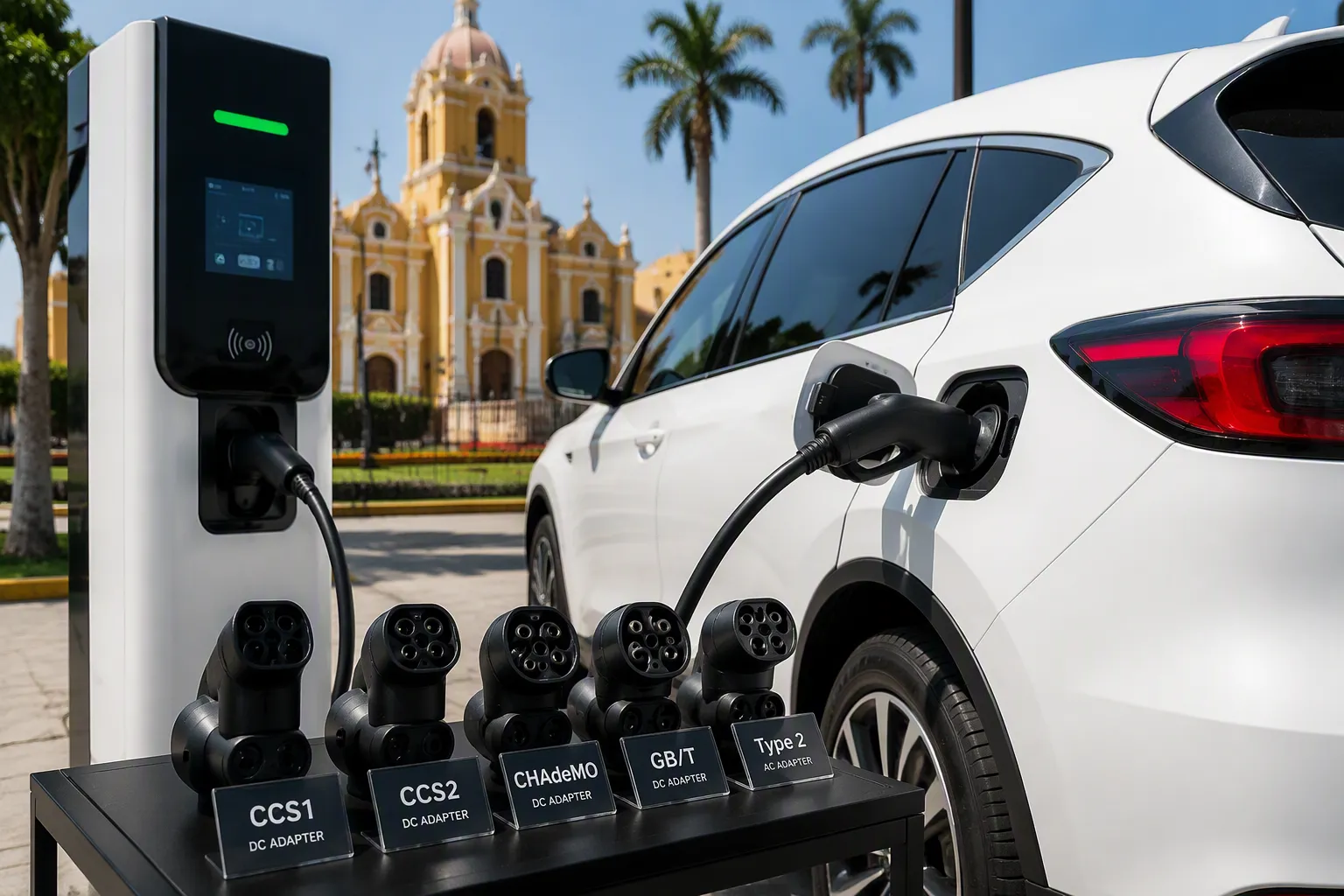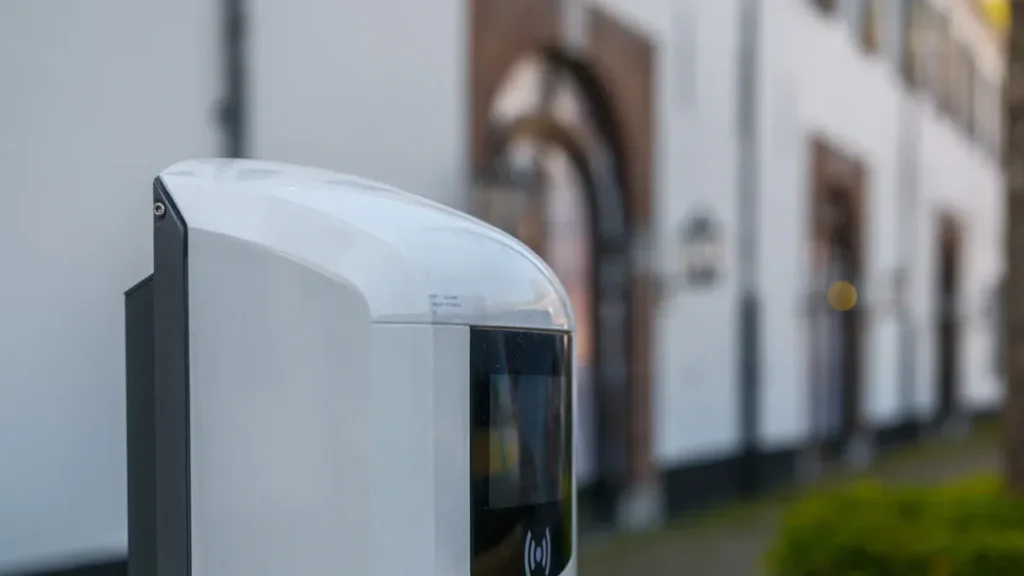

A qualified electrician must perform the installation of a home Зарядное устройство для электромобилей. This process ensures safe and efficient home charging for an EV. The right professional transforms a home into a personal charging station. Unlike simple портативные зарядные устройства, a permanent charger requires specific expertise. Technologically advanced Решения для зарядки электромобилей, like those from TPSON, demand professional setup for a dedicated EV charger. For safe EV charging at home, owners need a certified company.
In Germany, the law requires using a registered
certified electrical company(certified electrical company) with experience incharging equipment for electric vehicles(charging equipment for electric vehicles).
Производители зарядных устройств для электромобилей and local utility providers (local utility provider) offer lists of approved contractors. This simplifies finding an expert for your home charging point.
Verifying German Electrical Qualifications

Hiring the right professional is the most critical step for a safe and compliant wallbox installation. German regulations are strict for a reason. They protect your home, your vehicle, and the electrical grid. An EV owner must understand the required qualifications before hiring an electrician.
The Non-Negotiable: The ‘certified electrical company’
What is an ‘certified electrical company’?
. certified electrical company is a legally registered and certified electrical company. This designation means the company is listed in the local register of craftsmen (Chamber of Crafts) and is managed by a master electrician (master electrician). This is the baseline qualification for any electrical work in Germany.
Why This Certification is a Legal Requirement
German law mandates that only an certified electrical company can perform fixed electrical installations. This includes connecting a wallbox charger to your home’s electrical system. Using an uncertified individual voids your home insurance coverage for any related damages. It also poses significant safety risks. The law ensures every charging station meets national safety standards.
How to Verify an ‘certified electrical company’
An EV owner can verify a company’s status easily. Ask the company for their registration number and check it with the local Chamber of Crafts (Chamber of Crafts). Reputable firms will provide this information without hesitation.
Beyond Certification: Wallbox Installation Expertise
The Importance of Specialized Experience
General electrical certification is not enough for installing a modern Type 2 EV charger. A qualified electrician needs specific experience with charging equipment for electric vehicles (charging equipment for electric vehicles). They understand the unique power demands of Зарядка электромобилей and the technology inside advanced chargers, like those from TPSON. This expertise ensures the charger performs optimally and safely.
Key Questions to Ask Your Potential Electrician
- How many EV wallbox chargers have you installed?
- Are you familiar with registering a charger with the local grid operator (
оператор сети)? - Can you provide a detailed, itemized quote (
Предложение электрика — это не просто цена; это детальный план проекта. Домовладелец должен тщательно изучить)? - Do you conduct a pre-installation site check (
on-site check)?
Red Flags to Watch For
Be cautious of any electrician who offers a very low price without a site visit, seems unfamiliar with the term
оператор сети, or cannot show examples of previous EV charging projects. A professional will always insist on assessing your home’s electrical setup first.
Understanding German Electrical Codes for EV Charging
Technical Connection Rules (Technical Connection Rules for Low Voltage)
Сайт Technical Connection Rules for Low Voltage (VDE-AR-N 4100) sets the technical rules for connecting systems, including an EV charging station, to the low-voltage grid. Your electrician must follow these rules to ensure the installation is compliant and does not destabilize the local power supply.
The Role of the VDE (Verband der Elektrotechnik)
The VDE (Association for Electrical, Electronic & Information Technologies) develops the standards that govern electrical safety in Germany. For EV charging, several key standards are mandatory.
- DIN VDE 0100-722: Governs the general installation of charging posts and wallboxes.
- DIN VDE 0100-443: Outlines requirements for surge protection.
- DIN VDE 0100-534: Provides the basis for installing surge protection devices.
Safety Requirements: RCDs and Circuit Breakers
A compliant installation for a Type 2 EV charger requires specific protective devices. This includes a dedicated circuit breaker to prevent overloads and a Residual Current Device (RCD) to protect against electric shock. Many modern wallbox chargers have a DC fault current sensor built-in, which simplifies the RCD requirement for your home system.
Where to Find a Qualified Electrician in Germany
Identifying a professional who meets Germany’s strict electrical standards is straightforward with the right approach. An EV owner has several reliable channels to find a certified expert for their home charging station installation. These methods help ensure the chosen professional is not only certified but also experienced with EV charging technology.
Method 1: Manufacturer-Certified Installer Networks
The company that made your Type 2 EV charger is an excellent starting point. Manufacturers have a vested interest in ensuring their products are installed correctly for optimal performance and safety.
Accessing Wallbox Brand Directories
Most major wallbox brands maintain an online directory of certified installation partners. An EV owner can typically find this on the manufacturer’s German website, often under a section labeled “installation partner,” “find a partner,” or “Service.” These directories are usually searchable by postal code (postal code), making it easy to locate professionals in your area.
The Benefits of Using a Certified Partner
Using a manufacturer-certified partner offers significant advantages. These installers have received specific training on the brand’s products. They understand the unique features and installation requirements of that particular charger. This expertise is crucial for advanced charging solutions, such as those from TPSON, which may have specific software or hardware configurations. This path often leads to a smoother installation and a more reliable charging experience.
Examples: Finding Installers for Major Brands
- Wallbox: The company’s website has a dedicated “Find an Installer” page.
- Heidelberg: They provide a search function for finding local electrical partners.
- ABL: This manufacturer also lists qualified partners who are experts in installing their charging equipment.
Совет: When you find a potential installer through a brand directory, always confirm they are a registered
certified electrical companyfor your own peace of mind.
Method 2: Your Local Utility Provider (‘local utility provider’)
Your local municipal utility provider, or local utility provider, is another key resource for finding a qualified electrician. They are responsible for the stability of the local power grid and are directly involved in the registration process for any new charging station.
Why Your ‘local utility provider’ is a Key Resource
Сайт local utility provider maintains a list of approved electrical contractors authorized to work on the local grid. These electricians are familiar with the specific technical connection requirements (Technical Connection Rules for Low Voltage) in your region. An EV owner who chooses an electrician from this list can be confident the professional understands the mandatory registration process for a new Type 2 EV charger.
How to Find and Contact Your Local Provider
An EV owner can identify their local local utility provider by looking at a recent electricity bill. A simple online search for “local utility provider + [Your City Name]” will also provide their contact information. Once you find their website, look for sections related to “electromobility,” “charging infrastructure,” or “installer directory” (installer directory).
What to Ask Your ‘local utility provider’
When contacting your local utility provider, you can ask for their list of registered electrical contractors. Here are a few key questions:
- Do you have a list of electricians approved for EV charger installations?
- What are the specific grid registration requirements in this area for a Type 2 EV charger?
- Can you confirm the process for registering a new home charging station?
Method 3: German Online Trade Portals
Online portals that connect homeowners with trade professionals can also be a source for finding an electrician. However, this method requires extra diligence from the EV owner.
Using ‘MyHammer’ for Electrical Work
MyHammer is a popular German portal where an EV owner can post a job for a Type 2 EV charger installation. You will receive offers from various electricians. This platform allows you to compare prices and view reviews from previous customers. It is a useful tool for getting multiple quotes for your EV charging project.
Using ‘CHECK24 Profis’ for Installers
Similar to MyHammer, CHECK24 Profis allows users to describe their project and receive quotes from local professionals. The platform is widely used for various home services, including the installation of a new charger. It provides another avenue for comparing the costs and services offered by different companies for your EV charging needs.
Filtering for Certified Professionals on Portals
Crucial Warning: When using online portals, the responsibility to verify credentials falls on you. Never hire someone based on price alone.
- Filter Your Search: Look for options to filter for
certified electrical companyилиmaster craftsman's business.- Ask for Proof: Before accepting an offer, ask the electrician for their
Chamber of Craftsregistration number.- Verify: Check the number with your local Chamber of Crafts to confirm their status. This step is non-negotiable for a safe and legal installation of your charger at home.
Method 4: Local Searches and Recommendations
Digital directories are efficient, but traditional local searches and community recommendations offer a valuable, personal touch. An EV owner can uncover highly reputable professionals through these grassroots methods. This approach often leads to finding electricians who have a strong local reputation to uphold.
The Value of Local ‘electrician’ Searches
A simple online search can be surprisingly effective. Using targeted, local keywords helps an EV owner identify nearby electrical contractors quickly. This method provides a broad list of potential candidates for further investigation.
An EV owner should use precise search terms for the best results.
electrician [Your City Name]certified electrical company [Your Postal Code]Wallbox Installation [Your Neighborhood]
After finding a local company, the owner should examine its website. Look for a dedicated section on “electromobility” or photos of past EV charger installations. This initial check helps separate general electricians from specialists.
A local electrician often has intimate knowledge of the regional building codes and the local grid operator’s (оператор сети) specific requirements. Their proximity can also lead to faster service and site visits.
Asking for Referrals in Expat Communities
Expat social media groups and online forums can be a goldmine for practical advice. Members often share candid feedback about their own experiences installing a home charging station. These referrals provide insights that official directories cannot.
An EV owner can gain valuable information from these communities:
- Англоговорящие электрики: Найдите специалистов, которые могут объяснять сложные технические детали на английском языке.
- Качество услуг: Узнайте о пунктуальности, профессионализме и аккуратности электрика.
- Навигация по процессу: Услышьте из первых рук, как электрик справился с процессом регистрации в сетевой компании.
Важно: Личная рекомендация — это хорошая отправная точка, но не окончательное решение. Владелец электромобиля по-прежнему несет полную ответственность за проверку
certified electrical companyсертификации электрика в местнойChamber of Crafts. Никогда не пропускайте этот критически важный этап проверки.
Проверка в реестре местной ‘Палаты ремесленников’
Наиболее авторитетный способ подтвердить легальный статус электрика — обратиться в местную Палату ремесленников (Chamber of Crafts). Каждое законное ремесленное предприятие в Германии должно быть в ней зарегистрировано. Каждая Chamber of Crafts ведет публичный реестр, часто называемый поиском ремесленников (Handwerkersuche).
Этот реестр служит двум основным целям:
- Поиск специалистов: Владелец электромобиля может найти все зарегистрированные электротехнические компании (
Elektrotechniker) в своем районе. - Проверка квалификации: Владелец может ввести название компании, чтобы подтвердить ее легальную регистрацию в качестве
certified electrical company.
| Шаг | Действие | Назначение |
|---|---|---|
| 1 | Найдите свою местную Chamber of Crafts | Ищите в интернете “Chamber of Crafts + [Ваша федеральная земля]”. |
| 2 | Найдите раздел поиском ремесленников | Перейдите на страницу поиска ремесленников или каталога монтажников. |
| 3 | Поиск электриков | Отфильтруйте поиск по профессии “Elektrotechniker-Handwerk”. |
| 4 | Проверка конкретной компании | Введите название потенциального электрика, чтобы подтвердить его регистрацию. |
Этот реестр подтверждает базовую легальную квалификацию компании. Однако он не указывает на ее опыт работы с зарядкой для электромобилей. Владельцу технологически продвинутого зарядного решения для электромобилей, например от TPSON, все равно следует спросить проверенную компанию об их конкретном опыте установки современных умных wallbox.
Пошаговое руководство по найму и установке
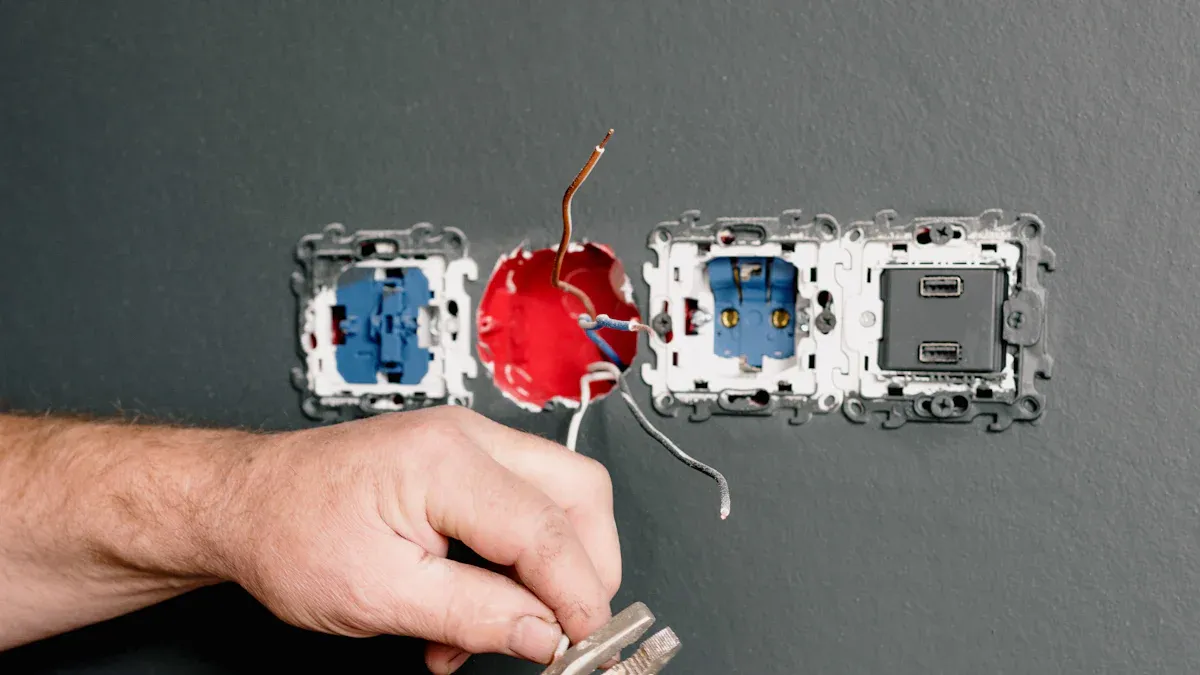
После нахождения потенциальных кандидатов владелец электромобиля переходит к структурированному процессу установка зарядного устройства для электромобилей. Этот путь от первого контакта до первой успешной зарядки включает три отдельных этапа. Следование этим шагам обеспечивает безопасную, соответствующую нормам и эффективную установку зарядного устройства для электромобиля.
Этап 1: Предмонтажная проверка объекта (‘Vor-Ort-Termin’)
Профессионал никогда не предоставит окончательную смету без предварительного осмотра объекта. Этот первоначальный выезд на место является критически важным диагностическим шагом для успешной установки.
Что такое ‘Vor-Ort-Termin’?
Сайт on-site check — это профессиональная оценка на месте электриком. Специалист оценивает существующую электрическую инфраструктуру дома. Эта проверка определяет возможность и конкретные требования для установки нового зарядного устройства для электромобиля типа 2. Она формирует основу для точной и детальной сметы расходов.
Оценка вашего электрощита (‘Stromverteiler’)
Электрик сначала осмотрит главный электрощит дома. Ключевые моменты оценки включают:
- Доступная мощность: Достаточно ли мощности для поддержки нового зарядного устройства для электромобиля без перегрузки системы?
- Свободные места: Есть ли свободные места для нового автоматического выключателя и УЗО, необходимых для зарядной станции?
- Современность: Соответствует ли щит текущим стандартам безопасности или потребуется его модернизация?
Планирование трассы кабеля
Специалист планирует наиболее эффективный путь для силового кабеля. Эта трасса проходит от электрощита до желаемого места расположения зарядного устройства типа 2. План учитывает расстояние и любые необходимые проходы через стены (Wanddurchführung), что напрямую влияет на окончательную стоимость установки.
Определение окончательного места установки
Владелец электромобиля и электрик согласуют наилучшее место для домашнего зарядного устройства. Местоположение должно быть практичным для ежедневной зарядки электромобиля. Оно также должно быть доступно по запланированной трассе кабеля. Это решение определяет окончательный объем работ по проекту зарядки.
Этап 2: Запрос и сравнение предложений (‘Angebot’)
После завершения проверки объекта владелец электромобиля может запросить официальные предложения. Разумно получить как минимум два-три детальных предложения для принятия обоснованного решения.
Важность многократного цитирования
Несколько предложений дают четкое представление о рыночной ставке за работу. Они позволяют владельцу электромобиля сравнивать не только окончательную цену, но и объем услуг и включенные материалы. Это сравнение помогает определить наилучшее соотношение цены и качества, а не просто самую низкую стоимость.
Структура детального немецкого предложения
Профессиональная цитата (Предложение электрика — это не просто цена; это детальный план проекта. Домовладелец должен тщательно изучить) должен быть детализированным и прозрачным. Владельцу электромобиля следует обращать внимание на эти компоненты:
| Компонент | Описание |
|---|---|
| Стоимость работ | Стоимость работ, часто указываемая как почасовая ставка или фиксированная плата. |
| Стоимость материалов | A list of all materials, like the cable, circuit breaker, and RCD. |
| travel costs | Travel costs for the electrician to get to the home. |
| registration | The fee for registering the Type 2 EV charger with the grid operator. |
Comparing Labor vs. Material Costs
An EV owner should analyze the breakdown of labor versus material costs. Unusually low labor costs could be a red flag. High material costs for a technologically advanced charger, like a TPSON model, are normal, but the owner should ensure all parts are clearly listed.
Understanding a ‘flat-rate offer’ (Flat-Rate Offer)
Some firms offer a flat-rate offer, or a flat-rate price for the entire installation. This can provide cost certainty. However, the EV owner must confirm exactly what the flat rate includes to avoid unexpected charges for “unforeseen” work. This is especially important for the charging at home setup.
Phase 3: The Installation Day and Handover
This is the final phase where the plan becomes a reality. The EV owner can expect a professional and systematic process.
Что ожидать в день установки
The electrician will arrive to perform the work as outlined in the quote. This includes running the cable, mounting the Type 2 EV charger, and making all the necessary connections in the electrical panel. The process for a standard installation typically takes a few hours.
The Final Walkthrough and Testing
Once the charger is installed, the electrician will conduct a full functional test. This involves connecting the EV to the new charging station to ensure the charging process starts and operates correctly. The expert will also demonstrate the charger’s basic functions to the owner.
Receiving the ‘commissioning report’ (Commissioning Report)
This is your proof of a compliant installation. The electrician must provide a signed
commissioning report. This document certifies that the Type 2 EV charger was installed according to all VDE safety standards and is ready for operation. The EV owner must keep this report for their records and for insurance purposes.
Navigating Grid Registration and Legal Requirements
Installing a home EV charger involves more than just the physical work. An EV owner must also navigate Germany’s legal framework for grid registration. This process ensures the local power grid remains stable and safe for everyone. Understanding these requirements is essential for a compliant installation.
Understanding the Key Players
Two main entities are involved in your home’s electricity supply. An EV owner must know their distinct roles in the charger registration process.
‘grid operator’ (Grid Operator) vs. ‘electricity provider’ (Electricity Provider)
Сайт electricity provider is the company that sells you electricity and sends you a bill. The оператор сети, or grid operator, is responsible for the physical infrastructure. They own and maintain the power lines that deliver electricity to your home.
Сайт оператор сети‘s duties include:
- Receiving and reviewing grid connection applications for new devices like an EV charger.
- Providing information on grid availability in your area.
- Collaborating with electricians during the commissioning phase of a new charging station.
Why Registration is Mandatory
Registration is a legal requirement designed to protect the electrical grid. As more households adopt EV charging, the cumulative demand for power increases. The оператор сети needs to know where new, high-draw devices are located to manage grid load effectively and prevent local outages. This is not a step an EV owner can skip.
Registering Wallboxes up to 11 kW
For most standard home chargers, the process is a simple notification. This applies to the majority of home EV charging setups.
The ‘duty to register’ (Duty to Register)
Germany has an duty to register for any charging device up to 11 kW. This means the EV owner has a duty to register, or notify, the оператор сети about the new charger. This is not a request for permission; it is a mandatory declaration that the charger has been installed.
Who Handles the Registration?
A professional electrician is typically responsible for registering the wallbox unit with the grid operator. This registration is part of their comprehensive service, which covers the preliminary check, installation, and final commissioning of the EV charger.
Gaining Approval for Wallboxes Over 11 kW
Powerful chargers with a capacity greater than 11 kW require a more involved approval process. This requires explicit permission from the grid operator before any work begins.
The ‘duty to obtain approval’ (Duty to Obtain Approval)
These powerful chargers are subject to a duty to obtain approval, or a duty to obtain approval. The EV owner must secure formal permission to install an EV charger of this capacity. The оператор сети must evaluate and grant this permission before the installation can proceed. This step is critical for high-speed charging solutions.
The Approval Process Explained
The electrician submits a formal request to the оператор сети on the EV owner’s behalf. The operator then assesses whether the local grid can handle the additional load from the powerful EV charger. If the capacity is sufficient, they will grant permission. This proactive check prevents grid instability. An owner needs this permission to install an EV charger over 11 kW.
Potential Grid Upgrades and Associated Costs
If the grid operator determines the local infrastructure cannot support the high-power charging, they may deny the request or require a grid upgrade. Such upgrades can involve significant work and additional costs. The EV owner is usually responsible for this extra cost, which can substantially increase the total project price. These potential costs make the initial consultation with an electrician very important.
Understanding the Costs of a Qualified Electrician and Installation
An EV owner must understand the financial aspects of installing an EV charger. The total cost to install an electric car charger depends on several variables. A clear breakdown helps manage expectations and budget effectively for a new home charging station.
Детализация стоимости установки
The final invoice from a квалифицированный электрик will itemize several key charges. These components make up the total cost of the installation project.
Labor Costs for a Qualified Electrician
Labor represents a significant portion of the total cost. An electrician in Germany typically charges an hourly rate for their expertise. This fee covers the time spent on the installation, testing, and commissioning of the new EV charger. The complexity of the job directly influences the total hours required for the charging station setup.
Material Costs (Cables, Breakers, etc.)
Material costs include all the physical components needed for the installation. This is more than just the charger itself.
- До 10-15 метров электрического кабеля. High-quality power cables to connect the charger to the panel.
- Protective Devices: A new circuit breaker and a Residual Current Device (RCD).
- Mounting Hardware: Brackets and conduits to secure the charger and cables.
The cost of these materials can vary based on the quality and specifications required for the home charging setup.
The Cost of the ‘on-site check’
Most professionals charge a separate fee for the initial on-site inspection (on-site check). This cost typically ranges from €50 to €150. Often, this fee is deducted from the final bill if the EV owner proceeds with the installation. This initial investment ensures an accurate and fair final quote for the charging project.
Факторы, влияющие на окончательную цену
Several on-site conditions can significantly affect the electric vehicle charger costs. These factors determine whether an installation is standard or complex.
Расстояние от панели до зарядного устройства
The distance between the electrical panel and the desired location for the charging station is a primary cost driver. A longer distance requires more cabling and more labor. The required cable length typically adds an extra €12 to €23 for each additional meter to the total wallbox installation cost. This cost accounts for the increased equipment and labor needed for longer distances.
Need for Wall Break-throughs (‘wall penetration’)
If the cable must pass through thick concrete or multiple interior walls, the electrician must perform a Wanddurchführung. This drilling work adds time and complexity to the job, increasing the overall installation cost.
Complexity of Your Existing Electrical System
An older home may have an outdated electrical panel that cannot support the demands of EV charging. The electrician must assess the system’s capacity and condition. A complex or outdated system will require more work to integrate the new charger safely.
Upgrading Your Main Electrical Panel
In some cases, the existing electrical panel may need a complete upgrade to handle the new load. This is the most significant factor that can increase the cost to install an electric car charger. An upgrade is a major electrical job that adds substantial material and labor costs to the project.
Average Cost Range in Germany
The final price for installing an EV charger falls into a broad range. The electric vehicle charger costs depend on the factors identified during the site check.
Standard Installation Cost Estimates
A standard installation involves a short cable run, no major wall penetrations, and a modern electrical panel.
For a straightforward installation, an EV owner can expect the cost to be between €600 and €1,300. This price typically includes labor, basic materials, and grid registration for the charging station.
Complex Installation Cost Estimates
A complex installation might involve a long cable run, multiple wall break-throughs, or a panel upgrade.
In these more demanding scenarios, the installation costs can rise to €1,800 to €3,000 or more. These higher costs reflect the additional labor and materials required for a safe and compliant charging at home solution.
Securing a qualified electrician is the final, crucial step for a safe EV charger installation. An EV owner must follow a clear checklist for a successful outcome.
- Verify the electrician’s
certified electrical companystatus and their specific experience installing an EV charger. - Use reliable sources like manufacturer directories to find candidates.
- Obtain multiple, itemized quotes that detail every cost.
- Confirm the quote includes registering the charger with the grid operator.
- Ensure you will receive a final commissioning report for your new charger.
Following these steps guarantees a compliant and reliable home charger.
ЧАСТО ЗАДАВАЕМЫЕ ВОПРОСЫ
Can I install a wallbox charger myself in Germany?
No. German law requires a registered certified electrical company (certified electrical company) to perform the installation. A DIY installation is illegal, unsafe, and will void your home insurance. This ensures a safe charging experience.
How long does a standard charger installation take?
A standard home installation typically takes between three to five hours. This includes mounting the charger, running the cable, making connections, and testing. The total time depends on the complexity of the job.
What is the main difference between installing an 11 kW and a 22 kW charger?
An 11 kW charger requires only registration (registration) with the grid operator. A 22 kW charger needs prior approval (Genehmigung) before installation can begin. This is a key difference in the charging setup process.
Do I need my landlord’s permission to install a charger?
Yes. A tenant must get written permission from their landlord before installing a home charging station. Germany’s “Right to Charge” law (Right to Charge) makes it difficult for landlords to refuse without a valid reason.
What happens if my electrical panel is too old?
An electrician will determine if your panel needs an upgrade during the site check. An upgrade is necessary for safety and adds significant labor and material costs to the project. This is a major factor in the final installation cost.
Почему так важен ‘протокол ввода в эксплуатацию’?
Этот протокол ввода в эксплуатацию является официальным подтверждением того, что зарядное устройство было установлено правильно и безопасно в соответствии со стандартами VDE. Этот документ необходим для страховых целей и служит записью о соответствующей нормам установке зарядной станции.
Может ли любой электрик установить умное зарядное устройство?
Хотя любой certified electrical company электрик юридически имеет квалификацию, владельцу электромобиля следует выбирать специалиста с конкретным опытом. Для технологически продвинутого зарядного устройства, такого как модель TPSON, эксперт, знакомый с функциями умной зарядки, обеспечит оптимальную производительность.