
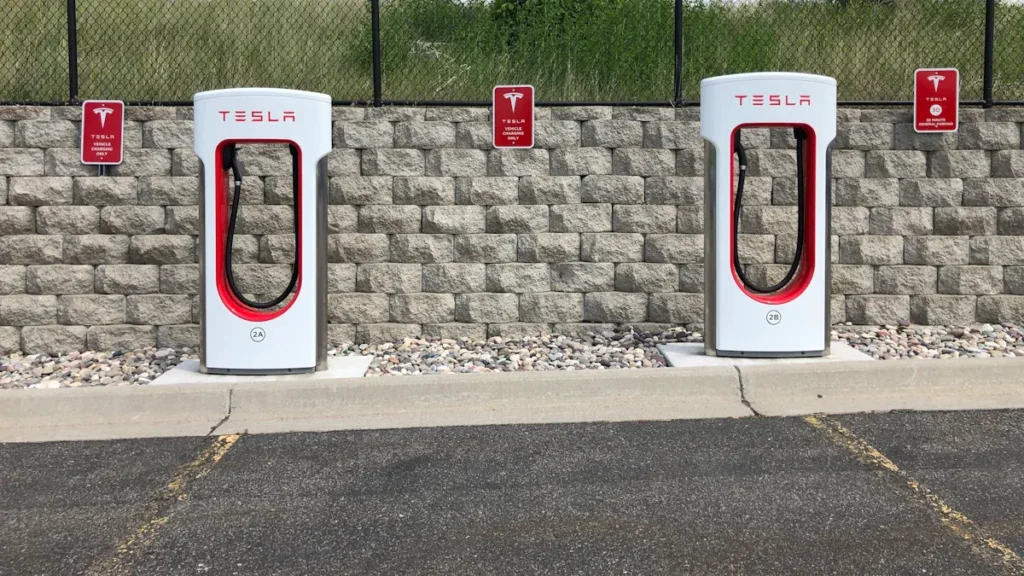

This tesla owner’s guide addresses a critical need for electric travel in Brazil and Argentina. An owner must acquire two primary adapters for a seamless experience. The first is a CCS1 to Type 2 adapter for the common AC Зарядное устройство для электромобилей at destinations. The second is a Tesla to CHAdeMO adapter for faster charging on long routes. While some Производители зарядных устройств для электромобилей like TPSON offer портативные зарядные устройства, this guide details the essential public Решения для зарядки электромобилей.
Understanding the Plug Difference: North America vs. South America
A Tesla owner from North America will immediately notice a key difference when traveling in Brazil and Argentina. The charging ports on their vehicle are not compatible with the local public charging infrastructure. This section explains the different standards and why adapters are non-negotiable for a successful trip.
The North American Tesla Standard (NACS)
Your Car’s Native Charging Port
North American Tesla vehicles use the North American Charging Standard (NACS) connector. This proprietary plug is a sleek, compact design that handles both AC (Level 1 and Level 2) and DC fast charging (Supercharging) through a single port. Owners in the US and Canada enjoy the simplicity of this all-in-one solution at home and across the Tesla Supercharger network.
Why It Won’t Plug in Directly
The NACS plug is physically and electrically different from the standards used in South America. Public charging stations in Brazil and Argentina do not have NACS connectors. Attempting to plug a North American Tesla directly into these stations is impossible. The pins, shape, and communication protocols are entirely incompatible, making adapters an absolute necessity.
Public Charging Standards in Brazil & Argentina
The public EV charging landscape in Brazil and Argentina relies on international standards, primarily those from Europe.
The Dominant AC Plug: Type 2 (Mennekes)
The Type 2 connector, often called Mennekes, is the standard for AC charging across Brazil and Argentina. A driver will find these plugs at most public Level 2 chargers located in shopping malls, hotels, restaurants, and urban parking areas. These chargers provide a reliable, albeit slower, charge perfect for overnight stays or while running errands.
Примечание: The Type 2 plug is the most common connector a Tesla owner will encounter for daily charging needs in these countries. Having the correct adapter for it is crucial.
The Common DC Fast Charging Plug: CHAdeMO
For high-speed DC fast charging, the CHAdeMO standard is widely available along major highways in both Brazil and Argentina. While newer standards are emerging, CHAdeMO remains a critical component of the existing long-distance travel network. These stations offer significantly faster charging speeds than AC options, making them essential for road trips between cities.
The Emerging DC Plug: CCS2
The Combined Charging System 2 (CCS2) is the newer DC fast-charging standard gaining traction globally, including in South America. New DC fast chargers being installed often feature CCS2 plugs. While not as prevalent as CHAdeMO yet, its presence is growing. Tesla owners should be aware of this standard, although the primary focus for current travel remains on adapting to the more established CHAdeMO and Type 2 networks.
Your Essential Adapter Toolkit: The Two Must-Haves
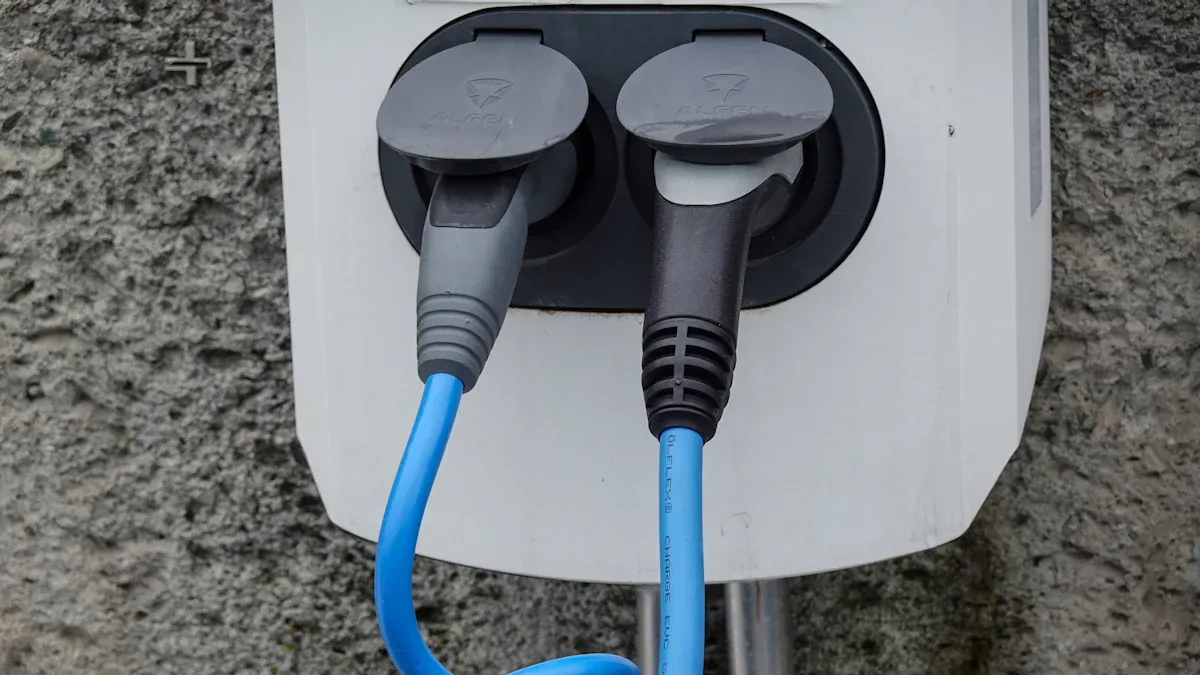
Navigating the public charging networks in Brazil and Argentina requires a specific set of tools. A North American Tesla owner cannot simply arrive and expect to plug in. This section of the tesla owner’s guide details the two indispensable adapters that bridge the gap between the vehicle’s NACS port and the local charging standards. Proper preparation with this toolkit ensures a smooth and stress-free electric journey.
The Workhorse: CCS1 to Type 2 Adapter
What It Does and How It Works
The CCS1 to Type 2 adapter is a simple yet critical device for accessing the most common type of public charging in South America. It functions as a physical and electrical bridge. The adapter allows a North American Tesla, which uses a NACS port (often with a CCS1 adapter attached), to connect to a Type 2 AC charging cable. The adapter translates the pin configuration, enabling the car to safely receive an AC charge from the station. It does not convert power levels; it simply facilitates a secure connection for Level 2 charging.
Physical Appearance and Connection
This adapter is typically a compact, single-piece unit.
- One End: Features a female CCS1 inlet. The Tesla’s NACS to CCS1 adapter plugs into this end.
- Other End: Features a male Type 2 plug. This end connects directly to the charging cable provided by the public AC station.
The connection process is straightforward:
- Attach the NACS to CCS1 adapter to the vehicle’s charge port.
- Plug the CCS1 to Type 2 adapter into the NACS to CCS1 adapter.
- Insert the Type 2 charging station cable into the adapter.
- Initiate the charging session via the station’s app or interface.
Why This is Your Most Important Adapter
The CCS1 to Type 2 adapter is the most frequently used tool in an owner’s travel kit. AC charging stations with Type 2 connectors are far more numerous than DC fast chargers. A driver will find them at hotels, shopping malls, restaurants, and public garages. These locations provide convenient opportunities to top up the battery during daily activities or overnight. Without this adapter, a Tesla owner loses access to the vast majority of charging opportunities in urban and suburban areas, making it a non-negotiable item for any trip.
The Speed Booster: Tesla to CHAdeMO Adapter
What It Does and How It Works
The Tesla to CHAdeMO adapter enables a North American Tesla to use DC fast-charging stations that feature the CHAdeMO plug. This adapter is more complex than its AC counterpart. It contains active electronics that facilitate communication between the Tesla vehicle and the CHAdeMO charging station. This “handshake” ensures that the station delivers the correct high-voltage DC power safely and efficiently, allowing for much faster charging speeds than AC options. The official Tesla CHAdeMO adapter is a significant investment, costing approximately £450, but its value on long-distance routes is immense.
Verifying Your Tesla’s Compatibility
Not all Tesla vehicles can use the CHAdeMO adapter out of the box. An owner must verify their car’s compatibility before purchasing the adapter.
How to Check Compatibility 📝
- On the Tesla’s main touchscreen, navigate to
Controls>Software.- Tap on
Additional Vehicle Information.- Look for “CHAdeMO adapter support”. The status must show as “Enabled”.
If it is not enabled, the owner must schedule a service appointment with Tesla to have the necessary hardware and software update performed.
When You Will Need It for Road Trips
This adapter is essential for any long-distance travel between cities in Brazil and Argentina. While AC charging is sufficient for city driving, it is too slow for efficient road-tripping. CHAdeMO stations are strategically placed along major highways to facilitate intercity travel. Using this adapter can reduce charging stops from several hours to under an hour, making it a critical component for exploring the countries beyond their major metropolitan centers.
A Deep Dive into Charging in Brazil
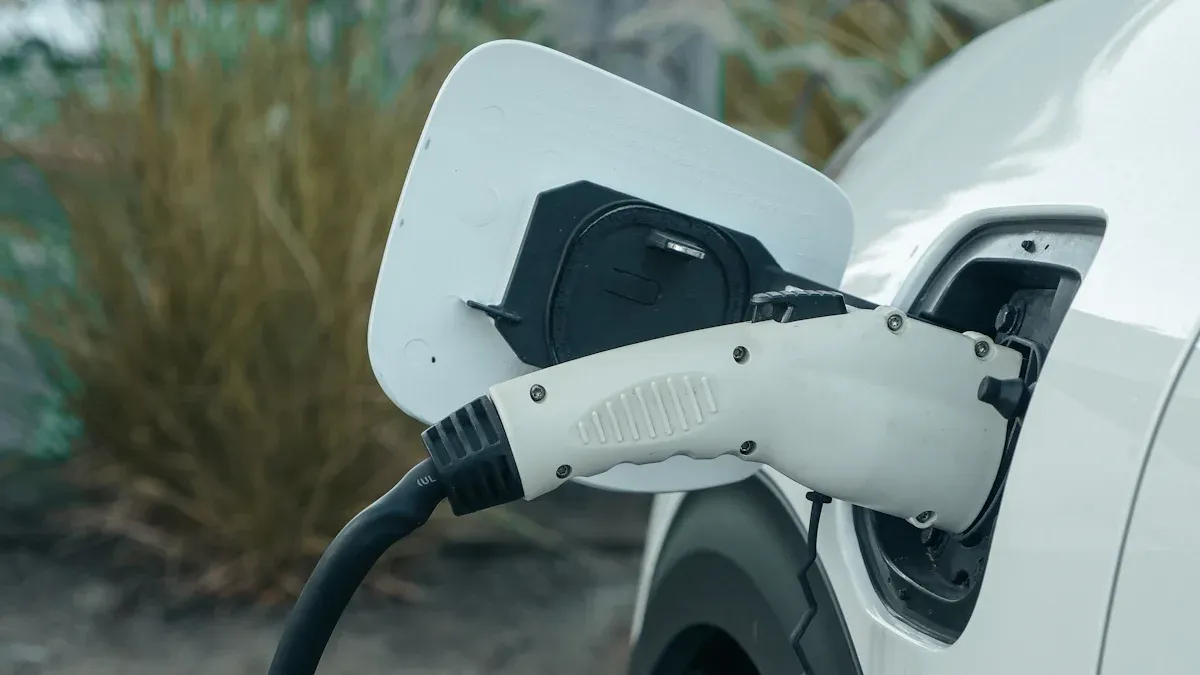
An owner traveling to Brazil with a North American Tesla will find a robust and growing charging network. Success depends on understanding the local standards and having the right equipment. This section provides a detailed look at both AC and DC charging scenarios across the country, ensuring the driver is well-prepared for any situation.
AC Charging in Brazil: Your Daily Driver
Зарядка переменным током forms the backbone of the daily charging experience in Brazil. It is reliable, widely available, and perfect for keeping the vehicle topped up during routine stops.
The Ubiquitous Type 2 Connector
The Type 2 connector is the undisputed standard for AC charging throughout Brazil. Nearly all public Level 2 chargers use this plug. A Tesla owner will encounter it everywhere, from major cities like São Paulo and Rio de Janeiro to smaller towns. Its prevalence makes the CCS1 to Type 2 adapter an essential piece of equipment for any trip.
Step-by-Step: Using Your Type 2 Adapter
Connecting to a Type 2 station is a simple, multi-step process.
- Prepare the Port: Attach the Tesla-provided NACS to CCS1 adapter to the car’s charge port.
- Connect the Adapter: Plug the CCS1 to Type 2 adapter into the NACS to CCS1 adapter.
- Plug in the Cable: Insert the station’s Type 2 charging cable firmly into the adapter assembly.
- Start the Session: Use the charging network’s mobile app or RFID card to authorize and begin charging.
Common AC Charging Locations
A driver can find AC chargers in many convenient locations. These spots allow for easy charging while parked for other activities.
- Shopping Malls (Shoppings)
- Supermarkets (Supermercados)
- Отели и курорты
- Рестораны и кафе
- Commercial Parking Garages
Understanding AC Charging Speeds (7kW-22kW)
AC charging speeds in Brazil typically range from 7kW to 22kW.
- зарядные устройства на 7 кВт: These are very common and can add approximately 40-50 kilometers of range per hour. They are ideal for overnight charging or long stays.
- 11kW to 22kW chargers: These faster AC options are found in newer installations. They can significantly reduce charging time, making them great for shorter stops.
DC Fast Charging in Brazil: For the Long Haul
DC fast charging is crucial for long-distance travel, enabling quick top-ups on highways between cities.
Finding CHAdeMO Stations with Apps
Locating reliable DC fast chargers requires using charging map applications. PlugShare is the most popular tool. A driver can filter the map to show only stations with CHAdeMO connectors. The app also provides user comments on station status and availability, which is invaluable for trip planning.
Step-by-Step: Using Your CHAdeMO Adapter
Using the CHAdeMO adapter involves a specific sequence to ensure a successful connection.
- Power On the Station: Activate the charging station first using its app or payment system.
- Connect to Car: Plug the Tesla to CHAdeMO adapter into the vehicle’s charge port.
- Connect to Station: Immediately connect the station’s CHAdeMO cable to the adapter.
- Wait for Handshake: The car and station will communicate. The charging session should begin automatically within a minute.
Is a CHAdeMO Adapter Mandatory for Brazil?
For any travel beyond a single metropolitan area, the CHAdeMO adapter is mandatory. While the AC network is dense, it is too slow for efficient long-haul journeys. The DC fast charging network, though less dense, is strategically placed along major routes. Without the adapter, a cross-country ev road trip would be impractical.
The Rise of CCS2 and Future Considerations
The CCS2 standard is rapidly gaining ground in Brazil. Many new DC fast charging installations now include CCS2 plugs, sometimes alongside CHAdeMO. While CHAdeMO is still essential for accessing the existing network, a Tesla owner should be aware of this trend. Currently, there is no official, reliable adapter for a North American Tesla to use CCS2 stations. This makes planning around the established CHAdeMO network the most secure strategy for now.
A Deep Dive into Charging in Argentina
Argentina presents a unique charging landscape for the North American Tesla driver. This part of the tesla owner’s guide explores the country’s infrastructure. An owner can travel confidently with the right adapters and planning. The network relies heavily on established standards, making preparation key.
AC Charging in Argentina: Consistency is Key
AC charging is the most dependable method for daily use in Argentina. The infrastructure is consistent, especially in urban centers.
The Type 2 Standard Reigns Supreme
Like Brazil, Argentina has fully adopted the Type 2 (Mennekes) connector as its AC charging standard. A driver will find these plugs on virtually all public Level 2 chargers. This uniformity simplifies the process, as only one adapter is needed for all AC charging scenarios.
How to Charge at Argentinian AC Stations
The connection process mirrors the one used in Brazil. It is a straightforward sequence.
- Attach the NACS to CCS1 adapter to the Tesla’s charge port.
- Connect the CCS1 to Type 2 adapter to the first adapter.
- Plug the station’s Type 2 cable into the adapter assembly.
- Authorize the session using the required network application.
Charging in Buenos Aires vs. Rural Areas
A significant difference exists between urban and rural charging availability. Buenos Aires has a relatively dense network of AC chargers at malls, hotels, and parking garages. Outside the capital, the infrastructure becomes much sparser. A driver must plan trips into the countryside carefully, relying on hotel chargers or known public stations.
Payment and Network App Requirements
Most public chargers in Argentina belong to specific networks, such as the one operated by the energy company YPF. Accessing these stations requires downloading the network’s dedicated mobile app.
Совет профессионала 📱 A driver should download and set up accounts for apps like the YPF App before arriving at a station. This step saves time and avoids potential connectivity issues on-site.
DC Fast Charging in Argentina: An Emerging Network
The DC fast charging network in Argentina is growing but is less developed than Brazil’s. It is essential for long-distance travel but requires careful planning.
The Role of CHAdeMO on Main Routes
CHAdeMO is the dominant standard for the existing DC fast charging infrastructure. Key providers, like YPF, have installed these stations along major national routes. The Tesla to CHAdeMO adapter is therefore indispensable for any road trip between major cities.
Planning Road Trips with CHAdeMO
An owner must use apps like PlugShare to plan intercity journeys. These apps allow a user to filter for CHAdeMO connectors and check recent user reports on station functionality. This planning is critical, as backup options can be hundreds of kilometers away.
Is the Argentinian DC Network Reliable?
The Argentinian DC charging network is best described as emerging. While stations on main corridors are generally reliable, their numbers are limited. A driver should always have a contingency plan, such as identifying slower AC charging options along the route.
Future-Proofing with CCS2 Awareness
New DC fast charger installations in Argentina are increasingly including CCS2 plugs. While CHAdeMO is the current necessity, the landscape is slowly shifting. Technologically advanced providers like TPSON are contributing to this evolution. For now, a North American Tesla owner must rely on the established CHAdeMO infrastructure, as no official CCS2 adapter solution exists for their vehicle.
A Pre-Trip Tesla Owner’s Guide to Adapter Purchasing
An owner’s pre-trip preparation is the most critical phase for a successful electric vehicle journey through South America. This part of the tesla owner’s guide covers the essential steps for purchasing and verifying the necessary charging adapters. Proper sourcing and testing of equipment prevent on-road failures and ensure a seamless travel experience.
Where to Buy Your Adapters
Selecting a reliable source for adapters is crucial for safety and performance. An owner should prioritize official channels and reputable third-party brands.
Official Tesla Store for the CHAdeMO Adapter
The official Tesla store is the only recommended source for the Tesla to CHAdeMO adapter. This complex device contains active electronics for communication between the car and the charging station. Purchasing directly from Tesla guarantees authenticity, full compatibility, and warranty protection. An owner can order it online before the trip.
Recommended Third-Party Brand: Lectron
For the CCS1 to Type 2 adapter, Lectron is a highly regarded third-party manufacturer. Lectron products are known for their robust construction and reliable performance. They offer excellent electrical protection and are built to withstand frequent use. An owner can find these adapters on major online retail platforms.
Recommended Third-Party Brand: EVBase
EVBase is another trusted name in the EV adapter market. Their products provide a secure fit and durable materials, ensuring a safe charging connection. Like Lectron, EVBase adapters incorporate safety features for overcurrent and overheating protection. An owner can purchase their adapters through their official website or authorized online resellers.
Avoiding Counterfeits and Unreliable Sellers
An owner must exercise caution to avoid counterfeit adapters. These low-quality products pose significant risks, including damage to the vehicle’s charging port and potential fire hazards.
Safety Alert ⚠️
- Buy from official stores or highly-rated, well-known sellers.
- Read reviews carefully, looking for comments on build quality and fit.
- Avoid deals that seem too good to be true, as they often indicate a counterfeit product.
Testing Your Gear Before You Go
Testing all equipment before departure is a non-negotiable step. Discovering a faulty adapter in a remote area of Brazil or Argentina can derail an entire trip.
Why You Must Test Adapters Before Your Trip
A pre-trip test confirms that the adapters function correctly with the owner’s specific vehicle. It verifies both the physical connection and the electronic communication. This simple check provides peace of mind and prevents stressful troubleshooting on the road. It also allows time to get a replacement if an adapter is defective.
How to Test Your Type 2 Adapter
An owner can test the CCS1 to Type 2 adapter at any public charging station that uses a CCS1 plug, if available in their home region.
- Locate a non-Tesla public charger with a CCS1 connector.
- Connect the adapter assembly as described in previous sections.
- Initiate a charging session.
- Confirm that the vehicle begins charging and reports a stable speed.
How to Test Your CHAdeMO Adapter
Testing the CHAdeMO adapter requires finding a CHAdeMO-equipped DC fast charging station. An owner can use an app like PlugShare to locate one. Following proper installation tips is key.
- Find a CHAdeMO station.
- Connect the Tesla to CHAdeMO adapter to the car.
- Plug the station’s CHAdeMO handle into the adapter.
- Start the session and verify that DC fast charging begins. The car’s display should show a high power input (e.g., 40kW+).
Essential Apps and On-the-Ground Tips
Technology and local knowledge are a driver’s best allies. This section of the tesla owner’s guide provides essential tips for using mobile apps and navigating on-the-ground realities in Brazil and Argentina. Following these guidelines ensures a smoother, safer charging experience.
Must-Have Charging Apps for South America
Mobile applications are not optional; they are the key to unlocking the charging network. An owner must download and configure these apps before the trip.
Using PlugShare Effectively to Find Stations
PlugShare is the most critical community-based tool for any EV driver in South America. The app’s ‘Intelligent Filtering Options‘ are crucial for a Tesla owner. A user can filter the map to display only chargers with the required connector types, such as Type 2 for AC charging or CHAdeMO for DC fast charging. This feature allows a driver to quickly locate compatible public charging stations and check recent user comments for operational status.
Local Network App Example: YPF App
In Argentina, the energy company YPF operates a significant portion of the charging network. The YPF App is necessary to activate these stations and process payments. An owner should download the app and create an account with a valid payment method before arriving at a charger.
Local Network App Example: Shell Recharge
Similarly, in Brazil, Shell Recharge is a prominent network. Its dedicated app allows users to locate stations, initiate charging sessions, and handle billing. Having this app ready saves considerable time and potential frustration at the station.
Other Regional Charging Apps
Beyond these examples, other regional networks exist. A quick search in PlugShare often indicates which app is needed for a specific location. It is wise to download any required app when a driver has a reliable Wi-Fi connection.
Charging Etiquette and Best Practices
Respecting local customs and best practices ensures a positive experience for everyone in the EV community.
Не занимайте место без необходимости
An EV charging spot is for charging, not parking. Once the vehicle has reached a sufficient state of charge, the owner should move it, allowing other drivers to use the station. This simple courtesy is universally appreciated.
Understanding Local Payment Methods
Most charging networks require payment via their app, linked to an international credit card. Some locations may still use RFID cards, but this is becoming less common. A driver should confirm the payment method in the app before plugging in.
Navigating Language Barriers with Translation Apps
Совет профессионала 🌐 Station instructions and app interfaces may be in Portuguese or Spanish. A driver should keep a translation app like Google Translate handy. Its camera function can instantly translate text on a charger screen.
Troubleshooting Common Adapter Issues
Even with preparation, connection problems can occur. These troubleshooting tips can resolve most common issues.
Fixing Connection Errors and Reseating the Plug
Sometimes, a car or station will report a connection error. The first step is to unplug all components, wait a moment, and reseat them firmly. A secure physical connection is vital for electrical protection and communication. This simple reset often solves the problem.
What to Do if Charging Speed is Slower Than Expected
If charging is slow, the issue may not be the adapter. Some stations share power between two chargers, or the car’s battery may be too hot or too cold, limiting speed for battery protection. The car’s own protection systems prioritize battery health.
When an Adapter is Not Recognized by the Car or Station
If the car does not recognize the adapter, an owner should follow a clear safety protocol. Technologically advanced providers like TPSON build their hardware for robust communication, but faults can happen. The following steps enhance ev charger safety and help identify the issue.
- First, verify the adapter’s compatibility with the vehicle model.
- Next, inspect and clean any debris from the adapter and the car’s port for better protection.
- Restarting the vehicle can sometimes resolve software detection issues.
- Finally, examine the port and connector for physical damage. This check is a key safety measure, as it helps prevent any electric shock risk. A quality surge protection device offers another layer of protection, but physical integrity is the first line of defense for user protection and vehicle protection. This overall process ensures maximum protection and safety.
This tesla owner’s guide provides the essential framework for a successful journey. An owner can travel confidently through Brazil and Argentina with the correct preparation. The evolving infrastructure, supported by technologically advanced providers like TPSON, makes this electric adventure possible.
Key takeaways for a seamless trip include:
- Acquiring a CCS1 to Type 2 adapter for AC charging.
- Purchasing an official Tesla to CHAdeMO adapter for DC fast charging.
- Testing all equipment thoroughly before departure.
- Using apps like PlugShare to plan routes and verify station status.
ЧАСТО ЗАДАВАЕМЫЕ ВОПРОСЫ
Can a driver use Tesla Superchargers in Brazil or Argentina?
No. North American Tesla vehicles cannot use the South American Supercharger network. The plugs and communication protocols are different. A driver must rely on public charging stations with the appropriate adapters for all charging needs.
What are the two essential adapters for this trip?
An owner needs two primary adapters for a successful trip.
- A CCS1 to Type 2 adapter for common AC charging.
- A Tesla to CHAdeMO adapter for DC fast charging on highways.
Is the CHAdeMO adapter truly necessary?
Yes, for any long-distance travel. AC charging is too slow for road trips between cities. The CHAdeMO adapter enables use of the DC fast charging network along major routes, making intercity journeys practical and efficient.
What should a driver do if an adapter fails?
A driver should first try reseating the plug firmly. If the issue persists, they must find an alternative charging station. This is why testing all equipment before departure is a critical step for a stress-free trip.
How does an owner pay for public charging?
Most networks require a specific mobile app. An owner must download the app, create an account, and link a credit card. Payment is then handled directly through the application to start and stop a charging session.
Why can’t a North American Tesla use CCS2 chargers?
North American Teslas lack native support for the CCS2 communication protocol. No official or reliably safe adapter solution currently exists. A driver must plan trips using the established CHAdeMO and Type 2 charging infrastructure.
Are third-party adapters a safe choice?
Reputable third-party adapters are safe. Technologically advanced providers like TPSON engineer their products for robust safety and reliability. An owner should always purchase from trusted brands to ensure vehicle protection and avoid counterfeit goods.




