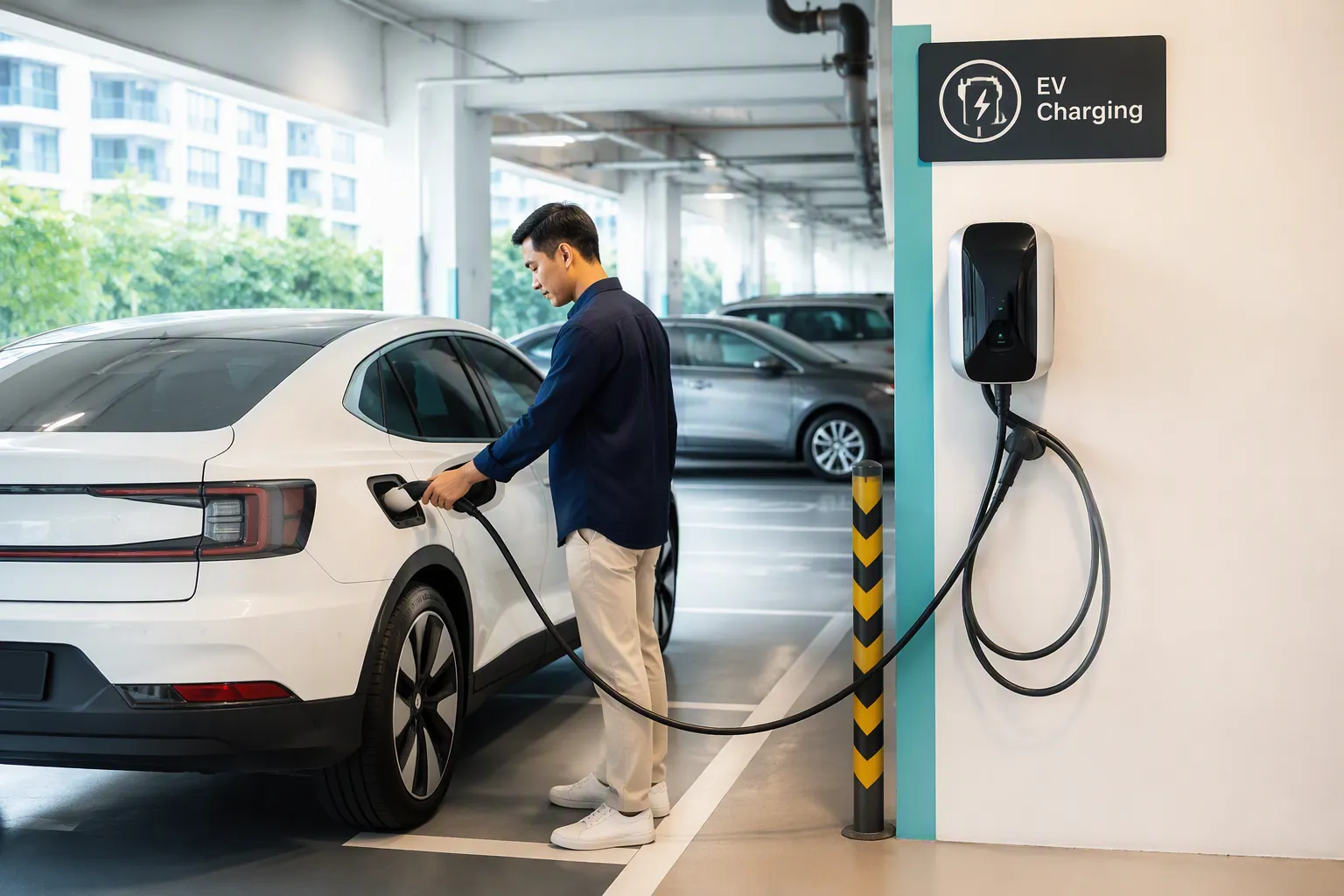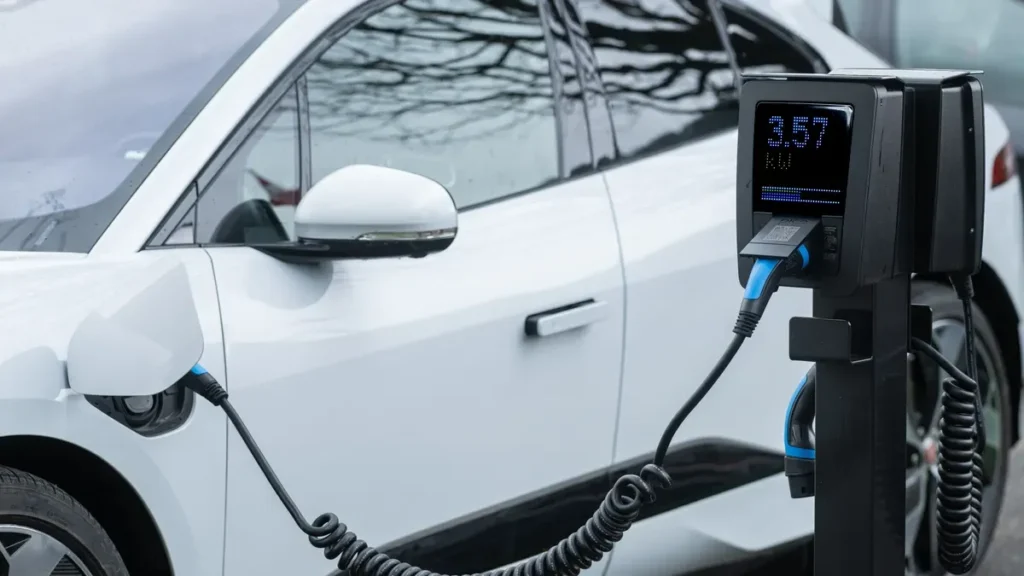
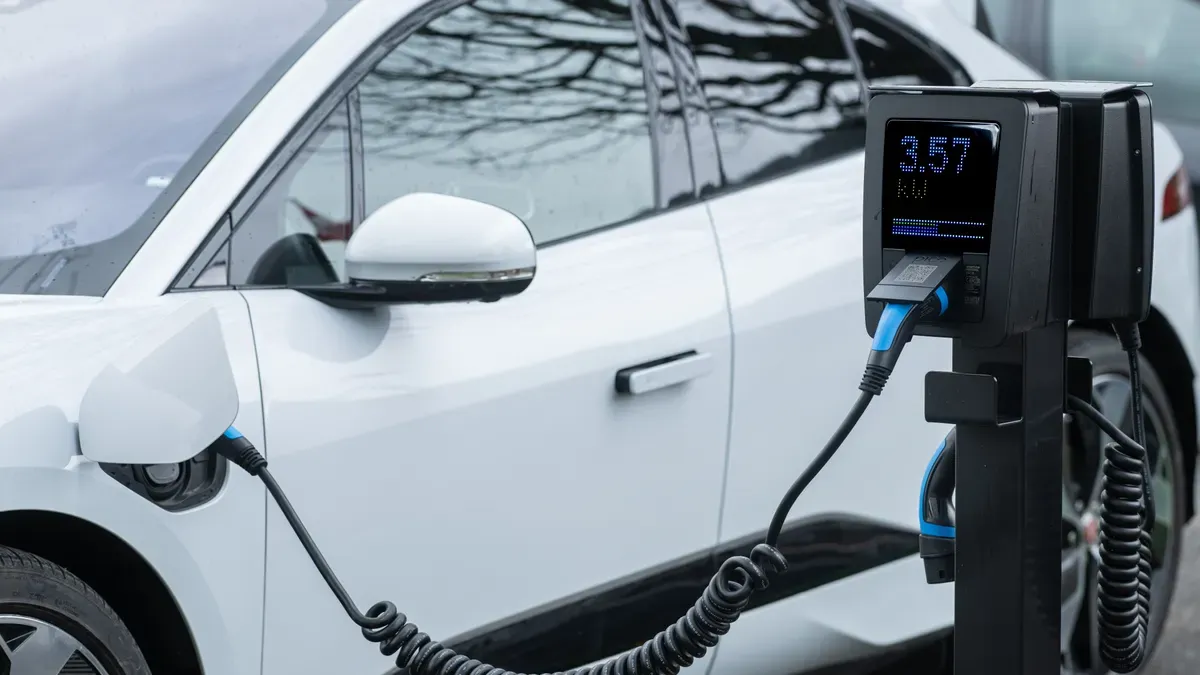
Most drivers benefit from a 7kW charger because it delivers faster charging and greater flexibility. A home charger with higher power supports efficient charging for a wide range of electric vehicles. Produsen pengisi daya EV recommend a 7kW charger to handle future upgrades and larger battery capacities. Home Pengisi daya listrik installations provide convenience, and Solusi pengisian daya kendaraan listrik continue to improve. Pengisi daya listrik portabel offer alternatives, but a fixed 7kW charger remains the preferred choice for everyday use.
Tip: Drivers with low daily mileage or homes with electrical limitations may find a 3kW charger suitable.
Home Charger Charging Speed Comparison
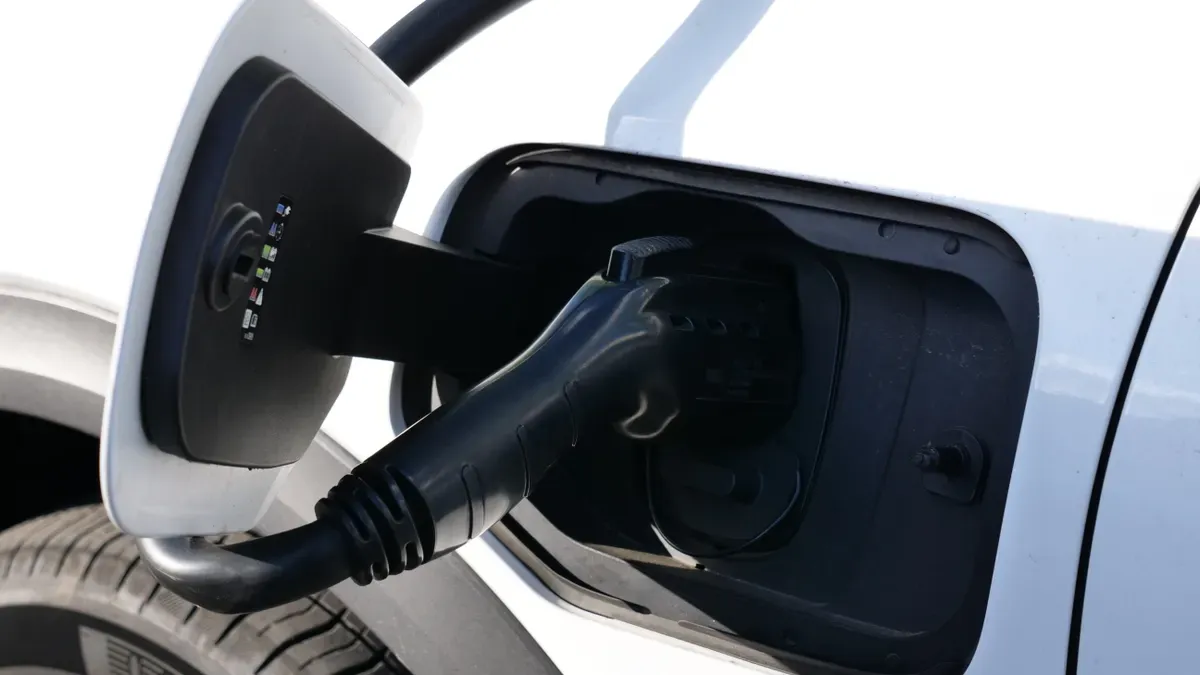
Perbedaan Kecepatan Pengisian Daya
3kW Charging Speed
A 3kW charger delivers a slow but steady charge. Most electric vehicles with a 60kWh battery require about 18 to 20 hours to reach a full charge using this power level. Drivers can expect to add roughly 10 to 15 miles of range per hour. This charging speed works best for those who drive short distances each day or have plenty of time to recharge their vehicle.
7kW Charging Speed
A 7kW charger provides a significant improvement in charging time. With this option, a 60kWh battery reaches full charge in approximately 6 to 8 hours. Drivers gain about 25 to 30 miles of range per hour. Many consider the 7kW charger the gold standard for home use. It supports overnight charging and fits the needs of most electric vehicle owners. The faster charging speeds offer greater flexibility for busy households.
Skenario Pengisian Daya Dunia Nyata
Pengisian Semalaman
Most electric vehicle owners prefer to charge their cars overnight. This routine allows the vehicle to recharge while the owner sleeps. A 7kW charger can fully replenish an average battery during this period, making it ideal for daily use. A 3kW charger may require more than one night to complete a full charge, which can be inconvenient for those with higher daily mileage. Many drivers also take advantage of off-peak energy tariffs during overnight charging, reducing electricity costs.
Quick Top-Ups
Quick top-ups during the day help drivers maintain a comfortable range. A 7kW charger enables faster top-ups, adding significant miles in a short period. For example, plugging in for just one hour can provide enough range for most daily commutes. A 3kW charger adds fewer miles per hour, so it may not meet the needs of those who require frequent, rapid charging. The table below compares common charging scenarios:
| Jenis Pengisi Daya | Keluaran Daya | Kecepatan Pengisian Daya | Terbaik untuk |
|---|---|---|---|
| Level 1 | 1.4kW-1.9kW | 3-5 miles/hour | Plug-in hybrids, short commutes |
| 3kW | 3kW | 10-15 miles/hour | Pengemudi dengan jarak tempuh rendah |
| Level 2 (7,4kW) | 7.4kW | 25 miles/hour | Average EVs, overnight charging |
| Level 2 (22kW) | 22kW | Varies by car | High-end residential, commercial |
Impact on Daily Life
Busy Schedules
A fast charging solution supports busy lifestyles. Many drivers rely on their vehicles for work, errands, and family activities. A 7kW charger reduces charging time, ensuring the car is ready whenever needed. This convenience allows drivers to fit charging into their routines without disruption. Home charging also lets owners take advantage of off-peak rates, saving money over time.
Occasional Use
Some drivers use their electric vehicles less frequently. For these individuals, a 3kW charger may suffice. Occasional users can plug in their cars for extended periods without worrying about charging speed. They benefit from a lower-cost installation and still enjoy the convenience of home charging. However, those who anticipate increased usage or plan to upgrade to a larger battery may prefer the flexibility of a level 2 charging station.
7kW Charger Compatibility with Vehicles and Homes
Kompatibilitas Kendaraan
EV Battery Size
Electric vehicles come with a wide range of battery sizes. Larger batteries require more energy to reach a full charge. A 7kW charger suits most modern EVs, including those with batteries above 60kWh. Owners of vehicles with smaller batteries, such as plug-in hybrids, may not need the extra power, but a higher-capacity charger ensures faster charging for all battery sizes. Drivers who plan to upgrade to a vehicle with a bigger battery will benefit from the flexibility a 7kW charger provides.
Onboard Charger Limits
Each electric vehicle has an onboard charger that determines the maximum charging speed. Some older models limit charging to 3kW, while newer vehicles accept up to 7kW or more. Owners should check their vehicle specifications to confirm compatibility. Most current EVs support 7kW charging, making this option suitable for a wide range of models.
Home Electrical Setup
Existing Wiring
Installers must assess the home’s wiring before fitting a 7kW charger. Most residential properties in the UK have a single-phase supply, which supports a 7kW charger. Electricians check the consumer unit to ensure it can handle the new load. If the wiring is outdated or lacks capacity, upgrades may be necessary. Proper assessment prevents electrical issues and ensures safe operation.
Batasan Pasokan Daya
The home’s power supply determines the maximum charger capacity. Single-phase supply handles up to 7kW, while three-phase supply supports faster chargers up to 22kW. If the current supply cannot support the new charger, installers may need to notify the Distribution Network Operator for possible upgrades. The table below summarizes typical supply types:
| Supply Type | Max Charger Capacity | Penggunaan Khas |
|---|---|---|
| Fase tunggal | 7kW | Sebagian besar rumah |
| Tiga fase | 22kW | Large homes, business |
Tip: Homeowners should consult a qualified electrician before installing a home ev charger to avoid unexpected costs.
Future-Proofing Your Home Charger
Meningkatkan Kendaraan
Future-proofing a home charger protects the homeowner’s investment. Selecting a charger with higher power capacity ensures compatibility with future electric vehicle technologies. Homeowners avoid replacing outdated equipment when upgrading their vehicles. This approach saves money and reduces hassle.
Planning for Multiple EVs
Many households plan to own more than one electric vehicle. A 7kW charger supports charging multiple cars, either sequentially or with smart features. Future-proofing enhances property value and appeal, making homes with EV chargers more attractive to buyers. It also supports renewable energy integration, allowing homeowners to charge vehicles with self-generated electricity.
Installation Requirements and Costs for Home Chargers
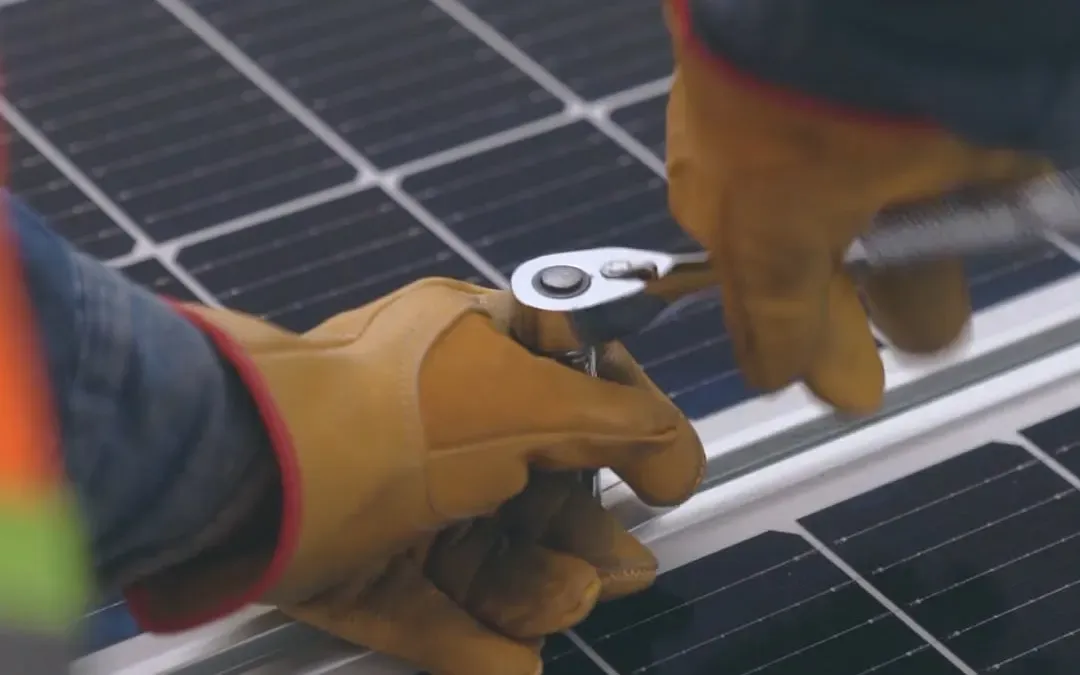
Proses Instalasi
3kW Charger Setup
A 3kw home socket charger uses a standard electrical outlet. Electricians can usually install this type of charger with minimal changes to the home’s wiring. The process involves mounting the charger, connecting it to the existing circuit, and testing for safety. Most homes already support this power level, so installation rarely requires major upgrades. Homeowners benefit from a straightforward setup and quick turnaround.
7kW Charger Setup
A 7kW charger installation requires more planning. Electricians must assess the home’s electrical system to ensure it can handle the higher power demand. The process includes mounting the charging unit, running dedicated wiring from the main panel, and installing a circuit breaker for added safety. Some homes may need upgrades to the consumer unit or main service panel. Installers also check for compliance with local codes and utility requirements.
Cost Breakdown
Biaya Peralatan
The price of a 3kW charger is generally lower than a 7kW model. Basic 3kW units cost less because they use simpler technology and require fewer materials. In contrast, 7kW chargers offer advanced features such as smart charging, app integration, and faster charging speeds. These features increase the upfront cost but provide greater long-term value.
Labor and Permits
Labor costs depend on the complexity of the installation. A 3kW charger often takes less time to install, which reduces labor fees. A 7kW charger may require more hours due to additional wiring and safety checks. Local permits and inspections add to the total cost, especially for higher-capacity chargers. Homeowners should budget for both labor and permit fees when planning a new charging station.
Peningkatan Potensial
Peningkatan Panel Listrik
Many homes with older or smaller electrical panels need upgrades before installing a 7kW charger. Electricians often recommend a 200-amp service panel if the current panel is only 100 amps or nearly full. Upgrading the electrical system prevents circuit overloads, tripped breakers, and potential electrical fires. EV chargers draw more power than most household appliances, so a robust panel ensures safe and efficient charging.
Additional Costs
Additional expenses may include trenching for outdoor installations, upgrading wiring, or adding surge protection. Some homeowners choose to install weatherproof enclosures or smart monitoring systems. These extras improve safety and convenience but increase the overall investment. Planning for these costs helps avoid surprises during the charging station installation.
Note: Always consult a licensed electrician before starting any home charging project to ensure safety and compliance.
Is a 7kW Charger Worth the Extra Power?
Benefits of Faster Charging Speed
Kenyamanan
A 7kW charger offers significant convenience for electric vehicle owners. Drivers can charge their vehicles much faster than with a 3kw home socket or standard outlet. This faster charging speed allows them to fully recharge overnight, making their car ready for daily use. Many drivers appreciate the ability to quickly top up their battery before heading out, especially when schedules are tight. Charging at home is more cost-effective than using public rapid charging stations, particularly when taking advantage of off-peak electricity rates. The process is simple and reliable, which suits busy households.
- Convenient and cost-effective charging at home
- Faster charging time compared to standard outlets
- Ability to use off-peak electricity tariffs for savings
- Reduced battery strain compared to rapid charging
Fleksibilitas
The flexibility provided by a 7kw charger supports a wide range of charging needs. Drivers can charge different types of electric vehicles, including those with larger batteries. The charger adapts to changing routines, such as unexpected trips or increased daily mileage. Owners who plan to upgrade their vehicle or add another EV to the household benefit from the higher capacity. TPSON, a technologically advanced electric vehicle charging solution provider, designs home chargers to meet evolving demands. The flexibility ensures that the charging solution remains relevant as technology advances.
Note: A 7kw charger is gentle on the battery, which helps extend battery lifespan and maintain performance.
Downsides of Higher Power
Increased Costs
Premium home chargers with higher power output often cost more than basic models. The advanced features and faster charging speeds increase the upfront price. Installation may require additional hardware, such as dedicated wiring or upgraded electrical panels. These hidden costs can surprise homeowners who expect a simple setup. Although most residential properties can accommodate a 7kw charger without major modifications, some homes need electrical upgrades. The installation process is usually straightforward, which helps reduce labor costs and materials needed. Efficient charging practices and off-peak tariffs can lead to long-term savings, but the initial investment remains higher.
Home Limitations
Some homes face limitations when installing a high-power charger. Older properties may lack the necessary wiring or electrical capacity. Advanced features can complicate the user experience, making the system less straightforward than a basic 3kw home socket. For households with light usage, a 7kw charger may be excessive. The complexity and cost of installation may outweigh the benefits for drivers who do not require daily charging. Homeowners should consult a qualified electrician to assess their electrical setup before choosing a charger.
- Higher cost for premium models and advanced features
- Increased complexity in installation and operation
- Hidden costs for hardware and electrical upgrades
- Overkill for drivers with low daily mileage
When a 3kW Home Charger Makes Sense
Pengemudi dengan Jarak Tempuh Rendah
A 3kw home socket suits drivers with low daily mileage. These individuals do not need rapid charging speeds, as their vehicles can recharge over extended periods. The slower charging time is not a concern when the car remains parked for long hours. The lower cost and simple installation make this option attractive for occasional users. They avoid paying for unnecessary features and enjoy reliable charging at home.
Older Homes
Older homes often have limited electrical capacity. Installing a high-power charger may require significant upgrades, which increases costs and complexity. A 3kw home socket fits the existing wiring and consumer unit, reducing the need for modifications. Homeowners benefit from a straightforward setup and minimal disruption. The charger provides enough power for plug-in hybrids and electric vehicles with smaller batteries. For these properties, a basic home ev charger delivers practical and affordable charging.
Tip: Drivers should evaluate their daily mileage, vehicle type, and home electrical setup before selecting a charger. TPSON offers solutions for both high-power and basic charging needs.
Choosing the Right Home Charger for Your Needs
Kebiasaan Mengemudi Harian
Short Commutes
Drivers with short daily commutes often find that a lower-powered home charger meets their needs. These individuals typically travel fewer miles each day, so their vehicles require less energy to replenish the battery. A 3kW charger can restore the range used during a short commute overnight. This solution works well for those who leave their car parked for extended periods, such as overnight or during work hours. The slower charging speed does not impact convenience for these users.
Long Distance Travel
Long-distance travelers have different requirements. They need a home charger that can quickly restore a large amount of range, especially after returning from extended trips. A 7kW charger provides faster charging, ensuring the vehicle is ready for the next journey. For long trips, drivers often rely on rapid chargers found at motorway services and major roads. These DC fast chargers deliver between 50 kW and 350 kW, allowing an electric vehicle to reach 80% capacity in under 30 minutes. However, at home, a 7kW charger offers the best balance between speed and practicality for regular overnight charging.
- DC fast chargers deliver 50 kW hingga 350 kW untuk isi ulang cepat.
- Rapid chargers at major roads can charge an EV to 80% in 30 to 60 minutes.
Jenis Kendaraan
Plug-in Hybrids
Plug-in hybrid vehicles (PHEVs) have smaller batteries compared to full electric vehicles. Most PHEVs accept a maximum charging rate of 3.7 kW. Owners of these vehicles do not benefit from a higher-powered home charger, as the onboard system limits the charging speed. Regular charging remains important for PHEVs to maximize electric-only driving and reduce fuel consumption.
| Jenis Kendaraan | Maximum Charge Capacity |
|---|---|
| Plug-in Hybrid (PHEV) | 3,7 kW |
| Full Electric Vehicle (EV) | 7.4 kW and more |
Full Electric Vehicles
Full electric vehicles (EVs) support higher charging rates, often up to 7.4 kW or more. These vehicles benefit from a 7kW home charger, which reduces the time needed to reach a full charge. The connector type also affects compatibility and charging speed. The table below summarizes common connector types and their charging rates:
| Jenis Konektor | Tingkat Pengisian Daya | Deskripsi |
|---|---|---|
| Tipe 1 | 3kW to 7kW | Common in older cars and some Asian EVs. |
| Tipe 2 | 3kW to 43kW | Most common in UK EVs, also known as Mennekes. |
| CHAdeMO | 25kW to 100kW | Used for rapid charging, developed by Japanese. |
| CCS | 50kW hingga 350kW | Another rapid charging connector, developed by Germans. |
Home Setup
Apartment Living
Apartment residents face unique challenges when installing a home charger. The property layout, shared electrical infrastructure, and limited parking spaces can restrict installation options. Many apartments do not allow for significant electrical upgrades, which may limit the choice to lower-powered chargers. Residents should consult building management and electricians to determine what is possible within their building.
Detached Homes
Detached homes offer greater flexibility for home charger installation. Owners can often upgrade their electrical supply and choose the ideal location for the charging unit. However, some properties may require trenching for cable routes, which increases installation costs. The availability of private parking and control over the electrical system makes it easier to install a 7kW charger, providing faster and more convenient charging for all vehicle types.
Note: The type of home setup, existing electrical supply, and parking availability all play a crucial role in determining the best home charging solution.
Pertimbangan Anggaran
Biaya di Muka
When selecting a home EV charger, upfront costs play a significant role in the decision-making process. Buyers often compare the initial price of the charger and the installation expenses. A 3kW charger usually appeals to budget-conscious drivers. This option features a lower purchase price and often includes installation in the total cost. In contrast, a 7kW charger requires a higher investment. Installers may charge extra for labor, wiring, and any necessary upgrades to the electrical system.
The table below outlines typical costs for each charger type:
| Jenis Pengisi Daya | Upfront Cost (Approx.) | Installation Cost (Approx.) |
|---|---|---|
| 3kW Charger | £160–£300 | Included in upfront cost |
| Pengisi Daya 7kW | £700–£1,500+ | Additional cost |
A 3kW charger suits those with limited budgets or minimal charging needs. The lower price makes it accessible for drivers who do not require rapid charging. However, the 7kW charger’s higher cost reflects its advanced features and faster charging capability. Homeowners should consider both the purchase price and potential installation fees before making a decision.
Tip: Request a detailed quote from a certified installer to avoid unexpected expenses.
Long-Term Value
Upfront costs only tell part of the story. Long-term value often determines the true cost-effectiveness of a home charging solution. A 7kW charger delivers several advantages that can offset its higher initial price.
- A 7kW charger can fully charge most electric vehicles in 6 to 8 hours. This speed supports daily use and busy schedules.
- A 3kW charger may take over 12 hours to fully charge the same vehicle. This slower pace may not suit households with multiple drivers or larger batteries.
- The 7kW charger works well for families with more than one electric vehicle. Faster charging reduces the need for public charging stations, which can save money over time.
- Home charging at higher speeds can enhance battery efficiency and reduce wear from frequent rapid charging at public stations.
- Installing a home EV charger can increase property value. Many buyers look for homes with modern charging solutions.
- Reducing reliance on public charging also means fewer trips and less waiting, which adds convenience and potential cost savings.
A 3kW charger remains a practical choice for drivers with low daily mileage or plug-in hybrids. However, those who anticipate increased usage, vehicle upgrades, or multiple EVs in the household will find greater long-term value in a 7kW charger.
Note: Investing in a higher-capacity charger today can future-proof a home for tomorrow’s electric vehicles.
Key Takeaways and Home Charger Recommendation
Summary of Main Points
Charging Speed vs. Cost
Charging speed plays a crucial role in the daily experience of electric vehicle owners. Faster charging speeds allow drivers to recharge their vehicles overnight, ensuring they have enough range for work, errands, and family activities. This convenience supports busy lifestyles and reduces reliance on public charging stations. Home charging also offers a cost advantage. Drivers can benefit from lower energy tariffs and predictable billing, making home charging more economical than public alternatives. The 7kw vs. 3kw comparison highlights that while a 7kw charger requires a higher initial investment, it delivers greater flexibility and long-term value for most households.
Kompatibilitas
Compatibility remains essential when selecting a home charger. Vehicle battery size, onboard charger limits, and the home’s electrical setup all influence the best choice. Most modern electric vehicles support higher charging speeds, making a 7kw charger suitable for a wide range of models. However, plug-in hybrids and older EVs may not take full advantage of faster charging. Homeowners should also consider future needs, such as upgrading vehicles or adding a second EV. A home charger that matches both current and future requirements ensures a smooth transition as technology evolves.
Final Recommendation
Who Should Choose a 7kW Charger
A 7kw charger fits the needs of most electric vehicle owners. The following factors indicate when this option is the best choice:
- The charger’s power rating matches the vehicle’s onboard system.
- Installation considerations allow for dedicated wiring and panel upgrades.
- Vehicle compatibility supports higher charging speeds.
- Charging speed needs include frequent use or multiple drivers.
- Future-proofing options are important for planned vehicle upgrades or additional EVs.
A 7kw charger can charge an electric vehicle from empty to full in four to six hours, depending on battery size. This makes it ideal for overnight charging and for those who need to add 20–30 miles of range per hour. Households with busy schedules, larger batteries, or plans for multiple EVs will benefit most from this solution.
Who Should Choose a 3kW Charger
A 3kW home charger remains a practical choice for specific situations. Drivers with low daily mileage, plug-in hybrids, or older homes with limited electrical capacity may find this option sufficient. The lower upfront cost and simpler installation process appeal to those who do not require rapid charging. Occasional users or those with smaller batteries can rely on a 3kW charger for reliable, affordable charging at home.
Tip: Homeowners should assess their daily driving habits, vehicle type, and home electrical setup before making a final decision.
A 7kW home charger suits most drivers by providing fast charging, convenience, and future-proofing. Owners benefit from penghematan biaya, overnight charging, and enhanced long-term value:
- Cost savings through energy tariffs
- Convenient overnight charging
- Increased economic advantages
Some homeowners select a 3kW charger due to specific needs. The table below shows cost differences:
| Jenis Pengisi Daya | Kisaran Biaya |
|---|---|
| 3kW Charger | £160–£300 |
| Pengisi Daya 7kW | £700–£1,500+ |
Drivers should consider vehicle type, home setup, and daily charging habits before making a decision.
PERTANYAAN YANG SERING DIAJUKAN
What is the main difference between a 3kW and a 7kW home charger?
A 3kW charger provides slower charging, adding about 10–15 miles of range per hour. A 7kW charger delivers faster charging, adding 25–30 miles per hour. Most drivers prefer 7kW for convenience and flexibility.
Can every home support a 7kW charger?
Not every home supports a 7kW charger. Electricians must check the electrical panel and wiring. Older homes may require upgrades. Most modern homes with single-phase supply can handle a 7kW charger.
Will a 7kW charger work with all electric vehicles?
Most modern electric vehicles accept 7kW charging. Some older models or plug-in hybrids may have lower onboard charger limits. Owners should check their vehicle’s specifications before installation.
Does a 7kW charger increase electricity bills significantly?
A 7kW charger uses more power per hour, but total costs depend on driving habits and electricity rates. Charging overnight with off-peak tariffs helps manage costs. Efficient charging practices keep bills reasonable.
Is it safe to install a home EV charger myself?
Only licensed electricians should install home EV chargers. Professional installation ensures safety, compliance with regulations, and proper operation. DIY installation risks electrical hazards and voids warranties.
How long does it take to install a 7kW home charger?
Most 7kW charger installations take three to five hours. Complex setups or required electrical upgrades may extend the timeline. Installers assess the site before starting work.
Can I charge two electric vehicles at home with one charger?
Some 7kW chargers offer smart features for sequential charging of multiple vehicles. For simultaneous charging, homeowners may need additional chargers or a higher-capacity electrical supply.
Will installing a home charger increase property value?
Many buyers see home EV chargers as a valuable feature. A professionally installed 7kW charger can make a property more attractive and future-ready for electric vehicle ownership.