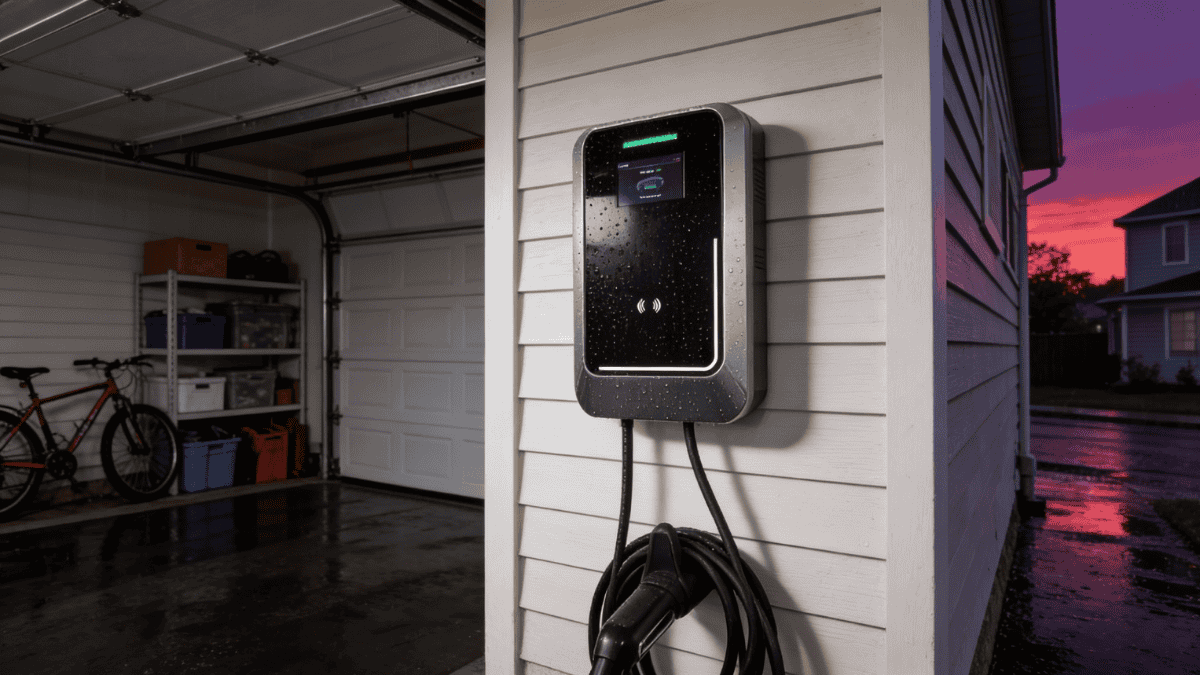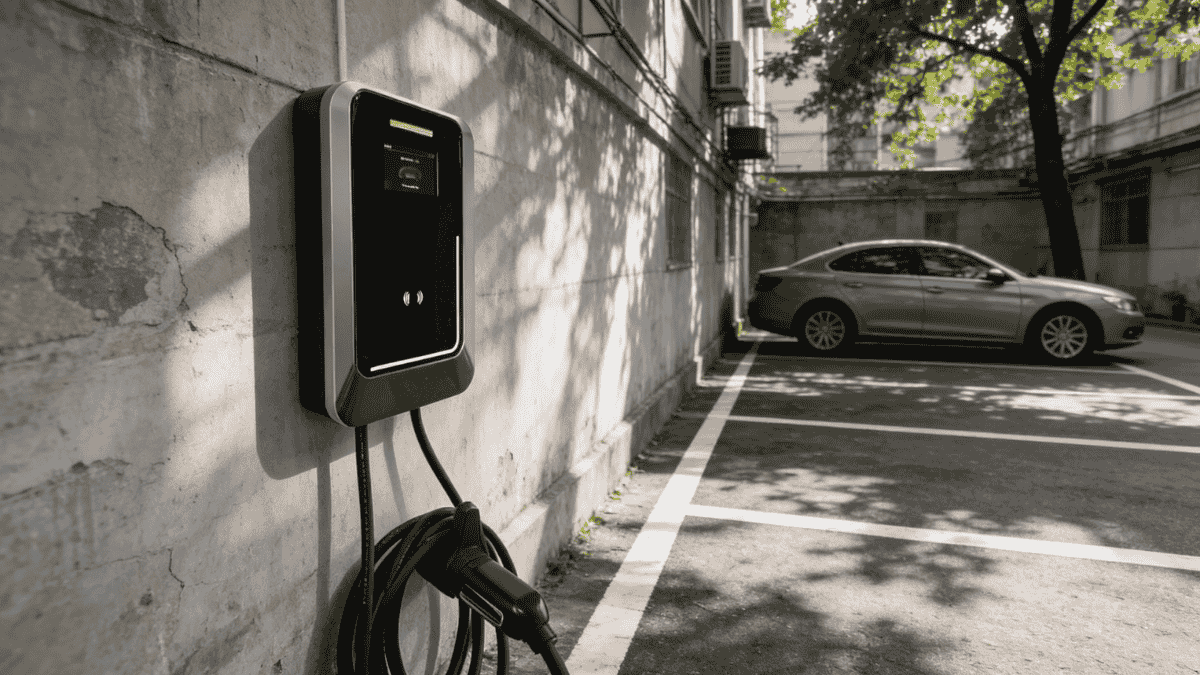
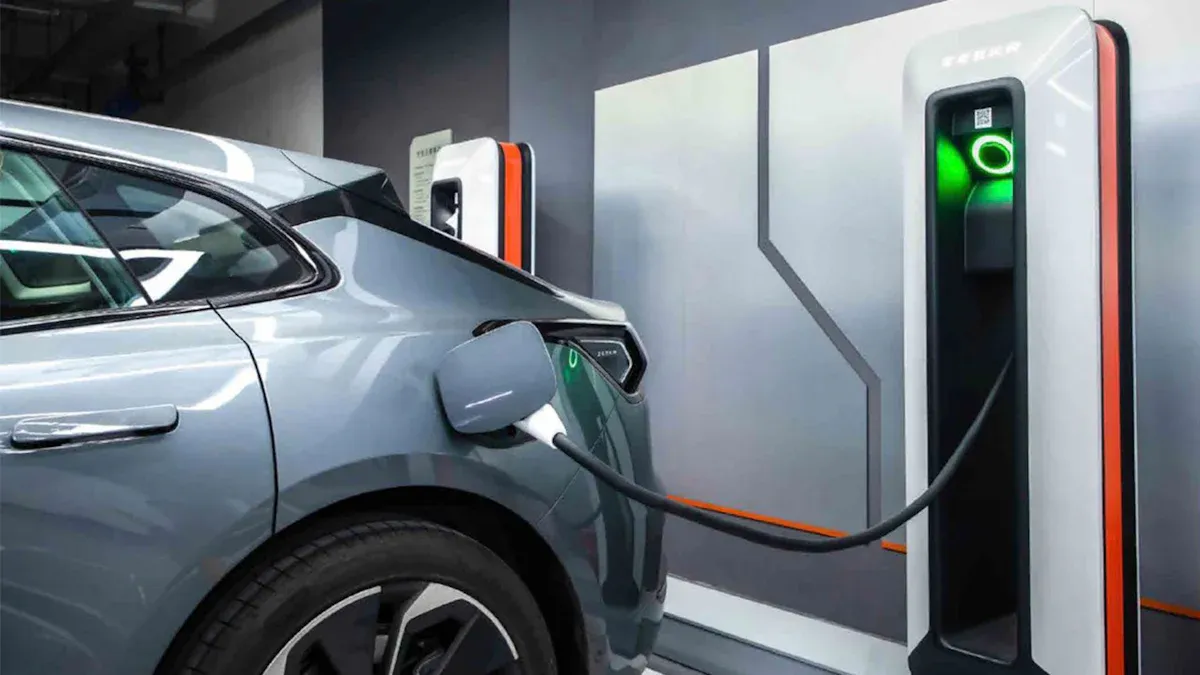
Choosing between tethered vs. untethered wall chargers depends on a driver’s focus—convenience, flexibility, security, or future-proofing. Tethered chargers provide a fixed cable for instant daily home charging, favored by those seeking simplicity and speed. Untethered chargers feature a removable cable, making them ideal for multiple electric vehicles and frequent upgrades. Produsen pengisi daya EV now offer both home Pengisi daya listrik types, with many Solusi pengisian daya kendaraan listrik supporting pengisi daya EV portabel. Selecting the right EV Charger ensures compatibility with current and future electric models.
Tethered vs. Untethered: What’s the Difference?
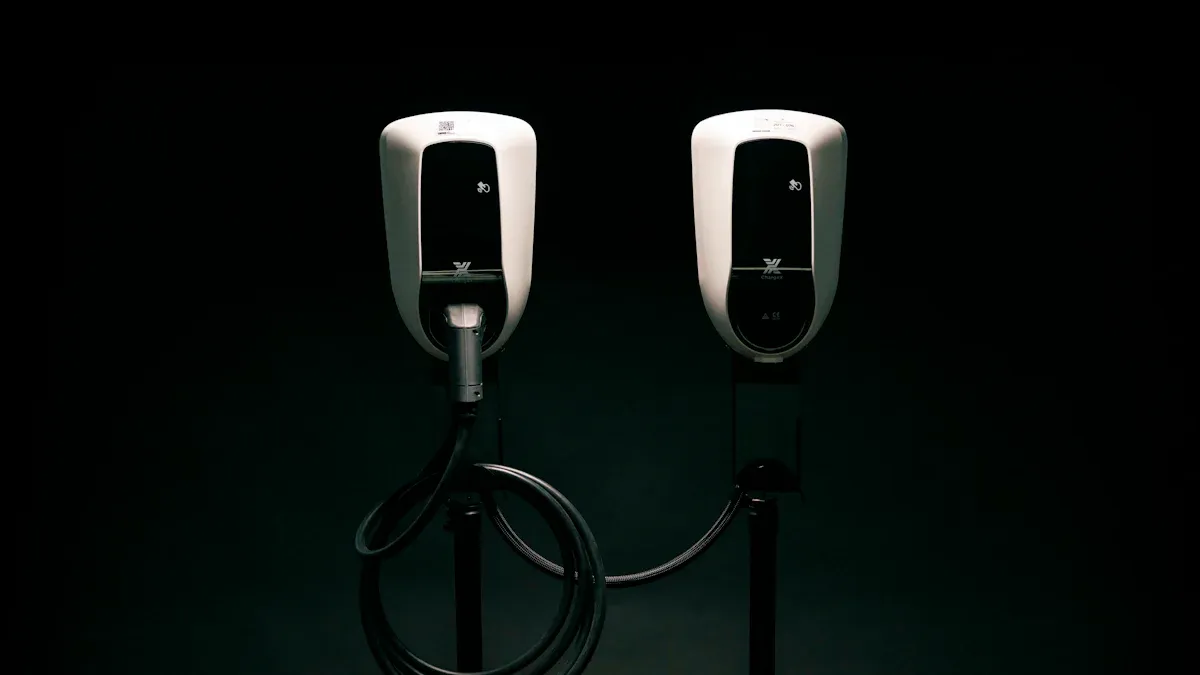
Tethered EV Charger Explained
How Tethered Chargers Work
A tethered charger features a permanently attached cable. The user simply parks the vehicle, grabs the cable, and plugs it into the car. This setup eliminates the need to search for a separate cable each time. The fixed cable ensures a consistent charging experience for the same vehicle every day. Many drivers appreciate the simplicity and speed of this system, especially when they return home after a long day.
Typical Features of Tethered Chargers
- Fixed cable that cannot be removed
- Designed for a specific connector type, usually Type 2 in Germany
- Immediate plug-and-go convenience
- Cable remains visible on the wall, which can create a busier appearance
- Suited for single-vehicle households or users who value speed
Untethered EV Charger Explained
How Untethered Chargers Work
An untethered charger uses a detachable cable. The user must connect their own cable to both the charger and the vehicle before charging. This approach allows for greater flexibility, as any compatible cable can be used. Owners of multiple electric vehicles with different connectors benefit from this system. The untethered design supports adaptability as charging standards evolve.
Typical Features of Untethered Chargers
| Fitur | Deskripsi |
|---|---|
| Compatibility and Future-Proofing | Untethered chargers allow for easy cable replacement as charging standards evolve, ensuring ongoing compatibility. |
| Estetika | They offer a minimalist look, resembling a simple wall socket when not in use. |
| Fleksibilitas | Untethered cables can be used at public charging stations, enhancing charging options for EV owners. |
Tethered vs. Untethered: Quick Comparison
The key differences between tethered and untethered chargers affect daily usability, compatibility, and appearance.
| Faktor | Pengisi Daya Tertambat | Pengisi Daya Tidak Terikat |
|---|---|---|
| Kenyamanan | Fastest plug-and-go experience; no need to fetch or store a cable | Requires retrieving and connecting cable each time |
| Kompatibilitas kendaraan | Fixed cable (usually Type 2); may limit flexibility if connector standards change | Maximum flexibility; compatible with any vehicle using appropriate cable |
| Appearance and tidiness | Cable visible on wall; may look busier | Cleaner wall appearance with no permanent cable |
Note: Untethered chargers allow users to charge multiple vehicles without the limitation of a fixed cable. They also provide maximum compatibility with various car models using different cables. Users can store the cable in their vehicle, keeping the charging area tidy.
The tethered vs. untethered debate centers on these key differences. Tethered chargers suit drivers who want the fastest and simplest charging routine. Untethered chargers appeal to those who prioritize flexibility, future-proofing, and a clean look.
Pros and Cons of Tethered EV Charger
Advantages of Tethered
Convenience and Speed
German EV owners often highlight the plug-and-go convenience of a tethered charger. The charger comes with a fixed cable, allowing drivers to park and start charging immediately. This setup eliminates the need to retrieve a cable from the vehicle, saving time and effort. Many users appreciate the plug-and-play simplicity, especially after a long day. TPSON, a technologically advanced electric vehicle charging solution provider, offers tethered EV charger models that maximize daily efficiency. The benefits of this system become clear for those who value a fast and reliable charging routine.
Kemudahan Penggunaan
The ease of use stands out as a major advantage. Drivers do not need to handle multiple cables or worry about compatibility each time they charge. The tethered charger provides a consistent experience, making it ideal for single-vehicle households. The fixed cable ensures that charging remains straightforward, reducing confusion for new EV owners. This advantage appeals to those who prefer a hassle-free approach to home charging.
Streamlined Appearance
A tethered charger can create a streamlined appearance in the charging area. The cable remains attached to the wall unit, reducing clutter and keeping the space organized. The following table shows how a tethered charger compares to other options in terms of appearance:
| Jenis Pengisi Daya | Appearance | Cable Storage |
|---|---|---|
| Pengisi Daya Tertambat | Organized, visible | Fixed on wall |
| Pengisi Daya Tidak Terikat | Minimalist, hidden | Removable, stored |
Tip: Drivers who want a tidy charging station often choose a tethered charger for its organized look.
Disadvantages of Tethered
Limited Flexibility
The disadvantages of a tethered charger include limited flexibility. The fixed cable restricts parking angles and may not reach every vehicle’s charging port. This limitation can frustrate drivers who own multiple EVs or frequently change vehicles.
Compatibility Concerns
Some users report compatibility concerns with tethered chargers. The fixed cable usually supports one connector type, such as Type 2. If a driver upgrades to a new EV with a different connector, the charger may require costly modifications.
Security and Theft Risks
Security and theft risks represent another set of disadvantages. The visible cable can attract unwanted attention, increasing the risk of tampering or theft. Maintenance requirements also rise, as damaged cables may lead to expensive repairs or replacements.
- Limited flexibility due to the fixed cable, making it difficult to park at various angles.
- The length of the tether can be restrictive, potentially making it hard to reach the vehicle’s charging port.
- Increased maintenance requirements, as damaged cables may lead to costly repairs or replacements.
Note: Drivers should consider these disadvantages before choosing a tethered EV charger for their home.
Pros and Cons of Untethered EV Charger
Advantages of Untethered
Flexibility for Multiple EVs
Untethered chargers provide unmatched flexibility for households with several electric vehicles. Owners can charge any EV, regardless of make or model, because the charger uses a universal socket. This feature allows families to accommodate different car brands and connector types without restrictions. Users often appreciate the ability to swap cables, which supports both current and future vehicles. The untethered charger adapts to evolving charging standards, making it a practical choice for those who frequently upgrade their cars.
- Owners can charge multiple EVs with one charger.
- The universal socket supports various cable types.
- Users can purchase cables separately, which may reduce costs.
Future-Proofing and Adaptability
An untethered charger offers significant advantages in future-proofing. As electric vehicle technology advances, connector standards may change. The untethered design allows users to replace cables easily, ensuring compatibility with new EVs. This adaptability protects the investment and prevents obsolescence. Drivers who plan to upgrade their vehicles or add new models to their household benefit from this feature. The charger remains relevant, even as the market evolves.
Tip: Households with frequent EV upgrades or multiple car brands should consider an untethered charger for maximum adaptability.
Enhanced Security Options
Security remains a concern for many EV owners. Untethered chargers address this issue by allowing users to store cables inside their vehicles or homes. This practice reduces the risk of cable theft and tampering, which often affects tethered chargers. Owners can secure their charging equipment when not in use, providing peace of mind. The charger’s minimalist design also attracts less attention, further enhancing security.
| Fitur Keamanan | Pengisi Daya Tidak Terikat | Pengisi Daya Tertambat |
|---|---|---|
| Cable Storage | Removable, secure | Fixed, exposed |
| Theft Risk | Lebih rendah | Lebih tinggi |
| Tampering Protection | Ditingkatkan | Terbatas |
Disadvantages of Untethered
Extra Steps for Charging
Untethered chargers require users to retrieve and connect a cable each time they charge. This process adds extra steps compared to the plug-and-go routine of tethered chargers. Some drivers may find this less convenient, especially after a long day. The need to handle cables can reduce ease of use for those who prefer a simple charging experience.
Risk of Misplacing Cables
Owners must manage their charging cables, which introduces the risk of misplacing or forgetting them. If a cable is left in the vehicle or lost, charging becomes impossible until a replacement is found. This drawback can frustrate users who value reliability and routine.
Note: Drivers should establish a consistent storage habit to avoid misplacing cables.
Pertimbangan Estetika
Untethered chargers offer a cleaner look when not in use, but the absence of a fixed cable may create a less organized charging area. Some users prefer the streamlined appearance of tethered chargers, which keep cables visible and ready. The untethered charger’s minimalist design appeals to those who value aesthetics, but others may find the lack of visible cables less practical.
| Jenis Pengisi Daya | Appearance | Cable Storage |
|---|---|---|
| Pengisi Daya Tidak Terikat | Minimalist, clean | Removable, stored |
| Pengisi Daya Tertambat | Organized, visible | Fixed on wall |
The untethered EV charger delivers flexibility, adaptability, and enhanced security. However, users must consider the extra steps, risk of misplacing cables, and aesthetic preferences. These drawbacks may influence the decision for households seeking ease of use and reliability.
Key Factors When Choosing Tethered vs. Untethered
Cost Comparison: Tethered vs. Untethered
Purchase Price Differences
Buyers often compare the initial price when selecting a home EV charger. A tethered charger usually comes with a fixed cable included in the package. This setup can make the upfront cost slightly higher, as the cable is part of the unit and designed for long-term use. In contrast, an untethered charger requires a separate purchase of the charging cable. While the base price of the untethered charger may appear lower, the total cost increases once the cable is added. Some drivers find the untethered option more cost-effective if they already own a compatible cable from a previous vehicle.
Tip: When evaluating the cost of a cost-effective EV charger, always factor in the price of the cable and any future replacements.
Installation and Maintenance Costs
Installation plays a significant role in the overall investment. Both tethered and untethered chargers require instalasi profesional to ensure safety and compliance with German regulations. The process for a tethered charger is straightforward, as the cable is already integrated. Untethered chargers may require extra steps to ensure connector compatibility and proper cable management. Maintenance costs also differ. A tethered charger may need cable replacement if the fixed cable wears out, which can be expensive. Untethered chargers allow users to replace only the cable, often at a lower cost, which improves long-term quality and reliability.
- Tethered charger: Higher initial installation cost due to integrated cable.
- Untethered charger: Flexible installation, but may require additional accessories for cable management.
- Both types: Professional installation ensures quality and safety.
Compatibility with Current and Future EVs
Tethered Compatibility
A tethered charger typically supports one connector type, most commonly Type 2 in Germany. This design ensures high quality and reliability for daily charging. However, if a driver switches to a vehicle with a different connector, the tethered charger may not offer the necessary compatibility. Upgrading or modifying the charger can become costly and inconvenient. For single-vehicle households with stable needs, a tethered charger delivers consistent performance and quality.
Untethered Compatibility
An untethered charger excels in connector compatibility. Users can swap cables to match any EV, making it ideal for families with multiple vehicles or those who frequently upgrade. This flexibility ensures the charger remains a valuable investment as charging standards evolve. The untethered charger adapts to new models, protecting the owner’s investment and maintaining high quality over time. This adaptability supports future-proofing and enhances the overall quality of the charging setup.
Note: Untethered chargers provide the best solution for drivers who value long-term compatibility and adaptability.
Security and Theft Protection
Tethered Cable Risks
Security and reliability remain top concerns for EV owners. A tethered charger features a permanently fixed cable, which makes theft more difficult. The cable’s secure attachment to the unit increases the quality of protection. However, the visible cable can attract unwanted attention, especially in public or shared spaces. Theft and vandalism cost the industry significant amounts each year, with equipment replacement and repairs exceeding £500,000. While tethered chargers are considered more thief-proof, owners should still consider additional security measures for maximum reliability.
Untethered Security Solutions
An untethered charger requires users to manage and store the cable after each use. This practice reduces the risk of theft, as the cable is not left exposed. Some untethered chargers offer advanced security features, such as security tagging and microdot labeling, which help deter theft and assist in recovering stolen items. Charging hubs often use CCTV and tannoy systems to monitor activity and warn potential criminals. These measures enhance the security and reliability of untethered chargers, making them a strong choice for owners who prioritize quality and protection.
| Jenis Pengisi Daya | Security Feature Description |
|---|---|
| Ditambatkan | Tethered chargers have a permanently fixed cable, making it difficult for thieves to steal the charging cable. |
| Tidak terikat | Untethered chargers can use security tagging and microdot labeling to deter theft and assist in recovering stolen items. |
| Ditambatkan | Tethered cables are considered ‘thief-proof’ to a higher degree compared to untethered cables. |
| Tidak terikat | Users must remove and store the cable after use, which reduces the risk of theft. |
| Charging Hubs | Equipped with CCTV and tannoy systems to deter criminal activity and alert police to incidents. |
- Tethered chargers offer strong physical security due to fixed cables.
- Untethered chargers rely on user habits and advanced features for theft prevention.
- Charging hubs use technology to enhance security and reliability for all users.
The tethered vs. untethered debate often centers on these key factors: cost, compatibility, and security. Each charger type offers unique advantages in quality, investment value, and protection. Buyers should assess their own needs for charging, vehicle upgrades, and security and reliability before making a decision.
Installation and Space Needs
Home vs. Apartment Charging
German EV owners face unique challenges when planning charger installation in homes and apartments. Homeowners often enjoy greater freedom to select the ideal location for their charging equipment. They can install a charger in a garage or driveway, ensuring easy access and secure storage. Apartment dwellers must navigate shared spaces and building regulations. They may need approval from property management or homeowners’ associations before installation. Space constraints in apartment parking areas can limit charger placement and cable length.
- Homeowners benefit from flexible installation options and private charging spaces.
- Apartment residents must consider shared access, limited space, and regulatory requirements.
Tip: Residents should consult building management early in the process to streamline installation and avoid delays.
Indoor vs. Outdoor Setup
The choice between indoor and outdoor charger installation depends on the property layout and weather conditions. Indoor setups, such as garages, protect charging equipment from harsh weather and vandalism. They also simplify cable management and enhance security. Outdoor installations require weatherproof chargers and durable cables. Owners must ensure compatibility with local climate and safety standards. Outdoor setups often demand longer cables to reach vehicles parked in driveways or communal lots.
| Setup Location | Keuntungan | Pertimbangan |
|---|---|---|
| Dalam ruangan | Enhanced security, cable protection | Terbatas oleh ruang garasi |
| Di luar ruangan | Aksesibilitas yang lebih baik | Requires weatherproof charger and cable |
Note: Owners should select a charger with the right cable length and weather resistance for their installation environment.
Flexibility and Future-Proofing
Changing EVs or Upgrading Chargers
EV technology evolves rapidly, and owners frequently upgrade vehicles or change brands. Charger flexibility and compatibility play a crucial role in future-proofing the charging setup. Untethered chargers allow users to swap cables for different connector types, supporting new EV models. Tethered chargers offer less adaptability, but some models permit cable replacement if damaged or outdated. Both charger types support changing cable length to accommodate new parking arrangements.
The following table highlights how charger flexibility supports future-proofing:
| Manfaat | Penjelasan |
|---|---|
| Change cable length | Owners can upgrade to longer cables as parking needs change. |
| Swap connector type | Users adapt to different EV models by switching cables. |
| Replace damaged cable | Easy cable replacement extends charger lifespan without full replacement. |
- Untethered chargers provide maximum compatibility for households with multiple EVs or frequent upgrades.
- Tethered chargers offer reliable charging for stable vehicle needs but may require professional installation for cable changes.
Callout: Owners who anticipate changing vehicles or expanding their EV fleet should prioritize charger flexibility and compatibility to protect their investment.
Cost and Security: Tethered vs. Untethered
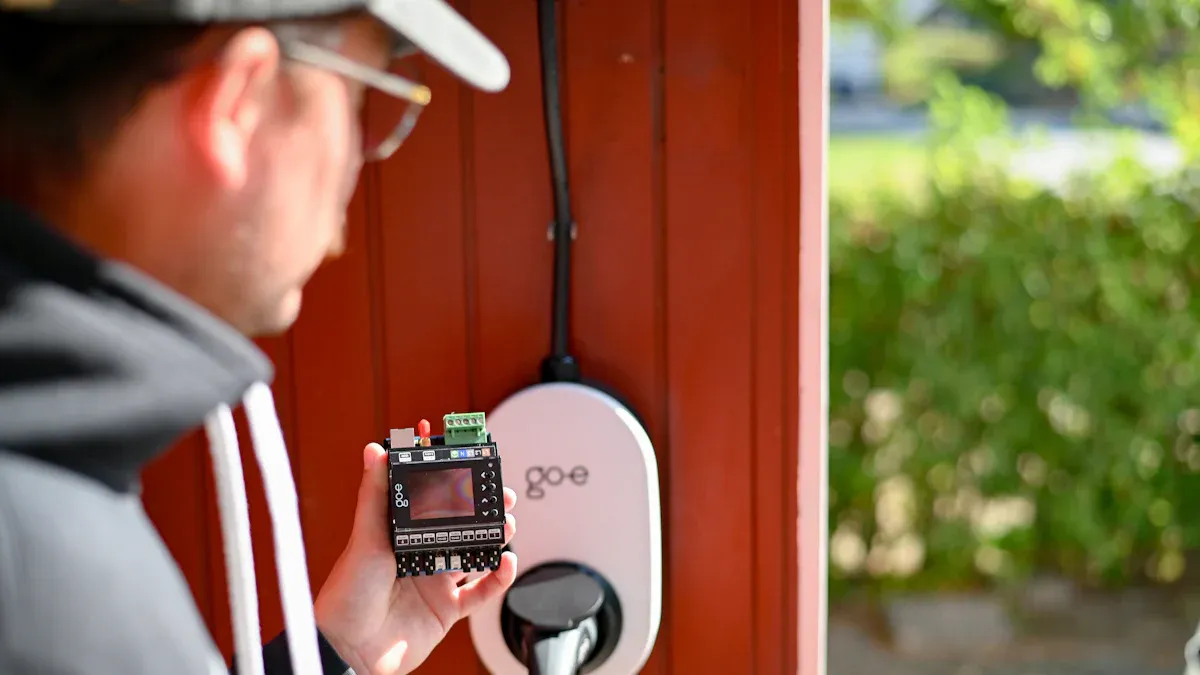
Tethered EV Charger Costs and Security
Upfront and Long-Term Expenses
A tethered ev charger usually includes the cable in the purchase price. This design simplifies the buying process, as owners do not need to source a separate cable. The initial investment may be higher compared to some untethered options, but the integrated system often provides a seamless installation. Over time, the fixed cable can wear out, especially with frequent use. Replacing a damaged cable on a tethered unit may require professional service, which increases maintenance costs. Owners should consider the long-term expenses associated with cable replacement and potential repairs.
Cable Theft and Tampering Risks
Tethered chargers present unique security challenges. The permanently attached cable remains visible and accessible, which can attract unwanted attention. Reports from 2021 and 2022 show that thieves have targeted cables costing over £200, especially at public charging stations. Organized groups often focus on these locations, seeking valuable copper and resale opportunities. Insurers in Germany recognize cable theft as a growing crime, which may lead to higher insurance premiums for affected owners. Although official statistics remain limited, the risk of tampering and theft continues to rise. Owners should evaluate the security of their installation site and consider additional protective measures.
Tip: Installing a tethered charger in a secure, well-lit area can help deter theft and reduce tampering incidents.
Untethered EV Charger Costs and Security
Upfront and Long-Term Expenses
An untethered ev charger offers a different cost structure. The base unit typically costs less than a tethered model, but owners must purchase a compatible cable separately. This approach allows flexibility, as users can select the cable length and type that best fits their needs. Over time, replacing a worn or damaged cable proves more affordable, since the charger itself remains unaffected. Households with multiple electric vehicles benefit from this adaptability, as they can swap cables for different models without investing in a new charger.
Cable Management and Theft Prevention
Untethered chargers require careful cable management to maximize security. Owners can remove the cable after charging and store it safely, reducing the risk of theft. Several effective strategies help prevent tampering and loss:
- Use cable locks or anchoring methods to secure the cable during charging.
- Install a cable protector to reinforce the cable and deter cutting.
- Park in well-lit areas and consider using cameras for added monitoring.
- Store the cable inside the vehicle or home when not in use.
These practices make it harder for thieves to target untethered charging equipment. Improved visibility and secure storage play a key role in protecting valuable cables. Owners who prioritize security often prefer the untethered design for its flexible and proactive theft prevention options.
| Jenis Pengisi Daya | Biaya Awal | Cable Replacement | Theft Risk | Security Options |
|---|---|---|---|---|
| Ditambatkan | Lebih tinggi | Professional | Lebih tinggi | Fixed cable, visible |
| Tidak terikat | Lebih rendah | User-replaceable | Lebih rendah | Removable, lockable |
Note: Regularly updating security measures and monitoring the charging area can further reduce risks for both charger types.
Common Scenarios: Tethered or Untethered?
Single EV Households
Best Choice and Why
Single EV households often prioritize simplicity and reliability. A tethered charger suits these owners well. The built-in cable allows for quick charging after parking. Drivers avoid searching for a separate cable. The fixed design ensures consistent performance for one vehicle. Many users appreciate the streamlined process. They park, plug in, and start charging without extra steps. Tethered chargers also reduce confusion for new EV owners. The system remains straightforward and easy to manage. Owners rarely face compatibility issues when using the same EV daily. Security concerns may arise if the cable stays exposed, but installing the charger in a secure location addresses most risks.
Tip: Single EV households benefit from a tethered charger due to its convenience and minimal maintenance.
Multiple EV Households
Best Choice and Why
Families or groups with several EVs require flexibility. An untethered charger offers the best solution. The universal socket supports different cable types. Owners can charge various EVs without restrictions. Swapping cables allows for compatibility with multiple brands and models. This adaptability proves valuable as new vehicles enter the household. Untethered chargers also support future upgrades. Drivers avoid costly modifications when changing EVs. The system remains relevant as charging standards evolve. Managing cables requires discipline, but the benefits outweigh the inconvenience. Households with frequent vehicle changes or multiple drivers find untethered chargers practical.
- Untethered chargers accommodate several EVs.
- Owners can replace cables as needed.
- The system adapts to new charging requirements.
Penghuni Apartemen
Best Choice and Why
Apartment dwellers face unique challenges when installing a charger. Space constraints and building regulations influence their decision. Untethered chargers often provide a neater appearance. Residents can remove the cable at the end of their tenancy. This feature simplifies relocation and reduces clutter. Tethered chargers offer convenience with a built-in cable, but moving becomes harder when relocating. The following table summarizes the main considerations:
| Jenis Pengisi Daya | Keuntungan | Kekurangan |
|---|---|---|
| Ditambatkan | Built-in cable for convenience | Harder to move when relocating |
| Tidak terikat | Neater appearance, easier to remove at end of tenancy | Requires a separate cable for use |
Apartment residents should consult property management before installation. They must consider shared access and limited space. Untethered chargers suit renters who value flexibility and easy removal. Tethered chargers fit owners seeking daily convenience. Both options require careful planning to ensure compliance and security.
Note: Apartment dwellers often select untethered chargers for their adaptability and ease of removal.
Frequent EV Upgraders
Best Choice and Why
Frequent EV upgraders often seek a solution that adapts as their vehicle lineup changes. An untethered charger stands out as the most practical option for these drivers. This type of charger supports a wide range of vehicles, making it ideal for those who switch between different EV models or brands. The ability to change cables without replacing the entire unit saves both time and money.
Owners who upgrade their EVs regularly benefit from several key features:
- They can easily switch cables to match new vehicles with different connector types.
- The charger minimizes waste, as only the cable needs replacement during an upgrade.
- The installation remains neat, with no dangling cables to create clutter.
- Untethered chargers often include advanced features such as app control, load balancing, and scheduling. These tools help maximize charging efficiency and reduce energy costs.
A household that frequently changes vehicles avoids compatibility issues by choosing an untethered charger. The flexibility to adapt to new charging standards ensures the system remains future-proof. This approach also supports families with multiple EVs, as each car can use its own cable. The minimalist design of untethered chargers keeps the charging area organized and visually appealing.
Tip: Frequent upgraders should consider untethered chargers to streamline the transition between vehicles and maintain a tidy charging setup.
Security-Focused Owners
Best Choice and Why
Security-focused owners in Germany prioritize the protection of their charging equipment and vehicles. Both tethered and untethered chargers offer security features, but the installation environment and additional technology play a crucial role in safeguarding assets. Many modern charging hubs and private installations now incorporate advanced surveillance and monitoring systems.
The following table highlights essential security features for EV charger owners:
| Fitur | Deskripsi |
|---|---|
| CCTV with ANPR | Automatically reads and records vehicle registration numbers to enhance crime prevention. |
| Tokheim EYE Security Solution | Specialized CCTV system for EV hubs, deterring crime with high-definition cameras. |
| Real-time Access | Allows owners to view recordings on smart devices for enhanced monitoring. |
| Incident Categorization | Enables operators to filter and manage incidents efficiently. |
| Pinch-to-Zoom Functionality | Lets users focus on specific footage details without losing image quality. |
A security-focused owner should select a charger that supports integration with these technologies. Installing the charger in a well-lit, monitored area further reduces risks. Untethered chargers allow users to remove and store the cable, lowering the chance of theft. Tethered chargers, when combined with robust surveillance, also provide strong protection.
Note: Security-focused owners should evaluate both the charger type and the available monitoring solutions to ensure comprehensive protection for their EV charging setup.
Quick FAQ: Tethered vs. Untethered AC Wall Chargers
Can I switch from tethered to untethered later?
Many EV owners wonder if they can change their charger setup after installation. Switching from a tethered to an untethered charger is possible, but the process depends on the model and manufacturer. Some chargers allow cable replacement or conversion kits, while others require a full unit swap. Electricians in Germany recommend consulting the charger’s manual before making any changes. Upgrading may involve rewiring or additional hardware. Owners should consider future needs before choosing a charger type. Planning ahead helps avoid costly modifications.
Tip: Always check compatibility and installation requirements before switching charger types.
Is an untethered EV charger harder to use?
Untethered chargers require users to connect their own cable for each charging session. This adds a step compared to tethered chargers, which have a fixed cable ready for immediate use. Some drivers find untethered chargers less convenient, especially after a busy day. However, untethered chargers offer flexibility for households with multiple vehicles or frequent upgrades. The process remains straightforward for most users. Establishing a routine for cable storage and retrieval improves ease of use.
| Jenis Pengisi Daya | Steps to Start Charging | Fleksibilitas | Kenyamanan |
|---|---|---|---|
| Ditambatkan | Plug and charge | Lebih rendah | Lebih tinggi |
| Tidak terikat | Connect cable, then charge | Lebih tinggi | Lebih rendah |
Note: Untethered chargers suit drivers who value adaptability over simplicity.
Which charger type is safer from theft?
Security concerns influence many EV owners when selecting a charger. Tethered chargers feature a fixed cable, making them resistant to theft. The cable’s permanent attachment deters criminals. Untethered chargers require users to bring their own cables, which can be stolen if left unattended. Owners who remove and store cables after charging reduce theft risk. Both charger types benefit from installation in secure, well-lit areas.
- Tethered chargers have a fixed cable, offering better protection against theft.
- Untethered chargers rely on user habits for security; cables can be stolen if not stored properly.
Security-focused owners should consider their environment and personal habits when choosing a charger.
Will my charger work with future EVs?
Many EV owners in Germany want to know if their current charger will remain compatible as new electric vehicles enter the market. The answer depends on the type of charger installed. Tethered chargers usually come with a fixed cable and connector, most often Type 2. This setup works well for today’s vehicles but may limit compatibility if future EVs use different connectors or standards. Owners may need to replace the entire unit or hire a professional to swap the cable, which can increase costs and inconvenience.
Untethered chargers offer greater flexibility for future compatibility. These chargers allow users to change cables as needed, making them adaptable to new vehicle models and connector types. This design supports households with multiple EVs, rental properties, and workplaces. Untethered chargers also let users select different cable lengths for various parking situations and replace damaged cables without replacing the whole unit. Drivers who frequently upgrade their vehicles or plan to own different brands in the future benefit most from this future-proof approach.
Tip: Untethered chargers provide maximum versatility, making them a smart investment for those who want to stay prepared for changes in vehicle technology.
Is installation different for tethered and untethered?
The installation process for both charger types shares many similarities, but some differences exist. Both require professional installation to meet German safety standards and ensure reliable operation. Tethered chargers arrive with a fixed cable already attached, which can simplify the setup. The installer mounts the unit, connects it to the power supply, and secures the cable.
Untethered chargers require the installer to fit the base unit and ensure the socket is ready for a removable cable. Users then connect their own cable when charging. This approach allows for easier cable replacement in the future. In some cases, untethered chargers may need additional accessories for cable management, especially in shared or outdoor spaces.
Note: Regardless of charger type, always use a certified electrician for installation to guarantee safety and compliance.
Are untethered chargers compatible with public charging cables?
Untethered chargers use a universal socket, which means they work with the same cables used at public charging stations. Owners can use their personal cable both at home and on the road, reducing the need to purchase multiple cables. This compatibility makes untethered chargers especially practical for drivers who travel frequently or use public charging points. The ability to carry one cable for all charging needs adds convenience and reduces clutter in the vehicle.
| Fitur | Pengisi Daya Tidak Terikat | Pengisi Daya Tertambat |
|---|---|---|
| Works with public cables | Ya. | Tidak. |
| Cable flexibility | Tinggi | Rendah |
| Ease of travel | Ditingkatkan | Terbatas |
Callout: Drivers who value flexibility and travel often find untethered chargers more convenient for both home and public charging.
The choice between tethered vs. untethered chargers depends on individual priorities. German EV owners should assess their household’s needs, charging habits, and security concerns. Key points include:
- Tethered chargers feature a permanently connected cable, offering convenience but higher cost and risk of cable theft.
- Untethered chargers require a separate cable, providing flexibility and adaptability, often at a lower price.
- Untethered chargers suit owners seeking enhanced security and future-proofing.
Select tethered for simplicity and speed. Choose untethered for flexibility and security.
PERTANYAAN YANG SERING DIAJUKAN
What is the main difference between tethered and untethered EV chargers?
A tethered charger includes a fixed cable attached to the unit. An untethered charger uses a removable cable. This difference affects convenience, flexibility, and compatibility with various electric vehicles.
Can a tethered charger be used with any electric vehicle?
A tethered charger usually supports one connector type, most often Type 2 in Germany. Owners must check compatibility with their vehicle before installation.
Does an untethered charger require a special cable?
An untethered charger needs a compatible charging cable. Owners can use the same cable at home and at public charging stations. They should select the correct length and connector type for their vehicle.
Which charger type is easier to maintain?
Untethered chargers allow users to replace only the cable if it becomes damaged. Tethered chargers may require professional service to replace the fixed cable, which can increase maintenance costs.
How does weather affect charger installation?
Outdoor installations require weatherproof chargers and durable cables. Indoor setups, such as garages, offer better protection from rain, snow, and vandalism.
Is there a safety difference between tethered and untethered chargers?
Both charger types meet strict safety standards in Germany. Owners should always use certified electricians for installation and follow manufacturer guidelines for safe operation.
How should drivers decide between tethered vs. untethered chargers?
Drivers should consider convenience, flexibility, security, and future vehicle plans. Tethered chargers suit those who want simplicity. Untethered chargers offer adaptability for multiple vehicles or frequent upgrades.