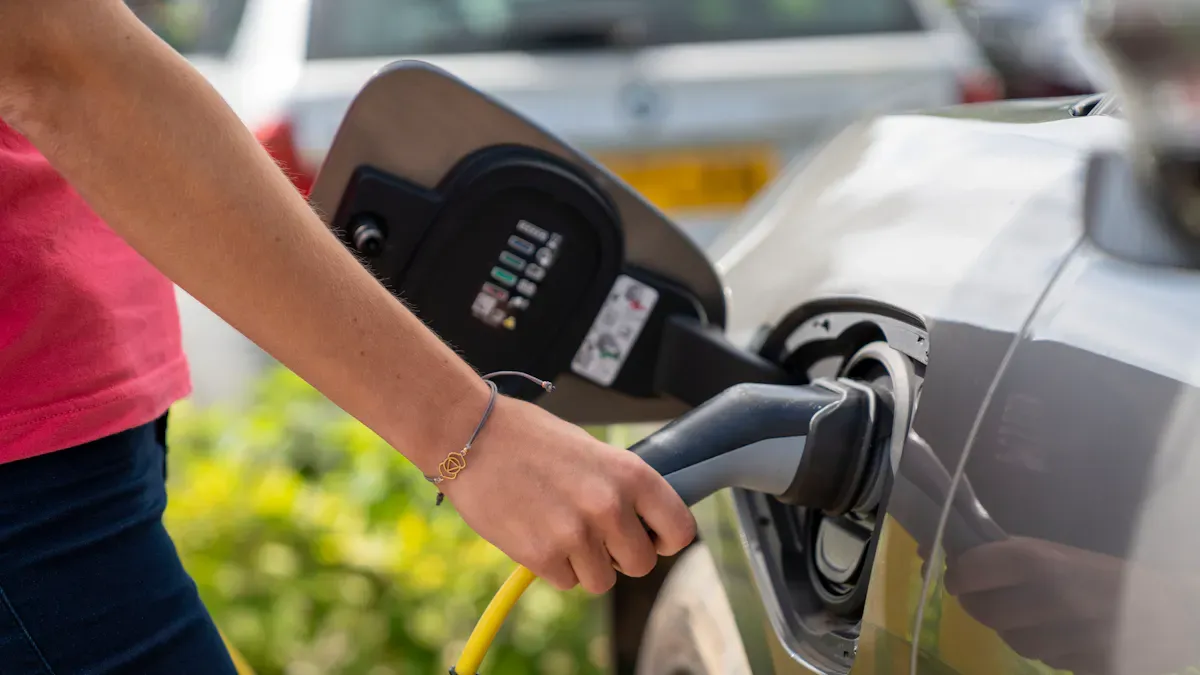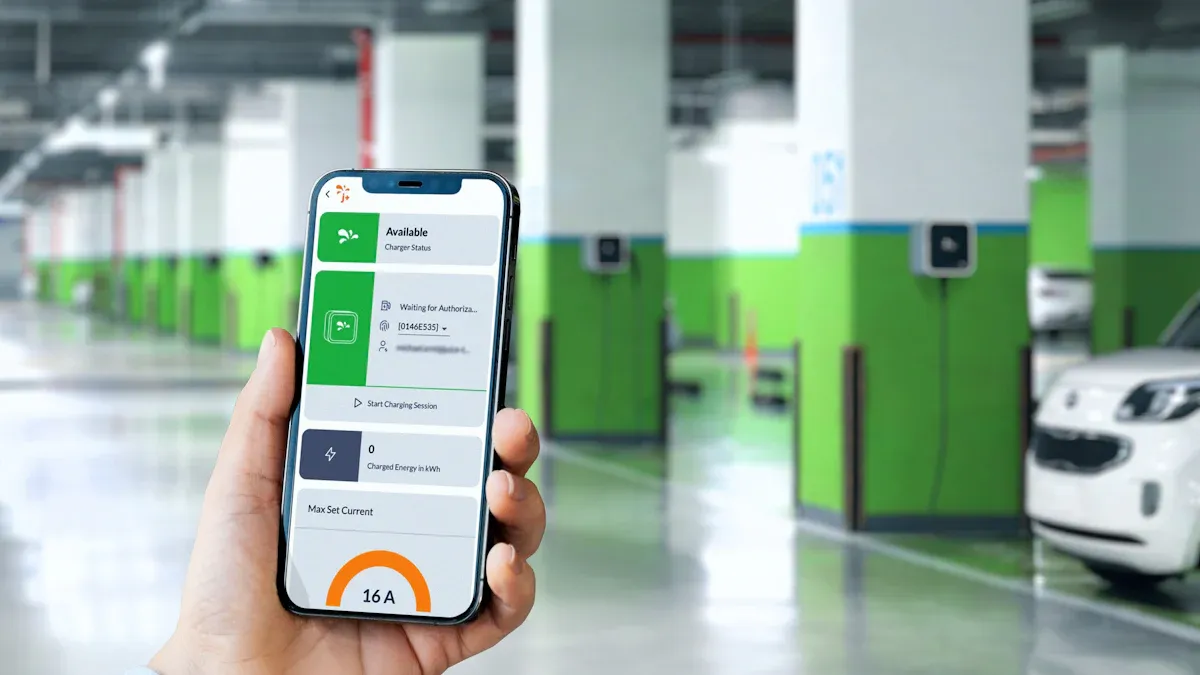
Many EV owners in Singapore face the challenge of living in HDB flats or condos without an Pengisi Daya Listrik. They often search for reliable Solusi pengisian daya kendaraan listrik to keep their vehicles ready for daily use. This Survival Guide for EV Owners addresses these urgent needs. Some drivers turn to pengisi daya ev portabel for flexibility, while others contact Produsen pengisi daya EV for expert advice. They also explore public networks and workplace options to stay mobile.
Tip: Regularly check for new charging points in your neighborhood to avoid last-minute surprises.
Survival Guide for EV Owners: Charging Without a Home Charger
Using Public Charging Stations
Finding Nearby Chargers
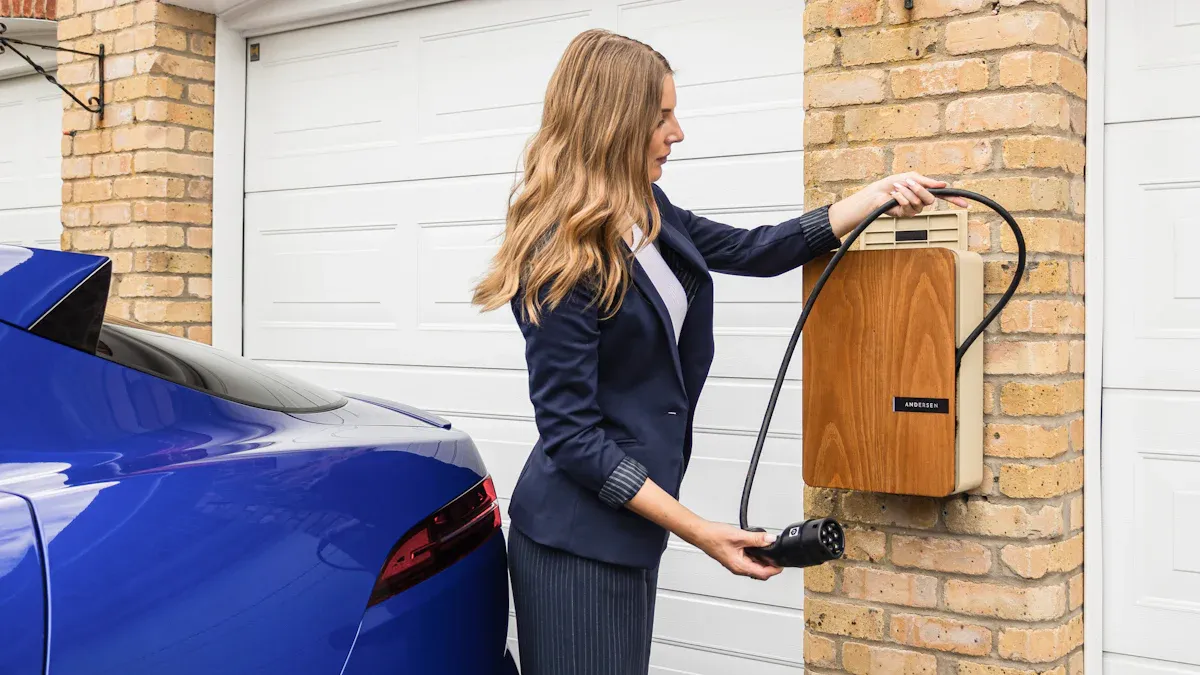
Many EV owners in Singapore rely on public charging stations when they do not have access to a home charger. They often search for charging points in multi-story car parks, community centers, and public parking lots. The Land Transport Authority (LTA) and private providers have installed more chargers across the island. TPSON, a technologically advanced electric vehicle charging solution provider, has contributed to this growing network.
Tip: Check for new charging points in your area every month. New installations appear frequently.
Planning Your Charging Schedule
A well-planned charging schedule helps drivers avoid low battery anxiety. They often choose to charge during off-peak hours or when running errands near a charging station. Some drivers set reminders to check their battery level before leaving home. Others plan their routes to include stops at public chargers.
- Make a weekly charging plan.
- Track battery levels daily.
- Choose charging times with less traffic.
This approach forms a core part of the Survival Guide for EV Owners who lack home charging.
Best Apps for Locating Chargers
Several mobile apps help drivers find available charging stations quickly. These apps display real-time charger status, pricing, and directions. Popular options in Singapore include:
- PlugShare
- SP Group’s SP Utilities app
- Isi Ulang Cangkang
- BlueSG
Most apps allow users to filter by charger type and availability. Drivers can also use these apps to plan longer journeys and avoid unnecessary detours.
Note: Always check app reviews for the latest updates and features.
Workplace Charging Options
Asking Your Employer About Charging
Some companies provide EV charging stations for employees. Drivers should ask their employer or building management about available charging facilities. If no chargers exist, they can suggest installing them. TPSON offers scalable solutions for workplaces, making it easier for companies to support EV adoption.
A polite request can lead to new charging opportunities for everyone in the office.
Sharing Chargers at Work
Workplace chargers often serve multiple users. Drivers should coordinate with colleagues to ensure fair access. Many offices use booking systems or informal group chats to manage charger use. Clear communication prevents misunderstandings and keeps everyone’s vehicle charged.
- Reserve charging slots in advance.
- Move vehicles promptly after charging.
- Respect time limits set by management.
These habits align with the Survival Guide for EV Owners and promote a positive workplace environment.
Destination Charging Strategies
Charging at Shopping Malls
Shopping malls in Singapore have become popular charging destinations. Many malls offer EV charging stations in their car parks. Drivers can shop, dine, or watch a movie while their vehicle charges. Some malls provide free charging for a limited time, while others charge by the hour or kWh.
Callout: Check the mall’s website or app for charger locations and rates before visiting.
Charging at Hotels and Attractions
Hotels and tourist attractions increasingly offer EV charging as a guest amenity. Drivers can ask about charging options when booking a room or planning a visit. Some hotels partner with providers like TPSON to install reliable chargers. Attractions such as zoos, museums, and theme parks also add charging points to attract EV-driving visitors.
A Survival Guide for EV Owners recommends making charging part of every outing. This strategy reduces range anxiety and maximizes convenience.
By following these strategies, drivers can keep their EVs charged and ready, even without a home charger. The Survival Guide for EV Owners emphasizes flexibility, planning, and the use of technology to overcome charging challenges in Singapore.
Fast Charging vs. Slow Charging
When to Use Fast Chargers
Fast chargers deliver high power and reduce charging time significantly. Drivers often use fast chargers when their battery level drops below 20 percent or when they need to recharge quickly before a long journey. Fast charging stations usually appear at major shopping malls, expressway rest stops, and commercial hubs. These chargers help drivers save time and minimize waiting.
A fast charger suits situations where time is critical. For example, a driver may need to top up the battery during a lunch break or before heading to a meeting. Fast charging also benefits those who rely on their EV for daily commutes and cannot afford long charging sessions. The Survival Guide for EV Owners recommends fast chargers for urgent needs and busy schedules.
Tip: Monitor battery health when using fast chargers frequently. High-power charging can increase battery wear over time.
Making the Most of Slow Chargers
Slow chargers operate at lower power and require longer charging sessions. Drivers often use slow chargers overnight or during extended stays at locations such as hotels, residential car parks, or workplaces. Slow charging preserves battery health and suits those who plan ahead.
To maximize slow charging, drivers should schedule sessions during periods of low demand. For example, charging overnight at a hotel or while working at the office ensures the vehicle is ready for the next day. Slow chargers also cost less per session compared to fast chargers. The Survival Guide for EV Owners encourages drivers to combine slow charging with daily routines for optimal convenience.
Note: Slow charging works best when drivers have access to parking for several hours.
Portable and Emergency Charging Solutions
Using Emergency Charging Cables
Emergency charging cables provide a backup option for EV owners without access to fixed charging stations. These cables connect to standard electrical outlets and deliver a slow but steady charge. Drivers keep emergency cables in their vehicles for unexpected situations, such as running low on battery during a trip or facing unavailable public chargers.
Portable DC EV chargers offer a compact and mobile solution for electric vehicles. The table below summarizes the main portable charging options available in Singapore:
| Product Type | Deskripsi |
|---|---|
| Pengisi Daya Listrik DC portabel | A compact and mobile charging solution untuk kendaraan listrik. |
Drivers use portable chargers when traditional charging stations are out of reach. These devices help maintain mobility and reduce range anxiety. The Survival Guide for EV Owners highlights portable charging as a practical tool for emergencies.
Callout: Always check compatibility between your EV and portable charger before purchase.
Mobile Charging Services in Singapore
Mobile charging services have emerged as a flexible solution for EV owners. Companies such as ChargEV operate networks of charging stations at strategic locations, including F&B outlets, hotels, parks, and shopping malls. They use both company-owned and partner-owned models to expand their coverage.
- ChargEV collaborates with premise owners to install EV chargers with zero capital expenditure.
- They offer options for outright purchase or leasing.
- Their network focuses on high-traffic areas to maximize accessibility.
Mobile charging services allow drivers to recharge their vehicles without relying on home chargers. These services support the Survival Guide for EV Owners by providing convenient access to charging infrastructure across Singapore.
Tip: Explore mobile charging networks to find stations near your favorite destinations.
Charging Etiquette for Shared Spaces
Dos and Don’ts at Public Chargers
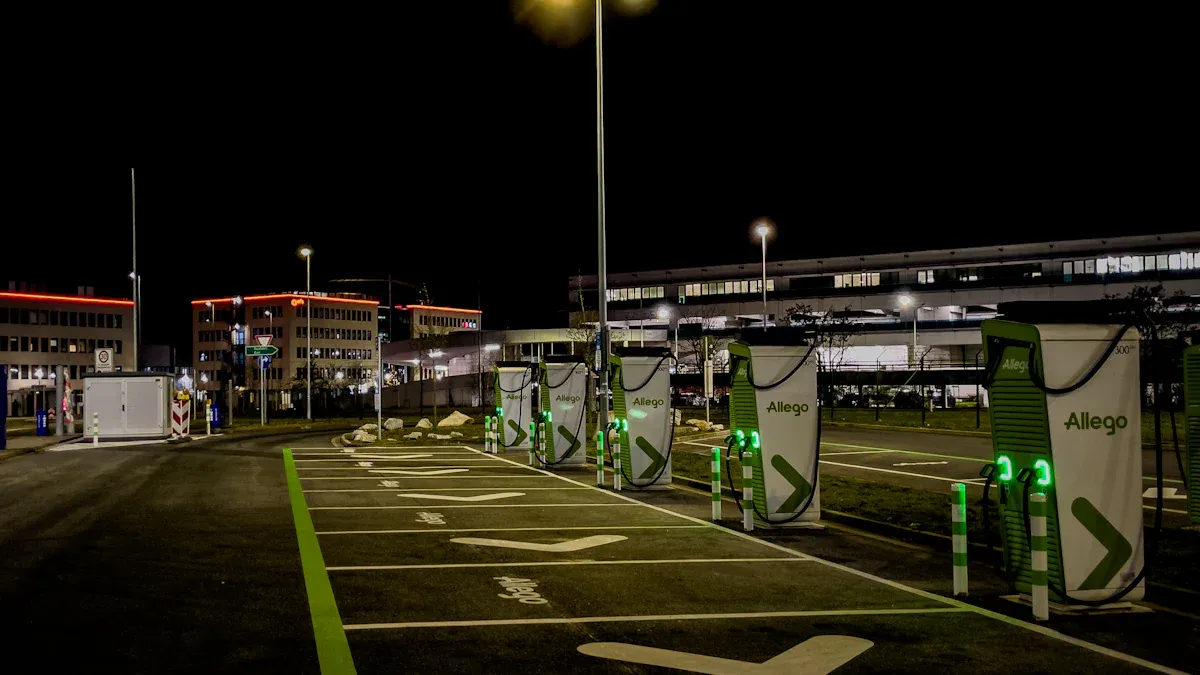
Electric vehicle owners in Singapore often share public charging stations. They must follow proper etiquette to ensure fair access for everyone. The following rules help maintain order and respect among users:
- Charge only when necessary. Avoid using the charger as a parking spot.
- Unplug the vehicle immediately after charging completes.
- Follow all posted charging rules and guidelines.
- Report faulty chargers to the operator for quick repairs.
- Never block a charging space if not actively charging.
Tip: Consider others who may need to charge. A little courtesy goes a long way.
How Long to Park at a Charger
Drivers should park only for the duration required to charge their vehicles. Overstaying at a charging station can inconvenience others. Most public chargers display recommended time limits. Users should monitor their charging session and move their vehicles once charging finishes. This practice keeps the charging network efficient and accessible.
Moving Your Car Promptly
Promptly moving the car after charging shows respect for fellow EV owners. Many drivers set phone reminders or use app notifications to track charging progress. Quick action prevents unnecessary delays for others waiting to use the charger. Consistent courtesy builds a positive community for all EV users.
Sharing Chargers in Condos and HDBs
Shared charging facilities in residential buildings require cooperation. Residents must balance personal needs with community interests. Booking systems often help manage charger access. Fair use policies ensure everyone gets a turn.
Booking Systems and Fair Use
Many condos and HDBs implement booking systems for shared chargers. These systems allow residents to reserve time slots in advance. Fair use policies prevent any one resident from monopolizing the charger. Residents should respect booking rules and avoid last-minute cancellations.
Respecting Other Residents
Respect forms the foundation of shared charging. Residents should communicate openly about charging needs. They should avoid unplugging others’ vehicles without permission. Clear guidelines reduce misunderstandings and foster harmony.
| Conflict Type | Deskripsi |
|---|---|
| Biaya Instalasi | Landlords must decide if service charges cover installation and maintenance of chargers. |
| Service Charge Disparity | Some residents may pay for charging infrastructure they do not use. |
| Billing for Usage | Difficulty in tracking individual electricity usage can lead to disputes among tenants. |
Handling Conflicts and Misunderstandings
Conflicts sometimes arise over shared chargers. Common issues include unplugging, charger hogging, and billing disputes. Addressing these problems calmly helps maintain good neighbor relations.
What to Do If Someone Unplugs Your Car
If another resident unplugs a vehicle without permission, the owner should first check for posted rules. Many buildings have guidelines for unplugging fully charged vehicles. If no rule exists, the owner should speak politely with the other party or inform building management. Open communication often resolves the issue quickly.
How to Approach Charger Hogging
Charger hogging occurs when a resident occupies a charger longer than necessary. The affected party should address the situation respectfully. They can remind the user of booking rules or ask management to intervene. Consistent enforcement of fair use policies discourages repeat offenses and ensures equal access for all.
Troubleshooting Common Charging Issues
Dealing with Busy or Occupied Chargers
Finding Alternatives Nearby
Singapore’s growing EV population sometimes leads to crowded charging stations. Drivers often face long waits, especially during peak hours. To avoid frustration, many EV owners use several strategies to secure a spot:
- Advanced Planning: They check charging station availability through mobile apps before leaving home.
- Timing Visits: They schedule charging sessions during off-peak hours, such as early mornings or late evenings, to reduce wait times.
- Using Multiple Networks: They maintain memberships with different charging networks, which increases their options when one station is full.
- Opting for Fast Chargers: They select fast charging stations to minimize time spent waiting, even if these stations attract more users.
Tip: Always keep a list of alternative charging locations in your preferred areas. This helps when your usual spot is occupied.
Off-Peak Charging Strategies
Charging during off-peak periods remains one of the most effective ways to avoid crowds. Early mornings and late evenings typically see fewer users at public chargers. Many drivers set reminders to plug in their vehicles during these quieter times. Some apps even provide real-time data on charger usage, making it easier to plan ahead.
What to Do About Slow Chargers
Maximizing Charging Time
Slow chargers can frustrate drivers who need a quick top-up. However, these chargers work well for longer stays. Drivers often use slow chargers while at work, shopping, or attending events. They maximize efficiency by aligning charging sessions with activities that take several hours. This approach ensures the vehicle charges while the driver remains productive.
Note: Slow charging helps preserve battery health over time.
Reporting Faulty Chargers
Occasionally, a charger may malfunction or operate below optimal speed. Drivers should report these issues immediately to the charging network operator. Most apps offer a built-in reporting feature. Quick reporting helps operators fix problems faster, ensuring reliable service for everyone.
Rule Enforcement and Reporting Problems
Who to Contact for Issues
When problems arise at public charging stations, drivers should contact the operator listed on the charger or within the app. Operators usually display a hotline or email for support. For issues within condos or HDBs, residents can approach their Management Corporation Strata Title (MCST) or Residents’ Committee. These groups handle maintenance and rule enforcement for shared facilities.
How to Request More Chargers
As EV adoption rises, demand for charging infrastructure increases. Residents who notice frequent congestion or long waits can request additional chargers in their area. They do this by:
- Approaching their MCST or Residents’ Committee with a formal request.
- Highlighting the growing number of EVs in the community.
- Suggesting specific locations for new chargers.
Callout: Community feedback plays a crucial role in expanding Singapore’s EV charging network. Active participation helps ensure everyone has access to reliable charging.
Making EV Ownership Easier Without Home Charging
Building a Charging Routine
Weekly and Monthly Planning
EV owners in Singapore often face the challenge of managing their charging schedules without a home charger. They can build a consistent routine by planning ahead for charging opportunities. Many drivers review their weekly activities and identify times when they will be near public chargers. They incorporate charging into errands, such as grocery shopping or gym visits, to maximize efficiency.
Drivers benefit from using off-peak charging times. Early mornings or late evenings usually offer cheaper rates and less competition for chargers. Some drivers sign up for community-charging platforms, such as Co Charger, to access private wall boxes for a fee. These platforms help drivers secure reliable charging slots and reduce waiting times.
Tip: Incorporate charging sessions into your regular routine to simplify the process and avoid last-minute stress.
Keeping Track of Your Battery
Monitoring battery levels remains essential for EV owners without home charging. Many drivers use mobile apps to track their battery status and receive alerts when levels drop. They set reminders to check battery levels before leaving home or work. This habit prevents unexpected low-battery situations and supports a stress-free driving experience.
Some drivers search for charging points along their regular routes. This strategy helps them avoid unnecessary detours and ensures they always have a backup plan. Booking charging slots through apps also adds convenience and predictability to their routine.
Joining EV Owner Communities
Sharing Tips and Updates
EV owner communities in Singapore provide valuable support for those without home charging. Members share tips on the best charging locations, app features, and new charger installations. They post updates about charger availability, maintenance issues, and special promotions. These communities help drivers stay informed and adapt to changes in the charging landscape.
- Exchange real-time information about busy stations.
- Share experiences with different charging networks.
- Recommend reliable mobile charging services.
Finding Support and Advice
Many EV owners turn to online forums, social media groups, and local clubs for advice. These platforms offer a space to ask questions, troubleshoot problems, and celebrate milestones. New owners often find reassurance and practical solutions from more experienced drivers. Community support reduces anxiety and builds confidence in managing EV ownership without home charging.
Advocating for Better Charging Access
Working with Your Condo or HDB Council
Residents in condos and HDBs can work together to improve charging access. They attend council meetings and present data on the growing number of EVs in their community. They suggest practical solutions, such as installing more chargers or adopting fair booking systems. Collaboration with management councils ensures that everyone’s needs receive consideration.
Petitioning for More Chargers
When demand exceeds supply, residents organize petitions to request additional chargers. They gather signatures and highlight the benefits of expanding charging infrastructure. Clear communication with property managers and local authorities increases the chances of success. Persistent advocacy helps shape a more EV-friendly environment for all residents.
Note: Community action plays a key role in driving positive change for EV owners in Singapore.
EV owners in Singapore can thrive without home charging by following essential survival tips:
- Carry a compatible mobile charging station and charging cables.
- Use route planner apps to locate charging points and plan stops.
- Keep road safety equipment and emergency numbers accessible.
They benefit from shared condo chargers, public charging facilities, and strong charging etiquette among residents. With careful planning and community support, every EV owner can stay charged and stress-free.
Tip: Consistent routines and proactive planning make EV ownership in Singapore both practical and rewarding.
PERTANYAAN YANG SERING DIAJUKAN
What should an EV owner do if all nearby chargers are occupied?
They should check charging apps for real-time availability at alternative locations. Many drivers keep a list of backup charging stations. Early morning or late evening visits often reduce waiting time.
Can an EV charge using a regular household outlet in Singapore?
Some EVs allow charging with a standard 3-pin plug using an emergency cable. Charging speed remains slow. Owners should confirm compatibility with their vehicle manufacturer before use.
How can someone request more chargers in their HDB or condo?
Residents can submit a formal request to their MCST or Residents’ Committee. They should provide data on EV ownership and suggest suitable locations. Community petitions often strengthen the case.
Are there any mobile charging services available in Singapore?
Yes, companies like ChargEV offer mobile charging solutions. These services operate at shopping malls, hotels, and public spaces. Drivers can locate these stations using dedicated apps.
What is the difference between fast and slow charging?
Fast chargers deliver higher power and reduce charging time. Slow chargers operate at lower power and suit longer stays. Fast charging suits urgent needs, while slow charging preserves battery health.
How can EV owners avoid conflicts at shared charging stations?
They should follow booking systems, respect time limits, and communicate openly with other users. Promptly moving vehicles after charging helps maintain harmony.
Do all public chargers support every EV model?
Not all chargers fit every EV. Owners should check connector types and compatibility before use. Most apps allow users to filter chargers by plug type.
Tip: Always carry the correct charging cable and adapter for your vehicle.