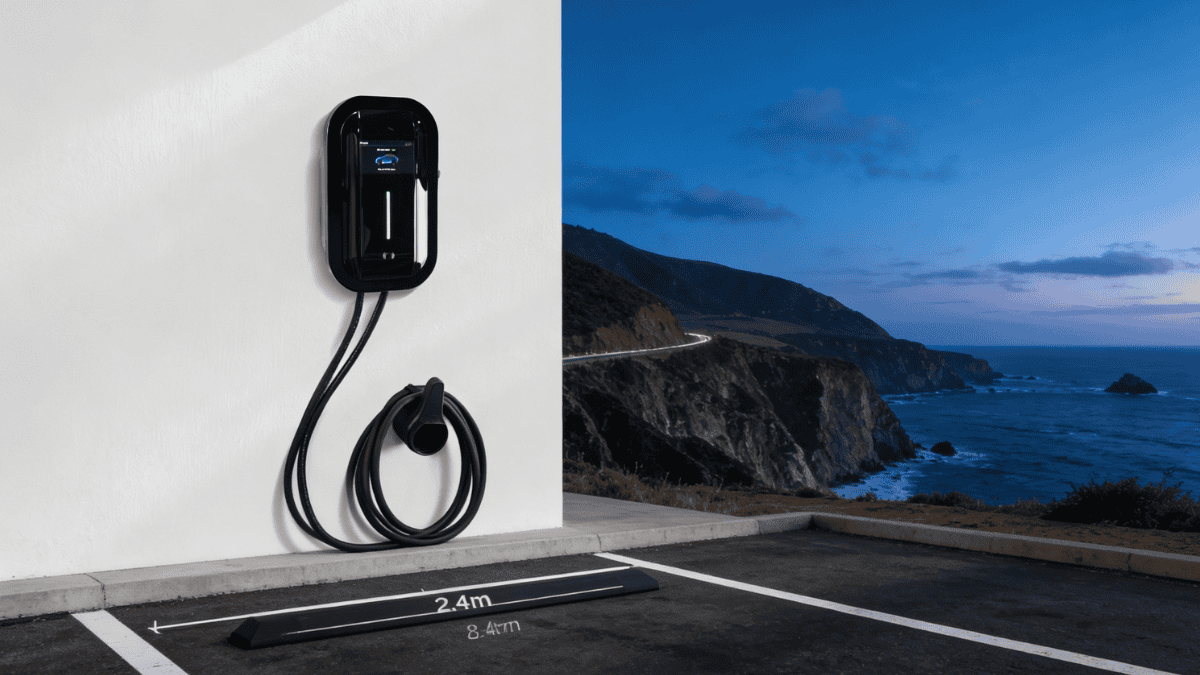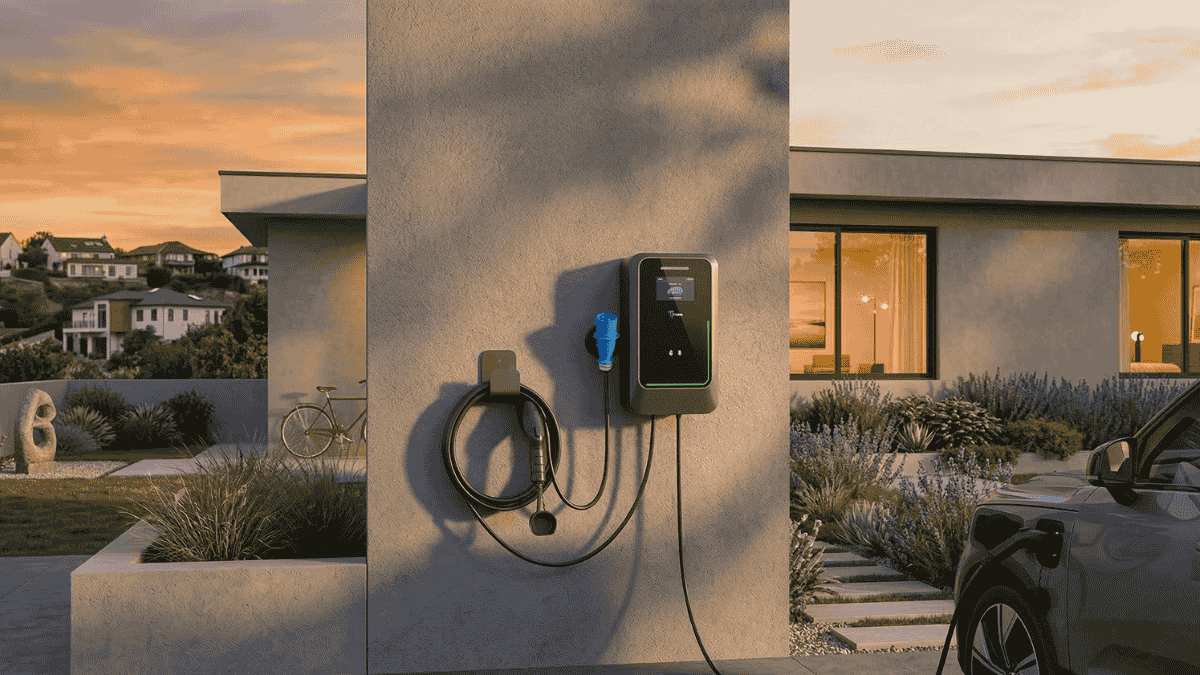

Apartment buildings in Brazil face new opportunities as electric vehicles gain popularity. Property owners who install an Pengisi Daya Listrik can increase value and attract modern tenants. Leading Produsen pengisi daya EV offer reliable Solusi pengisian daya kendaraan listrik, termasuk pengisi daya ev portabel, to meet diverse needs. The business case for investing in EV infrastructure grows stronger as more residents seek sustainable options.
- EV adoption signals a shift in urban living.
- Early action positions properties for long-term success.
The Business Case for EV Charging Stations in Apartment Buildings
Immediate Business Benefits
Peningkatan Nilai Properti
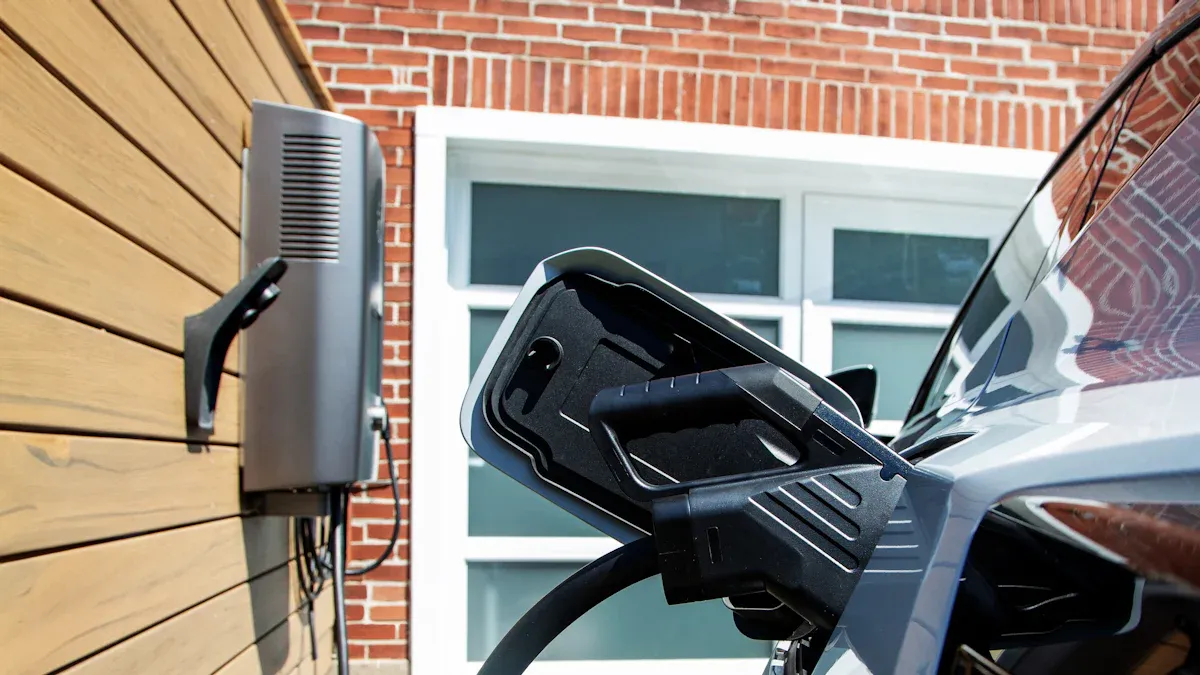
Apartment buildings that install ev charging stations see a measurable increase in property value. Owners who invest in this infrastructure respond to the growing demand for electric vehicles. Modern tenants look for convenience and sustainability. Properties with charging stations stand out in the competitive real estate market. TPSON, a technologically advanced electric vehicle charging solution provider, offers reliable systems that enhance the appeal of residential complexes. These upgrades attract buyers and investors who prioritize future-ready amenities.
Tenant Attraction and Retention
Ev charging stations serve as a powerful tool for attracting and retaining tenants. Residents who drive electric vehicles seek homes that support their lifestyle. Buildings with charging options provide a seamless experience for these tenants. This amenity reduces the likelihood of tenant turnover. Owners who offer charging stations demonstrate a commitment to innovation and sustainability. They create a living environment that meets the needs of current and future residents.
Enhanced Building Reputation
A building that features ev charging stations gains a reputation for forward-thinking management. Owners who adopt clean transportation solutions position their properties as leaders in sustainability. This reputation attracts environmentally conscious tenants and investors. The presence of charging stations signals a commitment to modern living standards. It also aligns with global trends in urban mobility and green technology.
Note: Investing in ev charging stations opens up new opportunities in the evolving market of clean transportation. Owners can benefit from new revenue streams, cost reduction programs, and enhanced user experience.
| Manfaat | Deskripsi |
|---|---|
| New Revenue Streams | Investing in ev charging stations opens up new opportunities in the evolving market of clean transportation. |
| Pengurangan Biaya | Programs can help reduce upfront costs and increase return on investment. |
| Enhanced User Experience | Collaborative efforts ensure reliability and accessibility for users, creating a seamless charging experience. |
Long-Term Strategic Advantages
Future-Proofing Real Estate Assets
The business case for ev charging stations extends beyond immediate gains. Owners who install these stations future-proof their real estate assets. The rise of electric vehicles in Brazil signals a shift in transportation preferences. Buildings without charging infrastructure risk becoming obsolete. Early adoption ensures that properties remain relevant as the market for electric vehicles grows. TPSON provides solusi yang dapat diskalakan that adapt to changing technology and user needs.
Meeting Regulatory Expectations
Regulatory bodies increasingly encourage the adoption of ev charging stations in residential buildings. Owners who act proactively position themselves ahead of potential mandates. Compliance with emerging standards reduces the risk of costly retrofits. The business case for installing charging stations includes meeting environmental goals and supporting sustainable urban development. Properties that align with these expectations gain a competitive advantage in the evolving real estate landscape.
Understanding Demand for EV Charging Stations in Brazil
EV Adoption Trends and Market Growth
Rising Electric Vehicle Sales
Brazil has witnessed a surge in the adoption of electric vehicles. The cost advantage of electricity over petrol has encouraged more consumers to consider electric vehicles for daily transportation. As a result, the demand for ev charging stations in residential settings continues to rise. Many residents now expect convenient access to charging options at home. This trend signals a shift in how property owners must approach amenities and infrastructure. The growing number of electric vehicles on the road directly influences the need for reliable ev charging stations in apartment buildings.
Urban Mobility Shifts
Urban mobility in Brazil is evolving rapidly. People seek sustainable and efficient transportation solutions. Electric vehicles offer a cleaner alternative to traditional vehicles, reducing emissions and supporting citywide sustainability goals. The demand for ev charging stations reflects this shift. Residents want to charge their vehicles where they live, making home-based charging a top priority. Property managers who recognize this trend can position their buildings as leaders in modern urban living. The integration of ev charging stations into residential complexes supports the broader movement toward green mobility.
Impact on Real Estate and Tenant Preferences
Changing Tenant Expectations
Tenant preferences have changed as electric vehicles become more popular. Many renters now view ev charging stations as essential amenities, not just optional features. The demand for charging options has grown alongside the increase in electric vehicles. Residents expect their homes to support their transportation choices. Apartment buildings that provide ev charging stations meet these new expectations and attract a broader range of tenants. The convenience of charging at home adds significant value to the living experience.
Competitive Differentiation
The real estate market in Brazil grows more competitive each year. Property owners who install ev charging stations gain a distinct advantage. These stations set buildings apart from others that lack modern amenities. The demand for ev charging stations creates opportunities for owners to differentiate their properties. A building equipped with multiple charging stations appeals to environmentally conscious tenants and investors. This competitive edge can lead to higher occupancy rates and increased property value.
Note: The anticipated rise in demand for ev charging stations will continue as more residents choose electric vehicles. Property owners who invest in this infrastructure today will meet future needs and secure long-term success.
| Faktor | Impact on Demand for EV Charging Stations |
|---|---|
| Electric Vehicle Adoption | Increases need for home charging |
| Urban Mobility Trends | Drives demand for sustainable solutions |
| Tenant Preferences | Raises expectations for charging options |
| Market Competition | Encourages installation of more stations |
Business Advantages for Property Owners and Managers
Financial Incentives and Revenue Opportunities
Charging Fees and Monetization Models
Property owners can unlock a significant business opportunity by installing ev charging stations. These stations allow managers to implement various monetization models. Many buildings choose to charge residents a fee for using the stations. Some opt for a pay-per-use system, while others offer monthly subscriptions. This approach generates a steady revenue stream and helps offset the initial investment in ev charging stations. Owners can also open the stations to visitors or delivery vehicles, expanding the business opportunity beyond residents. By tracking usage data, managers can adjust pricing and maximize returns.
Tip: Transparent pricing and easy payment options increase resident satisfaction and encourage frequent use of the charging stations.
Government Incentives and Subsidies
Brazil offers several government incentives to support the adoption of ev charging stations. These incentives reduce the financial burden of installing new infrastructure. Property owners may qualify for tax breaks, grants, or low-interest loans. Some local governments provide subsidies for upgrading electrical systems to accommodate ev charging stations. By leveraging these programs, managers can lower upfront costs and improve the return on investment. Staying informed about available incentives ensures that owners take full advantage of every business opportunity.
| Jenis Insentif | Potensi Manfaat |
|---|---|
| Tax Breaks | Reduce annual property taxes |
| Grants | Offset installation expenses |
| Pinjaman Berbunga Rendah | Ease financing for infrastructure |
| Local Subsidies | Support electrical upgrades |
Sustainability and ESG Benefits
Meeting Environmental Goals
Ev charging stations help property owners meet environmental goals and support sustainability initiatives. These stations encourage the use of electric vehicles, which produce fewer emissions than traditional vehicles. By providing access to ev charging stations, managers contribute to cleaner air and a healthier community. Many organizations now prioritize sustainability in their operations. Installing ev charging stations aligns with these values and demonstrates a commitment to responsible business practices.
Enhancing Corporate Image
A strong corporate image attracts tenants, investors, and partners. Buildings equipped with ev charging stations signal innovation and environmental responsibility. This reputation enhances the appeal of the property and sets it apart from competitors. Many companies now include sustainability and ESG (Environmental, Social, and Governance) criteria in their decision-making. By investing in ev charging stations, property owners show leadership in sustainability and position their buildings as modern, future-ready assets.
Note: The integration of ev charging stations into apartment buildings supports both financial growth and environmental stewardship. Owners who act now secure a competitive advantage as electric vehicles become more common.
Practical Steps for Implementing EV Charging Stations
Penilaian dan Perencanaan Lokasi
Evaluating Electrical Capacity
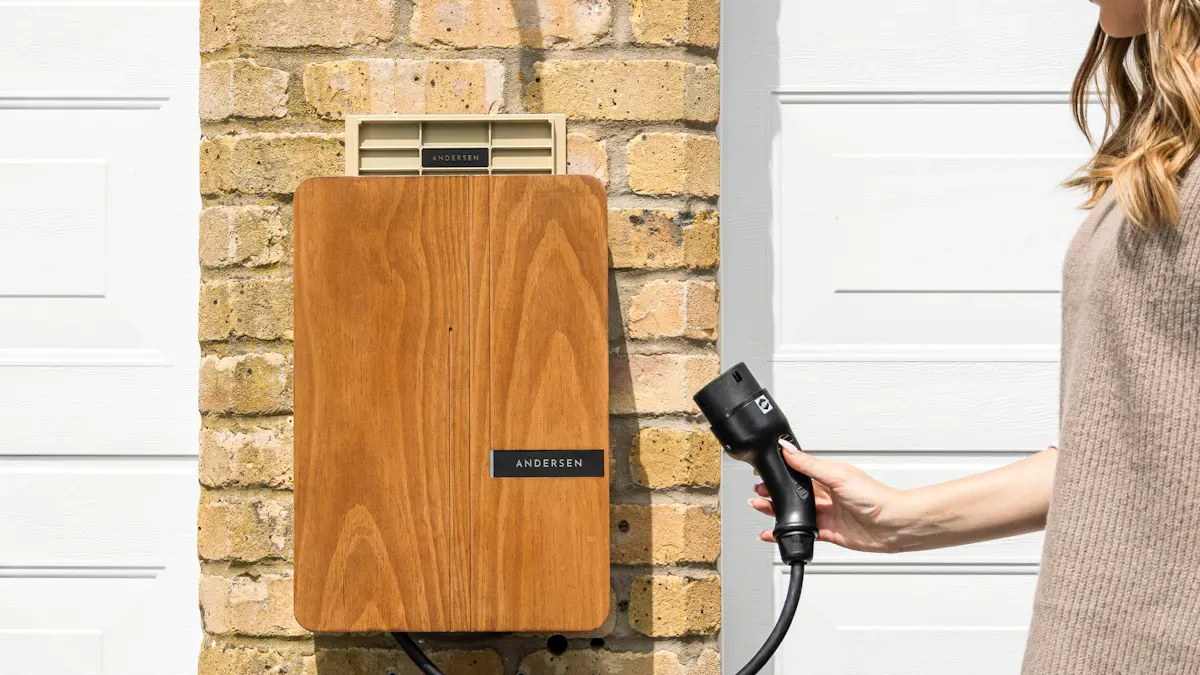
Property managers must begin the installation process by evaluating the building’s kapasitas listrik. They need to determine if the current system can support new ev charging stations. An electrician should inspect the main panel and wiring. This assessment helps identify if upgrades are necessary before installation. Many older buildings in Brazil may require additional transformers or circuit breakers. A thorough evaluation prevents overloads and ensures safe operation for all electric vehicles.
Tip: Schedule a professional electrical audit before starting any installation. This step reduces the risk of costly delays during the installation process.
Identifying Optimal Locations
Selecting the right spots for ev charging stations increases convenience and safety. Managers should choose areas with easy access for residents who drive electric vehicles. Parking garages, ground-level lots, and visitor spaces often work best. The installation team must consider proximity to the main electrical room to minimize wiring costs. Good lighting and clear signage improve user experience. Placing stations near building entrances also enhances visibility and security.
A checklist for optimal location selection:
- Close to electrical supply
- Accessible to all residents
- Safe and well-lit
- Space for future expansion
Installation and Compliance
Choosing the Right Equipment
Selecting suitable equipment is a critical part of the installation process. Managers must choose chargers compatible with a wide range of vehicles. The equipment should support both slow and fast charging options. Weather-resistant models work best for outdoor stations. Smart chargers with network connectivity allow for monitoring and billing. The installation team should verify that all equipment meets local and international safety standards.
| Equipment Feature | Manfaat |
|---|---|
| Universal connectors | Supports all electric vehicles |
| Smart monitoring | Tracks usage and billing |
| Weather resistance | Suitable for outdoor stations |
| Pengisian cepat | Mengurangi waktu tunggu |
Navigating Local Regulations
Compliance with local regulations ensures a smooth installation. Each city in Brazil may have different rules for ev charging infrastructure. Managers must obtain permits before starting the installation. Fire safety codes, accessibility requirements, and environmental standards all affect the installation process. Consulting with legal experts or local authorities helps avoid fines and delays. Proper documentation and inspections guarantee that the stations operate legally and safely.
Note: Staying updated on regulatory changes helps property owners maintain compliance and avoid unexpected costs.
Ongoing Support and Maintenance
Service Agreements
Long-term performance of ev charging stations depends on reliable service agreements. Managers should partner with reputable service providers for regular maintenance. These agreements cover routine inspections, software updates, and emergency repairs. A well-structured service contract reduces downtime and extends the lifespan of the stations. Clear terms for response times and parts replacement protect the investment.
User Support Systems
Effective user support systems enhance the charging experience for residents. Managers should provide clear instructions for using the stations. A dedicated helpline or mobile app can resolve issues quickly. Regular feedback from users helps identify areas for improvement. Training sessions for residents ensure safe and efficient use of the charging stations. Good support systems increase satisfaction and encourage more residents to adopt electric vehicles.
Callout: Proactive support and maintenance keep ev charging stations running smoothly and maximize return on investment.
Cost Considerations and ROI of EV Charging Stations
Upfront and Ongoing Costs
Equipment and Installation Expenses
Cost considerations play a crucial role when property managers plan to install ev charging stations. The price of equipment varies based on the type of charger selected. Level 2 chargers usually range from $300 to $1,200 per unit. Installation expenses can reach up to $6,500 for a single Level 2 charger. These costs may increase if the building requires upgrades to electrical outlets or the circuit board. For those seeking faster charging, Level 3 chargers present a much higher investment, with prices between $30,000 and $75,000 per station. Managers must evaluate these expenses carefully to ensure the project aligns with their budget and long-term goals.
- Level 2 charger equipment: $300–$1,200 per unit
- Level 2 charger installation: up to $6,500 per station
- Electrical upgrades: additional costs possible
- Level 3 charger equipment: $30,000–$75,000 per station
Tip: Early planning and consultation with certified installers help avoid unexpected expenses and streamline the installation process.
Maintenance and Operation Costs
Ongoing costs for ev charging stations include routine maintenance and operational expenses. Regular inspections keep the stations safe and reliable for residents. Software updates and occasional repairs may also be necessary. Most property managers set aside a budget for these recurring needs. Well-maintained stations reduce downtime and extend the lifespan of the equipment. Monitoring systems can help track usage and identify issues before they become costly problems.
Calculating Return on Investment
Payback Periods
Menghitung pengembalian investasi for ev charging stations involves analyzing both upfront and ongoing costs against potential revenue and savings. Many property owners recover their initial investment within a few years by charging fees to residents and visitors. The payback period depends on station usage, pricing models, and available incentives. Buildings with high demand for charging often see faster returns. Transparent billing and efficient management further improve profitability.
Long-Term Value Creation
Investing in ev charging stations creates long-term value for apartment buildings. These stations attract tenants who drive electric vehicles and support sustainability goals. Properties with modern charging infrastructure often command higher rents and enjoy lower vacancy rates. The presence of ev charging stations also positions buildings to benefit from future incentives and regulatory support. Over time, these advantages contribute to increased property value and a stronger market position.
| Faktor | Impact on ROI |
|---|---|
| Station utilization | Higher usage shortens payback period |
| Insentif | Reduce upfront investment |
| Maintenance quality | Extends station lifespan |
| Tenant demand | Drives revenue and retention |
Note: Careful planning and ongoing management ensure that ev charging stations deliver both immediate and lasting returns for property owners.
Professional Installation vs. DIY for EV Charging Stations
Benefits of Professional Services
Quality Assurance
Instalasi profesional delivers consistent quality for EV charging stations in Brazilian apartment buildings. Technicians follow strict protocols and use certified equipment. They ensure that stations operate efficiently and meet the needs of residents who drive electric vehicles. Building managers rely on professional installation to avoid common mistakes that can reduce station performance. The process includes thorough testing and calibration, which guarantees optimal charging speed and reliability. Residents benefit from stations that work seamlessly every day.
Kepatuhan dan Keamanan
Professional installation teams understand Brazilian electrical standards and Type 2 connector requirements. They secure permits and follow local regulations. This approach prevents legal issues and ensures that stations meet compliance standards. Keamanan remains a top priority throughout the installation process. Technicians inspect wiring and connections to prevent electrical hazards. They use specialized tools and protective gear. Residents and property managers trust professional installation to protect users and maintain building integrity.
Tip: Professional installation reduces the risk of accidents and ensures that stations remain safe for all residents.
| Manfaat | Deskripsi |
|---|---|
| Keamanan | Prevents electrical hazards and ensures user safety. |
| Kepatuhan | Adheres to Brazilian electrical standards and Type 2 connector requirements. |
| Kinerja | Optimizes charging station efficiency and longevity. |
Risks of DIY or Low-Cost Alternatives
Potential Pitfalls
DIY or low-cost installation methods introduce several risks for EV charging stations. Untrained individuals may overlook critical steps, leading to faulty wiring or improper setup. These mistakes can cause stations to malfunction or fail prematurely. Building managers face higher maintenance costs and frequent repairs. DIY approaches often lack proper documentation, making it difficult to resolve issues quickly. Residents may experience unreliable charging, which affects their daily routines and satisfaction.
- Increased risk of electrical hazards
- Frequent station breakdowns
- Lack of warranty or support
Impact on Property Value
Improper installation of charging stations can negatively affect property value. Potential buyers and tenants look for reliable amenities. Stations installed without professional oversight may not meet safety standards or regulatory requirements. This situation creates liability concerns for property owners. Buildings with poorly installed stations lose their competitive edge in the market. Professional installation protects investments and enhances the reputation of apartment complexes.
Note: Choosing professional installation for EV charging stations ensures long-term value, safety, and compliance. Property managers who invest in expert services position their buildings for success as electric vehicles become more popular.
Ensuring a Successful EV Charging Station Implementation
Stakeholder Engagement
Gaining Resident Buy-In
Property managers recognize that resident support is essential for a successful project. They create forums for open discussion, allowing residents to voice concerns and ask questions. Managers often organize informational sessions to explain the benefits of installing stations in residential buildings. These sessions highlight how the project creates an opportunity for everyone to participate in sustainable living. Managers also distribute surveys to gather feedback and gauge interest. When residents feel heard, they become more likely to support the initiative.
Tip: Early engagement with residents builds trust and reduces resistance during implementation.
Communicating Value
Clear communication helps residents understand the value of new infrastructure. Managers use newsletters, digital boards, and community meetings to share updates. They emphasize how the project increases property value and creates an opportunity for residents to enjoy modern amenities. Managers also explain how the installation supports environmental goals and aligns with global trends. By focusing on the long-term benefits, they help residents see the project as an investment in the future of their residential community.
Best Practices for Project Management
Timeline Planning
Effective project management starts with a detailed timeline. Managers break the project into phases, such as site assessment, equipment selection, and installation. Each phase receives a clear deadline. This approach ensures that the team meets milestones and avoids delays. Managers also identify potential risks and prepare contingency plans. A well-structured timeline creates an opportunity to coordinate with contractors and minimize disruption to daily life in residential buildings.
| Fase | Key Activities | Batas waktu |
|---|---|---|
| Penilaian Lokasi | Electrical review, surveys | Week 1-2 |
| Equipment Selection | Vendor comparison, ordering | Week 3-4 |
| Instalasi | Setup, testing, inspection | Week 5-7 |
Monitoring and Evaluation
Continuous monitoring ensures the project stays on track. Managers use checklists and progress reports to track each phase. They schedule regular meetings with contractors and stakeholders to review updates. After installation, managers evaluate the system’s performance and collect resident feedback. This process creates an opportunity to identify improvements and address issues quickly. Ongoing evaluation helps managers maintain high standards and ensures the success of the charging station in the residential environment.
Note: Consistent monitoring and open communication maximize the opportunity for a smooth and successful implementation.
Installing EV charging stations in Brazilian apartment buildings offers both immediate and long-term business advantages. Property owners gain higher value, attract modern tenants, and support sustainability goals. Proactive implementation positions buildings for market leadership. Decision-makers who act now can leverage incentives and future-proof their investments.
Installing an ev charging station today secures a competitive edge for tomorrow.
- Peningkatan nilai properti
- Enhanced tenant satisfaction
- Stronger sustainability profile
PERTANYAAN YANG SERING DIAJUKAN
What are the main benefits of investing in EV charging stations for apartment buildings?
Property owners see higher tenant satisfaction, increased property value, and improved building reputation. Investing in charging infrastructure also supports the environment and positions properties for future market trends.
How does investing in residential chargers impact the environment?
Residential chargers reduce emissions by supporting electric vehicle adoption. They help create a cleaner environment and encourage sustainable transportation choices among residents.
What factors influence the pricing of EV charging for residents?
Pricing depends on electricity rates, station usage, and maintenance costs. Managers may choose pay-per-use or subscription models. Transparent pricing helps residents understand costs and encourages regular use.
How can property owners maximize charging station efficiency?
They should select the right equipment, schedule regular maintenance, and monitor usage data. These steps ensure charging station efficiency and reliable service for all residents.
Are there government incentives for investing in EV charging stations?
Brazil offers tax breaks, grants, and subsidies for property owners investing in charging infrastructure. These incentives lower upfront costs and improve return on investment.
What risks exist if owners delay investing in EV charging stations?
Delaying investment can lead to lost tenants, lower property value, and missed incentives. Early investing ensures buildings remain competitive and meet future resident needs.
How does investing in EV charging stations affect long-term property value?
Investing in charging stations increases long-term property value. Owners attract modern tenants, support the environment, and future-proof their assets against changing market demands.
Why should property managers consider investing now instead of later?
Immediate investing secures incentives, meets rising tenant expectations, and positions properties as market leaders. Early action also supports the environment and reduces future retrofit costs.