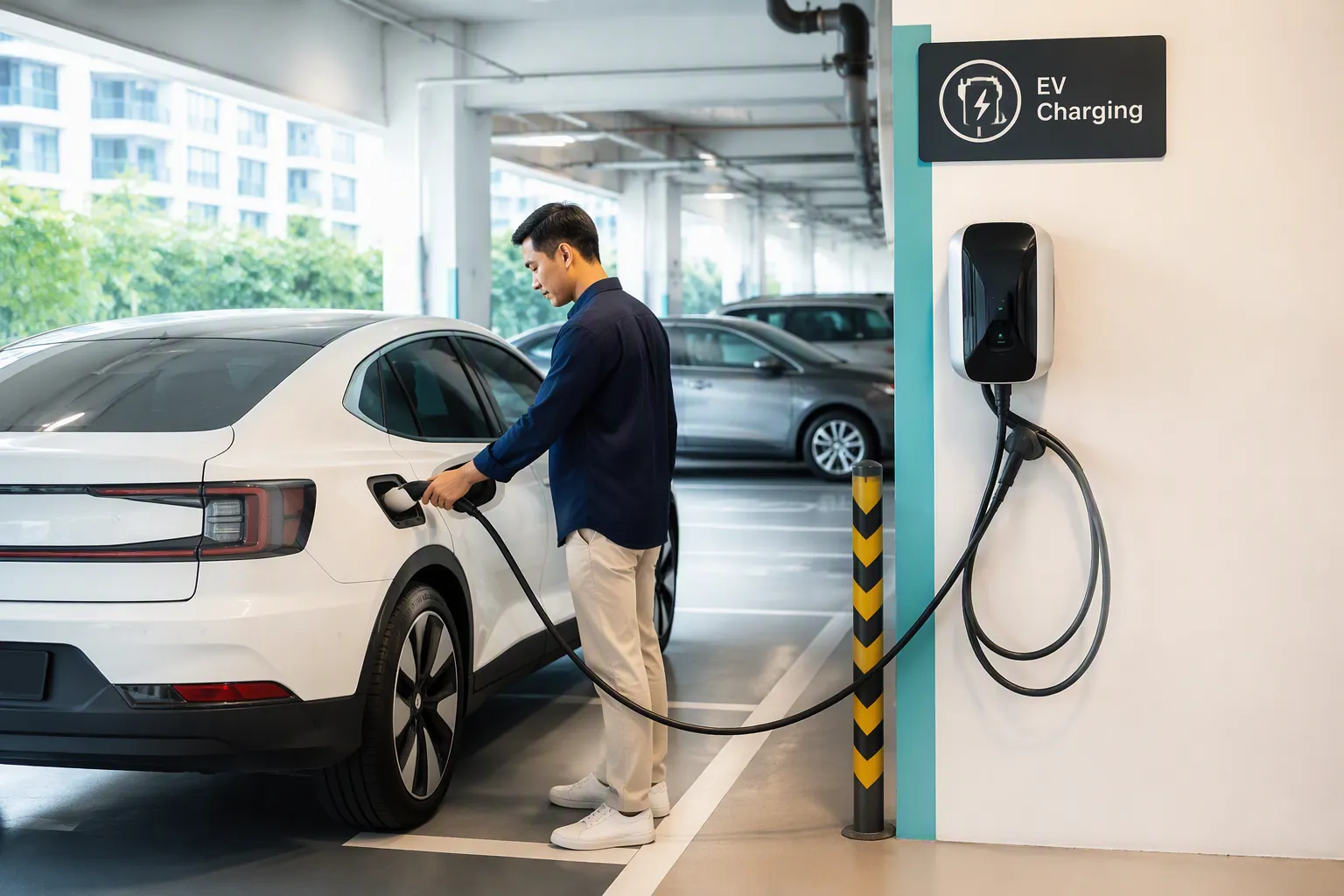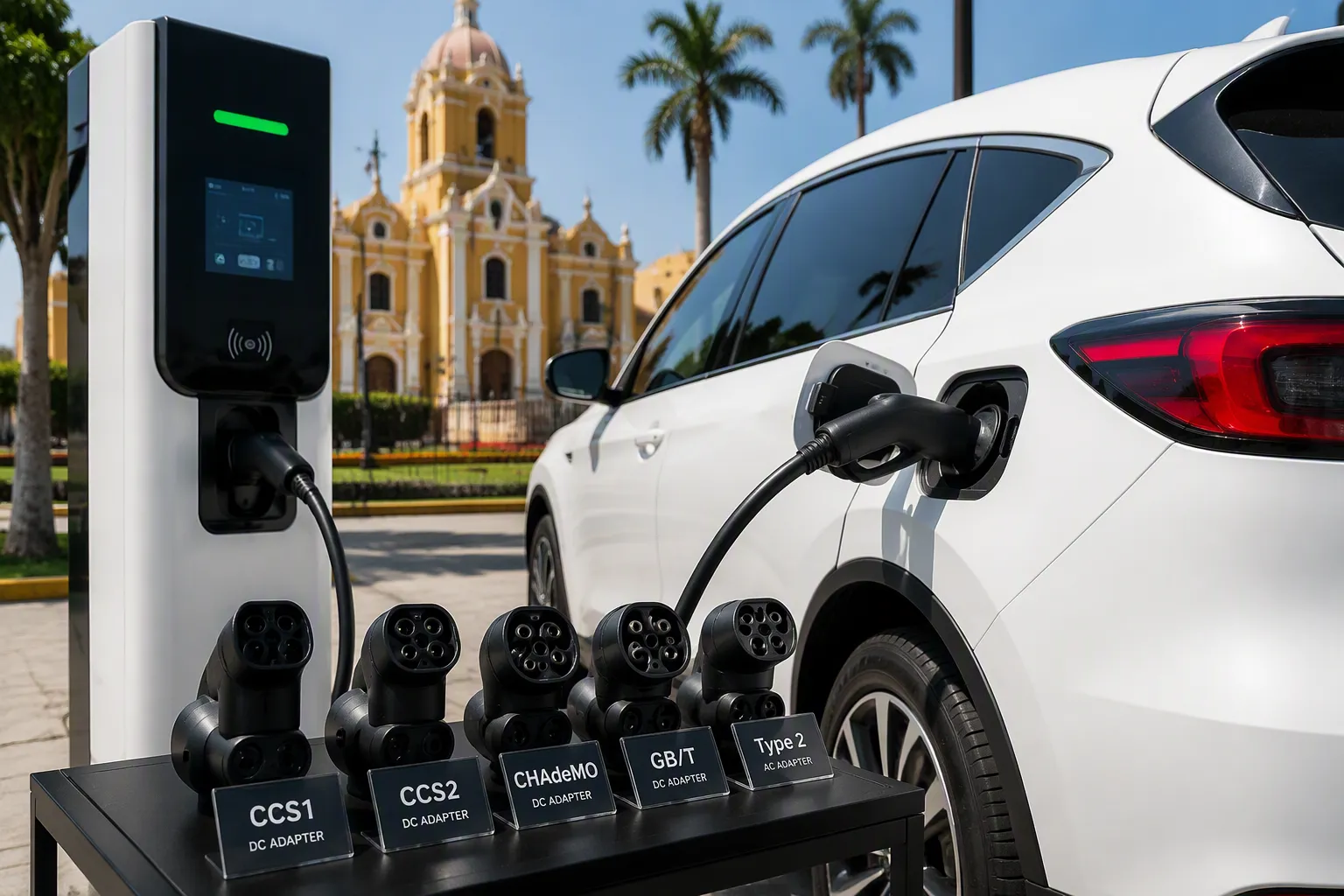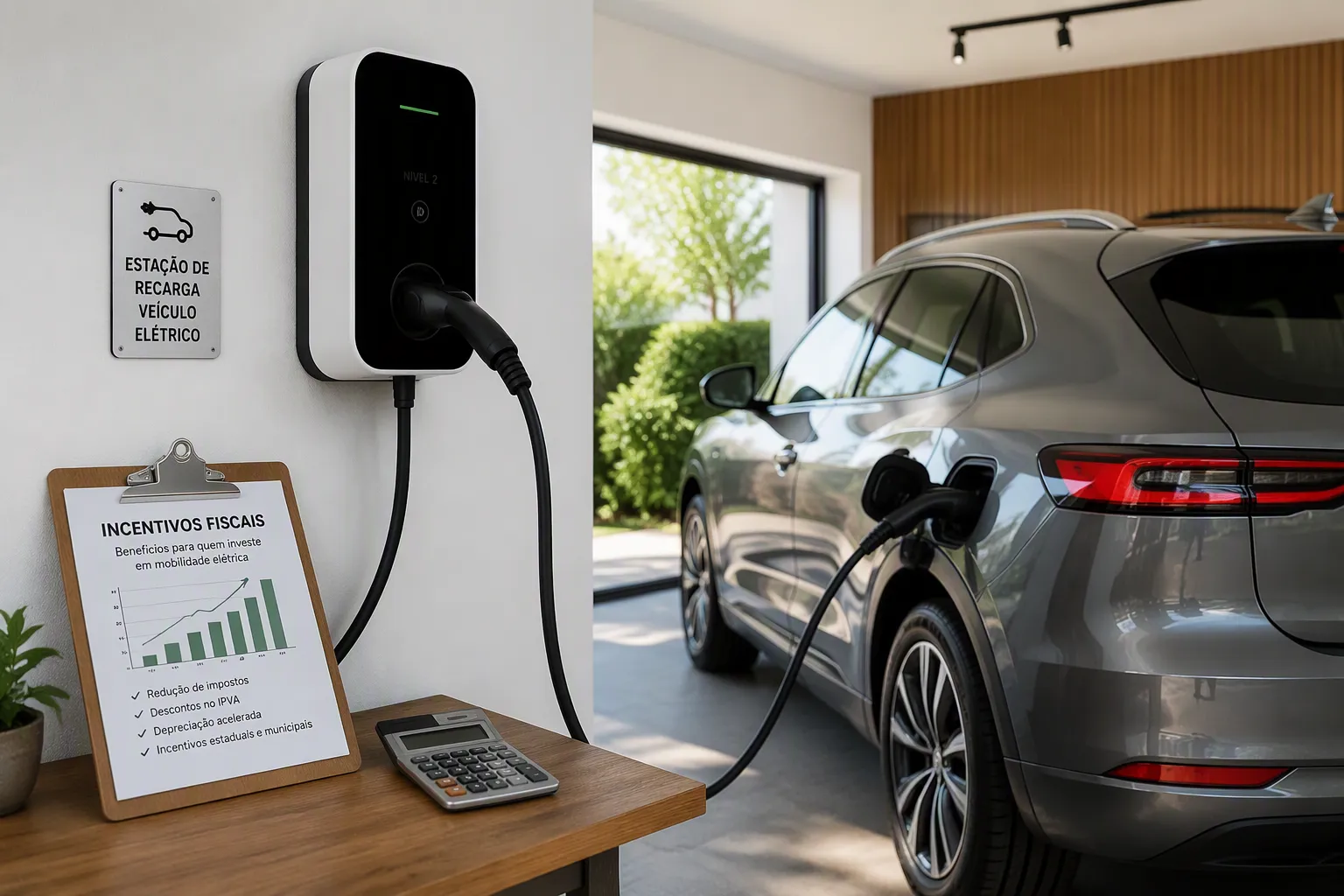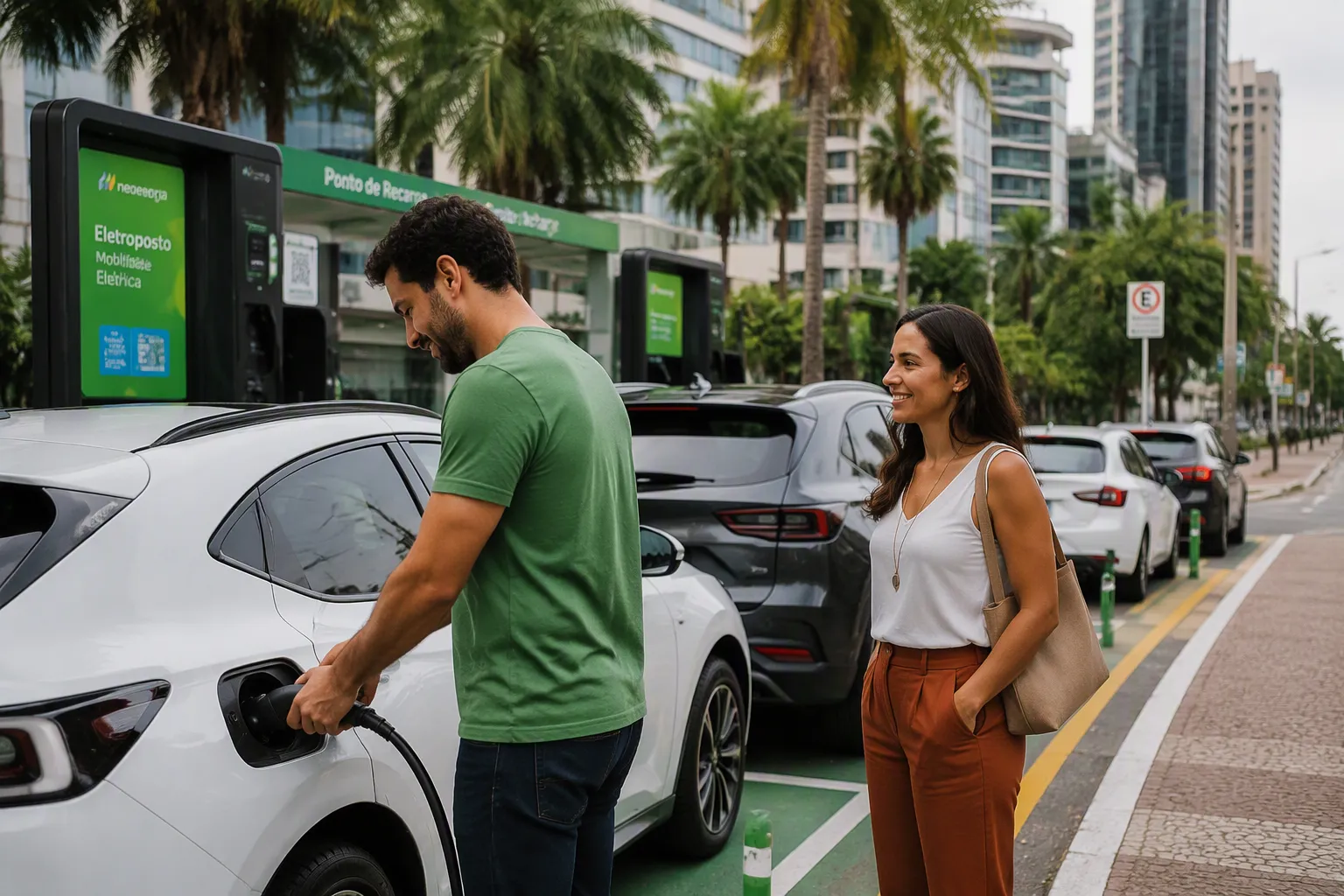
Untuk sebagian besar bisnis di Brasil, solusi komersial terbaik sering kali melibatkan pemilihan smart charger karena fitur canggih dan kemampuan adaptasinya. Namun, keputusan tersebut bergantung pada beberapa faktor, termasuk biaya, fitur, skalabilitas, dan kebutuhan bisnis. Tabel di bawah ini menyoroti perbedaan utama:
| Fitur | Dumb Charger | Pengisi Daya Cerdas |
|---|---|---|
| Harga tipikal (perangkat keras) | ~Rp4,3 juta – Rp7,2 juta | ~Rp7,2 juta – Rp13 juta+ |
| Konektivitas | Tidak ada | Wi‑Fi/Bluetooth/Ethernet |
| Data & pelaporan | Tidak tersedia | Tersedia |
Ukuran bisnis, frekuensi penggunaan, dan rencana ekspansi di masa depan juga memainkan peran penting. Perusahaan yang mencari skalabilitas Solusi pengisian daya kendaraan listrik atau integrasi dengan energi terbarukan harus berkonsultasi Produsen pengisi daya EV untuk panduan. Mereka dengan kebutuhan terbatas dapat mempertimbangkan dumb charger atau pengisi daya ev portabel untuk kebutuhan dasar.
Solusi Komersial Terbaik: Mendefinisikan Smart dan Dumb Charger

Penjelasan Smart Charger
Fitur
Pengisi daya pintar mewakili tingkat teknologi pengisian kendaraan listrik yang canggih. Perangkat ini menawarkan serangkaian fitur yang mendukung operasi komersial. Bisnis mendapat manfaat dari pemantauan real-time, diagnostik jarak jauh, dan kontrol akses. Pengisi daya pintar terhubung ke internet melalui Wi-Fi, Bluetooth, atau Ethernet, memungkinkan integrasi dengan sistem manajemen energi. TPSON, penyedia solusi pengisian kendaraan listrik berteknologi canggih, menghadirkan smart charger yang beradaptasi dengan permintaan energi dan mengoptimalkan jadwal pengisian.
Smart charger memungkinkan bisnis untuk melacak data penggunaan, mengelola distribusi daya, dan mengontrol sesi pengisian dari jarak jauh. Kemampuan ini mendukung pengelolaan biaya dan meningkatkan efisiensi operasional.
| Fitur | Pengisi Daya Cerdas | Dumb Chargers |
|---|---|---|
| Fungsionalitas | Mengelola daya, mengontrol sesi, menyediakan data penggunaan | Pengisian listrik sederhana |
| Pengalaman Pengguna | Pemantauan real-time melalui aplikasi | Colok dan isi |
| Konektivitas | Koneksi internet untuk fitur canggih | Tidak ada koneksi jaringan |
| Fitur | Diagnostik jarak jauh, kontrol akses, manajemen energi | Fitur terbatas, tidak ada akses jarak jauh |
| Biaya | Biaya awal lebih tinggi, penghematan dalam jangka panjang | Biaya awal lebih murah |
| Pemeriksaan masa depan | Beradaptasi dengan permintaan dan harga energi | Statis, tidak dapat mengoptimalkan penggunaan energi |
Operasi
Smart charger beroperasi melalui integrasi perangkat lunak dan perangkat keras yang cerdas. Mereka berkomunikasi dengan platform manajemen pusat, memungkinkan operator untuk menjadwalkan sesi pengisian dan memantau kinerja. Bisnis dapat menetapkan tarif, membatasi akses, dan menerima peringatan tentang kebutuhan perawatan. Sistem mengoptimalkan pengisian berdasarkan permintaan, melindungi baterai, dan mengurangi biaya energi. Smart charger mendukung Solusi Komersial Terbaik bagi perusahaan yang mencari skalabilitas dan efisiensi.
Penjelasan Dumb Charger
Fitur
Dumb charger menyediakan fungsionalitas pengisian dasar. Perangkat ini tidak memiliki konektivitas dan fitur canggih. Pengguna mencolokkan kendaraan mereka dan menerima pengisian listrik sederhana. Dumb charger tidak menawarkan akses jarak jauh, pelacakan data, atau manajemen energi. Biaya awal tetap lebih rendah, menjadikannya menarik bagi bisnis dengan kebutuhan pengisian yang terbatas.
| Aspek | Dumb Chargers | Pengisi Daya Cerdas |
|---|---|---|
| Fungsionalitas | Kemampuan pengisian dasar | Fitur canggih seperti wawasan data dan kendali jarak jauh |
| Efisiensi | Tidak ada load balancing | Mengoptimalkan pengisian berdasarkan permintaan |
| Perlindungan Baterai | Tidak ada tindakan perlindungan khusus | Melindungi baterai dengan mengontrol laju pengisian |
| Manajemen Biaya | Tidak ada manajemen tarif | Menawarkan tarif lebih murah dan pembatasan akses |
| Manajemen Grid | Tidak berdampak pada permintaan energi | Membantu mengelola puncak permintaan energi |
Operasi
Dumb charger beroperasi dengan mekanisme yang sederhana. Pengguna menghubungkan kendaraan mereka, dan charger memberikan daya tanpa pemantauan atau kontrol. Bisnis tidak dapat mengelola sesi pengisian atau mengoptimalkan penggunaan energi. Perawatan tetap sederhana, tetapi kurangnya fitur canggih membatasi nilai jangka panjang. Dumb charger mungkin cocok untuk bisnis kecil atau lokasi di mana Solusi Komersial Terbaik tidak memerlukan skalabilitas atau integrasi.
Solusi Komersial Terbaik: Membandingkan Fitur dan Manfaat
Konektivitas dan Kontrol
Manajemen Jarak Jauh
Smart charger menghadirkan fitur konektivitas dan kontrol canggih yang mendukung operasi komersial. Bisnis di Brasil dapat mengelola infrastruktur pengisian mereka dari jarak jauh, yang merampingkan operasi harian dan mengurangi kebutuhan intervensi di lokasi. Kemampuan manajemen jarak jauh utama meliputi:
- Pemantauan real-time status pengisian di berbagai lokasi
- Manajemen beban dinamis untuk mencegah kelebihan beban sistem listrik
- Diagnostik jarak jauh yang menyelesaikan masalah kecil tanpa mengirimkan teknisi
- Kemampuan untuk memulai, menghentikan, atau menjadwalkan sesi pengisian dari dasbor pusat
- Pembatasan akses charger hanya untuk pengguna yang berwenang, seperti staf atau penyewa
- Pembuatan laporan penggunaan untuk penagihan dan analisis operasional
Fitur-fitur ini membantu bisnis mempertahankan uptime dan efisiensi operasional yang tinggi, menjadikan manajemen jarak jauh sebagai keunggulan inti saat mengevaluasi Best Commercial Solution.
Pengalaman Pengguna
User experience improves significantly with smart chargers. Employees, visitors, and fleet drivers benefit from features such as:
- Multi-user access control and authentication
- Usage tracking for individual employees or departments
- Guest charging capabilities for visitors
- Prioritization rules for business-critical vehicles
- Tiered pricing options for different user groups
These capabilities ensure that users have a seamless and secure charging experience. Businesses can tailor access and pricing to meet specific needs, which enhances satisfaction and supports efficient resource allocation.
Integration with Business Systems
Data Tracking
Smart chargers offer robust data tracking that supports informed decision-making. Operators gain access to real-time insights into energy consumption, station uptime, and user behavior. The following table summarizes the main benefits:
| Manfaat | Deskripsi |
|---|---|
| Operational Efficiency | Real-time insights into energy consumption and station uptime enable data-driven decision-making. |
| User Management | Operators can define user access levels and manage user groups, enhancing control over charging access. |
| Revenue Optimization | Custom pricing options and backend dashboards help in tracking revenue performance effectively. |
Data tracking allows businesses to optimize operations, manage users, and maximize revenue, which are essential elements of the Best Commercial Solution.
System Compatibility
Integration with existing business systems is crucial for scalability and efficiency. Smart chargers support a wide range of integration options, as shown below:
| Integration Type | Deskripsi |
|---|---|
| ChargeMeEV Back Office Platform | Full API capability for integration with ERP/HR systems and EV driver apps. |
| OCPP Integration | Compatible with OCPP 1.6 and 2.0.1 protocols, supporting over 200 charger models. |
| EMS & BESS Integrations | Interoperability with energy management and battery energy storage systems. |
| OCPI & OICP Interoperability | Facilitates communication between different charging networks and platforms. |
| OCPP Implementation Services | Services for implementing OCPP standards in charging infrastructure. |
These integration features enable businesses to connect charging infrastructure with enterprise resource planning, energy management, and other critical platforms.
Analisis Biaya
Investasi di Muka
Dumb chargers typically require a lower upfront investment. Businesses with limited charging needs may find this appealing. However, smart chargers, while more expensive initially, provide advanced features that can deliver long-term value.
Biaya Instalasi
Installation costs vary depending on the complexity of the system. Smart chargers may require additional networking and integration work, which can increase installation expenses. Dumb chargers, with their basic functionality, often have lower installation costs.
Maintenance Expenses
Smart chargers reduce maintenance expenses through remote diagnostics and monitoring. Businesses can resolve minor issues without sending technicians on-site, which minimizes downtime and service costs. Dumb chargers, lacking these features, may require more frequent manual inspections.
Operational Savings
Smart chargers help businesses achieve significant operational savings. The following table outlines the main areas where savings occur:
| Jenis Bukti | Deskripsi |
|---|---|
| Penghematan Biaya Energi | Smart chargers avoid peak electricity prices, leading to lower energy costs. |
| Kesehatan Baterai | Smart chargers prevent overcharging, which enhances battery longevity. |
| Demand Charge Management | Smart chargers can reduce fees imposed by utility companies based on peak power usage. |
By optimizing energy use and reducing demand charges, smart chargers support a more sustainable and cost-effective operation. These savings contribute to the overall value proposition when selecting the Best Commercial Solution for commercial charging in Brazil.
Reliability and Performance
Waktu operasional
Businesses in Brazil require charging infrastructure that delivers consistent uptime. Smart chargers excel in this area by offering remote diagnostics and real-time monitoring. Operators can detect issues early and resolve them before they disrupt service. This proactive approach reduces downtime and ensures that vehicles remain charged and ready for use. Dumb chargers, lacking connectivity, cannot provide alerts or status updates. As a result, businesses may only discover problems when users report them, leading to longer periods of inactivity.
Kebutuhan Pemeliharaan
Smart chargers simplify maintenance through automated alerts and remote troubleshooting. Technicians can often resolve minor faults without visiting the site, which saves time and reduces costs. Scheduled software updates and predictive maintenance features further enhance reliability. Dumb chargers, while mechanically simple, require manual inspections and lack the ability to self-diagnose. This limitation can increase operational costs and extend repair times, especially for businesses managing multiple locations.
Security Considerations
Perlindungan Data
Data security stands as a top priority for commercial charging networks. Smart chargers handle sensitive information, including user credentials and billing data. They address these concerns with several protective features:
| Fitur Keamanan | Deskripsi |
|---|---|
| Secure Software Updates | Chargers receive automatic and secure updates for security fixes and new features. |
| Tamper Protection | Devices detect physical tampering or hacking attempts. |
| Secure Communication | Data exchanged between the charger, app, and servers is encrypted to prevent unauthorized access. |
| Proper Passwords | Users must set unique passwords, avoiding weak defaults like ‘1234’. |
These measures help businesses comply with data protection regulations and safeguard customer trust.
Kontrol Akses
Smart chargers offer advanced access control options. Operators can restrict charging privileges to authorized users, such as employees or tenants. Multi-factor authentication and user management tools prevent unauthorized access. However, smart chargers also introduce new risks:
- Vulnerabilities in APIs and hardware can expose systems to account hijacking.
- Insecure firmware updates may allow attackers to install backdoors.
- Predictable serial numbers can enable brute force attacks.
- Interoperability protocols, such as OCPI, may propagate vulnerabilities across platforms.
Potential consequences include electricity theft, denial of service, and even destabilization of the power grid if attackers manipulate many chargers at once. Physical security remains important, but most threats target networked features. Businesses should prioritize regular security audits and enforce best practices to minimize risks.
Scalability and Flexibility
Infrastructure Expansion
Smart chargers provide modular and scalable solutions. Businesses can add new units as demand grows, integrating them seamlessly into existing networks. This flexibility supports the rapid expansion of electric vehicle adoption in Brazil. Dumb chargers, by contrast, lack monitoring and advanced features, which limits their effectiveness as infrastructure needs evolve. As electric vehicle uptake accelerates, companies must plan for significant increases in charging capacity.
- Smart chargers support modular upgrades and future-proof investments.
- Dumb chargers may require complete replacement to meet new requirements.
Adapting to Growth
Smart chargers offer unmatched flexibility for adapting to business growth. Operators can customize tariffs, user experiences, and integrations to suit specific needs.
| Fitur | Manfaat |
|---|---|
| Kustomisasi | Businesses can tailor tariffs, user experience, and integrations for unique requirements. |
| Skalabilitas | Charging networks expand efficiently as operations grow. |
| Kontrol | Full control over intellectual property and data ensures business continuity and independence. |
A comprehensive solution for EV charging management enables quick deployment and smooth maintenance. Smart, scalable, and modular designs help businesses respond to changing market conditions and support long-term success. For companies seeking the Best Commercial Solution, these attributes ensure that charging infrastructure remains an asset as the business evolves.
Bukti Masa Depan
Technology Upgrades
Businesses in Brazil must consider how their charging infrastructure will adapt to rapid changes in electric vehicle technology. Smart chargers offer a clear advantage in this area. These devices support over-the-air software updates, which allow manufacturers to add new features or improve performance without replacing hardware. As new EV models enter the market, smart chargers can receive compatibility updates, ensuring continued support for a wide range of vehicles.
Dumb chargers, on the other hand, lack the ability to upgrade through software. When new charging standards or protocols emerge, businesses may need to replace these units entirely. This approach increases long-term costs and disrupts operations. Smart chargers also enable integration with future energy management systems, such as solar panels or battery storage. This flexibility allows companies to optimize energy use and reduce costs as technology evolves.
Tip: When evaluating charging solutions, businesses should ask vendors about the frequency and process for software updates. Future-ready infrastructure reduces the risk of obsolescence.
Kepatuhan terhadap Peraturan
Brazil’s regulatory landscape for electric vehicle charging continues to evolve. Authorities introduce new safety, accessibility, and data privacy requirements as the market matures. Smart chargers help businesses stay compliant by supporting remote monitoring and automated reporting. These features simplify the process of demonstrating compliance during audits or inspections.
A table below highlights how smart and dumb chargers compare in meeting regulatory demands:
| Regulatory Area | Smart Chargers (Advantage) | Dumb Chargers (Limitation) |
|---|---|---|
| Standar Keselamatan | Remote diagnostics, alerts | Manual checks only |
| Data Privacy | Encrypted data, access controls | No data management |
| Aksesibilitas | User authentication, reporting | No user tracking |
| Reporting | Automated logs and reports | Manual record-keeping |
Smart chargers can adapt quickly to new rules through software updates. For example, if authorities require new data protection measures, manufacturers can deploy updates across all connected units. Dumb chargers require manual intervention or replacement to meet new standards.
Businesses seeking the Best Commercial Solution must prioritize future-proofing. By investing in smart charging infrastructure, companies can adapt to technological advances and regulatory changes with minimal disruption. This approach protects long-term investments and ensures ongoing compliance in a dynamic market.
Best Commercial Solution: Business Use Cases in Brazil
Small and Medium Businesses
Charging Needs
Small and medium businesses in Brazil often operate with limited parking spaces and moderate vehicle turnover. They require charging solutions that deliver reliability without unnecessary complexity. Many of these businesses use electric vehicles for local deliveries, employee transportation, or customer services. The main priority centers on ensuring that vehicles remain charged and ready for daily operations.
A simple charging setup can meet the needs of a small business with only a few electric vehicles. Dumb chargers provide a straightforward plug-and-charge experience. They suit locations where users do not need access control or advanced reporting. However, as the number of electric vehicles grows, the need for better management and monitoring increases. Smart chargers offer features such as remote monitoring and usage tracking, which help businesses optimize charging schedules and reduce downtime.
Cost Sensitivity
Cost remains a critical factor for small and medium businesses. Many owners seek solutions with low upfront investment and minimal ongoing expenses. Dumb chargers appeal to cost-sensitive businesses due to their lower purchase price and simple installation. These chargers require less infrastructure and do not need network connectivity.
However, smart chargers can deliver long-term savings by reducing energy costs and maintenance expenses. Remote diagnostics and load management features help prevent costly electrical upgrades and minimize downtime. Businesses that anticipate growth or want to future-proof their operations may find that investing in smart chargers offers better value over time.
Tip: Small and medium businesses should assess their current and future charging needs before making a decision. A scalable solution can prevent costly replacements as the business expands.
Large Enterprises and Fleets
High-Volume Charging
Large enterprises and fleet operators in Brazil face unique challenges. They must manage high charging volumes, coordinate multiple vehicles, and ensure operational efficiency. Smart chargers address these needs by providing advanced scheduling, monitoring, and control features. Fleet managers can track energy usage, monitor charger status, and automate charging sessions to match operational requirements.
The following table highlights key features that support large-scale fleet operations:
| Fitur | Deskripsi |
|---|---|
| Charger Scheduling | Provides both manual and automatic scheduling for intelligent charging programs that meet fleet needs. |
| Automatic Fault Detection | Automatically detects hardware faults and connectivity issues, streamlining support responses. |
| Modular | Allows easy integration with different telematics providers or proprietary APIs. |
| Scalable | Designed to meet the size and budget of any fleet electrification program. |
| Secure | Developed as part of Europe’s largest fleet electrification programme covering 5,700+ charging stations. |
These features ensure that large enterprises can maintain high uptime and adapt to changing operational demands.
Energy Management Integration
Energy management plays a vital role in large-scale EV charging. Many enterprises integrate Battery Energy Storage Systems (BESS) and proprietary Energy Management Systems (EMS) with their smart chargers. This integration allows businesses to:
- Use DC/DC fast chargers and lithium battery walls to store and deliver energy efficiently.
- Manage energy input from renewable sources, such as solar panels, to reduce grid dependence.
- Optimize energy flow to chargers and vehicles, improving overall efficiency.
- Leverage AI and real-time data to balance charging demand and maintain grid stability.
- Prevent grid overload by scheduling charging sessions during off-peak hours.
The EMS optimizes energy usage by managing charging schedules and integrating renewable energy sources. This approach enhances reliability and reduces operational costs, making it essential for large enterprises seeking the Best Commercial Solution.
Retail and Hospitality
Customer Experience
Retailers and hospitality providers in Brazil use EV charging stations to enhance the customer experience. Smart chargers offer easy access to wireless power, which improves convenience for guests and visitors. Many businesses integrate digital engagement technologies with their charging infrastructure. This integration allows for personalized services, such as mobile app notifications and loyalty rewards.
The following table summarizes the main benefits for retail and hospitality businesses:
| Manfaat | Deskripsi |
|---|---|
| Improved Guest Experience | Smart chargers provide easy access to wireless power, enhancing the overall experience for guests. |
| Peningkatan Lalu Lintas Pejalan Kaki | By offering charging solutions, venues can attract more visitors, boosting overall attendance. |
| Enhanced Marketing Opportunities | Integration of digital engagement technologies allows for targeted marketing and promotions. |
These advantages help businesses differentiate themselves in a competitive market.
Monetisasi
Retail and hospitality businesses can monetize their charging infrastructure in several ways. They may offer paid charging services to guests or partner with charging networks to generate additional revenue. Smart chargers support flexible pricing models, allowing operators to set tariffs based on demand, user type, or time of day. Usage data and reporting features enable businesses to track revenue and optimize pricing strategies.
Note: By offering EV charging, retail and hospitality businesses not only create new revenue streams but also strengthen their brand as sustainable and customer-focused.
Real Estate and Parking Operators
Tenant and Visitor Needs
Real estate and parking operators in Brazil face unique challenges when selecting electric vehicle charging solutions. They must address the needs of tenants and visitors who expect reliable, accessible, and modern charging infrastructure. Operators often manage properties with diverse user profiles, including residents, office workers, and short-term guests. Each group values convenience and security.
Smart chargers offer advanced features that enhance the user experience. Tenants benefit from access control, usage tracking, and mobile app integration. Visitors appreciate easy payment options and real-time availability updates. Operators can set tariffs for different user groups, ensuring fair billing and efficient resource allocation. Smart chargers also support scheduling, which helps high-mileage drivers charge during off-peak hours.
Dumb chargers provide basic functionality. Users plug in and charge without authentication or monitoring. This simplicity suits properties with occasional drivers or low demand. However, dumb chargers lack the flexibility to adapt to changing user needs. As electric vehicle adoption increases, tenants and visitors may request more sophisticated services.
The following table summarizes key considerations for real estate and parking operators:
| Pertimbangan | Pengisi Daya Cerdas | Dumb Chargers |
|---|---|---|
| Biaya | Higher upfront cost but potential long-term savings | Lower initial cost |
| Fitur | Advanced features like solar integration and energy monitoring | Basic functionality only |
| Kompleksitas Instalasi | May require more complex installation due to features | Simpler installation |
| Jenis Properti | May need additional infrastructure for certain properties | Generally suitable for most setups |
| Driving Patterns | Benefits high-mileage drivers with scheduling options | Suitable for occasional drivers |
| Tarif Energi | Best with EV-friendly tariffs for cost savings | Limited integration options |
| Rencana Masa Depan | Supports solar and battery storage integration | No future-proofing capabilities |
Operators should evaluate the driving patterns of tenants and visitors. Properties with frequent EV users gain more value from smart chargers, while locations with occasional drivers may prefer dumb chargers for simplicity.
Long-Term Value
Long-term value remains a critical factor for real estate and parking operators. Smart chargers deliver benefits that extend beyond initial installation. Operators can integrate solar panels and battery storage, reducing energy costs and supporting sustainability goals. Energy monitoring features help optimize consumption and avoid peak tariffs. These capabilities align with the Best Commercial Solution for properties seeking future-proof investments.
Smart chargers adapt to regulatory changes and evolving technology. Over-the-air software updates ensure compatibility with new EV models and charging standards. Operators maintain compliance with safety and data privacy requirements through automated reporting and remote diagnostics. This adaptability protects investments and minimizes disruption.
Dumb chargers offer lower upfront costs and simple maintenance. They suit properties with stable, low-demand charging needs. However, they lack integration options and future-proofing capabilities. As market conditions shift and tenant expectations rise, operators may need to upgrade or replace dumb chargers, increasing long-term expenses.
Operators should consider the following when evaluating long-term value:
- Potential for energy savings through smart features
- Ability to scale infrastructure as demand grows
- Compliance with evolving regulations
- Integration with renewable energy systems
- Enhanced property value and tenant satisfaction
Investing in smart chargers positions real estate and parking operators for growth. They can attract tenants who value sustainability and technology, increase property appeal, and support Brazil’s transition to electric mobility.
Best Commercial Solution: Factors Influencing Choice in Brazil
Local Market Conditions
Electricity Costs
Electricity prices in Brazil can vary significantly by region and time of day. Businesses in urban centers often face higher tariffs during peak hours. Smart chargers help companies manage these costs by scheduling charging sessions when rates are lower. Dumb chargers lack this flexibility, which can lead to higher operational expenses. Companies that operate in regions with fluctuating energy prices benefit from the advanced energy management features of smart chargers. Monitoring and controlling energy use becomes essential for businesses that want to optimize their budgets.
Insentif Pemerintah
Brazil’s government supports the adoption of electric vehicles through various incentives. These may include tax reductions, grants, or subsidies for installing charging infrastructure. Some states offer additional benefits for businesses that invest in sustainable technologies. Smart chargers often qualify for more incentives due to their advanced features and compliance with regulatory standards. Companies should research local and federal programs before making a decision. Leveraging available incentives can reduce upfront costs and improve return on investment.
Infrastruktur dan Kapasitas Jaringan Listrik
Perkotaan vs. Pedesaan
Infrastruktur dan kapasitas jaringan listrik memainkan peran penting dalam kelayakan penerapan pengisi daya pintar di seluruh Brasil. Kawasan perkotaan umumnya memiliki jaringan listrik yang kuat dan akses internet berkecepatan tinggi yang lebih baik. Kondisi ini mendukung pemasangan stasiun pengisian pintar. Namun, wilayah pedesaan mungkin menghadapi tantangan seperti kapasitas jaringan terbatas dan konektivitas yang kurang andal. Bisnis harus menilai infrastruktur lokal sebelum memilih solusi pengisian.
- Infrastruktur perkotaan mendukung fitur pengisian pintar canggih dan integrasi jaringan.
- Kawasan pedesaan mungkin memerlukan investasi tambahan untuk meningkatkan kapasitas jaringan atau akses internet.
- Tipologi kota mempengaruhi kelayakan finansial dan teknis solusi pengisian pintar.
- Investasi infrastruktur mengurangi ketergantungan pada sumber energi konvensional dan mendukung pertumbuhan jangka panjang.
Ketersediaan Daya Listrik
Ketersediaan daya listrik menentukan keandalan operasi pengisian. Bisnis perkotaan seringkali menikmati pasokan listrik yang stabil, yang memungkinkan penggunaan pengisi daya pintar dengan manajemen energi canggih. Sebaliknya, bisnis pedesaan mungkin mengalami fluktuasi atau pemadaman listrik. Pengisi daya konvensional, dengan desain sederhananya, dapat beroperasi di area dengan infrastruktur listrik dasar. Perusahaan harus menilai konsistensi pasokan listrik lokal saat merencanakan strategi pengisian mereka.
Tujuan dan Strategi Bisnis
Keberlanjutan
Tujuan keberlanjutan mempengaruhi pilihan infrastruktur pengisian. Banyak bisnis Brasil bertujuan untuk mengurangi jejak karbon dan mendukung transisi ke energi bersih. Pengisi daya pintar memungkinkan integrasi dengan sumber energi terbarukan, seperti panel surya atau penyimpanan baterai. Fitur-fitur ini membantu perusahaan melacak emisi, mengoptimalkan penggunaan energi, dan menunjukkan tanggung jawab lingkungan. Pengisi daya konvensional menawarkan dukungan terbatas untuk inisiatif keberlanjutan.
Posisi Merek
Posisi merek membentuk bagaimana pelanggan dan mitra memandang suatu bisnis. Perusahaan yang berinvestasi dalam infrastruktur pengisian pintar menandakan komitmen terhadap inovasi dan keberlanjutan. Pendekatan ini dapat menarik klien yang peduli lingkungan dan meningkatkan reputasi perusahaan. Pengisi daya pintar juga menyediakan data dan alat pelaporan yang mendukung upaya pemasaran dan hubungan masyarakat. Bisnis yang memprioritaskan citra modern dan visioner sering memilih solusi pengisian pintar untuk memperkuat nilai merek mereka.
Solusi Komersial Terbaik: Pengambilan Keputusan
Pertanyaan Kunci bagi Bisnis
Kebutuhan Saat Ini dan Masa Depan
Pemimpin bisnis harus terlebih dahulu menilai kebutuhan pengisian mereka saat ini. Mereka harus mempertimbangkan jumlah kendaraan listrik dalam armada mereka dan frekuensi sesi pengisian. Perusahaan dengan hanya beberapa kendaraan mungkin merasa pengisi daya dasar sudah cukup. Namun, mereka yang berencana memperluas armada atau menawarkan pengisian kepada pelanggan akan membutuhkan solusi yang dapat diskalakan.
Tips: Perusahaan harus memproyeksikan kebutuhan mereka untuk tiga hingga lima tahun ke depan. Pendekatan ini mencegah peningkatan biaya yang mahal dan memastikan infrastruktur pengisian mendukung pertumbuhan bisnis.
Daftar periksa sederhana dapat membantu memperjelas kebutuhan:
- Berapa banyak kendaraan yang memerlukan pengisian setiap hari?
- Apakah bisnis akan menawarkan pengisian kepada karyawan, pelanggan, atau publik?
- Apakah perusahaan berencana menambahkan lebih banyak kendaraan listrik dalam waktu dekat?
- Apakah ada rencana untuk mengintegrasikan energi terbarukan atau manajemen energi canggih?
Anggaran dan ROI
Kendala anggaran memainkan peran signifikan dalam proses keputusan. Pengisi daya pintar memerlukan investasi awal yang lebih tinggi tetapi seringkali menghasilkan penghematan seiring waktu. Pengisi daya konvensional biayanya lebih mula.
A comparison table can clarify the financial impact:
| Jenis Pengisi Daya | Biaya Awal | Pemeliharaan | Tabungan Jangka Panjang | Upgrade Potential |
|---|---|---|---|---|
| Dumb Charger | Rendah | Sedang | Terbatas | Rendah |
| Pengisi Daya Cerdas | Moderate-High | Rendah | Tinggi | Tinggi |
Decision-makers should calculate the return on investment (ROI) by considering energy savings, maintenance costs, and potential revenue from paid charging services.
Implementation Steps
Vendor Selection
Selecting the right vendor ensures reliable support and product quality. Businesses should evaluate vendors based on:
- Product certifications and compliance with Brazilian standards
- Availability of technical support and warranty services
- Integration capabilities with existing systems
- Customer reviews and case studies
Note: A reputable vendor can provide guidance on installation, maintenance, and future upgrades.
Installation Planning
Proper planning streamlines installation and minimizes disruptions. Companies should:
- Assess site readiness, including electrical capacity and internet connectivity
- Obtain necessary permits and approvals
- Schedule installation during low-traffic periods to avoid business interruptions
- Coordinate with utility providers if grid upgrades are needed
A clear installation plan reduces delays and ensures safety.
Pelatihan Staf
Staff must understand how to operate and manage the charging infrastructure. Training should cover:
- Basic charger operation and troubleshooting
- Use of management software for smart chargers
- Safety protocols and emergency procedures
Well-trained staff maximize uptime and enhance user satisfaction. Ongoing education ensures the team stays updated on new features and best practices.
Businesses in Brazil gain the most value from smart chargers when they require scalability, data integration, or advanced energy management. Dumb chargers suit small operations with basic needs and tight budgets. Decision-makers should list their charging goals, compare total costs, and consult with trusted vendors. They must assess local infrastructure and future growth plans. Each company should match its investment to its unique requirements. Careful evaluation ensures the chosen solution delivers long-term benefits and supports business growth.
PERTANYAAN YANG SERING DIAJUKAN
What is the main difference between smart and dumb chargers?
Smart chargers offer remote management, data tracking, and integration with business systems. Dumb chargers provide basic charging without connectivity or advanced features.
Are smart chargers compatible with all electric vehicles in Brazil?
Most smart chargers support common EV standards. Businesses should confirm compatibility with their vehicle models before purchasing.
Can businesses upgrade from dumb chargers to smart chargers later?
Yes, businesses can replace dumb chargers with smart chargers. However, this may require additional installation work and investment.
Do smart chargers require internet access?
Smart chargers need internet connectivity for remote management and software updates. Dumb chargers do not require any network connection.
How do smart chargers help reduce electricity costs?
Smart chargers schedule charging during off-peak hours and balance loads. This reduces energy expenses and avoids demand charges.
Are there government incentives for installing smart chargers in Brazil?
Bisnis dapat memenuhi syarat untuk pengurangan pajak, hibah, atau subsidi. Insentif sering kali mengutamakan charger pintar karena fitur canggih dan kepatuhannya.
Jenis charger mana yang terbaik untuk usaha kecil dengan anggaran terbatas?
Charger biasa cocok untuk usaha kecil dengan kebutuhan dasar dan anggaran ketat. Charger pintar menawarkan lebih banyak fitur tetapi memerlukan investasi awal yang lebih tinggi.