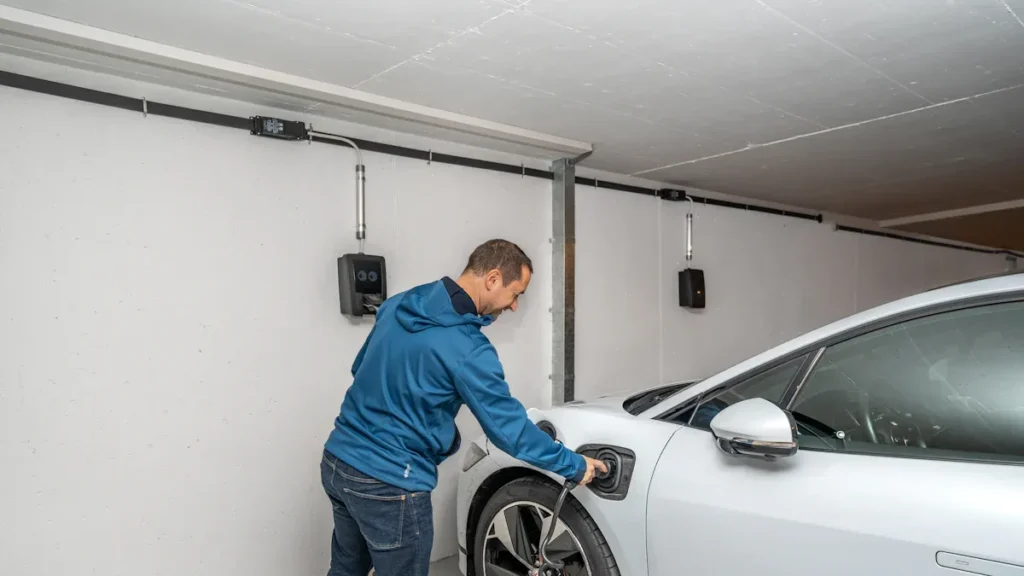
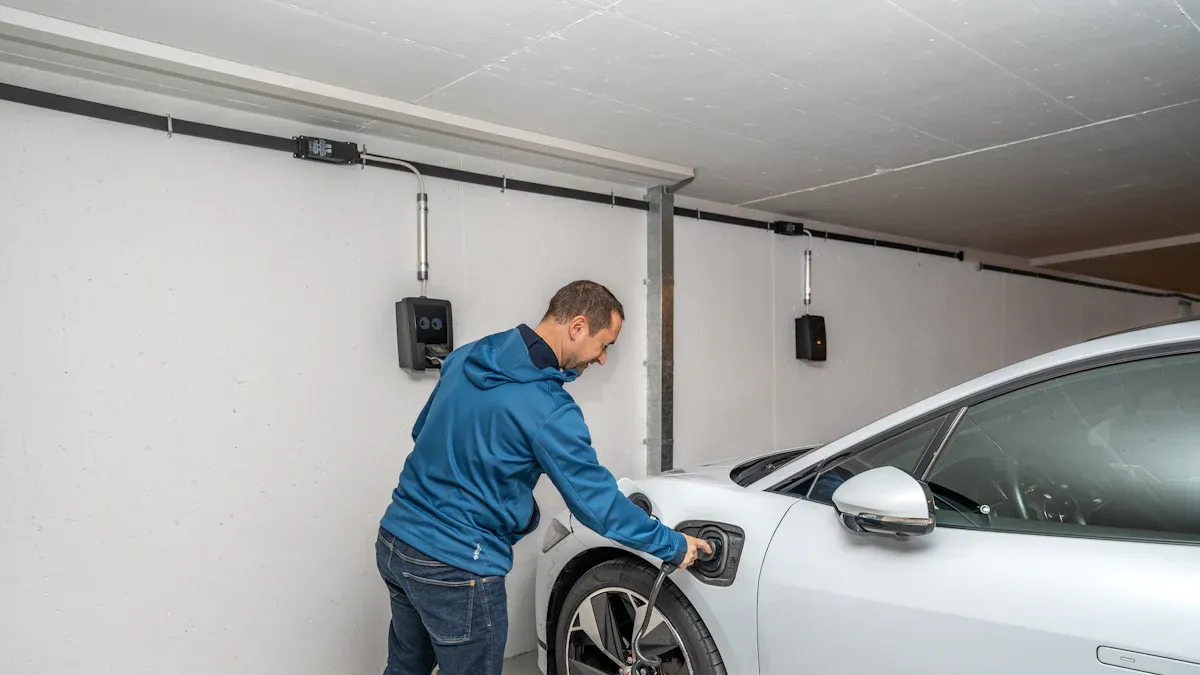
A malfunctioning Pengisi daya listrik often signals problems with the EV adapter or home EV charger. Drivers frequently encounter issues such as loose connections, incompatible adapters, outdated firmware, or damaged cables. EV Adapter Troubleshooting begins with checking the power supply and inspecting for visible damage. Payment errors and weather conditions can also disrupt charging. Produsen pengisi daya EV recommend verifying adapter compatibility and using pengisi daya EV portabel when necessary. Solusi pengisian daya kendaraan listrik address error codes and offer practical solutions.
Immediate solutions include checking secure connections, inspecting cables, and confirming payment methods.
Quick Checks for EV Adapter Troubleshooting
Power Supply and Home EV Charger
Outlet Functionality
Drivers often overlook the importance of a reliable power outlet when addressing charging issues. He should verify that the outlet delivers consistent power and supports the voltage requirements of the home EV charger. Many electric cars not charging at home result from faulty or overloaded outlets. A simple test involves plugging another device into the outlet to confirm its functionality. If the device fails to operate, the outlet may require professional inspection.
Charging Station Power Status
Charging failures frequently occur when the charging station does not receive adequate power from the grid. Managing power delivery during peak times presents a significant challenge for power companies. The charging network determines the power delivered, which can lead to insufficient power availability. Overheating of chargers may happen if used at peak power for extended periods. Drivers should check the station’s indicator lights and display screens for any error messages or warnings. These signals often reveal underlying power supply issues.
Tip: Always monitor the charging station’s status indicators before plugging in the EV adapter. This practice helps prevent unexpected interruptions and ensures safe operation.
Resetting Circuit Breakers
Circuit breakers protect the home EV charger from electrical surges and faults. He should locate the breaker panel and reset any tripped breakers. A tripped breaker often signals an overload or short circuit. Resetting the breaker restores power and may resolve charging issues. If the breaker trips repeatedly, the driver must consult an electrician to investigate deeper electrical problems.
Cable and Adapter Inspection
Physical Damage
Charging failures in EV chargers are often attributed to damaged or worn-out cables. Frayed, kinked, or exposed cables disrupt the charging process and may lead to safety hazards. Regular inspection helps identify these problems early. The following table outlines recommended methods for identifying physical damage in EV charging cables and adapters:
| Method | Deskripsi |
|---|---|
| Visual Examination | Inspect cables and connector ports for frayed wires, bent pins, or corrosion. |
| Regular Inspection | Check for fraying, exposed wiring, or connector damage that could lead to electrical shorts. |
He should identify visible defects such as physical damage, loose cable connection, or irregularities. If any signs of damage appear, the driver must avoid using the product and seek professional solutions.
Connection Points
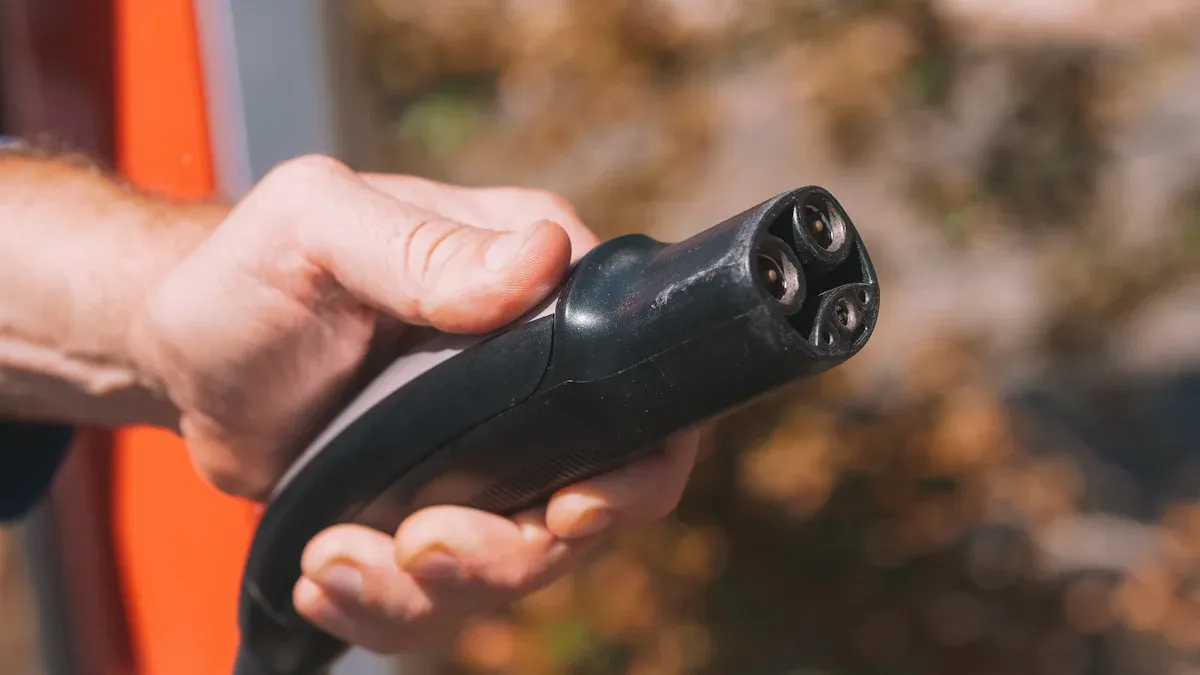
Loose cable connection remains a common cause of charging issues. Drivers must ensure that all connection points between the adapter, cable, and vehicle are secure. A slight misalignment or incomplete insertion can trigger error messages and prevent charging. He should gently wiggle the connectors to confirm stability and listen for audible clicks indicating a proper fit.
Dirt and Debris in Connectors
Dust, moisture, and debris often accumulate in connector ports, causing home charging issues. These contaminants interfere with electrical contact and may result in compatibility errors. Drivers should inspect connectors for dirt and clean them with a dry cloth or compressed air. Avoid using water or cleaning agents, as these substances may damage sensitive components.
Adapter Fit and Secure Connection
Fully Inserted Connectors
A fully inserted connector ensures reliable charging and prevents charging failures. He must push the adapter firmly into the vehicle’s charging port until it locks in place. Partial insertion often leads to charging issues and error messages. Drivers should double-check the connection before starting the charging session.
Mekanisme Penguncian
Many home EV chargers and adapters feature locking mechanisms designed to secure the connection during charging. He should verify that the locking mechanism engages properly. A malfunctioning lock may cause intermittent charging or compatibility issues. If the lock fails to engage, the driver should consult the manufacturer’s manual for troubleshooting steps.
Note: Secure connections and regular inspections form the foundation of effective ev adapter troubleshooting. These practices minimize charging issues and extend the lifespan of the home EV charger.
Adapter Compatibility and EV Charger Troubleshooting
Kompatibilitas Kendaraan
Supported Adapter Types
He must understand that adapter compatibility plays a crucial role in resolving charging issues. German drivers encounter three main levels of charging options:
- Slowest charging occurs when using a standard household outlet.
- Faster charging requires a special charging station.
- DC fast charging delivers rapid energy directly to the EV battery.
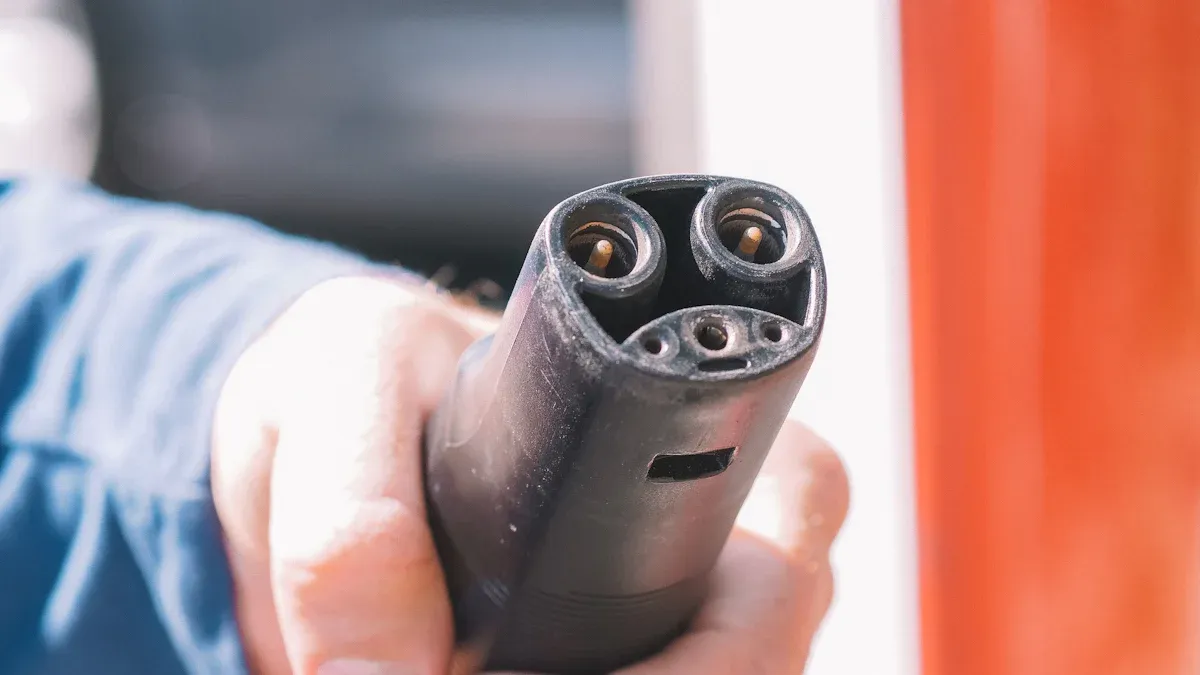
Many charging issues arise when the vehicle isn’t nacs-compatible or the adapter type does not match the car’s requirements. Incompatibility can limit flexibility, cause delays, and even damage the vehicle or charging equipment. He should always check the vehicle’s manual for supported adapter types before attempting to charge.
Rekomendasi Produsen
Manufacturers provide specific recommendations for adapter compatibility to prevent ev compatibility issues. He should consult the manufacturer’s guidelines to identify which adapters work best with his EV model. TPSON, a technologically advanced electric vehicle charging solution provider, offers detailed compatibility charts and solutions for common charging issues. Following these recommendations reduces the risk of error and ensures safe charging.
Charger Compatibility
Charging Station Standards
Charging stations in Germany follow strict standards to support a wide range of EVs. He must verify that the charging station matches the adapter type required by his vehicle. Charging issues often occur when the station uses a different standard or connector. Many stations display compatibility information on their screens or near the charging ports.
Adapter-Charger Match
A proper adapter-charger match prevents incompatibility and error messages. He should inspect both the adapter and the charging station for matching plug types and voltage ratings. Inadequate infrastructure forces drivers to search for compatible chargers, restricting market growth and causing frustration. He can minimize issues by using adapters recommended by the manufacturer and checking station specifications before charging.
Jenis Adaptor dan Kompatibilitas
Type 2 vs. CCS
EV di Jerman umumnya menggunakan adaptor Type 2 dan CCS. Tabel berikut membandingkan fitur utama dan kompatibilitas:
| Jenis Adaptor | Kompatibilitas dengan EV di Jerman | Fitur Utama |
|---|---|---|
| Tipe 2 | Standar di Eropa | Steker paling umum, diwajibkan oleh peraturan UE |
| CCS | Paling populer untuk pengisian cepat DC | Memungkinkan pengisian cepat DC dan pengisian AC di rumah |
Ia harus memilih Type 2 untuk penggunaan pengisi daya EV rumah dan CCS untuk pengisian cepat di stasiun pengisian umum. Memilih jenis adaptor yang tepat membantu menghindari masalah pengisian dan mendukung pemecahan masalah adaptor EV yang efisien.
Adaptor CHAdeMO dan Tesla
Adaptor CHAdeMO masih kurang umum di Jerman tetapi menawarkan kemampuan pengisian daya dua arah yang unik. Adaptor Tesla kini menyertakan kompatibilitas CCS untuk Model 3, memperluas akses ke jaringan pengisian umum. Ia harus mengonfirmasi kompatibilitas adaptor sebelum mengisi daya, terutama jika kendaraannya tidak kompatibel dengan NACS. Menggunakan konektor yang salah dapat mengakibatkan pesan kesalahan dan potensi kerusakan.
Tip: Selalu periksa kompatibilitas adaptor dan standar stasiun sebelum mengisi daya. Praktik ini mencegah masalah pengisian dan mendukung pemecahan masalah pengisi daya EV yang efektif.
Masalah Perangkat Lunak dan Firmware dalam Pemecahan Masalah Adaptor EV
Masalah perangkat lunak dan firmware sering menyebabkan kegagalan pengisian dan panas berlebih yang persisten pada kendaraan listrik. Pengemudi di Jerman harus mengatasi masalah ini untuk menjaga pengisian daya yang andal di rumah dan di perjalanan. Bagian ini menjelaskan bagaimana pembaruan, kode kesalahan, dan konektivitas aplikasi berdampak pada pemecahan masalah adaptor EV.
Pembaruan dan Kode Kesalahan
Pembaruan Perangkat Lunak Kendaraan
Pabrikan secara berkala merilis pembaruan perangkat lunak untuk kendaraan listrik. Pembaruan ini meningkatkan kompatibilitas dengan stasiun pengisian dan adaptor baru, termasuk adaptor Tesla NACS. Pengemudi harus memeriksa pembaruan melalui sistem infotainmen kendaraan atau situs web pabrikan. Perangkat lunak yang kedaluwarsa dapat memicu masalah pengisian, pesan kesalahan, atau bahkan pengisi daya yang terlalu panas. Ia harus menginstal pembaruan segera untuk menghindari masalah kompatibilitas.
Pembaruan Firmware Adaptor
Firmware adaptor mengontrol komunikasi antara kendaraan dan stasiun pengisian. Firmware yang kedaluwarsa dapat menyebabkan gangguan pengisian atau kode kesalahan. Pengemudi harus mengunjungi situs web pabrikan adaptor untuk mengunduh firmware terbaru. Beberapa adaptor memperbarui secara otomatis saat terhubung ke pengisi daya EV rumah dengan akses internet. Ia harus mengikuti instruksi dengan hati-hati untuk mencegah kesalahan instalasi.
Membaca Pesan Kesalahan
EV modern menampilkan pesan kesalahan pada dasbor atau layar stasiun pengisian. Pesan ini memberikan petunjuk tentang sumber kegagalan pengisian. Ia harus mencatat kata-kata persis dan kode kesalahan terkait apa pun. Informasi ini membantu teknisi mendiagnosis dan menyelesaikan masalah dengan cepat.
Kode Kesalahan Umum dan Artinya
Pengemudi sering menemui kode kesalahan spesifik selama pengisian. Tabel berikut mencantumkan kode umum, artinya, dan kemungkinan penyebabnya:
| Kode Kesalahan | Deskripsi | Gejala | Kemungkinan Penyebab |
|---|---|---|---|
| P0A80 | Ganti Paket Baterai Hibrida | Lampu peringatan, daya berkurang | Kegagalan baterai |
| P0A7F | Kerusakan Paket Baterai Hibrida | Perilaku pengukur abnormal, konsumsi bahan bakar lebih buruk | Keausan normal, pengurangan kapasitas |
| P0AC0 | Sirkuit Sensor Arus Paket Baterai Hibrida Rendah | Lampu peringatan, diagnostik menunjukkan arus rendah | Kegagalan sensor, masalah kabel |
| P0AFA | Tegangan Sistem Baterai Hibrida Rendah | Lampu peringatan, kendaraan mungkin mogok | Tegangan baterai HV rendah |
| P0B47 | Sirkuit Sensor Tegangan Baterai Hibrida “C” Rendah | Lampu peringatan, mode daya berkurang | Kegagalan sensor tegangan |
| P0ADC | Sirkuit Kontrol Kontaktor Positif Baterai Hibrida/EV ‘A’ Tinggi | Kendaraan mungkin mogok, kode masalah tersimpan | Kegagalan relai kontaktor |
| P3030 | Kabel Tegangan Tinggi Putus | Lampu peringatan, kehilangan daya mendadak | Kabel tegangan tinggi rusak |
Ia harus berkonsultasi dengan manual kendaraan atau menghubungi dukungan jika kode kesalahan ini muncul. Tindakan cepat mencegah kerusakan lebih lanjut dan mendukung pemecahan masalah pengisi daya EV yang efektif.
Konektivitas dan Pemecahan Masalah Aplikasi
Memulai Ulang Aplikasi Pengisian
Aplikasi pengisian mengontrol akses ke banyak stasiun pengisian umum dan pribadi. Jika aplikasi gagal terhubung, ia harus memulai ulang aplikasi dan koneksi Wi-Fi rumah. This simple step resolves many connectivity problems and restores charging access.
Internet Connection Problems
A weak or unstable internet connection can disrupt charging sessions. He should check the Wi-Fi or mobile data signal near the charging station. Re-authenticating with RFID cards or app credentials may restore access if the connection drops. Clearing the app cache or logging out and back in refreshes authentication tokens and solves many app-related issues.
Rescanning Charging Stations
Sometimes, the app does not recognize nearby charging stations. He should use the app’s rescan feature to update the station list. This action helps the app detect new or recently installed chargers. If the problem persists, he should contact the app provider for further solutions.
Tip: Regularly updating software and firmware, monitoring error codes, and maintaining strong app connectivity help drivers avoid charging failures and persistent overheating.
Payment and Authentication Problems with Home EV Charger
RFID Card Issues
Card Activation
Many drivers in Germany rely on RFID cards to access home EV chargers. He must activate the card before using it for charging. Activation usually requires registration through the charging provider’s website or app. If the card remains inactive, the charger will not start. He should check the activation status online or contact customer support for assistance. Activation delays often cause home charging issues, especially after receiving a new card.
Card Reader Problems
Card readers sometimes fail to recognize activated RFID cards. He should inspect the reader for dirt or physical damage. Cleaning the reader with a dry cloth can resolve minor issues. If the reader still does not respond, he may need to restart the home EV charger or check for error messages on the display. Persistent card reader failures signal deeper charging issues that require professional ev charger troubleshooting.
Mobile App and Payment Processing
App Connectivity
Mobile apps control access and payment for many home EV chargers. He must ensure the app connects to the charger and the internet. Poor connectivity prevents authentication and payment processing. Restarting the app or reconnecting to Wi-Fi often restores functionality. He should update the app regularly to avoid compatibility issues.
Valid Payment Methods
Payment processing depends on valid payment methods stored in the app. He should verify that his credit or debit card details remain current. Expired cards or incorrect information cause payment failures. The app usually displays an error if the payment method does not work. He must update payment details to continue charging without interruption.
Payment Processing Errors
Payment processing errors disrupt charging sessions and create frustration. He should check for error messages in the app or on the charger’s display. Common solutions include restarting the app, verifying payment information, or contacting the payment provider. Some apps offer troubleshooting guides for payment issues. He can resolve most problems by following these steps.
Tip: Keeping payment methods up to date and monitoring app connectivity helps prevent charging interruptions.
Credit/Debit Card Compatibility
Card Compatibility
Not all home EV chargers accept every credit or debit card. He should review the charger’s documentation to confirm compatible card types. Some chargers only accept cards from specific banks or networks. Using an incompatible card leads to authentication failures and charging issues.
Transaction Failures
Transaction failures occur when the payment does not process correctly. He should check for error messages and review his bank account for declined transactions. If the problem persists, he may need to use a different card or contact his bank. Transaction failures often indicate compatibility or authentication issues that require further ev adapter troubleshooting.
Note: Payment and authentication problems often cause charging interruptions. Drivers should address these issues promptly to maintain reliable charging at home. Solutions include updating payment methods, cleaning card readers, and checking app connectivity.
Environmental and Physical Factors in EV Adapter Troubleshooting
Kondisi Cuaca dan Lingkungan
Rain and Moisture
Rain and moisture can cause significant charging issues for electric vehicle owners in Germany. Water entering connectors or ports may lead to short circuits or corrosion. Most modern adapters use advanced sealing materials to protect against moisture. For example, silicone and EPDM provide excellent weather resistance and help maintain safe operation during wet conditions. Drivers should always inspect connectors for water droplets before starting a charging session. If moisture appears inside the port, they should dry it thoroughly to prevent further issues.
Suhu Ekstrem
Extreme temperatures affect both the performance and safety of EV adapters. In Germany, winter brings freezing conditions, while summer can cause overheating. The materials used in adapters and connectors determine their ability to withstand these changes. The table below highlights common materials and their temperature ranges:
| Material | Rentang Suhu | Key Properties | Aplikasi |
|---|---|---|---|
| Silicone (VMQ/LSR) | -55°C to +200°C | Excellent UV and ozone resistance | Widely used for EV connector seals |
| FKM (Viton) | Up to 250°C | Exceptional chemical resistance | Demanding EV applications |
| EPDM | N/A | Excellent weathering resistance | Exterior connectors |
| NBR | -40°C to +120°C | Strong resistance to oils | Thermal management system connectors |
Adapters made with these materials handle temperature swings and resist environmental damage. However, drivers should avoid charging in extreme heat or cold when possible. This practice helps prevent charging issues and extends the life of the home ev charger.
Physical Damage and Wear
Adapter Wear and Tear
Frequent use causes wear and tear on adapters. Over time, seals may degrade, and connectors can loosen. These problems often result in unreliable charging or intermittent connections. Drivers should inspect adapters regularly for cracks, discoloration, or worn contacts. Replacing damaged adapters reduces the risk of charging failures and supports effective ev adapter troubleshooting.
Charging Port Damage
Charging port damage remains a common source of issues. Dropping the connector or forcing it into the port can bend pins or break seals. Damaged ports may prevent the adapter from locking securely, leading to failed charging attempts. If a port shows visible damage, drivers should seek professional ev charger troubleshooting to avoid further complications.
Location Factors and Adapter Compatibility
Public vs. Private Charging Stations
Location plays a major role in charging reliability and adapter compatibility. Most EV owners in Germany prefer private charging solutions at home. The following points highlight key differences:
- Only 13% of EV and plug-in hybrid vehicle owners charge in public spaces, showing a strong reliance on private charging.
- The lack of universal charger compatibility in public areas often leads to inconvenience and frustration.
- Charging infrastructure remains concentrated in countries like Germany, the Netherlands, France, and the UK, which affects availability and compatibility.
Drivers should check adapter compatibility before using public stations to avoid unexpected issues.
Urban vs. Rural Charging Locations
Urban areas offer more charging stations and better infrastructure. Rural locations may have fewer options, which increases the risk of encountering incompatible chargers. Drivers in rural regions should plan routes carefully and carry recommended adapters. This approach helps prevent charging interruptions and ensures reliable access to charging.
Tip: Regular inspection and awareness of environmental and location factors help drivers avoid charging issues and maintain efficient charging routines.
When to Seek Professional Help for EV Charger Troubleshooting
Signs of Serious Issues
Persistent Error Messages
Some charging issues persist even after basic troubleshooting steps. When error messages or warning lights continue to appear on the vehicle dashboard or charging station, this signals a deeper problem. He should not ignore these alerts. Persistent error codes often point to faults in the adapter, the home ev charger, or the vehicle’s electrical system. These situations require expert diagnosis to prevent further complications.
Bahaya Listrik
Certain warning signs indicate immediate safety risks. He should watch for burning smells, visible sparks, or signs of overheating near the charging equipment. Repeated tripping of circuit breakers, such as RCBO or MCB, also suggests serious faults. Physical damage, including frayed cables or damaged connectors, increases the risk of bahaya listrik. In these cases, he must stop charging and avoid handling the equipment until a professional inspects it.
⚠️ Tip: Never attempt to repair electrical hazards without proper training. Safety should always come first during ev charger troubleshooting.
Contacting Support and Service
Manufacturer Helplines
When basic ev adapter troubleshooting does not resolve the issue, he should contact the manufacturer’s helpline. Most manufacturers provide dedicated support lines for charging equipment. The support team can guide him through advanced diagnostics or recommend authorized service centers. He should have the charger model, serial number, and a description of the problem ready before calling.
Local EV Service Centers
Local EV service centers offer hands-on support for complex charging issues. Trained technicians can inspect the home ev charger, test the adapter, and repair or replace faulty components. Many centers use specialized tools, such as digital multimeters, to diagnose electrical faults. Scheduling a service appointment ensures that the equipment receives professional attention and meets safety standards.
Warranty, Repairs, and Adapter Compatibility
Checking Warranty Status
Before authorizing repairs, he should check the warranty status of his charging equipment. Most home ev chargers and adapters include a manufacturer’s warranty that covers defects and certain types of damage. The warranty terms usually appear in the product documentation or on the manufacturer’s website. If the equipment remains under warranty, he may qualify for free repairs or replacement.
Repair or Replacement Options
When physical damage is identified, the technician may recommend replacing the charger port. This process involves disconnecting wires and removing the old port with a soldering tool. The cost of replacement varies by vehicle model and service provider. Regular diagnostics and maintenance of the onboard charger help prevent future issues. He should always use compatible adapters and follow manufacturer guidelines to maintain safe and reliable charging.
Note: Professional support ensures that charging equipment operates safely and efficiently. Timely repairs and regular maintenance reduce the risk of recurring charging problems.
German automotive experts recommend several quick solutions for ev adapter troubleshooting and ev charger troubleshooting. Drivers should check for loose connections, tripped breakers, and authentication errors when facing common charging problems. They must verify vehicle capacity and grid voltage to address slow charging speeds. Proper ventilation and cable inspection help prevent overheating. Reviewing manuals for error codes and using emergency release procedures resolve common causes of charging failures. Regular inspections, software updates, and recommended adapters maintain a reliable home ev charger. Drivers stay proactive by reconnecting securely when charging stops and seeking professional help for persistent issues.
Routine maintenance and awareness of charging issues ensure safe and efficient charging.
PERTANYAAN YANG SERING DIAJUKAN
What should he check first if the EV adapter fails during installation?
He should verify the power supply and inspect all connection points. Checking for visible damage and ensuring the adapter fits securely prevents installation errors. He must confirm that the charging station supports the adapter type before proceeding with installation.
How can he avoid installation errors with a new home EV charger?
He must follow the manufacturer’s instructions step by step. Using recommended adapters and checking compatibility reduces installation errors. He should schedule professional installation to ensure proper wiring and secure connections.
Why do public charging issues occur more frequently than at home?
Public charging issues often result from incompatible adapters, outdated software, or payment authentication failures. He should check adapter compatibility and review station standards before starting installation. Regular updates and inspections help minimize issues at public stations.
What signs indicate a battery problem during installation?
He may notice slow charging, persistent error messages, or reduced driving range. These signs often point to a battery problem. He should consult the vehicle manual and contact support if issues persist after installation.
How does weather affect EV charger installation?
Rain, moisture, and extreme temperatures impact installation. He should inspect connectors for water and avoid installation during severe weather. Using adapters with weather-resistant materials ensures safe installation and reduces issues caused by environmental factors.
What steps help prevent adapter wear during installation?
He should handle adapters carefully and avoid forcing connectors. Regular inspection for cracks or discoloration prevents issues. Scheduling routine maintenance after installation extends adapter lifespan and supports reliable charging.
Can installation errors cause charging failures?
Installation errors often lead to charging failures. He should double-check wiring, secure all connections, and follow manufacturer guidelines. Professional installation reduces the risk of issues and ensures safe operation.
What should he do if charging port damage occurs during installation?
He must stop using the charger immediately. Contacting a local EV service center ensures proper repair. He should avoid handling damaged ports and schedule professional inspection after installation to prevent further issues.