Starting a mobile EV charging business is a clear, multi-step process. Success for this business begins with in-depth market research and a solid business plan. This detailed planning clarifies the path forward. The core journey involves creating a strategic plan, securing funding for equipment like chargeurs portables pour VE, and establishing mobile EV charging operations. Entrepreneurs can partner with Fabricants de chargeurs de VE like TPSON, a provider of advanced Solutions de recharge pour véhicules électriques, to acquire the right Chargeur de VE for their mobile EV charging service. A strong business plan helps build a profitable EV charging business in the growing EV market.
Market Research for Your EV Charging Business
A successful EV charging business is built on a foundation of rigorous market research. This initial planning phase is critical for developing a business plan that identifies genuine market demand and carves out a defensible niche. Entrepreneurs must analyze the landscape to uncover opportunities and understand potential challenges before investing in equipment.
Analyze Your Local Market
The first step involves a deep dive into the specific geographic area the business will serve. This local focus ensures the mobile EV charging services align with real-world conditions and customer needs.
Identify EV Adoption Rates
Entrepreneurs should research current and projected EV ownership statistics in their target market. Local government transportation departments or energy agencies often publish this data. A high or rapidly growing number of EVs indicates a strong potential customer base and justifies the business investment.
Pinpoint Service Gaps
A thorough analysis will reveal areas with insufficient charging infrastructure. These “charging deserts” could be residential neighborhoods with limited off-street parking, commercial districts, or rural routes between cities. These gaps represent prime opportunities for a mobile EV charging business.
Map High-Traffic Areas
Identifying locations where EV drivers congregate is essential. This includes shopping centers, office parks, event venues, and major commuter routes. Mapping these zones helps in planning deployment strategies and estimating potential demand for charging.
Evaluate Mobile EV Charging Business Models
A flexible business can cater to different customer segments. Evaluating several models allows an entrepreneur to diversify revenue streams and meet varied market demand.
On-Demand Roadside Assistance
This model provides immediate mobile EV charging to stranded EV drivers, operating much like traditional roadside assistance. Emergency roadside rescue is a key scenario, especially in areas with sparse charging stations. Demand often arises from:
- Unexpected delays or detours
- Low-battery roadside recovery situations
- Everyday EV ownership challenges where a driver misjudges range
On-demand mobile charging services offer a critical lifeline for EV drivers, providing peace of mind and turning a potential towing event into a simple recharge.
Subscription-Based Services
This model offers regular charging services to individuals or fleets for a recurring monthly fee. It is ideal for customers who lack consistent access to home or workplace charging, providing a predictable revenue stream for the business.
B2B Corporate Partnerships
A business can form partnerships with companies that operate EV fleets or have employees who drive EVs. Offering charging as an employee perk or a fleet management solution creates a stable, high-volume customer base.
Event-Based Charging Services
Temporary events like festivals, concerts, or outdoor markets draw large crowds, including many EV drivers. A business can contract with event organizers to provide on-site mobile EV charging, capitalizing on concentrated, short-term demand.
Perform Competitor Analysis
Understanding the competitive landscape is crucial for differentiation. A detailed analysis informs the company’s unique value proposition and pricing strategy.
Identify Existing Providers
Entrepreneurs must identify all existing charging providers in their market, including both fixed and mobile operations. Globally, a company like ChargePoint serves as a benchmark, operating one of the largest EV charging networks through direct ownership and strategic partnerships. Its extensive presence in North America and Europe demonstrates the scale a successful charging business can achieve.
Analyze Their Pricing and Services
Competitors often use a mix of pricing structures. A business must analyze these models to position its own offerings effectively. Common approaches include:
- Paiement à l'utilisation: A direct fee per charging session or kilowatt-hour.
- Fast Charging Premiums: Higher rates for faster DC charging speeds.
- Modèles d'abonnement : Monthly fees for a set amount of charging, encouraging loyalty.
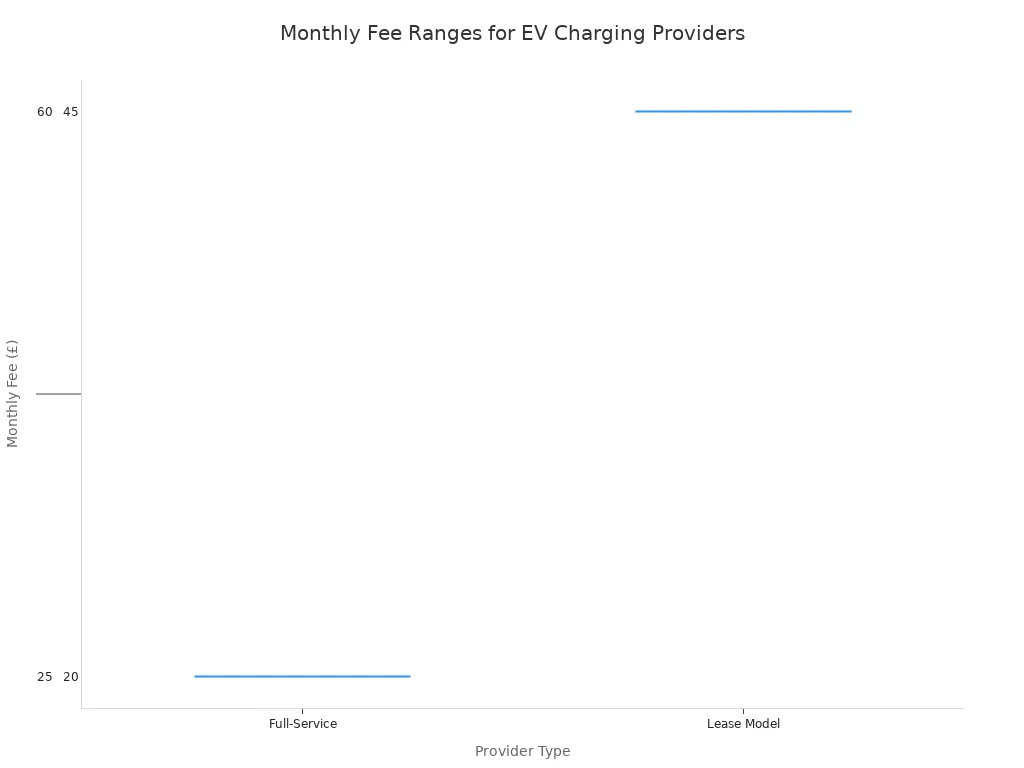
Different service levels also come with varied costs, as seen in the European market.

Define Your Unique Value Proposition
After analyzing the market, business models, and competitors, the final step is to define what makes the business unique. This value proposition is the core of the brand. The proposition could be faster response times, superior customer service, specialized B2B fleet services, or the use of advanced technology from providers like TPSON. A clear value proposition helps the business stand out and attract its target market.
Actionable Steps to Start a Mobile EV Charging Business: Your Plan
After market research, the next phase involves creating a detailed business plan. These actionable steps to start a mobile EV charging business transform research into a concrete operational strategy. A comprehensive plan is the blueprint for launching and managing the enterprise.
Outline Your Company and Services
This section defines the business’s core identity and purpose. It clarifies what the company does, why it exists, and who it serves.
Write Your Mission Statement
A mission statement is a concise declaration of the company’s purpose and value. It should guide every decision. A strong statement might focus on delivering value through technical leadership and fast service. Others prioritize reliability and exceeding customer expectations to support the EV revolution.
Detail Your Service Offerings
An entrepreneur must clearly list the services the business will provide. This includes on-demand mobile EV charging, subscription packages, or B2B fleet support. Detailing the specifics of each service, such as response times and charging speeds, helps define the company’s value proposition.
Define Your Target Customer
Identifying the ideal customer is crucial for effective marketing. The target market could be individual EV drivers in charging deserts, corporate fleets transitioning to electric, or attendees at large public events. A clear customer profile shapes the entire business strategy.
Develop a Pricing Strategy
A well-defined pricing strategy ensures profitability and market competitiveness. The business can blend different models to create multiple revenue streams.
Tarification au kilowattheure (kWh)
This common model bills customers for the energy they consume. For DC fast charging, prices often range from $0.25 to $0.50 per kWh. This approach is transparent and easy for EV drivers to understand.
Flat-Fee Service Call Pricing
A business can charge a single, fixed fee for a mobile charging session. This model simplifies billing, especially for emergency roadside services. The price can include a set amount of energy or time.
Tiered Subscription Models
Subscriptions offer predictable income and build customer loyalty. A plan can include different tiers, such as an “Essential” tier for regular users with discounted rates or a “Premium” tier offering unlimited charging for frequent EV drivers.
Create Detailed Financial Projections
A solid financial model is essential for securing funding and managing the business. This part of the business plan demonstrates the venture’s potential for profitability.
Forecast Startup Costs
Entrepreneurs must estimate all initial expenses. Total startup costs for a mobile EV charging business can range from $20,000 to $50,000. This forecast includes charging units, a service vehicle, software, and licensing fees.
Project Revenue and Profitability
A revenue forecast projects future income. Key variables for the financial model include average order value, repeat order frequency, and subscription renewal rates. This analysis helps predict long-term profitability.
Remarque : A detailed financial forecast is critical. It shows investors the path to a positive return and guides strategic planning for growth.
Create a Break-Even Analysis
This analysis determines the point at which revenue equals costs. Knowing this milestone helps in setting realistic sales targets and managing the company’s financial health during its early stages.
Securing Funding and Managing Your Financial Health
An entrepreneur’s ability to secure funding and manage financial health is a cornerstone of a successful mobile EV charging business. A detailed financial plan not only attracts investment but also guides the company toward long-term profitability. This phase translates the business plan into a tangible financial strategy, covering everything from initial costs to daily operations.
Estimate Total Startup Costs
A precise forecast of startup costs is essential for creating a realistic financial model. Entrepreneurs must account for every expense to avoid funding shortfalls.
Mobile Charging Unit Costs
The primary investment is the mobile EV charging unit itself. Costs vary based on technology and capacity. Advanced solutions from providers like TPSON offer different power levels and features, influencing the initial investment required for the business.
Service Vehicle Acquisition
A reliable service vehicle is necessary to transport the charging equipment. The choice between a new or used van or truck will significantly impact the budget. Customization for branding and equipment installation adds to this expense.
Software and Technology Fees
Modern mobile EV charging operations rely on software for dispatching, payment processing, and customer management. Subscription fees for these platforms are a recurring operational cost that must be included in the financial forecast.
Insurance, Licenses, and Permits
Operating a business legally involves various administrative costs. While specific fees vary, entrepreneurs can estimate annual expenses based on similar mobile service models.
- Licenses and Certificates: Annual costs for necessary permits and inspections can range from £500 to £2,000.
- Liability Insurance: Basic public liability insurance can start from as low as $80 annually, providing essential financial protection.
Explore Funding Options
Several funding opportunities exist for a new EV charging business. Exploring these options helps secure the necessary capital for launch and growth.
Small Business Administration (SBA) Loans
While many SBA loans require a business to be operational for at least two years, the SBA Microloan program offers a valuable alternative for new ventures. These loans, ranging from $500 to $50,000, provide accessible startup capital.
National Electric Vehicle Infrastructure (NEVI) Programs
Government programs like NEVI offer significant funding opportunities for building charging infrastructure. Businesses can apply for these funds through state-specific initiatives. Each state develops an EV Infrastructure Deployment Plan, outlining how it will use federal funds to expand its charging network. Entrepreneurs should monitor their state’s transportation department website for announcements, application materials, and informational webinars to capitalize on these programs.
Angel Investors and Venture Capital
For businesses with high growth potential, angel investors and venture capital firms can provide substantial investment. A strong business plan and a compelling financial model are critical for attracting this type of funding.
Equipment Leasing and Financing
Instead of purchasing equipment outright, leasing offers a way to reduce upfront costs. This approach preserves capital for other operational needs and can make starting a mobile EV charging business more accessible.
Establish Financial Operations
Proper financial management from day one ensures the business remains healthy and on track for profitability.
Open a Business Bank Account
Separating personal and business finances is a fundamental step. A dedicated business bank account simplifies accounting and provides a clear view of the company’s financial status.
Set Up an Accounting System
An organized accounting system is crucial for tracking revenue, expenses, and overall financial performance. This system supports tax compliance and provides the data needed for strategic decision-making.
Create a Budget for Ongoing Expenses
A detailed budget helps manage cash flow and control costs. This plan should account for all recurring expenses, including fuel, vehicle maintenance, software subscriptions, and insurance, ensuring the business operates within its financial means.
Acquiring Equipment for Mobile EV Charging

Selecting the right equipment is a critical investment for any mobile EV charging business. The hardware and software chosen directly impact service efficiency, operational costs, and customer satisfaction. Entrepreneurs must carefully evaluate their options to build a reliable and scalable operation.
Select Your Mobile Charging Units
The core of the business is the charging unit itself. The technology an entrepreneur chooses will define the service’s speed, portability, and environmental impact.
Battery-Powered Mobile Chargers (DCFC)
Battery-powered units, often called portable power stations, are a popular choice for mobile EV charging. These systems offer significant advantages. They operate silently and produce no emissions, making them ideal for use in residential areas or indoor parking garages. Their excellent energy storage can often be expanded, and they are highly portable. However, they have a limited capacity for heavy loads and require recharging from an external source. The high upfront cost is another factor for a new business to consider.
| Fonctionnalité | Battery-Powered Mobile Chargers | Generator-Based Mobile Chargers |
|---|---|---|
| Noise | Silent Operation | Noisy |
| Emissions | Zero Fumes (Eco-Friendly) | Produces Pollutants |
| Maintenance | Simpler, fewer moving parts | Requires regular fuel and oil checks |
| Indoor Use | Safe for indoor deployment | Unsafe due to ventilation needs |
| Recharging | Recharges via grid or solar | Requires continuous refueling |
Generator-Based Charging Systems
Generator-based systems provide a powerful alternative for mobile charging services. While they are noisier and produce emissions, their key advantage is the ability to generate continuous power as long as fuel is available. This makes them suitable for heavy-duty applications or extended charging sessions in remote locations where the grid is inaccessible.
Vehicle-to-Vehicle (V2V) Chargers
Vehicle-to-Vehicle (V2V) charging is an emerging technology. It allows a specially equipped service vehicle to transfer power directly to a stranded EV. This method transforms the service vehicle itself into a mobile battery. As this technology matures, it could offer a highly integrated solution for roadside assistance.
Choose a Service Vehicle
The service vehicle transports the charging equipment and acts as a mobile billboard for the business.
Vans vs. Trucks
Vans offer better maneuverability in urban environments and protect expensive equipment from the elements. Trucks, on the other hand, typically provide a higher payload capacity, which is necessary for heavier generator or battery systems. The choice depends on the weight of the charging unit and the primary service area.
New vs. Used Vehicles
A new vehicle offers reliability and a manufacturer’s warranty, reducing the risk of unexpected downtime. A used vehicle lowers the initial capital investment but may come with higher maintenance costs and less reliability.
Vehicle Customization and Branding
The vehicle requires customization to safely secure the charging equipment. Entrepreneurs should also apply professional branding. A well-designed vehicle wrap advertises the business and communicates professionalism and value to potential customers.
Implement a Software Platform
An integrated software platform is essential for managing operations efficiently. This technology automates key tasks, from booking to payment.
Booking and Dispatching Software
Modern dispatch software streamlines the entire mobile EV charging process. These platforms automate driver allocation using algorithms that consider real-time location and distance. They also offer customers self-service booking options through a mobile app, which adds significant value and improves the user experience for any EV driver needing a charge.
Systèmes de traitement des paiements
An effective system must support multiple payment options, including credit cards and mobile wallets. Integrated payment processing simplifies transactions for both the customer and the business, providing digital receipts and reducing administrative work.
Customer Relationship Management (CRM)
A CRM system helps the business manage customer information, track service history, and build lasting relationships. This tool is vital for identifying repeat customers and gathering feedback to improve the charging service for every EV.
Ensure Equipment Compliance
Ensuring all equipment meets strict compliance standards is a non-negotiable step in launching a mobile EV charging business. Compliance protects the business, its technicians, and its customers from safety hazards. It also builds brand credibility and ensures the service is compatible with a wide range of electric vehicles. Entrepreneurs must prioritize certified and universally compatible hardware from the outset.
Adherence to Safety Standards (UL, CE)
Safety certifications are proof that the charging equipment has undergone rigorous testing. For businesses operating in North America, compliance with Underwriters Laboratories (UL) standards is essential for market entry and operational safety. Key standards include:
- UL 2202: This standard covers DC charging equipment for electric vehicles. It assesses critical safety and performance factors like power verification, temperature control, and moisture resistance.
- UL 2231: This standard focuses on personnel protection systems within the EV supply circuit. It ensures the charging process is safe for the user by testing built-in protective measures.
Adherence to these standards is not just a regulatory hurdle; it is a fundamental commitment to safety. It assures customers that the service they receive is reliable and secure, protecting both their vehicle and themselves during every charging session.
Similarly, the CE mark is mandatory for products sold within the European Economic Area, indicating conformity with health, safety, and environmental protection standards. Partnering with manufacturers like TPSON, known for technologically advanced and compliant solutions, can simplify the process of sourcing certified equipment for any mobile EV charging operation.
Compatibility with EV Connectors (CCS, CHAdeMO, NACS)
An EV is only as accessible as its charging connector. The EV market features several competing charging standards, and a mobile service must be equipped to handle them all. Offering multiple connector types maximizes the potential customer base and ensures no driver is turned away. The primary connectors an operator will encounter are CCS, CHAdeMO, and NACS. Each serves different vehicle brands, making interoperability a key to success.
| Connecteur | Full Name | Primary Users | Caractéristiques principales |
|---|---|---|---|
| CCS | Système de charge combiné | BMW, Ford, GM, VW | Combines AC and DC charging in one port. |
| CHAdeMO | CHArge de MOve | Nissan, Mitsubishi | A DC charging standard popular with Japanese automakers. |
| CNA | Norme de charge nord-américaine | Tesla (now being adopted by others) | A compact, proprietary connector developed by Tesla. |
A successful mobile charging business must invest in units that support these different standards. This versatility ensures the service can assist any EV driver in need, solidifying the company’s reputation as a comprehensive and reliable solution.
Operations and Legal Compliance
Navigating the landscape of legal and operational requirements is a foundational step for launching a durable enterprise. A successful ev charging business depends on a solid framework of compliance from day one. This ensures the business operates legally, protects its assets, and builds trust with customers. The business plan should account for these critical administrative tasks.
Handle Legal and Administrative Setup
Establishing the company’s legal identity is the first order of business. This process formalizes the venture and separates it from the owner’s personal finances.
Register Your Business Name
An entrepreneur must select and register a unique business name. This name should reflect the brand’s identity and be available for use in the operating jurisdiction. A registered name prevents other companies from using it and is a key part of brand creation.
Choose a Legal Structure (LLC, Corp)
Selecting a legal structure, such as a Limited Liability Company (LLC) or a corporation, is a crucial decision. This choice impacts liability, taxation, and administrative requirements. The registration process generally involves these steps:
- Provide several pieces of personal information for identity verification.
- Complete the registration forms through a government portal, which usually processes the application within a day.
- Pay the required registration fee.
- Receive a certificate of incorporation, officially establishing the business as a legal entity.
Obtain an Employer Identification Number (EIN)
An Employer Identification Number (EIN) is a unique nine-digit number assigned by tax authorities. A business needs an EIN to hire employees, open a business bank account, and file federal and state tax returns. It is an essential identifier for all financial and legal matters.
Secure Necessary Permits and Licenses
A mobile ev charging service must hold the correct permits to operate legally. These requirements can vary significantly based on state and local regulations.
General Business Licenses
Most municipalities require a general business license to operate within their jurisdiction. This license confirms that the company complies with local regulations and is authorized to conduct business.
State and Local Permits
Entrepreneurs must research specific state and local permits related to mobile services and electrical work. Some areas may have unique rules for commercial vehicle operation or for providing a charging service to the public.
Hazmat Transportation Permits
Transporting large, high-capacity battery units may require a hazardous materials (Hazmat) permit. Because these powerful batteries are central to the mobile ev charging model, securing the right transportation permits is a non-negotiable safety and compliance step for any EV operator.
Obtain Comprehensive Insurance
Insurance protects the business from financial loss due to accidents, property damage, or other unforeseen events. A comprehensive policy is vital for managing risk.
General Liability Insurance
This policy covers third-party bodily injury or property damage caused by the business’s operations. It is essential protection for any company interacting with the public and their property, especially when handling EV charging equipment.
Commercial Auto Insurance
Standard personal auto policies do not cover vehicles used for business purposes. Commercial auto insurance provides liability and physical damage coverage for the service vehicle used in the mobile EV charging operations.
Workers’ Compensation
If the business hires technicians or other employees, it must carry workers’ compensation insurance. This coverage provides benefits to employees who get injured or become ill on the job.
Set Up Operational Logistics
Effective operational logistics form the backbone of a reliable mobile service. This phase of planning transforms the business concept into a functional, day-to-day operation. A well-structured logistical framework ensures efficiency, minimizes downtime, and delivers a superior customer experience.
Design a Dispatching Workflow
A modern dispatching workflow is critical for a successful mobile EV charging business. Entrepreneurs should implement a system that automates scheduling and optimizes resource allocation. An efficient workflow involves several key practices:
- Automated Scheduling: Software can assign jobs automatically. It uses inputs like technician skill sets, availability, and real-time location data to find the best person for each charging request.
- Route Optimization: Advanced systems build the most efficient routes for service vehicles. This reduces travel time between jobs, lowers fuel costs, and allows technicians to complete more service calls per day.
- Real-Time Communication: Mobile capabilities are essential. Technicians receive instant updates on their devices about schedule changes or new job details. They can also log their status, giving dispatchers a live view of all operations.
This level of organization ensures a prompt response for any EV driver needing assistance.
Plan Vehicle Maintenance Schedules
The service vehicle is a core asset. Unexpected downtime directly translates to lost revenue and a damaged reputation. A proactive vehicle maintenance plan is therefore non-negotiable. This schedule should include regular checks for the vehicle’s engine, tires, and brakes. It must also incorporate routine inspections and servicing of the onboard charging equipment. Consistent maintenance guarantees that the mobile EV charging service remains dependable and ready for deployment at all times.
Train Your Technicians
Technicians are the face of the company. Their expertise and professionalism directly influence customer satisfaction. Comprehensive training should cover two primary areas. First, technicians need deep technical knowledge of the charging hardware. They must operate equipment safely and efficiently for a variety of EV models. Training on specific hardware is crucial, especially with technologically advanced solutions from providers like TPSON. Second, customer service skills are vital. Technicians must communicate clearly, act professionally, and represent the brand positively during every customer interaction, turning a simple charging session into a valued service experience.
Building Your Brand and Marketing Strategy

A strong brand and a smart marketing strategy are essential for attracting customers to a new mobile EV charging business. After defining services and operations, an entrepreneur must create a plan to reach the target market. This phase focuses on building visibility and driving customer acquisition.
Develop a Go-to-Market Plan
A go-to-market plan outlines the specific actions a business will take to engage with customers and achieve a competitive advantage. It connects the company’s value proposition to the needs of the market.
Define Your Brand Identity
A brand identity is the company’s personality. It is the unique value proposition communicated through its name, logo, and messaging. This identity should convey trust, reliability, and technological competence. A clear proposition helps the business stand out and communicates its core value to potential EV drivers.
Build a Professional Website
The company website is its digital headquarters. It must clearly detail service offerings, pricing, and service areas. A professional site optimized for local search terms helps the business appear in relevant search results. It should also feature a simple booking system for a seamless user experience.
Set Up Social Media Profiles
An active social media presence builds community and brand awareness. A business should create profiles on platforms where EV owners are active, such as Facebook, Instagram, and LinkedIn. Consistent posts about the service, EV tips, and company news keep the audience engaged.
Execute Customer Acquisition Tactics
A proactive customer acquisition strategy is necessary to generate initial revenue and build momentum. This involves using a mix of digital and traditional methods to reach potential clients.
Run Targeted Digital Ads
Digital advertising offers a powerful way to reach specific demographics. A well-executed acquisition strategy can generate significant leads.
An effective digital plan often combines several tactics. Successful campaigns for EV charging services have seen impressive results by integrating Search Engine Optimization (SEO), consistent social media management, and targeted paid ads. This multi-channel strategy increases website traffic and generates leads directly from the target market.
Form Partnerships with Local Businesses
Building local relationships creates valuable referral networks. Entrepreneurs can partner with:
- Auto repair shops
- Hotels and hospitality venues
- Corporate fleet managers
- Event organizers
These partnerships introduce the mobile EV charging service to a wider audience and build credibility within the community.
List on EV Apps (PlugShare, A Better Routeplanner)
EV drivers frequently use specialized apps to find charging options. Listing the service on these platforms is a direct and effective tactic. It places the business right where customers are looking for a charging solution, increasing visibility at the moment of need.
Content and Community Engagement
Engaging with the EV community establishes the business as a trusted resource. This strategy builds long-term brand loyalty and value.
Create Educational Blog Content
Creating high-quality blog content helps the business rank higher in search results. It also positions the company as an expert. Articles on topics like EV maintenance, range optimization, or the benefits of using advanced charging solutions from providers like TPSON provide value to EV owners.
Engage with Local EV Owner Groups
Participating in local EV clubs and online forums is an excellent way to connect directly with the target audience. This engagement provides insights into customer needs and helps build a positive reputation for the EV charging business.
Launching and Scaling Your Mobile EV Charging Business
The final stages of starting a mobile EV charging business involve a carefully executed launch and a forward-thinking plan for growth. This phase transitions the business from a concept into an active market participant, focusing on building momentum and long-term profitability.
Execute a Phased Launch
A gradual rollout minimizes risk and allows for operational refinement. This strategic approach ensures the business is fully prepared for market demand.
Start with a Soft Launch
A soft launch is a trial run with a limited audience. This allows the business to test its dispatching software, payment systems, and équipement de charge in a controlled environment. It is an opportunity to identify and fix any issues before a full-scale public debut.
Define Your Initial Service Area
An entrepreneur should start by serving a specific, well-researched geographic area. This focused approach helps manage resources effectively and build a strong reputation within a local community. The initial area should have a clear demand for mobile EV charging.
Announce Your Official Launch
After a successful soft launch, the business can announce its official opening. A coordinated marketing campaign across the website, social media, and local partnerships will generate excitement and attract the first wave of customers to the new EV charging service.
Gather Feedback for Improvement
Continuous improvement is driven by customer feedback and performance data. This information provides invaluable insights for enhancing service quality and operational efficiency.
Collect Customer Reviews and Testimonials
An entrepreneur should actively encourage customers to leave reviews and testimonials. Positive feedback builds social proof and brand trust. Constructive criticism highlights areas for improvement, offering a direct path to a better customer experience and greater value.
Monitor Key Performance Indicators (KPIs)
Tracking the right metrics is essential for measuring the health of the business. Key performance indicators provide a clear forecast of operational performance and customer satisfaction.
For any EV charging business, certain KPIs are mission-critical. Monitoring these metrics helps spot anomalies before they become major problems.
- Charger Uptime: Dependable charging equipment is fundamental. Proactive servicing ensures the hardware, such as advanced units from TPSON, remains reliable.
- Adherence to Service Level Agreements (SLAs): Meeting agreed-upon response times for charging requests is crucial. This demonstrates reliability and builds customer trust.
- Satisfaction des clients: The ultimate measure of success. A reliable EV charging service that meets expectations is key to retaining customers and protecting the brand’s reputation.
Plan for Strategic Growth
A successful launch is just the beginning. Strategic planning based on real-world data paves the way for sustainable expansion and long-term financial success.
Analyze Performance Data for Expansion
Performance data reveals powerful insights. An entrepreneur must analyze service request locations, peak demand times, and customer demographics. This information helps create an accurate financial forecast and identifies the most promising opportunities for growth.
Plan for Geographic Expansion
Data on service demand from outside the initial zone signals opportunities for geographic expansion. Analyzing regional market trends and infrastructure gaps helps prioritize which new territories to enter next, ensuring the expansion plan is data-driven.
Explore Fleet Growth Opportunities
As demand grows, the business must plan to expand its fleet. Analyzing fleet utilization rates and market demand helps determine the right time to invest in additional vehicles and charging units. This careful planning ensures the business can scale its operations to meet rising EV market demand and capture new value.
Launching a mobile EV charging business follows a clear, strategic path. Success hinges on a solid business plan and efficient operations. A detailed plan guides the business toward profitability. Entrepreneurs can build a profitable EV charging business in the growing EV market. They must focus on customer needs and smart execution. This creates lasting value for every EV driver.
The opportunities are significant for entrepreneurs ready to power the future of transportation. A strong business plan and reliable EV charging equipment, like advanced solutions from TPSON, are key to capturing market share and ensuring long-term profitability. This mobile EV charging business model offers a unique way to support the expanding EV charging infrastructure.
FAQ
Is a mobile EV charging business profitable?
Yes, this business can be highly profitable. Success depends on a solid business plan, efficient operations, and a well-defined service area. Multiple revenue streams like on-demand services and B2B partnerships increase profitability. A strong financial model is key to long-term success.
What is the most important piece of equipment?
The mobile charging unit is the most critical asset. An entrepreneur’s choice of a battery-powered or generator-based system defines the service’s capabilities. High-quality, reliable hardware is essential for delivering dependable service and building a strong brand reputation in the market.
How fast can a mobile unit charge an EV?
Charging speed varies by the unit’s power output (kW). A typical mobile DC fast charger can add approximately 1 kilometer of range per minute. This provides enough power for a stranded driver to reach the next stationary charging station or their destination.
Which business model is best for starting out?
The on-demand roadside assistance model is an excellent starting point. It addresses an immediate customer need with a clear value proposition. This model allows a new business to build brand recognition and operational experience before expanding into subscriptions or corporate partnerships.
What are the biggest operational challenges?
Key challenges include logistical planning, vehicle maintenance, and managing technician schedules. Efficient dispatching software helps optimize routes and minimize response times. Proactive maintenance of both the service vehicle and charging equipment is crucial to prevent costly downtime and ensure service reliability.
How does a business ensure equipment safety and compatibility?
A business must source certified hardware. Partnering with a provider like TPSON ensures access to technologically advanced solutions that meet stringent safety standards (e.g., CE). Offering multiple connectors (CCS, CHAdeMO) guarantees compatibility with a wide range of electric vehicles.