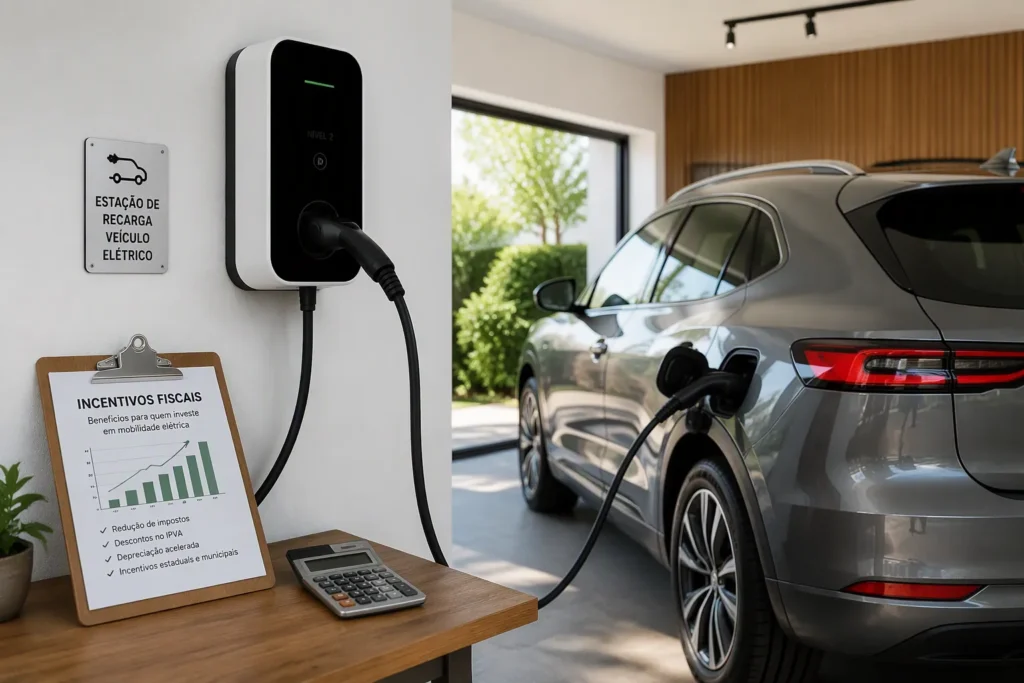
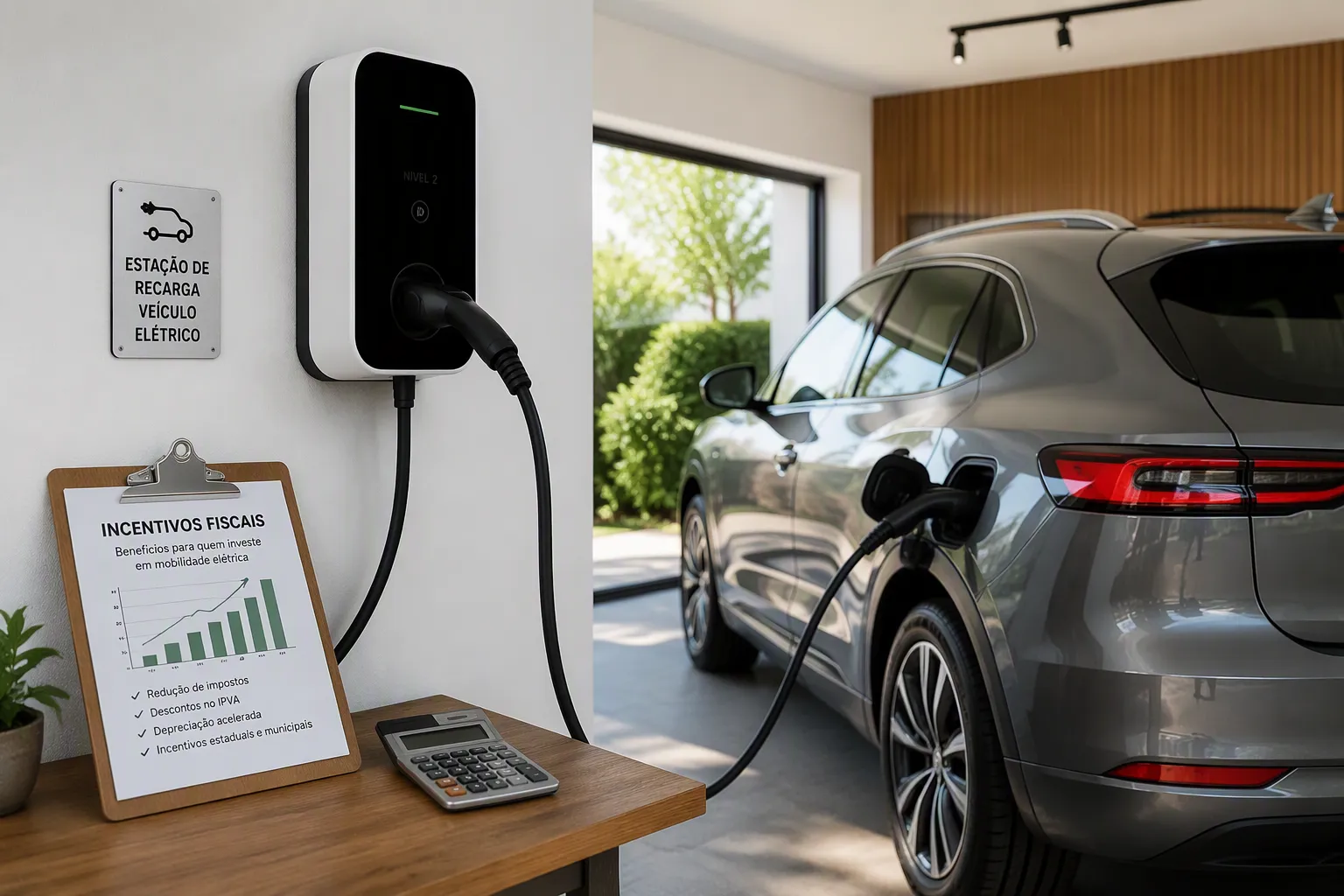
Brazil offers government incentives for Level 2 Chargeur EV installation. These tax incentives reduce equipment and installation costs. The growing demand for electric vehicles creates a business opportunity for investing in EV charging. Leveraging incentives helps install EV charging stations. Public charging infrastructure, including EV charging stations and Solutions de recharge pour véhicules électriques, also qualifies. Fabricants de chargeurs de VE et chargeurs ev portables meet technical standards. Understanding each government level maximizes savings.
Federal Tax Incentives for Level 2 EV Chargers

The Brazilian federal government offers several tax incentives for Level 2 EV charger equipment and related infrastructure. These benefits target manufacturers, importers, businesses, and individual homeowners. Understanding federal programs helps buyers réduire les coûts initiaux significantly.
IPI Reduction on EV Charging Equipment
The Imposto sobre Produtos Industrializados (IPI) is a federal excise tax on manufactured goods. This tax applies to many products sold in Brazil, including electrical equipment. The federal government has adjusted IPI rates for certain EV-related products to encourage adoption.
How IPI Applies to Level 2 Chargers
IPI rates for Level 2 chargers depend on the product classification and local manufacturing status. Domestically produced chargers often receive lower IPI rates than imported units. The federal government sets these rates through decrees and regulatory updates. A standard Level 2 charger may face IPI rates between 5% and 15% without incentives. Qualifying products can see rates drop to 0% or near 0%. Manufacturers pass these savings to consumers through lower retail prices. Buyers should verify the IPI classification of their chosen charger model before purchase.
Qualifying Product Categories
Not all charging equipment qualifies for IPI reduction. The federal government defines specific product categories eligible for benefits. These categories include AC Level 2 charging stations for residential use, commercial charging stations for public and private locations, and smart charging equipment with network connectivity. Portable EV chargers typically fall under different classifications. TPSON, a technologically advanced electric vehicle charging solution provider, manufactures products that meet these federal standards. Buyers should confirm that their selected equipment appears on the official qualifying list.
Import Tax Exemptions
Brazil imposes import taxes on many foreign goods, including electrical equipment. These taxes can raise the final price of imported EV chargers substantially. The federal government offers exemptions and reductions for certain EV charging products.
Exemption for Domestically Produced Chargers
Chargers manufactured within Brazil avoid import taxes entirely. The federal government created this exemption to boost local production and reduce dependence on foreign suppliers. Domestic manufacturers must meet specific local content requirements to qualify. These requirements include minimum percentages of locally sourced components and assembly within Brazil. Companies that meet these standards receive full import tax exemption on their raw materials and components. This exemption lowers production costs and makes Brazilian-made chargers more competitive.
Reduced Rates for Imported Units
Imported Level 2 chargers may qualify for reduced import tax rates under specific federal programs. The Ex-Tarifário regime allows companies to import capital goods and IT products at reduced rates when no domestic equivalent exists. Import tax reductions can range from 50% to 100% depending on the product category. The federal government reviews these rates periodically and updates the eligible product lists. Importers must apply for the benefit before shipping their goods. Approval depends on demonstrating that the imported charger meets technical standards and serves a legitimate market need.
Federal Programs Supporting EV Infrastructure
Brazil has launched several federal programs to accelerate electric vehicle adoption and charging infrastructure development. These programs provide tax benefits, funding, and regulatory support.
Rota 2030 and Related Initiatives
Rota 2030 is a federal program that establishes guidelines for the Brazilian automotive sector. The program runs from 2018 to 2033 and promotes research, development, and innovation. Companies that invest in EV technology and charging infrastructure receive tax credits and rebates. The program offers deductions on IPI, PIS, and COFINS taxes for qualifying investments. Businesses investing in EV charging stations for their facilities can claim these benefits. Rota 2030 also funds research projects related to electric mobility and smart charging systems. The program represents a major government commitment to electrification.
National Electric Mobility Incentives
The federal government has introduced additional initiatives to support electric mobility. These programs focus on expanding public charging infrastructure and reducing barriers to EV adoption. The National Electric Mobility Platform coordinates efforts across federal agencies and private sector partners. This platform provides technical guidance, funding opportunities, and regulatory clarity for charging station projects. Federal incentives also include reduced taxes on electricity used for vehicle charging at public stations. The government continues to develop new programs that address the growing demand for EV charging solutions. These initiatives create a favorable environment for investing in EV charging across Brazil.
State Incentives for EV Charging Stations
State-level incitations fiscales deliver substantial savings for charger installation. Each state government determines its own programs. These programs vary in scope and structure.
ICMS Exemptions and Reductions
ICMS represents a state tax on goods and services. This tax applies to charging equipment. Each Brazilian state sets its own rate. Typical rates range from 7% to 18%.
How ICMS Affects Charger Purchases
ICMS adds a substantial cost to charger purchases. A consumer pays almost one-fifth more than the base price in high-rate states. States now classify charger installations as environmentally beneficial. They offer ICMS reductions to support adoption.
States Offering Full or Partial Exemptions
Several states offer ICMS exemptions. São Paulo grants a full exemption on residential chargers. Rio de Janeiro reduces the rate from 18% to 7%. Minas Gerais exempts public stations completely. Paraná applies a 50% reduction on all chargers. Buyers must verify rates before purchasing.
State-Level EV Programs
States offer comprehensive programs. These programs provide tax credits and rebates, streamlined permitting, and support for charging infrastructure. TPSON works with state agencies to supply reliable equipment.
São Paulo Incentives
São Paulo leads Brazil in programs for electric vehicles. Homeowners receive rebates covering up to 30% of equipment costs. Commercial properties obtain credits for installing ev charging stations. The state funds shared resources for apartment buildings. These initiatives create a favorable environment for investing in ev charging.
Rio de Janeiro and Other State Programs
Rio de Janeiro offers a partial ICMS reduction on chargers. The state waives licensing fees for public stations. The government provides land for station installations. Minas Gerais, Paraná, and Bahia offer active programs.
How State Incentives Vary Across Brazil
State programs for charging stations vary significantly across Brazil. Some states provide generous programs. Others offer minimal support.
States With Active Incentives
São Paulo, Rio de Janeiro, Minas Gerais, Paraná, Bahia, and Rio Grande do Sul provide the most active programs. They offer ICMS reductions and direct support for ev charging stations. These states recognize the demand for charging solutions.
States Without Specific Charger Incentives
Some states lack specific programs for charging equipment. Acre, Rondônia, and Amapá provide examples. Consumers pay full ICMS rates on charger purchases in these states. No credits or rebates exist at the state level. Federal incentives still apply. The opportunity for new state programs remains open.
Municipal Incentives for Level 2 Charger Installation
City governments across Brazil add another layer of savings for level 2 charger installation. These municipal programs complement federal and state tax incentives. Each city designs its own rules and benefit levels. Homeowners and businesses should check local programs before starting their projects.
ISS Reductions for Installation Services
The Imposto Sobre Serviços (ISS) is a municipal tax on service transactions. This tax applies to professional installation work for electrical equipment. Cities set their own ISS rates, which typically range from 2% to 5%.
How ISS Applies to EV Charger Installation
Installation services for EV charging equipment fall under ISS taxation in most cities. A licensed electrician charges ISS on labor and related services. This tax increases the coût total du projet for the property owner. Some municipalities now offer reduced ISS rates for green technology services. These reductions lower the cost of professional installation significantly.
Municipalities Offering ISS Benefits
Several Brazilian cities have introduced ISS reductions for EV-related services. São Paulo offers a reduced ISS rate for certified green technology installations. Curitiba provides similar benefits for sustainable infrastructure projects. Belo Horizonte grants ISS discounts for commercial charging station installations. Property owners should verify current rates with their local tax authority.
Property Tax (IPTU) Benefits
The Imposto Predial e Territorial Urbano (IPTU) is an annual municipal property tax. Cities can adjust IPTU rates to encourage sustainable building practices.
Green Building and Sustainability Discounts
Many cities link IPTU discounts to green building certifications. Properties with EV charging infrastructure may qualify for these programs. A building that installs EV charging stations demonstrates environmental commitment. This commitment can translate into annual property tax savings. The discount percentage varies by city and certification level.
Cities With IPTU Incentives for EV Infrastructure
São Paulo offers IPTU discounts for buildings with certified green infrastructure. Rio de Janeiro provides similar benefits for commercial properties. Porto Alegre grants IPTU reductions for residential buildings with EV charging stations. These programs create long-term savings for property owners. The demand for EV-ready buildings continues to grow.
Local Licensing Fee Waivers
Cities charge fees for construction permits and electrical inspections. These fees add to the total cost of level 2 charger installation.
Reduced Permitting Costs
Some municipalities waive or reduce permitting fees for EV charger projects. These waivers lower upfront costs for property owners. Cities recognize that charging infrastructure supports their sustainability goals. Reduced fees create an opportunity for more property owners to invest in EV charging.
Municipal EV Readiness Programs
Several cities have launched EV readiness programs. These programs streamline the permitting process for charging equipment. They provide technical guidance and standardized requirements. Some programs offer rebates or credits for qualifying projects. TPSON works with municipalities to ensure equipment meets local standards. These programs support the growing demand for residential and commercial charging solutions.
Eligibility Requirements for EV Charger Incentives
Brazilian incitations fiscales for EV charger installation come with specific eligibility rules. These rules differ across federal, state, and municipal programs. Applicants must meet each level’s requirements to maximize their savings.
Who Qualifies for Federal Incentives
Federal programs set broad eligibility criteria. These criteria cover both individuals and organizations.
Individual Homeowners
Individual homeowners qualify for federal IPI reductions on Level 2 charger purchases. They must buy qualifying equipment from approved manufacturers. The charger must meet technical standards set by federal agencies. Homeowners need proper documentation to claim benefits. Required documents include receipts for EVSE equipment purchase, an installation invoice that shows the placed-in-service date, proof of payment, the equipment spec sheet with model number, and proof that the unit is a qualifying charger. These records support any future tax claims.
Businesses and Commercial Properties
Businesses and commercial properties also qualify for federal incentives. Companies investing in ev charging infrastructure can access Rota 2030 benefits. Commercial properties that install ev charging stations for public use receive additional consideration. These organizations must maintain proper business registration and tax compliance. The federal government encourages private sector investment in charging networks.
Who Qualifies for State and Municipal Incentives
State and municipal programs add their own eligibility layers. These requirements vary by location.
Residency and Property Requirements
State programs typically require residency or property ownership within the state. Homeowners must provide proof of residence through utility bills or property deeds. Municipal programs may require property registration within city limits. Some cities restrict benefits to primary residences only. Applicants should verify local rules before starting their level 2 charger installation.
Business Registration and Licensing
Businesses must hold valid state and municipal registrations. Commercial applicants need proper licensing for their operations. Some states require additional environmental certifications for commercial charging stations. Municipal programs may ask for business permits specific to the installation location. These requirements ensure that only legitimate operations receive public benefits.
Technical and Installation Requirements
All incentive programs share common technical standards. These standards ensure safety and interoperability.
Certified Equipment Standards
Qualifying equipment must meet Brazilian technical standards. The Inmetro certification process verifies charger safety and performance. Chargeurs de niveau 2 need proper voltage ratings and connector types. TPSON, a technologically advanced electric vehicle charging solution provider, manufactures products that meet these certification requirements. Buyers should confirm Inmetro certification before purchase.
Licensed Installer Requirements
Professional installation by a licensed electrician is mandatory. The installer must hold valid credentials from the regional engineering council. Some programs require specific training in electric vehicles and charging systems. Improper installation voids warranty coverage and disqualifies applicants from rebates. Property owners should hire qualified professionals for all charging equipment work.
How to Claim Your Tax Incentives for Level 2 EV Chargers
Claiming tax incentives requires careful preparation and timely action. The process involves multiple government levels. Each level has its own rules and deadlines. A structured approach helps applicants capture every available benefit.
Step-by-Step Application Process
Applicants should follow a clear sequence to claim their benefits. This sequence reduces errors and speeds up approval.
Documentation You Will Need
Proper documentation forms the foundation of any successful claim. Homeowners need purchase receipts for the level 2 charger installation. They must also provide the equipment invoice, proof of payment, and the Inmetro certification sheet. A licensed electrician supplies the installation invoice with the placed-in-service date. Businesses need additional documents. These include their business registration, tax compliance certificates, and proof of property ownership or lease. Applicants should keep digital and physical copies of every document.
Where and When to Apply
Federal incentives typically flow through the manufacturer or importer. These parties apply the IPI reduction at the point of sale. State programs require direct applications to the state tax authority. Municipal benefits go through the local city hall or tax office. Deadlines vary by program. Some states accept applications year-round. Others set specific windows during the fiscal year. Applicants should check each program’s timeline before starting their level 2 charger installation.
Working With Installers and Tax Professionals
Qualified professionals make the claiming process smoother. They ensure compliance with technical and legal requirements.
Choosing a Qualified Installer
A licensed electrician with EV training is essential. The installer must hold credentials from the regional engineering council. They should also understand local permitting rules. TPSON, a technologically advanced electric vehicle charging solution provider, works with certified installers across Brazil. A qualified installer provides proper documentation for rebates and tax claims.
Consulting an Accountant for Tax Claims
A tax professional helps applicants navigate complex rules. They identify every available deduction and credit. Accountants also ensure timely submission of all forms. Their expertise prevents costly errors. Businesses benefit most from professional tax guidance.
Les erreurs courantes à éviter
Simple errors can disqualify applicants from valuable benefits. Awareness of these pitfalls protects your investment.
Missing Deadlines
Government programs enforce strict deadlines. Late applications often receive automatic rejection. Some rebates have limited funding and close early. Applicants should mark every deadline on their calendar. Early submission increases the chance of approval.
Failing to Meet Certification Requirements
Inmetro certification is mandatory for all qualifying equipment. Uncertified chargers do not qualify for any incentive. Improper installation also voids eligibility. Applicants must verify certification before purchase. They should also confirm their installer holds proper credentials. These steps protect the opportunity for maximum savings.
Comparing Savings on Level 2 Charger Installation
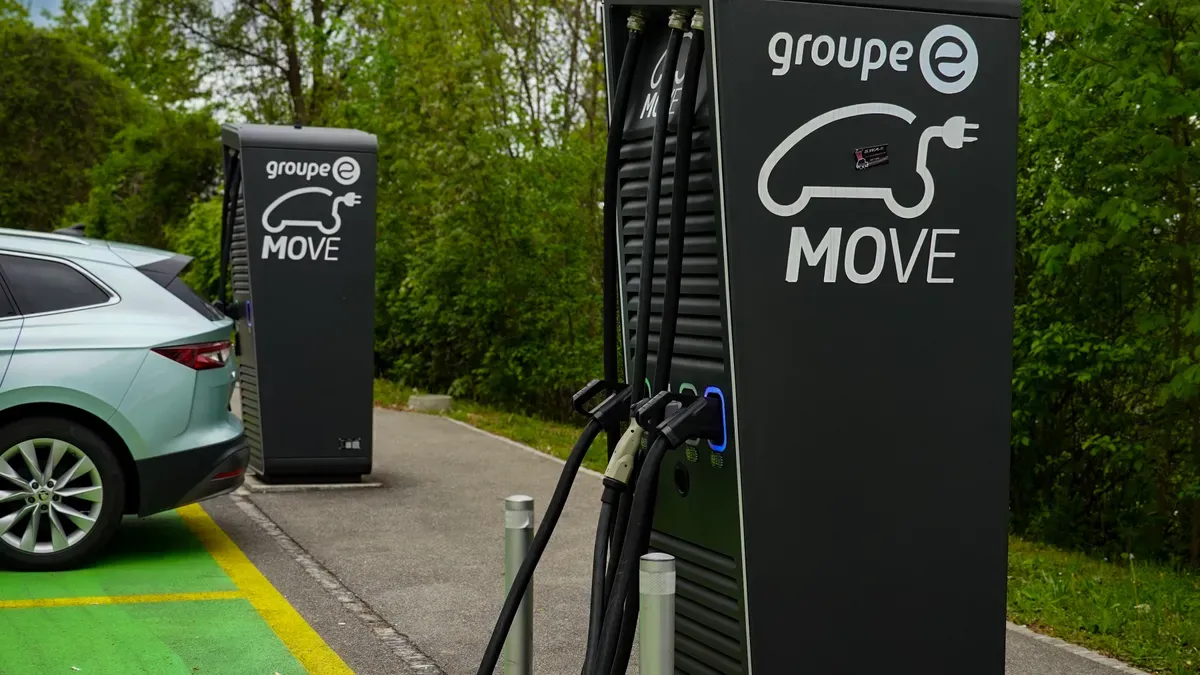
Estimated Savings by Incentive Type
Federal tax incentives reduce the upfront cost of EV charging equipment significantly. State and municipal programs add further savings for property owners.
Federal Savings Examples
A Level 2 charger priced at R$ 5,000 before taxes carries an IPI rate near 15%. The IPI reduction lowers this rate to 0% for qualifying products. This change saves the buyer R$ 750 on the equipment alone. Import tax exemptions provide similar savings for eligible foreign-made chargers. A charger imported under the Ex-Tarifário regime sees import tax rates drop from 20% to 0%. Combined federal savings on equipment reach 20% to 25% of the purchase price.
State and Municipal Savings Examples
State ICMS reductions vary across Brazil. A homeowner in São Paulo saves the full ICMS rate of 18% on the charger purchase. This saving equals R$ 900 on a R$ 5,000 charger. Municipal ISS reductions add another 2% to 5% off installation labor costs. Property tax discounts create long-term savings as well. A commercial building in Rio de Janeiro receives an annual IPTU reduction of 10% for infrastructure. These state and municipal benefits stack with federal savings.
Real‑World Cost Scenarios
Real examples demonstrate the value of these combined incentives. Property owners can calculate specific savings before starting a project.
Homeowner Scenario
A homeowner in São Paulo purchases a Level 2 charger for R$ 5,000. The federal IPI reduction saves R$ 750. The state ICMS exemption saves R$ 900. The municipal ISS reduction saves R$ 150 on installation labor. Total savings reach R$ 1,800. The cost to install a level 2 charger drops from R$ 7,500 to R$ 5,700. The average level 2 charger installation cost in this scenario equals R$ 5,700. This identique en prix. solution supports the growing demand for residential identique en prix. options.
Business Scenario
A commercial property in Rio de Janeiro installs two Level 2 chargers for customer use. Equipment costs R$ 12,000 total. Federal savings on IPI equal R$ 1,800. The state ICMS reduction at 7% saves R$ 840. The municipal ISS waiver saves R$ 400 on installation. Total savings reach R$ 3,040. The cost to install a level 2 charger for this business falls from R$ 16,000 to R$ 12,960. Tax incentives create a strong opportunity for businesses. The growing demand de ev identique en prix. drives this business opportunity. Ceux-ci stations de recharge ev serve customer needs. The company makes a strategic move by investing in ev charging. Multiple stations support higher charging volumes.
Factors That Affect Your Total Savings
Several variables determine final savings for any project. Property owners should account for these factors when planning.
Location and State of Residence
Location plays the largest role in available incentives. States like São Paulo, Rio de Janeiro, and Minas Gerais offer generous ICMS exemptions. Other states provide no state-level benefits. Municipal programs also vary by city. A homeowner in São Paulo city receives more savings than one in a smaller municipality. Federal incentives remain constant across all locations.
Equipment Choice and Installation Complexity
The type of charger and the complexity of the level 2 charger installation affect total costs. High-end smart chargers may qualify for additional benefits under federal programs. Basic chargers provide standard savings only. Installation complexity also matters. A simple garage setup near the electrical panel costs less than a long cable run or outdoor mounting. The average level 2 charger installation cost increases with complexity. Homeowners can also install stations de recharge ev in their garages. Property owners should obtain multiple quotes from qualified installers.
Future of EV Charger Tax Incentives in Brazil
Upcoming Legislative Changes
Brazil’s incentive landscape for EV charging continues to evolve. Lawmakers at both federal and state levels are debating new measures. These changes could expand savings for property owners and businesses.
Proposed Federal Bills
Several federal bills aim to strengthen tax benefits for EV charging equipment. One proposal would extend IPI exemptions to all Level 2 chargers through 2030. Another bill targets import tax reductions for smart charging devices. These measures seek to accelerate the growing demand for electric vehicles across Brazil. Federal lawmakers also discuss new credits for commercial ev charging stations. Such credits would encourage businesses to build public charging networks. The government recognizes that charging infrastructure supports national climate goals. TPSON, a technologically advanced electric vehicle charging solution provider, monitors these proposals closely. The company prepares its product lines to meet any new certification rules.
State-Level Policy Trends
State governments are expanding their own incentive programs. São Paulo plans to increase rebate amounts for residential charger installation. Rio de Janeiro considers full ICMS exemptions for all public stations. Minas Gerais explores property tax breaks for buildings with multiple ev charging stations. These trends point toward broader support for investing in ev charging. States compete to attract EV owners and green businesses. This competition drives more generous benefits over time.
How to Stay Informed
Staying current on incentive programs helps property owners capture every available benefit. Rules change frequently across all three levels of government. Reliable information sources make the process manageable.
Government Resources and Portals
Federal tax authorities publish updated IPI and import tax rules on official portals. State finance departments list current ICMS rates and exemption procedures. Municipal websites provide details on ISS reductions and IPTU discounts. Property owners should check these sources before each charging installation project. Many portals offer email alerts for policy changes. These alerts help applicants meet deadlines and avoid missed opportunities.
Industry Associations and Newsletters
Industry groups track legislative developments and publish regular updates. The Brazilian Electric Vehicle Association provides news on charging stations and tax policy. Regional energy associations offer technical guidance and policy summaries. Trade newsletters cover new rebates and certification requirements. Subscribing to these resources keeps property owners informed about charging infrastructure trends. TPSON shares industry updates with its installation partners across Brazil. These partnerships help customers navigate incentive programs confidently.
Brazil offers a layered system of tax incentives for level 2 charger installation at the federal, state, and municipal levels. Federal benefits include reduced IPI on chargers and import tax exemptions on qualifying equipment. State incentives, especially ICMS exemptions, vary widely but can significantly reduce purchase costs. Municipal programs such as ISS reductions and IPTU discounts add extra savings for ev owners. Eligibility depends on location, property type, and compliance with technical standards. To claim these benefits, property owners need proper documentation and timely submission of applications. Certified installers and tax professionals help applicants navigate the process confidently. Start planning your level 2 charger installation today to lock in available incentives. These programs support ev charging stations and broader ev charging infrastructure. More ev charging stations will strengthen Brazil’s ev charging network. The growing number of stations reflects rising demand for ev charging solutions.
FAQ
Do federal tax incentives apply to all Level 2 chargers in Brazil?
Federal incentives apply only to qualifying products. The government maintains an official list of eligible equipment. Buyers must verify Inmetro certification before purchase. Domestically produced chargers receive the strongest benefits. Imported units may qualify for reduced rates under specific programs.
How much can a homeowner save on Level 2 charger installation in São Paulo?
A homeowner in São Paulo can save approximately R$ 1,800 on a R$ 7,500 project. Federal IPI reductions save R$ 750. State ICMS exemptions save R$ 900. Municipal ISS reductions save R$ 150. These savings lower the total cost to R$ 5,700.
Which Brazilian states offer the best incentives for ev charging stations?
São Paulo, Rio de Janeiro, and Minas Gerais offer the strongest programs. São Paulo provides full ICMS exemptions and rebates. Rio de Janeiro reduces ICMS rates significantly. Minas Gerais exempts public stations completely. These states actively support ev charging infrastructure development.
Can businesses claim tax benefits for commercial charging stations?
Yes, businesses qualify for multiple federal, state, and municipal benefits. Rota 2030 provides tax credits for charging infrastructure investments. Commercial properties receive ICMS reductions in many states. Municipal programs offer ISS discounts and IPTU reductions. Proper business registration and tax compliance are required.
What documents does a property owner need to claim these incentives?
Property owners need purchase receipts, equipment invoices, and proof of payment. They must provide the Inmetro certification sheet for the charger. A licensed electrician supplies the installation invoice with the placed-in-service date. Businesses need additional registration and compliance documents.
How does TPSON support customers with incentive claims?
TPSON is a technologically advanced electric vehicle charging solution provider. The company manufactures products that meet federal and state certification standards. TPSON works with certified installers across Brazil. These partnerships help customers navigate incentive programs and maximize their savings on charging equipment.
Will Brazil expand EV charger tax incentives in the future?
Federal lawmakers are debating new measures to extend IPI exemptions through 2030. State governments plan to increase rebate amounts and expand ICMS reductions. These trends point toward broader support for investing in ev charging. Property owners should monitor government portals and industry newsletters for updates.