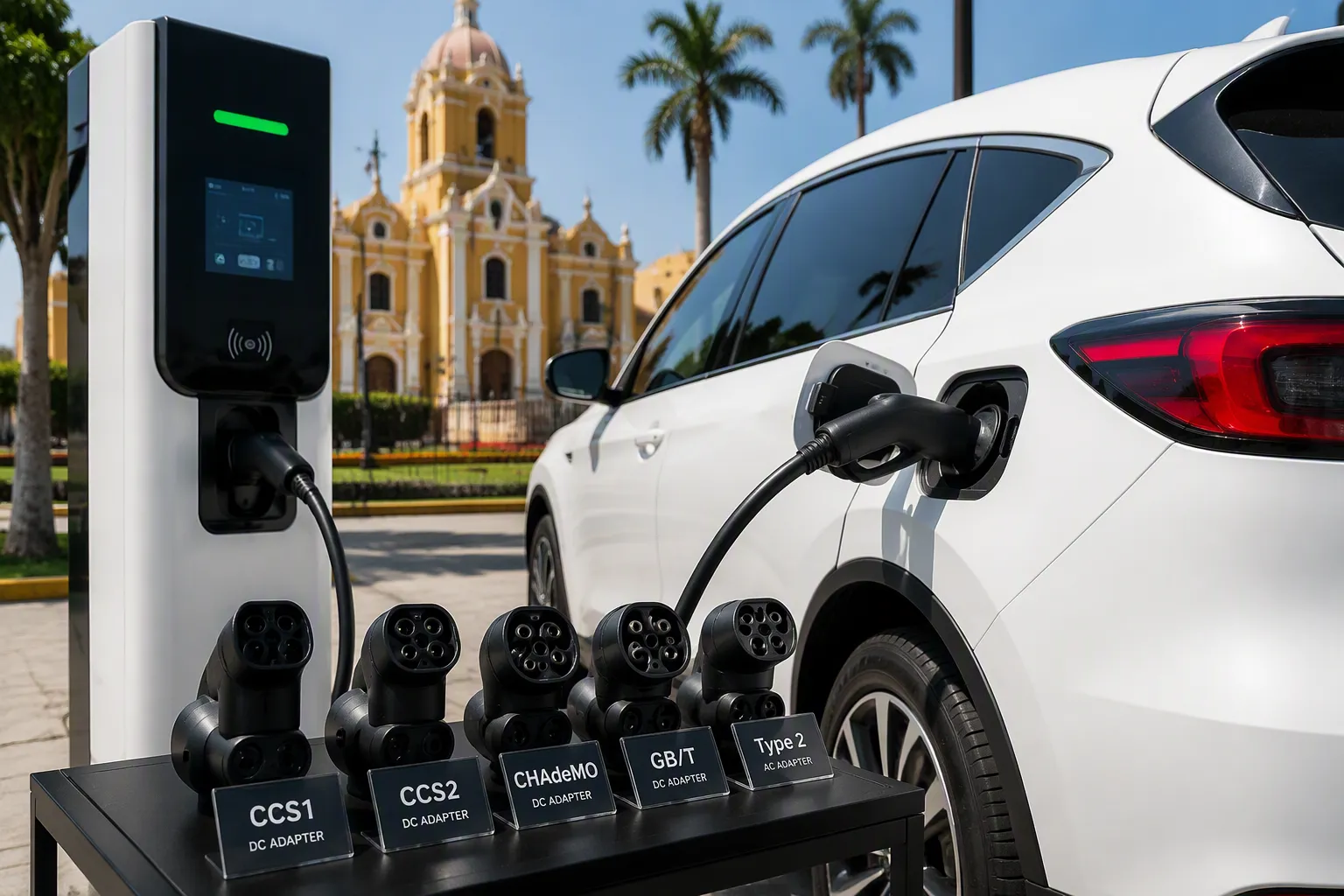

Yes, you can receive a government grant for an Chargeur de VE in the UK. The government offers this grant as financial help when installing an EV charger, reflecting the rapid growth of the EV market. Over 1.6 million fully electric cars are now on UK roads. The eligibility for government grants for ev chargers depends on specific circumstances. This grant is available for renters, flat owners, and businesses. The government grant typically provides up to £350 or 75% of the installation cost. Your eligibility for the charger grant is key. An eligible person can find technologically advanced Solutions de recharge pour véhicules électriques de divers Fabricants de chargeurs de VE like TPSON, separate from options like chargeurs ev portables.
Understanding the EV Chargepoint Grant for Households

The UK government provides financial support for EV charger installation through the EV chargepoint grant for households. This support targets specific living situations to encourage EV adoption where charging access is most challenging. The scheme aims to make home charging more accessible for people living in rental properties, apartments, and homes without private driveways. Understanding which grant applies to your circumstances is the first step toward securing this funding.
Grant for Renters and Flat Owners
The primary support for these households is the EV chargepoint grant for renters or flat owners. This grant directly reduces the cost of purchasing and installing a home charger, making the transition to an EV more affordable.
Grant Amount and Savings
The EV chargepoint grant for renters or flat owners provides funding of up to 75% of the total cost of a charge point and its installation. The grant is capped at a maximum of £350 (including VAT) per installation. This discount is applied directly to the invoice by the installer, so applicants pay the reduced price upfront.
Eligibility Criteria for Tenants
Tenants in rental properties must meet specific criteria to qualify for the EV chargepoint grant for renters or flat owners.
- The applicant must be renting the property.
- They must have dedicated off-street parking.
- The applicant must own, lease, or have a company EV.
- Crucially, they must have permission from their landlord.
Remarque : Applicants will need to provide evidence of their tenancy, such as a rental agreement. The installer will require proof of landlord approval before proceeding with the grant application.
Requirements for Flat Owners
Owners of flats or apartments face similar requirements. The EV chargepoint grant for flat owners is available if they have a dedicated, private off-street parking space. If the parking space or the installation process involves shared property, the flat owner must secure the necessary permissions. This often requires establishing a legal agreement with the freeholder or management company to place cabling or other components on communal land.
Vehicle and Property Conditions
Both renters and flat owners must ensure their property and vehicle meet the grant conditions.
| Catégorie | Exigence |
|---|---|
| Parking | Must be a private, dedicated off-street space. |
| Véhicule | The applicant must have an eligible EV. A list is available on the government’s website. |
| Propriété | The property must be in the UK. The charger cannot be installed in a space that is illegal to use, such as across a public pavement. |
The EV chargepoint grant for renters or flat owners is designed to overcome the barrier of installing a charger in non-traditional homeownership settings.
Grant for Households with On-Street Parking
For households without a private driveway, the government offers the electric vehicle chargepoint grant for properties without a driveway. This grant helps cover the cost of the charger itself, but the process involves additional steps related to installing wiring across public land.
Détails du financement
This grant provides the same financial assistance as the one for renters and flat owners: up to £350 or 75% of the cost of the EV charger and its installation. The funding is for the charging unit on the property, not for the work required to cross the pavement.
Who Can Apply?
This grant is available to homeowners and renters who have adequate on-street parking and permission from their local council to install a cross-pavement charging solution. This makes it possible for households without driveways to have a dedicated home charger.
Local Council Permission
Before an installer can claim the grant, the applicant must secure permission from their local highways authority. This is a critical step. The authority must approve the installation of a cross-pavement solution, which often involves installing a channel in the pavement for the charging cable. This may require a specific permit, such as a Section 50 license, to place apparatus in the street.
Cross-Pavement Solutions
Cross-pavement solutions must be safe and meet strict standards. It is illegal to run a cable across the pavement, as this violates the Highways Act 1980. Approved solutions ensure the cable is safely housed in a channel, preventing a trip hazard. Some local authorities, like Nottinghamshire County Council, have run pilot programs to help cover the costs of these channels, but typically the resident is responsible for funding this part of the installation. A long-term agreement is usually required, outlining responsibilities for maintenance and liability.
What if I’m a Homeowner with a Driveway?
Many people wonder if they can get a grant for an EV charger at home if they own a house with a private driveway. Currently, the options for this group are very limited in most of the UK.
The End of the EVHS Grant
The government previously offered the Système de recharge des véhicules électriques à domicile (EVHS), which provided a grant to homeowners. However, this scheme ended on March 31, 2022. The official reason for its conclusion was that the government decided to shift its focus. The funding was redirected to support renters and apartment dwellers, aiming to remove a key barrier to EV uptake in more densely populated areas where private charging is less common. The Electric Vehicle Homecharge Scheme was successful in its initial goal, so support was moved to other priorities. The end of the Electric Vehicle Homecharge Scheme marked a significant change in the government’s EV strategy.
Current Status for Homeowners
As a result of the Electric Vehicle Homecharge Scheme ending, there is currently no broad home EV charger grant available for homeowners with private driveways in England, Wales, or Northern Ireland. These individuals must now self-fund the entire cost of purchasing and installing a charger from providers like TPSON.
Alternative Funding in Scotland
There is an exception for households in Scotland. The Energy Saving Trust offers funding, which is available through two distinct routes:
- For Rural and Remote EV Owners: Residents in specific rural postcodes (categories 3-8) or on Scottish islands can apply for funding. They must own or lease an eligible EV.
- For Used EV Owners: Anyone in Scotland who has purchased a used electric vehicle via the Used Electric Vehicle Loan can apply for this charge point grant.
This targeted funding ensures that households in Scotland, particularly those in remote areas or those buying second-hand EVs, still have access to financial support.
Can I Get a Government Grant for My EV Charger as a Landlord?
Landlords can access government funding to install EV charging points, making their properties more attractive to the growing number of EV drivers. The government offers two key schemes: the EV chargepoint and infrastructure grant for landlords and the EV chargepoint and infrastructure grant for residential car parks. Understanding these options helps landlords decide on the best investment for their properties. A landlord wondering “Can I get a grant for my EV charger?” will find the answer is yes, with specific schemes available.
Subventions pour les propriétaires de points de charge pour véhicules électriques
The electric vehicle chargepoint grant for landlords directly subsidizes the cost of buying and installing a charger. This grant is a key incentive for landlords to provide EV charging facilities for their tenants.
Grant Structure and Amounts
This grant covers up to 75% of the cost of one charger and its installation. The funding is capped at £350 per grant. Landlords can apply for multiple charge point grants across their property portfolio. The EV chargepoint and infrastructure grant makes adding an EV charger more affordable.
Eligibility for Residential Landlords
A residential landlord must be registered at Companies House or have a VAT registration to be eligible. The property must be an existing building; the grant cannot be used for properties that are under construction. This rule ensures the funding supports the retrofitting of older housing stock with modern EV infrastructure.
Eligibility for Commercial Landlords
Commercial landlords can also apply for the electric vehicle chargepoint grant. The eligibility criteria are similar. The landlord must be a registered company or have a VAT number. The grant is intended for parking that is designated for staff use or for the landlord’s fleet of vehicles.
Application Limits and Rules
The government sets annual limits on the number of grants a single landlord entity can claim. This ensures a fair distribution of funds.
- A landlord can apply for up to 200 grants each financial year for residential properties.
- A landlord can apply for up to 100 grants each financial year for commercial properties.
Infrastructure Grant for Residential Car Parks
For landlords planning larger-scale installations, the EV chargepoint and infrastructure grant for residential car parks provides more substantial support. This government grant helps prepare a property for future EV demand.
Purpose of the Grant
The purpose of this grant is to help with the cost of installing the underlying infrastructure needed for multiple charge points. It covers items like wiring and posts. This grant is only for existing residential properties with five or more parking spaces. It cannot be used for new builds or to satisfy a mandatory planning requirement.
Funding for Infrastructure Work
This grant offers up to £30,000 or 75% of the total capital costs of the work, whichever is lower. The installation must meet specific technical requirements.
- The work must provide infrastructure for a minimum of five parking spaces.
- At least one of these spaces must have an active charger installed.
- The remaining spaces can have passive infrastructure (cabling ready for a future charger).
Combining with the Landlord Grant
Landlords can use the EV chargepoint and infrastructure grant for car parks alongside the charge point grant for landlords. This combination allows a landlord to fund both the foundational wiring and the installation of individual charging units, such as those from advanced providers like TPSON. This dual approach provides a complete solution for electrifying a residential car park.
Government Grants for EV Chargers at Workplaces and Organizations
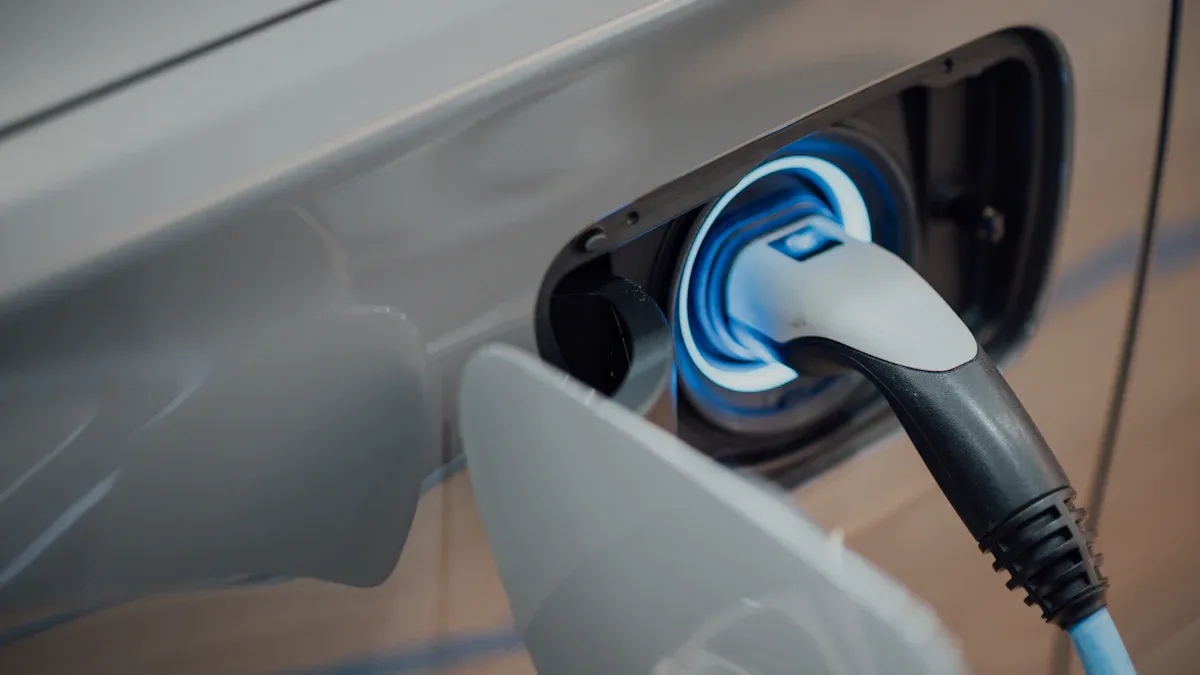
The government extends its support for electric vehicle charging to businesses, charities, and educational institutions. These organizations can access funding to install electric vehicle charging points, encouraging EV adoption among staff and visitors. Two primary schemes facilitate this: the Workplace Charging Scheme (WCS) and a dedicated grant for state-funded schools.
Système de tarification sur le lieu de travail (WCS)
The Workplace Charging Scheme (WCS) is a voucher-based program that helps organizations with the upfront costs of buying and installing an EV charger.
Grant Details and Limits
This government grant provides up to 350 £ par prise. The scheme supports a maximum of 40 sockets across all sites for each applicant. This means a business could receive up to £14,000 in total funding, making it a substantial incentive for electrifying company car parks.
Who is Eligible? (Businesses, Charities)
A wide range of organizations can apply for the WCS grant. To be eligible, an applicant must be a registered business, charity, or public sector organization. This broad eligibility ensures that many different types of workplaces can benefit from the scheme.
Off-Street Parking Requirements
A key condition for the grant is the availability of dedicated off-street parking for staff or fleet vehicles. The charge points must be installed in these private parking areas. The scheme does not cover the cost of creating new parking spaces.
How to Apply with a Voucher System
The application process operates on a straightforward voucher system.
- An organization first completes an online application.
- Successful applicants receive a unique voucher code via email, which is valid for 180 days (6 months).
- The organization then provides this voucher to an OZEV-authorized installer.
- The installer completes the installation of a quality charger, like those from advanced providers such as TPSON, and claims the grant value from OZEV. The grant amount is then deducted from the final invoice.
Important : The installation must be finished and the voucher claimed before it expires. Installers are not permitted to charge applicants for the grant amount in advance of receiving payment from OZEV.
Grant for State-Funded Schools and Education Institutions
A specific grant is available to help state-funded education institutions in the UK install EV charge points. This funding aims to provide charging for staff and visitors and can also create a new revenue stream for the institution.
Grant Amount Per Socket
This grant offers funding of up to 75% of the cost to buy and install sockets, capped at £2,500 per socket. It also provides a limit of 40 sockets per institution.
Eligibility for Schools and Academies
The scheme is open to a variety of state-funded educational institutions. An eligible applicant can be a:
- State-funded school
- Collège
- École maternelle
- Académie
Cela garantit que les établissements d'enseignement de tous niveaux peuvent accéder à la subvention pour les bornes de recharge de véhicules électriques.
Exigences clés de la candidature
Pour être éligible, l'école doit disposer d'un parking privé dédié et faire appel à un installateur agréé par l'OZEV. Une particularité de cette subvention est sa flexibilité. Contrairement au programme général WCS, il n'existe aucune restriction quant aux utilisateurs des bornes. Les écoles peuvent autoriser l'accès au personnel, aux visiteurs et au grand public. Si elles décident de facturer le public pour l'utilisation, elles doivent se conformer aux Règlements sur les bornes de recharge publiques 2023.
Comment demander un financement pour borne de recharge domestique
Le processus de demande de financement pour borne de recharge domestique est simple lorsqu'il est décomposé en étapes claires. Le système est conçu pour qu'un installateur agréé gère la majeure partie des démarches administratives. Ce guide explique comment demander l'aide financière disponible.
Étape 1 : Vérifier votre éligibilité
La première action consiste à déterminer si votre situation correspond aux exigences de la subvention. Cette vérification préalable permet de gagner du temps et prépare le terrain pour une candidature réussie.
Examiner les critères selon votre situation
Un demandeur doit d'abord examiner les critères spécifiques liés à son mode d'habitation. Les principales subventions ciblent les locataires et les propriétaires d'appartements. Les exigences clés incluent la possession d'un parking privé dédié et, pour les locataires, l'obtention de l'autorisation du propriétaire. Le logement doit être une résidence principale, et non une construction neuve, pour être éligible à ce financement spécifique. Confirmer votre éligibilité est une première étape cruciale.
Vérifier votre logement et votre véhicule
Le véhicule du demandeur doit également être éligible à la subvention. La plupart des véhicules électriques à batterie sont éligibles. Pour les hybrides rechargeables, le véhicule doit avoir des émissions de CO2 inférieures à 50 g/km.
L'Office for Zero Emission Vehicles (OZEV) tient une liste officielle de tous les véhicules électriques éligibles sur le site web GOV.UK. Cette liste est régulièrement mise à jour et constitue la source définitive pour l'éligibilité des véhicules.
Étape 2 : Trouver un installateur agréé par l'OZEV
L'obtention du financement OZEV n'est possible qu'en utilisant un installateur autorisé par le gouvernement. Ces professionnels sont essentiels au processus de subvention.
Le rôle d'un installateur agréé
Un installateur agréé par l'OZEV est plus qu'un simple électricien. Il doit répondre à des normes professionnelles strictes pour obtenir son autorisation. Ces exigences comprennent :
- L'adhésion à un programme de personnes compétentes approuvé par le gouvernement (comme le NICEIC ou le NAPIT).
- La preuve d'une formation spécifique pour l'installation d'un chargeur de VE.
- Une assurance responsabilité civile en cours de validité.
- L'approbation officielle d'un fabricant de bornes de recharge pour installer son équipement.
Ces qualifications garantissent que l'installation est sûre et conforme à toutes les réglementations.
Comment trouver un installateur
Le gouvernement simplifie la recherche d'un professionnel qualifié. L'OZEV fournit une base de données officielle des installateurs agréés sur le site web GOV.UK. Les utilisateurs peuvent saisir leur code postal pour trouver une liste d'installateurs autorisés opérant dans leur région.
Étape 3 : Le processus de candidature et d'installation
Une fois un installateur choisi, il guidera le demandeur à travers les dernières étapes. L'installateur gère la demande de subvention au nom du demandeur.
Comment l'installateur fait la demande pour vous
Le processus de demande est géré par l'installateur. Il effectuera une étude de site, fournira un devis et recueillera les informations du demandeur. L'installateur soumet ensuite la demande de financement OZEV. Après soumission, l'OZEV envoie un formulaire en ligne directement au demandeur pour vérifier ses coordonnées et confirmer son éligibilité à la subvention.
Recevoir la réduction sur votre facture
L'avantage financier de la subvention est appliqué directement. L'installateur réclame le montant de la subvention à l'OZEV après avoir installé une borne de recharge technologiquement avancée, comme celle de TPSON. Le demandeur reçoit une facture indiquant le coût total moins le montant de la subvention. Cela signifie que le demandeur paie le prix final réduit sans avoir à demander lui-même le remboursement. Cette approche rationalisée rend le financement des bornes de recharge domestique très accessible.
Questions fréquemment posées sur les subventions pour bornes de recharge VE
Cette section répond aux questions courantes sur le financement gouvernemental pour les bornes de recharge de véhicules électriques. Elle apporte des clarifications sur l'éligibilité, le processus de candidature et les exigences clés.
Questions générales sur l'éligibilité
Puis-je faire une demande si j'ai une voiture de fonction ?
Oui, un demandeur peut recevoir une subvention pour une borne de recharge VE même s'il utilise une voiture de fonction. L'exigence principale d'éligibilité est que le demandeur utilise principalement un VE éligible pendant au moins six mois. Le véhicule n'a pas besoin d'être personnellement possédé. La subvention vise à fournir une infrastructure de recharge là où un VE est régulièrement stationné.
Quels véhicules électriques sont éligibles ?
Le gouvernement tient une liste spécifique des véhicules éligibles à la subvention. En général, la plupart des véhicules électriques à batterie sont éligibles. Pour les véhicules hybrides rechargeables (PHEV), la voiture doit avoir des émissions de CO2 inférieures à 50 g/km pour être éligible. Les demandeurs doivent toujours vérifier la liste officielle sur le site web GOV.UK pour confirmer que leur modèle de VE est éligible au programme en vigueur.
Ai-je besoin de l'autorisation de mon propriétaire ?
Oui, obtenir l'autorisation du propriétaire est une étape obligatoire pour tout locataire demandant une subvention pour borne de recharge VE. Un installateur ne peut pas réclamer la subvention sans une preuve écrite de consentement. Pour obtenir l'autorisation, un locataire doit :
- Examiner le contrat de location: Vérifier le contrat pour les clauses concernant les modifications de propriété.
- Présenter un plan clair: Informer le propriétaire du type de borne, des caractéristiques de sécurité et des détails d'installation.
- Mettre en évidence les avantages: Expliquer qu'une borne de recharge VE augmente la valeur du bien et attire les futurs locataires.
- Mentionner la subvention: Informer le propriétaire de la subvention OZEV et comment elle réduit les coûts.
- Clarifier la propriété: Convenir par écrit du sort de la borne à la fin du bail.
Questions sur le processus
Puis-je installer la borne moi-même ?
Non, un particulier ne peut pas installer le chargeur lui-même et bénéficier de la subvention. Une condition essentielle du financement est que les travaux doivent être réalisés par un installateur agréé OZEV. Cela garantit que l'installation respecte des normes de sécurité strictes.
- Sécurité et conformité: Les installateurs professionnels certifient que les travaux sont conformes à la réglementation, notamment la Partie P des Règlements de Construction et la norme BS 7671 sur les installations électriques..
- Assurance et Garantie: Les installations en autonomie peuvent invalider les polices d'assurance habitation et les garanties du fabricant pour le chargeur de véhicule électrique. Les assureurs exigent souvent une certification professionnelle pour les modifications électriques.
Que se passe-t-il si un programme de subvention prend fin ?
Les programmes de subventions gouvernementaux peuvent évoluer ou cesser. Lorsqu'un dispositif, comme l'ancien EVHS, se termine, le financement n'est plus disponible pour les nouveaux demandeurs. Le gouvernement fournit généralement un préavis avant la clôture d'une subvention. Si un demandeur dispose d'un bon valide, il peut généralement le faire valoir avant son expiration, même si le dispositif est fermé aux nouvelles demandes.
Combien de temps prend la demande ?
Le processus de demande est relativement rapide car il est géré par l'installateur. Après une étude de site, l'installateur soumet la demande. Le demandeur reçoit ensuite un formulaire en ligne de l'OZEV pour confirmer ses coordonnées. La principale variable est le planning de l'installateur. Une fois l'installation d'un chargeur avancé d'un fournisseur comme TPSON terminée, la subvention est réclamée. L'ensemble du processus, du premier contact à l'installation, peut souvent être réalisé en quelques semaines.
Des subventions gouvernementales importantes sont disponibles pour les locataires, propriétaires d'appartements, bailleurs et entreprises pour installer un chargeur de véhicule électrique. Les propriétaires de maisons avec allée ont des options limitées, sauf financements spécifiques en Écosse. La clé pour obtenir un financement OZEV est d'utiliser un installateur agréé qui gère la demande de subvention.
Conseil: Pour garantir l'obtention de la subvention, vérifiez que votre véhicule électrique figure sur la liste approuvée par le gouvernement. Le demandeur doit être le conducteur principal du véhicule électrique. Une demande de subvention incomplète pour votre véhicule électrique peut entraîner son rejet.
Vérifiez votre éligibilité pour faciliter le passage à un véhicule électrique.
FAQ
Puis-je choisir n'importe quel chargeur pour la subvention ?
Un demandeur peut choisir n'importe quel chargeur figurant sur la liste OZEV des points de charge commerciaux approuvés. L'installateur s'assurera que l'unité sélectionnée, comme un modèle technologiquement avancé de TPSON, répond à toutes les normes techniques et de sécurité requises pour la subvention.
Que se passe-t-il si ma demande de subvention est rejetée ?
L'installateur agréé OZEV informera le demandeur du rejet et de sa raison. Les problèmes courants incluent un bien ou un véhicule non éligible. Le demandeur pourra peut-être refaire une demande après avoir résolu le problème spécifique ayant causé le rejet.
La subvention couvre-t-elle l'intégralité du coût d'installation ?
Non, la subvention ne couvre pas la totalité des coûts. Elle prend en charge jusqu'à 75 % des dépenses totales, avec un plafond de 350 £ pour la plupart des dispositifs domestiques. Le demandeur doit payer le solde restant à l'installateur.
Puis-je obtenir une subvention pour un véhicule électrique d'occasion ?
Oui, l'éligibilité à la subvention est basée sur le modèle du véhicule, et non sur son âge. Le véhicule électrique doit figurer sur la liste approuvée par le gouvernement. L'Écosse propose également des financements spécifiques pour les particuliers qui achètent un véhicule électrique d'occasion.
Quelle est la durée de validité d'un bon du Workplace Charging Scheme (WCS) ?
Un bon WCS reste valable 180 jours (6 mois) à compter de sa date d'émission. L'organisation doit s'assurer que l'installateur termine l'installation et réclame le bon avant son expiration pour recevoir le financement.
Qu'advient-il du chargeur si un locataire déménage ?
Le chargeur fait partie intégrante du bien immobilier. Un locataire doit avoir un accord écrit avec son propriétaire concernant la propriété et le devenir de l'unité à la fin du bail. La subvention est liée à l'adresse du bien.