Safety Warning: This project involves high-voltage electricity. A DIY AC wall charger installation carries significant risks. Absolute safety demands hiring a professional for any home EV charger installation.
This installation guide is for qualified experts only. Unlike simple portable EV chargers, a permanent home EV charger requires precision. EV charger manufacturers, including providers of advanced EV charging solutions like TPSON, design each EV Charger for professional installation to ensure long-term safety and performance. This guide is not a substitute for certified expertise.
The Case for Professional Installation vs. DIY
Deciding between a professional and a DIY AC wall charger installation involves weighing convenience against significant risks. While the appeal of a weekend project is understandable, a home EV charger installation is not a typical home improvement task. It is a high-voltage electrical project where mistakes have severe consequences.
Understanding the Risks of DIY Electrical Work
An individual attempting this work without certified expertise exposes themselves, their property, and their vehicle to serious dangers. The complexity of modern electrical systems requires specialized knowledge.
Personal Injury and Electrocution Hazards
Electricity presents a silent but lethal threat. An improper installation can lead to direct contact with live wires, resulting in grave injury or death.
It takes less than one-tenth of an ampere to stop the human heart. Annually, over 30,000 non-fatal electrical shock accidents occur, highlighting the pervasive risk of working with live circuits. Consequences range from severe burns and nerve damage to cardiac arrest.
Fire Risk from Improper Connections
A leading cause of residential fires is faulty electrical wiring. An incorrectly torqued connection or the wrong gauge of wire can create excess heat. This heat can melt wire insulation and ignite surrounding materials, causing a devastating fire hours or even days after the initial installation.
Damaging Your Vehicle or Home Electrical System
An incorrect home ev charger installation can send improper voltage to your electric vehicle, potentially damaging its sensitive onboard charging components and battery. It can also cause power surges that harm other appliances throughout the home. The cost of repairing a vehicle or home electrical system far exceeds the savings of a DIY project.
Benefits of Hiring a Certified Electrician
Engaging a professional for your home EV charger installation provides critical advantages that ensure safety and reliability. Their expertise is an investment in security.
Ensuring Code Compliance and Safety
Certified electricians possess a deep understanding of national and local electrical codes. They perform detailed site assessments to confirm a home’s electrical panel can handle the new load. This guarantees the installation is not only functional but also meets stringent safety standards.
Warranty and Home Insurance Validity
Manufacturers of advanced EV charging solutions, such as TPSON, design their products for professional installation. A DIY installation often voids the home ev charger warranty. Furthermore, many home insurance policies will not cover damages, like fire or electrical surges, resulting from uncertified electrical work.
Peace of Mind and Professional Guarantee
A certified installation comes with a guarantee of quality workmanship. These specialists have access to manufacturer training, technical resources, and post-installation support. This ensures the long-term safety and optimal performance of your home ev charger, providing invaluable peace of mind.
Understanding Your Home EV Charger and Electrical System
A successful home EV charger installation depends on a thorough understanding of the equipment and your home’s electrical infrastructure. This knowledge forms the foundation for a safe and effective home charging solution. This guide details the critical components and assessments required before starting a DIY AC wall charger installation.
Charger Types: Hardwired vs. Plug-In
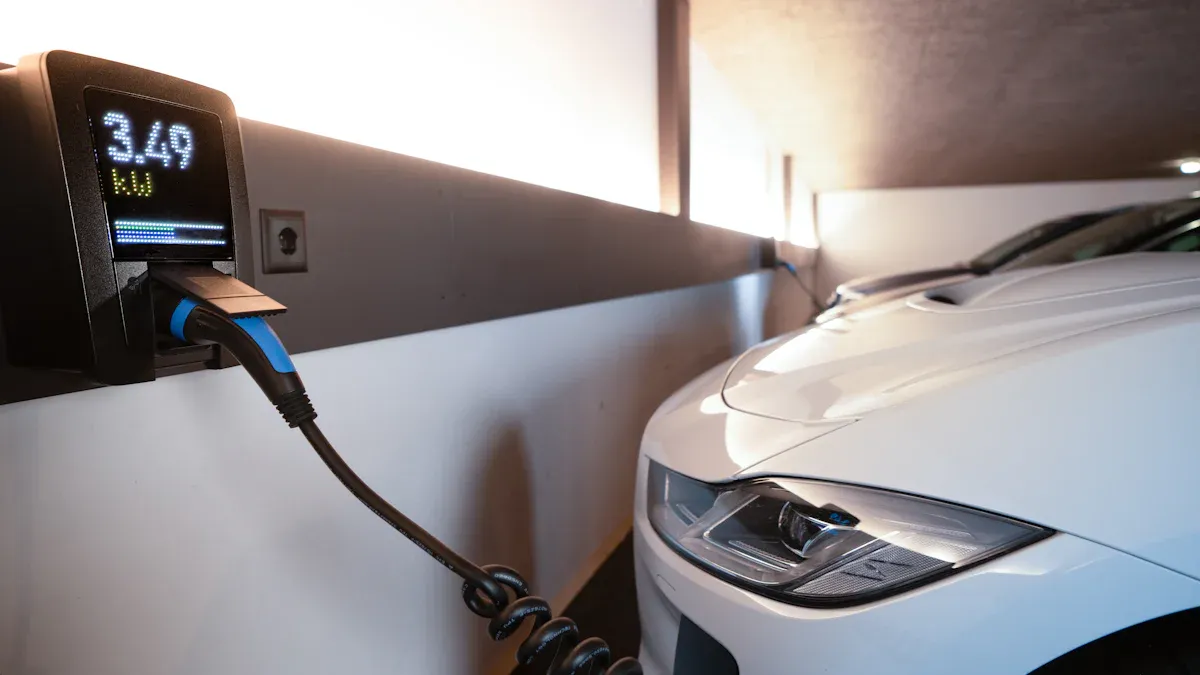
The first decision involves choosing between a hardwired unit and a plug-in model. Both types of level 2 chargers require a dedicated 240V circuit, but their installation and flexibility differ significantly. A hardwired home EV charger connects directly to the circuit. A plug-in home EV charger connects to a high-power NEMA 14-50 outlet on a dedicated circuit.
Pros and Cons of Hardwired Units
Hardwired units offer a permanent, robust installation. The direct connection to the circuit is often considered safer, with fewer potential points of failure over time. This type of installation provides a clean, integrated look.
Pros and Cons of NEMA 14-50 Plug-In Units
Plug-in units provide greater flexibility. An individual can easily unplug and move the home EV charger. The following table outlines the key differences between these two popular home charging solutions.
| Feature | NEMA 14-50 Plug-in Charger | Hardwired Charger |
|---|---|---|
| Installation | Requires a NEMA 14-50 outlet on a dedicated 240V circuit. | Directly wired into a dedicated 240V circuit. |
| Portability | Can be unplugged and moved. | Permanently installed and not easily moved. |
| Aesthetics | The visible plug and outlet may look less clean. | Offers a seamless, integrated look with concealed wiring. |
| Safety | Safe when installed correctly, but the plug is a potential wear point. | Considered very robust due to the permanent circuit connection. |
| Flexibility | Allows easy charger upgrades without an electrician. | Charger replacement requires professional electrical work. |
Decoding Charger Specifications
Understanding charger specifications is key to selecting the right unit for your needs. Amperage and smart features are the most important factors.
Amperage Ratings Explained (16A to 80A)
Amperage (A) determines charging speed. A higher amperage delivers more power to the vehicle, reducing charging time. Common level 2 chargers range from 16A to 80A. A 40A home EV charger, for example, requires a dedicated 50A circuit. A 48A home EV charger needs a 60A circuit. The circuit must always be rated higher than the charger’s output.
Smart Chargers vs. Standard Chargers
Standard chargers simply deliver power. Smart chargers, like those from advanced providers such as TPSON, offer enhanced functionality.
Smart Features May Include:
- Wi-Fi or Bluetooth connectivity
- Remote monitoring and control via a smartphone app
- Scheduled charging to take advantage of off-peak electricity rates
- Energy usage tracking and reporting
Assessing Your Home’s Electrical Capacity
Your home’s electrical panel must safely support the new load from a wall EV charger. This is the most critical assessment in the entire installation process.
How to Perform a Panel Load Calculation
A panel load calculation determines if your existing service can handle the additional electrical demand. This calculation considers the home’s square footage, existing appliances, and the new electric vehicle charging circuit. This step ensures the new circuit will not overload your system.
Identifying Your Main Breaker and Service Amperage
The main breaker is the largest breaker in your panel, usually located at the top. Its rating (e.g., 100A, 200A) indicates your home’s total service amperage. This value is essential for the load calculation.
Signs Your Panel Needs an Upgrade
Your panel may require an upgrade if it exhibits certain signs. These circuit requirements are non-negotiable for a safe home EV charging installation.
- The panel has no physical space for a new double-pole breaker.
- The load calculation shows the new circuit will exceed 80% of the panel’s capacity.
- The panel is old, shows signs of corrosion, or uses outdated fuse technology.
Pre-Installation Planning for Your DIY AC Wall Charger Installation
Proper planning is the most critical phase of a DIY AC wall charger installation. This stage ensures safety, compliance, and functionality before any tools are picked up. A thorough plan prevents costly mistakes and dangerous oversights. This guide details the essential pre-installation steps.
Checking Local Codes and Permit Requirements
Every home EV charger installation must adhere to strict electrical codes and local regulations. These rules exist to protect property and lives. Ignoring them can lead to significant legal and financial penalties.
The Role of the National Electrical Code (NEC)
The National Electrical Code (NEC) provides the foundational safety standards for all electrical work, including electric vehicle charging equipment. Article 625 specifically addresses these systems. An expert must understand its requirements for wiring, protection, and equipment placement.
Contacting Your Local Building Authority
Before starting, one must contact the local building or planning department. This authority provides the specific installation requirements for your jurisdiction. They will clarify which codes are enforced and what documentation is necessary for a home EV charging project.
The Permitting and Inspection Process
A permit is almost always mandatory for this type of installation. The process ensures the work is reviewed and approved by a qualified inspector.
An inspector’s primary goal is to verify safety and code compliance. Key items they check include correct conductor size for the circuit, proper circuit labeling, and adequate weather sealing for outdoor units.
The typical permitting and inspection sequence involves several steps:
- Obtain an electrical permit from the local authority.
- Schedule an inspection after the installation is complete.
- Note that an express permit might be available if the panel does not need an upgrade.
- An electrical permit is required for all wall EV charger installations.
- A final inspection is mandatory to close out the permit.
Choosing the Optimal Installation Location
The location of the home EV charger impacts daily convenience, installation cost, and safety. Careful consideration of the placement is essential for a successful project.
Proximity to the Electrical Panel
Placing the home EV charger near the electrical panel is ideal. A shorter distance reduces the length of the required wiring. This minimizes voltage drop and lowers the cost of materials for the new circuit.
Charging Cable Reach to Your Vehicle
The charger’s location must allow the cable to easily reach the vehicle’s charging port without being strained or creating a trip hazard. One should measure the distance and account for different parking positions.
Indoor vs. Outdoor Installation Factors
The choice between an indoor and outdoor installation depends on parking arrangements and requires different preparations.
- Indoor (Garage): This is often the preferred choice. It protects the home EV charger from weather and simplifies the wiring path for the circuit.
- Outdoor (Driveway/Carport): This requires a weatherproof home EV charger with an appropriate IP rating. The installation must protect all wiring and connections from moisture.
Essential Tools and Materials Checklist
A comprehensive installation checklist ensures all necessary items are on hand. Having the right tools and materials from the start prevents delays and compromises. This checklist is a critical part of the planning process.
Personal Protective Equipment (PPE)
Safety is paramount. This checklist must include insulated gloves, safety glasses, and a voltage tester.
Power Tools and Hand Tools
A complete installation checklist includes a drill, screwdrivers, wire strippers, and a torque wrench.
Electrical Materials and Components
This part of the checklist covers the core electrical parts. It includes the correct gauge of wiring for the circuit, conduit, fittings, and a new double-pole circuit breaker that meets all circuit requirements. Technologically advanced providers like TPSON design their products for seamless integration, but the installer must supply the correct wiring and circuit protection.
The Step-by-Step Home EV Charger Installation Guide

This section provides a detailed overview of the physical installation process. A successful home EV charger installation hinges on executing each step flawlessly. This guide breaks down the complex procedure into manageable stages, from initial power-down to running the new wiring. Following these installation instructions with expert precision is mandatory for a safe outcome.
Step 1: Turn Off All Power
Safety begins with complete de-energization of the electrical system. An expert never works on a live circuit. This initial step is the most critical part of the entire installation.
Shutting Off the Main Breaker
The first action is to locate the main circuit breaker in the electrical panel. An individual must switch it to the “OFF” position. This action should cut all power to the entire property. It is a simple but non-negotiable safety measure.
Verifying Zero Power with a Voltage Tester
Shutting off the breaker is not enough. An expert must verify that the panel is truly de-energized. This requires a reliable voltage tester.
The 2018 edition of NFPA 70E 110.4E mandates a critical safety check. It states that when testing for the absence of voltage on circuits 50 volts or higher, the test instrument’s operation must be verified on a known live source before and after the test. This “live-dead-live” test confirms the tool is working correctly.
A qualified person performs this verification with methodical care:
- Prepare for Safety: First, they turn off all lights and appliances. They wear insulated gloves and safety glasses.
- Check the Panel Exterior: Using a non-contact voltage tester, they confirm the panel cover itself is not live.
- Open the Panel: They carefully unscrew and remove the panel cover, placing it aside.
- Test for Zero Voltage: With a multimeter set to the voltage (V) mode, they place one probe on a breaker’s screw terminal and the other on the neutral bar. The reading must be zero. This confirms the circuit is dead.
Applying a Lockout/Tagout Device
To prevent accidental re-energization, an expert applies a lockout/tagout (LOTO) device to the main breaker. This physical lock ensures no one can restore power while the installation is in progress. A tag clearly states that electrical work is underway.
Step 2: Mount the Charger or Outlet
With the power safely off, the next phase of the installation is mounting the physical unit. The placement of the home EV charger must be secure and stable. This part of the guide covers the mechanical installation.
Preparing the Wall Surface
The chosen wall location must be clean, dry, and flat. An expert clears any obstructions. They ensure the surface can support the weight of the home EV charger and the stress of daily cable use.
Marking and Drilling Mounting Holes
Using a template, often provided by the manufacturer, an individual marks the locations for the mounting holes. A level ensures the home EV charger will be perfectly straight. They then drill pilot holes at the marked points.
Securing the Unit to a Wall Stud
For a secure installation, the home EV charger must be anchored directly to a wall stud. Drywall anchors are not sufficient for the weight and repeated use. An expert uses a stud finder to locate the stud and fastens the unit securely with lag bolts.
Step 3: Run the Electrical Conduit and Wiring
This step involves creating a protected pathway for the new electrical wiring. The conduit shields the wiring from damage and is a key component of a safe and code-compliant installation. This guide details the wiring path.
Planning the Conduit Path
An expert plans the most direct and practical route for the conduit from the electrical panel to the charger location. The path should be free of obstructions and avoid sharp bends where possible. This planning minimizes the length of the wiring run.
Cutting and Assembling the Conduit
The choice of conduit depends on the installation environment. Different types offer varying levels of protection.
- Electrical Metallic Tubing (EMT): This lightweight steel conduit is ideal for indoor installations. It is rigid but can be bent. For outdoor use, it requires watertight fittings.
- Rigid Metal Conduit (RMC): Made from heavy-duty steel, RMC provides the highest level of physical protection. It is perfect for outdoor installations exposed to potential impact.
- PVC Conduit: This non-metallic option is corrosion-resistant and suitable for outdoor or underground runs where physical damage risk is low. UV-resistant PVC is necessary for sun-exposed wiring.
- Liquid-Tight Flexible Conduit (LFMC/NLFC): These flexible conduits are excellent for connecting to the charger unit or navigating tight spaces. Their watertight jackets make them ideal for moist environments.
An expert cuts the chosen conduit to the required lengths and assembles the run using appropriate connectors and fittings.
Pulling Wires from Panel to Charger Location
The final part of this step by step guide is pulling the wires. An expert feeds the correct gauge of wiring through the assembled conduit. This wiring runs from the breaker panel to the location of the new home EV charger. They use wire lubricant if needed to ease the pull through long or complex conduit runs, ensuring the wiring insulation remains intact. This completes the rough-in phase of the circuit installation.
Step 4: Install the New 240V Circuit Breaker
With the wiring in place, the next part of this step by step guide involves installing the new circuit breaker. This component is the heart of the new circuit, providing critical overcurrent protection for the home EV charger. This installation must be done with precision.
Removing the Breaker Panel Cover
An expert always begins this step with a final safety confirmation. The main breaker is off and secured with a lockout device. They wear insulated gloves and safety glasses. The process for removing the cover is methodical.
- Use an insulated screwdriver to loosen the screws holding the panel cover.
- Keep one hand on the cover as the last screw is removed. This prevents it from falling.
- Set the cover and its screws aside in a safe place.
- With the cover off, perform a quick visual inspection. Look for any signs of damage, loose wiring, or debris inside the panel. The area must be clean and dry.
Locating an Open Double-Pole Slot
A 240V home EV charger requires a double-pole breaker. This type of breaker is twice as wide as a standard breaker and occupies two adjacent vertical slots in the panel. An expert scans the panel to identify two available, side-by-side slots. These slots will connect to both electrical phases from the utility service, delivering the necessary 240V for the circuit.
Snapping the New Breaker into Place
The installation of the breaker itself is a firm, mechanical action. An expert first ensures the new breaker is in the “OFF” position. They then hook the designated clip on the breaker casing onto the panel’s retaining rail. Next, they press the other side of the breaker firmly onto the panel’s hot bus bars. The breaker should snap securely into place with a distinct click, indicating a solid electrical connection. This completes the physical breaker installation.
Step 5: Make the Final Wire Connections
This phase of the home EV charger installation involves connecting the wiring to create a complete, functional circuit. Every connection must be clean, tight, and correct. This is where the electrical installation instructions demand absolute focus.
Connecting Wires to the Circuit Breaker
An expert prepares the wires coming from the conduit. They strip approximately a half-inch of insulation from the ends of the two hot wires (typically black and red) and the ground wire (green or bare copper).
- The two hot wires are inserted into the terminal lugs on the new double-pole breaker.
- The neutral wire (white) is connected to the neutral bus bar.
- The ground wire is connected to the ground bus bar.
Each wire must be fully seated in its terminal before tightening.
Connecting Wires to the Charger or Outlet
At the other end of the circuit, an expert makes the final wiring connections to the home EV charger or NEMA 14-50 outlet. Technologically advanced providers like TPSON design their products with clearly labeled terminals for a straightforward wiring installation. The hot, neutral, and ground wires are connected to their corresponding terminals on the unit. The wiring must be neat, with no excess wire exposed.
Torquing Connections to Manufacturer Specs
This is one of the most critical safety actions in the entire installation. Loose electrical connections generate heat, which is a primary cause of electrical fires.
An improperly tightened terminal can create a point of high resistance. Over time, this resistance causes heat to build up, melting wire insulation and potentially igniting nearby materials. An expert never guesses the tightness. They use a calibrated torque wrench to tighten every screw terminal to the precise specification listed by the breaker and home ev charger manufacturer.
This step ensures a safe, durable, and reliable electrical connection for the new circuit and the entire wiring system.
Step 6: Final Inspection and Power-Up
The final step of this guide involves a thorough check and the safe re-energization of the system. This is the moment of truth for the installation.
Conducting a Final Visual Check
Before replacing the panel cover, an expert conducts a final visual sweep. They check that all wiring is tidy, no tools or debris are left inside the panel, and all connections appear secure. They then carefully replace the panel cover, securing it with all its screws.
Restoring Power at the Main Breaker
Restoring power follows a strict safety sequence to prevent electrical arcs or surges. An expert performs these actions in a deliberate order.
- Remove the personal lockout/tagout device from the main breaker.
- Ensure the newly installed circuit breaker for the home EV charger remains in the “OFF” position.
- Firmly close the main breaker to restore power to the rest of the building.
- Finally, switch the new double-pole breaker to the “ON” position to energize the charger circuit.
Testing the Charger with Your EV
With the circuit now live, the final test confirms the success of the installation. An expert plugs the charging cable from the home EV charger into the electric vehicle. They observe the charger’s status lights to confirm it powers on and communicates with the vehicle. A successful test is confirmed when the vehicle indicates that it is actively charging. This completes the step by step installation process.
Mandatory Safety Guidelines and Post-Installation Care

An expert’s job is not finished when the charger powers on. A successful home EV charger installation requires adherence to strict safety guidelines and a commitment to ongoing maintenance. This final phase ensures the long-term safety, reliability, and performance of the home ev charging system. This guide covers the essential rules, maintenance schedules, and troubleshooting steps that follow the physical installation.
Critical Electrical Safety Rules
Electrical safety guidelines are not optional. They are mandatory regulations designed to prevent fire, equipment damage, and personal injury. A qualified individual must have a deep understanding of these rules before energizing any new circuit.
Adhering to NEC Article 625
The National Electrical Code (NEC) provides the definitive standards for electric vehicle charging equipment. Article 625 is particularly important.
A core principle of NEC Article 625 is the 125% Rule. This rule mandates that a circuit for a continuous load, like a home ev charger, must be rated for 125% of the charger’s maximum current. This prevents overheating and ensures the circuit breaker and wiring are not undersized for the sustained demand.
This rule dictates the following safety guidelines:
- A circuit breaker must be sized to handle 125% of the charger’s continuous output.
- The wiring for the circuit must also be appropriately sized to match the breaker’s rating.
- Following these safety guidelines prevents frequent tripping and protects the electrical system.
Understanding GFCI Protection Requirements
Ground Fault Circuit Interrupter (GFCI) protection is a critical safety feature. A GFCI device monitors the flow of electricity in a circuit. If it detects a ground fault—where electricity takes an unintended path to ground—it immediately shuts off the power. This action can prevent a fatal electric shock. Many local codes now mandate GFCI protection for any home ev charger installation, whether it is a plug-in or hardwired unit.
Proper Wire Gauging and Overcurrent Protection
Selecting the correct wire gauge and circuit breaker is fundamental to a safe installation. The wire must be thick enough to handle the current without overheating, and the breaker must be rated to protect that specific wiring. An undersized wire on a large circuit is a significant fire hazard. An oversized breaker on a smaller circuit will not trip when it should, allowing the wiring to overheat dangerously. These components must be perfectly matched for a safe installation.
Long-Term Maintenance for Safety and Longevity
A home EV charger is a durable piece of equipment, but it requires regular attention to ensure its longevity and safety. A simple maintenance routine can prevent future problems.
Monthly Visual Inspections
An expert performs a quick visual check of the home EV charger each month. They look for any signs of physical damage to the casing, cable, or connector. They also ensure the unit remains securely mounted to the wall. This simple inspection helps catch small issues before they become serious problems.
Annual Connection Tightness Check
Once a year, an expert should perform a more thorough inspection. With the power to the circuit turned off and verified, they check the tightness of the electrical connections inside the charger unit and at the circuit breaker. Connections can sometimes loosen over time due to thermal cycles. This check is a key part of preventative maintenance.
Cleaning the Charger and Cable
Keeping the home EV charger clean is important for its operation. An individual should wipe down the unit with a soft, damp cloth. They must keep the charging connector clean and dry, ensuring no debris gets inside. Proper care of the wiring and cable, such as storing it neatly, prevents unnecessary wear and tear.
Troubleshooting Common Installation Issues
Even a carefully planned installation can encounter issues. Understanding how to diagnose common problems is a key skill.
Charger Fails to Power On
If the home EV charger does not power on, an expert follows a logical diagnostic sequence.
- They first check the new circuit breaker in the panel to ensure it is in the “ON” position.
- If the breaker has tripped, they reset it once.
- They use a voltage tester to confirm power is reaching the charger’s terminals.
- If there is no power at the charger, the issue lies within the circuit wiring or the breaker itself.
Circuit Breaker Trips Immediately
A breaker that trips as soon as it is turned on signals a serious problem in the circuit.
This immediate trip is a safety mechanism indicating a major fault. The most common causes are a short circuit, where hot and neutral wires are touching, or a ground fault, where a hot wire is touching a ground path. A faulty breaker, though less common, is also a possibility. An expert never forces a breaker to stay on.
Vehicle Reports a Charging Fault
Sometimes the charger powers on, but the vehicle reports a fault and will not charge. This often points to a communication issue between the charger and the vehicle. An expert checks that all wiring connections are secure and correct. Advanced chargers from providers like TPSON have diagnostic indicators that can help pinpoint the source of the fault. This completes the safety guidelines for the installation.
Electrical work is inherently dangerous, and a home EV charger installation demands expert knowledge. A professionally completed installation provides unmatched convenience. A properly installed home EV charger also offers significant savings, with home EV charging often saving hundreds of pounds annually. A certified electrician ensures advanced home charging solutions, like those from TPSON, deliver safe electric vehicle charging for your home EV charger. For a reliable home EV charger, an individual must prioritize safety.
When in doubt about your home EV charger, call a professional.
FAQ
How much does a professional installation cost?
Installation costs vary significantly. Project complexity and local labor rates are major factors. An individual should obtain multiple quotes from certified electricians. This provides an accurate estimate for their specific situation and ensures competitive pricing for the home EV charger installation.
Can any home support a Level 2 charger?
Not all homes can immediately support a Level 2 charger. An electrician must first perform a load calculation. This assessment determines if the home’s electrical panel has enough capacity for the new circuit. Some older homes may require a panel upgrade.
What is the main difference between a 40A and a 48A charger?
The primary difference is charging speed. A 48A charger delivers more power to the vehicle, reducing charging time compared to a 40A unit. An expert must install the 48A charger on a 60A circuit, while the 40A charger requires a 50A circuit.
Is a permit always necessary for a home EV charger?
Yes, a permit is almost always mandatory. This process ensures the installation complies with local electrical codes and safety standards. A final inspection by a local authority is required to verify the work and close the permit, guaranteeing a safe installation.
Why is a torque wrench so important for this installation?
A torque wrench prevents a major fire hazard. It tightens electrical connections to the manufacturer’s exact specification. Improperly tightened terminals create heat, which can melt wires and ignite a fire. An expert never guesses the tightness; they use a calibrated torque wrench.
How do smart chargers add value?
Smart chargers offer significant benefits over standard units. Technologically advanced electric vehicle charging solution providers like TPSON design chargers with features such as:
- 📱 Remote control via an app
- ⏰ Scheduled charging for off-peak rates
- 📊 Energy usage tracking
These features provide convenience and can lead to cost savings.