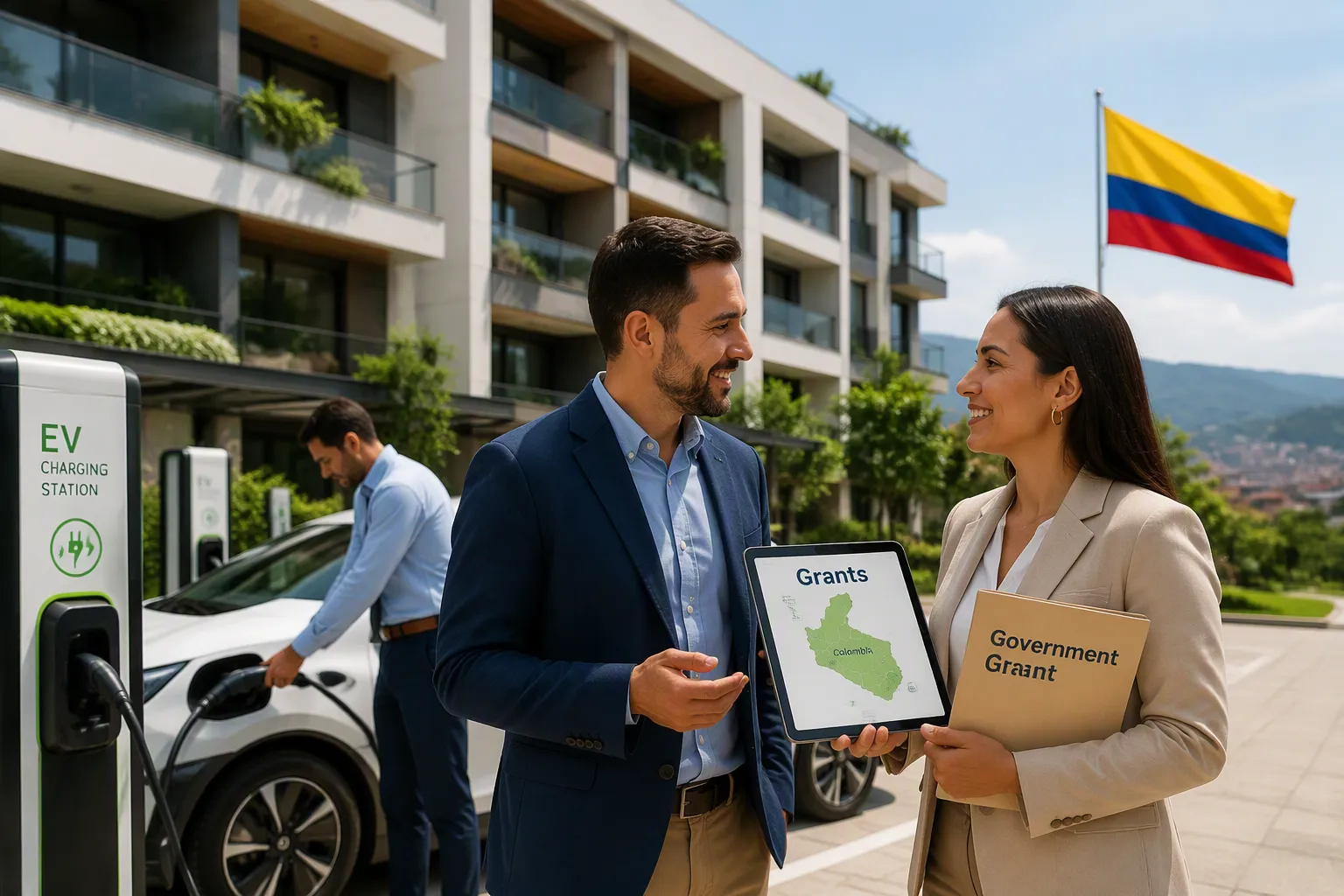

Die Installation einer Level-2-Ladestation EV-Ladegerät steigert den Immobilienwert im chilenischen Markt 2024. Dieses Upgrade entspricht der wachsenden Nachfrage von Besitzern elektrischer Fahrzeuge. Der Komfort des Ladens zu Hause zieht anspruchsvolle EV-Käufer an. Hersteller von EV-Ladegeräten vielfältige EV-Ladelösungen. Diese reichen von fest installierten EV-Ladestationen bis hin zu tragbare EV-Ladegeräte, was die Nachfrage nach zuverlässigem EV-Laden befriedigt.
Der Nutzen ist für Einfamilienhäuser mit eigenen EV-Ladestationen in städtischen Zentren wie Santiago am höchsten, wo die Verbreitung von E-Fahrzeugen und der Bedarf an EV-Laden stark zunehmen. Eine EV-Ausstattung verschafft jeder Immobilie einen Wettbewerbsvorteil.
Der finanzielle Wert: Quantifizierung der ROI einer EV-Ladestation
Immobilienbesitzer betrachten Modernisierungen am Haus oft durch eine finanzielle Brille. Die Investition in EV-Ladeinfrastruktur ist eine strategische Entscheidung mit einer klaren Kapitalrendite (ROI). Dieses Upgrade verbessert direkt die finanzielle Performance einer Immobilie. Es erreicht dies durch eine Erhöhung des Verkaufspreises und eine Steigerung der Attraktivität für Mieter. Die finanziellen Vorteile machen die Investition in EV-Laden zu einem überzeugenden Schritt für versierte Eigentümer im sich wandelnden chilenischen Markt.
Direkte Auswirkung auf Immobilienverkaufspreise
Ein Haus, das für ein Elektrofahrzeug (EV) ausgestattet ist, sticht sofort hervor. Dieses Merkmal schlägt sich direkt in einem höheren Verkaufspreis nieder. Käufer mit einem EV sind bereit, einen Aufpreis für den Komfort des Ladens zu Hause zu zahlen.
Geschätzte prozentuale Wertsteigerung
Marktdaten aus dem Jahr 2024 deuten auf eine spürbare Steigerung des Immobilienwerts hin. Häuser mit einer professionell installierten Level-2-Ladestation verzeichnen eine höhere Bewertung.
Chilenische Immobilienexperten schätzen, dass der Wert einer Immobilie durch 1 % bis 3 % steigen kann, wenn eine dedizierte EV-Ladeinfrastruktur hinzugefügt wird. Dieser Prozentsatz ist in städtischen Gebieten mit einer hohen Dichte an EV-Besitzern am höchsten.
Vergleichsmarktanalyse: Mit vs. Ohne
Eine vergleichende Analyse unterstreicht den finanziellen Vorteil. Betrachten Sie zwei ähnliche Immobilien im Stadtteil Ñuñoa in Santiago. Die Immobilie mit vorinstallierten EV-Ladestationen zieht durchweg höhere Angebote an. Dieser Komfort beseitigt ein erhebliches Hindernis für einen potenziellen Käufer, der ein EV fährt.
| Merkmal | Immobilie A (Standard) | Immobilie B (Mit EV-Ladung) |
|---|---|---|
| Listenpreis | 250.000.000 CLP | 255.000.000 CLP |
| Wichtige Ausstattung | Standard-Stellplatz | Stellplatz mit Level-2-Ladung |
| Zielkäufer | Allgemeines Publikum | Allgemeines Publikum + EV-Besitzer |
| Verweildauer auf dem Markt | 60-90 Tage | 30-45 Tage |
| Verkaufsargument | Lage, Größe | Lage, Größe, Zukunftsicher |
Diese Tabelle zeigt, wie Immobilien mit Ladepunkten einen Aufpreis erzielen und schneller verkauft werden. Das Vorhandensein von EV-Ladestationen macht die Immobilie für eine wachsende demografische Gruppe von EV-Fahrern attraktiver.
Erkenntnisse chilenischer Immobilienbewerter
Chilenische Immobilienbewerter erkennen das heimische Laden mittlerweile als bemerkenswertes Asset an. Sie berücksichtigen diese Annehmlichkeit in ihren offiziellen Bewertungen. Ein Gutachter sieht ein EV-bereites Haus als eine moderne, zukunftssichere Immobilie. Das Vorhandensein einer robusten Ladeinfrastruktur signalisiert ein gut gepflegtes und vorausschauendes Zuhause, was sich positiv auf den endgültigen Schätzwert auswirkt. Dieser Trend wird im chilenischen Immobiliensektor zur Standardpraxis.
Steigerung der Mieteinnahmen und Belegung
Die Vorteile einer Investition in EV-Laden erstrecken sich stark auf den Mietmarkt. Vermieter können diese Annehmlichkeit nutzen, um ihre Einnahmen zu steigern und hochwertige Mieter zu gewinnen. Die Nachfrage nach Mietobjekten mit EV-Laden übersteigt das Angebot.
Rechtfertigung höherer monatlicher Mietgebühren
Mieter mit einem EV priorisieren Komfort. Sie sind oft bereit, mehr für eine Miete zu zahlen, die dedizierte Ladepunkte beinhaltet. Vermieter können eine monatliche Mietsteigerung von 40.000 bis 80.000 CLP oder mehr rechtfertigen. Dieser Aufschlag deckt die Annehmlichkeit und den Komfort, öffentliche Ladestationen zu vermeiden. Die Möglichkeit, zuverlässiges Laden anzubieten, macht eine Immobilie zu einer Premium-Option für jeden EV-Fahrer.
Reduzierung der Leerstandsquote in wettbewerbsintensiven Märkten
In wettbewerbsintensiven Mietmärkten wie Providencia oder Las Condes wird eine Wohnung mit EV-Lademöglichkeit schneller vermietet. Dieses Merkmal wirkt als starkes Differenzierungsmerkmal.
- Zieht einen Premium-Mieterstamm an: EV-Besitzer sind oft Berufstätige mit stabilem Einkommen.
- Senkt die Leerstandsquoten: Immobilien mit begehrten Annehmlichkeiten wie Ladepunkten stehen weniger lange leer.
- Erhöht die Mieterbindung: Ein Mieter mit einem EV ist weniger geneigt umzuziehen, wenn seine derzeitige Wohnung seine Ladebedürfnisse erfüllt.
Die Investition in EV-Laden hilft Immobilienbesitzern, hohe Belegungsgrade aufrechtzuerhalten.
Berechnung der Investitionsrendite (ROI)
Die Berechnung der ROI hilft Investoren und Immobilieninvestoren, die finanziellen Auswirkungen zu verstehen. Die Berechnung ist unkompliziert. Eigentümer sollten die Installationskosten dem zusätzlichen Einkommen und dem Wertzuwachs gegenüberstellen.
Einfache ROI-Berechnungsschritte:
- Gesamtkosten ermitteln: Addieren Sie den Preis der EV-Ladestation und die SEC-zertifizierten Installationsgebühren.
- Jährliche Mietmehreinnahmen berechnen: Multiplizieren Sie den monatlichen Mietaufschlag mit 12.
- Wertzuwachs schätzen: Wenden Sie eine konservative Steigerung von 1,5 % auf den aktuellen Marktwert Ihrer Immobilie an.
- Amortisationszeitraum analysieren: Teilen Sie die gesamten Installationskosten durch die jährlichen Mietmehreinnahmen, um die Zeit zu ermitteln, die benötigt wird, um die Investition allein aus den Mieteinnahmen zurückzuerhalten.
Diese Analyse zeigt, dass die Investition in EV-Ladeinfrastruktur sowohl kurzfristige Cashflows als auch langfristiges Wertzuwachspotenzial bietet. Für Investoren ist der Aufbau dieser Infrastruktur eine finanziell solide Strategie.
Warum eine EV-Ladestation die Attraktivität von Immobilien in Chile steigert

The financial benefits of an EV-Ladegerät are clear. The underlying reasons for this value increase are rooted in market trends and buyer psychology. A property with EV charging capabilities directly addresses the growing demand from a new generation of Chilean residents. This amenity transforms a standard property into a highly desirable, future-ready home.
The EV Boom: Chile’s 2024 Market Statistics
Chile’s automotive landscape is undergoing a significant electric transformation. The rapid adoption of electric vehicles (EV) is the primary driver behind the increased value of homes with charging infrastructure. Property owners who understand these statistics can position their assets to meet current and future market demand.
Analyzing the 183% EV Sales Growth
Chile’s EV market is expanding rapidly. Sales of electric vehicles grew an incredible 183% in the last recorded year. This explosive growth means thousands of new EV drivers are entering the market. Each new EV owner requires a reliable place for charging. This trend creates a massive and growing demand for residential EV-Ladelösungen. An EV is quickly becoming a common sight on Chilean roads.
Government Incentives Driving Adoption
The Chilean government actively promotes EV adoption through various programs. These incentives make purchasing an EV more affordable for the average consumer. As more people switch to an EV, the need for accessible charging points intensifies. This government support ensures that the EV trend is not temporary but a long-term shift in the country’s transportation infrastructure.
Projecting Future Demand for Electric Vehicles
Market analysts project that EV ownership will continue its steep upward trajectory. The future of mobility in Chile is electric. This projection signals a sustained charging demand for years to come. Properties without adequate EV charging stations will become less attractive over time. Installing charging points now is a strategic move to capture this inevitable market evolution.
The Psychology of the Modern Buyer and Renter
Today’s property seekers prioritize convenience, sustainability, and forward-thinking features. An EV represents more than just a vehicle; it is a lifestyle choice. A home with built-in EV charging aligns perfectly with the modern mindset.
The Appeal of “Plug-and-Play” Convenience
EV owners value seamless integration of their vehicle into their daily life. The ability to come home and simply plug in their car is a powerful selling point. This convenience eliminates the time and hassle associated with public ev charging stations.
For a buyer or renter, a pre-installed ev charger offers immediate, hassle-free charging. They avoid the complex process of finding an electrician and managing an installation themselves. This “plug-and-play” feature makes a property instantly more appealing.
Future-Proofing as a Key Selling Point
A home with dedicated charging points is seen as a “future-proof” asset. Buyers and renters recognize that EV technology is here to stay. A property equipped with EV charging stations demonstrates that the owner has invested in modern infrastructure. This foresight provides peace of mind, assuring residents that their home will meet their needs for years to come.
The Eco-Conscious Buyer’s Preference
Many EV drivers choose an EV for environmental reasons. This eco-conscious demographic prefers properties that reflect their values. A home with EV charging stations sends a strong message of sustainability. It shows that the property supports a green lifestyle, making it a top choice for this motivated and growing segment of the market.
Key Factors That Determine the Added Property Value
The financial return from an ev ladegerät installation is not uniform across all properties. Several key factors, including geography and property type, determine the exact value this upgrade adds. Understanding these variables helps owners make an informed investment decision in the Chilean real estate market.
Standort, Standort, Elektrifizierung
A property’s location is the single most important factor influencing the added value of EV charging. Urban centers with high EV adoption rates see the largest financial benefits.
Santiago: High Demand, Maximum Value
Santiago leads the nation in EV adoption. The high concentration of EV owners creates intense demand for home charging solutions. In neighborhoods like Las Condes and Vitacura, a home with EV charging capabilities commands a significant premium. The convenience of private charging is a powerful selling point in this competitive market. An EV owner in the capital prioritizes this feature.
Valparaíso and Viña del Mar: Coastal Hotspots
These coastal cities are experiencing a surge in EV ownership. The demographic includes affluent residents and a steady flow of tourists, many of whom drive an EV. Properties offering EV charging stations appeal to both long-term renters and short-term vacationers. This amenity provides a distinct advantage for any EV driver looking for a home or rental.
Concepción: An Emerging High-Value Region
Concepción is a growing economic and technological hub. The city sees a rising number of professionals and families adopting the EV lifestyle. Installing charging points here is a forward-thinking move. It positions a property to meet the needs of this expanding market segment. The demand for reliable charging is increasing.
Limited Impact in Rural and Remote Areas
The impact of EV charging stations on property value is currently minimal in rural areas.
In regions with lower EV penetration and less developed public charging infrastructure, buyers and renters prioritize other features. The focus remains on basic utilities rather than amenities for an EV. The lack of widespread EV use means fewer people seek out this specific upgrade.
How Property Type Affects EV Charging Value
The type of dwelling significantly affects the perceived and actual value of EV charging infrastructure. The ease of installation and exclusivity of use are critical considerations.
Single-Family Homes: The Ideal Scenario
Single-family homes represent the perfect scenario for adding value with EV charging. Owners can easily install dedicated EV charging stations in a private garage or driveway. This setup offers maximum convenience and security for an EV owner. A buyer with an EV sees this as a turnkey solution, making the property far more attractive.
Apartments: Gaining a Competitive Edge
Eine apartment with a dedicated parking space and pre-installed charging points is a rare find. This feature provides a massive competitive edge in the rental and sales market.
- It attracts a premium pool of tenants who own an EV.
- It justifies higher rental fees for the convenience of at-home charging.
- It helps the property stand out from hundreds of similar listings.
Challenges for Multi-Family Buildings
Implementing EV charging in multi-family buildings presents unique challenges. Administrators must navigate shared electrical systems, the logistics of assigning charging-equipped parking spaces, and the cost of installing communal EV charging stations. While complex, buildings that successfully add charging points create a highly sought-after amenity for every resident with an EV.
A Practical Guide to EV Charger Installation in Chile

Installing EV charging stations is a practical upgrade for any property owner. This guide provides essential information for navigating the process in Chile, from selecting the right hardware to ensuring a compliant installation. A proper setup guarantees safety and maximizes the value of your investment.
Understanding Level 2 Charger Specifications
A Level 2 Ladegerät is the industry standard for residential EV charging. It offers a balance of charging speed and installation feasibility. These units provide significantly faster charging than a standard wall outlet.
Common Charger Brands in Chile
Property owners in Chile have access to a variety of reputable charger brands. Popular options include Wallbox, Copec Voltex, and Enel X Way. Technologically advanced providers like TPSON also offer sophisticated EV charging solutions. These companies supply reliable hardware designed for the Chilean electrical grid, giving owners multiple choices for their charging infrastructure.
Power Needs and Home Electrical Systems
A Level 2 charger requires a dedicated 240-volt circuit, similar to an electric oven or dryer. Before installation, an electrician must assess the home’s existing electrical panel.
An evaluation ensures the panel has enough capacity to handle the additional load from the EV. Older homes may need an electrical system upgrade to support the new charging infrastructure. This step is crucial for safe and efficient charging.
Intelligente Funktionen und Konnektivität
Modern EV charging stations offer more than just power. Many models include smart features that enhance the user experience for any EV driver.
- Wi-Fi and Bluetooth: Allows for remote monitoring and control via a smartphone app.
- Planmäßige Aufladung: Lets users schedule charging sessions during off-peak hours to save on electricity costs.
- Energieüberwachung: Tracks electricity usage for the EV, helping owners manage expenses.
These features make the charging points more attractive to tech-savvy buyers and renters.
Navigating the 2024 Installation Process
A successful installation involves more than just buying a charger. Property owners must follow a structured process to ensure safety, compliance, and optimal performance of their charging points.
Finding SEC-Certified Electricians
Safety is the top priority. Chilean law requires that a certified electrician installs all fixed electrical infrastructure. Property owners must hire an electrician who is certified by the Superintendencia de Electricidad y Combustibles (SEC). An SEC-certified professional guarantees the installation meets all national safety codes and standards for charging an EV.
Typical Installation Costs and Timelines
The total cost for installing Level 2 charging points varies. Factors include the charger model, the home’s existing wiring, and the distance from the electrical panel to the parking space. | Item | Estimated Cost (CLP) | | :— | :— | | Level 2 Charger Unit | $500,000 – $1,200,000 | | SEC-Certified Installation | $300,000 – $700,000 | | Geschätzte Gesamtkosten | $800,000 – $1,900,000 | A standard installation typically takes one day to complete.
Permitting and New Building Regulations
For most single-family homes, a separate building permit for installing a charger is not required if no major structural changes are made. However, owners should always confirm with their local municipality. New regulations may apply, especially for multi-family buildings planning to install communal EV charging stations.
The Future of Home EV Charging Stations in Chile
The landscape for residential EV charging is evolving rapidly. Property owners should monitor upcoming regulatory changes and market trends. These factors will shape the future of EV charging and property investment strategies. The future looks bright for properties equipped with modern charging infrastructure.
Upcoming Regulations and Legal Changes
The Chilean government is actively shaping the national EV ecosystem. New proposals and mandates will soon define the standards for home EV charging, impacting both new and existing properties.
The 2024 Ministry of Energy Proposal
A key proposal from the Ministry of Energy aims to standardize EV charging infrastructure. This initiative seeks to ensure all new EV charging stations are safe, efficient, and smart-grid-ready. The goal is to create a cohesive network that supports the growing number of electric vehicles. This regulation will guide the future of EV charging.
Mandates for New Construction Projects
Future building codes will likely mandate the inclusion of EV charging capabilities. New residential projects may be required to install charging points in a percentage of parking spaces. At a minimum, developers might need to pre-wire parking spots to make future installations of EV charging stations easier and cheaper for the homeowner.
Implications for Existing Properties
These new regulations will increase the pressure on owners of existing properties. Buildings without charging points will appear outdated.
To remain competitive, owners of older homes and apartments will need to consider retrofitting their properties with EV charging infrastructure. This upgrade will be essential to attract tenants and buyers who own an EV.
Market Trends for Electric Vehicles and Charging
Market forces are driving innovation in the EV sector. The continued growth in EV adoption and new technologies are creating exciting opportunities for property owners.
Growth Projections Beyond 2024
Chile is a key participant in the global EV transformation. Government initiatives and urban mobility programs ensure the demand for electric vehicles will continue to climb beyond 2024. This sustained growth guarantees a strong, long-term need for accessible home charging solutions and EV charging stations. Every new EV on the road represents another potential buyer or renter seeking this amenity.
The Rise of Vehicle-to-Grid (V2G) Tech
Vehicle-to-Grid (V2G) Technologie represents the next frontier for the EV. This innovation allows an EV to not only draw power from the grid but also send it back. The Chilean market already recognizes several types of vehicle connectivity:
- Fahrzeug-zu-Gitter (V2G)
- Fahrzeug-zu-Gebäude (V2B)
- Vehicle-to-Everything (V2X)
This technology turns an EV into a mobile battery, offering potential energy savings and grid stability. Homes with compatible charging infrastructure will be at the forefront of this trend.
Integration with Solar Power Systems
Chile’s investments in renewable energy are creating new opportunities for EV owners. Homeowners can now integrate their EV charging with rooftop solar panel systems. This pairing allows an EV to run on clean, self-generated energy. A property offering solar-powered charging is highly attractive to eco-conscious buyers and provides a hedge against rising electricity costs.
A Level 2 ev charger is a strategic upgrade in Chile’s 2024 market. The returns from investing in ev charging extend beyond simple financial gains. Investing in ev charging also secures premium tenants and buyers, leading to faster sales and rentals.
For property owners and investors, investing in ev charging is a forward-thinking and financially sound decision. Investing in ev charging positions a property to meet modern demands and maximize its market potential.
FAQ
How much value does an EV charger add to a property?
An EV charger can increase a property’s value, especially in urban areas.
Real estate experts estimate a value increase of 1 % bis 3 %. This premium reflects the high demand for homes with ready-to-use charging infrastructure.
What is the total cost to install a Level 2 charger?
The total investment varies based on the charger model and electrical work needed. Property owners can expect the following costs:
- Charger Unit: CLP $500,000 – $1,200,000
- Einbau: CLP $300,000 – $700,000
- Total: CLP $800,000 – $1,900,000
Who can legally install an EV charger in Chile?
Chilean regulations prioritize safety for all electrical work. Only an electrician certified by the Superintendencia de Electricidad y Combustibles (SEC) can legally install a fixed Level 2 EV charger. This ensures the installation meets national safety codes.
Does an EV charger add value to apartments?
Yes, it provides a significant competitive advantage. An apartment with a dedicated, EV-ready parking space attracts premium tenants and buyers. It helps the property stand out in competitive markets like Santiago, justifying higher rent and reducing vacancy periods.
Can landlords charge more rent for a property with an EV charger?
Landlords can justify higher rental fees for this premium amenity. Tenants with an EV are often willing to pay an additional CLP $40,000 to $80,000 per month for the convenience of reliable at-home charging.
Is an EV charger a good investment in rural areas?
The value increase is currently limited in rural and remote regions. EV adoption rates are lower outside of major cities. Buyers in these areas prioritize other features over EV charging, so the return on investment is not as strong.