The average home charger installation costs for an electric vehicle range from $1,200 to $2,500. This total EV-Ladegerät installation cost includes both the charger hardware and professional installation labor. The installation cost itself often represents nearly half of the total expense, a key factor in the overall cost of installing. Homeowners can significantly reduce this figure. The 30% federal tax credit lowers the final cost of installing an electric car charger to a more manageable $840 to $1,750, making home charging more accessible.
Profi-Tipp: The average electric car charger installation cost varies. It depends on the EV Charger from different Hersteller von EV-Ladegeräten and the installation complexity. Technologically advanced EV-Ladelösungen from providers like TPSON offer diverse options, from tragbare EV-Ladegeräte to wall units for home charging. This installation impacts the final cost to install EV charger equipment for efficient home charging. This makes evaluating your charging needs crucial before the installation.
The Total EV Charger Installation Cost Explained
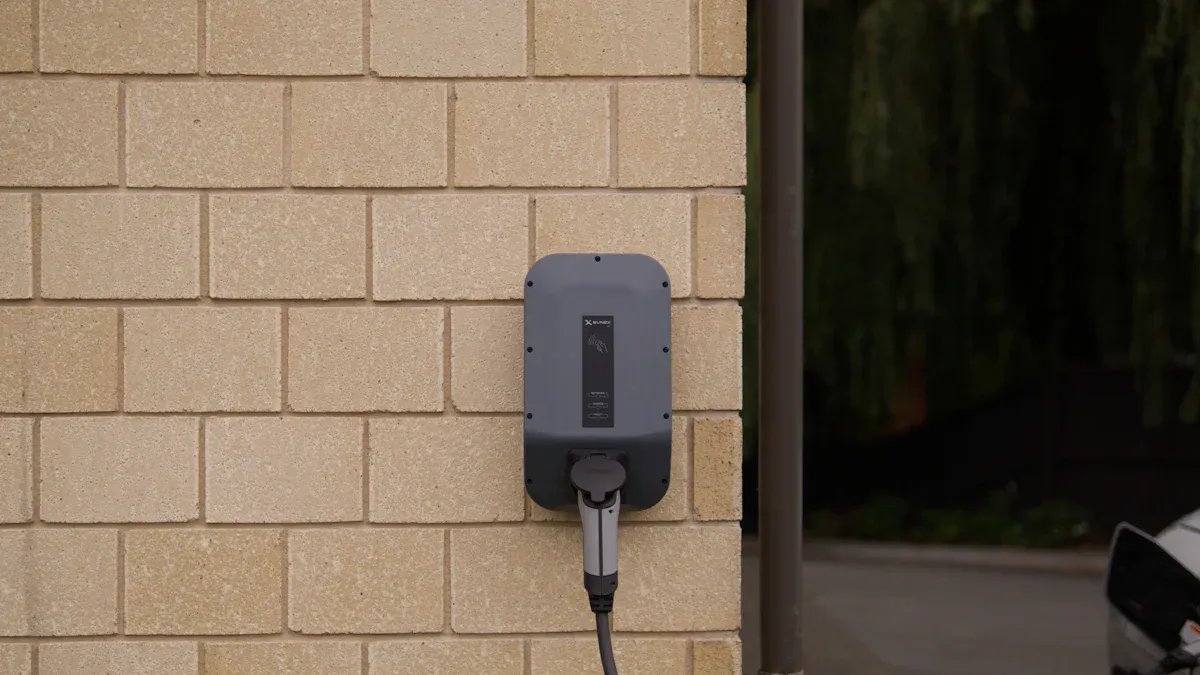
Understanding the final price tag requires breaking down the two main components: the charger unit itself and the labor for installation. The choices a homeowner makes for each will directly influence the total ev charger installation cost.
Level 2 Charger Unit Cost
The hardware, or the electric car charger unit, typically accounts for a significant portion of the total expense. Prices for these units can range from $400 to over $1,000, depending on features and brand.
Charger Power Levels (Amperage)
Chargers are rated by their power output, measured in kilowatts (kW) or amps (A). A higher amperage charger delivers power to the vehicle faster, reducing charging time. While a 16-amp charger is a basic option, 32-amp and 40-amp models are more common for home use. Generally, a higher power level corresponds to a higher unit cost.
Kluge vs. “dumme” Charger
A “dumb” charger simply supplies power. A “smart” charger connects to Wi-Fi, allowing a user to monitor energy use, schedule charging sessions for off-peak hours, and integrate with a home energy system via a mobile app. Technologically advanced EV charging solutions from providers like TPSON offer these smart features. This added functionality usually increases the initial charger cost but can lead to long-term savings on electricity bills.
Gefesselte vs. ungefesselte Ladegeräte
A tethered charger has a permanently attached charging cable. An untethered charger has a universal socket, requiring the user to use the cable that came with their electric car.
- Tethered: More convenient; the cable is always ready.
- Untethered: More flexible for visitors with different connector types and offers a cleaner look when not in use. The cost difference between the two is often minimal, making the choice a matter of personal preference.
Portable vs. Wall-Mounted Units
Most home chargers are wall-mounted units fixed permanently in a garage or on an exterior wall. However, some brands offer powerful portable chargers that plug into a 240V outlet. While the unit cost may be similar, a portable charger offers flexibility. A homeowner still incurs the cost of installing the necessary 240V outlet.
Charger Cost Comparison: The price of the charger unit varies significantly between popular brands. The features and power output are key factors in the final cost.
Marke Modell Price (Approx.) ChargePoint Startseite Flex $550 JuiceBox JuiceBox 40 $475 Tesla Wandverbinder $400
Standard Installation Labor Cost
Professional installation is crucial for safety and is often the most variable part of the home ev charger installation budget. The average electric car charger installation cost for labor can range from $800 to $1,100.
What a “Standard Installation” Includes
A “standard” home charging installation package from a qualified electrician typically covers all the essentials to get a charging point up and running. Homeowners should confirm their quote includes the following:
- The charger unit itself (tethered or untethered)
- Mounting the unit to a suitable wall
- Up to 10 meters of cabling run from the electrical panel (fuse box)
- Connection to the electrical panel with the necessary safety devices
- Full testing and commissioning of the charger
- Digital certification for building regulations compliance
- A basic walkthrough of the app and smart features
Die Rolle eines lizenzierten Elektrikers
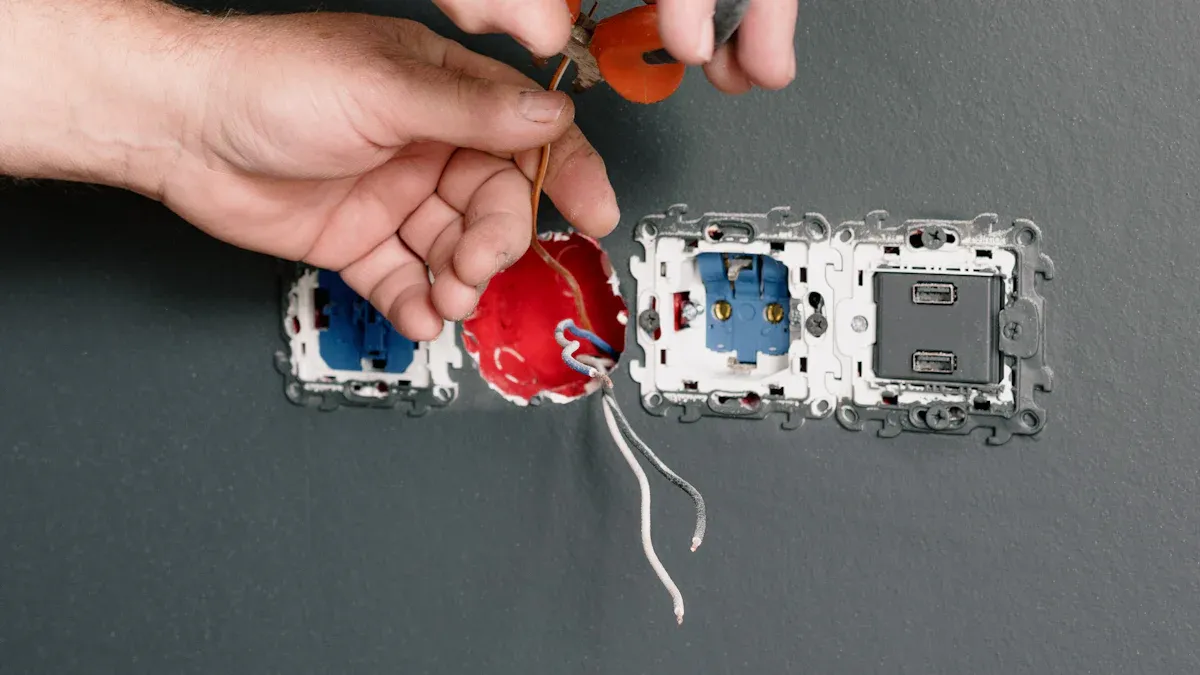
A licensed electrician performs the electric car charger home installation safely and correctly. They ensure the new circuit can handle the load and that the work complies with all electrical codes. Contractors may charge an hourly rate between $50 and $150, but most provide a fixed quote for a standard installation. This professional service is a critical part of the process to install ev charger equipment.
Gebühren für Genehmigungen und Inspektionen
Depending on the local authority, a permit may be required before the installation begins. An inspection of the work might also be necessary after completion. These fees are an additional cost, often bundled into the electrician’s final invoice. The cost for these administrative steps can add $50 to $250 to the project total.
Potential Extra Costs and Complications
Not every home is ready for a simple electric car charging point installation. Several factors can complicate the process and increase the overall cost of installing the system.
Upgrades für elektrische Schalttafeln
Older homes may have electrical panels (electrical panels) with insufficient capacity to support a new, high-draw 240V circuit. A panel upgrade is a significant job that can add $1,000 to $2,500 or more to the total cost. An electrician will assess the panel during the initial consultation.
Long Wiring Runs
A standard installation quote usually includes up to 10 meters of cable. If the desired charger location is far from the electrical panel—for example, in a detached garage or on the far side of the house—the extra material and labor for the longer wiring run will increase the installation cost.
Trenching and Conduit Work
Installing a charger outdoors or in a detached garage often requires burying the electrical cable in a trench for protection. This civil work is a major cost factor.
Anmerkung: Trenching costs typically range from $45 to $75 per meter. This is necessary to protect the cable running to an outdoor charging point and adds a substantial amount to the final installation price.
Installing a New 240V Outlet
Even if a homeowner opts for a portable electric car charger, they still need a dedicated 240V outlet. The installation of this outlet involves the same electrical work as hardwiring a wall-mounted unit—running a new circuit from the panel. This part of the home charger installation carries a similar cost to the labor for a hardwired charger.
How Much Does It Cost to Install an EV Charger with Incentives?
The initial electric car charger installation cost is only part of the financial picture. Homeowners can access a variety of government and utility incentives. These programs significantly reduce the final cost, making a home charging point a more affordable investment. Understanding and utilizing these credits is a key step in managing how much does it cost to install an ev charger.
Bundessteuergutschriften
The U.S. federal government offers a substantial tax credit to encourage the adoption of home charging infrastructure. This incentive directly lowers a homeowner’s tax liability.
The Alternative Fuel Vehicle Refueling Property Credit
This incentive is officially known as the Steuergutschrift für die Infrastruktur für alternative Kraftstoffe. It is also referred to by its U.S. tax code section, 30C. This credit applies to the cost of both the charger hardware and the professional installation services required to make it operational.
How to Claim the 30% Credit
Homeowners claim this credit when they file their annual federal income taxes. The credit equals 30% of the total project cost. To claim it, a person must complete and file IRS Form 8911 with their tax return for the year the charger installation was completed.
Anmerkung: This is a nonrefundable tax credit. It can reduce a person’s tax liability to zero, but they will not receive any portion of the credit back as a refund beyond that point.
Understanding the $1,000 Credit Cap
The 30C credit has a maximum value of $1,000. The 30% calculation applies to the total cost of installing the system, but the credit cannot exceed this cap.
- Berechnungsbeispiel:
- Total Project Cost (Charger + Installation): $2,500
- 30% of Total Cost: $750
- Credit Amount: $750 (since it is below the $1,000 cap)
If the total project cost were $4,000, the 30% calculation would be $1,200. However, the credit would be capped at the maximum of $1,000.
Staatliche und lokale Rabatte
Beyond the federal level, many states, local governments, and utility companies offer their own valuable incentives. These programs can often be combined with the federal tax credit for maximum savings.
Finding Your State’s Incentives
The best starting point for finding local rebates is a state’s department of energy or environmental quality website. These resources provide up-to-date information on available programs for residential charger installations. The U.S. Department of Energy’s Alternative Fuels Data Center is another excellent resource.
Utility Company Rebate Programs
Many electric utility providers offer direct rebates or special rates for customers who install an EV charger. These programs help manage grid load and promote EV adoption.
- Indiana Michigan Power (I&M), for instance, provides a $500 incentive to help cover the wiring cost for a residential EV meter. Customers in this program also benefit from discounted rates for overnight charging.
Homeowners should contact their local utility provider directly to see what rebates are available.
Examples: California’s CALeVIP & NY’s Drive Clean Rebate
Some states offer particularly generous programs that dramatically lower the cost of an electric car charger installation.
- California: The state offers various regional programs, with some providing up to $1,000 in rebates for a home charging station.
- New York: The state’s Drive Clean Rebate is even more substantial, offering incentives that can reach up to $5,000 for certain equipment and installations.
Strategic Installation Planning
Careful planning before the installation begins can prevent unnecessary expenses. A strategic approach ensures a homeowner gets the best value from their investment.
Choosing the Right Location
The location of the charging point is a critical cost factor. Placing the charger as close as possible to the home’s main electrical panel minimizes the length of the required wiring. Longer wiring runs increase material and labor costs, turning a standard installation into a more complex and expensive project. A good installation quote will detail this cost.
Selecting a Cost-Effective Charger
The market offers a wide range of chargers. Homeowners should select a unit that meets their charging needs without paying for unnecessary features. Technologically advanced EV charging solution providers like TPSON offer diverse options, from simple wall units to smart chargers. While a smart charger may have a higher initial cost, its ability to schedule charging during off-peak electricity rates can lead to long-term savings.
Getting Multiple Electrician Quotes
Obtaining several quotes from licensed electricians is the most effective way to manage the Installationskosten. Each electrician will provide a unique quote based on their assessment of the home’s electrical system and the desired charger location.
Umsetzbarer Tipp: When comparing quotes, ensure each installation quote is comprehensive. A detailed quote should break down every cost point, including labor, materials (like cable and conduit), permit fees, and any potential panel upgrades. A clear quote prevents surprise charges and helps a homeowner make an informed decision to install ev charger equipment. Getting a quote is the most important step.
Is the Cost of Installing a Home Charger Worth It?
After reviewing the initial expense, many homeowners question if the investment is worthwhile. The answer becomes clear when examining the long-term benefits of cost, convenience, and property value. For most EV drivers, a home charger is not just a luxury but a financially sound decision.
Cost to Charge: Home vs. Public
The most significant advantage of a home charger is the dramatic reduction in the cost to charge your vehicle. Charging at home is consistently cheaper than relying on public charging networks.
Calculating Your Home Charging Cost
A homeowner can easily calculate their charging cost. The formula is the vehicle’s battery size (in kWh) multiplied by the local electricity rate. With average residential electricity rates in the U.S. between 15 and 17 cents per kilowatt-hour, the cost to fully charge an EV at home is remarkably low.
Understanding Time-of-Use (TOU) Rates
Many utility companies offer Time-of-Use (TOU) rates, which provide cheaper electricity during off-peak hours, typically overnight. Smart chargers, like the technologically advanced solutions from TPSON, allow users to schedule charging sessions to take advantage of these lower rates, further reducing the overall cost to charge.
Comparing to DC Fast Charging Prices
Public DC fast charging stations prioritize speed, and their prices reflect that. The cost per kWh at these stations can be two to four times higher than charging at home. This makes home charging the most economical option for daily driving needs.
Charging Speed and Convenience
The convenience of waking up to a fully charged car every morning is a major selling point for a home installation. A dedicated home charger transforms the ownership experience.
Level 1 (120V Outlet) Charging
A Level 1 charger uses a standard wall outlet. While it requires no installation, its charging speed is extremely slow.
Level 2 (240V Home Charger) Charging
A Level 2 charger is the standard for home use. The electric car charging point installation provides significantly faster charging, making it practical for daily use.
| Ladegerät Typ | Mehr Reichweite pro Stunde |
|---|---|
| Stufe 1 | 2-5 Meilen |
| Stufe 2 | 10-75 miles |
The Safety of a Dedicated Circuit
A professional electric car charger home installation includes a new, dedicated 240V circuit. This ensures the charger operates safely without overloading the home’s electrical system, a crucial safety point for any high-power appliance.
Calculating Your Payback Period
The payback period on a home EV charger installation is often shorter than homeowners expect.
Estimating Annual Savings
A driver can estimate their annual savings by comparing their yearly home charging cost against what they would have spent on gasoline or public charging. The savings quickly add up, offsetting the initial installation cost.
Factoring in Installation Cost
The total installation expense is the primary figure to recoup. By dividing this cost by the estimated annual savings, a homeowner can determine the payback period for their charging point.
Long-Term Value and Home Resale
A home charger is an investment in a property’s future. As electric vehicles become more common, a pre-installed charging point becomes a powerful selling feature.
Tim Bannister, a real estate analyst, notes that homes with green benefits will stand out. He predicts a future where buyers prioritize features like an electric charging point over traditional amenities.
This forward-thinking upgrade makes a home more attractive to a growing market of EV owners.
How to Choose the Right EV Charger to Install

Selecting the right hardware is a critical step in the EV charger installation process. The market offers various charging levels and features. A homeowner’s choice will impact charging speed, cost, and overall convenience.
Level 1 vs. Level 2 vs. DC Fast Charging
Understanding the different charging levels helps drivers match a charger to their lifestyle and vehicle needs. Each level serves a distinct purpose.
Level 1: The Basics
A Level 1 charger uses a standard 120V wall outlet. It requires no special installation. However, its charging speed is very slow, typically providing only 3-5 miles of range per hour. This makes it a practical option for plug-in hybrids with small batteries or as an emergency backup, but it is generally too slow for the daily charging needs of a fully electric vehicle.
Level 2: The Home Standard
Level 2 is the most common and practical solution for home charging. It uses a 240V circuit, similar to an electric dryer, and requires professional installation by a licensed electrician. This type of charger dramatically increases charging speed. A Level 2 charger makes overnight charging feasible for any EV, ensuring a full battery every morning.
| Ladezustand | Miles of Range Added Per Hour (Approx.) |
|---|---|
| Stufe 1 | 3-5 miles |
| Stufe 2 | 10-75 miles |
The faster charging makes a Level 2 point essential for most EV owners.
DC Fast Charging: For Road Trips
DC Fast Chargers deliver direct current to the vehicle’s battery for incredibly rapid charging, often replenishing 80% of a battery in 15-45 minutes. These systems are not intended for home installation due to their immense power requirements and prohibitive cost. They are found along highways and in public hubs, making long-distance travel in an EV possible.

Wichtigste Merkmale für die Suche
Modern chargers offer more than just power. Smart features enhance the charging experience, improve safety, and can lower electricity costs.
Wi-Fi-Konnektivität und App-Steuerung
The foundation of a “smart” charger is its ability to connect to a home Wi-Fi network. This connectivity allows a user to monitor and control their charging sessions remotely through a smartphone app. Users can start, stop, and check the status of their charging from anywhere.
Scheduling and Smart Charging
A key benefit of a smart charger is the ability to schedule charging sessions. Technologically advanced EV charging solution providers like TPSON offer this feature. It allows owners to program their electric car charger to operate during off-peak hours when electricity rates are lowest. This single feature can lead to significant savings on energy bills.
UL Certification for Safety
Sicherheit geht vor: A charger must be UL-zertifiziert (or have an equivalent certification like ETL). This mark indicates the product has undergone rigorous third-party testing for safety and durability. A certified charger protects against electrical hazards, which is critical for a high-power device connected to both a vehicle and a home. A safe installation depends on certified equipment.
NEMA Ratings for Weatherproofing
The NEMA rating on a charger indicates its level of protection against environmental elements like dust, water, and ice. A NEMA 3R or NEMA 4 rating is common for a home charger. This ensures the unit can withstand outdoor conditions, making a garage or outdoor installation safe and reliable. A proper installation of the charging point considers this rating.
The typical all-in cost to install ev charger at home ranges from $1,200 to $2,500. Homeowners can lower this final price. The 30% federal tax credit and local rebates significantly reduce the installation cost. The upfront installation cost for a charger is quickly offset by substantial long-term savings from home charging. A home charger provides unmatched convenience over public charging.
Research shows 81% of EV drivers use home charging, with 93% finding it cheaper than gas. The lower cost of charging at home makes the charger installation worthwhile. For most EV owners, the installation of a home charging charger is a necessary and financially sound investment.
FAQ
Kann ich ein E-Ladegerät selbst installieren?
A homeowner should not attempt a DIY charger installation. A Level 2 charger requires a dedicated 240V circuit. A qualified electrician must perform the installation to ensure safety, meet electrical codes, and prevent damage to the home or vehicle. This professional installation is essential.
How long does a standard charger installation take?
A standard EV charger installation typically takes two to four hours. The process includes mounting the charger, running the cable, and making the final electrical connections. More complex jobs, like those requiring panel upgrades or trenching, will extend the installation timeline.
Was ist der Hauptvorteil eines intelligenten Ladegeräts?
A intelligentes Ladegerät offers significant advantages over a basic unit. Technologically advanced EV charging solution providers like TPSON build chargers with Wi-Fi. This allows users to schedule charging for off-peak hours, monitor energy use via an app, and reduce electricity costs.
Will a home charger work with any electric vehicle?
Most modern EVs and home chargers use a universal J1772 connector, ensuring broad compatibility. Tesla vehicles require an adapter to use a non-Tesla charger. A homeowner should confirm their vehicle’s charging port before finalizing a charger purchase.
Do I need a permit for the installation?
Many local authorities require a permit for an EV charger installation. The permit ensures the work is inspected and complies with safety standards. Your electrician usually handles the permitting process as part of their service, which is a key part of the installation.
How do I choose the right power level for my charger?
The right power level depends on your daily driving and vehicle’s charging capability. A 32-amp or 40-amp charger is sufficient for most homeowners, providing fast overnight charging. A higher amperage charger delivers a faster charging speed but may require a more robust electrical setup.