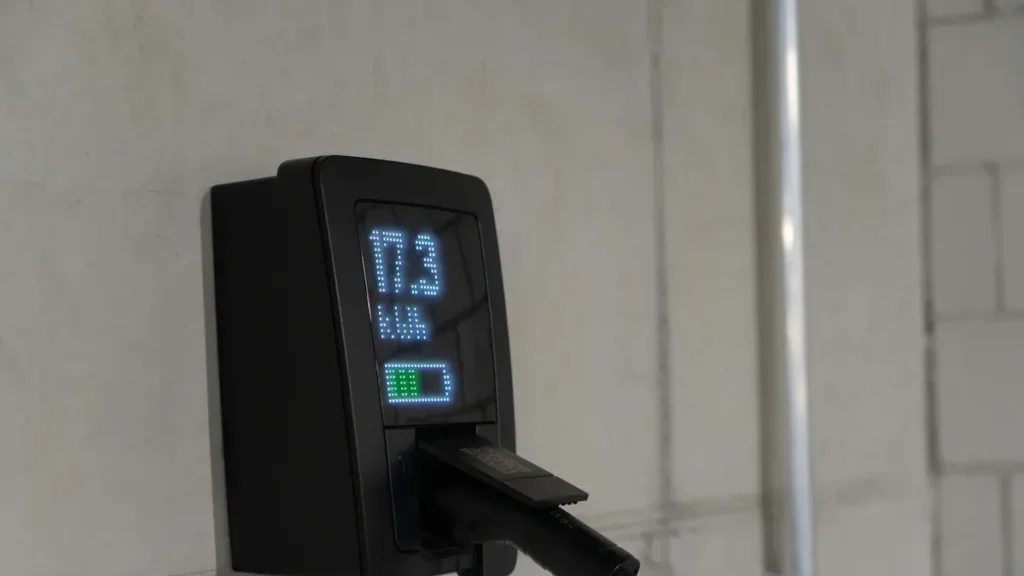

Future-proofing your home for electric vehicles in Singapore demands a strategic approach to selecting an EV-Ladegerät. Owners often look past basic tragbare ev-ladegeräte für Fortgeschrittene EV-Ladelösungen von Hersteller von EV-Ladegeräten like TPSON, a technologically advanced electric vehicle charging solution provider. A successful long-term investment depends on several critical choices.
A future-ready EV setup in Singapore hinges on key factors. The charger must offer at least 7.4kW for efficient EV charging. Smart features ensure safety and cost savings. Finally, a compliant installation guarantees every EV charging session is secure.
The Foundation of Future-Proofing Your Home: Power and Speed

The core of any home EV charging setup is its power output, measured in kilowatts (kW). This figure directly translates to charging speed. A higher kW rating means more energy is delivered to the vehicle’s battery per hour. Making the right choice between different types of chargers is fundamental to future-proofing your home, ensuring your investment remains valuable as vehicle technology evolves and your driving habits change.
Decoding Charger Power Output (kW)
Understanding the power specifications of EV charging points is the first step in selecting the right hardware. The choice between a single-phase and a three-phase charger has significant implications for installation, cost, and overall performance.
7.4kW Single-Phase: The Home Standard
For most Singaporean homes, a 7.4kW single-phase charger represents the ideal balance of speed, cost, and installation simplicity. Operating on a standard 230V single-phase supply, which is common in HDB flats and most landed properties, this charger delivers approximately 40-50 kilometers of range per hour of charging.
Anmerkung: A 7.4kW charger can fully replenish a typical 60kWh EV battery overnight (in about 8-9 hours). This makes it a highly practical and efficient solution for daily commuters who can charge their vehicles while they sleep.
These charging stations are generally more affordable and involve a straightforward installation process, often utilizing the home’s existing electrical infrastructure without requiring major upgrades.
11kW/22kW Three-Phase: The Power User Upgrade
An 11kW or 22kW charger operates on a three-phase power supply, offering significantly faster charging speeds. An 11kW charger can add around 60-70 kilometers of range per hour, while a 22kW unit can double that. These are powerful future-proof options for households with multiple EVs or for drivers who cover extensive daily mileage and require rapid top-ups.
However, this power comes at a cost. Most residential properties in Singapore are not equipped with a three-phase supply. Upgrading involves a complex and expensive process that requires approval and work from SP Group, potentially costing thousands of dollars. The installation itself is also more intricate.
Here is a comparison of the two main options:
| Merkmal | 7.4kW Single-Phase Charger | 11kW Three-Phase Charger |
|---|---|---|
| Stromversorgung | Standard Single-Phase | Requires Three-Phase Supply |
| Typischer Standort | Most residential homes | Larger landed properties, commercial sites |
| Charging Time (60kWh EV) | ~8 hours 10 minutes | ~5 hours 45 minutes |
| Pro Stunde hinzugefügter Bereich | ~30 miles (~48 km) | ~38 miles (~61 km) |
| Komplexität der Installation | Simpler, less costly | More complex and expensive |
| Supply Upgrade Cost | Generally not needed | Can be very high (thousands of dollars) |

Assessing Your Home’s Power Supply
Before purchasing any EV charging points, a homeowner must have their property’s electrical capacity assessed by a Licensed Electrical Worker (LEW). The LEW will inspect the main electrical panel to determine if the home has a single-phase or three-phase supply and whether the existing load can safely accommodate an EV charger. This assessment is a critical, non-negotiable step in the journey toward home electrification. It prevents unsafe installations and clarifies which charging stations are viable for the property.
Matching Charging Speed to Your EV and Lifestyle
The ideal charging speed is not just about raw power; it is about aligning the charger’s capabilities with the driver’s daily routine, the vehicle’s specifications, and the household’s overall energy consumption.
For the Daily Urban Commuter
A driver who commutes within the city and parks their EV at home overnight will find a 7.4kW charger more than sufficient. The long overnight charging window easily replenishes the daily energy used, ensuring the car is ready with a full battery each morning. This approach supports a seamless transition to electrification without the need for costly electrical upgrades.
For the High-Mileage or Multi-EV Household
Households with two or more EVs or those with drivers who cover long distances daily may benefit from higher-powered points. An 11kW charger can significantly reduce charging times, offering greater flexibility. For example, it allows for a substantial top-up in just a few hours, which is useful for families sharing a single charger or for drivers needing a quick boost before an evening trip.
How Your EV’s Onboard Charger Limits Speed
A crucial factor that many new EV owners overlook is the vehicle’s onboard charger. This component converts the AC power from the wallbox into DC power that the battery can store. The maximum AC charging speed is limited by the slowest of two components: the wallbox’s output or the EV’s onboard charger capacity.
- If a home has a 22kW charger but the EV’s onboard charger is rated for only 7.4kW, the vehicle will only charge at 7.4kW.
- Conversely, if an EV can accept 11kW but is connected to a 7.4kW wallbox, it will also charge at 7.4kW.
Therefore, checking the EV’s technical specifications is essential to ensure the chosen charger can be fully utilized. This alignment is key to a successful electrification strategy.
Smart Charging Solutions: The Brains Behind an Efficient EV Charger
A modern EV charger is more than just a power outlet; it is a sophisticated device that optimizes energy use, enhances safety, and adapts to future needs. Smart charging solutions are the software and connectivity features that transform a simple power delivery system into an intelligent part of a home’s energy ecosystem. These capabilities are central to a successful long-term electrification strategy.
Core “Smart” Functionality Explained
The foundation of any smart charger rests on its ability to connect and communicate. These core functions enable all other advanced features, making them non-negotiable for a future-proof setup.
Wi-Fi und App-Konnektivität
Wi-Fi connectivity is the gateway to a charger’s intelligence. It links the device to the internet and, by extension, to a smartphone app. This connection allows users to:
- Start and stop charging sessions remotely.
- Monitor charging status and speed in real-time.
- Receive notifications when charging is complete or if an error occurs.
- Control access to the charger, preventing unauthorized use.
An intuitive mobile app becomes the primary interface, offering convenience and control that a non-connected charger cannot match.
Over-the-Air (OTA) Software-Aktualisierungen
Technology evolves rapidly. Over-the-Air (OTA) updates allow manufacturers to send new software directly to the charger via its Wi-Fi connection. This capability is crucial for future-proofing. OTA updates can introduce new features, improve energy management algorithms, patch security vulnerabilities, and ensure compliance with updated regulations. A charger with OTA updates remains current and functional for years, protecting the initial investment.
Essential Smart Features for Singapore Homes
Beyond basic connectivity, certain smart features offer immense practical value, especially in the context of residential properties in Singapore. These solutions address common challenges like limited electrical capacity and high energy costs.
Dynamic Load Balancing (DLB)
Dynamic Load Balancing is arguably the most critical smart feature for homes. It intelligently monitors the total electricity consumption of a household in real-time. When it detects high usage from other appliances (like air conditioners or water heaters), it automatically reduces the power going to the EV to prevent overloading the main circuit breaker.
How DLB Works: Imagine your home’s electrical capacity is a fixed budget. DLB acts as a smart accountant, ensuring your total energy spending never exceeds that budget. It prioritizes the home’s needs and allocates the remaining power to the EV, guaranteeing a safe and trip-free charging experience.
This feature is essential for condominiums and older landed properties where the electrical supply may be limited. It enables safe charging without requiring expensive electrical upgrades.
Off-Peak Charging Schedules
Electricity tariffs in Singapore are not always flat. Some energy retailers offer plans with cheaper rates during off-peak hours, typically late at night. A smart charger allows users to schedule charging sessions to take advantage of these lower prices. A user can plug in their EV when they get home, but the charger will only begin the charging session when the cheaper tariff kicks in, significantly reducing running costs.
Solar Energy Integration
For homeowners with solar panels, a smart charger unlocks the full potential of their investment in renewable energy sources. These advanced electrification solutions can synchronize EV charging with solar energy production. Integrating a home EV charger with a residential solar panel system requires specific equipment and features.
Must-Have Equipment:
- Sonnenkollektoren
- Ein Energiespeichersystem (ESS) oder eine Batterie
- A smart EV charger with energy management capabilities
- An inverter to convert DC power to AC
Key Features to Look For:
- An Energy Management System (EMS) to optimize power flow
- Compatibility with battery storage
- Smart connectivity for monitoring and control
A complete system intelligently manages energy. During the day, solar power first runs the home, then charges the EV. Any excess energy is stored in the battery. At night, the system uses stored battery power before drawing from the grid. This synergy maximizes the use of free solar energy, promotes sustainability, and minimizes reliance on the grid.
Advanced Capabilities for Tomorrow’s Grid
Future-proofing also means preparing for technologies that are on the horizon. Certain advanced features position a Heimlader to be part of next-generation sustainable energy solutions.
Vehicle-to-Grid (V2G) Readiness
Vehicle-to-Grid (V2G) is a groundbreaking technology that allows an EV to not only draw power from the grid but also send it back. A V2G-ready charger, paired with a compatible vehicle, can turn the EV into a mobile battery for the home. This could be used to power the house during a blackout or to sell energy back to the grid during peak demand, creating new financial benefits. While V2G is still in its early stages in many regions, choosing a charger with this readiness prepares a home for the future of energy management. Technologically advanced providers like TPSON are at the forefront of developing these kinds of innovative charging stations.
Detailed Energy Monitoring and Reporting
Advanced smart charging stations offer more than just basic control; they provide detailed analytics. These systems track every charging session, compiling data on energy consumption, cost, and charging duration.
- Some chargers, like the GivEnergy EV charger, integrate into a wider ecosystem, feeding data into a portal that helps users optimize charging based on cost and carbon intensity.
- Other solutions, such as the waEV-charge EV1s, use apps like ev.energy to generate clear reports that help users visualize their energy usage and track savings over time.
This data empowers homeowners to understand their EV’s energy footprint and make informed decisions to further reduce their electricity bills.
Navigating the Installation Process in Singapore
Successfully installing an EV charging point involves more than just buying a charger. The process requires careful planning, professional oversight, and adherence to Singapore’s strict regulations. Understanding these steps ensures a safe and compliant installation for any home.
The Critical Role of a Licensed Electrical Worker (LEW)
In Singapore, a Licensed Electrical Worker (LEW) is the most important professional in your EV charger installation journey. Their involvement is not just recommended; it is a legal requirement for a safe and certified setup.
Why an LEW is Non-Negotiable
An LEW guarantees that the installation of your EV charging point meets all national safety standards. Their official duties are comprehensive and critical for a successful project. An LEW will:
- Oversee and endorse all electrical work for the EV charging system.
- Submit all necessary applications and documentation to SP Group.
- Supervise technicians during the physical installation.
- Ensure the entire setup complies with EMA, LTA, and SCDF requirements.
- Conduct final testing and commissioning of the charging point.
The Site Assessment Process
The first step in installing an EV charging point is a site assessment. An LEW visits the property to evaluate the existing electrical system. This inspection determines the feasibility of the installation and identifies any necessary upgrades. The LEW will check the home’s power supply and the capacity of its main electrical panel. This assessment provides a clear roadmap for the installation project.
Understanding Your Distribution Board (DB)
The Distribution Board (DB) is the nerve center of a home’s electrical system. The LEW must evaluate if the DB can handle the additional load from an EV charger. This professional will check for available space for a new circuit breaker and confirm the main switch’s capacity. A properly assessed DB is fundamental to a safe charging point.
Overcoming Common Hurdles When Installing an EV Charging Point
Homeowners often face specific challenges when installing an EV charging point. Proactive planning helps navigate these common obstacles smoothly.
Managing Insufficient Electrical Capacity
A frequent issue is insufficient electrical capacity. If an LEW determines the home’s system cannot support the new EV load, upgrades are necessary. This might involve rewiring or increasing the main switch capacity to safely support the charger. Addressing this early prevents safety hazards and ensures the charging infrastructure is robust. This is a key step for all EV charging points.
Securing Condominium MCST Approval
For condominium residents, installing an EV charging point requires approval from the Management Corporation Strata Title (MCST). The application process often requires submitting the LEW’s assessment and the charger’s technical specifications. Gaining MCST approval is a crucial step before any installation work can begin for these EV charging points.
Planung für Stromnetz-Upgrades bei Landhäusern
Eigentümer von Landhäusern wünschen sich möglicherweise schnellere 11-kW- oder 22-kW-Ladepunkte. Die meisten Haushalte in Singapur verfügen über eine einphasige Stromversorgung, die die Ladeleistung auf 7,4 kW begrenzt. Ein Upgrade auf eine dreiphasige Stromversorgung ist ein erheblicher Aufwand. Es erfordert umfangreiche Abstimmung mit der SP Group und kann kostspielig sein. Hausbesitzer sollten den Nutzen schnelleren Ladens gegen die Komplexität des Stromnetz-Upgrades für ihr Elektrofahrzeug abwägen. Technologisch fortschrittliche Anbieter wie TPSON bieten eine Reihe von Ladestationen an, die sowohl für einphasige als auch dreiphasige Installationen geeignet sind.
Sicherheit und Konformität: Einhaltung der singapurischen Standards
Die Sicherheit und Konformität einer EV-Ladestation ist ein nicht verhandelbarer Aspekt der Zukunftssicherung eines Hauses. Singapur hat strenge technische Standards zum Schutz von Nutzern und Eigentum festgelegt. Hausbesitzer müssen eine Ladestation wählen, die alle lokalen regulatorischen Anforderungen erfüllt, um ein sicheres und zuverlässiges Ladeerlebnis zu gewährleisten.
Verständnis des TR25:2022 Technischen Referenzdokuments
Das zentrale Dokument für die EV-Ladesicherheit in Singapur ist die Technische Referenz 25 (TR25:2022). Dieser Standard legt die verbindlichen Spezifikationen für alle EV-Ladesysteme fest. Die Einhaltung dieser Vorschriften ist keine Option; es ist eine gesetzliche Anforderung für alle Installationen.
Was TR25:2022 für die Sicherheit vorschreibt
TR25:2022 bietet einen umfassenden Sicherheitsrahmen. Es stellt sicher, dass jede im Land verkaufte und installierte Ladestation einen hohen Sicherheitsstandard erfüllt. Zu den wesentlichen Vorschriften gehören:
- Elektrischer Schutz: Die Ladestation muss über Mechanismen zum Schutz vor Stromschlag, Überstrom und Kurzschlüssen verfügen.
- Not-Aus: Eine zugängliche Not-Aus-Funktion für sofortiges Abschalten ist erforderlich.
- Interoperabilität: Das System muss spezifische Kommunikationsprotokolle einhalten, um Kompatibilität und Sicherheit zwischen dem Elektrofahrzeug und der Ladestation zu gewährleisten.
- Brandsicherheit: Die Materialien und das Design müssen Brandrisiken minimieren.
Diese Regeln schaffen ein sicheres Ökosystem für die wachsende Zahl von EV-Nutzern.
Eingebauter FI-Schutzschalter und Schutzvorrichtungen
Eine kritische Komponente, die TR25:2022 vorschreibt, ist ein eingebauter Fehlerstromschutzschalter (RCD), speziell ein Typ-B-RCD oder Äquivalent.
Ein RCD ist ein lebensrettendes Gerät. Es unterbricht die Stromversorgung sofort, wenn es einen Fehler erkennt, z.B. einen Stromfluss zur Erde. Diese Maßnahme schützt Personen vor potenziell tödlichen Stromschlägen.
Eine Ladestation ohne diesen integrierten Schutz entspricht nicht den lokalen Sicherheitsvorschriften und sollte nicht installiert werden.
So überprüfen Sie die Zertifizierung der Ladestation
Hausbesitzer können leicht überprüfen, ob ein Produkt den erforderlichen Standards entspricht. Sie sollten nach einer klaren Konformitätserklärung des Herstellers suchen.
| Überprüfungsmethode | Beschreibung |
|---|---|
| Produktkennzeichnung | Suchen Sie nach einem “TR25:2022 Compliant”-Zeichen auf der Ladestation oder ihrer Verpackung. |
| Technisches Datenblatt | Überprüfen Sie das offizielle Spezifikationsblatt des Produkts auf eine Konformitätserklärung. |
| Fragen Sie den Lieferanten | Seriöse Lieferanten, einschließlich fortschrittlicher Anbieter wie TPSON, werden bereitwillig Zertifizierungsdokumente vorlegen. |
Diese einfache Überprüfung stellt sicher, dass das gewählte Produkt allen regulatorischen Verpflichtungen entspricht.
Physische Haltbarkeit für das Klima Singapurs
Neben der elektrischen Sicherheit muss eine Ladestation der physischen Umgebung standhalten. Das tropische Klima Singapurs mit hoher Hitze, Luftfeuchtigkeit und starken Regenfällen erfordert eine robuste und gut geschützte Einheit.
IP-Schutzarten für Wetterschutz
Die Schutzart (IP) gibt den Widerstand eines Geräts gegen Festkörper (wie Staub) und Flüssigkeiten (wie Wasser) an. Die Kennzeichnung besteht aus zwei Ziffern. Für eine Außeninstallation in Singapur sollte eine Ladestation eine Mindestschutzart von IP54.
- Die erste Ziffer (5) bedeutet guten Schutz gegen Staub.
- Die zweite Ziffer (4) bedeutet Schutz gegen Wasserspritzer aus jeder Richtung.
Eine höhere Schutzart, wie z.B. IP65, bietet noch besseren Schutz.
IK-Schutzarten für Stoßfestigkeit
Die IK-Schutzart misst den Widerstand eines Produkts gegen mechanische Stöße. Dies ist wichtig für Ladestationen, die in Garagen oder Parkplätzen installiert sind, wo versehentliche Stöße durch Fahrzeuge oder Geräte auftreten können. Eine IK-Schutzart von IK08 oder höher stellt sicher, dass das Gehäuse der Ladestation mittlere Stöße aushält, die empfindliche Elektronik im Inneren schützt und ihre Lebensdauer verlängert.
Benutzerfreundlichkeit und Design: Das tägliche Erlebnis

Die technischen Spezifikationen einer EV-Ladestation sind nur die halbe Wahrheit. Die tägliche Interaktion mit dem Gerät – seine Benutzerfreundlichkeit und sein Design – ist für ein zufriedenstellendes Nutzererlebnis ebenso entscheidend. Eine gut gestaltete Ladestation vereinfacht die Routine, erhöht den Komfort und integriert sich nahtlos in das Leben des Hausbesitzers.
Das Ladekabel-Dilemma
Die Wahl zwischen einem fest angebrachten oder abnehmbaren Kabel ist eine der ersten praktischen Entscheidungen, mit denen ein neuer EV-Besitzer konfrontiert ist. Diese Wahl beeinflusst Komfort, Flexibilität und Ästhetik.
Gefesselte vs. ungefesselte Ladegeräte
Eine fest verkabelte Ladestation hat ein permanent angebrachtes Kabel, während eine nicht fest verkabelte Ladestation eine Steckdose für ein separates, abnehmbares Kabel hat. Jedes Design bietet deutliche Vor- und Nachteile.
| Merkmal | Gebundenes Ladegerät | Ungebundenes Ladegerät |
|---|---|---|
| Profis | Höchster Komfort (Plug-and-Go) | Zukunftssichere Flexibilität (austauschbare Kabel) |
| Sicherheit (festes Kabel, geringeres Diebstahlrisiko) | Elegantes und ordentliches Erscheinungsbild (kein permanentes Kabel) | |
| Nachteile | Feste Kabellänge | Weniger komfortabel (zusätzlicher Schritt zum Anschließen/Verstauen des Kabels) |
| Weniger flexibel für zukünftige Steckeränderungen | Kabel kann gestohlen werden, wenn nicht gesichert |
Wählen Sie eine fest verkabelte Ladestation, wenn: Sie schnelle, unkomplizierte Ladevorgänge priorisieren und die Sicherheit eines festen Kabels schätzen. Wählen Sie eine nicht fest verkabelte Ladestation, wenn: Sie ein saubereres Aussehen wünschen, die Flexibilität benötigen, verschiedene Kabellängen zu verwenden, oder Ihr Kabel für die Nutzung an öffentlichen Ladestationen mitnehmen möchten.
Auswahl der optimalen Kabellänge
For tethered chargers, selecting the right cable length is critical. A cable that is too short can be frustrating, while one that is too long can be a tripping hazard.
- Eine 8-meter charging cable is often the recommended length for most home setups, including carports and garages.
- This length provides excellent flexibility, allowing the EV to be parked in various positions—even on a longer driveway—without straining the cable. It ensures the charging port is always within reach.
Practical Cable Management Solutions
A dangling cable is unsightly and unsafe. Good cable management is essential for maintaining a tidy and secure charging area. Many chargers come with integrated hooks or holsters to wrap the cable neatly. Wall-mounted cable holders and retractors are also excellent solutions to keep the cable off the ground, protecting it from damage and preventing accidents.
User Interface and Access Control
A modern charger should be easy to use and secure. The user interface, both on the unit and in the app, plays a significant role in the everyday experience.
Intuitive LED Status Indicators
Clear visual cues are vital. Most chargers use multi-color LED lights to communicate their status at a glance. A well-designed system will use simple, distinct colors to indicate states like:
Ready(Green)Charging(Pulsing Blue)Finished(Solid Blue)Fault(Red)
This immediate feedback allows users to understand the charger’s status without needing to check their phone.
User-Friendly Mobile App Design
The mobile app is the control center for a smart charger. A user-friendly app should feature a clean layout, intuitive navigation, and responsive controls. Key functions like starting/stopping sessions, scheduling, and viewing energy usage should be easily accessible. Technologically advanced providers like TPSON focus on creating seamless app experiences that enhance their hardware solutions.
User Access Control: RFID vs. App
Securing the charger prevents unauthorized use, which is especially important in shared or accessible parking spaces. There are two primary access control solutions:
- RFID (Radio-Frequency Identification): Users tap a small card or fob on the charger to authorize a session. This method is quick, reliable, and does not depend on a Wi-Fi connection.
- App-Steuerung: Users authorize charging directly from their smartphone app. This offers remote control but requires a stable internet connection for both the phone and the charger.
Many modern chargers offer both options, giving users the flexibility to choose the most convenient method for their situation.
Analyzing the Total Cost and Long-Term Value
An EV charger is a significant investment. A homeowner must analyze the total cost and long-term value to make an informed decision. This analysis goes beyond the initial purchase price. It includes installation fees, potential upgrades, government support, and the eventual return on investment. A comprehensive view ensures the chosen electrification solution provides lasting benefits.
Breaking Down the Investment
The total cost of setting up home EV charging points involves several components. Homeowners should budget for the charger unit, professional installation, and any necessary electrical work.
Preis der Ladeeinheit
The price of charging stations varies widely based on brand, power output, and intelligente Funktionen. Basic, non-smart units are the most affordable. Advanced chargers from providers like TPSON, which offer features like dynamic load balancing and app connectivity, represent a higher initial investment but deliver greater long-term value and safety.
LEW and Installation Fees
Professional installation by a Licensed Electrical Worker (LEW) is mandatory in Singapore. The installation of an EV charger typically costs between $950 and $1,450. This price usually includes both the supply of the charging unit and its installation. This fee covers the LEW’s expertise, labor for running cables, mounting the unit, and final certification.
Potential Electrical Upgrade Costs
A site assessment may reveal the need for electrical upgrades. This is common in older properties or homes with limited electrical capacity. Costs can range from a few hundred dollars for a new circuit breaker to several thousand for a major power supply upgrade. This is a critical point to consider in the overall investment.
Maximizing Government Support
The government in Singapore offers incentives to encourage the adoption of electric vehicles and the expansion of charging infrastructure. These grants can significantly reduce the upfront cost of electrification.
Der gemeinsame Zuschuss für EV-Ladegeräte (ECCG)
The EV Common Charger Grant (ECCG) is a key incentive for non-landed private residences. It aims to promote shared charging infrastructure.
To qualify for the ECCG, a property must meet specific criteria. The grant supports the installation of charging stations accessible to all residents, fostering community-wide sustainability.
Key eligibility points include:
- The property must be a condominium or private apartment.
- The charging solution must be managed by a licensed EV charging operator.
- The grant covers up to 50% of costs, capped at S$4,000 pro Ladegerät.
Future Rebates and Incentives
The landscape of EV incentives is constantly evolving. Homeowners should stay informed about potential future rebates or tax credits. As Singapore pushes towards its electrification goals, new support schemes may become available, further reducing the cost of owning and charging an EV.
Berechnung der Investitionsrendite (ROI)
A home charger is more than an expense; it is an investment that pays dividends over time. Calculating the ROI involves comparing costs against long-term savings and added property value.
Fuel Cost Savings vs. Public Charging
Charging an EV at home is significantly cheaper than using public charging points or buying gasoline. The savings accumulate with every charging session, quickly offsetting the initial installation cost. This financial benefit is a primary driver for home electrification.
Enhancing Your Property’s Value
As EV adoption grows in Singapore, properties equipped with charging points become more attractive to potential buyers. A professionally installed charger is a modern amenity that enhances a home’s appeal and market value, turning it into one of the future-proof assets. This makes the investment a smart long-term decision.
True future-proofing your home in Singapore hinges on a strategic choice. Homeowners must balance three key elements: a 7.4kW power output, essential smart features like Dynamic Load Balancing, and strict TR25:2022 compliance. This combination ensures a safe, cost-effective charging setup ready for future electric vehicles. The journey should always begin with a site assessment from a Licensed Electrical Worker. Investing wisely in the right EV charging solution today is the best step for future-proofing your home and securing long-term value in Singapore.
FAQ
What is the best charger power for a Singaporean home?
A 7.4kW single-phase charger is the standard for most homes. It provides sufficient speed for overnight charging without requiring expensive electrical upgrades. This power level balances performance and practicality for daily urban driving, making it an excellent future-proof choice for homeowners.
Do I need a three-phase supply for my home?
Most homes do not need a three-phase supply. This powerful upgrade is only necessary for 11kW or 22kW chargers. A Licensed Electrical Worker (LEW) can assess your home’s needs. Technologically advanced providers like TPSON offer chargers for both single-phase and three-phase systems.
What is Dynamic Load Balancing (DLB)?
Dynamic Load Balancing (DLB) is a intelligente Funktion die elektrische Überlastungen verhindert. Sie passt die Ladegeschwindigkeit des Elektrofahrzeugs automatisch an den gesamten Energieverbrauch Ihres Haushalts an. Dies gewährleistet ein sicheres, ausfallfreies Ladeerlebnis, insbesondere in Immobilien mit begrenzter elektrischer Kapazität.
Woran erkenne ich, ob ein Ladegerät in Singapur sicher verwendet werden kann?
Ein sicheres Ladegerät muss der Norm TR25:2022 entsprechen. Hausbesitzer sollten die Produktverpackung oder das technische Datenblatt auf ein Konformitätskennzeichen überprüfen. Seriöse Anbieter stellen stets diese Zertifizierung zur Verfügung, die garantiert, dass das Ladegerät die obligatorischen Sicherheitsanforderungen Singapurs erfüllt.
Kann ich ein E-Ladegerät selbst installieren?
Nein, Selbstinstallation ist in Singapur nicht erlaubt. Eine Elektrofachkraft (Licensed Electrical Worker, LEW) muss gesetzlich alle Installationen von Elektrofahrzeug-Ladegeräten überwachen und abnehmen. Dies stellt sicher, dass die Installation sicher ist, den nationalen Normen entspricht und korrekt in das häusliche Stromnetz integriert wird.
Wie viel kostet die Installation eines Heimladers für Elektrofahrzeuge?
Die Gesamtkosten für ein geliefertes und installiertes EV-Ladegerät Ladegerät liegen typischerweise zwischen 950 und 1450 Pfund. Diese Gebühr umfasst das Ladegerät, die professionelle Installation durch eine Elektrofachkraft sowie die Abnahme. Die Kosten können steigen, wenn erhebliche Nachrüstungen der Elektroinstallation erforderlich sind.
Was ist der Unterschied zwischen einem kabelgebundenen und einem nicht kabelgebundenen Ladegerät?
Ein fest angeschlossenes Ladegerät (tethered) besitzt ein dauerhaft befestigtes Kabel für maximale Bequemlichkeit. Ein Ladegerät mit Steckdose (untethered) bietet ein saubereres Erscheinungsbild und die Flexibilität, verschiedene Kabel zu verwenden. Die Wahl hängt von den Präferenzen des Nutzers bezüglich Bequemlichkeit gegenüber Ästhetik und Flexibilität ab.