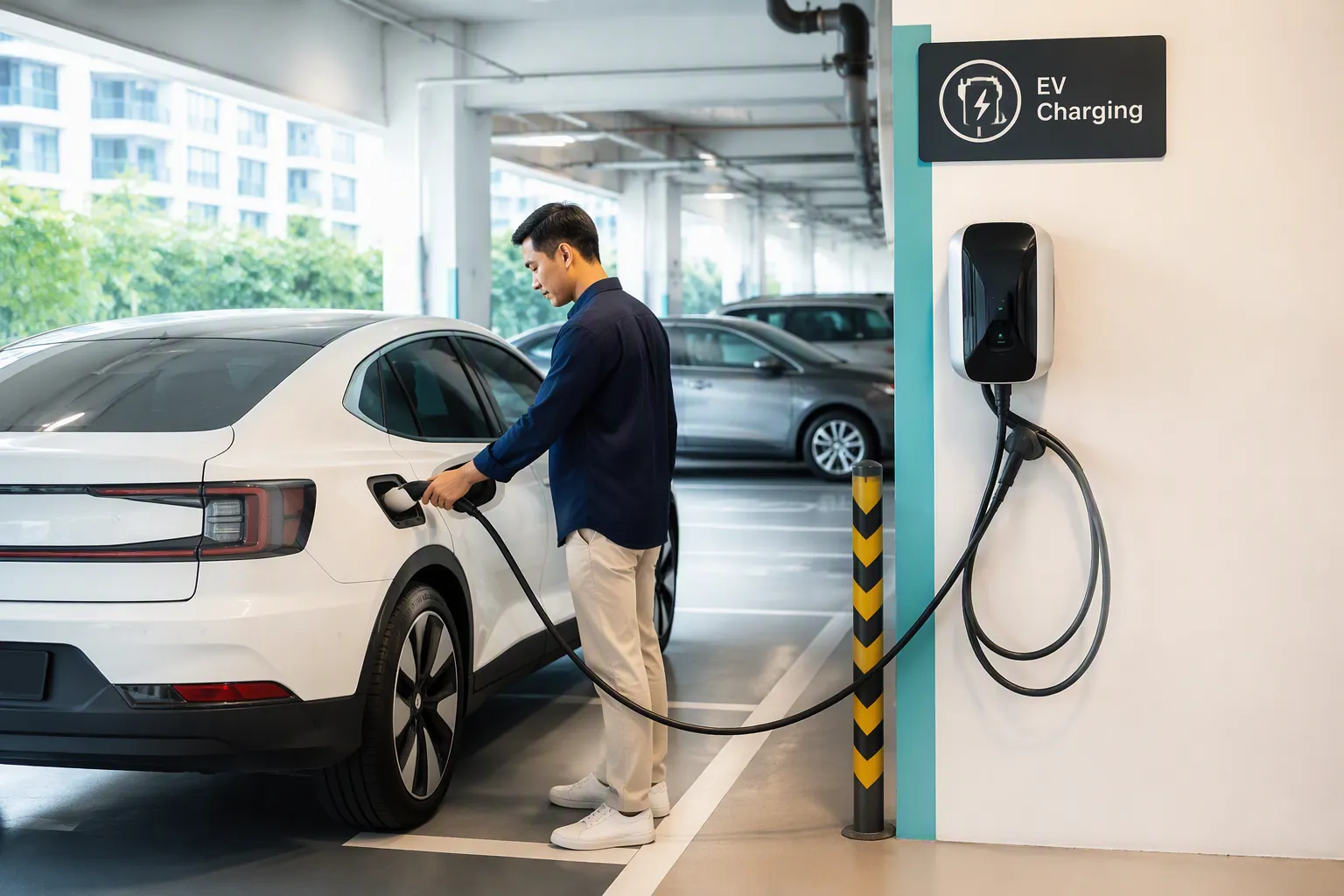
Germany’s autobahn showcases a robust network that supports electric vehicle travel with advanced charging points. Drivers find fast charging essential for long-distance journeys, as it minimizes downtime and maximizes efficiency. The expansion of EV-Ladelösungen, einschließlich tragbare ev-ladegeräte von führenden Hersteller von EV-Ladegeräten, ensures reliable access at every stop. Germany continues to invest in its electric infrastructure, making each EV-Ladegerät a vital part of seamless travel for both residents and visitors.
Note: Consistent access to charging points empowers drivers to confidently explore the autobahn.
Mapping Germany’s Autobahn Level 3 Charging Network

Major EV Charger Providers on Germany’s Autobahn
Germany’s autobahn features a diverse range of providers that support the country’s fast-charging networks. These companies operate advanced charging infrastructure, ensuring that electric vehicle drivers can access reliable and fast charging points along their routes.
Ionität
Ionity operates one of the largest networks of dc fast charging stations on Germany’s autobahn. The company focuses on high-power chargers that deliver fast charging for electric vehicles. Ionity’s stations often appear at major rest stops, providing multiple charging points for public use. Their network supports seamless travel for both local and international drivers.
EnBW
EnBW stands as a leading force in Germany’s ev infrastructure. The company manages a vast network of public ev chargers, including many dc fast charging stations. EnBW places a strong emphasis on accessibility, offering charging points at strategic locations along high-density corridors. Their commitment to expanding the charging network helps reduce range anxiety for electric vehicle owners.
Fastned
Fastned specializes in fast charging solutions for electric vehicles. The company builds and operates stations with multiple charging points, focusing on speed and convenience. Fastned’s presence on Germany’s autobahn continues to grow, supporting the country’s transition to electric mobility. Their stations use renewable energy, contributing to a sustainable charging network.
Allego
Allego provides a wide range of public charging options, including dc fast charging and ultra-fast charging points. The company partners with service areas and rest stops to ensure that drivers can find charging stations where they need them most. Allego’s network supports various connector types, making it accessible for different electric vehicle models.
E.ON Drive
E.ON Drive delivers advanced charging infrastructure across Germany. The company operates both fast and ultra-fast charging stations, focusing on reliability and user experience. E.ON Drive’s network covers key autobahn routes, offering public charging points that support long-distance travel. Their integration of digital payment solutions enhances convenience for drivers.
Tipp: TPSON, as a technologically advanced electric vehicle charging solution provider, continues to innovate in the field of fast charging and public charging infrastructure.
Charging Network Coverage and Gaps
Germany’s autobahn charging network offers extensive coverage, but some areas still require further development. Understanding the distribution of charging points helps drivers plan efficient routes.
High-Density Corridors on Germany’s Autobahn
High-density corridors on Germany’s autobahn feature a concentration of fast charging stations. These routes connect major cities and industrial regions, supporting heavy traffic and frequent electric vehicle use. Drivers benefit from short distances between charging points, which reduces waiting times and ensures fast access to energy.
Underserved Areas and Expansion Plans
Some rural and less-traveled sections of the autobahn have fewer charging points. Providers and government agencies recognize these gaps and have announced expansion plans. New stations will target underserved areas, improving the overall network and supporting the growth of electric mobility. TPSON and other industry leaders play a key role in deploying fortschrittliche Ladelösungen in these regions.
Government Initiatives and Regulations
Germany’s government supports the expansion of ev infrastructure through funding and regulations. Policies encourage the installation of public charging stations along the autobahn, with a focus on dc fast charging. Regulations set standards for accessibility, payment options, and interoperability. These initiatives aim to create a seamless charging experience for all electric vehicle drivers.
Charger Locations and Accessibility on the Autobahn
The placement and accessibility of charging stations influence the convenience of electric vehicle travel on Germany’s autobahn.
Rest Stops and Service Areas
Most fast charging stations appear at rest stops and service areas. These locations offer amenities such as food, restrooms, and shops, allowing drivers to combine charging with necessary breaks. The integration of charging points at these sites supports efficient travel and reduces downtime.
Urban vs. Rural Charging Placement
Urban sections of the autobahn often feature a higher density of charging stations. These areas serve both local commuters and long-distance travelers. Rural stretches may have fewer charging points, but ongoing expansion projects aim to close these gaps. Providers use charging network maps to identify optimal locations for new stations.
Signage and Navigation for EV Drivers
Clear signage on Germany’s autobahn directs drivers to nearby charging stations. Digital navigation tools and in-car systems display real-time information about station availability and charging speeds. These resources help drivers locate public charging points quickly and plan their journeys with confidence.
Note: Drivers should always check charging network maps before starting their trip to ensure access to fast charging along their chosen route.
Planning Your EV Journey on Germany’s Autobahn
Route Planning Tools and Apps for Charging
Drivers rely on advanced route planning tools to ensure a smooth electric vehicle road trip across Germany’s autobahn. These tools help identify fast charging stations, estimate travel times, and optimize routes for efficiency. The following table highlights some of the most widely used apps and platforms for planning EV journeys and finding Level 3 chargers:
| Tool/App | Am besten für | Kosten |
|---|---|---|
| SparkAlliance | Unifying multiple networks under one system | Not specified, requires pairing with other tools |
| IONITY Route Planner | Guaranteed 350 kW Ionity stops | Kostenlos |
| PlugSurfing | Universal RFID and app for payments | Free app, €0.35 start fee per session |
| Electromaps | Community photos and real-time tips | Free app, RFID €19.95 one-off |
| Chargetrip | Battery-aware guidance | Free in supported cars |
Ein besserer Routenplaner (ABRP)
A Better Routeplanner (ABRP) stands out among route planning tools for its detailed planning parameters and live data integration. Many users find ABRP reliable for predicting charging station availability, although some report occasional app crashes. ABRP often provides conservative estimates, which can benefit drivers by ensuring they always have a buffer during long-distance road trips.
PlugShare
PlugShare offers a user-friendly interface that displays real-time information about charging station locations, availability, and user reviews. This app helps drivers plan their route by identifying fast charging points and sharing community feedback, making it easier to avoid unexpected delays during travel.
Manufacturer Navigation Systems
Many electric vehicles come equipped with built-in navigation systems that automatically plan routes and suggest optimal charging stops. Systems like Pivi Pro in certain vehicles provide up-to-date information on charging station status, helping drivers make informed decisions throughout their journey.
Ladesäulenregister (German Charging Station Register)
The Ladesäulenregister serves as Germany’s official charging station register. This platform lists all public charging points, including Level 3 chargers, and allows users to search by location or route. It supports comprehensive planning for both local and cross-country travel.
Step-by-Step Guide to Autobahn EV Trip Planning
Planning an electric vehicle road trip on Germany’s autobahn involves several key steps. Following a structured approach ensures efficient travel and minimizes downtime.
- Drive until the battery reaches 10-20%.
- Stop at a DC fast charger along the route.
- Charge the vehicle to 80% capacity.
- Continue driving to the next planned stop.
Tip: A Better Routeplanner, Google Maps, and built-in vehicle navigation systems can calculate optimal charging stops and display real-time charger availability.
Identifying Level 3 Charger Stops
Drivers should use route planning tools to locate Level 3 charging stations along their chosen route. Ultra-rapid chargers typically appear within 30 miles of each other on major routes, simplifying the process of maintaining optimal battery levels during long-distance travel.
Estimating Charging Times and Distances
The availability of fast chargers along Germany’s autobahn allows drivers to plan efficient stops. Charging strategies, such as where and how long to recharge, significantly influence the overall travel experience. Most drivers find that charging to 80% at each stop provides the best balance between speed and range.
Integrating Charging with Rest Breaks
Combining charging sessions with rest breaks improves efficiency and comfort during road trips. Most charging stations are located at rest stops or service areas, where drivers can enjoy meals or relax while their vehicle charges.
EV Compatibility and Vehicle Requirements for Autobahn Charging
Understanding vehicle compatibility with charging infrastructure is essential for seamless travel on Germany’s autobahn.
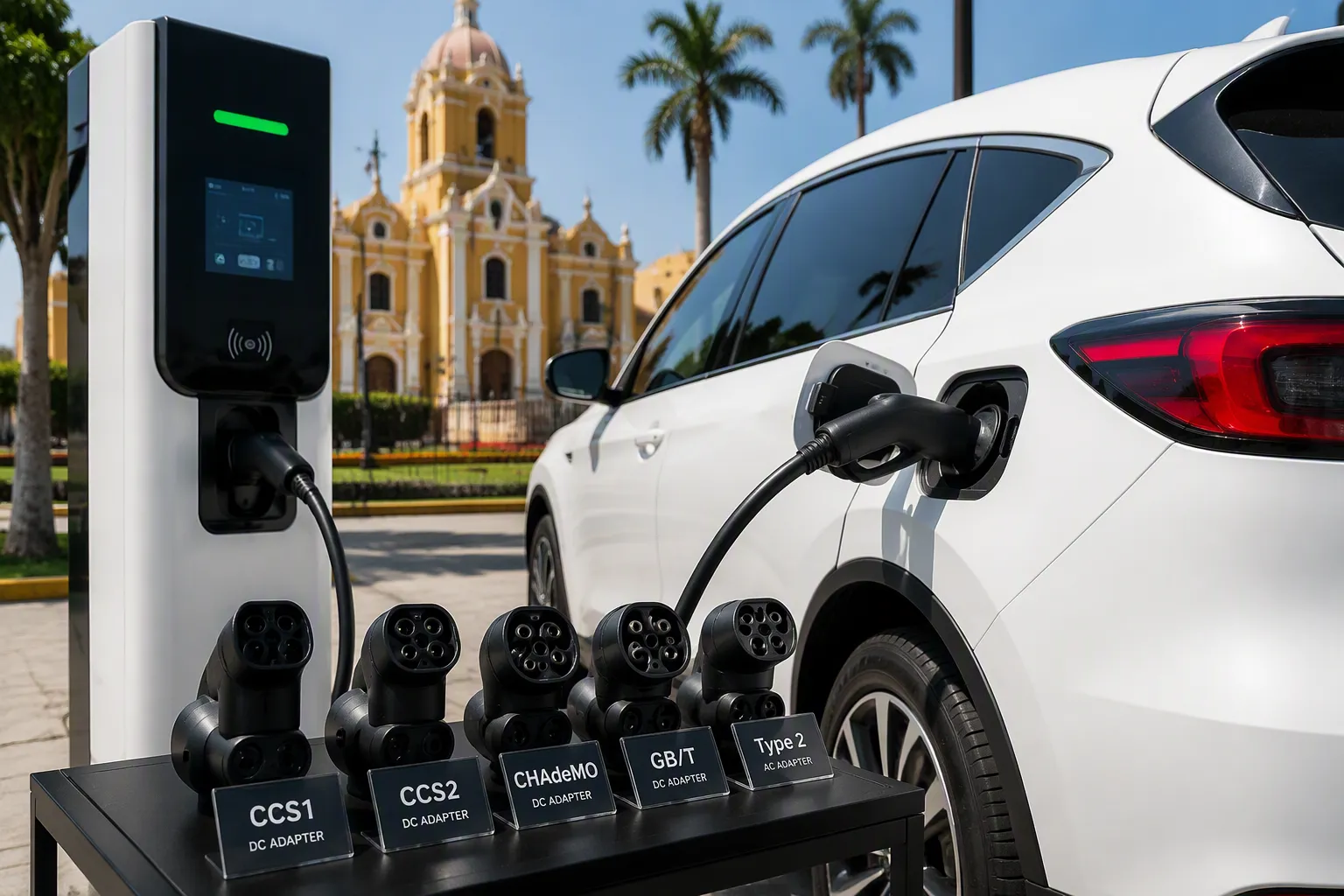
Supported Connector Types (CCS, CHAdeMO)
Level 3 charging stations on Germany’s autobahn primarily support CCS (Combined Charging System) and CHAdeMO connectors. CCS has become the leading standard for DC charging in Europe, while CHAdeMO remains available but is less common. Most European EV models use CCS for fast charging.
Vehicle Charging Capabilities and Limitations
Each vehicle has specific charging capabilities that determine how quickly it can recharge at a Level 3 station. Drivers should check their vehicle’s maximum charging rate and ensure compatibility with the available infrastructure. Some vehicles may not support the highest charging speeds, which can affect overall travel time.
Adapter Options for International EVs
International travelers may need adapters to connect their vehicles to Germany’s charging stations. Most Level 3 chargers support CCS and CHAdeMO, but drivers should verify connector compatibility before starting their journey. Carrying the appropriate adapter ensures access to the full network of fast chargers during cross-border road trips.
Note: Careful planning and knowledge of vehicle requirements help drivers avoid unexpected issues and enjoy a seamless electric vehicle road trip across Germany.
Practical Tips for Using Level 3 Charging Stations
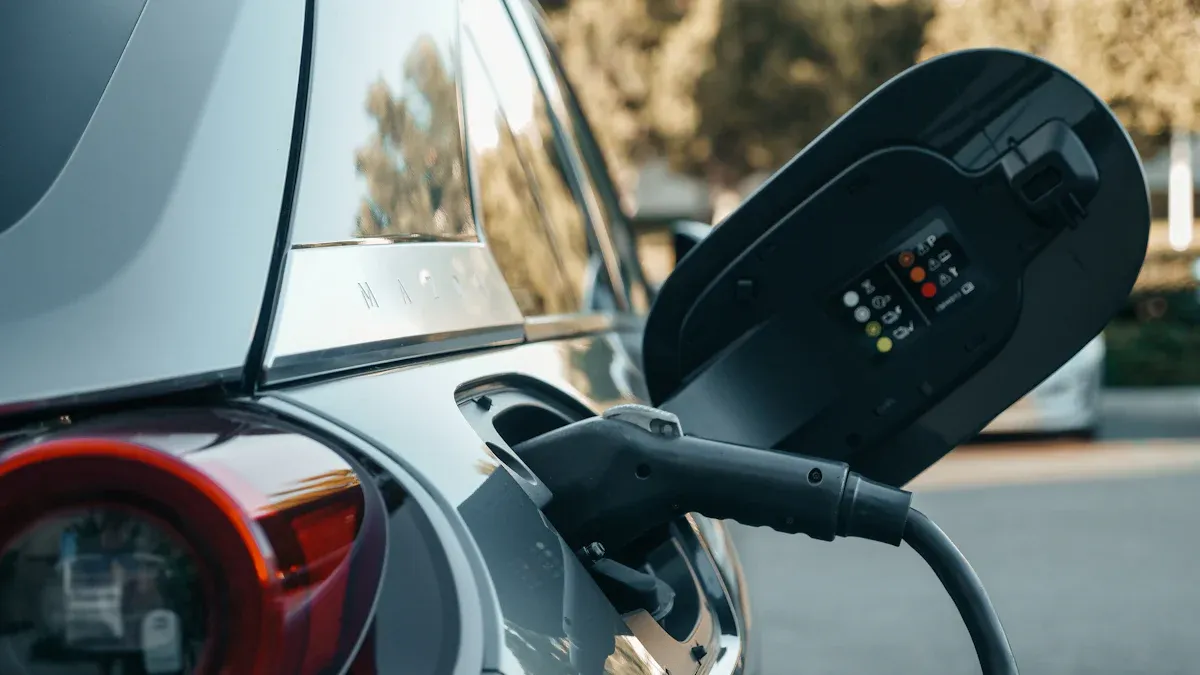
Payment Methods and Access for Autobahn Charging
RFID Cards and Charging Networks
RFID cards remain a popular choice for accessing public charging stations on Germany’s Autobahn. Many drivers use cards from networks like New Motion or Plug Surfing, which offer access to multiple operators. These cards simplify the process by allowing users to tap and start fast charging sessions without entering payment details each time. Chargemap Pass also provides access to a wide network, though it does not function in Belgium or Austria. Drivers should check network compatibility before starting their journey.
Mobile Apps und digitale Geldbörsen
Mobile apps have become essential tools for electric vehicle drivers. Most major charging networks support app-based payments, which allow users to locate charging points, check charging availability, and pay directly from their smartphones. Apps can be topped up as needed, providing flexibility for both local and international travelers. Digital wallets integrated into these apps further streamline the payment process, making fast charging more convenient.
Credit Card and Contactless Payments
Germany’s Autobahn features a vast public charging network that predominantly accepts contactless payments. Many charging stations display blue signs with white plug icons, signaling their readiness for electric vehicles. Drivers can use credit cards or contactless payment methods at most charging points. It is advisable to confirm with the issuing bank before travel to ensure international cards will work. Leistung (kWh) the main payment methods available:
| Zahlungsmethode | Beschreibung |
|---|---|
| Credit Cards | Accepted at most charging points; check with your bank before traveling. |
| Mobile App | Allows payment via an app that can be topped up as needed. |
Tip: Carry at least two Zahlungsoptionen to avoid unexpected issues at public charging stations.
Booking and Reservation Options for EV Charging
Advance Booking Availability on Germany’s Autobahn
Advance booking for fast charging stations remains limited on the Autobahn. Most public charging points operate on a first-come, first-served basis. Some networks have started to pilot reservation systems, but widespread adoption has not yet occurred. Drivers should plan for flexibility, especially during peak travel periods.
Real-Time Availability Checks and Notifications
Many charging apps and network platforms provide real-time updates on charging availability. Drivers can check which stations have open fast charging points before arrival. Notifications alert users when a charger becomes available or if a session completes. These features help reduce wait times and improve the overall travel experience.
Charging Etiquette and Best Practices for EV Drivers
Managing Wait Times and Queues
During busy periods, drivers may encounter queues at popular fast charging stations. It helps to monitor charging availability through apps and consider alternative locations if a station appears crowded. Patience and planning can minimize delays.
Sharing Chargers and Fair Use
Drivers should move their vehicles promptly after charging completes to free up points for others. Sharing fast charging resources ensures everyone benefits from the public network. Avoid occupying a charger longer than necessary, especially at high-demand locations.
Safety Considerations at Charging Stations
Safety remains a top priority at all public charging stations. Drivers should follow posted instructions, keep the area clear of obstacles, and avoid using damaged equipment. Always supervise the charging process and report any issues to the network operator.
Travel tips: Plan stops at service areas with amenities to combine rest and fast charging, making each break more productive.
Overcoming Common EV Charging Challenges on Germany’s Autobahn
Peak Usage Times and Wait Management
Identifying Busy Periods for Charging
Drivers often encounter busy periods at dc fast charging stations, especially during holidays and weekends. High traffic volumes on Germany’s autobahn lead to increased demand for public charging points. Many travelers plan their electric vehicle journeys during peak hours, which can result in longer wait times at fast charging locations. Drivers benefit from checking real-time availability through charging apps before reaching a station.
A study from Chalmers University of Technology indicates that AI-controlled charging stations can offer personalized pricing to electric vehicle users, which helps minimize both price and waiting time. The AI uses algorithms that adjust prices based on factors like battery level and geographic location, allowing drivers to choose offers that benefit them, thus reducing congestion and wait times at charging stations.
Alternative Charging Strategies and Off-Peak Travel
Travelers who seek to avoid congestion at dc fast charging stations often choose off-peak hours for their journeys. Early mornings and late evenings typically see fewer vehicles at public charging points. Some drivers plan routes that include less popular stations or use charging infrastructure in rural areas. These strategies help reduce delays and improve access to fast charging on the autobahn.
Charger Compatibility and Technical Issues
Connector Mismatches and Solutions
Compatibility problems can arise when drivers attempt to use dc fast charging stations. Not all electric vehicles support Level 3 charging, and connector types may differ. The most common connectors are CHAdeMO and CSS, which are not interchangeable. Drivers must verify their vehicle’s connector type and ensure the charging network supports it. Carrying an adapter can resolve some mismatches, but plug-in hybrid electric vehicles often lack compatibility with fast charging infrastructure.
| Compatibility Problem | Beschreibung |
|---|---|
| Fahrzeug-Kompatibilität | Not all vehicles can use Level 3 chargers, particularly plug-in hybrid electric vehicles. |
| Steckertypen | Level 3 chargers use CHAdeMO or CSS connectors, which are not interchangeable. |
| Battery Charge Handling | Some EV batteries may not be able to handle the high charge output from DC charging. |
Software Updates and Troubleshooting
Technical issues sometimes occur at public charging points. Charging stations may require software updates to maintain compatibility with new vehicle models. Drivers should check for updates to their vehicle’s charging system before travel. If a fast charging session fails, restarting the process or contacting the station operator often resolves the problem. Reliable charging infrastructure depends on regular maintenance and troubleshooting.
Handling Outages and Maintenance on the Autobahn
Reporting Issues to Providers
When drivers encounter outages or malfunctioning dc fast charging stations, they should report problems to the charging network provider. Most public charging points display contact information for support. Prompt reporting helps providers address issues quickly and maintain reliable charging infrastructure across Germany’s autobahn.
Finding Backup Charging Stations
Drivers who face outages at fast charging stations can use route planning apps to locate alternative public charging points nearby. Many platforms offer real-time updates on station status and availability. Keeping a list of backup charging locations ensures that electric vehicle journeys remain uninterrupted, even during maintenance or unexpected outages.
Tip: Drivers should always plan for backup charging options and check station status before each stop to ensure seamless travel.
Ensuring a Seamless EV Travel Experience on Germany’s Autobahn
Integrating Charging with Travel Plans
Combining Charging with Meals and Rest Breaks
Drivers on Germany’s autobahn can enhance their travel experience by aligning charging stops with meal and rest breaks. Many service areas, such as the 24-Autohof Leipzig-Airport, offer a fully connected environment for electric vehicle users. These locations feature a large fast-charging park and services from multiple operators, which address the limited public charging options on highways. Travelers can access amenities like restaurants, restrooms, and shops while their vehicles charge, making each stop productive and comfortable.
The following table highlights how certain locations and digital tools support efficient travel and charging integration:
| Beschreibung | Nutzen Sie |
|---|---|
| 24-Autohof Leipzig provides a seamless experience for locating and using Tesla Superchargers | Enhances convenience for long-distance EV travel |
| NIO App offers access to charging maps and public chargers | Facilitates better route planning |
| 24-Autohof Leipzig-Airport features a large fast-charging park with multiple operators | Addresses limited public charging options on highways |
Tip: Drivers should select rest stops with robust charging infrastructure to maximize both comfort and efficiency during travel.
Optimizing Stop Frequency for Efficiency
Efficient planning of charging stops reduces travel time and ensures a smooth journey. The NIO App enables users to plan trips by providing real-time access to charging maps and battery availability. Allego’s digital ecosystem integrates customer insights and real-time data, creating a user-centric experience for those navigating the network. The 24-Autohöfe continue to expand, offering a significant number of charging points to meet the growing needs of electric vehicle drivers.
The table below outlines strategies for optimizing stop frequency:
| Strategie | Beschreibung |
|---|---|
| Seamless Experience | Allego’s digital ecosystem integrates real-time data for a user-focused journey |
| Reiseplanung | NIO App supports efficient planning with charging maps and battery status |
| Entwicklung der Infrastruktur | 24-Autohöfe expand charging points to support more EV drivers |
Tips: Use digital tools for planning, and consider less crowded public charging stations during peak travel times.
Staying Informed on Charging Network Updates
Subscribing to Provider Alerts and Notifications
Staying updated on Ladeinfrastruktur developments helps drivers avoid unexpected issues. Many providers offer alerts and notifications about new fast charging stations, maintenance schedules, and network changes. Subscribing to these updates ensures that travelers receive timely information, which supports better planning and reduces the risk of delays.
Using Community Feedback and Reviews
Community feedback plays a vital role in maintaining a reliable public charging network. Drivers often share tips, reviews, and real-time updates about charging points through apps and online platforms. This information helps others identify the most dependable stations and avoid potential problems. Travelers benefit from checking recent reviews before each stop, which enhances the overall electric vehicle travel experience.
Note: Regularly reviewing community feedback and subscribing to provider notifications can help drivers stay ahead of changes in the fast charging landscape.
Germany’s autobahn offers a robust Level 3 charging network that supports fast and reliable travel. Drivers who plan road trips with the right tools can avoid range anxiety. Understanding charger locations and compatibility helps ensure a smooth journey. The following tips can help every traveler:
- Check charging station availability before departure.
- Use trusted apps for route planning.
- Combine charging stops with rest breaks for efficiency.
FAQ
What is a Level 3 charger on Germany’s Autobahn?
A Ladegerät der Stufe 3, also known as a DC fast charger, provides high-speed charging for electric vehicles. These chargers can add significant range in 20–40 minutes, making them ideal for long-distance travel along the Autobahn.
Unterstützen alle Elektrofahrzeuge Level‑3‑Laden?
Not every electric vehicle supports Level 3 charging. Most modern EVs in Europe use the CCS connector for fast charging. Drivers should check their vehicle’s specifications before planning a trip that relies on DC fast charging.
How can drivers pay for charging at Autobahn stations?
Drivers can pay using RFID cards, mobile apps, digital wallets, or credit cards. Most stations accept contactless payments. Carrying at least two payment options helps avoid issues with network compatibility.
Are reservations required for charging stations?
Most charging stations on the Autobahn operate on a first-come, first-served basis. Some networks offer pilot reservation systems, but advance booking remains rare. Checking real-time availability through apps helps drivers plan stops efficiently.
Was sollten Autofahrer tun, wenn eine Ladestation außer Betrieb ist?
Drivers should report the issue to the charging provider using the contact details at the station. Route planning apps can help locate nearby alternative charging points to avoid delays.
How do drivers find charging stations along their route?
Navigation systems, route planning apps like A Better Routeplanner, and the Ladesäulenregister provide real-time information about charger locations, availability, and connector types. These tools help drivers plan efficient and stress-free journeys.
Ist es sicher, ein Fahrzeug beim Aufladen unbeaufsichtigt zu lassen?
Most service areas offer secure environments. Drivers should lock their vehicles and keep valuables out of sight. Monitoring the charging session through an app adds an extra layer of security.