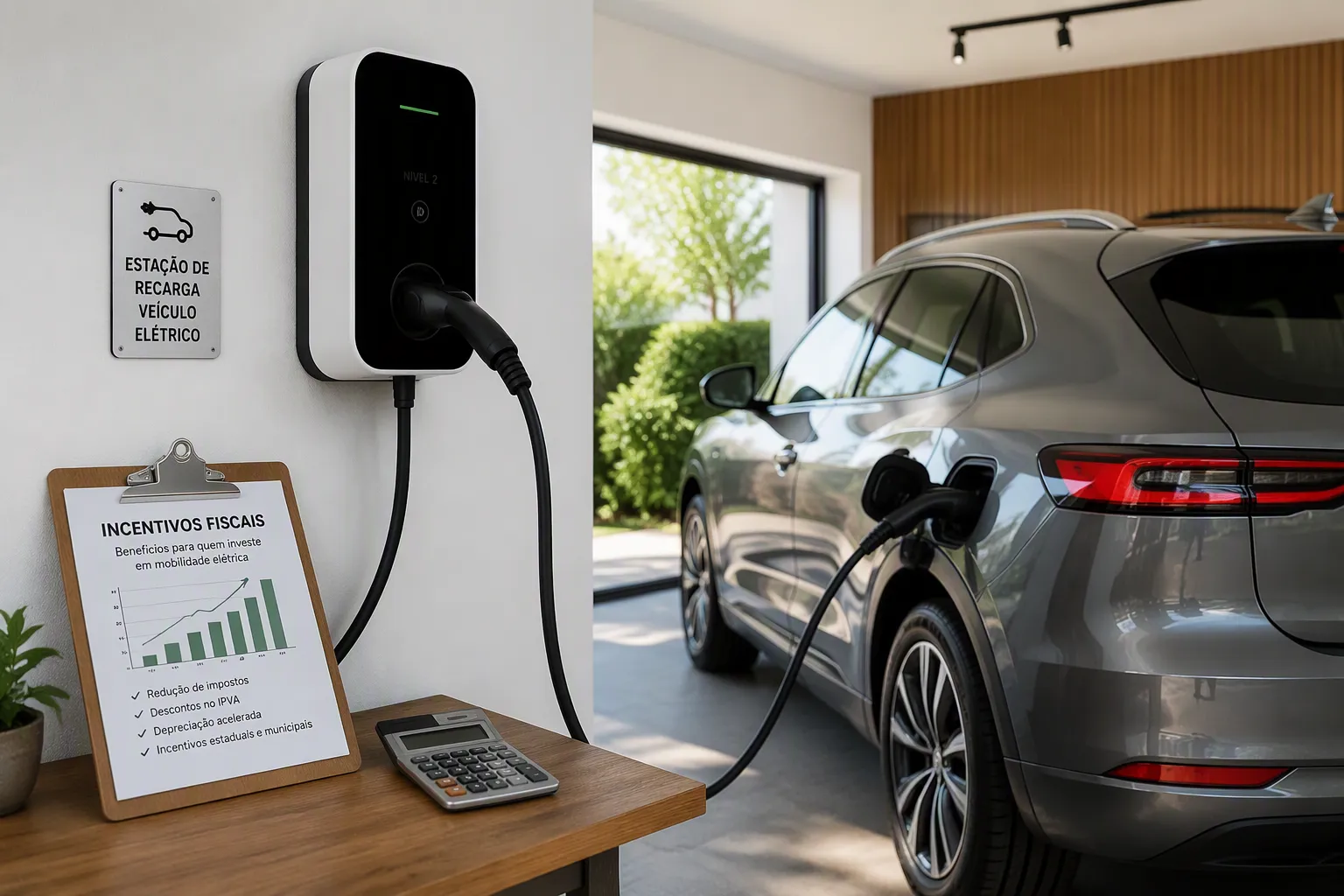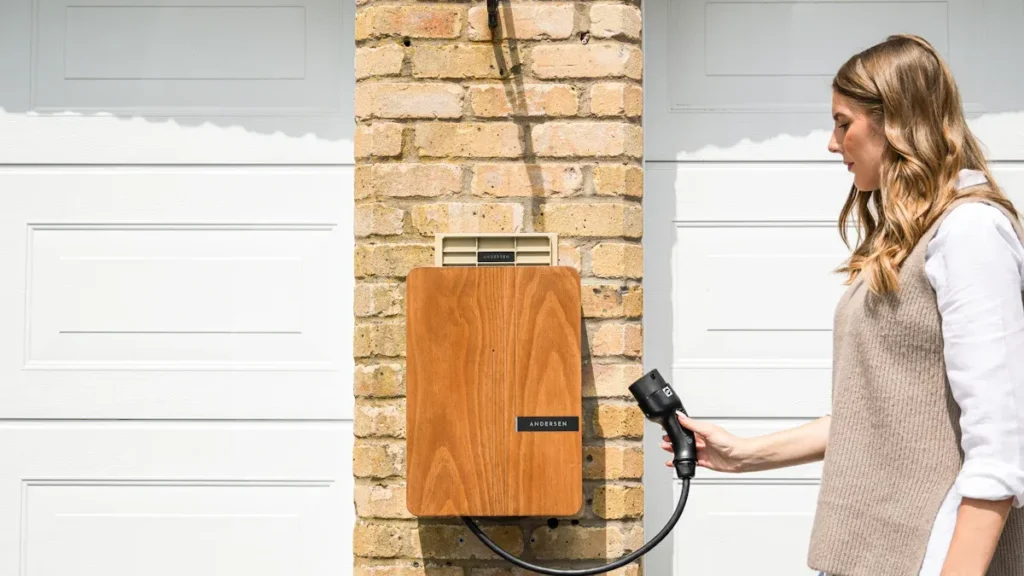
Die Gewährung von staatlichen Rabatten erfolgt in einem klaren, sequentiellen Prozess. Eine Person kauft und installiert zunächst ein förderfähiges Level 2 EV-Ladegerät. Sie reichen dann einen Antrag mit Kauf- und Installationsnachweis bei einem bestimmten Programm ein. Die Rabatte können bis zu 75% der Kosten abdecken, mit Beträgen von $350 für Eigenheime bis zu über $5.000 für Mehrfamilienhäuser.
Anmerkung: Während einige Hersteller von EV-Ladegeräten bieten verschiedene EV-Ladelösungen, einschließlich tragbare EV-Ladegeräte, Nur fest installierte Geräte der Stufe 2 kommen in der Regel für diese Anreize in Frage.
Rabatte der Bundesregierung für EV-Ladegeräte
Die kanadische Regierung bietet Programme zur Förderung der Einführung von Elektrofahrzeugen und der entsprechenden Infrastruktur an. Diese staatliche Anreize können manchmal mit Angeboten der Provinzen kombiniert werden, um die Einsparungen für Einzelpersonen und Organisationen zu maximieren. Die Kenntnis dieser nationalen Programme ist der erste Schritt zur Senkung Ihrer Installationskosten.
iZEV-Programm für Unternehmen und Organisationen
Programmübersicht und Ziele
Natural Resources Canada (NRCan) verwaltet das Zero-Emission Vehicle Infrastructure Program (ZEVIP). Das iZEV-Programm zielt darauf ab, Kanadas öffentliches und privates Ladenetzwerk zu erweitern. Es stellt Organisationen Finanzmittel für den Kauf und die Installation neuer Ladestationen für Elektrofahrzeuge zur Verfügung. Diese Initiative unterstützt Arbeitsplätze, Ladestationen auf der Straße und Mehrfamilienhäuser (MURBs).
Förderungswürdigkeit für Mehrfamilienhäuser
Wohnungseigentümergemeinschaften und Eigentümer von Mehrfamilienhäusern können eine iZEV-Förderung beantragen. Um sich zu qualifizieren, muss ein Gebäude über eine Mindestanzahl von definierten Parkplätzen für die Bewohner verfügen. Das Programm zielt auf Projekte ab, bei denen mehrere Ladestationen installiert werden, um eine breitere Akzeptanz von Elektrofahrzeugen in der Gebäudegemeinschaft zu fördern.
Nachlassbeträge und Finanzierungslimits
Das iZEV-Programm bietet erhebliche finanzielle Unterstützung. Antragsteller können staatliche Rabatte erhalten, die bis zu 50% der gesamten Projektkosten abdecken.
| Ladegerät Typ | Maximalrabatt pro Anschluss |
|---|---|
| Level-2-Ladegeräte | $5,000 |
| DC-Schnellladegeräte (20kW bis 49kW) | $25,000 |
| DC-Schnellladegeräte (50kW und mehr) | $75,000 |
Anmerkung: Die Mittel werden der Organisation (z. B. der Wohnungsbaugesellschaft) und nicht den einzelnen Bewohnern zur Verfügung gestellt. Die Organisation verwaltet dann das Projekt.
Direkter Link zur iZEV-Programm-Seite
Ausführliche Informationen und Informationen über offene Finanzierungsrunden finden Antragsteller auf der offiziellen NRCan ZEVIP-Seite.
Kanadische Initiative für umweltfreundlichere Haushalte
Wie EV-Ladegeräte in die Nachrüstung von Häusern passen
Die Canada Greener Homes Initiative ermutigt Hausbesitzer, energieeffiziente Nachrüstungen vorzunehmen. Das Programm finanziert zwar nicht direkt Ladestationen für Elektrofahrzeuge, kann aber eine wichtige Komponente sein. Ein EV-bereites Haus ist Teil einer umfassenden energetischen Modernisierung. Hauseigentümer können den Zuschuss für andere förderfähige Nachrüstungen verwenden, wodurch eigene Mittel für eine Ladegerät-Installation von einem Anbieter wie TPSON, der für seine technologisch fortschrittlichen Lösungen bekannt ist.
Zuschussbeträge und Zuschussfähigkeit
Hauseigentümer können Zuschüsse von bis zu $5.000 erhalten. Voraussetzung für die Förderung ist, dass die Immobilie der Hauptwohnsitz des Eigentümers ist. Zu den förderfähigen Immobilien gehören Einfamilienhäuser, Doppelhaushälften und Reihenhäuser.
Überblick über den Bewerbungsprozess
Das Antragsverfahren ist mehrstufig und erfordert eine sorgfältige Planung.
- Ein Antragsteller muss sich zunächst registrieren und eine EnerGuide-Bewertung vor der Umrüstung buchen.
- Der Hausbesitzer führt dann mindestens eine der in seinem Bericht empfohlenen förderfähigen Nachrüstungen durch.
- Eine EnerGuide-Bewertung nach der Nachrüstung ist erforderlich, um die Verbesserungen zu überprüfen.
- Schließlich reicht der Antragsteller alle Unterlagen ein, um den Zuschuss zu erhalten.
Direkter Link zum Greener Homes Portal
Hauseigentümer können über das offizielle Portal Canada Greener Homes ihren Antrag stellen und einen registrierten Energieberater finden.
Rabatte der Provinzen: Ein Leitfaden für die einzelnen Provinzen
Während die Bundesprogramme eine Grundlage bieten, führen die Anreize der Provinzen oft zu den direktesten und größten Einsparungen für Hausbesitzer. Jede Provinz verwaltet ihre eigenen, einzigartigen Programme mit spezifischen Anspruchsvoraussetzungen, Nachlassbeträgen und Antragsverfahren. Der Umgang mit diesen regionalen Angeboten ist entscheidend für die Maximierung Ihrer Investitionsrendite.
Britisch-Kolumbien: CleanBC Go Electric
Britisch-Kolumbien bietet eines der stärksten Anreizprogramme Kanadas für die Einführung von Elektrofahrzeugen. Das Programm CleanBC Go Electric, das von BC Hydro verwaltet wird, bietet erhebliche Rabatte für den Kauf und die Installation von Level 2 EV-Ladegeräte.
Rabatte für Einfamilienhäuser
Hausbesitzer von Einfamilienhäusern, Doppelhaushälften oder Reihenhäusern mit privaten Garagen oder eigenen Parkplätzen können einen Preisnachlass erhalten. Das Programm soll das Aufladen zu Hause erschwinglicher machen.
- Betrag der Ermäßigung: Bis zu 50% der Anschaffungs- und Installationskosten.
- Maximaler Wert: $350.
- Zuschussfähigkeit: Das Haus muss mindestens 12 Monate lang gebaut worden sein. Der Antragsteller muss sowohl Eigentümer der Immobilie als auch des Elektrofahrzeugs sein.
Rabatte für Wohnungen und Eigentumswohnungen
Das Programm bietet separate, starke Anreize für Mehrfamilienhäuser (MURBs). Diese Unterstützung ermutigt Wohnungsbaugesellschaften und Gebäudeeigentümer, einen umfassenden E-Ladeplan für die Bewohner zu entwickeln.
| Programm Stream | Beschreibung | Rabatt-Betrag |
|---|---|---|
| EV Ready Plan | Ein professioneller Plan, um mindestens einen Stellplatz pro Wohneinheit EV-fähig zu machen. | Bis zu $3.000 |
| EV-fähige Infrastruktur | Rabatte für die Installation der elektrischen Infrastruktur zur Unterstützung künftiger Ladestationen. | Bis zu $600 pro Stall (maximal $120.000) |
| EV-Ladegerät-Rabatt | Finanzierung des Kaufs und der Installation von Level-2-Ladegeräten. | Bis zu $1.400 pro Ladegerät (maximal $14.000) |
Wie man sich bei BC Hydro bewirbt
Das Antragsverfahren wird vollständig über das Online-Portal von BC Hydro abgewickelt.
- Bestätigen Sie Ihre Anspruchsberechtigung auf der Website von BC Hydro.
- Wählen Sie ein geeignetes Ladegerätmodell aus der Liste der zugelassenen Produkte.
- Beauftragen Sie einen zugelassenen Elektriker mit der Installation.
- Reichen Sie Ihren Antrag online mit allen erforderlichen Unterlagen ein, einschließlich der Rechnung und des Nachweises des Fahrzeugbesitzes.
Tipp: Antragsteller für Rabatte für Einfamilienhäuser müssen ihren Antrag innerhalb von 90 Tagen nach der Installation des Ladegeräts stellen.
Direkter Link zum CleanBC-Programm
Eine Liste der in Frage kommenden Ladegeräte und die Möglichkeit, einen Antrag zu stellen, finden Sie auf der offiziellen, von BC Hydro verwalteten Seite CleanBC Go Electric.
Quebec: Go Green Programm
Das Go Green-Programm von Quebec ist ein Eckpfeiler der Elektrifizierungsstrategie der Provinz. Es bietet Hauseigentümern eine großzügige finanzielle Unterstützung für die Installation einer Ladestation der Stufe 2 zu Hause.
Finanzielle Unterstützung für Heimladungen
Das Programm zielt darauf ab, die finanzielle Hürde für die Installation einer Heimladestation zu beseitigen. Es deckt einen Teil der Kosten sowohl für die Ladestation als auch für die Installationsgebühren ab. Dies erleichtert den Besitzern von Elektroautos den Zugang zu einer bequemen und schnellen Aufladung über Nacht. Diese staatlichen Rabatte tragen dazu bei, den Übergang zur Elektromobilität in der gesamten Provinz zu beschleunigen.
Nachlassbeträge und Bedingungen
Das Programm bietet eine unkomplizierte Ermäßigung mit klaren Bedingungen.
- Betrag der Ermäßigung: $600.
- Wichtige Bedingungen:
- Der Antragsteller muss ein zugelassenes neues oder gebrauchtes Elektrofahrzeug besitzen oder leasen.
- Das Ladegerät muss ein neues, zugelassenes Modell der Stufe 2 (240 V) sein.
- Die Installation muss von einem zugelassenen Elektroinstallateur durchgeführt werden.
Durch die Wahl einer technologisch fortschrittlichen Lösung von einem Anbieter wie TPSON kann sichergestellt werden, dass das Ladegerät den Programmspezifikationen und zukünftigen Anforderungen entspricht.
Wie Sie Ihre Bewerbung einreichen
Der Antrag wird online gestellt, nachdem der Kauf und die Installation abgeschlossen sind.
- Sammeln Sie alle erforderlichen Unterlagen. Dazu gehören die Rechnung für den Kauf des Ladegeräts, die detaillierte Installationsrechnung des Elektrikers und der Nachweis über den Besitz des Fahrzeugs.
- Füllen Sie das Online-Bewerbungsformular auf der Go Green-Website aus.
- Laden Sie digitale Kopien aller Ihrer Dokumente hoch.
- Reichen Sie den Antrag ein und warten Sie auf die Bearbeitung.
Direkter Link zum Go Green Programm
Die vollständigen Zulassungskriterien und das Online-Bewerbungsformular finden Sie auf der offiziellen Website des Programms Go Green.
Yukon: Gute Energie-Rabatte
Die Regierung von Yukon unterstützt die Einwohner bei der Verringerung ihres CO2-Ausstoßes durch das Programm Good Energy. Diese Initiative beinhaltet einen speziellen Rabatt für den Kauf und die Installation von EV-Ladegeräten und fördert so den umweltfreundlichen Transport in diesem Gebiet.
Details zum EV-Ladegerät-Rabatt
Der Rabatt trägt dazu bei, die Anfangskosten für die Einrichtung eines Eine private Ladestation. Sie ist für Level-2-Ladegeräte erhältlich, die die Anforderungen des Programms erfüllen.
- Betrag der Ermäßigung: 50% der Anschaffungs- und Installationskosten.
- Maximaler Wert: $750.
- Anforderung an das Ladegerät: Das Ladegerät muss neu und für die Verwendung in Kanada zugelassen sein (z. B. cUL- oder cETL-zertifiziert).
Anspruchsberechtigung für Einwohner von Yukon
Um sich zu qualifizieren, muss ein Antragsteller in Yukon ansässig sein. Das Ladegerät muss an ihrem Hauptwohnsitz installiert werden. Das Programm wurde entwickelt, um Personen zu unterstützen, die sich bereits für ein Elektrofahrzeug entschieden haben.
Direkter Link zum Yukon-Programm
Ausführliche Richtlinien und das Antragsformular finden Sie auf der Website der Regierung von Yukon unter Good Energy rebates.
Nordwest-Territorien: Arktische Energie-Allianz
Die Arctic Energy Alliance (AEA) ist in den Nordwest-Territorien führend und bietet Anreize, um den Einwohnern die Einführung sauberer Energielösungen zu erleichtern. Zu ihrem Programm gehört auch die Unterstützung für die Installation von Ladestationen für Elektroautos, die den Umstieg auf Elektrofahrzeuge im Norden erleichtern.
Informationen zum EV-Ladegerät-Rabatt
Die AEA gewährt einen Rabatt, der einen erheblichen Teil der Anfangsinvestition in eine Heimladestation abdeckt. Diese finanzielle Unterstützung ist entscheidend, um die Einführung von Elektrofahrzeugen in der Region zu fördern.
- Betrag der Ermäßigung: 50% der gesamten Kauf- und Installationskosten.
- Maximaler Wert: $500.
- In Frage kommende Ladegeräte: Das Programm erfordert die Installation eines neuen Ladegeräts der Stufe 2 (240 V).
Anmerkung: Der Rabatt gilt für Ladegeräte, die an einem Hauptwohnsitz oder in einem Unternehmen installiert werden, wodurch eine breite Unterstützung im gesamten Gebiet gewährleistet wird.
Antragsverfahren für NWT-Bewohner
Das Antragsverfahren wird direkt von der Arctic Energy Alliance verwaltet und erfordert von den Antragstellern die Einhaltung einer klaren Abfolge von Schritten.
- Zunächst muss der Antragsteller ein förderfähiges Level-2-EV-Ladegerät erwerben.
- Anschließend muss ein qualifizierter Fachmann das Ladegerät installieren.
- Nach der Installation füllt der Antragsteller das Antragsformular für die Ermäßigung aus.
- Schließlich reicht der Antragsteller das Formular zusammen mit Kopien aller Quittungen für das Ladegerät und die Installationsarbeiten ein.
Direkter Link zur Arctic Energy Alliance
Auf der offiziellen Website der Arctic Energy Alliance finden Sie die aktuellsten Informationen zum Programm und können das Antragsformular herunterladen.
Prince Edward Island: EV-Ladegerät-Anreiz
Prince Edward Island bietet einen großzügigen universellen Anreiz für Ladegeräte für Elektrofahrzeuge. Das Programm zielt darauf ab, allen Inselbewohnern, die ein Elektroauto kaufen, das Aufladen zu Hause zugänglich und erschwinglich zu machen und so die Umweltziele der Provinz zu unterstützen.
Ermäßigung für private und öffentliche Ladegeräte
Die Regierung von PEI gewährt diese staatlichen Rabatte sowohl Privatpersonen für ihre Häuser als auch Unternehmen und Organisationen für öffentliche oder betriebliche Installationen. Für Hauseigentümer reduziert der Anreiz direkt die Kosten für die Einrichtung einer persönlichen Ladestation.
Förderungsbeträge und Förderungswürdigkeit
Die Provinz bietet einen der größten Rabatte für Ladegeräte im Land und deckt einen großen Teil der Gesamtkosten ab.
| Incentive-Details | Wert |
|---|---|
| Prozentsatz der Ermäßigung | 75% der Anschaffungs- und Installationskosten |
| Maximale Ermäßigung | $750 |
| Anreiz für Elektriker | Weitere $250 werden direkt an den Elektriker gezahlt. |
Um förderfähig zu sein, muss der Antragsteller in PEI ansässig sein und ein neues oder gebrauchtes förderfähiges Elektrofahrzeug gekauft oder geleast haben. Die Installation muss von einem lizenzierten Elektroinstallateur aus PEI durchgeführt werden.
Direkter Link zum PEI-Programm
Die vollständigen Teilnahmebedingungen und das Antragsformular finden Inselbewohner auf der offiziellen Seite der Regierung von Prince Edward Island zur EV-Förderung.
New Brunswick: NB Power EV Smart Habits
NB Power fördert die Einführung von Elektrofahrzeugen durch sein Programm EV Smart Habits. Diese Initiative bietet einen finanziellen Anreiz für die Installation eines Heimladegeräts und fördert energieeffiziente Ladeverfahren.
Details zum Rabattprogramm
Das Programm bietet einen unkomplizierten Rabatt, um den Kunden zu helfen, die Vorlaufkosten für eine Level-2-Ladestation zu bewältigen. Es ist so konzipiert, dass es mit intelligenten Ladegeräten funktioniert, die die Ladezeiten optimieren können. Eine technologisch fortschrittliche Lösung eines Anbieters wie TPSON gewährleistet die Kompatibilität mit diesen intelligenten Netzfunktionen und maximiert so die langfristigen Einsparungen.
- Betrag der Ermäßigung: Bis zu $750.
- Ziel des Programms: Unterstützung der Besitzer von E-Fahrzeugen bei der Installation eines zugelassenen Level-2-Ladegeräts und Förderung des Ladens außerhalb der Spitzenlastzeiten, um die Netzstabilität zu gewährleisten.
Anspruchsberechtigung und Bewerbung
Das Programm steht Kunden von NB Power zur Verfügung, die ein zugelassenes Elektrofahrzeug besitzen oder leasen. Das Antragsverfahren wird durch ein Online-Portal vereinfacht.
- Der Antragsteller muss ein zugelassenes Level-2-EV-Ladegerät kaufen und installieren.
- Die Installation muss von einem lizenzierten Elektroinstallateur aus New Brunswick durchgeführt werden.
- Der Antragsteller reicht dann einen Online-Antrag mit Kaufnachweis, Installationsrechnung und Fahrzeugschein ein.
Das ist wichtig: Der Antrag muss innerhalb eines bestimmten Zeitraums nach dem Kaufdatum des Ladegeräts eingereicht werden. Die Antragsteller sollten diese Frist auf der Website von NB Power überprüfen.
Direkter Link zum NB Power Programm
Auf der offiziellen Website von NB Power finden die Kunden eine Liste der in Frage kommenden Ladegeräte, detaillierte Anforderungen und das Online-Antragsportal.
Ontario: Kommendes Programm zur Hausrenovierung
Die Einwohner von Ontario warten auf ein neues Programm zur Renovierung ihrer Häuser. Zwar gibt es in der Provinz derzeit keine speziellen Rabatte für E-Ladestationen, doch könnten kommende Initiativen diese Situation ändern. Hauseigentümer sollten die offiziellen Regierungskanäle auf Ankündigungen hin beobachten.
Datum und Details zum Programmstart
Die Regierung von Ontario hat noch keinen konkreten Termin für den Start eines neuen, breit angelegten Programms zur Renovierung von Häusern bekannt gegeben. Details bleiben spekulativ. Beobachter gehen jedoch davon aus, dass es früheren Energieeffizienzprogrammen ähneln könnte. Solche Programme bieten in der Regel finanzielle Anreize für Modernisierungen, die den Kohlenstoff-Fußabdruck eines Hauses verringern.
Das ist wichtig: Alle Informationen über ein neues Programm können sich ändern. Hausbesitzer sollten die offizielle Bestätigung abwarten, bevor sie in der Erwartung einer Ermäßigung etwas kaufen.
Mögliche Merkmale auf der Grundlage früherer Modelle der Provinzen könnten sein:
| Potenzielles Programmmerkmal | Erwartetes Detail |
|---|---|
| Zielsetzung | Förderung der Nachrüstung energieeffizienter Häuser. |
| Verwaltung | Wahrscheinlich von einer Provinzbehörde oder einem Ministerium verwaltet. |
| Bewerbungsprozess | Kann ein Energieaudit vor und nach der Sanierung erfordern. |
| Struktur der Finanzierung | Sie könnten Zuschüsse oder Ermäßigungen anbieten, die einen bestimmten Prozentsatz der Kosten abdecken. |
Potenzial für die Einbeziehung von EV-Ladegeräten
Die Aufnahme von Ladestationen für Elektrofahrzeuge in ein zukünftiges Renovierungsprogramm ist durchaus denkbar. Da die Verbreitung von Elektrofahrzeugen zunimmt, entspricht die Integration der Ladeinfrastruktur für Privathaushalte den weiter gefassten Umweltzielen. Wenn dies der Fall ist, würden Ladestationen der Stufe 2 mit Sicherheit im Mittelpunkt stehen. Eine technologisch fortschrittliche Lösung von einem Anbieter wie TPSON würde wahrscheinlich die technischen Spezifikationen für einen solchen Anreiz erfüllen. Das Potenzial für neue staatliche Rabatte macht dies zu einem wichtigen Bereich für Hausbesitzer, den sie im Auge behalten sollten.
Schlüsselindikatoren für eine mögliche Eingliederung sind:
- Schwerpunkt der Bundesregierung auf der EV-Infrastruktur.
- Erfolg ähnlicher Programme in anderen Provinzen.
- Ontarios eigene Ziele zur Verringerung der Verkehrsemissionen.
Link zu den offiziellen Bekanntmachungen
Für die zuverlässigsten und aktuellsten Informationen sollten die Einwohner direkt die offiziellen Quellen der Regierung von Ontario konsultieren. Auf diesen Websites finden Sie endgültige Informationen über den Start des Programms, die Anspruchsberechtigung und das Antragsverfahren, sobald diese verfügbar sind.
- Ministerium für Energie: Die wichtigste Quelle für energiebezogene Strategien und Programme.
- Sparen Sie Energie: Sie arbeiten oft mit der Regierung zusammen, um Erhaltungsprogramme durchzuführen.
Ein regelmäßiger Blick auf diese Links ist die beste Strategie, um über neue staatliche Rabatte für Energieprojekte zu Hause informiert zu bleiben.
Schritt 1: Bestätigen Sie Ihre persönliche Berechtigung
Vor Auswahl eines Ladegeräts oder einen Elektriker, muss ein Antragsteller zunächst seine persönliche Förderungswürdigkeit bestätigen. Rabattprogramme haben strenge Regeln, wer einen Antrag stellen kann und welche Bedingungen er erfüllen muss. Die Erfüllung dieser grundlegenden Anforderungen ist der obligatorische erste Schritt im gesamten Prozess. Werden die Voraussetzungen in dieser Phase nicht erfüllt, wird ein Antrag abgebrochen, bevor er überhaupt begonnen hat.
Wohnsitz und Eigentumsstatus
Die Programme knüpfen Rabatte an bestimmte Standorte und Immobilienarten. Der Status des Antragstellers als Einwohner und seine Beziehung zur Immobilie sind entscheidende Faktoren.
Anforderungen für den Nachweis des Wohnsitzes
Die Antragsteller müssen nachweisen, dass sie in der Provinz oder dem Territorium wohnen, die bzw. das die Ermäßigung gewährt. Die Programmverwalter überprüfen dies anhand offizieller Unterlagen. Zu den allgemeinen Anforderungen gehören:
- Ein gültiger Führerschein der Provinz oder des Territoriums.
- Eine aktuelle Rechnung eines Versorgungsunternehmens, auf der der Name des Antragstellers und die Installationsadresse angegeben sind.
- Grundsteuerunterlagen.
Regeln für Hauseigentümer und Mieter
Die Regeln für die Anspruchsberechtigung unterscheiden sich für Hausbesitzer und Mieter erheblich. Hauseigentümer beantragen in der Regel direkt Rabatte für ihren Hauptwohnsitz. Bei Mietern ist die Situation komplexer.
Mieter können in der Regel nicht selbst einen Antrag auf Ermäßigung stellen. Sie müssen die schriftliche Genehmigung ihres Vermieters einholen, der unter Umständen der offizielle Antragsteller sein muss. Eine klare Kommunikation mit dem Vermieter ist unerlässlich.
Anforderungen für Wohnungseigentumsorgane (MURBs)
Bei Wohngebäuden mit mehreren Einheiten (MURBs) beantragen die einzelnen Wohnungseigentümer nur selten Rabatte für Ladegeräte. Stattdessen stellt die Wohnungseigentümergemeinschaft oder der Strata-Rat den Antrag im Namen des Gebäudes. Diese Anträge sind oft erforderlich:
- Ein formeller Beschluss des Verwaltungsrats zur Genehmigung des Projekts.
- Ein umfassender Plan zum Laden von Elektrofahrzeugen für das Gebäude.
- Nachweis, dass die Anlage mehreren Bewohnern zugute kommt.
Anforderungen an den Fahrzeugbesitz
A qualifiziertes Elektrofahrzeug ist das Herzstück eines jeden Antrags auf Ladegeräte-Rabatt. Der Antragsteller muss eine direkte Verbindung zu einem förderfähigen E-Fahrzeug nachweisen.
Besitz oder Leasing eines förderfähigen Elektrofahrzeugs
Die Antragsteller müssen ein qualifiziertes Elektrofahrzeug besitzen oder leasen. Das Fahrzeug muss an der Adresse, an der das Ladegerät installiert ist, zugelassen und versichert sein. Die Programme akzeptieren sowohl batteriebetriebene Elektrofahrzeuge (BEVs) als auch Plug-in-Hybrid-Elektrofahrzeuge (PHEVs).
Zulassungsregeln für neue und gebrauchte EVs
Die meisten kanadischen Programme sind inklusiv und gewähren Rabatte sowohl für neue als auch für gebrauchte Elektrofahrzeuge. Diese Politik fördert die Verbreitung von Elektrofahrzeugen durch die Unterstützung des Gebrauchtmarktes.
| Fahrzeugstatus | Allgemeine Anspruchsberechtigung |
|---|---|
| Neue EV | Fast durchgängig förderfähig. |
| Gebrauchte EV | Weitgehend förderfähig, sofern das Fahrzeug auf der Liste der zugelassenen Fahrzeuge des Programms steht. |
Nachweis der Fahrzeugzulassung
Für jedes Programm sind Unterlagen erforderlich, die den Besitz oder das Leasing eines Fahrzeugs belegen. Der Name auf diesen Unterlagen muss mit dem Namen des Antragstellers übereinstimmen. Die Antragsteller sollten sich darauf vorbereiten, diese einzureichen:
- Eine Kopie der amtlichen Zulassung des Fahrzeugs in der Provinz.
- Der endgültige Kaufvertrag oder Leasingvertrag.
Schritt 2: Überprüfen Sie die Förderfähigkeit Ihres Ladegeräts

Nach der Bestätigung der persönlichen Förderungswürdigkeit ist der nächste wichtige Schritt die Überprüfung, ob das Ladegerät selbst den Programmstandards entspricht. Rabattprogramme decken nicht jedes auf dem Markt erhältliche Ladegerät ab. Sie unterliegen strengen technischen und sicherheitstechnischen Anforderungen, um Zuverlässigkeit, Effizienz und Netzkompatibilität zu gewährleisten. Die Auswahl eines nicht konformen Ladegeräts ist ein häufiger Grund für die Ablehnung eines Antrags.
Technische Daten des Ladegeräts
Die Kernhardware des Ladegeräts muss mit den Programmvorgaben übereinstimmen. Diese Spezifikationen konzentrieren sich auf die Ladegeschwindigkeit und die Konnektivitätsmerkmale.
Level 2 (240V) Ladegerät Mandat
Alle Rabattprogramme der kanadischen Regierung setzen ausschließlich die Installation eines Level 2 Ladegerät. Diese Geräte arbeiten mit einem 240-Volt-Stromkreis, ähnlich wie ein Elektroherd oder ein Trockner. Sie ermöglichen eine wesentlich schnellere Aufladung als ein Standardkabelsatz der Stufe 1 (120 V). Stufe 1 Ladegeräte, die an eine normale Wand angeschlossen werden können Steckdosen kommen für diese Einbaunachlässe nicht in Frage.
Vernetzte vs. nicht vernetzte Ladegeräte
Es gibt zwei Hauptkategorien von Ladegeräten: vernetzte und nicht vernetzte.
- Nicht vernetzte Ladegeräte: Es handelt sich um einfache Geräte, die lediglich das Fahrzeug aufladen. Sie verfügen über keine Konnektivitätsfunktionen.
- Vernetzte (intelligente) Ladegeräte: Diese Ladegeräte sind über Wi-Fi oder Mobilfunkdaten mit dem Internet verbunden. Dies ermöglicht Funktionen wie Fernstart/-stopp, Verbrauchsverfolgung und die Teilnahme an Demand-Response-Programmen der Energieversorger.
Einige Provinzprogramme, wie das von New Brunswick, können ein vernetztes Ladegerät erfordern, um intelligente Ladegewohnheiten zu fördern. Eine technologisch fortschrittliche Lösung von einem Anbieter wie TPSON kann die intelligenten Funktionen bieten, die zur Erfüllung dieser spezifischen Programmanforderungen erforderlich sind.
Produktzertifizierung und -zulassung
Über die technischen Spezifikationen hinaus ist jeder förderfähige Das Ladegerät muss offizielle Sicherheitsbescheinigungen tragen. und Energieeffizienz. Diese Zeichen bestätigen, dass das Produkt unabhängig getestet wurde und für die Verwendung in Kanada zugelassen ist.
ENERGY STAR®-Zertifizierung
Viele Programme verlangen, dass Ladegeräte mit dem ENERGY STAR®-Siegel ausgezeichnet sind. Diese Zertifizierung zeigt an, dass das Ladegerät sehr wenig Energie verbraucht, wenn es nicht aktiv ein Fahrzeug auflädt. Die Wahl eines zertifizierten Modells trägt dazu bei, die Energieverschwendung im Standby-Modus zu reduzieren und unterstützt die Ziele der Energieeinsparung im weiteren Sinne.
cUL- oder cETL-Sicherheitszertifizierung
Dies ist eine nicht verhandelbare Sicherheitsanforderung. Jedes Ladegerät muss von einer akkreditierten Organisation für die Verwendung in Kanada zertifiziert sein.
Ein Antragsteller muss auf dem Produkt selbst oder in den offiziellen Spezifikationen auf ein cUL-, cETL- oder CSA-Zeichen achten. Diese Zeichen belegen, dass das Ladegerät den kanadischen Normen für elektrische Sicherheit entspricht und sicher in einem Haus installiert werden kann. Ein Ladegerät ohne eine dieser Zertifizierungen wird automatisch abgelehnt.
Suche nach einem zugelassenen Ladegerätmodell
Die Provinzen vereinfachen das Auswahlverfahren, indem sie offizielle Listen mit bereits zugelassenen Ladegeräten bereitstellen. Die Antragsteller müssen ein Modell aus einer dieser Listen auswählen.
Verwendung der offiziellen Produktlisten
Auf den Programm-Websites gibt es eine spezielle Seite oder ein PDF-Dokument mit einer Liste aller in Frage kommenden Ladegeräte. Ein Antragsteller sollte diese Liste vor dem Kauf einsehen. Sie können dann die zugelassenen Modelle vergleichen, um eines zu finden, das ihrem Budget und ihren Anforderungen an die Funktionen entspricht. Ein Querverweis auf diese Liste ist die einzige Möglichkeit, die Förderungswürdigkeit eines potenziellen Kaufs zu gewährleisten.
Links zu den Listen der auf Provinzebene zugelassenen Ladegeräte
Jedes Programm führt eine eigene Liste. Hauseigentümer sollten die offizielle Website des jeweiligen Programms besuchen, um die aktuellsten Informationen zu erhalten.
| Bundesland/Territorium | Wo Sie die Liste der zugelassenen Produkte finden |
|---|---|
| Britisch-Kolumbien | Auf der Seite BC Hydro CleanBC Go Electric EV-Ladegeräte. |
| Quebec | Im Abschnitt über die in Frage kommenden Ladestationen des Go Green-Programms. |
| Neu-Braunschweig | Auf der Website von NB Power unter den Details zum EV-Ladegerät-Rabattprogramm. |
| Andere Provinzen | Auf der Hauptseite des Programms finden Sie einen Link zu “Förderfähige Ladegeräte” oder “Zugelassene Produkte”.” |
Schritt 3: Das Antragsverfahren vom Kauf bis zur Auszahlung
Wenn die Förderfähigkeit bestätigt ist, kann ein Antragsteller mit den wichtigsten Antragsschritten fortfahren. In dieser Phase wird von der Planung zum Handeln übergegangen, was Finanztransaktionen und eine detaillierte Dokumentation beinhaltet. Ein methodischer Ansatz stellt sicher, dass alle Programmanforderungen erfüllt werden, was zu einer erfolgreichen Auszahlung des Rabatts führt.
Vorab-Genehmigung (falls erforderlich)
Bei einigen Programmen müssen die Antragsteller eine Genehmigung einholen, bevor sie ein Gerät kaufen oder installieren. Dieser Schritt sichert dem Antragsteller seinen Platz in der Finanzierungswarteschlange und bestätigt, dass das vorgeschlagene Projekt den Programmrichtlinien entspricht.
Für welche Programme ist eine Vorabgenehmigung erforderlich?
Die Vorabgenehmigung ist nicht bei allen Rabattprogrammen Standard. Ihr Erfordernis hängt oft vom Umfang des Programms und der Zielgruppe ab.
- Programme für Einfamilienhäuser: Für die meisten Rabatte der Provinzen für Einfamilienhäuser (wie in BC und Quebec) ist keine vorherige Genehmigung erforderlich. Die Antragsteller dieser Programme kaufen, installieren und beantragen dann die Ermäßigung.
- MURB und Business-Programme: Bundesprogramme wie iZEV und Provinzprogramme für Mehrfamilienhäuser (MURB) erfordern fast immer eine Vorabgenehmigung. Diese größeren Projekte erfordern eine umfangreiche Planung und höhere Finanzierungsbeträge, sodass die Behörden den Plan vor Beginn der Arbeiten genehmigen müssen.
Das ist wichtig: Ein Antragsteller muss sich immer über die spezifischen Regeln des von ihm gewählten Programms informieren. Wird ein Projekt ohne die erforderliche Vorabgenehmigung in Angriff genommen, wird die Ermäßigung automatisch verweigert.
Wie man einen Antrag auf Vorabgenehmigung einreicht
Das Vorabgenehmigungsverfahren wird in der Regel über das Online-Portal des Programms abgewickelt. Die Antragsteller müssen detaillierte Informationen über ihr vorgeschlagenes Projekt vorlegen. Dazu können gehören:
- Angaben zum Grundstück und Nachweis des Eigentums oder der Installationsberechtigung.
- Ein detaillierter Projektvorschlag oder ein EV-Ready-Plan für MURBs.
- Kostenvoranschläge von zugelassenen Elektrounternehmen.
- Die Marke und das Modell des geplante EV-Ladegeräte.
Kauf und professionelle Installation
Dies ist die zentrale Maßnahme des Prozesses. Der Antragsteller kauft ein förderfähiges Ladegerät und beauftragt einen qualifizierten Fachmann mit der Installation unter Einhaltung aller Sicherheitsvorschriften und Programmregeln.
Auswahl eines lizenzierten Elektrikers
Die Beauftragung des richtigen Fachmanns ist sowohl für die Sicherheit als auch für die Gewährung von Rabatten entscheidend. Ein Antragsteller sollte einen Elektriker mit spezieller Erfahrung in der Installation von E-Ladegeräten suchen. Zu den Schlüsselqualifikationen gehören:
- Lizenzierung auf Provinzebene: Die Person muss in der Provinz, in der sie die Installation vornimmt, über eine vollständige Zulassung als Elektroinstallateur verfügen.
- EV-Installationsschulung: Viele Elektriker absolvieren spezielle Kurse für EV-Ladegeräte, die sich mit Standortbewertung, Lastberechnungen und bewährten Installationsverfahren befassen.
- Einhaltung der Vorschriften: Der Auftragnehmer muss über aktuelle Kenntnisse des Canadian Electrical Code (CEC) und aller Änderungen in den Provinzen verfügen.
- Nachgewiesene Erfahrung: Ein Auftragnehmer, der bereits eine Reihe von Ladestationen für Elektrofahrzeuge installiert hat, verfügt über wertvolle Erfahrung.
Ein qualifizierter Elektriker stellt sicher, dass die Installation sicher und vorschriftsmäßig ist und für die Beantragung des Rabatts korrekt dokumentiert wird.
Die Bedeutung eines Einzelverbindungsnachweises
Nachdem die Installation abgeschlossen ist, stellt der Elektriker eine Rechnung aus. Dies ist eines der wichtigsten Dokumente im Antrag. Eine einfache pauschale Quittung reicht nicht aus.
Das Programm erfordert eine detaillierte, aufgeschlüsselte Rechnung, in der die Kosten klar getrennt sind.
| Rechnungsposition | Beschreibung |
|---|---|
| Ladegerät Kosten | Der Kaufpreis des E-Ladegeräts selbst. |
| Arbeitskosten | Der Stundensatz und die Gesamtstundenzahl für die Installationsarbeiten. |
| Materialkosten | Die Kosten für zusätzliche Materialien wie Kabel, Leitungen oder Unterbrecher. |
| Genehmigungsgebühren | Die Kosten für alle erforderlichen elektrischen Genehmigungen. |
Anhand dieser Aufschlüsselung können die Programmverwalter überprüfen, ob die Ermäßigung nur für förderfähige Ausgaben verwendet wird.
Zusammenstellung der erforderlichen Dokumente
Vollständige und geordnete Bewerbungsunterlagen sind für eine zügige Bearbeitung unerlässlich. Die Bewerber sollten einen digitalen Ordner anlegen, in dem sie alle Dokumente speichern, sobald sie sie erhalten haben.
Checkliste für erforderlichen Papierkram
Die meisten Programme verlangen einen Standardsatz von Dokumenten. Ein Bewerber sollte sich darauf vorbereiten, digitale Kopien der folgenden Dokumente einzureichen:
- Identitätsnachweis: Eine Kopie eines gültigen Führerscheins der Provinz.
- Nachweis des Wohnsitzes: Eine aktuelle Stromrechnung, die mit der Installationsadresse übereinstimmt.
- Fahrzeugdokumentation: Die provinziale Zulassung des Fahrzeugs und der endgültige Kaufvertrag oder Leasingvertrag.
- Kaufbeleg für Ladegerät: Die Quittung für das Ladegerät, aus der die Modellnummer und das Kaufdatum hervorgehen.
- Endgültiger Einzelverbindungsnachweis: Die detaillierte Rechnung des zugelassenen Elektroinstallateurs.
- Zahlungsnachweis: Eine Kreditkartenabrechnung oder ein Bankbeleg, aus dem die Zahlung für das Ladegerät und die Installation hervorgeht.
Korrekte Fotos von der Installation machen
Ein fotografischer Nachweis ist obligatorisch. Die Programme verwenden Fotos, um zu überprüfen, ob das richtige Ladegerät an der angegebenen Adresse installiert wurde. Die Antragsteller sollten klare, gut beleuchtete Fotos machen von:
- Das installierte E-Ladegerät, das deutlich an der Wand montiert ist.
- Eine Nahaufnahme des Etiketts mit der Seriennummer des Ladegeräts.
- Die elektrische Schalttafel, die den neuen Unterbrecher für das E-Ladegerät zeigt.
- Das Nummernschild des Elektrofahrzeugs.
Diese Fotos sind ein unanfechtbarer Beweis dafür, dass das Projekt wie im Antrag beschrieben durchgeführt wurde.
Einreichung des endgültigen Antrags
Im letzten Schritt wird aus einer Sammlung von Dokumenten ein erfolgreicher Antrag auf Rückerstattung. Eine sorgfältige und korrekte Einreichung über die vorgesehenen Kanäle ist die letzte Maßnahme, die ein Antragsteller ergreift, bevor der Prüfungs- und Auszahlungsprozess beginnt.
Nutzung von Online-Bewerbungsportalen
Die meisten staatlichen Rabattprogramme nutzen inzwischen spezielle Online-Portale für alle Einreichungen. Diese digitalen Plattformen vereinfachen den Prozess sowohl für den Antragsteller als auch für die Programmverwalter. Ein Antragsteller muss sich in diesem Portal richtig bewegen, um sicherzustellen, dass seine Informationen ankommen.
Der Prozess umfasst im Allgemeinen die folgenden Schlüsselmaßnahmen:
- Erstellen Sie ein Konto: Der Antragsteller registriert sich zunächst auf der offiziellen Website des Programms und erstellt ein sicheres Konto mit einem Benutzernamen und einem Passwort.
- Füllen Sie das Formular aus: Anschließend füllen sie das digitale Antragsformular aus und geben persönliche Daten, Informationen über die Immobilie sowie Angaben über das Fahrzeug und das Ladegerät ein.
- Dokumente hochladen: Der Antragsteller lädt digitale Kopien aller erforderlichen Unterlagen hoch. Dazu gehören Quittungen, Rechnungen, Fotos und Registrierungsunterlagen.
Tipp: Die Bewerber sollten alle Dokumente vorher einscannen oder als hochwertige PDF- oder JPG-Dateien speichern. Wenn diese Dateien in einem einzigen Ordner auf dem Computer organisiert sind, geht das Hochladen schnell und effizient.
Moderne Geräte von technologisch fortschrittlichen Lösungsanbietern wie TPSON vereinfachen diesen Schritt oft. Ihre digitalen Benutzerhandbücher und Online-Spezifikationsblätter können einfach heruntergeladen und an einen Antrag angehängt werden, um sicherzustellen, dass die Programmadministratoren die richtigen Produktdetails erhalten. Die doppelte Überprüfung jedes Feldes und jeder hochgeladenen Datei auf Richtigkeit vor der endgültigen Einreichung ist eine wichtige Best Practice.
Fristen und Bearbeitungszeiten
Das Timing ist ein entscheidendes Element des Rabattverfahrens. Für die Programme gelten strenge Fristen, die die Antragsteller einhalten müssen, um sich für eine Förderung zu qualifizieren.
Ein Antragsteller muss zwei Arten von Fristen beachten:
- Anwendungsfenster: Der Zeitraum nach dem Kauf oder der Installation, innerhalb dessen der Antrag gestellt werden muss (z. B. innerhalb von 90 Tagen).
- Datum des Programmendes: Der letzte Termin, an dem das Programm Bewerbungen annimmt, hängt oft mit dem Ende der Finanzierung zusammen.
Das ist wichtig: Das Versäumen einer Frist ist der häufigste Grund für eine automatische Ablehnung. Die Bewerber sollten ihre Unterlagen rechtzeitig einreichen, um technische Probleme in letzter Minute oder die Entdeckung eines fehlenden Dokuments zu vermeiden.
Sobald der Antrag eingereicht ist, ist Geduld gefragt. Die Bearbeitungszeit für einen Rabattantrag kann sehr unterschiedlich sein.
| Bühne | Typischer Zeitrahmen |
|---|---|
| Erste Überprüfung | 1-4 Wochen |
| Vollständige Verifizierung | 4-8 Wochen |
| Ausstellung von Zahlungen | 2-6 Wochen nach Genehmigung |
Von der Einreichung bis zum Erhalt eines Schecks oder einer direkten Einzahlung können zwischen sechs Wochen und mehreren Monaten vergehen. Die meisten Online-Portale bieten einen Status-Tracker, mit dem die Antragsteller den Fortschritt ihres Antrags von “eingereicht” über “genehmigt” bis hin zu “ausgezahlt” verfolgen können. Das Abspeichern der Bestätigungs-E-Mail und der Antragsnummer ist für den künftigen Schriftverkehr mit dem Programm unerlässlich.
Finanzen: Kosten, Einsparungen und Stapelung von Rabatten

Um die Einsparungen zu maximieren, ist es wichtig, die finanziellen Rahmenbedingungen für die Installation eines E-Ladegeräts zu verstehen. Ein Antragsteller muss die gesamten Vorlaufkosten, das Potenzial für mehrere Rückerstattungen und die endgültigen Nettokosten berücksichtigen. Ein klarer Finanzplan stellt sicher, dass das Projekt bezahlbar bleibt.
Verständnis der gesamten Installationskosten
Der endgültige Preis für die Installation eines E-Ladegeräts geht über die Kosten des Geräts selbst hinaus. Mehrere Variablen beeinflussen die Gesamtkosten und machen jedes Projekt einzigartig.
Faktoren, die den Installationspreis beeinflussen
Die endgültige Rechnung des Elektrikers wird mehrere standortspezifische Bedingungen widerspiegeln. Zu den wichtigsten Faktoren gehören:
- Kapazität der elektrischen Schalttafel: Ein älteres oder komplettes Paneel muss möglicherweise kostspielig aufgerüstet werden, um den neuen 240-V-Stromkreis zu unterstützen.
- Installationsabstand: Die Länge der Kabel, die von der Schalttafel zum Standort des Ladegeräts verlegt werden müssen, wirkt sich direkt auf die Material- und Arbeitskosten aus.
- Wandmaterialien: Das Bohren durch Beton oder Ziegel ist arbeitsintensiver als das Bohren durch Trockenbauwände.
- Ladegerät Modell: Der Anschaffungspreis des Ladegeräts kann zwischen einigen hundert und über tausend Dollar liegen. Technologisch fortschrittliche Lösungen von Anbieter wie TPSON bieten intelligente Funktionen, die einen langfristigen Wert darstellen können.
Einholen von Kostenvoranschlägen für Elektriker
Ein Antragsteller sollte mindestens drei Kostenvoranschläge von zugelassenen Elektroinstallateuren einholen, um einen wettbewerbsfähigen Preis zu erhalten. Um einen genauen Kostenvoranschlag zu erhalten, sollte er jedem Elektriker folgende Informationen geben:
- Deutliche Fotos der elektrischen Schalttafel und des geplanten Standorts des Ladegeräts.
- Die Marke und das Modell des gewählten Ladegeräts.
- Eine Beschreibung der Entfernung und eventueller Hindernisse zwischen den beiden Punkten.
Stapeln von Rabatten: Können Sie Angebote kombinieren?
Beim "Stacking" werden für ein und dasselbe Projekt Mittel aus mehr als einem Förderprogramm beantragt und erhalten. Diese Praxis kann die Kosten eines Antragstellers drastisch senken.
Regeln für die Kombination von Bundes- und Landesmitteln
Die Kombination von Bundes- und Provinzrabatten ist manchmal möglich, aber die Programmregeln bestimmen die Einzelheiten. Eine Wohnungsbaugesellschaft könnte zum Beispiel iZEV-Mittel des Bundes mit einem MURB-Programm der Provinz kombinieren.
Anmerkung: Bei den meisten Programmen ist der Gesamtbetrag der staatlichen Förderung auf einen bestimmten Prozentsatz der Projektkosten begrenzt (z. B. 75%). Ein Antragsteller muss die Bedingungen des jeweiligen Programms lesen, um diese Kumulierungsgrenzen zu verstehen.
Identifizierung kommunaler Top-Up-Rabatte
Einige Gemeinden bieten eigene “Zusatz”-Rabatte an. Diese lokalen Anreize sind als Ergänzung zu den Angeboten der Provinz gedacht. Ein Antragsteller sollte auf der Website seiner Stadt oder seines Bezirks nach Begriffen wie “EV-Ladegerät-Rabatt” oder “Anreiz für Elektrofahrzeuge” suchen, um diese wertvollen lokalen Programme zu finden.
Berechnung der endgültigen Nettokosten
Die endgültigen Nettokosten sind der Gesamtbetrag, den ein Antragsteller nach Abzug aller Rabatte zahlt. Eine einfache Berechnung zeigt die wahren Kosten des Projekts.
Beispiel einer Kostenaufstellung
Eine klare Aufschlüsselung veranschaulicht die finanziellen Auswirkungen der Rabatte.
| Kostenkomponente | Beispiel-Betrag |
|---|---|
| Gesamtkosten der Installation | $1,800 |
| Provinzialer Rabatt | -$600 |
| Endgültige Nettokosten | $1,200 |
Maximierung Ihrer Gesamteinsparungen
Um die geringstmöglichen Nettokosten zu erzielen, sollte ein Antragsteller strategisch vorgehen.
- Holen Sie mehrere detaillierte Kostenvoranschläge von qualifizierten Elektrikern ein.
- Recherchieren Sie alle verfügbaren Rabatte auf Bundes-, Landes- und Kommunalebene und beantragen Sie sie.
- Befolgen Sie alle Programmregeln genau, um eine Ablehnung der Bewerbung zu vermeiden.
Durch eine sorgfältige Kostenkontrolle und die Nutzung aller verfügbaren Anreize kann der Besitzer eines E-Fahrzeugs das Laden zu Hause zu einer äußerst erschwinglichen Investition machen.
Der Erfolg eines Antragstellers hängt von einem methodischen Ansatz ab. Die Beachtung dieser letzten Schritte gewährleistet einen reibungslosen Ablauf vom Kauf bis zur Auszahlung.
- Der Antragsteller muss sich zunächst auf der offiziellen Website des Programms vergewissern, dass noch Mittel zur Verfügung stehen.
- Sie sollten dann ein geeignetes Ladegerät der Stufe 2 aus der Liste der zugelassenen Produkte des Programms auswählen. Technologisch fortschrittliche Lösungen von Anbieter wie TPSON erfüllen häufig diese Anforderungen.
- Die Beauftragung eines zugelassenen Elektrikers ist für eine sichere Installation und eine detaillierte Rechnung von entscheidender Bedeutung.
- Die Antragsteller müssen digitale Kopien aller Dokumente, einschließlich Quittungen und Fotos, aufbewahren.
- Schließlich müssen sie den vollständigen Antrag vor Ablauf der Frist über das offizielle Portal einreichen.
FAQ
Kann ein Mieter eine Ermäßigung für das Ladegerät beantragen?
Mieter können in der Regel keinen direkten Antrag stellen. Der Eigentümer der Immobilie muss den Antrag stellen. Ein Mieter muss sich vor Beginn der Installationsarbeiten die schriftliche Genehmigung seines Vermieters einholen. So wird sichergestellt, dass alle Parteien einverstanden sind.
Brauche ich vor dem Kauf eines Ladegeräts eine Vorabgenehmigung?
Für die meisten Programme für Einfamilienhäuser ist keine Vorabgenehmigung erforderlich. Bei Programmen für Mehrfamilienhäuser (MURBs) oder Unternehmen ist dies jedoch fast immer der Fall. Ein Antragsteller muss sich vor dem Kauf über die Regeln des jeweiligen Programms informieren.
Was passiert, wenn ich ein nicht aufgelistetes Ladegerätmodell verwende?
Ein Antrag mit einem nicht aufgelisteten Ladegerätmodell wird abgelehnt. Ein Antragsteller muss ein Gerät aus der offiziellen Liste der zugelassenen Produkte des Programms auswählen. Technologisch fortschrittliche Lösungen von Anbietern wie TPSON sind häufig auf diesen Listen zu finden und gewährleisten die Einhaltung der Vorschriften.
Kann ich die Ladestation selbst installieren, um Geld zu sparen?
Nein. Alle Programme schreiben vor, dass ein zugelassener Elektroinstallateur die Installation durchführt. Heimwerker-Installationen stellen ein Sicherheitsrisiko dar und führen zur Disqualifizierung eines Antrags. Die detaillierte Rechnung des Auftragnehmers ist der erforderliche Nachweis für die staatlichen Rabatte.
Wie lange dauert es, bis ich das Geld für die Rückerstattung erhalte?
Die Bearbeitungszeiten variieren je nach Programm. Nach der Einreichung kann es zwischen sechs Wochen und mehreren Monaten dauern, bis Sie die Mittel erhalten. Die meisten Online-Portale bieten einen Status-Tracker, mit dem die Antragsteller den Fortschritt ihres Antrags verfolgen können.
Haben Plug-in-Hybridfahrzeuge (PHEV) Anspruch auf Rabatte für Ladegeräte?
Ja, die meisten Programme bieten Rabatte für Ladegeräte, die sowohl batteriebetriebene Elektrofahrzeuge (BEVs) als auch Plug-in-Hybridfahrzeuge (PHEVs) unterstützen. Der Antragsteller muss sich vergewissern, dass sein spezifisches Fahrzeugmodell auf der Liste der förderfähigen Fahrzeuge des Programms steht.