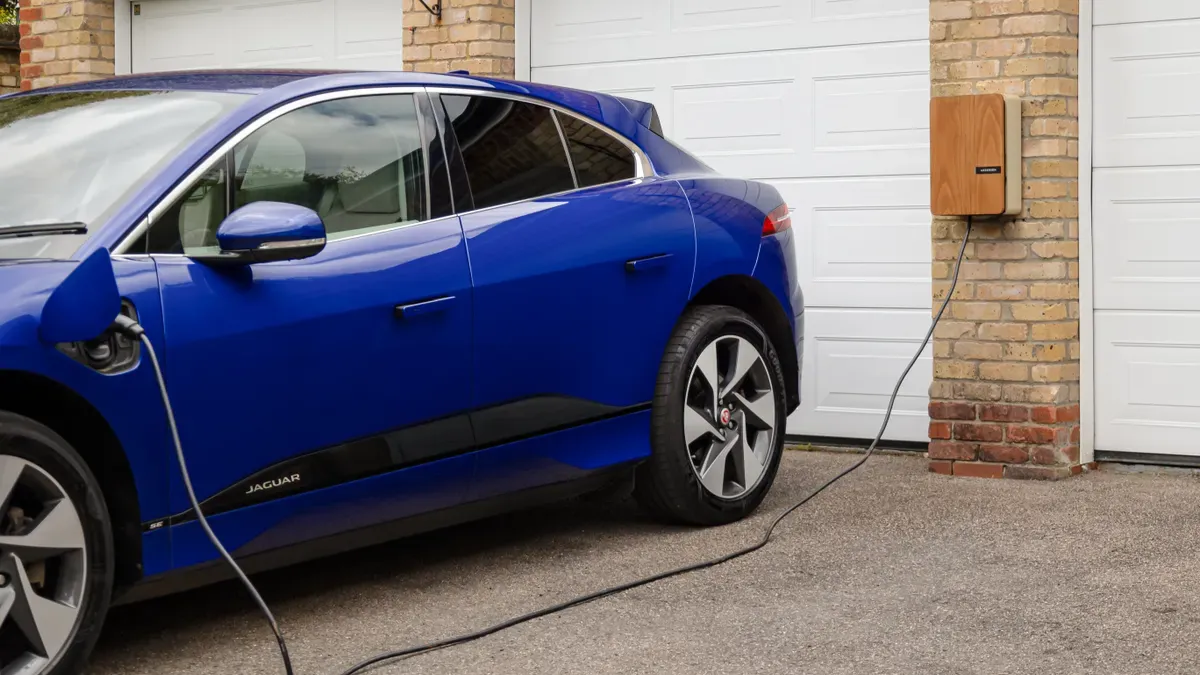

Die Ermittlung der Kosten für das Laden eines Elektroautos hängt stark vom Ladeort ab. Eine Vollladung zu Hause EV-Ladegerät kostet in der Regel zwischen 10 und 30 Euro. Im Gegensatz dazu variieren die Preise an öffentlichen Ladestationen stark, von kostenlosen Sitzungen bis zu über 50 Euro für eine schnelle DC-Schnellladung. Dieser Unterschied bestimmt die Gesamtkosten für das Laden eines Elektroautos. Führende Hersteller von EV-Ladegeräten wie TPSON bieten fortschrittliche EV-Ladelösungen, einschließlich effizienter tragbare ev-ladegeräte, helfen, diese Ausgaben zu verwalten.
Letztendlich können Fahrer je nach spezifischem Fahrzeug und Lademethode mit Kosten von etwa 3 bis 10 Cent pro Meile rechnen.
Wie viel kostet es, ein Elektroauto zu Hause zu laden?

Für die meisten Elektroautobesitzer ist das Laden zu Hause die bequemste und wirtschaftlichste Art, den Akku voll zu halten. Diese Methode umgeht die höheren Preise und potenziellen Wartezeiten an öffentlichen Stationen. Die Kosten hängen direkt vom häuslichen Stromtarif ab, was sie deutlich günstiger als Benzin macht.
Berechnung Ihrer Heimladekosten
Die genauen Kosten zu ermitteln ist unkompliziert. Ein Besitzer benötigt nur zwei Schlüsselinformationen: die Größe des Fahrzeugakkus und den lokalen Strompreis.
Die einfache Formel für eine Vollladung
Die Berechnung für eine Vollladung von leer ist einfach. Ein Elektroautobesitzer multipliziert die Größe des Fahrzeugakkus, gemessen in Kilowattstunden (kWh), mit dem Strompreis pro kWh seines Versorgers.
Formel für eine Vollladung:
Akkugröße (kWh) × Strompreis (€ pro kWh) = Gesamtkosten (€)
Beispielsweise würde ein Fahrzeug mit einem 65-kWh-Akku und einem Strompreis von 0,15 € pro kWh 9,75 € kosten, um von 0% auf 100% zu laden.
Beispiele aus der Praxis für das Laden zu Hause
Die Fahrzeugeffizienz und der geografische Standort führen zu einer großen Bandbreite an realen Kosten. Die Effizienz eines Autos, gemessen in Meilen pro kWh, bestimmt, wie weit es mit einer einzelnen Kilowattstunde Energie fahren kann.
- Ein hocheffizientes Elektroauto könnte 4 Meilen pro kWh erreichen.
- Ein weniger effizientes Elektroauto, wie ein großer Elektro-LKW, könnte nur 2 Meilen pro kWh schaffen.
Während zwei verschiedene Autos mit einem 65-kWh-Akku für eine Vollladung gleich viel kosten, fährt das effizientere Fahrzeug mit dieser Ladung viel weiter, was zu niedrigeren Kosten pro Meile.
führt. Der Standort spielt aufgrund der unterschiedlichen Strompreise in den USA eine noch größere Rolle. Ein Fahrer in einem Bundesstaat mit niedrigen Energiekosten zahlt deutlich weniger als einer in einem Bundesstaat mit hohen Tarifen.

Die folgende Tabelle veranschaulicht, wie sich die Kosten für eine Vollladung eines 65-kWh-Elektroautoakkus basierend auf den Strompreisen auf Bundesstaatenebene unterscheiden können.
| Staat | Kosten pro kWh (2025) | Kosten für das Laden von 65 kWh |
|---|---|---|
| Hawaii | $0.43 | $27.95 |
| Kalifornien | $0.28 | $18.20 |
| New York | $0.23 | $14.95 |
| Florida | $0.14 | $9.10 |
| Texas | $0.11 | $7.15 |
| Idaho | $0.11 | $7.15 |
| Mississippi | $0.10 | $6.50 |
Wie Ihr Stromtarif die Kosten beeinflusst
Die Art des Stromtarifs, den ein Haushalt nutzt, beeinflusst direkt die endgültige Ladekostenrechnung. Die meisten Versorger bieten verschiedene Tarifstrukturen an, die die Ladekosten entweder vereinfachen oder optimieren können.
Festpreistarife verstehen
Ein Festpreistarif ist die gebräuchlichste und unkomplizierteste Option. Bei diesem Tarif bleibt der Preis pro kWh unabhängig von der Tageszeit oder der Energienachfrage gleich. Diese Vorhersehbarkeit erleichtert die Berechnung der Ladekosten, bietet aber keine Möglichkeit, durch Verschiebung des Energieverbrauchs zu sparen.
Nutzung von Zeitnutzungs-Tarifen (TOU) zum Sparen
Viele Energieversorger bieten Zeitnutzungs-Tarife (TOU) an, um Kunden zu ermutigen, Strom außerhalb der Spitzenzeiten zu nutzen. Diese Tarife sind ideal für Elektroautobesitzer.
- Hauptverkehrszeiten: Höchste Stromtarife (z.B. 16 bis 21 Uhr).
- Außerhalb der Hauptgeschäftszeiten: Niedrigste Stromtarife (z.B. 23 bis 6 Uhr).
- Mittlere Spitzenlastzeiten: Ein moderater Tarif zwischen den beiden.
Indem ein Elektroautofahrer das Laden zu Hause auf die Schwachlastzeiten plant, kann er seine Ladekosten im Vergleich zum Laden während der Spitzenzeiten um 50% oder mehr senken.
Die Auswirkungen Ihres Heimladegerätetyps
Die für das Laden verwendete Hardware beeinflusst Geschwindigkeit und Komfort, obwohl die Kosten pro kWh gleich bleiben. Technologisch fortschrittliche Anbieter von Elektroauto-Ladelösungen wie TPSON bieten effiziente Ladegeräte an, die helfen, diese Ladevorgänge effektiv zu verwalten.
Level-1-(120V)-Ladekosten und -zeit
Level-1-Laden nutzt eine Standard-120V-Haushaltssteckdose. Es erfordert keine spezielle Installation und ist damit für jeden zugänglich. Es ist jedoch extrem langsam und fügt nur 3 bis 5 Meilen Reichweite pro Stunde hinzu. Eine Vollladung kann mehrere Tage dauern, was es zu einer Backup-Option anstelle einer täglichen Lösung macht.
Level-2-(240V)-Ladekosten und -zeit
Level-2-Laden ist der empfohlene Standard für das Laden zu Hause. Es nutzt einen 240V-Stromkreis, ähnlich einem elektrischen Trockner, und erfordert die professionelle Installation einer dedizierten Ladestation. Dieser Aufbau erhöht die Ladegeschwindigkeit dramatisch und ermöglicht es, die meisten Elektroautos über Nacht vollständig zu laden. Die folgende Tabelle vergleicht die beiden Heimladestufen für ein typisches 65-kWh-Elektroauto.
| Merkmal | Level-1-(120V)-Ladegerät | Level-2-(240V)-Ladegerät |
|---|---|---|
| Leistung | ~1,4 kW | 7 kW bis 19 kW |
| Ladezeit (65 kWh) | 40+ Stunden | 6-10 Stunden |
| Zusätzlicher Bereich pro Stunde | 3-5 Meilen | 25-40 Meilen |
| Einrichtung | Keine (nutzt Standardsteckdose) | Professionelle Installation erforderlich |
Während die Erstinstallation eines Level-2-Ladegeräts eine Investition ist, machen seine Geschwindigkeit und Bequemlichkeit es für die meisten Elektroautofahrer unerlässlich.
Was kostet das öffentliche Laden eines Elektroautos?

Während das Laden zu Hause am günstigsten ist, bieten öffentliche LadeNetzwerke essentielle Energie unterwegs. Die öffentlichen Kosten für das Aufladen eines Elektroautos Kosten variieren erheblich basierend auf der Geschwindigkeit des Ladegeräts und dem Preismodell des Netzwerkbetreibers. Fahrer werden auf eine Reihe von Ladeoptionen für Elektroautos treffen, von langsam und erschwinglich bis ultraschnell und premium-preisig.
Kosten an öffentlichen Level-2-Ladestationen
Level-2-Ladegeräte sind die häufigste Art öffentlicher Stationen. Fahrer finden sie auf Supermarktparkplätzen, in Einkaufszentren, Hotels und öffentlichen Freizeitzentren. Sie bieten eine bequeme Möglichkeit, Reichweite hinzuzufügen, während man eine Stunde oder länger geparkt ist.
Preisgestaltung pro Kilowattstunde
Die transparenteste Preisstruktur ist die Abrechnung pro Kilowattstunde (kWh). Ein Fahrer zahlt für die exakte Menge Energie, die sein Fahrzeug erhält. Dieses Modell funktioniert genau wie eine herkömmliche Tankstelle. Die durchschnittlichen Kosten für öffentliches Laden mit Level 2 liegen typischerweise zwischen 0,30 € und 0,40 € pro kWh. Für eine 65-kWh-Batterie bedeutet dies Kosten von 19,50 € bis 26,00 € für eine Vollladung.
Preisgestaltung pro Stunde und Sitzungsgebühren
Einige Netzwerke berechnen nach Zeit statt nach kWh. Dieses Modell kann für langsam ladende Fahrzeuge weniger vorteilhaft sein, da der Fahrer für die angeschlossene Zeit und nicht für die gelieferte Energie zahlt. Darüber hinaus können Betreiber weitere Gebühren erheben:
- Sitzungsgebühren: Eine kleine, einmalige Gebühr (1–2 €) zum Starten einer Ladesitzung.
- Standgebühren: Eine Strafe dafür, dass ein Auto nach Beendigung des Ladevorgangs angeschlossen bleibt. Diese Gebühr soll Fahrer dazu animieren, ihr Fahrzeug zu bewegen, damit andere laden können.
Hinweis zu Leerlaufgebühren: Einige Netzwerke handhaben Leerlaufgebühren streng, um die Verfügbarkeit der Ladesäulen sicherzustellen. Zum Beispiel kann ein vollständig geladenes Auto an einer stark frequentierten Tesla-Supercharger-Station Gebühren von bis zu 1 € pro Minute.
verursachen.
Wie man kostenlose öffentliche Ladestationen findet Kostenloses öffentliches Laden
- ist ein bedeutender Vorteil des Elektroauto-Besitzes. Viele Unternehmen bieten kostenloses Laden an, um Kunden anzulocken. Fahrer finden kostenlose Ladestationen häufig an diesen Orten: Supermärkte: Geschäfte wie Aldi, Tesco und Sainsbury’s.
- stellen häufig kostenlose Ladepunkte für Kunden bereit. Hotels und Bed & Breakfasts:.
- Unterkünfte wie Premier Inn und Holiday Inn bieten Übernachtungsgästen oft kostenloses Laden an. Einzelhandel und Freizeit:.
- Arbeitsstellen: Gartencenter, Museen und einige städtische Parkplätze stellen Besuchern kostenlos Strom zur Verfügung.
Eine wachsende Anzahl von Unternehmen bietet kostenloses Laden als Mitarbeitervorteil an.
Kosten an DC-Schnellladestationen (Level 3).
DC-Schnelllader, auch Schnelllader genannt, sind die schnellste Art, ein Elektroauto aufzuladen. Sie sind für kurze Stopps entlang großer Autobahnen konzipiert und können in weniger als einer Stunde Hunderte von Kilometern Reichweite hinzufügen. Diese Geschwindigkeit und Bequemlichkeit hat ihren Preis.
Warum DC-Schnellladen teurer ist.
- Der höhere Preis für DC-Schnellladen ergibt sich aus mehreren Faktoren. Die Ausrüstung selbst ist weitaus komplexer und in Anschaffung und Installation teurer. Hohe Leistungsabgabe: DC-Lader liefern zwischen 50 kW und 350 kW.
- Gleichstrom (DC), verglichen mit den 7 kW–22 kW Wechselstrom (AC) eines Level-2-Laders. Netzinfrastruktur:.
- Die Installation dieser leistungsstarken Einheiten erfordert erhebliche Upgrades des lokalen Stromnetzes. Betriebskosten:.
Der hohe Energiebedarf führt zu höheren Betriebs- und Wartungskosten für den Netzbetreiber.
Diese fortschrittliche Technologie ermöglicht es einem Fahrzeug, in nur 15–45 Minuten eine Ladung von 80 % zu erreichen – eine Dienstleistung, für die Betreiber einen Aufpreis verlangen.
Typische Gebühren für DC-Schnellladen Die Kosten für das Laden eines Elektroautos an einer Schnellladestation spiegeln ihren Premium-Charakter wider. Prepaid-Tarife für DC-Schnellladen liegen im Allgemeinen zwischen 0,45 € und 0,85 € pro kWh. Eine Vollladung eines typischen Elektroautos könnte zwischen, 20 € und 30 €.
kosten, was oft immer noch günstiger ist als eine vergleichbare Tankfüllung Benzin.
Die Preisgestaltung von Lade-Netzwerken verstehen.
Der Markt für Elektroauto-Ladestationen umfasst viele verschiedene Netzbetreiber, die jeweils ihre eigene Preisstrategie haben. Technologisch fortschrittliche Anbieter wie TPSON bieten Lösungen an, die sich in diese verschiedenen Netzwerke integrieren. Das Verständnis dieser Modelle hilft Fahrern, die Gesamtkosten für das Laden eines Elektroautos zu steuern.
Prepaid (Pay-As-You-Go) vs. Abonnements
- Pay-As-You-Go (PAYG): Die meisten Netzwerke bieten zwei Hauptzahlungsoptionen an: Diese Option bietet maximale Flexibilität. Fahrer zahlen jede Sitzung einzeln ohne monatliche Verpflichtung. Laut aktuellen Daten liegt der durchschnittliche Prepaid-Tarif bei etwa.
- Abonnements: 53 Cent/kWh für Schnelllader und 81 Cent/kWh für Schnelllader. Gegen eine monatliche Gebühr erhalten Fahrer Zugang zu niedrigeren Preisen pro kWh. Ein Netzwerk könnte beispielsweise eine. monatliche Gebühr von 5 € erheben, um 3 Cent/kWh an Schnellladern und 6 Cent/kWh an Schnellladern zu sparen.
Dieses Modell ist kosteneffektiv für Fahrer, die häufig öffentlich laden.
Vergleich der Preise großer Netzwerke Große Netzwerke wie Electrify America, EVgo und ChargePoint.
bieten alle Mitgliedschaftspläne an, die die Ladekosten senken. Ein Abonnement ist in der Regel finanziell sinnvoll für Fahrer, die mehrmals im Monat auf öffentliche Lader angewiesen sind. Für diejenigen, die hauptsächlich zu Hause laden und öffentliche Stationen nur gelegentlich nutzen, ist die Flexibilität eines Prepaid-Plans oft die bessere Wahl.
Elektroauto-Laden vs. Benzin: Ein direkter Kostenvergleich.
Direkter Kostenvergleich
Während der Anschaffungspreis eines Elektrofahrzeugs höher sein kann, machen die langfristigen Einsparungen bei Kraftstoff und Wartung es oft zur wirtschaftlicheren Wahl. Ein direkter Vergleich zeigt, wie viel Fahrer durch den Umstieg von Benzin auf Strom sparen können.
Der genaueste Weg, Kraftstoffkosten zu vergleichen, ist die Betrachtung der Kosten pro Meile. Diese Kennzahl eliminiert Variablen wie Batteriegröße und Tankkapazität und zeigt die wahren Kosten für das Fahren einer Meile.
Berechnung Ihrer Kosten pro Meile für ein Elektroauto.
Ein Elektroauto-Besitzer kann seine Kosten pro Meile mit einer einfachen Formel berechnen. Er teilt seinen lokalen Strompreis durch den Wirkungsgrad seines Fahrzeugs.:
Formel für Elektroauto-Kosten pro Meile
Strompreis (€ pro kWh) ÷ Fahrzeugeffizienz (Meilen/kWh) = Kosten pro Meile (€).
Zum Beispiel: Bei einem Strompreis von 0,15 € pro kWh und einem Auto, das 4 Meilen pro kWh schafft, betragen die Kosten pro Meile nur 0,0375 €.
Die Berechnung für ein Benzinauto erfolgt ähnlich. Der Fahrer teilt den Preis einer Gallone Benzin durch den Kraftstoffverbrauch des Fahrzeugs, gemessen in Meilen pro Gallone (MPG).
Formel für Kosten pro Meile bei Benzinern:
Preis pro Gallone (€) ÷ Fahrzeugeffizienz (MPG) = Kosten pro Meile (€)
Wenn Benzin 3,50 € pro Gallone kostet und ein Auto 30 MPG erreicht, betragen die Kosten pro Meile etwa 0,117 €, fast dreimal höher als im Elektroauto-Beispiel.
Jährliche Kraftstoffkosteneinsparungen
Diese Unterschiede pro Meile summieren sich schnell über ein Jahr Fahrbetrieb. Die jährlichen Gesamtkosten Kosten zum Laden eines Elektroautos sind durchweg niedriger als die Kraftstoffkosten für ein vergleichbares Fahrzeug mit Verbrennungsmotor (ICE).
Beispielhafte Einsparungen für einen Durchschnittsfahrer
Ein durchschnittlicher Amerikaner fährt etwa 13.500 Meilen pro Jahr. Unter Verwendung der obigen Kosten pro Meile:
- Jährliche Kosten Elektroauto: 13.500 Meilen × 0,0375 €/Meile = $506.25
- Jährliche Kosten Benzinauto: 13.500 Meilen × 0,117 €/Meile = $1,579.50
In diesem Szenario spart der Elektroauto-Besitzer in einem einzigen Jahr über 1.000 € an Kraftstoffkosten.
Jährliche Kostenvergleichstabelle
Eine Fünf-Jahres-Perspektive zeigt, wie sich diese Einsparungen summieren. Die folgende Tabelle bietet einen geschätzten Vergleich und hebt den erheblichen finanziellen Vorteil von Elektroautos hervor.
| Kostenkategorie (5-Jahres-Gesamt) | Elektrofahrzeug (EV) | Benzin Auto | Differenz |
|---|---|---|---|
| Kraftstoff / Laden | ~$2,500 | ~$7,900 | ~5.400 € niedriger für Elektroauto |
| Wartung & Service | ~$4,800 | ~$6,900 | ~2.100 € niedriger für Elektroauto |
| Fahrzeugsteuern | Gering bis keine | ~$1,200+ | Deutlich niedriger für Elektroauto |
| Gesamtbetriebskosten | ~$7,300 | ~$16,000 | ~54% niedriger für Elektroauto |
Langfristige finanzielle Vorteile
Neben Kraftstoff bieten Elektroautos erhebliche Einsparungen bei der Wartung, was zu deutlich niedrigeren Gesamtbetriebskosten über die Lebensdauer des Fahrzeugs beiträgt.
Berücksichtigung reduzierter Wartungskosten
Elektrofahrzeuge haben weit weniger bewegliche Teile als Benzinautos. Dieses einfachere Design macht viele übliche und kostspielige Wartungsarbeiten überflüssig.
- Keine Ölwechsel oder Zündkerzenwechsel
- Keine Steuerriemen oder Kraftstoffpumpen zu warten
- Keine komplexen Abgassysteme zu reparieren
- Geringerer Verschleiß der Bremsbeläge durch Rekuperationsbremsung
- Keine jährliche Abgasuntersuchung erforderlich
Erkenntnisse zu den Gesamtbetriebskosten
Wenn Fahrer alle Ausgaben – Kraftstoff, Wartung, Steuern und Versicherung – berücksichtigen, wird der finanzielle Vorteil von Elektroautos deutlich. Branchenexperten betonen, dass eine umfassende Betrachtung der Besitzkosten den wahren Wert der Elektromobilität offenbart.
Untersuchungen zeigen durchgängig, dass Elektrofahrzeuge in der Anschaffung und im Unterhalt günstiger sind als Benzinfahrzeuge. Um den Übergang zur sauberen Mobilität zu beschleunigen, ist es entscheidend, dass mehr Fahrer die wahren Kosten des Elektroauto-Besitzes verstehen, einschließlich kostengünstigem Smart Charging, erheblichen Einsparungen bei Steuern und Service sowie sinkenden Versicherungsprämien.
Die Nutzung fortschrittlicher Ladelösungen von Anbietern wie TPSON kann diese Einsparungen weiter optimieren, indem sie intelligente Ladezeiten außerhalb der Stoßzeiten ermöglichen.
Wichtige Faktoren, die die Kosten für das Laden eines Elektroautos beeinflussen
Mehrere Schlüsselvariablen bestimmen die endgültigen Kosten. Das Fahrzeug, der Standort und der Ladezeitplan des Fahrers spielen alle eine bedeutende Rolle. Das Verständnis dieser Faktoren hilft Besitzern, Ausgaben zu steuern und Einsparungen zu maximieren. Kosten für das Aufladen eines E-Fahrzeugs. Die Batterie und Effizienz Ihres Fahrzeugs.
Das konkrete Elektrofahrzeug, das eine Person fährt, ist eines der wichtigsten Elemente, das die Ladekosten beeinflusst. Zwei primäre Kennzahlen sind die
Batteriekapazität und die Energieeffizienz des Autos. Wie die Batteriegröße (kWh) die Gesamtkosten beeinflusst.
Die Batteriekapazität eines Elektroautos, gemessen in Kilowattstunden (kWh), steht in direktem Zusammenhang mit den Kosten einer Volladung. Eine größere Batterie speichert mehr Energie, daher kostet das Vollladen von leer mehr. Dies ähnelt einem Auto mit großem Tank, dessen Betankung teurer ist als bei einem mit kleinem Tank. Die Gesamtkosten für das Laden eines Elektroautos sind eine Funktion seiner Batteriegröße und des Strompreises.
Wie die Fahrzeugeffizienz (mi/kWh) die Kosten pro Meile beeinflusst.
Die Fahrzeugeffizienz, gemessen in Meilen pro kWh (mi/kWh), bestimmt, wie weit das Auto mit einer Kilowattstunde Energie fahren kann.
Ein höherer mi/kWh-Wert weist auf ein effizienteres Fahrzeug hin. Ein effizienteres Fahrzeug fährt mit derselben Energiemenge weiter. Dies führt zu niedrigeren Kosten pro Meile, da für eine bestimmte Strecke weniger Strom benötigt wird..
Beispielsweise wird ein stromlinienförmiges, aerodynamisches Limousinenmodell wahrscheinlich einen höheren Effizienzwert haben als ein großer elektrischer SUV. Selbst wenn beide die gleiche Batteriegröße haben, hat die Limousine niedrigere Kosten pro Meile.
Ihr geografischer Standort.
Wo eine Person lebt und lädt, hat einen großen Einfluss auf die Gesamtkosten für das Laden eines Elektroautos. Strompreise und Ladesäulenverfügbarkeit können von Region zu Region dramatisch variieren.
Unterschiede bei den Stromtarifen nach Bundesstaat.
Die Strompreise für Privathaushalte unterscheiden sich im ganzen Land erheblich. Ein Fahrer in einem Staat mit niedrigen Energiepreisen zahlt möglicherweise nur halb so viel für das Laden wie jemand in einem Staat mit hohen Preisen. Diese Variation macht den Standort zu einem Hauptfaktor für die langfristigen Kosten des Elektroauto-Besitzes.
Preisunterschiede beim Laden in städtischen vs. ländlichen Gebieten Heimladung Die Preise für öffentliches Laden zeigen ebenfalls geografische Unterschiede. Dicht besiedelte städtische Gebiete haben oft mehr Wettbewerb zwischen Ladenetzen, was zu wettbewerbsfähigeren Preisen führen kann. Im Gegensatz dazu haben ländliche Gebiete möglicherweise weniger Ladesäulen, und Betreiber könnten aufgrund fehlenden Wettbewerbs und höherer Installationskosten höhere Preise festlegen.
Tageszeit und Nachfragegebühren
Wann ein Elektroauto geladen wird, ist genauso wichtig wie wo. Sowohl die Heim- als auch die öffentlichen Ladekosten können je nach Tageszeit und der allgemeinen Nachfrage im Stromnetz schwanken.
Die Auswirkungen von Laden zu Spitzen- vs. Schwachlastzeiten
When an EV is charged is just as important as where. Both home and public charging costs can fluctuate based on the time of day and the overall demand on the electrical grid.
The Impact of Peak vs. Off-Peak Charging
Viele Versorgungsunternehmen bieten Zeitnutzungs-Tarife (Time-of-Use, TOU) mit unterschiedlichen Strompreisen zu verschiedenen Tageszeiten an.
- Spitzenlastzeiten (in der Regel am späten Nachmittag und frühen Abend) weisen die höchsten Preise auf.
- Schwachlastzeiten (typischerweise über Nacht) haben die niedrigsten Preise.
Das Planen des Elektroautoladens für Schwachlastzeiten kann die Kosten erheblich senken. Fortschrittliche Ladungslösungen von Anbietern wie TPSON helfen Besitzern, diesen Prozess zu automatisieren, um sicherzustellen, dass sie stets zu den günstigsten Zeiten laden.
Verständnis von Nachfragegebühren an öffentlichen Ladestationen
Einige öffentliche DC-Schnellladestationen können “Nachfragegebühren” in ihrer Preisgestaltung enthalten. Diese Gebühren basieren auf der hohen Leistungsaufnahme, die für das Schnellladen erforderlich ist, und können die Gesamtkosten einer Ladesitzung erhöhen, insbesondere in Zeiten hoher Netzlast.
Wie man Ladekosten für Elektrofahrzeuge senken kann
EV-Besitzer können ihre Betriebskosten erheblich reduzieren, indem sie strategische Ladegewohnheiten anwenden. Einfache Anpassungen sowohl der Heim- als auch der öffentlichen Laderoutine können zu erheblichen Einsparungen während der Lebensdauer des Fahrzeugs führen.
Intelligente Heimladestrategien
Der effektivste Weg, die Kosten zu kontrollieren, ist die Optimierung des Ladevorgangs zu Hause. Dieser Ort bietet die niedrigsten Strompreise und die größte Kontrolle.
Priorisierung des Ladens zu Hause
Durchgängiges Laden zu Hause ist der Grundstein für kostengünstigen Elektrofahrzeugbesitz. Öffentliche Stationen sind für lange Reisen unerlässlich, aber das tägliche Laden sollte über Nacht am Wohnort des Fahrers erfolgen. Diese Praxis stellt sicher, dass Fahrer stets von günstigeren Haushaltsstromtarifen profitieren und die Aufschlagspreise kommerzieller Netzwerke vermeiden.
Planung von Ladevorgängen in Schwachlastzeiten
Die meisten Versorgungsunternehmen bieten Zeitnutzungs-Tarifpläne mit niedrigeren Strompreisen während der Schwachlastzeiten, typischerweise über Nacht, an. EV-Besitzer können diese günstigeren Tarife nutzen, um ihre Ladekosten drastisch zu senken. Intelligente Planung ist der Schlüssel zur Maximierung dieser Einsparungen.
- Intelligente Planungssysteme: Diese Systeme verlagern das Laden automatisch in Niedrigtarifzeiten, oft zwischen 23 Uhr und 7 Uhr morgens. Technologisch fortschrittliche Ladegeräte von Anbietern wie TPSON können Strompreise analysieren und Zeitpläne optimieren, wodurch sich die Kosten potenziell um bis zu 75% reduzieren lassen..
- Preisbasierte Optimierung: Einige fortschrittliche Ladegeräte nutzen dynamische Preisgestaltung, um stündliche Tarife vorherzusagen. Sie passen die Ladesitzung basierend auf diesen Prognosen an, um die niedrigstmöglichen Kosten zu erzielen.
- Netzintegration: Bestimmte Systeme verbinden sich mit Netzmanagement-Signalen. Sie können das Laden während der Spitzenlast unterbrechen und wieder aufnehmen, wenn erneuerbare Energie im Überfluss vorhanden ist, und so die Netzstabilität unterstützen.
Kluge öffentliche Ladegewohnheiten
Obwohl öffentliches Laden teurer ist, können kluge Taktiken Fahrern helfen, beim Laden unterwegs das beste Preis-Leistungs-Verhältnis zu finden.
Nutzung von Apps zur Suche nach günstigeren Stationen
Mobile Anwendungen sind unverzichtbare Werkzeuge, um erschwingliche öffentliche Ladestationen zu finden. Apps wie Zap-Map und Pod Point ermöglichen es Fahrern, ihre Suche zu filtern, um kostenlose oder kostengünstige Stationen zu finden. Sie liefern Echtzeitdaten zu Verfügbarkeit, Ladegeschwindigkeit und Nutzerbewertungen. Andere Dienste wie Electric Universe bündeln mehrere Netzwerke in einem einzigen Konto und bieten exklusive Rabatte, wie z.B. 20% Nachlass an bestimmten Ladestationen zu bestimmten Zeiten.
Nutzung von kostenlosen Ladevorteilen
Viele Unternehmen bieten kostenloses Laden an, um Kunden anzulocken. EV-Fahrer können kostenlose Ladepunkte an verschiedenen Standorten finden:
- Supermärkten wie Tesco und Sainsbury’s
- Hotels wie Premier Inn
- Einzelhandelszentren, Freizeiteinrichtungen und Arbeitsplätzen
Die Planung von Besorgungen oder Reisen rund um diese Standorte ermöglicht es Fahrern, ihre Batterie kostenlos aufzuladen.
Nutzung von Rabatten und Sondertarifen
Finanzielle Anreize von Versorgungsunternehmen und staatlichen Stellen können die Kosten für den Elektrofahrzeugbesitz weiter senken. Diese Programme sollen den Umstieg auf Elektromobilität fördern.
Recherche lokaler Versorgeranreize
Viele lokale Versorgungsunternehmen bieten Unterstützung für Kunden, die ein EV kaufen. Fahrer sollten prüfen, was ihr spezifischer Anbieter anbietet. Häufige Anreize sind:
- Zuschüsse oder direkte finanzielle Beiträge zu den Kosten eines Ladegeräts.
- Rabatte auf die Installation einer Heimladestation.
- Zugang zu speziellen, niedrigeren Stromtarifen für das Laden von EVs.
Suche nach speziellen EV-freundlichen Tarifplänen
Neben allgemeinen Zeitnutzungs-Tarifplänen bieten einige Energieversorger speziell für EV-Besitzer konzipierte Stromtarife an. Diese Pläne zeichnen sich oft durch verlängerte Schwachlastzeiten oder außergewöhnlich niedrige Nachttarife aus. Die Recherche und der Wechsel zu einem dieser EV-freundlichen Tarifpläne können die maximal möglichen Einsparungen beim Laden zu Hause freisetzen.
Die versteckten Kosten des EV-Ladens
Obwohl die Kosten pro Meile für Strom niedrig sind, sollten potenzielle Besitzer sich anderer mit dem EV-Laden verbundener Ausgaben. bewusst sein. Diese “versteckten Kosten” umfassen die anfängliche Hardwareinstallation, Netzwerk-Abonnementgebühren und die langfristigen Auswirkungen des Batterieverschleißes.
Kosten für die Installation einer Heimladestation
Der Komfort des schnellen Ladens zu Hause erfordert eine Erstinvestition. Während ein Level-1-Ladegerät eine Standardsteckdose nutzt, benötigt ein Level-2-Ladegerät eine professionelle Installation, die mit mehreren Kosten verbunden ist.
Preisbereich für die Installation eines Level-2-Ladegeräts
Die Installation eines Level-2-Ladegeräts ist eine erhebliche einmalige Ausgabe. Die Gesamtkosten hängen vom Ladegerätemodell und der Komplexität des häuslichen Elektrosystems ab. Technologisch fortschrittliche Anbieter von Elektrofahrzeug-Ladelösungen wie TPSON bieten effiziente Geräte an, die Teil dieser anfänglichen Kalkulation sind.
Genehmigungen, Arbeitskosten und Schaltkasten-Upgrades
Die endgültige Installationsrechnung umfasst mehr als nur das Ladegerät selbst. Besitzer müssen für mehrere Komponenten budgetieren:
- Professionelle Installation (einschließlich des Geräts): 800 € bis 2.000 €
- Genehmigungen: 100 € bis 350 €
- Elektrosystem-Upgrades: $200 to $1,000+ for a new circuit or panel upgrade
Public Charging Network Subscriptions
For drivers who frequently use public stations, network subscriptions can offer savings but also represent a recurring monthly cost.
Evaluating Monthly and Annual Fees
Most charging networks offer a choice between pay-as-you-go (PAYG) rates and a monthly subscription. A subscription provides access to lower per-kWh pricing in exchange for a fixed monthly fee. The table below shows how different networks structure their plans.
| Network Example | Subscription Cost (monthly) | Pay-as-you-go Rate | Subscriber Rate |
|---|---|---|---|
| Netz A | $7.99 | $0.48/kWh | $0.36/kWh |
| Netzwerk B | $4.00 | $0.43/kWh | $0.31/kWh |
| Netz C | $9.99 | $0.52/kWh | $0.41/kWh |

When a Subscription Makes Sense
A subscription becomes cost-effective when a driver’s public charging usage is high enough for the per-kWh savings to outweigh the monthly fee. This model benefits drivers who travel long distances or do not have reliable home charging. However, for those who charge at home most of the time, a PAYG plan is often more economical.
Battery Degradation and Long-Term Costs
An EV’s battery is its most expensive component, and its health degrades over time. Charging habits directly impact the rate of this degradation, which is a significant long-term cost.
How Battery Health Affects Charging
As a battery degrades, its total capacity decreases. This means a “full” charge holds less energy, resulting in reduced driving range. The battery may also charge more slowly, especially at DC fast-charging stations, as the management system works to protect the aging cells.
Best Practices für die Batterielanglebigkeit
Proper charging habits can significantly extend a battery’s lifespan. Following manufacturer recommendations is crucial for preserving battery health.
- Maintain a 20-80% State of Charge: For daily driving, avoid charging to 100% or letting the battery drop below 20%.
- Limit DC Fast Charging: Frequent use of high-powered DC chargers generates excess heat and stress. Owners should prioritize Level 2 AC charging for regular use.
- Avoid Temperature Extremes: Park in the shade during hot weather and use preconditioning in the cold. Keeping the car plugged in during extreme temperatures allows the thermal management system to protect the battery.
- Update Vehicle Software: Manufacturers regularly release software updates that improve battery management and charging algorithms.
The final cost to charge an EV varies, but key principles remain clear. Home charging offers the most affordable solution, often costing just 3-6 cents per mile. Public charging provides essential convenience for travel, though at a higher price point.
Overall, the cost to charge ev is significantly lower than fueling a comparable gasoline vehicle. Drivers who prioritize charging at home will see the largest savings. Your specific vehicle, location, and habits determine the ultimate cost to charge ev, but smart choices always lead to a more economical driving experience.
FAQ
Ist es günstiger, ein E-Auto zu Hause oder an einer öffentlichen Station zu laden?
Charging an EV at home is almost always cheaper. Residential electricity rates are significantly lower than the prices at public charging stations, especially DC fast chargers. Prioritizing home charging offers the most substantial cost savings for EV owners.
Wie lange dauert es, ein Elektroauto aufzuladen?
Charging time varies widely. A Level 2 home charger typically takes 6-10 hours for a full charge. A public DC fast charger can add significant range in just 15-45 minutes. The vehicle’s battery size and the charger’s power output determine the exact speed.
Does frequent fast charging damage an EV battery?
Yes, relying heavily on DC fast charging can accelerate battery degradation over time. The high power generates more heat and stress on the battery cells. For daily needs, Level 2 AC charging is the recommended method to preserve long-term battery health.
How can I find the cheapest time to charge my EV?
The cheapest time is usually during overnight off-peak hours. Many utility companies offer Time-of-Use rate plans with lower rates. Technologically advanced providers like TPSON offer smart charging solutions that automatically schedule sessions for these low-cost periods, maximizing savings for the owner.
Do EVs really save money compared to gasoline cars?
Yes, EVs offer significant savings. The cost per mile for electricity is much lower than for gasoline. Owners also save on maintenance costs because EVs have fewer moving parts, eliminating expenses like oil changes and exhaust system repairs.
Kann ich jedes öffentliche Ladegerät für mein E-Fahrzeug benutzen?
Not always. Different regions and vehicles use various connector types. Most modern EVs are compatible with a wide range of chargers, but drivers should always check if a station’s connector fits their car before planning a stop. Mobile apps can help identify compatible stations.
What are idle fees at public charging stations?
Idle fees are penalties charged by network operators when a fully charged car remains plugged into a station. These fees encourage drivers to move their vehicles promptly, ensuring the charger becomes available for the next person. (remove symbol)