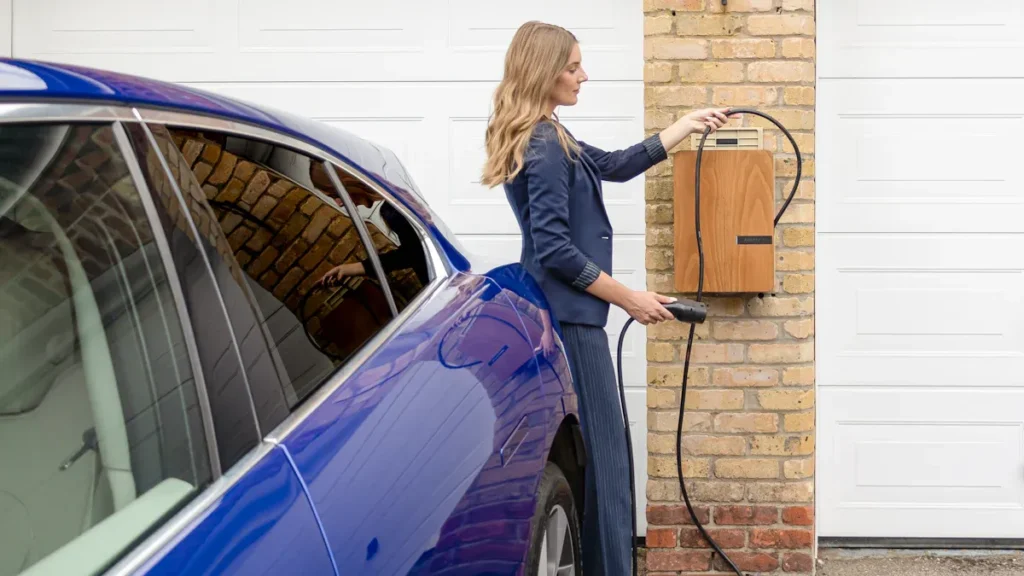

You can install an electric vehicle charger at home or work with minimal hassle. Many Hersteller von EV-Ladegeräten offer user-friendly solutions that simplify electric car charging for everyone. You only need a compatible EV-Ladegerät, access to reliable power, and basic installation tools.
- Quick setup options help you start charging your vehicle right away.
- Simple compatibility checks ensure you choose the right system for your needs.
How to Choose and Install an Electric Vehicle Charger
Picking the Best Electric Car Charger for Your Needs
Selecting the right charger for your electric vehicle can streamline your daily routine and maximize convenience. You should consider several factors before you install an electric vehicle charger at home or work. The following list highlights the most important features to evaluate:
- Geschwindigkeit der Aufladung: Faster chargers reduce downtime and keep your vehicle ready for use.
- Amperage compatibility: Confirm that the charger matches your vehicle’s requirements and your electrical system.
- Charging location: Assess the distance from your electrical panel, the location of your vehicle’s charging port, cable length, and weatherproofing for outdoor installations.
- Wall-mounted vs portable: Decide if you want a permanent fixture or a portable charger for flexibility.
- Advanced features & smart technology options: Look for Wi-Fi connectivity, scheduling, and energy tracking to optimize charging.
- Related costs: Consider upfront equipment costs, installation fees, ongoing electricity expenses, and available incentives.
Tipp: You can save time and money by choosing a charger that fits your driving habits and home setup.
Erklärungen zu Level 1 und Level 2 Ladegeräten
You will encounter two main types of chargers when you install an electric car charger: Level 1 and Level 2. Level 1 chargers use a standard 120-volt outlet and typically provide 2 to 5 miles of range per hour. Level 2 chargers require a 240-volt outlet and deliver 10 to 60 miles of range per hour, making them ideal for daily use and faster charging.
| Ladegerät Modell | MSRP | Stromstärke | Intelligente Konnektivität | Länge des Kabels |
|---|---|---|---|---|
| ChargePoint Home Flex | $549 | Up to 50 | Ja | 23 feet |
| Grizzl-E Classic 40a | $379.99 | Up to 40 | Nein | 24 feet |
| Grizzl-E Smart 40a | $439.99 | Up to 40 | Ja | 25 feet |
You should compare these models based on amperage, smart features, and cable length to find the best fit for your needs.
Intelligente Funktionen für das Laden von Elektrofahrzeugen
Modern chargers offer smart features that enhance your electric vehicle charging experience. Wi-Fi connectivity allows you to monitor charging sessions, schedule charging times, and track energy usage through mobile apps. Some chargers integrate with home energy management systems, helping you optimize electricity costs and reduce your carbon footprint.
Anmerkung: Smart chargers can send notifications to your phone, alerting you when charging is complete or if any issues arise.
Ensuring Your Vehicle and Charger Are Compatible
Compatibility between your vehicle and charger is essential for safe and efficient charging. You must verify that the charger you select matches your car’s plug type and charging requirements.
Plug Types and Compatibility Checks
Most electric vehicles in North America use the J1772 connector for Level 1 and Level 2 charging. Tesla vehicles require an adapter to connect to J1772 chargers. Some EVs use other connectors, such as CCS or CHAdeMO, which may not work with all chargers. You should check your vehicle’s charging port and consult the manufacturer’s specifications.
- Different EVs use various connectors, including CCS, CHAdeMO, and Tesla-specific plugs.
- Some chargers are designed for specific brands or regions, which can lead to incompatibility.
Alert: Always ensure a secure physical connection between the charger plug and your vehicle’s inlet before starting a charging session.
Matching Your Car’s Charging Requirements
You need to match the charger type to your driving habits and vehicle specifications. Visit compatibility resources like the EVDANCE Compatibility Page to confirm supported models. If you have questions, contact customer support for personalized assistance. Make sure your charger supports current standards and future upgrades to avoid issues down the road.
A successful charging session requires a proper handshake between your vehicle and the charger. This process includes digital communication, safety checks, and electrical verification. If any part of this process fails, charging will not begin.
Tipp: Future-proof your charging setup by choosing a charger that supports evolving standards and higher amperage for new EV models.
Preparing to Install an EV Charger at Home or Work
Home Electrical System and Power Supply
Assessing Circuit and Panel Capacity
You need to evaluate your home’s electrical system before installing a home EV charger. Start by checking your electrical panel’s capacity. Many older homes have 100-Ampere-Paneele, which may not support the load required for electric car charging. A Level 2 charger typically needs between 30 to 60 amps. Upgrading to a 200-amp panel is often recommended to handle the increased demand.
- Assess your current panel’s amp rating.
- Determine the additional load needed for your charger.
- Consider upgrading if your panel is rated at 100 amps.
| Anforderung | Einzelheiten |
|---|---|
| GFCI-Schutz | All receptacle outlets with a capacity of 50 amps or less must have GFCI protection. |
| Überstromschutz | Circuits must be rated at least 125% of the maximum load (e.g., 32-amp charger on 40-amp). |
| Dedizierter Kreislauf | New receptacles for EV charging must be on a dedicated circuit. |
| Weatherproof Enclosures | Receptacles in wet locations must be housed in weatherproof enclosures. |
| Installation Height (Interior) | Equipment must be at least 18 inches above the floor. |
| Installation Height (Exterior) | Equipment must be at least 24 inches above ground level. |
| Charging Cord Length | Maximum length of 25 feet unless equipped with a cable management system. |
| Power Supply Cord Length | Portable: max 12 inches; Stationary: max 6 feet; GFCI within 12 inches: 6-15 feet. |
| Baugenehmigung | A building permit must be secured before installation. |
| Local Inspection | Contact local electrical inspector for additional requirements. |
Tipp: Always secure a building permit and schedule a local inspection before installing a home electric vehicle charger.
Wann Sie einen lizenzierten Elektriker beauftragen sollten
You should hire a licensed electrician if you need to upgrade your panel or install a dedizierte Schaltung. Professional installation ensures compliance with local codes and safety standards. Electricians can also help you select the right equipment for charging at home and verify that your system meets all requirements.
Location Options for Electric Car Charging
Garage, Driveway, or Outdoor Spaces
Choosing the right location for your electric car charging setup impacts convenience and safety. Place your charger close to where you park to minimize cable length and reduce hazards. Ensure easy access to a dedicated electrical circuit. Shelter from the elements protects your charger and vehicle.
| Faktor | Beschreibung |
|---|---|
| Die Nähe zu Ihrem Elektrofahrzeug | Choose a location close to where you park to reduce cable length and hazards. |
| Zugang zu elektrischer Energie | Ensure the location has easy access to a dedicated electrical circuit for the charger. |
| Schutz vor den Elementen | Install the charger in a covered area to protect it from weather conditions. |
| Sicherheitserwägungen | Select a spot free from hazards like standing water and high-traffic areas. |
| Ästhetik und Attraktivität der Umgebung | Consider how the charger’s location will affect the appearance of your home. |
Indoor vs. Outdoor Installation Considerations
Indoor installation offers protection from weather, animals, and theft. You can run the cord outside even if you do not have a garage. Outdoor installation provides flexibility in parking and access. Hardwired connections ensure safety in outdoor conditions.
| Einbauart | Safety Benefits | Convenience Benefits |
|---|---|---|
| Innenbereich | Protection from weather, animals, and theft | Can run the cord outside even if no garage is available |
| Draußen | Hardwired connection ensures safety in outdoor conditions | Flexibility in parking location and ease of access |
Anmerkung: Indoor chargers offer better protection, while outdoor chargers provide more installation options.
Workplace and Shared Parking Solutions
Working with Employers or HOAs
Employers and HOAs play a key role in supporting electric vehicle charging. Many communities enhance property value and attract residents by offering charging infrastructure. Some states have laws that prevent HOAs from denying requests for charger installation. HOAs may require professional installation and determine who covers costs. Employers can reimburse employees for increased electricity costs and streamline installation through licensed networks.
- Competitive marketability and increased property values
- Attract and retain residents and employees
- Futureproofing properties and positive environmental impact
- Installation and cost responsibilities vary by community
Electric Vehicle Charging for Renters and Condos
If you rent or live in a condo, you may face unique challenges. Property owners must decide who installs and maintains charging stations. Installation costs often make up most of the total expense. Some jurisdictions protect your right to install a charger. You should communicate with your property manager or HOA to explore available options for electric car charging.
Assessing Costs and Incentives for Electric Vehicle Charging
Typical Costs to Install an Electric Car Charger
Equipment and Installation Fees
You should expect a range of costs when you install an electric vehicle charger. The price depends on the charger model, labor, and any upgrades needed for your electrical panel. The following table outlines the typical expenses for a Level 2 charger in 2025:
| Komponente | Typischer Bereich |
|---|---|
| Hardware für Ladegeräte | $400-$1,200 |
| Installationsarbeiten | $500-$1.500 |
| Panel-Upgrades | $500-$2,500 |
| Genehmigungen & Inspektionen | $50-$300 |
| Gesamtkosten | $950-$5,500+ |
You may pay less if your electrical system supports the charger without upgrades. Complex installations, such as those requiring long cable runs or outdoor mounting, increase the cost to install an electric car charger.
Permits and Additional Expenses
Local regulations require permits and inspections for most installations. Permit fees range from $50 to $300. You may need weatherproof enclosures or additional safety equipment for outdoor setups. Some regions charge monthly fees for electrical upgrades, especially if your meter is undersized.
| Type of station / service | Estimated price incl. VAT (€) | For what use? |
|---|---|---|
| Green’Up reinforced socket | 150 – 300 € | Light users or hybrids. Slow but safe charging. |
| Standard wallbox (7 kW) | 500 – 800 € | Universal compatibility. Full charge in 6–8h. |
| Smart connected station | 800 – 1500 € | Remote control, solar, off-peak optimization. |
| Three-phase station (11 to 22 kW) | 1200 – 2000 € | Very fast charging. Requires three-phase setup. |
| Simple installation (near panel) | 300 – 600 € | Easy setup in attached garage. |
| Complex installation (20 m cable) | 1000 – 2000 € | €50–€100 per extra linear meter. |
| Electrical upgrade | €20 – €50/month | Monthly EDF subscription cost. |
Rebates, Tax Credits, and Incentives for EV Charger Installation
Federal, State, and Local Programs
You can offset the cost of installing electric car charging stations by using rebates and tax credits. Many states and utilities offer incentives for residential and commercial installations. The table below highlights some programs available in 2025:
| Staat | Incentive Beschreibung | Amount/Details |
|---|---|---|
| New York | National Grid monthly bill credits for off-peak charging. | $15/month |
| Texas | Austin Energy rebate for installation costs. | 50% of costs, up to $1,200 |
| Kalifornien | PG&E rebates for income-eligible customers. | $700 for EV chargers |
| Minnesota | Connexus Energy rebates for Level 2 charger installations. | $500 |
| Delaware | Clean Transportation Incentive rebates for EVs and chargers. | Up to $2,500 for EVs, $1,000 for chargers |
| Florida | Duke Energy credits for off-peak charging. | Up to $300 for charger installations |
| Illinois | ComEd rebates for Level 2 charger installations. | Up to $3,750 |
| New Jersey | Charge Up Program rebates for new EVs. | Up to $4,000 for EVs under $45,000 |
| Alaska | Chugach Electric rebates for residential EV chargers. | Variiert |
| Arizona | Tucson Electric Power rebates for Level 2 chargers. | Bis zu $500 |

Wie man Anreize beantragt
You can follow these steps to apply for rebates and tax credits:
- Identify incentives in your area, including state and utility rebates.
- Visit the Department of Energy’s Alternative Fuels Data Center to search for specific rebates and tax credits.
- Check the IRS website for information on federal tax credits for EV installations.
- Apply for the Alternative Fuel Vehicle Refueling Property Credit, which covers 30% of project costs up to $1,000 for homeowners and up to $100,000 for businesses.
- Monitor program updates and application deadlines.
Tip: You should keep all receipts and documentation for your installation to streamline the application process.
Saving Money When You Install an EV Charger
DIY vs. professionelle Installation
You may save money by installing an EV charger yourself if you have electrical experience. However, professional installation ensures compliance with safety codes and local regulations. You should weigh the risks and benefits before choosing the DIY route.
Note: Professional installers can help you avoid costly mistakes and ensure your charger operates safely.
Group Discounts and Bulk Purchase Options
Businesses and communities can reduce costs by purchasing multiple chargers at once. Group discounts and bulk purchase options lower the initial investment and encourage wider adoption. Over time, these savings improve your return on investment and make it easier to expand charging infrastructure.
- Switching to an EV-friendly energy tariff can reduce home charging costs by up to 70%.
- Smart home chargers help you schedule charging during off-peak hours and monitor energy usage.
- Government incentives and salary sacrifice schemes can lead to 20–50% overall savings.
You can also consider solar power to further reduce your long-term charging expenses.
Schritt-für-Schritt-Anleitung zur Installation eines Ladegeräts für Elektrofahrzeuge

Getting Ready for Electric Car Charging Installation
Gathering Tools and Materials
You need to gather the right tools and materials before you install an electric vehicle charger. Start with a compatible charger, mounting hardware, and a dedicated circuit breaker. You should also have a drill, screwdriver, wire stripper, voltage tester, and safety gloves. If you plan to install a Level 2 charger, make sure you have a 240-volt outlet available. Many installations require weatherproof enclosures for outdoor setups.
Tipp: Prepare your installation site by checking proximity to the electrical panel, parking accessibility, and weather protection. This step helps you avoid delays and ensures a smooth process.
Safety Checks Before You Start
Safety must come first when charging an electric car. You should always use a dedicated circuit for your charger to prevent overloads and fire hazards. Avoid using extension cords that are not rated for high power. Never touch the charger or cable with wet hands. Manage charging cables to prevent tripping hazards. Regularly inspect your equipment for wear or damage.
- Hire a licensed electrician for professional installation.
- Confirm that your electrical system can handle the additional load.
- Check for any local permit requirements before you begin.
The Installation Process for an EV Charger
Mounting and Securing the Charger
You can install an EV charger in as little as two to four hours. Begin by mounting the charger hardware on a stable surface near your parking spot. Use the manufacturer’s template to mark drill holes. Secure the charger with the provided screws and brackets. Make sure the charger sits at the recommended height for easy access.
| Schritt | Beschreibung |
|---|---|
| Montage | Attach charger to wall or post |
| Securing | Use brackets and screws |
| Wetterschutz | Install enclosure if outdoors |
Connecting to Power Safely
Connect the charger to your power supply. For Level 2 chargers, use a 240-volt circuit. Decide between a plug-in or hardwired setup based on your needs. Always follow local codes and manufacturer instructions. After wiring, double-check all connections with a voltage tester. Secure cables to prevent accidental damage.
Note: Obtaining necessary permits and inspections ensures compliance and safety when installing electric car charging stations.
Final Setup and Testing for Electric Vehicle Charging
Setting Up Smart Features and Apps
Modern chargers offer smart features that make charging an electric car more efficient. You can Ladesitzungen planen with ready-by times, set price caps to charge when electricity is cheapest, and manage multiple vehicles from one account. Many apps allow you to track charging history, view cost estimates, and export usage data. You can also lock your charger remotely for added security.
- Schedule smart charging routines for each day.
- Use the boost feature for immediate charging.
- Lock or disable the charger from your app.
Testing Your Electric Car Charger
Testing ensures your charger works reliably. Power up the charging station and verify its health through the local interface. Configure the charger’s software settings and check internet connectivity. Test remote commands and charging sessions, including local authentication and remote start. Enable energy management features and run multiple charging sessions if needed. Perform safety tests such as earth loop impedance and RCD checks.
Proper commissioning helps you avoid issues with power line communication and guarantees reliable electric vehicle charging.
Practical Tips for Electric Car Charging Without Private Parking

Community and Shared Electric Vehicle Charging Options
Local Charging Programs and Initiatives
You have several options if you do not have access to private parking. Many cities and communities now support local charging programs that make electric vehicle ownership easier. The On-Street Residential Chargepoint Scheme (ORCS) helps fund the installation of public charging infrastructure for residents without driveways. This includes on-street chargers and local residential car parks.
You can find a wide range of solutions in urban areas:
- Charging gullies
- Curbside charging
- Lamppost installations
- Öffentliche Ladesäulennetze
As of April 2025, there are 79,654 public charging points across 39,427 locations in the UK. The number of public charging points grows by 30% each year. You can access different types of chargers, including 7,887 ultra-rapid chargers, 7,987 rapid chargers, 19,098 fast chargers, and 44,682 slow chargers. These options give you flexibility and convenience, especially if you live in a densely populated area.
Many local governments and utilities continue to expand these programs, making it easier for you to charge your EV even without a private driveway.
Portable and Curbside EV Chargers
Portable and curbside EV chargers offer practical solutions for urban residents. Mounting charging stations on existing utility or lighting poles reduces installation costs and speeds up deployment. This approach uses existing infrastructure, so you do not need extensive new construction.
| Nutzen Sie | Beschreibung |
|---|---|
| Curbside Charging Benefits | Equitable access for multifamily housing residents and convenient overnight charging for rideshare drivers. |
| Kostenreduzierung | Up to 70% lower installation costs when using existing utility poles compared to traditional methods. |
| Verstärkte Einführung von Elektrofahrzeugen | Reduces reliance on fast chargers and supports broader EV adoption in cities. |
Studies from New York City, Columbus, and Los Angeles show that curbside charging supports rideshare drivers and reduces demand for public DC fast chargers. California reports that curbside charging improves access for residents in urban and low-income neighborhoods. You benefit from more charging options and lower costs when installing electric car charging stations in shared spaces.
Fehlerbehebung bei allgemeinen Installationsproblemen
Avoiding Mistakes When You Install an EV Charger
You may face challenges if you do not have off-street parking. Charging infrastructure can be difficult to access in some areas, especially rural regions. Public EV charging hardware can be expensive, with costs ranging from $2,200 per port for Level 2 chargers to over $350,000 per port for high-powered DC fast chargers. Gaining approval from permitting authorities sometimes takes over a year, which can delay your plans.
To avoid common mistakes:
- Research local regulations before starting any installation.
- Choose the right charger for your needs and location.
- Work with certified professionals to ensure safety and compliance.
- Plan for future needs, such as increased EV adoption in your area.
Careful planning and communication with local authorities help you avoid unnecessary delays and expenses.
What to Do If Something Goes Wrong
If your charger fails to operate after installation, you can follow these troubleshooting steps:
- Check the basics. Make sure your vehicle is in the correct mode for charging and that the outlet or charging station has power.
- Reset systems. Unplug the charging cable, wait a few seconds, and plug it back in. Restart your EV and the charging station if possible.
- Inspect equipment. Look for damage or debris on the cable, connectors, and charging port. Try a different cable or public charging point if available.
- Consult the manual. Review your EV’s owner manual for troubleshooting tips and error codes.
- Software updates. Check for and install any available updates for your EV.
- Seek professional help. If problems persist, contact your vehicle manufacturer’s customer support or visit a certified service center.
Regular maintenance and prompt troubleshooting keep your charging experience smooth and reliable.
Maintenance, Upgrades, and Future-Proofing Your Electric Vehicle Charging
Keeping Your Electric Car Charger in Top Shape
Tipps zur regelmäßigen Wartung
You can extend the life of your Ladegerät für Elektrofahrzeuge by following a regular maintenance routine. Start with a visual inspection. Look for any signs of external damage. Make sure the cables and connectors remain intact. Clean the charger with a damp cloth. Remove dust and debris from vents to prevent overheating.
Inspect the charging cables for fraying or cracks. Clean the connectors and check for corrosion. Monitor the charging speed. If you notice slower charging times, investigate further. Check for overloading by reviewing your home’s electrical panel. Make sure the charger does not draw excessive power.
Die nachstehende Tabelle gibt einen Überblick über essential maintenance tasks:
| Wartung Aufgabe | Beschreibung |
|---|---|
| Visuelle Inspektion | Check for signs of external damage and ensure cables and connectors are intact. |
| Cleaning the Charger | Wipe with a damp cloth and ensure vents are clear of blockages. |
| Überprüfung der Ladekabel | Inspect for fraying, cracks, and ensure connectors are clean and corrosion-free. |
| Monitor für die Ladegeschwindigkeit | Note any changes in performance or unusually slow charging times. |
| Prüfung auf Überlastung | Ensure charger is not drawing excessive power and check home electrical panel. |
| Professional Service | Schedule annual or semi-annual checks for technical issues. |
Tipp: Schedule a professional inspection at least once a year. This step helps you catch technical issues early and keeps your charging station reliable.
When to Call for Professional Help
You should contact a licensed electrician if you notice persistent problems. Unusual noises, frequent tripping of breakers, or visible damage require expert attention. If your charger displays error codes or fails to start, do not attempt repairs yourself. Professional technicians have the tools and training to diagnose and fix complex issues safely.
Alert: Never open the charger’s internal components unless you have proper certification. Electrical repairs can pose serious risks without the right expertise.
Upgrading Your Electric Vehicle Charging Setup
Planning for New EVs and More Chargers
You may want to upgrade your charging setup as your needs change. If you plan to purchase another electric vehicle, consider installing a second charger or a dual-port station. Evaluate your home’s electrical capacity before adding more chargers. Upgrading your panel or adding a subpanel may be necessary for higher power demands.
Create a plan for future expansion. Think about cable management, parking arrangements, and the location of additional chargers. This approach saves time and money when you add new vehicles to your household or business.
Adding Smart Features and Expanding Capacity
Smart features can make your charging experience more efficient. Many modern chargers offer Wi-Fi connectivity, remote monitoring, and energy management tools. You can schedule charging sessions, track electricity usage, and receive notifications about charging status.
If you want to expand capacity, look for chargers that support load balancing. This technology distributes power evenly across multiple chargers. It prevents overloading and maximizes efficiency. Some systems allow you to integrate solar panels or battery storage for even greater flexibility.
Anmerkung: Investing in smart upgrades today helps you stay ready for new EV models and changing technology in the future.
Resources for Easy Electric Vehicle Charger Installation
Finding Certified Installers and Support
Where to Get Professional Help
You can simplify your electric vehicle charger installation by working with certified professionals. Licensed electricians and specialized EV charger installers understand local codes and safety standards. You should look for installers who hold certifications from organizations such as the Electric Vehicle Infrastructure Training Program (EVITP) or the National Electrical Contractors Association (NECA). These credentials show that the installer has completed advanced training for EV charging systems.
Consider these steps when searching for professional help:
- Contact your local utility company for a list of approved EV charger installers.
- Visit manufacturer websites. Many brands, including ChargePoint and Tesla, maintain directories of certified installation partners.
- Ask your local auto dealership for recommendations. Dealerships often work with trusted installers.
Tipp: Always verify the installer’s license and insurance before scheduling your project. This step protects you from liability and ensures a safe installation.
Online Guides and Customer Support
You have access to a wide range of online resources that make EV charger installation easier. Many manufacturers provide step-by-step guides, video tutorials, and downloadable manuals on their websites. You can find troubleshooting tips and wiring diagrams for most charger models.
Explore these online support options:
- Manufacturer help centers with live chat and email support.
- Community forums where you can ask questions and share experiences.
- Government resources, such as the Department of Energy’s Alternative Fuels Data Center, which offers installation guides and regulatory information.
| Resource Type | Example Platforms | What You Get |
|---|---|---|
| Hersteller-Support | ChargePoint, Enel X, Tesla | Manuals, FAQs, live chat |
| Community Forums | MyEV, PlugShare, Reddit r/EVs | Peer advice, troubleshooting |
| Government Guides | DOE AFDC, Energy.gov | Regulations, best practices |
You can resolve most installation questions by combining manufacturer support with community advice.
Useful Tools and Apps for Electric Car Charging
Charger Locator and Mapping Apps
You can find public charging stations quickly using locator apps. These tools display real-time availability, charger types, and pricing. Popular apps include PlugShare, ChargeHub, and Open Charge Map. You can filter results by connector type, charging speed, and payment options.
Key features to look for:
- Interactive maps with live status updates
- User-friendly search filters
- Directions and navigation integration
- Compatibility with Apple CarPlay and Android Auto
Use locator apps to plan your charging stops and avoid waiting in line.
Energy Tracking and Management Tools
Energy management apps help you monitor your charging sessions and control costs. You can track electricity usage, set charging schedules, and receive alerts for unusual activity. Many smart chargers offer companion apps that integrate with your home energy system.
| App Name | Main Function | Extra Features |
|---|---|---|
| ChargePoint Home | Usage tracking | Scheduling, notifications |
| JuiceNet | Energy management | Solare Integration |
| Tesla App | Remote monitoring | Charging history |
You can optimize your charging routine and reduce your electricity bill by using these tools. Set reminders for off-peak charging and review your monthly energy reports.
Smart energy management keeps your EV charging efficient and cost-effective.
You can install an electric vehicle charger with confidence by following these simple steps:
- Choose the right charger for your needs.
- Prepare your electrical system and select the best location.
- Work with certified professionals for safe installation.
- Use smart features and apps to optimize electric car charging.
Start your journey today. Explore online guides and local support to make your installation process smooth and efficient.
FAQ
How long does it take to install an EV charger at home?
You can expect installation to take two to four hours. The process may take longer if you need electrical upgrades or permits.
Benötigen Sie eine Genehmigung für die Installation eines Ladegeräts für Elektrofahrzeuge?
Most local governments require a permit for EV charger installation. You should check with your city or county before starting the project.
Can you install an EV charger yourself?
You can install a Level 1 charger if you have basic electrical skills. For Level 2 chargers, you should hire a licensed electrician to ensure safety and code compliance.
What is the difference between plug-in and hardwired EV chargers?
Plug-in chargers connect to an outlet and offer flexibility. Hardwired chargers connect directly to your electrical panel and provide a permanent, weather-resistant solution.
How do you know if your home electrical panel supports a Level 2 charger?
You should check your panel’s amp rating. A Level 2 charger usually needs a dedicated 30–60 amp circuit. Consult an electrician for a professional assessment.
Gibt es Förderungen für die Installation eines Elektrofahrzeug-Ladegeräts?
Many states and utilities offer rebates, tax credits, or bill credits for EV charger installation. You can find details on government and utility websites.
Welche Wartung ist für ein E-Ladegerät erforderlich?
You should inspect cables and connectors regularly, clean the charger, and schedule annual professional checks. Routine maintenance helps prevent issues and extends charger life.
Can you use solar power to charge your electric vehicle?
You can connect your EV charger to a solar panel system. This setup reduces electricity costs and supports sustainable energy use.