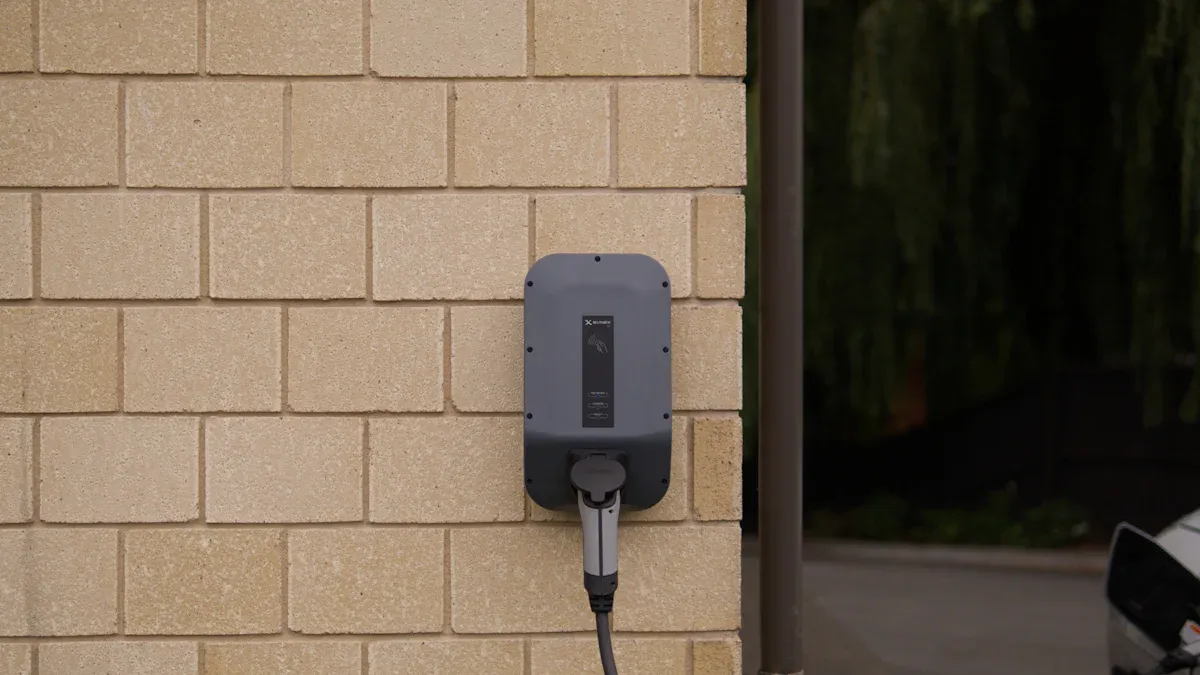
How much does an electrician charge to install an EV charger?
An electrician charge for a Level 2 EV charger installation typically ranges from $1,200 to $2,500, including the unit, labor, and permits for your home.

An electrician charge for a Level 2 EV charger installation typically ranges from $1,200 to $2,500, including the unit, labor, and permits for your home.

In 2025, a Level 2 EV charger installation costs €1,200-€2,500 in France. With a €500 tax credit, the net cost is €700-€2,000 for the unit and labor.

EV charging stations typically charge $0.20-$0.50/kWh for Level 2 and $0.40-$0.75/kWh for DC fast charging. Costs vary by network, location, and time of day.

In 2024, a full fast charge in Singapore costs between S$35 and S$55. The final fast charge cost depends on your EV’s battery and the provider’s S$/kWh rate.

A commercial EV charging station costs from $6,000 for a Level 2 charger to over $100,000 for a DC fast charger, including hardware and installation fees.
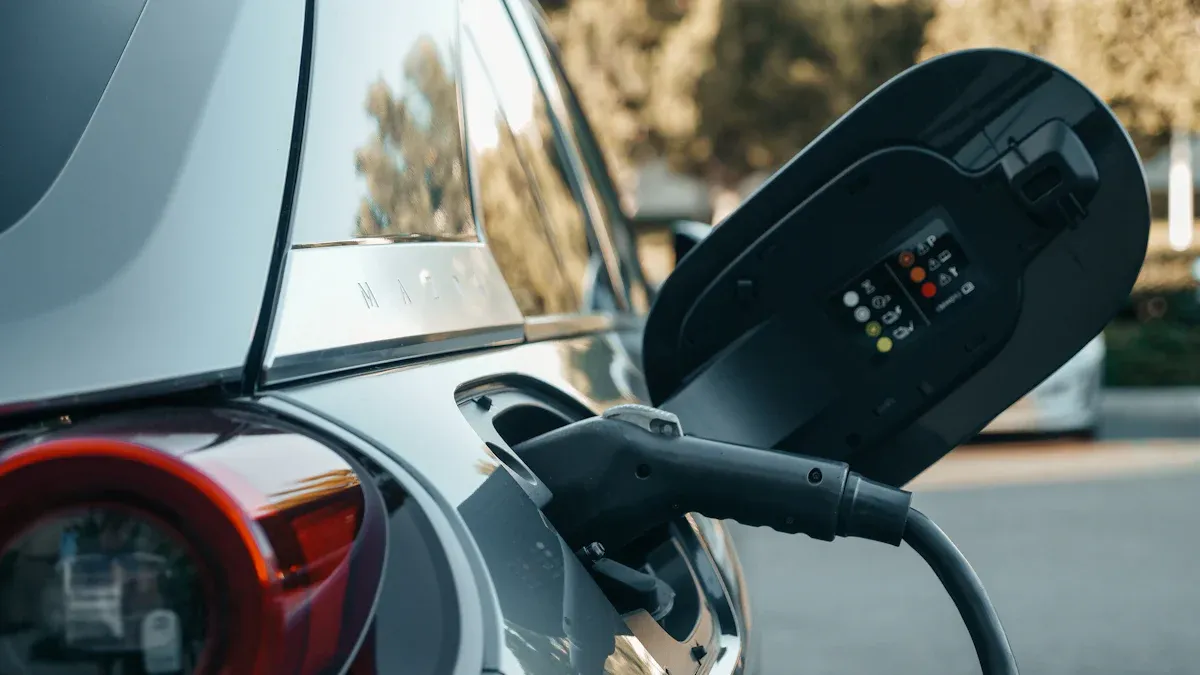
Using a Level 2 charger, you can charge an EV at home in 4 to 10 hours, adding 25-30 miles of range per hour. This ensures a full battery overnight.

How long does it take to charge an EV car? A full charge at home takes 6-12 hours. At a public station, a fast charger can charge an EV to 80% in 20-60 minutes.
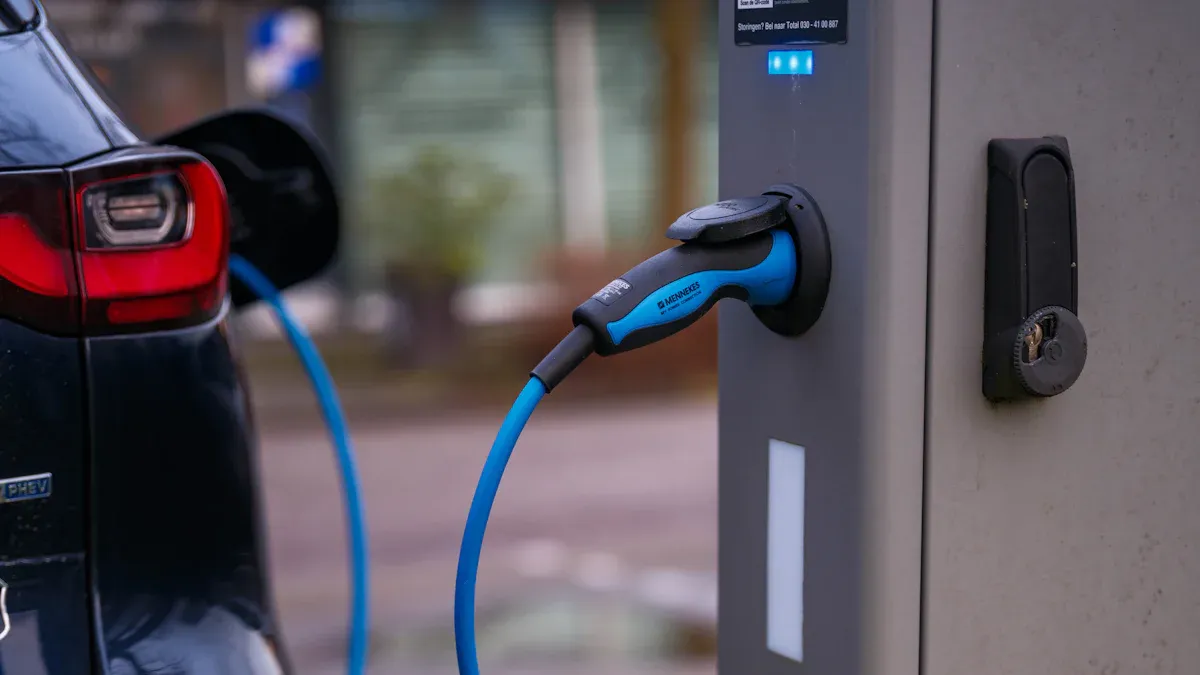
For daily driving, keep your EV battery between 20% and 80% to maximize its lifespan. Avoid letting it regularly drop below 20% to prevent excess wear.
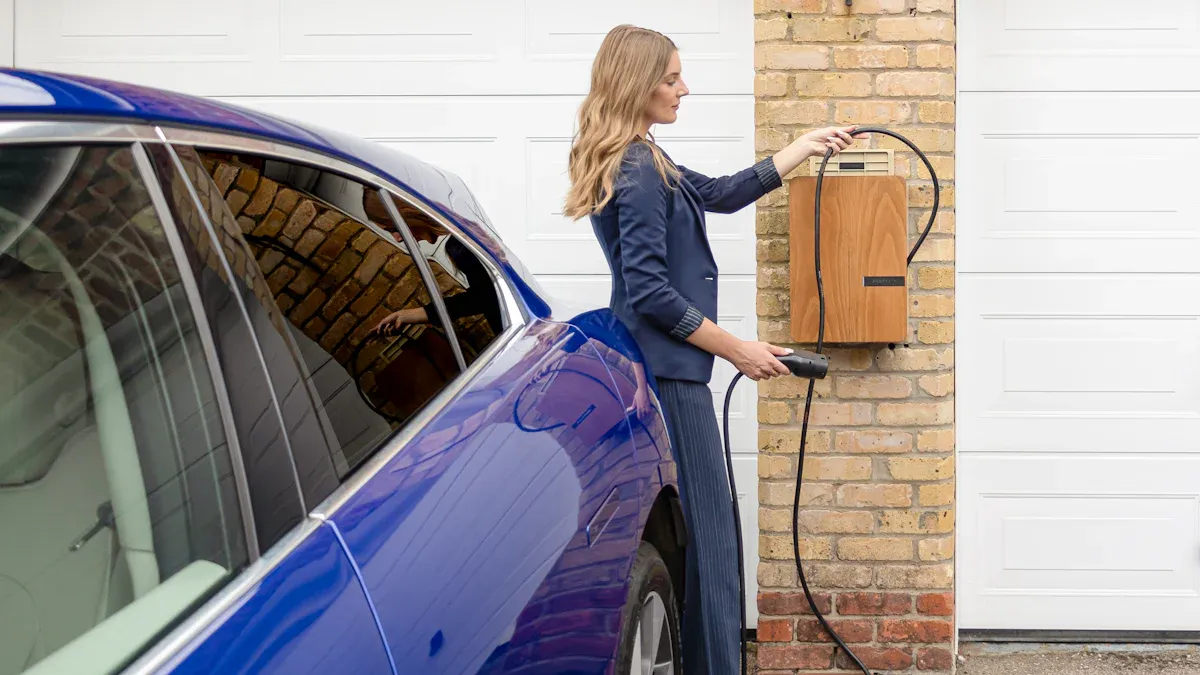
In the Netherlands, a portable EV charger delivers 2.3-3.7 kW from a home socket, adding about 10-15 km of range per hour—ideal for overnight charging.

The time to charge an electric car at a public station ranges from 20 minutes to 8+ hours. A DC fast charger adds significant range in under an hour, while a Level 2 charger takes several hours for a full charge.

The time to charge an EV ranges from 20 minutes to over 24 hours. A typical 60kWh EV takes about 8 hours with a 7kW home charger for a full charge.

A 7.4 kW home charger adds 40-50 km of range per hour, fully charging most EVs overnight. Our guide to charging speeds explained covers everything for Spanish owners.
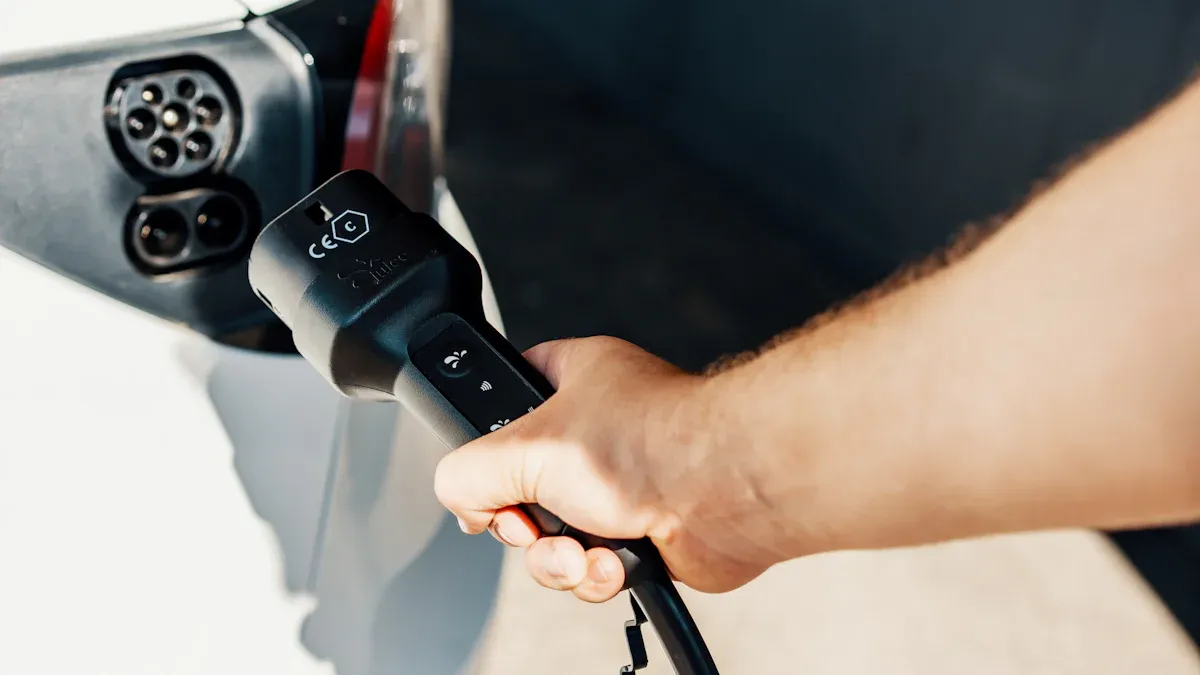
EV charging works by converting AC power from the grid to DC power for your car’s battery. This happens in the car for slow AC charging or at the station for fast DC charging.

A Level 2 charger adds 12 to 80 miles of range per hour, allowing a full EV charge in 4-10 hours. Your final speed depends on the charger’s power and your car.
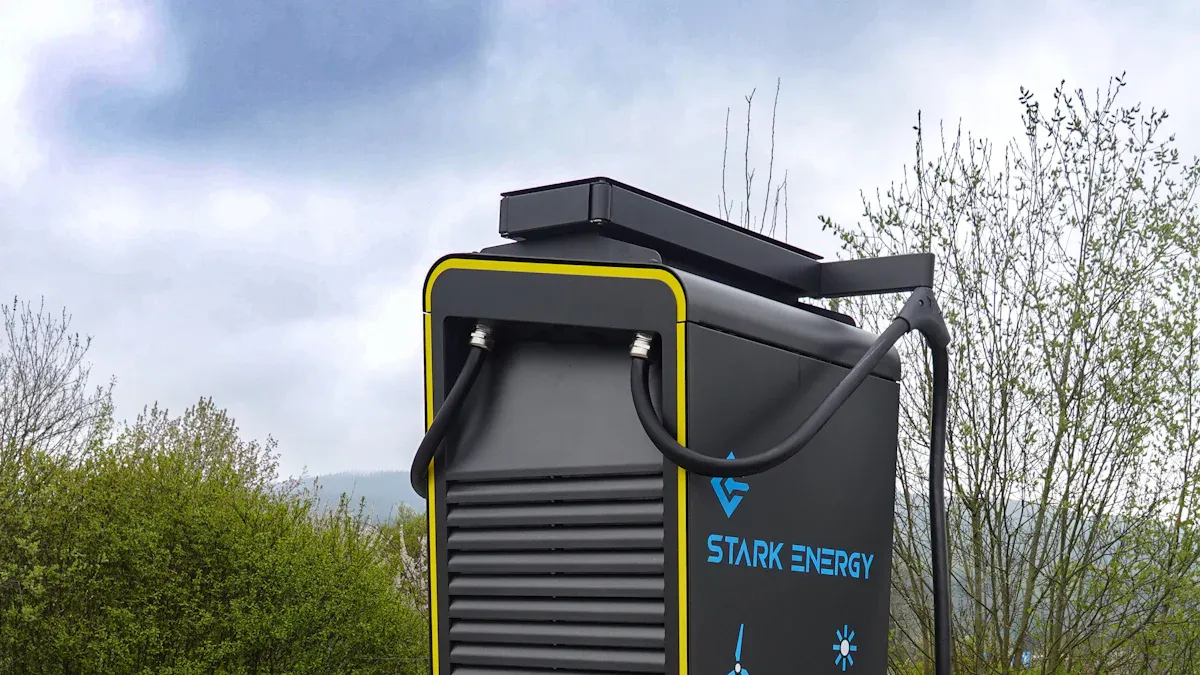
EV charging stations make money through direct user fees (per kWh, session, or subscription) and indirect revenue by attracting customers who spend more at host sites.

EV charger networks are app-based systems for finding, authenticating, and paying for charging. For rapid charging, Tesla and Electrify America have the best coverage.
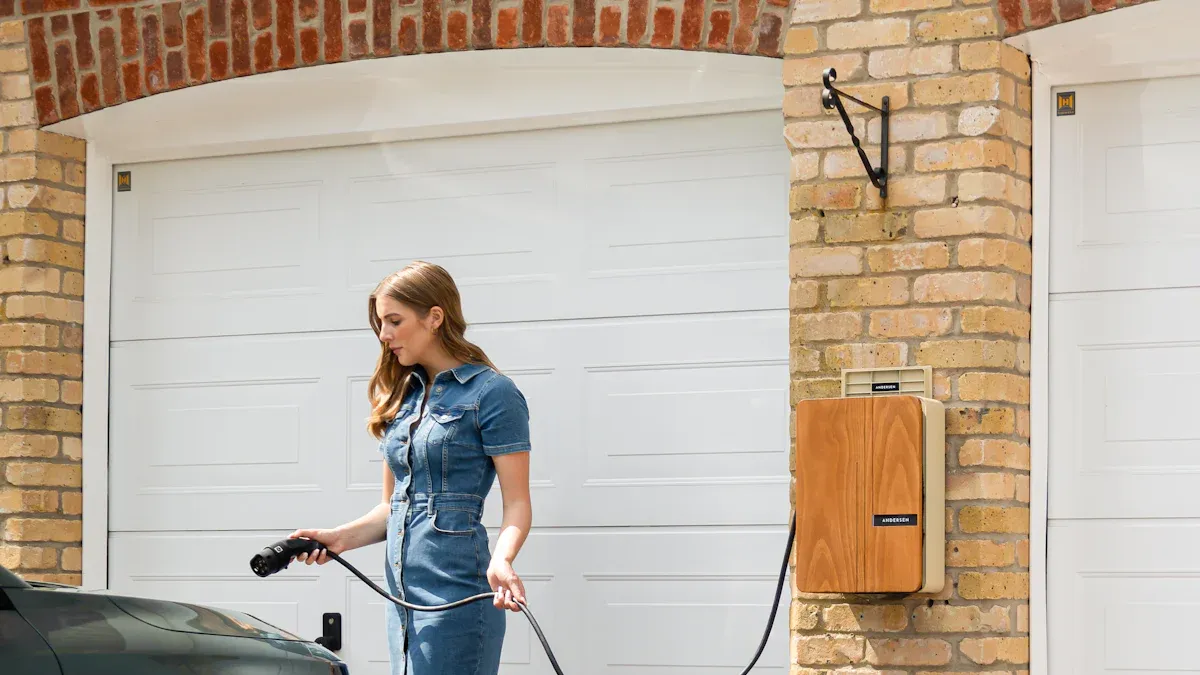
EV charging stations work by converting AC power from the grid into DC power for your car’s battery. Slower AC chargers use the car’s onboard converter, while DC fast chargers convert power externally to deliver it directly to the battery for rapid charging.

Commercial EV charging allows Argentine gas stations to profit from electricity sales, increased ancillary revenue, and new services like battery diagnostics.