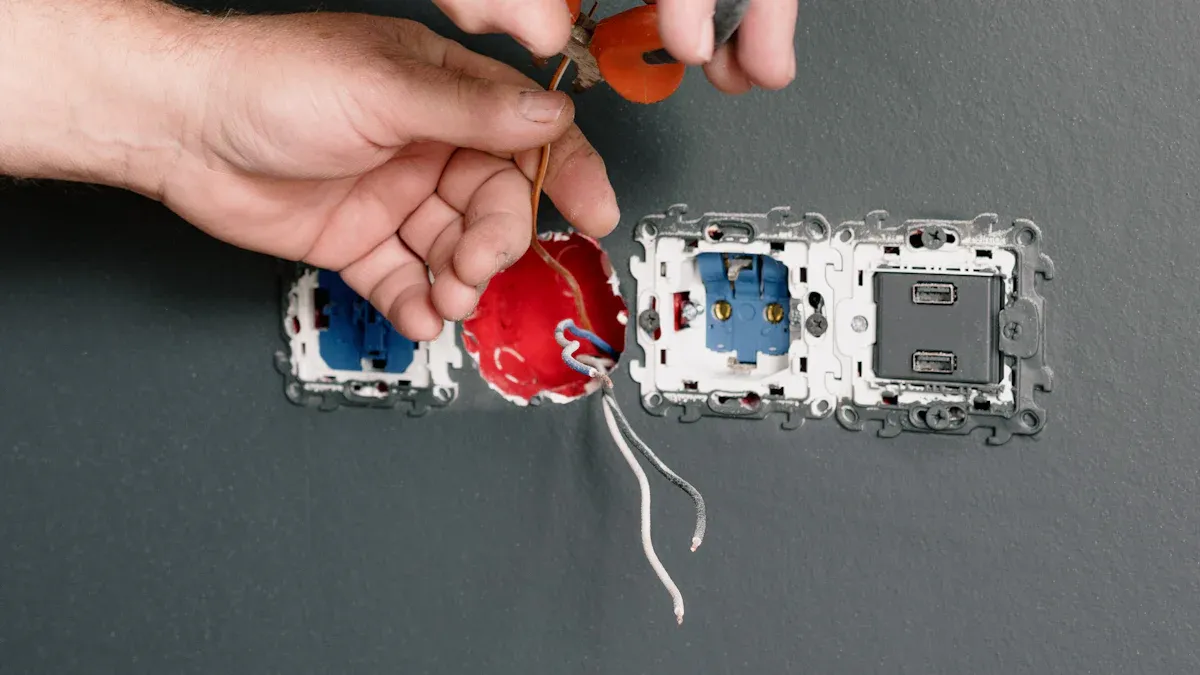
How Much To Install an EV Charger At Home
The cost to install an EV charger at home ranges from $1,200 to $2,500. This covers the charger and labor. A 30% federal tax credit can lower this to $840-$1,750.

The cost to install an EV charger at home ranges from $1,200 to $2,500. This covers the charger and labor. A 30% federal tax credit can lower this to $840-$1,750.
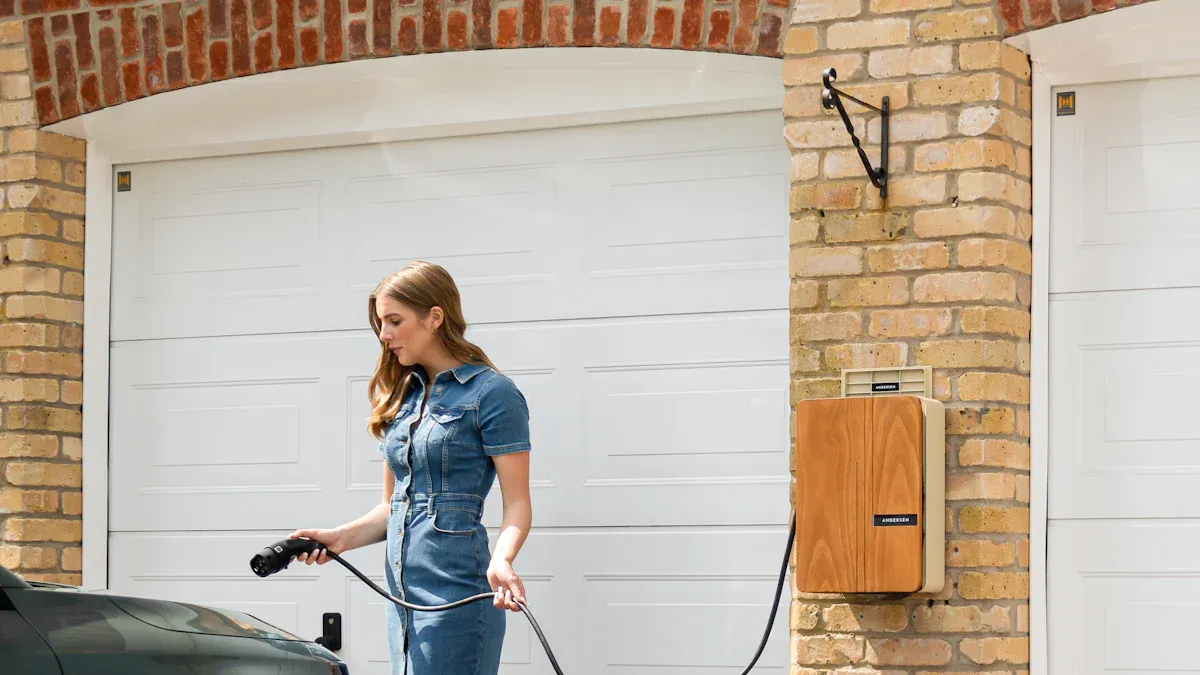
Your electric bill will go up by about $30-$100 per month with an EV. This cost depends on your mileage, car’s efficiency, and electricity tariff.

A typical Level 2 home EV charger uses 7,200 watts (7.2 kW) on a 240V circuit, providing a full charge overnight. Power needs can range from 1.4 kW to 19.2 kW.

A full charge for an EV typically costs $7-$25 at home and $20-$60 at a public station. The final price to charge an EV depends on your car’s battery size and local electricity rates.

The average cost to install a home EV charger is $1,200 to $2,500, including the unit and labor. Prices can range from $800 to over $5,000 based on your home’s electrical system.

In 2025, installing a home AC wall charger in the UK costs between £850 and £1,500. This price includes the charger unit and standard professional installation.

The typical cost to install a 7kW EV charger at a UK home is $1,000–$1,500. This price includes the unit and labor. Government grants can lower the final cost.
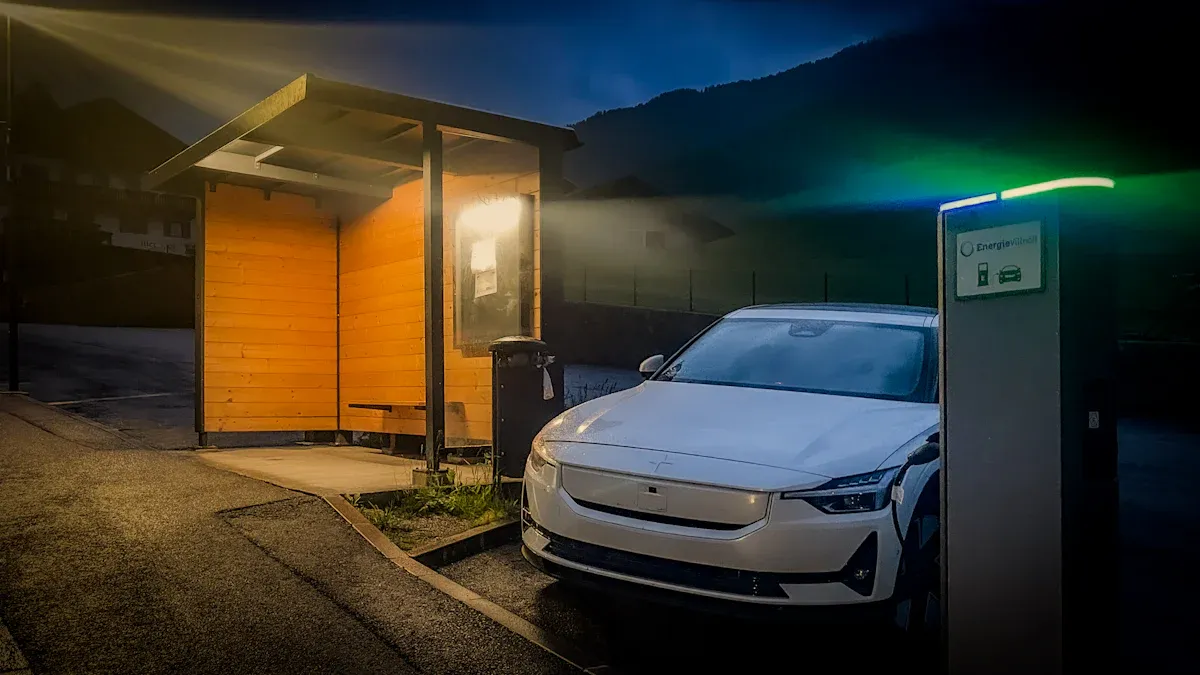
The average cost for a home EV charger installation in the UK is typically £950 to £1,350. This price includes the charger and standard installation, but can increase with electrical upgrades or complex wiring.

The cost to charge an EV at home is typically $3 to $15 for a full charge. Your final price depends on your local electricity rate and your vehicle’s battery size.

The typical cost to install a 240v outlet for an EV charger is $300 to $1,200. Prices can exceed $5,000 if your home needs a panel upgrade or trenching.
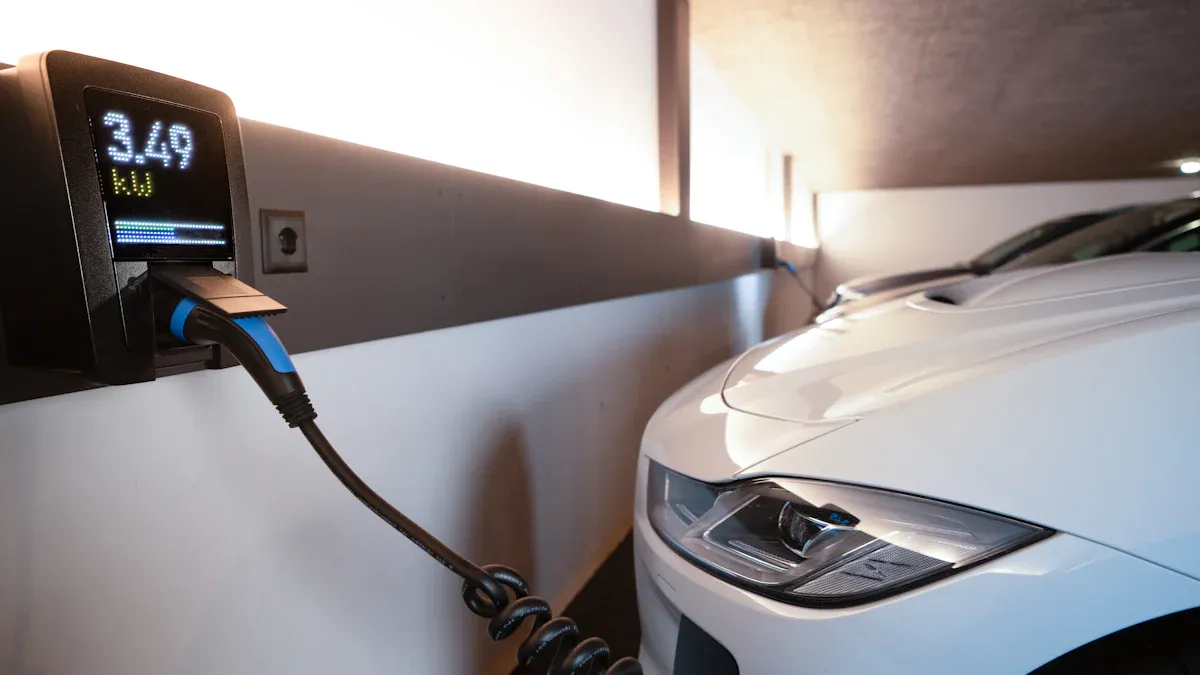
The cost to install an EV charger in your house typically ranges from $800 to $2,000. This price includes the charger unit and professional installation labor.

The cost to charge an electric vehicle is $5–$15 for a full charge at home. At a public charging point, the price increases to $20–$45, depending on the charger.

The cost to charge an electric car at a DC fast charging station typically ranges from $0.40 to $0.70 per kWh. This means adding 100 miles of range costs $12-$22.

The cost to charge an EV is typically $10-$30 at home or 3-10 cents per mile. Public charging varies, with DC fast chargers costing over $50 for a full charge.

In France, the DC fast charging cost for 2025 ranges from €0.45-€0.79/kWh. Subscriptions can lower this to €0.29/kWh. See our guide for detailed network prices.

A home EV charging station costs between $1,000 and $2,500 on average, including the unit and professional installation. Costs vary by charger level and complexity.
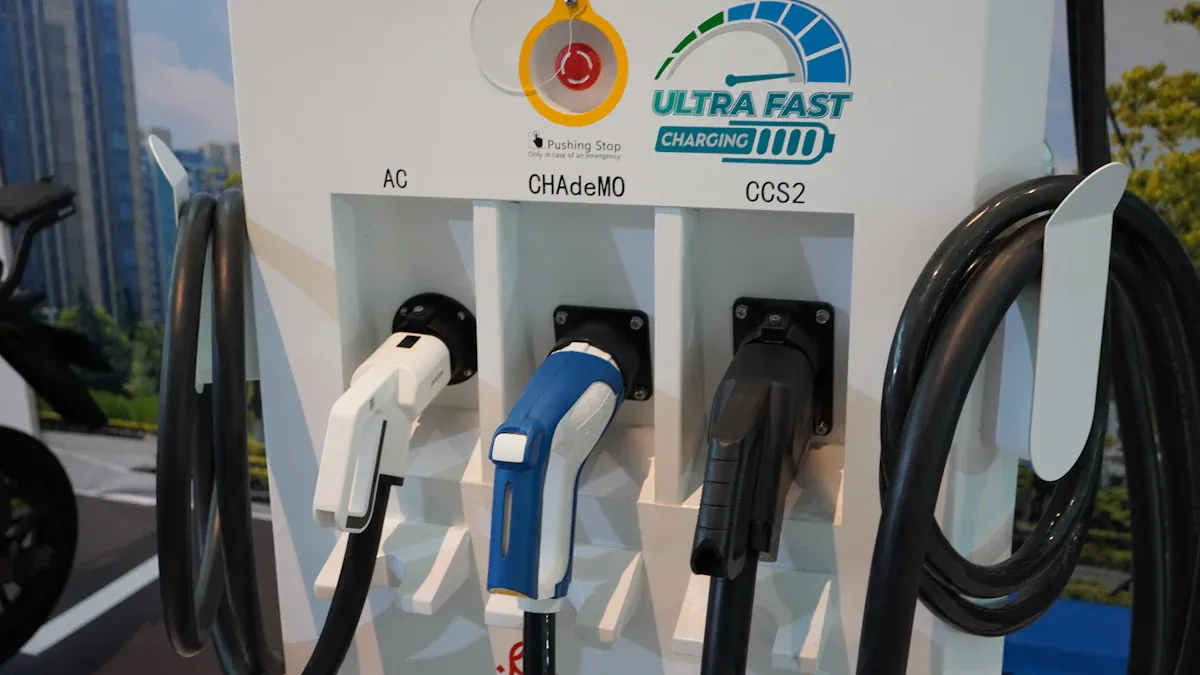
The EV charging cost varies, from $5-$25 for a full charge at home to $15-$45 at a public DC fast charger. Home charging is the most affordable option.

An EV charger typically adds $30 to $80 to your monthly electric bill. This cost depends on your car’s efficiency, mileage, and local electricity rates.