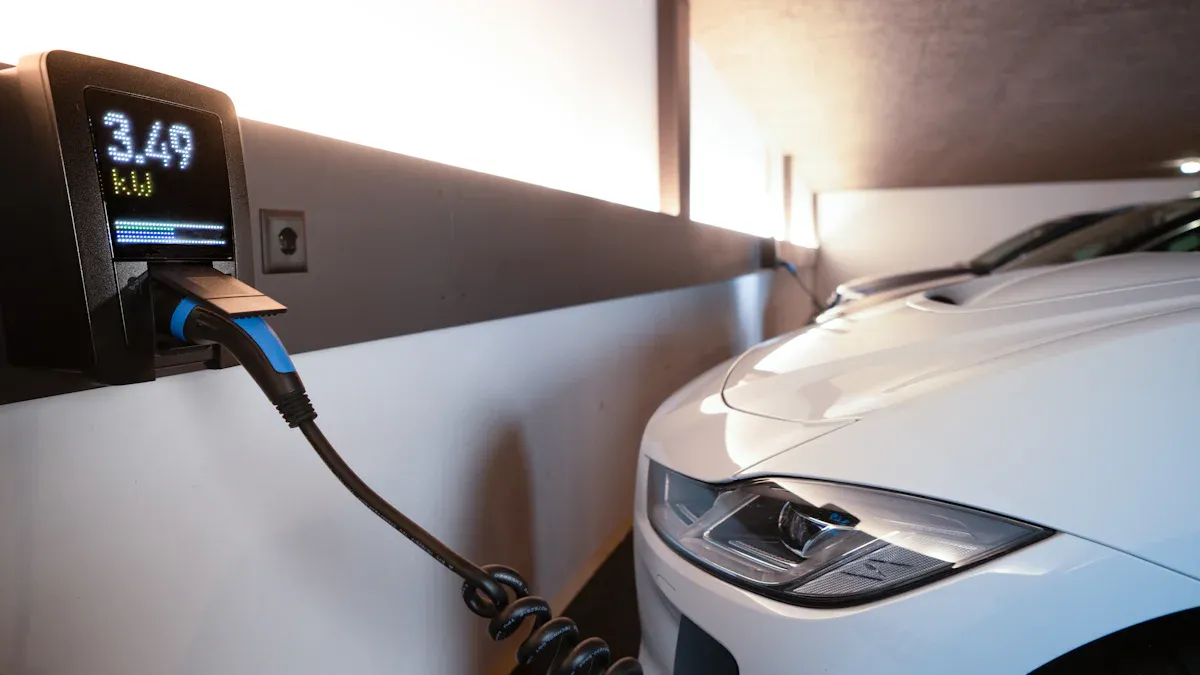
A home Level 2 شاحن السيارة الكهربائية transforms the electric vehicle experience for UK drivers. Overnight charging at home removes range anxiety by ensuring a full battery each morning. Drivers gain control over their حلول شحن السيارات الكهربائية, enjoying unmatched convenience. Leading الشركات المصنعة لشاحن السيارة الكهربائية design systems that integrate with شواحن السيارات الكهربائية المحمولة for flexibility. Home charging empowers users to manage their schedules and avoid the unpredictability of public stations.
Understanding Range Anxiety for UK Electric Vehicle Owners
Defining Range Anxiety and EV Range Anxiety
Range anxiety describes the fear that an EV will run out of battery before reaching a charging station. This concern has shaped the experience of many electric vehicle drivers in the UK. EV range anxiety often arises from several factors:
- Drivers must adapt to new habits and dashboard information.
- Battery percentage displays can create psychological stress.
- Uncertainty about charging networks increases worry.
- Concerns about the availability of public charging points remain common.
Psychological Impact on EV Drivers
EV range anxiety affects drivers on a psychological level. Many feel stress when planning journeys, especially if they lack confidence in the charging infrastructure. The constant need to monitor battery levels can lead to distraction and unease. Some drivers report that the fear of running out of charge overshadows the benefits of owning an electric vehicle. Over time, these feelings may discourage wider adoption of EVs.
Common Misconceptions About Electric Vehicle Range
Misunderstandings about electric vehicle range persist among UK drivers. Some believe that all EVs have limited range, despite advances in battery technology. Others assume that charging stations are always difficult to find. These misconceptions can amplify range anxiety and prevent potential buyers from considering an electric vehicle. Education and real-world experience help dispel these myths.
Why Range Anxiety Matters in the UK
Range anxiety — the fear of running out of charge before reaching a destination or a charger — has been the single most cited barrier to electric car adoption in the UK for over a decade.
Urban and Rural Charging Challenges
Charging challenges differ between urban and rural areas. In cities, drivers may struggle to find available charging points due to high demand. In rural regions, charging stations can be few and far between. Both scenarios contribute to ev range anxiety, as drivers worry about reaching their destinations without interruption.
Short Distances, Unpredictable Charging Access
The UK features many short-distance journeys, but unpredictable charging access still causes concern. In 2019, the public charging network was sparse, unreliable, and slow. Most affordable EVs offered a real-world range of 120–160 miles, which made longer trips stressful. Although the charging infrastructure has improved by 2026, range anxiety continues to influence the decisions of many electric vehicle owners.
Public Charging Networks and Their Role in Reducing Range Anxiety
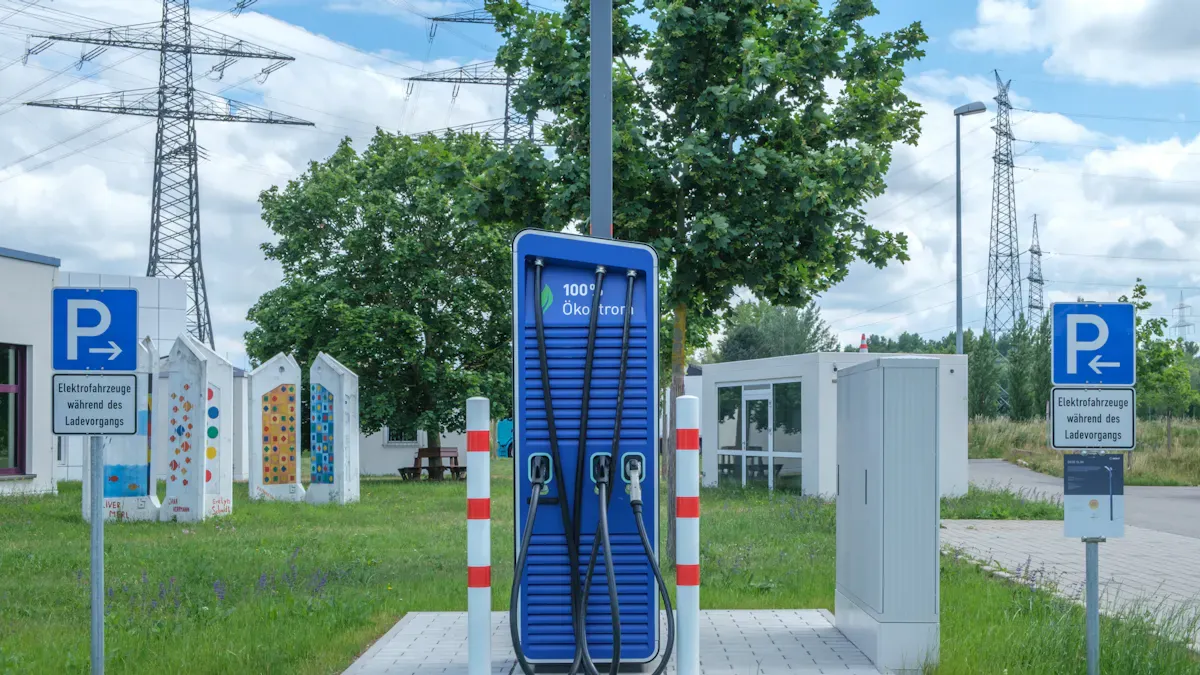
Limitations of Public EV Charging Infrastructure
Availability and Reliability Issues
Public charging infrastructure in the UK faces several challenges that impact EV drivers daily. Many charging stations remain inaccessible or unreliable, which creates uncertainty for those planning longer journeys. The grid connection process often delays the deployment of new charging stations. Operators must navigate inconsistent application procedures across different Distribution Network Operators, which slows down the expansion of charging infrastructure. The electricity network also requires significant upgrades to support the rising demand from EV charging and new low carbon generation. These barriers make it difficult for drivers to trust that charging stations will be available when needed.
Note: The UK government and industry leaders recognize the need for improving charging infrastructure to ensure accessibility and avoid creating new inequalities.
Charging Anxiety vs. Range Anxiety
Charging anxiety has emerged as a related but distinct concern for EV owners. While range anxiety focuses on the fear of running out of battery before reaching a charging station, charging anxiety centers on the uncertainty of finding a working, available charger. Limited range, scarce or inconveniently located charging stations, and longer charging times compared to refueling traditional vehicles all contribute to these anxieties. Many drivers feel uneasy about whether they can recharge their EVs quickly and efficiently, especially during peak travel times.
Inconvenience of Relying on Public Chargers
Waiting Times and Detours
Relying on public charging stations often leads to delays and frustration. A recent study found that the average wait time for a public charger in the UK is 22 minutes. Two-thirds of EV drivers have experienced waits of more than 10 minutes at charging stations. These delays can disrupt travel plans and increase stress, especially when drivers must wait in line or take detours to find an available charger. The unpredictability of wait times makes public charging less appealing for daily use.
- Average wait time: 22 minutes
- 66% of drivers have waited over 10 minutes
- Many report frequent detours to locate available charging stations
Impact on Daily Electric Vehicle Use
The inconvenience of public charging affects how drivers use their EVs. Many plan their routes around the location of charging stations, which limits flexibility. Some avoid longer trips altogether due to concerns about charging infrastructure reliability. The time spent waiting at charging stations or searching for a working charger can add up, reducing the overall convenience of owning an EV. These challenges highlight why many drivers seek alternatives, such as حلول الشحن المنزلي, to reduce range anxiety and improve their daily experience.
What Makes a Home Level 2 Charger Essential for EV Owners

How Level 2 Charging Works for Electric Vehicles
Charging Speed Compared to Standard Outlets
Level 2 charging technology delivers a significant upgrade over standard outlets for ev owners. Standard outlets, also known as Level 1 chargers, provide slow charging speeds that often require more than a full day to recharge an ev battery. In contrast, Level 2 chargers operate at a 240-volt supply and can add approximately 15–25 miles of range per hour. This capability allows most ev drivers to achieve a full charge overnight, which directly addresses range anxiety. The faster charging speed means drivers can rely on their electric vehicle for daily commutes and longer journeys without constant concern about battery levels.
Technical Basics Explained Simply
Level 2 chargers require التركيب الاحترافي to ensure safety and optimal performance. These chargers use intelligent charging features that adjust power levels based on electricity tariffs, making them more cost-effective for ev owners. Many modern systems, such as those offered by TPSON, integrate advanced technology to maximize efficiency and reliability. The combination of higher voltage and smart charging ensures that ev drivers experience fewer interruptions and greater peace of mind. Level 2 charging technology supports the needs of both new and experienced ev users, making it a practical solution for households across the UK.
Home Charging vs. Public Charging for Reducing Range Anxiety
Power, Speed, and Accessibility
The most significant practical division in ev ownership exists between those who can charge at home and those who cannot. Home charging provides a reliable solution that completely alleviates range anxiety for daily driving. Public charging stations often present challenges, such as limited availability and unpredictable wait times, which can increase stress for ev drivers. Home Level 2 chargers offer consistent power, faster charging speeds, and immediate accessibility. This combination allows drivers to start each day with a full battery, eliminating the need for last-minute charging runs.
| نوع الشحن | التكلفة لكل ميل | الملاءمة | التحكم |
|---|---|---|---|
| الشحن المنزلي | 5–8p | عالية | عالية |
| الشحن العام | 12–25p | أقل | أقل |
This table highlights the advantages of home charging over public options. Lower costs and greater convenience make home charging the preferred choice for many ev owners.
Control Over Your EV Charging Schedule
Home charging allows ev drivers to manage their charging routines with complete control. The predictability of charging at home eliminates daily range anxiety and supports flexible schedules. Key benefits include:
- Home charging enables overnight charging, providing a full battery each morning.
- The routine of charging at home removes uncertainty from daily travel.
- Drivers avoid the inconvenience of searching for available public chargers.
TPSON’s advanced solutions further enhance the home charging experience by offering smart features and seamless integration with various ev models. By investing in a home Level 2 charger, drivers take a proactive step toward reducing range anxiety and ensuring reliable performance from their electric vehicle.
How a Home Level 2 Charger Directly Reduces Range Anxiety
Reliable Overnight Charging for Electric Vehicles
Always Start with a Full Battery
A primary benefit of installing a home Level 2 charger is the ability to reliably charge an electric vehicle overnight. This ensures that every morning begins with a fully charged battery, directly addressing ev range anxiety. Drivers no longer need to worry about running low during the day or planning their routes around charging stations. Charging overnight offers a consistent, predictable routine that keeps the vehicle ready for daily use, whether for commuting or leisure trips.
No More Last-Minute Charging Runs
With a dependable home charging setup, drivers eliminate the need for last-minute trips to public chargers. Public stations can be unreliable or busy, leading to delays and added stress. Instead, owners can simply plug in their EV at home, knowing it will be ready when needed. This convenience reduces the likelihood of unexpected range issues, making daily driving more straightforward and less stressful.
Convenience and Time Savings for EV Owners
Charge on Your Own Schedule
Charging at home allows EV owners to set their schedule without dependence on public charging availability. Overnight charging fits seamlessly into daily routines, saving time and effort. This flexibility means drivers can focus on their day-to-day activities without worrying about finding a charging point or waiting in line. As a result, they maximize their EV’s potential while minimizing inconvenience.
Skip Public Charging Hassles
Public charging stations often involve waiting times, detours, and sometimes even payment complications. Studies show that the average wait time at UK public chargers can be around 22 minutes, with many drivers experiencing waits exceeding 10 minutes. These delays disrupt plans and add unnecessary stress. By charging at home, drivers avoid these hassles entirely, gaining more control over their EV experience and reducing ev range anxiety.
Cost Savings with Home EV Charging
Lower Home Electricity Rates
Charging an EV at home typically costs around 15p per kilowatt-hour, significantly less than public charging, which can exceed 50p per kWh. This difference translates into substantial annual savings—often between £600 and £700—compared to relying solely on public chargers. For high-mileage drivers, these savings can reach over £1,000 each year, making home charging a financially advantageous choice.
Avoiding Public Charging Fees
Public charging stations often impose higher fees to cover infrastructure costs, which can quickly add up. Frequent use of public chargers may lead to increased expenses, sometimes surpassing the cost of home charging. By investing in a home Level 2 charger, EV owners can avoid these fees altogether, leading to more predictable and lower energy costs. Over time, this approach not only reduces ev range anxiety but also enhances overall affordability.
Peace of Mind and Reducing EV Range Anxiety
Control Over Charging Routine
Home Level 2 chargers give EV owners unmatched control over their charging routine. They can plug in their vehicles as soon as they arrive home, just like charging a smartphone. This flexibility means drivers do not need to plan their day around public charging station availability. They can choose the most convenient time to charge, whether during off-peak hours or overnight. This approach removes the uncertainty that often fuels range anxiety.
Many drivers report that home charging increases their confidence in daily travel. They know their EV will be ready each morning, regardless of unexpected schedule changes. The ability to manage charging times also allows them to take advantage of lower energy tariffs, which makes the process more affordable. Professional installation of Level 2 chargers ensures safety and compliance with UK standards, further boosting confidence in the system.
- Home charging eliminates the need to search for available public chargers.
- Drivers avoid waiting in queues or making detours for charging.
- The system supports efficient charging, even for high-mileage users.
This level of control transforms the EV ownership experience. It shifts the focus from worrying about battery levels to enjoying the benefits of electric mobility.
Reduced Stress and Worry
Range anxiety remains a significant barrier for many potential EV owners. The fear of running out of charge can overshadow the advantages of electric vehicles. Home Level 2 chargers address this concern directly by providing a reliable and predictable charging solution. Drivers no longer need to monitor public charging station status or adjust their plans due to limited infrastructure.
Charging at home reduces stress by removing the hassle of managing charging schedules. Owners can trust that their EV will always have enough range for daily needs. This assurance leads to greater confidence in using their vehicle for both short commutes and longer journeys. Many users find that their overall stress levels decrease once they install a home charger.
- Home charging is generally more affordable than public options, especially with favorable energy tariffs.
- Many EV owners report significant cost savings, sometimes cutting fueling expenses in half.
- The convenience of charging at home supports a worry-free driving experience.
Professional installation and the robust design of Level 2 chargers provide additional peace of mind. Owners know their equipment meets safety standards and can handle high-load use. This reliability further reduces ev range anxiety and encourages more drivers to make the switch to electric vehicles.
Tip: Consistent home charging builds confidence and helps drivers overcome range anxiety, making electric vehicle ownership more enjoyable and practical.
Addressing Common Concerns About Home Level 2 Chargers for Electric Vehicles
Installation Process and Costs for UK EV Owners
ما يمكن توقعه أثناء التركيب
Many UK homeowners express concern about the installation process for a home Level 2 charger. Installers follow a structured approach to ensure safety and compliance. The process begins with site preparation, where power is switched off and safety barriers are set up. Electricians confirm measurements before starting electrical work. They install a dedicated circuit breaker, run cabling, and ensure proper earthing. The charging unit is then mounted, and electrical connections are made. Initial testing follows to check functionality. The final step involves comprehensive testing and commissioning before handover. The table below outlines each stage:
| الخطوة | الوصف |
|---|---|
| 1 | Site Preparation and Safety: Power is switched off, safety barriers are set up, and final measurements are confirmed. |
| 2 | Electrical Work and Circuit Installation: A dedicated circuit breaker is installed, cabling is run, and proper earthing is ensured. |
| 3 | Charger Mounting and Connection: The charging unit is mounted, electrical connections are made, and initial testing begins. |
| 4 | Testing and Commissioning: Comprehensive testing is conducted to ensure safety and functionality before handover. |
Typical Price Range in the UK
The cost of installing a home شاحن المستوى 2 varies. Most UK homeowners pay between £800 and £1,500 for installation. A standard 7kW charger costs around £1,000. These prices reflect the complexity of the installation and the need for professional electrical work. Many drivers find that the investment pays off through reduced reliance on public charging infrastructure and lower energy costs.
Compatibility with UK Homes and Electric Vehicles
المتطلبات الكهربائية المنزلية
Compatibility issues often arise in older UK properties. Many homes have outdated wiring or insufficient electrical capacity. An electrical assessment is crucial to determine if the system can handle the increased load from a Level 2 charger. Failing to evaluate capacity may lead to safety concerns, compliance issues, or unexpected costs. Electricians recommend upgrades for homes in historic areas to ensure safe operation and reliable ev charging.
توافق المركبة
Not all chargers suit every vehicle or home setup. Owners must ensure the charger matches the EV’s connector type, which is most commonly Type 2 in the UK. First-time users sometimes face issues with inefficient charging or voided warranties. Integration with smart scheduling apps can present challenges, especially for older properties. Upgrades may be necessary to support the charging infrastructure and maintain compatibility.
Tip: Always consult a qualified installer to assess compatibility and avoid unexpected issues.
Government Grants and Incentives for Reducing Range Anxiety
Current UK Schemes
The UK government supports EV adoption through the Electric Vehicle Homecharge Scheme (EVHS). This scheme offers up to £350 off installation costs for eligible homeowners. The grant covers up to 75% of the total cost for purchasing and installing a home charging point. Local authorities may provide additional grants, which vary by region. These incentives make home charging more affordable and encourage drivers to reduce range anxiety by relying less on public charging infrastructure.
How to Apply
Homeowners can apply for the EVHS grant by selecting an approved installer and confirming eligibility. The installer submits the application on behalf of the homeowner. Applicants must own an eligible electric vehicle and have off-street parking. The grant reduces upfront costs and supports the transition to reliable home charging. By alleviating financial barriers, government incentives help more drivers overcome range anxiety and enjoy the benefits of EV ownership.
Real-World Experiences: Reducing Range Anxiety with Home Level 2 Chargers
Testimonials from UK EV Owners
Many UK drivers have shared their experiences after installing a home Level 2 charger. They describe a noticeable shift in their daily routines. One London commuter explained that he no longer worries about finding a public charging station before work. He simply plugs in his EV at night and starts each morning with a full battery. This routine has removed the stress of running low on charge during busy weekdays.
A family in Manchester reported that their home charger made weekend trips more enjoyable. They used to plan outings around public charging points. Now, they trust their EV to handle both short errands and longer journeys. The convenience of الشحن المنزلي has improved their confidence in electric vehicle ownership.
UK electric vehicle owners consistently report that a home Level 2 charger allows them to start each day with a fully charged battery. This practice effectively removes concerns about running out of charge during daily commutes, especially in urban settings. Many drivers say that range anxiety no longer affects their travel decisions. They feel more in control of their schedules and less dependent on public infrastructure.
“Charging at home means I never have to worry about my EV’s range. I just plug it in overnight and it’s ready to go every morning.”
— Sarah, EV owner in Bristol
Data on EV Range Anxiety Reduction
Recent surveys and studies highlight the impact of home Level 2 chargers on range anxiety. According to a 2025 UK driver survey, over 80% of EV owners with home charging report little or no range anxiety. In contrast, only 45% of those relying on public charging express the same confidence. This data shows a clear link between home charging and reduced stress for EV drivers.
A table below summarizes the findings:
| طريقة الشحن | Percentage Reporting Low Range Anxiety |
|---|---|
| Home Level 2 Charger | 82% |
| Public Charging Only | 45% |
EV owners with home chargers also report higher satisfaction with their vehicles. They use their EV for a wider range of activities, including longer trips and spontaneous outings. The ability to charge overnight at home removes the need for last-minute detours or waiting in line at public stations.
Many drivers note that home charging supports better energy management. They can take advantage of off-peak electricity rates and monitor their EV’s charging status through smart apps. This control further reduces range anxiety and makes electric vehicle ownership more practical for everyday life.
Is a Home Level 2 Charger Right for Your Electric Vehicle?
Key Questions for UK EV Owners
Choosing a home Level 2 charger represents a significant decision for any EV owner. They should evaluate several important factors before moving forward.
- Budget: Owners need to assess their budget for both the charger and installation. Costs can vary based on the charger’s features and the complexity of the installation.
- Grants and Incentives: Many drivers benefit from researching available government schemes or utility rebates. These programs can help offset the initial investment.
- Electrical Capacity: Homeowners must ensure their property’s electrical system can handle the additional load of a Level 2 charger. An electrician can inspect the system and recommend upgrades if necessary.
- Regulations and Permits: Local regulations may require specific permits or adherence to safety standards. Owners should check these requirements before installation.
- Future Expansion: As EV adoption increases, some households may need more than one charger. Planning for future needs can prevent costly upgrades later.
- Choose the Right Partners: Certified electricians and reputable charger providers ensure a safe and reliable installation.
- Power Output: Chargers with higher kilowatt ratings, such as 7kW, deliver faster charging. Owners should match the charger’s output to their EV’s capabilities.
- Safety Features: Overload protection and weatherproof enclosures are essential, especially for outdoor installations.
- Identify Power Requirements: Understanding both the home’s and the EV’s power needs prevents compatibility issues.
نصيحة: Consulting a qualified electrician before installation helps avoid unexpected costs and ensures the system meets all technical requirements.
Next Steps for Reducing Range Anxiety
After considering these questions, EV owners can take practical steps to reduce range anxiety and enhance their driving experience.
- Invest in a home charger to enjoy overnight charging convenience and peace of mind.
- Utilize electric vehicle tariffs to lower charging costs and maximize savings.
- Plan routes and familiarize themselves with charging points along regular journeys.
- Use smart navigation systems that provide real-time information on charging locations and vehicle range.
- Charge during meal breaks أو التوقفات الروتينية الأخرى لإضافة مدى دون إطالة وقت السفر.
- قم بالقيادة بكفاءة باستخدام التسارع والفرامل السلسة، مما يساعد على تعظيم مدى السيارة الكهربائية.
- ابقَ على اطلاع بأحدث تقنيات السيارات الكهربائية لتحسين أداء البطارية وخيارات الشحن.
- استخدم تطبيقات مثل Zap-Map لتحديد مواقع شواحن العامة والتحقق من التوافر في الوقت الفعلي.
يقدم شاحن المنزل من المستوى 2 حلاً موثوقاً لاحتياجات الشحن اليومية. باتباع هذه الخطوات، يمكن لمالكي السيارات الكهربائية تقليل التوتر والاستفادة القصوى من إمكانيات مركباتهم. فهم يكتسبون سيطرة أكبر على روتين الشحن ويقللون الاعتماد على البنية التحتية العامة. يعالج هذا النهج قلق المدى ويدعم الانتقال السلس إلى التنقل الكهربائي.
يعد تركيب شاحن منزلي من المستوى 2 الحل الأكثر فعالية لتقليل قلق المدى بين مالكي السيارات الكهربائية في المملكة المتحدة. يُظهر تحليل RAC أن الشحن المنزلي يلغي قلق المدى لـ 94% من الرحلات اليومية, مما يسمح للسائقين ببدء كل يوم ببطارية كاملة ومدى يزيد عن 200 ميل. يتمتع مالكو السيارات الكهربائية بشحن ليلي موثوق، وتوفير كبير في التكاليف، وسيطرة كاملة على روتين الشحن الخاص بهم. يسلط الجدول أدناه الضوء على الفوائد طويلة المدى للشحن المنزلي للسيارات الكهربائية:
| نوع المنفعة | الوصف |
|---|---|
| الوفورات في التكاليف | تسمح شواحن السيارات الكهربائية المنزلية للمالكين باستخدام أسعار كهرباء أقل وتجنب رسوم الشحن العامة. |
| الفوائد البيئية | غالباً ما يستخدم الشحن المنزلي طاقة أنظف، مما يقلل الاعتماد على الوقود الأحفوري والانبعاثات. |
| زيادة قيمة العقار | يمكن لشواحن السيارات الكهربائية المنزلية أن تعزز قيمة العقار مع زيادة اعتماد المركبات الكهربائية. |
يجعل اختيار شاحن منزلي من المستوى 2 رحلة السيارة الكهربائية خالية من القلق وجاهزة للمستقبل.
الأسئلة الشائعة
ما هو شاحن السيارة الكهربائية المنزلي من المستوى 2؟
يستخدم شاحن السيارة الكهربائية المنزلي من المستوى 2 إمداداً بجهد 240 فولت لشحن السيارات الكهربائية بسرعة أكبر بكثير من المقبس القياسي. يمكن لمعظم السائقين شحن سياراتهم الكهربائية بالكامل خلال الليل، مما يجعل الاستخدام اليومي أكثر ملاءمة وموثوقية.
كم من الوقت يستغرق شحن سيارة كهربائية بشاحن من المستوى 2؟
تضيف معظم شواحن المستوى 2 مدى من 15 إلى 25 ميلاً في الساعة. تشحن بطارية السيارة الكهربائية المتوسطة من فارغة إلى كاملة في 6-8 ساعات. قد تختلف أوقات الشحن حسب حجم البطارية وقوة الشاحن.
هل منزلي متوافق مع شاحن المستوى 2؟
تدعم معظم المنازل الحديثة في المملك المتحدة تركيب شاحن المستوى 2. قد تحتاج العقارات الأقدم إلى ترقية كهربائية. يمكن لفني كهربائي مؤهل تقييم تمديدات المنزل والتوصية بأي تحسينات ضرورية.
كم تبلغ تكلفة تركيب شاحن المستوى 2؟
تتراوح تكاليف التركيب عادةً بين 800 و1500 جنيه إسترليني. يعتمد السعر النهائي على نموذج الشاحن، وتمديدات المنزل، وأي ترقيات مطلوبة. يمكن للمنح الحكومية أن تقلل التكلفة الإجمالية.
هل يمكنني استخدام شاحن المستوى 2 مع أي سيارة كهربائية؟
تستخدم معظم السيارات الكهربائية الجديدة في المملك المتحدة الموصل من النوع 2، وهو متوافق مع شواحن المستوى 2. يجب على السائقين التحقق من مواصفات مركبتهم قبل شراء شاحن.
هل هناك منح حكومية لشواحن السيارات الكهربائية المنزلية؟
تقدم الحكومة البريطانية منحاً مثل مخطط شحن المنزل للمركبات الكهربائية (EVHS). يمكن لأصحاب المنازل المؤهلين الحصول على ما يصل إلى 350 جنيه إسترليني تجاه تكاليف التركيب. يتولى المثبتون المعتمدون عملية التقديم.
هل يزيد شاحن المنزل من المستوى 2 من قيمة العقار؟
يذكر العديد من سماسرة العقارات أن المنازل المزودة بنقاط شحن للسيارات الكهربائية تجذب المزيد من المشترين. يمكن لشاحن المنزل أن يعزز قيمة العقار، خاصة مع زيادة اعتماد السيارات الكهربائية.