German EV drivers face a crucial decision when choosing between Level 1 vs. Level 2 Charging. Level 2 charging stands out for speed and convenience, meeting the demands of most daily routines. Level 1 charging fits low-mileage drivers and those who rely on شواحن السيارات الكهربائية المحمولة. حلول شحن السيارات الكهربائية من الشركات الرائدة الشركات المصنعة لشاحن السيارة الكهربائية offer flexibility for every home. An شاحن السيارة الكهربائية supports efficient charging and helps maximize EV performance. EV owners in Germany must evaluate their driving habits and home setup to select the right option for their EV.
Tip: Consider your budget and daily mileage to determine which EV charging solution best fits your needs.
Level 1 vs. Level 2 Charging: What German EV Drivers Need to Know
Level 1 Charging Explained
EV Charging Basics
Level 1 charging uses a standard household outlet. Most German homes support this method without extra installation. Drivers can plug their EV directly into a wall socket. This approach offers the simplest entry into EV charging. It suits those who want to start with minimal investment. Level 1 charging delivers energy at a slower rate compared to other options.
Real-World Performance
Level 1 vs. level 2 charging shows clear differences in energy delivery and range replenishment. The following table compares the two:
| مستوى الشحن | الفولتية | Power Delivered | وقت الشحن | Range Replenished |
|---|---|---|---|---|
| المستوى 1 | 120V | Up to 1.4 kW | 8 hours | ~40 miles |
| المستوى 2 | 240V | حتى 7.2 كيلوواط | بين عشية وضحاها | Full charge |
Level 1 charging provides up to 1.4 kW of power. An EV can gain about 40 miles of range after eight hours. This speed may not meet the needs of drivers with long daily commutes. For those who drive short distances, this method can be sufficient.
When Level 1 Charging Is Enough
Some German EV drivers find level 1 charging meets their needs. This applies to those who:
- Drive less than 40 kilometers per day.
- Own a plug-in hybrid with a small battery.
- Have access to public charging points for emergencies.
- Want a backup solution at home.
Note: Level 1 charging works best for occasional drivers or as a secondary charging point. It does not suit those with high daily mileage or multiple EVs.
Level 2 Charging Overview
EV Charger Features
Level 2 charging offers advanced features and greater flexibility. Most German homes can install a محطة شحن مخصصة with the help of a professional. TPSON, a technologically advanced electric vehicle charging solution provider, supplies chargers with smart functions. The table below outlines the main features of level 2 chargers available in Germany:
| الميزة | الوصف |
|---|---|
| نوع الموصل | Type 2 EV charger with a seven-pin configuration, standard in Europe. |
| التوافق | Works with most EVs and plug-in hybrids, compliant with IEC 62196 standards. |
| Charging Speeds | Supports AC charging from 3.7 kW to 22 kW; DC fast charging can reach up to 350 kW. |
| Automatic Locking Mechanism | Enhances safety by minimizing cable theft. |
| Rugged Construction | Resistant to dust, rain, and wear, suitable for various environments. |
| خيارات الشحن الذكي | Many chargers offer app integration, Wi-Fi, and load balancing features. |
| وقت الشحن | Varies based on power rating: 3.7 kW (12 hours), 7.4 kW (6-8 hours), 11-22 kW (3-5 hours). |
Level 2 chargers support smart charging, app integration, and load management. These features help optimize energy use and improve convenience.
Charging Speed and Power
Level 1 vs. level 2 charging differs most in speed and power. Level 2 charging delivers up to 7.2 kW or more, depending on the charger and vehicle. Drivers can expect a full charge overnight, even for larger batteries. This speed supports busy lifestyles and longer commutes. Level 2 charging also suits homes with more than one EV.
When Level 2 Charging Is Necessary
Level 2 charging becomes essential for many German EV drivers. It is necessary when:
- Daily driving exceeds 40 kilometers.
- The household owns multiple EVs.
- Fast turnaround between trips is required.
- The driver wants to future-proof their home for new EV models.
Tip: Level 1 vs. level 2 charging should be evaluated based on daily mileage, number of vehicles, and charging time available. Level 2 charging offers the best balance of speed, convenience, and long-term value for most German EV owners.
EV Charging Speed: Level 1 vs. Level 2 Comparison
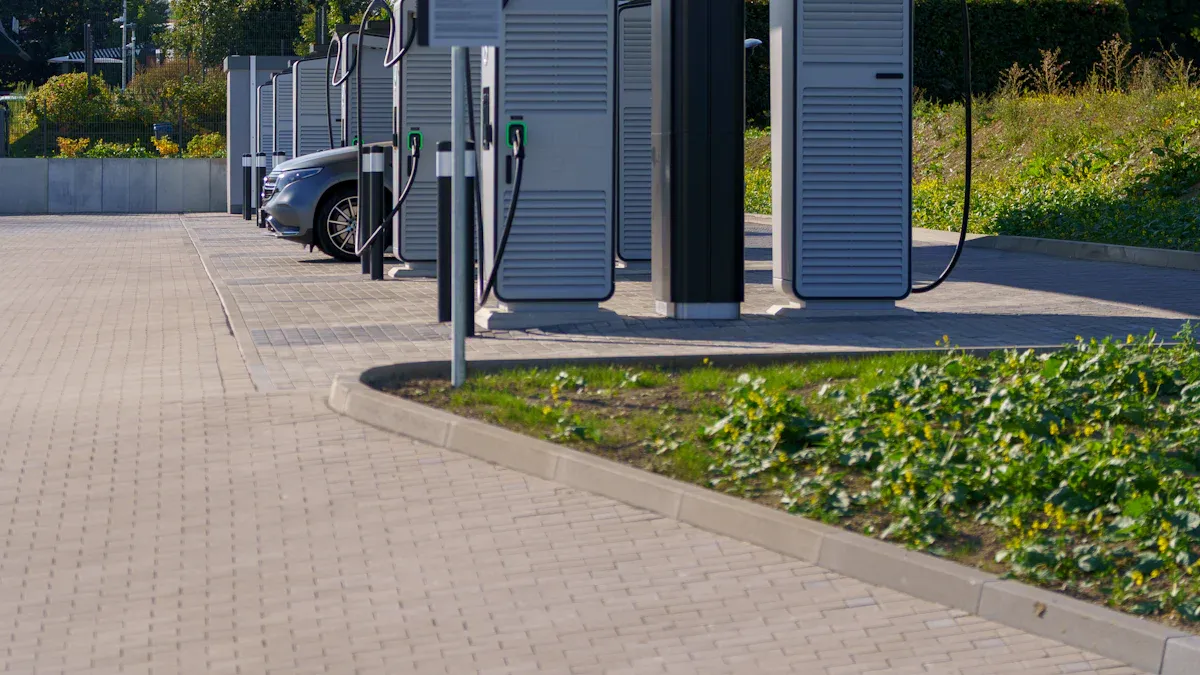
Charging Times for German EVs
Typical Models and Range
German EV drivers often select vehicles based on range and charging speeds. Popular models such as the Volkswagen ID.3, BMW i3, and Mercedes EQC offer battery capacities that suit urban and rural needs. The charging time for these vehicles depends on the charger type. Level 1 chargers require a significant commitment. Drivers may wait 40 to 50 hours or more to reach 80% battery capacity from empty. Level 2 chargers reduce this wait dramatically. Most vehicles reach 80% charge in 4 to 10 hours. This difference shapes how drivers plan their routines.
- Level 1 chargers: 40–50+ hours for 80% charge
- Level 2 chargers: 4–10 hours for 80% charge
A table below illustrates the charging times for typical German EVs:
| نموذج السيارة الكهربائية | حجم البطارية (كيلوواط/ساعة) | Level 1 Charging Time (80%) | Level 2 Charging Time (80%) |
|---|---|---|---|
| VW ID.3 | 58 | 45 hours | 6 hours |
| بي إم دبليو i3 | 42 | 32 hours | 4.5 hours |
| Mercedes EQC | 80 | 62 hours | 8 hours |
Full Charge vs. Top-Up
Drivers rarely charge their vehicle from empty to full. Most prefer top-up charging, which maintains battery health and supports daily use. Charging speeds decline above 80% battery capacity. This pattern encourages drivers to avoid frequent full charges. Top-up charging with Level 2 chargers fits busy schedules. Level 1 charging suits those who drive infrequently or cover short distances.
Note: Top-up charging helps preserve battery longevity and reduces waiting time for German EV owners.
التأثير على الروتين اليومي
Overnight Charging
Overnight charging remains a practical solution for many German households. Level 2 chargers allow drivers to plug in their vehicle after work and wake up to a nearly full battery. This routine supports consistent mobility and reduces stress. Level 1 chargers may not deliver enough energy overnight for high-mileage drivers. Those who rely on Level 1 charging often need to plan their trips carefully.
Busy Lifestyles
Charging speed influences daily routines and convenience. Drivers with demanding schedules benefit from faster charging speeds. They spend less time waiting and more time using their vehicle. Frequent charging impacts battery degradation. Drivers who charge their EV often must consider battery health. Fast charging speeds decline above 80% battery charge, so many drivers avoid topping up to full capacity every day. This practice extends battery life and supports flexible use.
- Charging speed affects battery degradation and charging frequency.
- Fast charging speeds decline above 80% battery charge.
- Frequent charging impacts battery longevity and convenience.
German EV drivers adapt their routines based on charging speeds and vehicle needs. Level 2 charging supports busy lifestyles and future mobility.
Cost of EV Charging: Level 1 vs. Level 2
Installation Costs for Chargers
Level 1 Setup
Level 1 charging station installation requires minimal infrastructure. Most German homes already have the standard outlets needed for basic EV charging. Drivers can use the charger supplied with their electric vehicle. No specialized installation or upgrades are necessary. This setup appeals to those who want to avoid additional infrastructure costs. Compatibility remains high, as nearly every home supports this standard. Level 1 charging infrastructure offers a simple entry point for EV owners.
Level 2 Setup
Level 2 charging station installation involves more infrastructure and planning. Electric vehicle owners must hire a certified electrician to install a dedicated charger. The process includes upgrading wiring, ensuring compatibility with the home’s electric system, and meeting German safety standards. Installation costs vary based on the charging station model, infrastructure complexity, and charger compatibility. Many drivers invest in Level 2 charging infrastructure to future-proof their homes and support faster charging. Apartment dwellers may need approval from property managers or local authorities. Level 2 charging station installation delivers greater flexibility and supports multiple EVs.
Electricity Costs and Efficiency
Energy Use
Electricity costs for EV charging depend on the charging station type and infrastructure efficiency. Level 1 charging uses standard household tariffs, which range from 0.20 to 0.40 euros per kWh. Level 2 charging stations may incur higher costs, especially with advanced infrastructure and faster chargers. The table below compares typical electricity costs and efficiency for German EV charging:
| مستوى الشحن | Cost per kWh (euros) | Efficiency (kWh/hour) | Range Added (km/hour) |
|---|---|---|---|
| المستوى 1 | 0.20 – 0.40 | غير متاح | غير متاح |
| المستوى 2 | Higher (2-3 times more) | Up to 7 | ما يصل إلى 40 |
Level 2 charging infrastructure delivers more energy per hour, adding up to 40 kilometers of range. Level 1 charging infrastructure suits occasional drivers who prioritize low cost and compatibility.
German Tariffs
German EV charging infrastructure relies on standard electricity tariffs. Level 1 charging stations use residential rates, while Level 2 charging stations may access commercial tariffs. Compatibility with local infrastructure affects the final cost. Some regions offer incentives for installing EV charging stations. Drivers should review tariff structures and charger compatibility before making a decision. Efficient charging infrastructure reduces long-term costs and supports sustainable electric mobility.
Long-Term Value of EV Charging
Resale and Future-Proofing
Investing in advanced EV charging infrastructure increases property value and supports future compatibility. Homes with Level 2 charging stations attract buyers who prioritize electric mobility. Standard installation ensures compatibility with new EV models and charging station upgrades. Level 2 charging infrastructure delivers faster charging and supports multiple vehicles. Resale value rises when homes feature modern charging infrastructure. Apartment owners benefit from shared charging stations and improved compatibility. Future-proofing with Level 2 charging infrastructure prepares homes for evolving electric vehicle standards.
Tip: German EV drivers should consider long-term infrastructure value and compatibility when choosing a charging station. Investing in Level 2 charging infrastructure supports resale, flexibility, and sustainable electric mobility.
A comparison of charging efficiency highlights the benefits of advanced infrastructure:
| نوع الشاحن | ناتج الطاقة | سرعة الشحن | الأفضل لـ |
|---|---|---|---|
| المستوى 1 | 1.4kW-1.9kW | 3-5 miles per hour | PHEVs or short daily commutes |
| Level 2 (7.4kW) | 7.4 كيلوواط | 25 miles per hour | Average EVs, full charge in ~8 hours |
| Level 2 (22kW) | 22 كيلو وات | Faster than 7.4kW | High-end residential or commercial use |
Level 2 charging infrastructure offers superior compatibility, speed, and long-term value. German EV drivers benefit from investing in modern charging stations and robust infrastructure.
Convenience and Practicality of EV Charging
Home Charging Setup
Space and Power Needs
German EV drivers often prioritize a seamless charging experience at home. A home EV charger requires careful consideration of available space and electrical capacity. Many homes in Germany feature garages or driveways, which provide ideal locations for installing a suitable home EV charger. The installation process involves assessing the power supply and ensuring compatibility with the EV. المستوى 1 charging uses a standard outlet, making it accessible for most households. المستوى 2 charging demands a dedicated 240-volt circuit, which may require professional installation. Drivers benefit from a reliable home EV charger that supports their daily routines and maximizes convenience.
Tip: Evaluate your home’s electrical panel and parking area before selecting a home EV charger. Proper planning ensures a safe and efficient charging experience.
Apartment and Rental Solutions
Apartment dwellers and renters face unique challenges when installing a home EV charger. Shared parking spaces and limited access to electrical infrastructure can complicate the process. Many property managers now recognize the growing demand for EV charging and offer solutions such as communal charging stations or designated spots for home EV chargers. Renters should communicate with landlords to explore installation options. Portable chargers and plug-in solutions provide flexibility for those who move frequently. A home EV charger enhances the charging experience and supports sustainable mobility, even in multi-unit buildings.
Flexibility for German EV Drivers
Urban vs. Rural Charging
Urban and rural environments present distinct challenges for EV charging. Urban areas offer more public charging stations, but city planners often focus on public transport and congestion reduction rather than expanding charging infrastructure. Rural regions experience limited access to charging stations, leading to range anxiety among EV drivers. A home EV charger becomes essential in rural settings, providing reliable charging and reducing dependence on public infrastructure. Urban drivers may rely on a combination of home EV chargers and public stations to maintain a consistent charging experience.
| مستوى الشحن | الفولتية | سرعة الشحن | Ideal For |
|---|---|---|---|
| المستوى 1 | 120V | بطيء | Overnight charging for lower daily ranges |
| المستوى 2 | 208-240V | أسرع | Most daily needs, charging in 4-10 hours for BEVs |
Commuters vs. Occasional Drivers
German EV drivers display diverse daily routines. Commuters require a charging experience that fits their busy schedules. الشحن من المستوى 2 offers rapid energy replenishment, supporting longer commutes and frequent use. Occasional drivers benefit from Level 1 charging, which provides simple overnight charging for lower daily driving needs. The flexibility of a home EV charger allows drivers to tailor their charging experience to their lifestyle.
- Level 1: Best for users with lower daily driving needs, allowing for simple overnight charging.
- Level 2: Recommended for those who require quicker charging solutions, fitting into busier daily schedules.
- Home EV charger: Supports both scenarios, enhancing convenience and practicality.
A suitable شاحن السيارة الكهربائية المنزلي improves the charging experience for all German EV drivers, regardless of their routine or location.
Decision Guide: Choosing the Right EV Charger
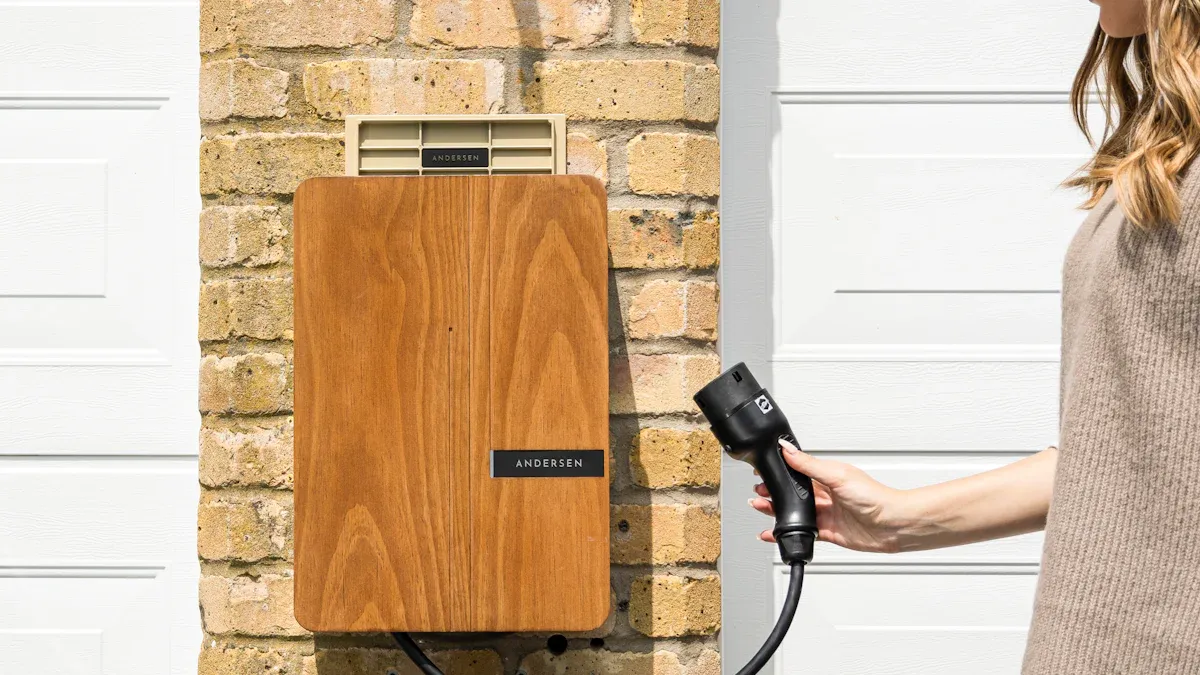
Checklist for German EV Drivers
المسافة المقطوعة يومياً
German EV drivers should first assess their average daily mileage. Those who travel less than 40 kilometers per day may find a basic EV charger sufficient. Level 1 chargers add only 3 to 5 miles of range per hour, making them suitable for short commutes or infrequent use. Drivers with longer daily routes require a faster solution to ensure their EV remains ready for every journey.
Number of EVs
Households with more than one EV must consider the increased demand on their charging setup. A single Level 1 charger may not provide enough power for multiple vehicles, especially if both require charging overnight. Level 2 chargers offer a practical solution, delivering 12 to 30 miles of range per hour and supporting efficient charging for several EVs within the same household.
Charging Time Available
The amount of time available for charging each day plays a crucial role in selecting the right charger. Drivers who can leave their EV plugged in overnight may manage with a slower charger. However, those with limited charging windows or unpredictable schedules benefit from the speed and flexibility of a Level 2 charger. Fast charging ensures the EV is always ready, even when time is short.
Tip: Review your daily routine and parking situation to determine how much time your EV can spend connected to a charger.
Matching EV Charging to Your Needs
Level 1 Charging Scenarios
Level 1 charging equipment usually comes with the EV, making it a cost-effective option for drivers who use their vehicle infrequently. This type of charger works best for:
- Drivers with low daily mileage.
- Households with a single EV.
- Those who have ample time to charge, such as overnight or during long periods at home.
- Users who want a backup charging method.
Level 1 chargers are typically used at home and are not practical for public charging scenarios due to their slow speed.
Level 2 Charging Scenarios
Level 2 chargers, while more expensive, are easier to install and provide a more efficient charging experience. These chargers suit drivers who:
- Require faster charging to support daily or long-distance travel.
- Own multiple EVs that need charging at the same time.
- Want to future-proof their home for new EV models.
- Prefer the convenience of efficient overnight charging.
A comparison of charger types helps clarify the best fit for different needs:
| نوع الشاحن | سرعة الشحن | نوع الموصل | الملاحظات |
|---|---|---|---|
| AC (7kW) | Most wallbox chargers | Type 2, Type 1 | Fills most EV batteries overnight |
| DC (50kW+) | Fast public chargers | CCS2 | Can charge to 80% in under an hour |
| AC (11kW, 22kW) | نقاط الشحن العامة | Requires three-phase electricity | Generally not available for homes |
| CCS | Combined charging system | Type 2/Type 1 with DC connector | Allows for faster charging speeds |
Selecting the right EV charger depends on daily habits, the number of vehicles, and available charging time. German EV drivers who prioritize efficiency and flexibility often choose Level 2 chargers for their homes.
Common Concerns About EV Charging
Is Level 2 Charging Always Needed
Many German EV drivers wonder if a شاحن المستوى 2 is necessary for their daily routines. Some drivers use their vehicles for short trips or occasional errands. They find that a basic charger meets their needs. Others rely on public chargers for top-ups during shopping or work hours. For drivers with low daily mileage, a standard charger provides enough range overnight. However, those with longer commutes or multiple vehicles benefit from faster charging speeds. Public chargers offer flexibility but may not always be available or convenient. A level 2 charger supports busy lifestyles and ensures the vehicle is ready each morning. Drivers who plan to upgrade their EV or increase usage should consider installing a faster charger at home.
Note: Public chargers supplement home charging but do not replace the reliability of a dedicated charger for frequent use.
Battery Safety with Level 1 Charging
Battery safety remains a top concern for EV owners. الشحن من المستوى 1 uses lower power and generates less heat. This method reduces stress on the battery and supports long-term health. Drivers who use a basic charger avoid rapid temperature changes and minimize wear. Public chargers often deliver higher power, which can accelerate battery aging if used frequently. A charger with proper safety features protects the battery from overcharging and voltage spikes. German EVs include built-in safeguards that monitor charging conditions. Drivers should follow manufacturer guidelines and avoid using damaged chargers. Regular inspection ensures safe operation and preserves battery performance.
- Level 1 charging supports gradual energy replenishment.
- Public chargers provide convenience but require careful use.
- A charger with safety certifications offers peace of mind.
Installing a Level 2 Charger in Germany
Installing a level 2 charger in Germany involves several legal and technical steps. Licensed professional electricians must perform the installation. Compliance with BS7671 code and the Code of Practice for Electric Vehicle Charging Equipment Installation is mandatory. Engaging a qualified and certified professional ensures safety and reliability. Electricians follow IEC 60364-4-44 and IEC 60364-5-54 standards. They also adhere to VDE Application Rule N 4100, the relevant German regulation. All DEHN solutions and products meet these requirements. Information about standard compliance is available from manufacturers and installers.
- Installation by licensed professionals is required.
- Compliance with national and international standards is essential.
- Certified products and solutions guarantee safety.
Tip: Drivers should consult a certified electrician before installing a charger. Proper installation ensures safe operation and meets legal requirements.
Public chargers remain an option for those who cannot install a home charger. Apartment dwellers and renters often rely on public chargers for daily use. However, a dedicated charger at home offers greater convenience and supports future EV needs.
- Level 2 charging delivers speed, convenience, and future readiness for German EV drivers.
- Level 1 charging supports low-mileage or occasional use but may not match modern EV demands.
- Drivers should evaluate their daily routines and home environments before choosing a charger.
- Starting with Level 1 works for minimal needs. Planning for Level 2 ensures flexibility as EV usage grows.
Smart planning helps drivers maximize their EV investment and adapt to evolving mobility needs.
الأسئلة الشائعة
What is the main difference between Level 1 and Level 2 charging?
Level 1 charging uses a standard household outlet and charges slowly. Level 2 charging requires a dedicated station and delivers faster charging speeds. Most German EV drivers prefer Level 2 for daily use.
Can renters install a Level 2 charger in Germany?
Renters must obtain permission from property owners. Many apartment complexes now offer shared charging stations. Portable Level 2 chargers provide flexibility for renters who move frequently.
How long does it take to charge a typical EV with Level 2?
Charging times depend on battery size and charger power. Most German EVs reach 80% charge in 4 to 10 hours with Level 2 charging. Overnight charging fits most routines.
Is Level 1 charging safe for EV batteries?
Level 1 charging delivers low power and generates less heat. This method supports battery health and reduces wear. German EVs include safety features that monitor charging conditions.
Do Level 2 chargers increase home value?
Homes with installed Level 2 chargers attract buyers who prioritize electric mobility. Property value rises when modern charging infrastructure is available. Future-proofing supports resale and compatibility.
Are public charging stations reliable for daily use?
Public charging stations offer convenience in urban areas. Drivers may face wait times or limited availability during peak hours. Home charging provides reliability and supports daily routines.
What should drivers consider before installing a charger?
Drivers must assess daily mileage, number of EVs, and available charging time. Consulting a certified electrician ensures safe installation. Reviewing tariff structures and compatibility supports efficient charging.