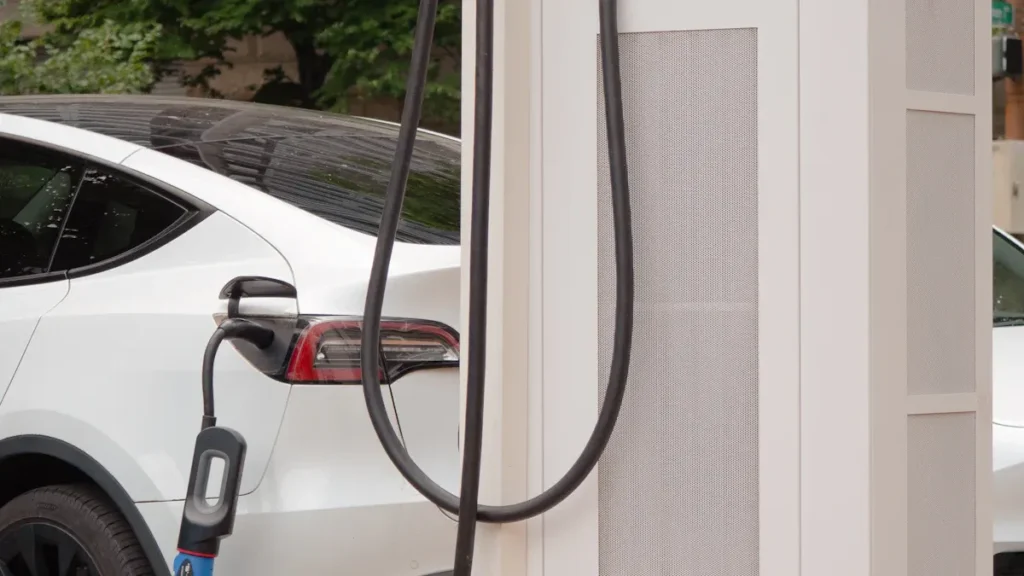
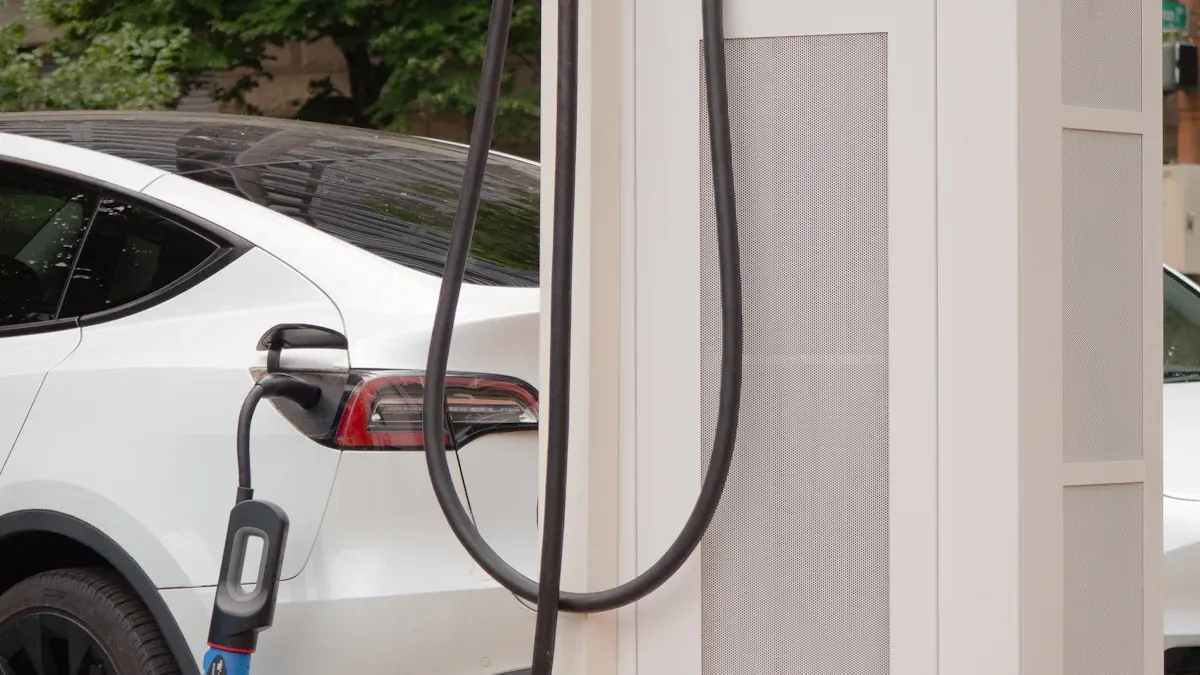
اختيار الطريقة المناسبة لشحن مركبة كهربائية يتطلب دراسة دقيقة للسرعة والتكلفة والراحة. يوفر الشحن من المستوى 3 نتائج أسرع بكثير من المستوى 2، لكنه يأتي بتكاليف أعلى وتوافر أقل. يوضح الجدول أدناه الفرق في قدرة الإخراج ووقت الشحن:
| نوع الشاحن | ناتج الطاقة (كيلوواط) | وقت الشحن (للمركبة الكهربائية المتوسطة) |
|---|---|---|
| المستوى 2 | 7 – 22 | ~8 ساعات (شحن كامل) |
| المستوى 3 | 50 – 350+ | 20 – 30 دقيقة (من 10% إلى 80%) |
الشركات المصنعة لشاحن السيارة الكهربائية تقدم الآن مجموعة واسعة من حلول شحن السيارات الكهربائية, بما في ذلك شواحن السيارات الكهربائية المحمولة لمرونة إضافية. كل خيار يلبي احتياجات مختلفة، لذا يجب على السائقين مراجعة ما يناسب روتينهم قبل اتخاذ القرار.
ما هو الشحن من المستوى 2 لشحن مركبة كهربائية؟
كيفية عمل الشحن من المستوى 2
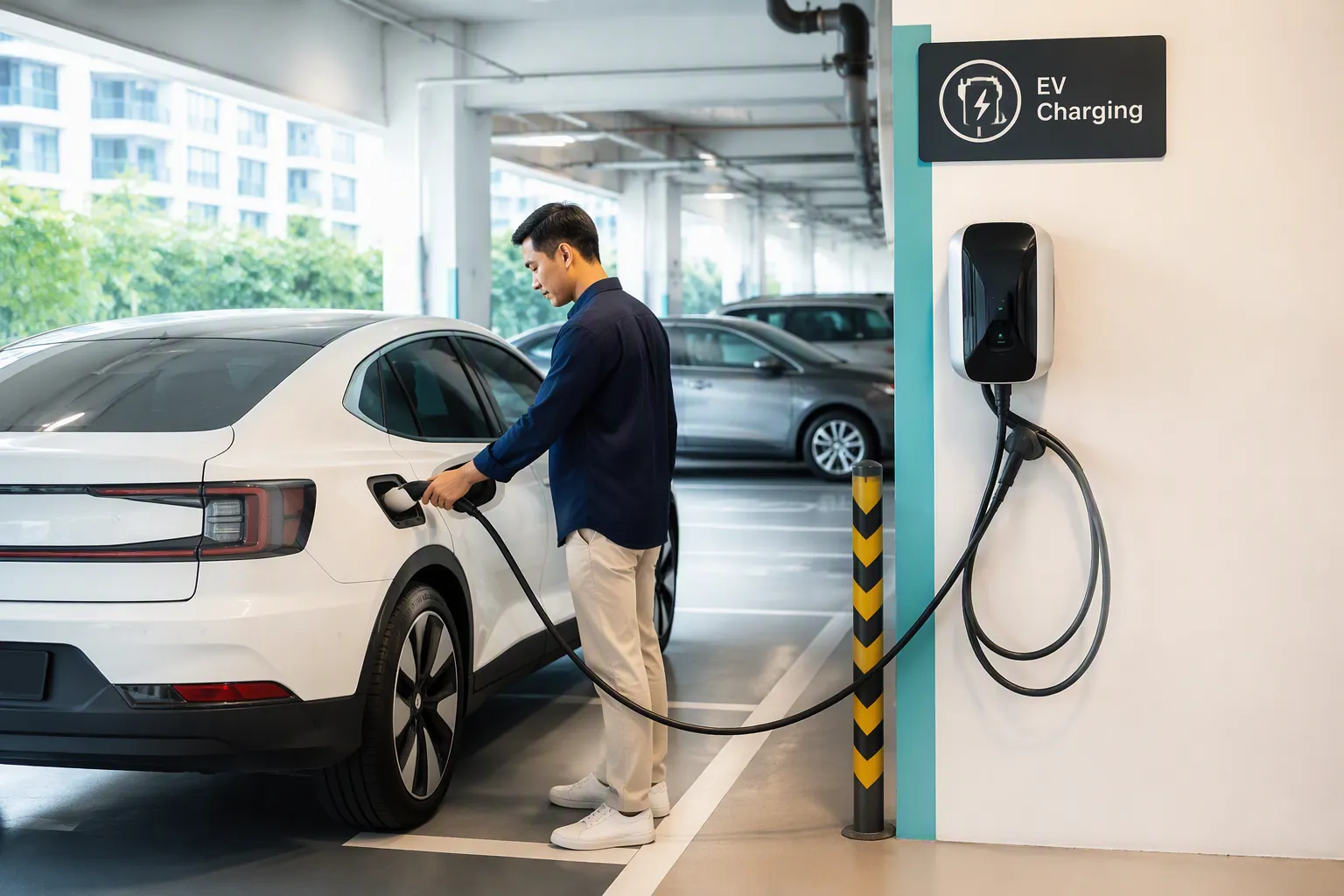
يستخدم الشحن من المستوى 2 مصدر طاقة 240 فولت لتوصيل الطاقة إلى مركبة كهربائية بشكل أسرع بكثير من مقبس المنزل القياسي. تعتمد هذه الطريقة على التيار المتردد (AC) وتتطلب محطة شحن مخصصة. يختار معظم السائقين الشحن من المستوى 2 للاستخدام اليومي لأنه يوازن بين السرعة والراحة.
شرح سرعة الشحن
تنتج محطات الشحن من المستوى 2 عادةً بين 3.7 كيلوواط و 22 كيلوواط. للاستخدام السكني، يتراوح الإخراج الأكثر شيوعًا بين 7 كيلوواط و 11 كيلوواط. تسمح سرعات الشحن هذه لمعظم المركبات الكهربائية بالشحن الكامل خلال الليل أو أثناء يوم العمل. يمكن للسائقين توقع إضافة 20 إلى 40 ميلاً من المدى في الساعة، اعتمادًا على المركبة والشاحن.
أين تجد شواحن المستوى 2
تظهر شواحن المستوى 2 في العديد من المواقع. غالبًا ما تحتوي مرائب المنازل ومواقف سيارات المكاتب ومراكز التسوق ومرافق وقوف السيارات العامة على هذه المحطات. تقدم شركات مثل TPSON حلولًا متطورة تكنولوجيًا تدعم التركيبات السكنية والتجارية. يجعل هذا الانتشار الواسع الشحن من المستوى 2 خيارًا عمليًا لمعظم السائقين.
تكلفة الشحن من المستوى 2
تكاليف التركيب المنزلي
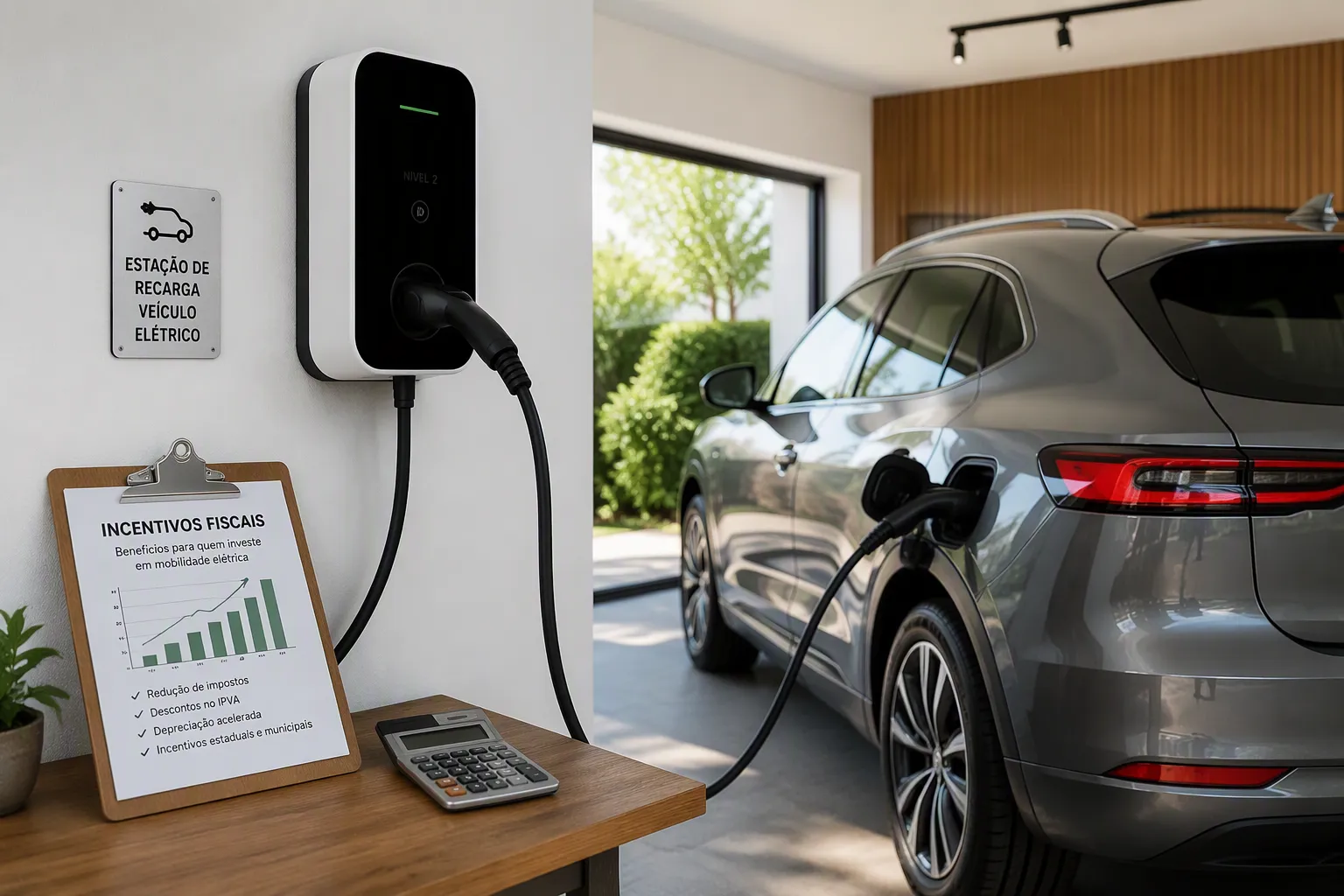
يتطلب تركيب محطة شحن من المستوى 2 في المنزل عادةً أعمال كهربائية احترافية. تتراوح تكلفة التركيب من 800 إلى 1,500 جنيه إسترليني, ، اعتمادًا على تعقيد الإعداد والمسافة من لوحة الكهرباء. يرى العديد من السائقين هذا استثمارًا لمرة واحدة يزيد من الراحة وقيمة العقار.
تكاليف الشحن العام
غالبًا ما تفرض محطات الشحن العامة من المستوى 2 أسعارًا أعلى لكل كيلوواط ساعة مقارنة بالشحن المنزلي. يقارن الجدول أدناه التكاليف النموذجية:
| نوع الشحن | التكلفة لكل كيلووات/ساعة |
|---|---|
| الشحن المنزلي | 0.14–0.18 جنيه إسترليني |
| الشحن العام | 0.45–0.59 جنيه إسترليني |
يجب على السائقين مراعاة هذه الاختلافات عند تخطيط روتين الشحن المنتظم.
التوافق والراحة
أي مركبات تستخدم المستوى 2
تدعم معظم المركبات الكهربائية الحديثة الشحن من المستوى 2. وهذا يشمل السيارات المدمجة والسيدان وسيارات الدفع الرباعي وحتى بعض السيارات الهجينة القابلة للشحن. تصمم الشركات المصنعة مركباتها لتقبل الموصلات القياسية التي تستخدمها محطات المستوى 2.
سيناريوهات الاستخدام اليومي
يناسب الشحن من المستوى 2 الحياة اليومية جيدًا. يمكن للسائقين توصيل مركباتهم خلال الليل في المنزل أو أثناء يوم العمل في المكتب. تقدم مراكز التسوق ومواقف السيارات العامة أيضًا خيارات مريحة للتعبئة. يجعل التوازن بين سرعات الشحن وإمكانية الوصول الشحن من المستوى 2 مثاليًا للتنقلات الروتينية والاستخدام المنتظم.
ما هو الشحن من المستوى 3 لشحن مركبة كهربائية؟

كيفية عمل شحن المستوى 3
يستخدم الشحن من المستوى 3، المعروف أيضًا باسم الشحن السريع بالتيار المستمر, ، التيار المستمر لتوصيل قدرة إخراج عالية إلى المركبات الكهربائية. تمكن هذه التكنولوجيا من نقل الطاقة بسرعة، مما يسمح للسائقين بإعادة شحن بطارياتهم بشكل أسرع بكثير من الشحن من المستوى 2. تتراوح سرعات نقاط الشحن للمستوى 3 عادةً من 50 كيلوواط إلى أكثر من 350 كيلوواط. يمكن لمعظم المحطات تجديد 10% إلى 80% من سعة البطارية في 20 إلى 30 دقيقة. تجعل هذه السرعة الشحن من المستوى 3 مثاليًا للسائقين الذين يحتاجون إلى العودة إلى الطريق بسرعة.
شرح سرعة الشحن
توفر محطات الشحن من المستوى 3 دفعة كبيرة في سرعة الشحن مقارنة بالمستويات الأدنى. غالبًا ما يحصل السائقون على شحن كامل في أقل من ساعة، اعتمادًا على حجم بطارية المركبة وقدرة إخراج المحطة. يمكن للمحطات عالية الطاقة إضافة مئات الأميال من المدى في فترة قصيرة، مما يجعلها ضرورية للسفر لمسافات طويلة.
أين تجد شواحن المستوى 3
تظهر محطات الشحن من المستوى 3 بشكل متكرر في المناطق الحضرية، وعلى طول الطرق السريعة الرئيسية، وفي المراكز التجارية. يوضح الجدول التالي توزيع أجهزة الشحن:
| نوع المنطقة | نسبة أجهزة الشحن |
|---|---|
| الإعداد الحضري | 84.6% |
| التجمع الحضري الرئيسي | 47.8% |
| القرية الريفية والمتناثرة | 7.7% |
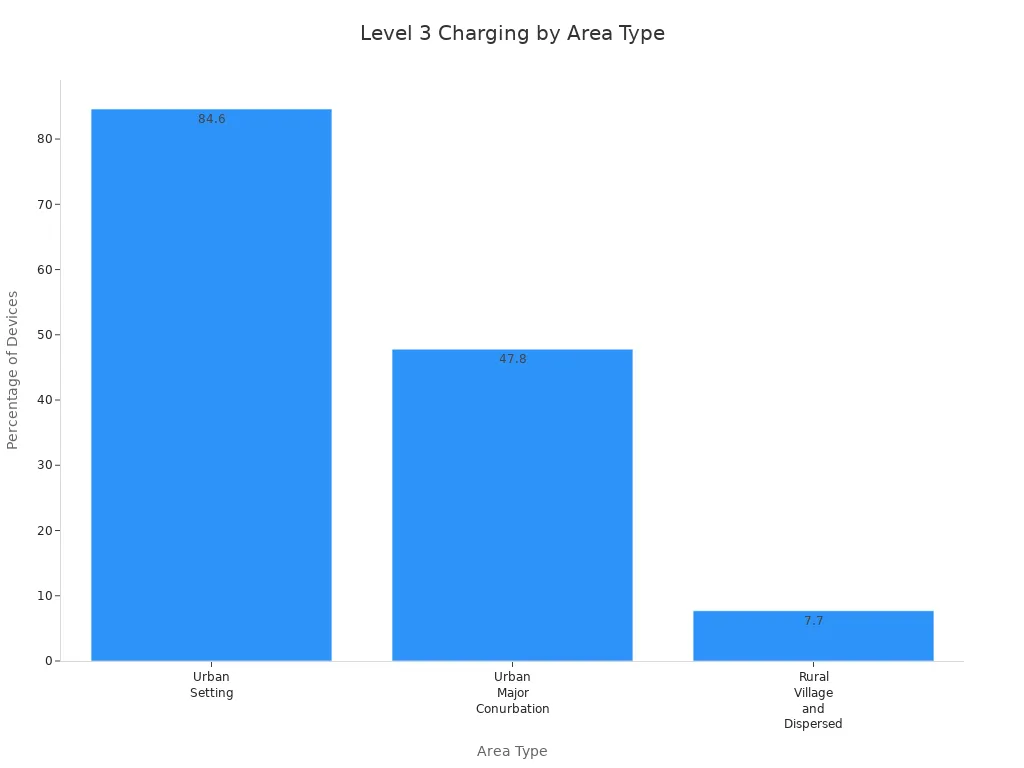
تستمر المناطق الحضرية في احتلال أعلى تركيز لمحطات الشحن من المستوى 3. تقدم المواقع الريفية خيارات أقل، على الرغم من أن الزيادات الأخيرة تُظهر نموًا في كلا الإعدادين.
تكلفة الشحن من المستوى 3
تكاليف جلسة الشحن
عادةً ما يكون الشحن في محطة المستوى 3 أكثر تكلفة من الشحن من المستوى 2 . يدفع السائقون علاوة مقابل السرعة والراحة. يعتمد التسعير غالبًا على موقع المحطة وقدرة الإخراج وهيكل رسوم المزود. تفرض معظم المحطات العامة رسومًا لكل كيلوواط ساعة أو لكل دقيقة، مع أسعار تتراوح من 0.40 إلى 0.70 جنيه إسترليني لكل كيلوواط ساعة.
التركيب والبنية التحتية
يتطلب تركيب محطة شحن من المستوى 3 بنية تحتية قوية. يجب على ملاك الموقع التأكد من أن أنظمتهم الكهربائية يمكنها التعامل مع الطلب العالي على الطاقة. تشمل المتطلبات الرئيسية:
- يجب أن تدعم القدرة الكهربائية الحمل لشاحن المستوى 3.
- قد تحتاج المباني القديمة إلى ترقية اللوحات الكهربائية.
- غالبًا ما يكون التنسيق مع مشغل شبكة التوزيع (DNO) ضروريًا للوصلات الجديدة أو ترقيات الكهرباء.
تجعل هذه المتطلبات التركيب أكثر تعقيدًا وتكلفة من شواحن المستوى 2.
التوافق والراحة
أي مركبات تستخدم المستوى 3
تدعم معظم المركبات الكهربائية الحديثة، خاصة تلك المصممة للسفر لمسافات طويلة، الشحن من المستوى 3. تجهز الشركات المصنعة مركباتها بموصلات وأنظمة بطارية متوافقة. قد لا تقبل بعض الموديلات القديمة والهجينة القابلة للشحن الشحن السريع بالتيار المستمر.
القيود والوصول
Level 3 charging offers rapid energy transfer, but not all vehicles can use it. Access remains limited in rural areas, and installation costs restrict expansion. Drivers must check their vehicle’s compatibility and plan routes based on available stations.
الاختلافات الرئيسية بين الشحن من المستوى 2 والشحن من المستوى 3
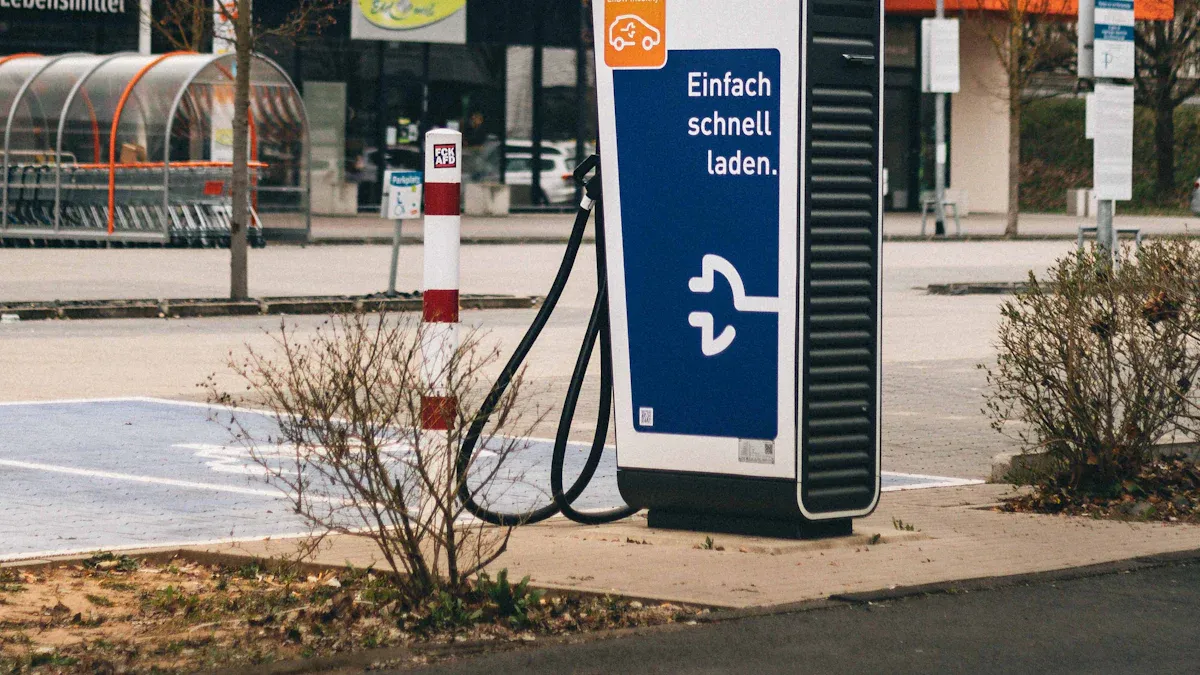
مقارنة السرعة
Typical charging times
Charging speed remains one of the most significant differences between level 2 and level 3 charging. Level 2 charging stations use a 240-volt supply and typically require 6 to 10 hours to fully charge an electric vehicle. This makes them suitable for overnight charging or situations where the vehicle remains parked for extended periods. Level 3 charging, often referred to as fast charging, operates at 480 volts or higher and can replenish a battery to 80% in just 20 to 45 minutes. Drivers who need to maximize their range quickly benefit from fast charging technology.
| طريقة الشحن | الفولتية | Range per Charge | وقت الشحن الكامل |
|---|---|---|---|
| المستوى 2 | 240V | 15 – 35 miles | 6 – 10 hours |
| المستوى 3 | 480V+ | 100 – 250+ miles | 20 – 45 mins (to 80%) |
Impact on daily routines
Level 2 charging fits seamlessly into daily routines. Drivers often plug in their vehicles at home overnight or during work hours. This approach supports regular commutes and errands without requiring frequent stops. Level 3 charging, or fast charging, transforms travel for those who need rapid energy replenishment. Drivers can add between 3 to 20 miles of range per minute, which translates to 180 to 1200 miles per hour. This capability proves essential for road trips, busy schedules, and situations where time is limited.
Fast charging stations enable drivers to minimize downtime and maximize productivity, especially during long journeys.
مقارنة التكلفة
Upfront and ongoing costs
The financial investment for charging infrastructure varies greatly between the two levels. Level 2 charging stations typically cost between 1,000 و2,500 جنيه إسترليني per unit. Installation remains straightforward and affordable for most homeowners and businesses. Level 3 charging stations, which support fast charging, require a much larger investment. Equipment costs range from $10,000 to $40,000 per unit, reflecting the advanced technology and higher power requirements.
Annual maintenance contracts for both types of stations usually fall between 150 و 400 جنيه إسترليني per charging point. These contracts cover software updates, technical support, and preventive maintenance visits. While ongoing costs remain similar, the initial investment for fast charging infrastructure is significantly higher.
Value for money
Level 2 charging offers excellent value for money for routine use. Drivers benefit from lower installation costs and affordable electricity rates, especially when charging at home. Fast charging provides unmatched speed and convenience, but the higher upfront costs and premium rates at public stations may not suit every budget. Businesses and fleet operators often invest in fast charging to support high-volume usage and reduce vehicle downtime.
التوافق
Vehicle requirements
Most electric vehicles on the market today support level 2 charging. Manufacturers equip their vehicles with the necessary hardware to connect to standard level 2 stations. Fast charging compatibility depends on the vehicle’s battery system and onboard electronics. Many newer models, especially those designed for long-range travel, accept fast charging. Some older vehicles and plug-in hybrids may not support this technology.
Charging connector types
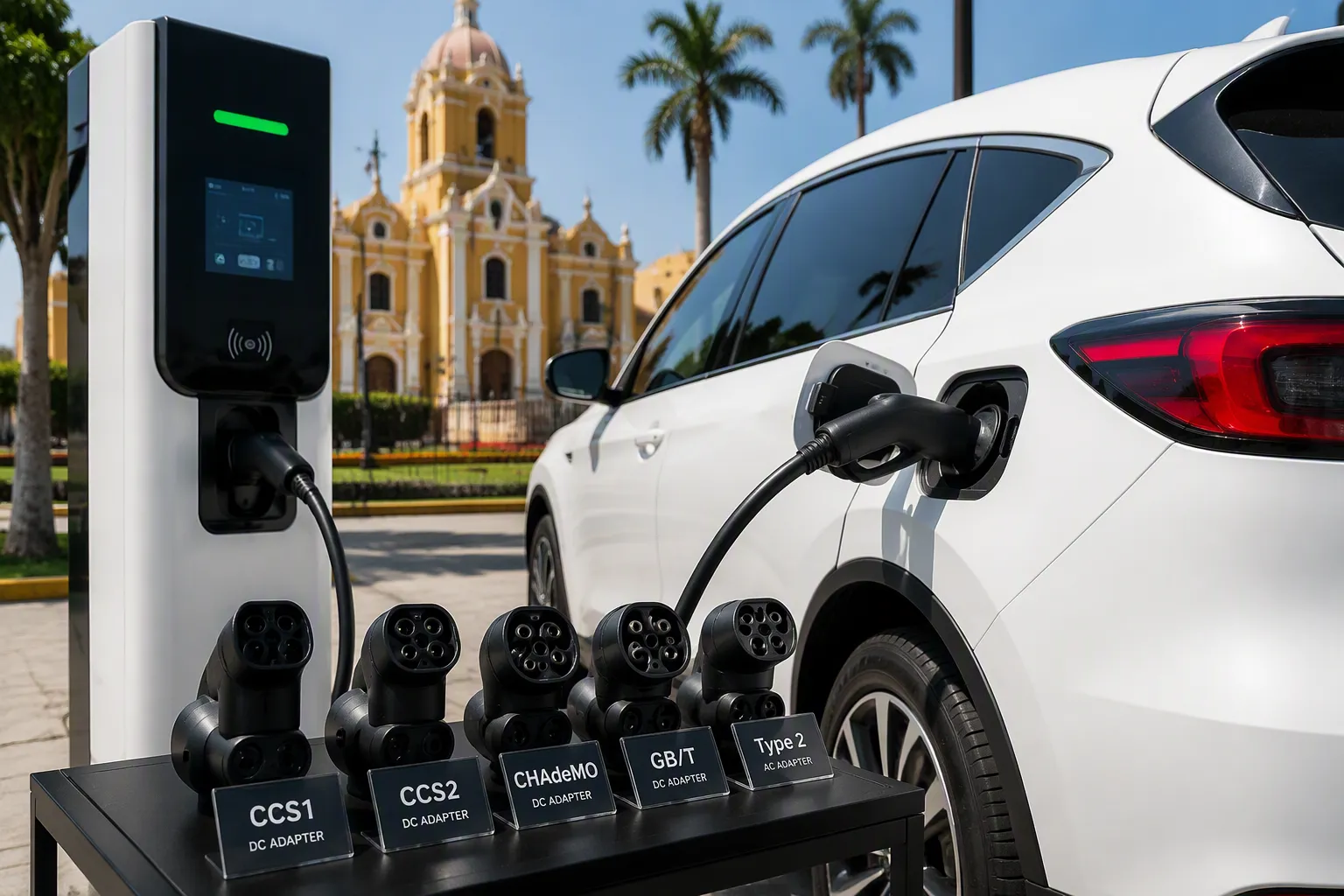
Connector types differ between the two charging levels. Level 2 stations use the J1772 connector, which fits most electric vehicles in North America. Level 3 stations, designed for fast charging, employ connectors such as CCS and CHAdeMO. These connectors support higher voltages and faster energy transfer.
| مستوى الشحن | الفولتية | وقت الشحن | نوع الموصل |
|---|---|---|---|
| المستوى 2 | 240 فولت/208 فولت | 4-6 ساعات | J1772 |
| المستوى 3 | 480V DC | ~20-40 minutes | نظام التحكم في الكربون، CHAdeMO |
Drivers should verify their vehicle’s compatibility with fast charging connectors before planning long-distance travel.
الملاءمة
Availability of chargers
Electric vehicle drivers often prioritize convenience when choosing a charging solution. Level 2 charging stations appear in many public spaces, making them accessible for daily use. Major cities feature these stations in shopping centers, office buildings, and parking garages. Drivers find it easy to locate a level 2 charger during routine activities.
Level 3 charging stations, designed for rapid charging, remain less common in urban environments. Most installations occur along highways and major travel routes. These stations support quick energy replenishment for long-distance journeys but may not serve drivers in city centers as frequently.
- Level 2 charging stations are increasingly found in urban areas, such as shopping centers and office buildings.
- Level 3 charging stations are less common and primarily located along highways for quick charging needs.
- This indicates that Level 2 stations are more accessible in major cities compared to Level 3 stations.
Drivers who rely on rapid charging must plan their routes carefully. Limited availability of level 3 chargers in some regions can create challenges for those who need fast energy top-ups.
Ease of use
Charging station design influences user experience. Level 2 chargers offer straightforward operation. Most stations use a standard connector, and drivers simply plug in their vehicle and begin charging. Payment systems at public stations often accept contactless cards or mobile apps, streamlining the process.
Level 3 chargers, built for rapid charging, deliver much faster energy transfer. However, these stations may require additional steps. Some vehicles need specific connectors, such as CCS or CHAdeMO, and not all models support rapid charging technology. Drivers must verify compatibility before using a level 3 charger.
The following table compares common challenges users face with each charging level:
| مستوى الشحن | السرعة | التكلفة | إمكانية الوصول |
|---|---|---|---|
| المستوى 2 | Slower (4 times faster than Level 1) | معتدل | Common in public spaces |
| المستوى 3 | Rapid (significantly faster than Level 2) | أعلى | Found on motorways and accessible locations |
- Charging speed is significantly slower with Level 2 compared to Level 3.
- Level 3 chargers are more expensive due to higher operational costs.
- Accessibility issues arise as not all areas have sufficient Level 3 charging stations.
Level 2 charging suits everyday use, offering simplicity and broad compatibility. Level 3 charging excels in rapid charging scenarios, but drivers must navigate higher costs and limited station locations. Those who value convenience often choose level 2 charging for routine needs, while rapid charging remains essential for long trips and urgent situations.
Tip: Drivers should check their vehicle’s charging compatibility and local station availability before planning a journey that relies on rapid charging.
When to Choose Level 2 Charging for Charging an Electric Vehicle
Best for Home Use
Overnight charging
محطات الشحن من المستوى 2 offer a practical solution for residential settings. Homeowners install these chargers in garages or driveways, allowing vehicles to recharge overnight. Drivers wake up each morning with a full battery, ready for daily activities. The process requires minimal effort and fits seamlessly into established routines.
Routine commutes
Level 2 charging supports regular travel patterns. Most electric vehicles gain enough range during a single charging session to cover daily commutes, errands, and school runs. Drivers avoid frequent stops at public stations, saving time and reducing stress. This approach suits individuals who park their vehicles for extended periods at home or work.
الوفورات في التكاليف
Lower electricity rates
Charging at home with a level 2 station provides significant financial benefits. Electricity rates for residential charging remain lower than those at public stations. The following table illustrates the annual cost difference:
| نوع الشحن | Annual Cost Estimate | Savings Compared to Petrol/Diesel |
|---|---|---|
| Home Charging (Level 2) | £300 – £500 | £900 – £1,200 |
| Public Charging (Level 3) | Likely more expensive than gasoline | غير متاح |
Drivers who rely on home charging save hundreds of pounds each year compared to gasoline or diesel vehicles. Public level 3 charging often costs more than traditional fuel, making home charging the economical choice.
Reduced wear on battery
Level 2 charging generates less heat during operation. Lower heat levels help preserve battery integrity and extend lifespan. Drivers who use level 2 charging regularly experience fewer battery-related issues over time. This method reduces the risk of accelerated degradation, which can occur with frequent fast charging.
اعتبارات صحة البطارية
Slower charging benefits
Slower charging rates minimize stress on battery cells. Level 2 charging produces less heat, which supports long-term battery health. The table below compares the impact of different charging methods:
| طريقة الشحن | Heat Generation | التأثير على صحة البطارية |
|---|---|---|
| المستوى 2 | منخفضة | Preserves longevity |
| المستوى 3 | عالية | Accelerates degradation |
Drivers who prioritize battery care choose level 2 charging for routine use. Fast charging remains suitable for emergencies or long trips, but regular use can lead to performance issues.
Tip: Use Level 2 charging most of the time to minimize heat stress on the battery. Reserve Level 3 charging for emergencies or long journeys.
Long-term battery care
Continuous use of DC fast charging can lead to significant battery performance issues and reduced durability over time. Level 2 charging supports consistent battery health, helping owners avoid costly repairs and replacements. Drivers who adopt this strategy maximize the value and reliability of their electric vehicles.
When to Choose Level 3 Charging for Charging an Electric Vehicle
Ideal for Road Trips
Fast charging on the go
الشحن من المستوى 3 stations deliver rapid energy replenishment, making them essential for drivers who travel long distances. He can stop at a fast charger, plug in, and gain hundreds of miles of range in less than an hour. This capability transforms the road trip experience, allowing travelers to cover more ground without lengthy breaks.
نصيحة: Drivers planning cross-country journeys should map out Level 3 charging locations along their route for maximum convenience.
Reducing travel time
الشحن السريع reduces downtime during extended travel. She spends less time waiting for her vehicle to charge and more time on the road. Level 3 stations often appear near major highways, rest stops, and service centers. These locations support efficient travel, especially for those who need to reach their destination quickly.
| مستوى الشحن | وقت الشحن النموذجي | تمت إضافة النطاق |
|---|---|---|
| المستوى 2 | 6–10 hours | 150–250 miles |
| المستوى 3 | 20–45 minutes | 100–250+ miles |
Time Constraints
التعبئة السريعة
Busy schedules demand flexibility. Level 3 charging provides quick top-ups for drivers who need to recharge during short stops. He can add significant range in just 15–30 minutes, making it possible to continue his journey without major delays. This feature proves valuable for professionals, delivery drivers, and anyone with tight timelines.
Emergency charging needs
Unexpected situations sometimes require immediate charging. She may forget to plug in overnight or encounter a low battery warning during a busy day. Level 3 stations offer a solution for emergencies, enabling drivers to restore enough range to reach their next destination or charging point.
تنبيه: In emergencies, Level 3 charging can prevent stranded situations and ensure safe travel.
توافق المركبة
Which cars support level 3
Not every electric vehicle supports Level 3 charging. Most modern EVs, especially those designed for long-range travel, include fast charging capability. He should check his vehicle’s specifications to confirm compatibility. Manufacturers such as Tesla, Hyundai, Kia, Ford, and Volkswagen equip their latest models with Level 3 connectors.
| الشركة المصنعة | Model Examples | الدعم من المستوى 3 |
|---|---|---|
| تيسلا | Model 3, Model Y | ✅ |
| هيونداي | IONIQ 5, Kona EV | ✅ |
| نيسان | Leaf (newer models) | ✅ |
| شفروليه | Bolt EUV | ✅ |
| تويوتا | Prius Prime | ❌ |
Upgrading for fast charging
Some older vehicles lack fast charging hardware. He may consider upgrading to a newer model if frequent road trips or time-sensitive travel become part of his routine. Upgrading ensures access to Level 3 charging and supports faster, more flexible journeys.
ملاحظة: Before purchasing an EV, drivers should evaluate their travel needs and confirm Level 3 compatibility for future convenience.
Quick Comparison Table: Level 2 vs Level 3 Charging an Electric Vehicle
Level 2 vs Level 3 at a Glance
Choosing between level 2 and level 3 charging stations often depends on a driver’s priorities. يلخص الجدول التالي the most important differences:
| الميزة | شاحن المستوى 2 | شاحن المستوى 3 |
|---|---|---|
| السرعة | 10 to 30 miles per hour | 80% charge in 20-30 minutes |
| التكلفة | Lower installation costs | تكاليف تثبيت أعلى |
| التوافق | Broad compatibility with most EVs | Limited to newer EV models and public stations |
السرعة
محطات الشحن من المستوى 2 deliver a steady rate of 10 to 30 miles of range per hour. This speed works well for overnight charging at home or during a full workday at the office. Level 3 charging stations, on the other hand, can boost a battery to 80% in just 20 to 30 minutes. Drivers who need to get back on the road quickly often prefer level 3 charging stations for their rapid performance.
Note: Level 3 charging stations provide a significant advantage for long trips or urgent situations, but level 2 charging stations remain the best fit for daily routines.
التكلفة
Cost plays a major role in the decision-making process. Level 2 charging stations require a lower upfront investment for both equipment and installation. Many homeowners find these charging stations affordable and easy to maintain. Level 3 charging stations involve higher installation costs and greater infrastructure demands. Businesses and public locations that install level 3 charging stations often pass these costs on to users through higher charging fees.
- محطات الشحن من المستوى 2: Lower purchase and installation costs, ideal for home use.
- Level 3 charging stations: Higher costs, typically found at commercial charging stations or along highways.
التوافق
Most electric vehicles on the market today can use level 2 charging stations. This broad compatibility makes level 2 charging stations a practical choice for a wide range of drivers. Level 3 charging stations, however, work only with newer EV models equipped with fast-charging technology. Some older vehicles and plug-in hybrids cannot use level 3 charging stations, so drivers must check their vehicle’s specifications before relying on these charging stations.
الملاءمة
Convenience often comes down to the availability and location of charging stations. Level 2 charging stations appear in residential areas, workplaces, shopping centers, and public parking lots. Their widespread presence allows drivers to charge their vehicles during routine activities. Level 3 charging stations, while growing in number, remain concentrated along highways and in urban centers. Drivers planning long journeys benefit from mapping out level 3 charging stations in advance.
| مستوى الشحن | User Satisfaction Rating |
|---|---|
| المستوى 2 | 614 |
| المستوى 3 | 664 |
تُظهر تقييمات رضا المستخدمين أن كلا النوعين من محطات الشحن يحصلان على تعليقات إيجابية، مع حصول محطات الشحن من المستوى 3 على درجات أعلى قليلاً. يُرجح أن يعكس هذا الاختلاف القيمة التي يوليها السائقون للسرعة والراحة أثناء السفر.
نصيحة: بالنسبة لمعظم الاحتياجات اليومية، تقدم محطات الشحن من المستوى 2 أفضل مزيج من حيث التكلفة والتوافق والراحة. بينما تبرز محطات الشحن من المستوى 3 عندما يكون الوقت محدودًا أو تكون مسافات السفر طويلة.
يناسب الشحن من المستوى 3 السائقين الذين يقدرون السرعة ويسافرون بشكل متكرر. بينما يوفر الشحن من المستوى 2 توفيرًا في التكاليف وراحة للاستخدام المنزلي. يجب عليه أو عليها مراجعة عادات القيادة والميزانية وتوافق المركبة قبل اتخاذ القرار.
نصيحة: كل خيار شحن يخدم غرضًا فريدًا. السائقون الذين يفهمون احتياجاتهم سيعظمون فوائد امتلاك مركبة كهربائية.
| نوع الشحن | الأفضل لـ | الفائدة الرئيسية |
|---|---|---|
| المستوى 2 | منزلي، للاستخدام اليومي | اقتصادي |
| المستوى 3 | للسفر، لحالات الطوارئ | الشحن السريع |
الأسئلة الشائعة
ما الفرق الرئيسي بين الشحن من المستوى 2 والمستوى 3؟
يستخدم الشحن من المستوى 2 تيارًا مترددًا ويشحن ببطء. بينما يستخدم الشحن من المستوى 3 تيارًا مستمرًا ويشحن بسرعة أكبر بكثير. كما أن محطات المستوى 3 تكلف أكثر وتتطلب بنية تحتية خاصة.
هل يمكن لكل مركبة كهربائية استخدام الشحن من المستوى 3؟
لا تدعم كل مركبة كهربائية الشحن من المستوى 3. معظم الموديلات الأحدث تقبل الشحن السريع. بينما قد تفتقد المركبات القديمة وبعض السيارات الهجينة القابلة للشحن إلى الأجهزة اللازمة.
هل الشحن من المستوى 3 ضار بصحة البطارية؟
يمكن للشحن المتكرر من المستوى 3 أن يُسرع من تدهور البطارية. يجب عليه أو عليها استخدام الشحن من المستوى 2 للروتين اليومي، وحفظ الشحن من المستوى 3 لحالات الطوارئ أو الرحلات الطويلة.
كم تبلغ تكلفة تركيب شاحن من المستوى 2 في المنزل؟
يدفع مالكو المنازل عادةً ما بين 800 و1500 دولار أمريكي لتركيب شاحن من المستوى 2. ويعتمد السعر النهائي على التركيبة الكهربائية والمسافة من لوحة التوزيع.
أين يمكن للسائقين العثور على محطات الشحن من المستوى 3؟
يجد السائقون محطات الشحن من المستوى 3 على طول الطرق السريعة، وفي المراكز الحضرية، وفي المحاور التجارية. وتوفر تطبيقات الخرائط وشبكات شحن المركبات الكهربائية مواقع المحطات.
هل يعمل الشحن من المستوى 2 للرحلات البرية الطويلة؟
يناسب الشحن من المستوى 2 الاستخدام اليومي والشحن أثناء الليل. أما للرحلات البرية الطويلة، فإن الشحن من المستوى 3 يوفر تجديدًا أسرع للطاقة ويقلل وقت السفر.
ما أنواع الموصلات التي تستخدمها شواحن المستوى 3؟
تستخدم شواحن المستوى 3 موصلات CCS و CHAdeMO. ويجب عليه أو عليها التحقق من توافق المركبة قبل استخدام شاحن سريع.
هل محطات الشحن من المستوى 3 أكثر تكلفة في الاستخدام؟
تفرض محطات الشحن من المستوى 3 أسعارًا أعلى لكل كيلوواط/ساعة. يدفع السائقون علاوة مقابل السرعة والراحة مقارنة بالشحن من المستوى 2.