Finding a qualified electrician in Colombia requires careful verification. A homeowner must check three key areas for any potential installer: essential Colombian certifications, specific EV installation experience, and professional credentials. This process ensures the home شاحن السيارة الكهربائية installation is safe and compliant with national regulations. Technologically advanced حلول شحن السيارات الكهربائية من الشركات المصنعة لشاحن السيارة الكهربائية like TPSON offer various options, from powerful wall-mounted units to convenient شواحن السيارات الكهربائية المحمولة. A proper home setup for any EV Charger optimizes performance for the owner’s EV.
Verify Non-Negotiable Colombian Certifications
A homeowner must first confirm an electrician’s legal and technical qualifications within Colombia. These certifications are not optional; they are the foundation of a safe and lawful electrical project. Skipping this step introduces significant risks to both property and personal safety.
Demand the ‘Professional License’
The most fundamental credential for any electrician in Colombia is the Professional License (Professional License). This card proves the individual is legally authorized to perform electrical work. An electrician without this license is operating outside the law.
Understanding CONTE and ACIEM
Two primary organizations issue these licenses.
- CONTE (Consejo Nacional de Técnicos Electricistas): Certifies electrical technicians.
- ACIEM (Asociación Colombiana de Ingenieros): Certifies electrical engineers.
For most residential charger installation projects, an electrician with a CONTE certification is appropriate. A homeowner should ask to see this physical card before any work begins.
How to Verify a ‘Professional License’ Online
A physical card can be falsified. A prudent homeowner verifies the license’s authenticity online. One can visit the official CONTE website and use the “Consultation of Registered Members” tool. Entering the electrician’s ID number (ID number) confirms their status and certified skill class.
ملاحظة: An electrician’s certification class (e.g., TE-1 to TE-6) defines the complexity and voltage of projects they can legally handle. Ensure their class covers residential installations.
Confirm Certification in RETIE
Beyond the professional license, an electrician must have proven knowledge of the اللائحة الفنية للتركيبات الكهربائية (RETIE). This is a mandatory technical regulation for all electrical work in the country.
What is the RETIE Regulation?
RETIE is a comprehensive set of rules established by the Ministry of Mines and Energy. It dictates the minimum safety standards for electrical systems. The regulation covers everything from material quality to installation procedures to prevent accidents like fires or electrical shocks.
Why Your Installation Must Be RETIE-Compliant
A RETIE-compliant installation is a safe one. It guarantees the project meets national safety codes, which is crucial for insurance purposes and property inspections. An electrician unfamiliar with RETIE may use incorrect materials or techniques, creating a hazardous environment for your home and ev.
Ask for Specialized EV Training
General electrical expertise is not sufficient for modern ev charging technology. A qualified professional should have specific training related to Electric Vehicle Supply Equipment (EVSE).
Certificates from EV Charger Brands
Leading charger manufacturers, including providers of advanced solutions like TPSON, offer certification programs. An electrician holding a certificate from a brand demonstrates direct experience with that equipment. This training covers specific wiring needs, software configuration, and troubleshooting for that particular charger.
Training from Automotive Brands
Automotive companies also provide training to electricians. This ensures the installer understands the unique power requirements and onboard charging systems of different vehicle models. This specialized knowledge helps optimize the installation for a specific car.
Assess Technical Expertise for Your Home EV Charger
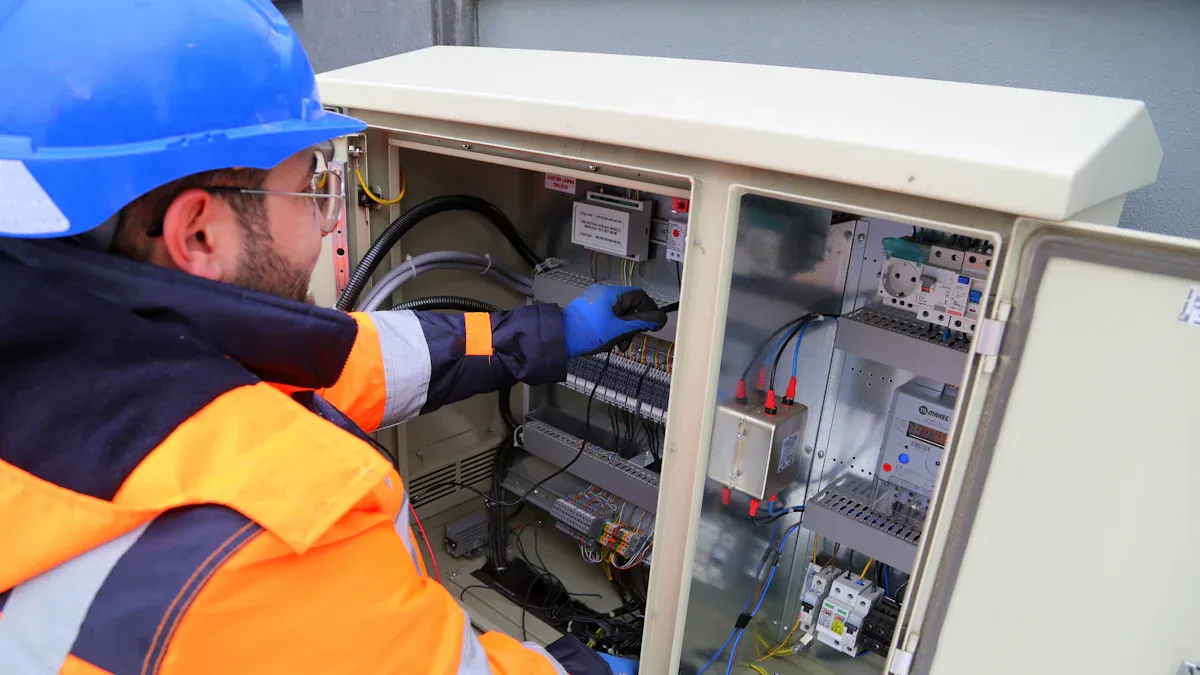
A homeowner must look beyond certifications to evaluate an electrician’s practical skills. A qualified professional can assess your home’s electrical setup and recommend the best solution. This technical evaluation is critical for a safe and efficient home EV charging experience.
Evaluate Their Home Electrical Assessment Process
A competent electrician begins every project with a thorough on-site inspection. This process reveals the home’s capacity to support a new, high-power appliance.
The Electrical Load Calculation
The electrician must perform an electrical load calculation. This analysis determines if the home’s existing electrical service can handle the added demand of an EV charger. It prevents overloading the system, which could cause frequent breaker trips or more severe electrical hazards.
Inspecting the Main Breaker Panel
An inspection of the main breaker panel is mandatory. The electrician checks for available space for a new dedicated circuit. They also assess the panel’s total amperage capacity and overall condition to ensure it can safely support the new load for electric vehicle charging.
Planning the Conduit and Wiring Route
The professional will map out the most efficient and safest route for the wiring. This plan considers the distance from the panel to the charger location. It also accounts for obstacles and ensures the installation complies with all RETIE codes for conduit and wire protection.
Discuss Knowledge of Electric Vehicle Charging Levels
The electrician should clearly explain the different types of charging available for a home. This conversation helps a homeowner select the right equipment for their needs.
شواحن المستوى 1 مقابل شواحن المستوى 2
A professional will differentiate between Level 1 and Level 2 charging. While Level 1 uses a standard wall outlet, it is very slow. A dedicated home EV charger almost always uses Level 2 technology for faster, more practical charging.
| مستوى الشاحن | ناتج الطاقة النموذجي (كيلوواط) |
|---|---|
| المستوى 1 | 1.4 kW – 2.3 kW |
| المستوى 2 | 3.7 كيلوواط - 22 كيلوواط |
نصيحة محترف: A 7 kW charger adds approximately 7 kilowatt-hours (kWh) of energy to an EV battery each hour. This makes Level 2 charging significantly more effective for daily use.
Hardwired vs. NEMA Outlet Installations
The electrician should discuss the two primary installation methods for a Level 2 charger. Each has distinct advantages. A hardwired installation connects the charger directly to the circuit, while a NEMA outlet provides a high-power plug.
| الميزة | Hardwired Installation | NEMA Outlet Installation (e.g., 14-50) |
|---|---|---|
| السلامة | Considered safer; fewer points of failure. | Potential for nuisance tripping if GFCI is redundant. |
| المرونة | Charger is permanently fixed. | Allows charger to be unplugged and taken with you. |
| سرعة الشحن | Can support the maximum power output of the charger. | May be limited by the outlet’s amperage rating. |
Gauge Familiarity with Your Specific EV Model
Every electric vehicle is different. An experienced installer understands the nuances between car brands and models, ensuring an optimized setup.
Unique Power Requirements
The electrician should ask about the owner’s EV model. This knowledge helps them match the charger’s amperage to the vehicle’s maximum AC charging rate. Installing a charger that is too powerful for the car offers no benefit, while an underpowered one creates a charging bottleneck.
Common Installation Challenges
A seasoned professional knows the common issues associated with certain vehicles or advanced chargers, like those from TPSON. This foresight helps them avoid problems during the installation, leading to a smoother and more reliable home ev charging setup.
Confirm Knowledge of Local Utility and Permitting Rules
An electrician’s expertise must extend beyond technical skills to include local administrative knowledge. A professional installer understands the specific rules set by regional utility companies and municipal authorities. This knowledge is essential for a smooth, compliant installation process that avoids bureaucratic delays and potential fines.
Understanding Local Utility Company Requirements
Each utility provider in Colombia has its own set of procedures and technical requirements for connecting a high-power device like an EV charger. An experienced electrician will be familiar with the rules in the homeowner’s service area. This familiarity prevents connection delays and ensures the system integrates correctly with the local power grid.
Rules for Enel-Codensa (Bogotá)
In Bogotá, Enel-Codensa manages the electrical grid. An electrician working in this area must know the utility’s specific protocols for new high-consumption circuits. This often involves:
- Submitting a design plan for approval before work begins.
- Adhering to specific meter and connection point standards.
- Scheduling a final inspection with Enel-Codensa representatives.
Rules for EPM (Medellín)
Empresas Públicas de Medellín (EPM) has its own distinct regulations for customers in the Aburrá Valley. A qualified electrician in Medellín will understand:
- EPM’s requirements for load increase requests (load increase).
- The process for registering the new charging point with the utility.
- Specific equipment or materials that EPM mandates for residential connections.
Rules for Other Regional Providers
Colombia has numerous other utility providers, such as Celsia in Valle del Cauca or Air-e in the Caribbean region. Each has unique rules. A homeowner should confirm that their chosen electrician has direct experience working with the local provider. This ensures the installation process accounts for regional administrative and technical nuances from the start.
Navigating the Electrical Permitting Process
Beyond utility company rules, many installations require an official electrical permit from the local municipal planning office (municipal planning office أو planning office). This permit certifies that the project design is safe and compliant with all building and electrical codes.
When is an Electrical Permit Required?
A permit is generally required for any significant electrical modification. This includes:
- Installing a new dedicated circuit for a Level 2 charger.
- Upgrading the main electrical panel.
- Making substantial changes to the home’s wiring.
مهم: An unpermitted installation can lead to fines, invalidate a homeowner’s insurance policy, and create complications when selling the property.
Who Manages the Permit Application?
The certified electrician or electrical engineer should manage the entire permit application process. This professional is responsible for preparing the necessary technical documents, submitting the application to the correct municipal office, and coordinating any required inspections. This service is a key indicator of a professional and comprehensive installation service.
How to Find a Qualified Electrician in Colombia
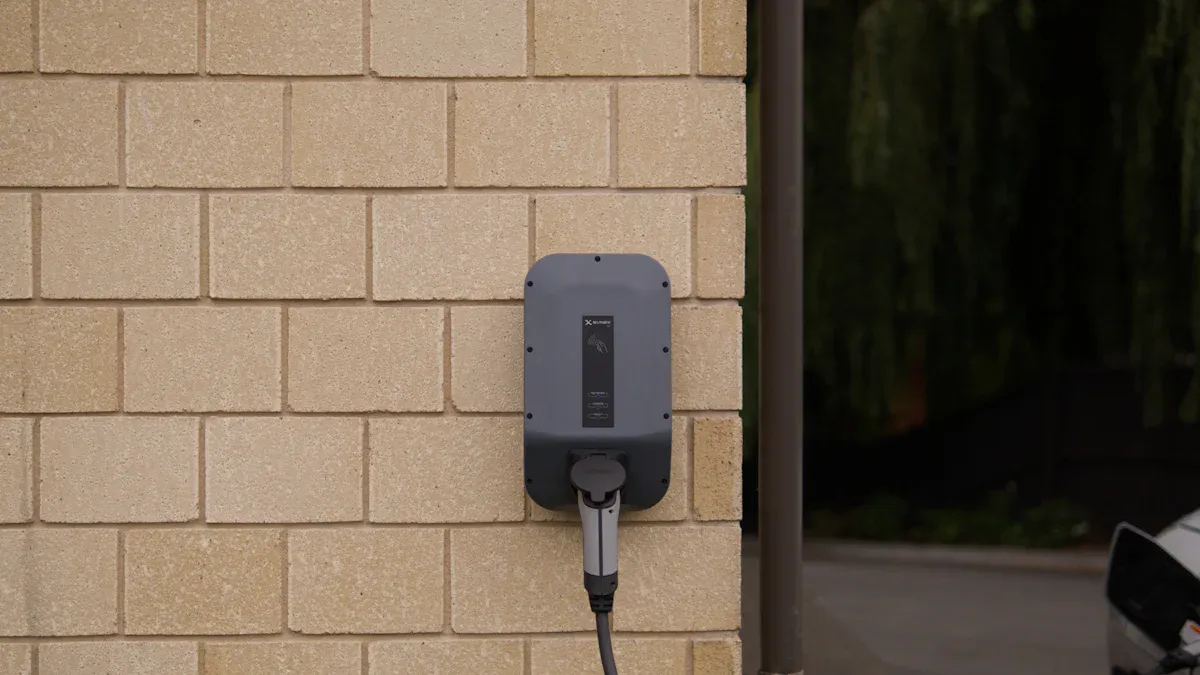
Knowing where to look simplifies the search for a professional installer. A homeowner can leverage official networks, industry recommendations, and community resources to find a qualified electrician. These channels provide vetted lists and firsthand referrals, streamlining the hiring process and increasing the likelihood of a successful installation.
Start with Official Installer Networks
The most reliable sources for finding competent installers are the networks managed by charger manufacturers and major utility programs. These organizations have a vested interest in ensuring their products and services are installed correctly.
Checking EV Charger Brand Websites
Manufacturers of advanced حلول الشحن, such as TPSON, often provide a list of certified installers on their official websites. These electricians have received specific training on the brand’s equipment.
- They understand the unique technical requirements of the charger.
- They are proficient in the software setup and configuration.
- They can efficiently troubleshoot brand-specific issues.
نصيحة قابلة للتنفيذ: A homeowner should visit the Colombian or Latin American section of the charger brand’s website. Look for a “Find an Installer” or “Certified Partners” page to access a directory of local professionals.
The Enel X Way Installer Program
Enel X Way, a major player in Colombia’s ev charging infrastructure, runs a formal installer program. Electricians in this network are trained and approved by Enel itself. Choosing an installer from this program ensures they are familiar with both the charging equipment and the local utility’s (Enel-Codensa) requirements. This is an excellent starting point for homeowners in the Bogotá region.
Get Recommendations from Car Dealerships
Automotive dealerships are on the front lines of the electric vehicle transition. They often partner with trusted electricians to provide a seamless experience for their customers. A new EV owner can get a reliable referral directly at the point of sale.
Inquiring at Renault or BYD Dealers
Major electric vehicle brands in Colombia, like Renault and BYD, have established relationships with installation companies. Their dealerships can provide contact information for one or more preferred partners. These electricians have extensive experience with the specific models sold by the dealer, ensuring they can recommend the best charger and setup for that vehicle.
Asking Your Vehicle Salesperson
A vehicle salesperson is often the first point of contact for a new owner. This person can typically offer a direct referral to an electrician who has successfully completed installations for other customers. This recommendation is valuable because the installer is already familiar with the dealership’s process and the specific vehicle models.
Use Online and Community Resources
Digital platforms and owner communities offer another avenue for finding skilled professionals. These resources provide access to a wider pool of electricians and allow for peer-to-peer feedback. A homeowner can use these tools to cross-reference recommendations and discover independent installers.
Local Colombian EV Owner Forums
Online forums and social media groups dedicated to electric vehicle owners in Colombia are a treasure trove of information. Members often share their experiences with different electricians.
- A homeowner can ask for recommendations in cities like Medellín, Cali, or Barranquilla.
- Members provide candid feedback on professionalism, pricing, and quality of work.
- These forums are excellent for learning about the reputation of a potential qualified electrician.
Professional Directories like Habitissimo
Websites like Habitissimo function as directories for various home service professionals, including electricians. A homeowner can post their charger installation project and receive quotes from multiple providers.
| Platform Feature | How to Use It Effectively |
|---|---|
| Project Posting | Be highly detailed about the project scope and vehicle type. |
| Installer Profiles | Review ratings, past project photos, and customer reviews. |
| Quote Comparison | Use the platform to gather multiple quotes for comparison. |
احذر: While useful, these platforms require careful vetting. A homeowner must still verify the electrician’s Professional License and RETIE knowledge independently before hiring.
Scrutinize Their Project Portfolio and References
A homeowner must verify an electrician’s claimed expertise through tangible proof. Reviewing a portfolio and speaking with past clients are critical steps. This due diligence separates true professionals from those with limited experience in electric vehicle charging solutions.
Request a Portfolio of Past EV Charging Point Installations
A professional installer will proudly share examples of their work. A portfolio provides direct insight into the quality and nature of their past projects. It is the first visual confirmation of their capabilities for a charging point installation.
Look for Photos of Similar Homes
The homeowner should request photos of installations in properties similar to their own. An installation in a single-family home differs greatly from one in an apartment building’s garage. The photos should display:
- Neat and secure mounting of the EV charging point.
- Cleanly run conduit and wiring, with minimal aesthetic impact.
- The final setup with the vehicle connected, showing a completed project.
This visual evidence confirms their experience with a specific type of home.
Differentiating Commercial vs. Residential Experience
An electrician’s portfolio may show many projects, but the type of project matters. Commercial and residential electric vehicle charging projects have fundamental differences. A homeowner needs an expert in residential charging point installation, not a commercial contractor.
| الميزة | Residential EV Installation | Commercial EV Installation |
|---|---|---|
| الغرض | Personal use for one or two vehicles. | Public or fleet use for multiple vehicles. |
| نوع الشاحن | Typically Level 2 (7-22 kW) for overnight charging. | Includes Level 2 and DC Fast Chargers (50-350 kW). |
| التعقيد | Simpler; involves a dedicated circuit from the panel. | Highly complex; may require new transformers and trenching. |
| إدارة الأحمال | Less critical for a single home. | Essential to balance power across many stations. |
Ask for Contactable Customer References
Photos show the final product, but references reveal the customer experience. A confident professional will provide contact information for two or three recent clients who received a similar EV charging point installation.
Key Questions to Ask a Previous Client
When speaking to a reference, a homeowner should ask targeted questions to get a clear picture of the service provided for the charging point installation.
- Was the project completed on time and within the original budget?
- Did the electrician communicate clearly throughout the process?
- How did they handle any unexpected challenges during the charging point installation?
- Is the EV charging point, such as an advanced model from TPSON, working as expected?
- Did the electrician clean the work area upon completion?
إشارات حمراء يجب الانتباه لها
A reference check can also uncover potential problems. A homeowner should be cautious if a previous client mentions any of the following issues.
Watch for reports of poor communication, significant and unexplained cost overruns, or a failure to manage the permitting process. These are major red flags indicating a lack of professionalism that could complicate the project.
Review Professionalism, Insurance, and Quotes
A homeowner must evaluate an electrician’s business practices before signing a contract. This final review of insurance, quotes, and warranties protects the homeowner’s investment. It ensures the professional is accountable for the quality and safety of the EV charging point installation.
Verify They Have Liability Insurance
Professional electricians carry insurance to protect their clients and themselves from unforeseen accidents. A homeowner should always ask for proof of this coverage before any work begins on their EV charging point.
The Role of a ‘Civil Liability Policy’
A Civil Liability Policy (Civil Liability Policy) is non-negotiable. This insurance covers property damage or bodily injury that could occur during the installation. If an electrician accidentally damages a wall or causes an electrical issue, this policy ensures the homeowner is not financially responsible for the repairs.
Crucial Step: A homeowner must request a current copy of the insurance certificate. They should verify the policy is active and covers the entire duration of the EV charging point project.
Minimum Coverage Amounts to Expect
While specific amounts can vary, a professional policy should offer substantial coverage. For a residential EV charging point installation, a homeowner should look for coverage that is adequate to cover significant property damage. An electrician who is hesitant to provide this documentation is not a true professional.
Request a Detailed, Itemized Quote (‘Cotización Detallada’)
A verbal estimate is not sufficient. A homeowner must request a quote in writing. A professional اقتباس مفصل provides a transparent breakdown of all costs associated with the ev charging point project.
What a Professional Quote Must Include
A comprehensive quote should clearly itemize every aspect of the job. Key elements include:
- تكاليف العمالة: The hourly or flat rate for the electrician’s work.
- Materials: A list of all parts, including the charger, wiring, conduit, and breakers, with individual prices.
- رسوم التصاريح: The cost for filing any necessary municipal permits.
- Taxes: Any applicable taxes, such as IVA.
- التكلفة الإجمالية: The final price for the complete installation.
How to Compare Quotes Effectively
A homeowner should request a quote from at least two or three vetted electricians. When comparing, one should look beyond the bottom-line price. The lowest quote may omit essential materials or services. A homeowner should compare the scope of work and quality of materials listed in each quote to determine the best overall value for their ev charging point.
Clarify All Warranties
Warranties provide long-term peace of mind. A professional electrician offers guarantees on both their work and the equipment they supply for the ev charging point.
Warranty on Labor and Workmanship
The electrician should provide a written warranty on their workmanship. This guarantee covers any issues that arise from the installation itself. A standard labor warranty typically lasts for at least one year. It demonstrates the installer’s confidence in the quality of their work.
Warranty on Supplied Equipment
The EV charger and other hardware come with a separate manufacturer’s warranty. Technologically advanced providers like TPSON offer robust warranties on their products. The electrician should provide the homeowner with all official documentation for these warranties.
| Product | Typical Warranty Period |
|---|---|
| EV Charger (Level 2) | 3 years standard warranty |
| Fast DC Charger | 2 years standard warranty |
A homeowner should understand the process for making a warranty claim for both labor and equipment before the project begins.
Final Checks Before Hiring Your EV Electrician
Before making a final decision, a homeowner must assess the electrician’s business practices. These final checks on communication, project planning, and payment terms are crucial. They confirm the installer is not just technically skilled but also a reliable professional who will manage the project effectively from start to finish.
Communication and Professionalism
The initial interactions with an electrician reveal their professional character. A qualified electrician demonstrates expertise through clear, consistent, and transparent communication. This keeps the homeowner informed and confident throughout the project.
Responsiveness to Questions
A professional understands the urgency of electrical matters and provides timely replies. Homeowners should observe how quickly the electrician responds to initial calls or emails. Efficient service and a willingness to answer questions promptly are hallmarks of a customer-focused professional. Delays in communication before a contract is signed often predict poor communication during the project.
Clarity in Explanations
The electrician must be able to explain the project in terms a homeowner can understand. This includes breaking down the installation process, the reasons for choosing specific materials, and how the charging system will operate.
A professional’s goal is to empower the client with knowledge, not to confuse them with technical jargon. This transparency builds trust and ensures there are no surprises.
Understanding the Project Timeline
A formal project timeline protects both the homeowner and the electrician. It sets clear expectations for the scope and duration of the work. A qualified electrician provides a clear schedule rather than a vague promise.
Estimated Start and Completion Dates
The electrician should provide a written estimate of the project’s duration. This timeline should include key milestones:
- Date for permit submission and approval window.
- Scheduled start date for the on-site work.
- Estimated date to complete the installation.
- Final day to install and test your new system.
Potential Delays and Contingencies
Experienced professionals anticipate potential challenges. The electrician should discuss possible delays, such as waiting for a utility inspection or discovering unforeseen issues within the walls. A plan for handling these contingencies demonstrates foresight and strong project management skills.
جدول الدفع وشروطه
A clear and fair payment structure is a sign of a reputable business. The homeowner must understand and agree to all financial terms before any work begins.
Initial Deposit and Final Payment
It is standard practice to pay an initial deposit for materials and to secure a place on the schedule. This deposit is typically a percentage of the total cost. The final payment should only be due after the work is 100% complete, the system is tested, and the homeowner is satisfied.
Accepted Payment Methods
The homeowner should confirm which payment methods the electrician accepts. This avoids confusion when it is time to settle the final invoice.
| طريقة الدفع | التوفر |
|---|---|
| Bank Transfer | Commonly accepted |
| البطاقة الائتمانية | Sometimes accepted; may have a fee |
| Cash (Cash) | Confirm if accepted and for what amounts |
Clarifying these details upfront ensures a smooth and professional financial transaction at the project’s conclusion.
Hiring the right professional for home EV charging requires three core actions. A homeowner must verify Colombian certifications, assess experience with electric vehicle charging solutions like those from TPSON, and confirm professional standing. This process guarantees a safe and compliant home EV charger installation for your home. Following these steps ensures the best electric vehicle charging setup for your home, making the process of charging your electric vehicle at home efficient.
A diligent vetting process for your home EV charging empowers a homeowner to hire with confidence, protecting their investment and ensuring peace of mind for all their charging needs.
الأسئلة الشائعة
How much does an EV charger installation cost in Colombia?
Installation costs vary based on the home’s electrical system and the distance from the panel to the charger. A homeowner should obtain detailed quotes from several qualified electricians. These quotes provide a clear cost breakdown for labor and materials.
How long does a home EV charger installation take?
A standard installation typically takes four to eight hours. The timeline can extend if the project requires a permit or a significant electrical panel upgrade. The electrician provides a more precise estimate after the initial site assessment.
هل يمكن لمالك المنزل تركيب شاحن السيارة الكهربائية الخاص به؟
No, a homeowner should not perform the installation. Colombian law requires a certified professional with a Professional License to handle this work. This ensures the installation is safe and compliant with RETIE regulations, protecting the home and vehicle.
What is the most important certification for an electrician?
إن Professional License is the most critical credential. It proves the electrician is legally authorized to perform electrical work in Colombia. A homeowner must verify this license on the CONTE website before hiring any professional for the job.
Does a homeowner need a permit for a Level 2 charger?
Yes, most شاحن المستوى 2 installations require an electrical permit. The project involves adding a new, high-power circuit to the home. The certified electrician is responsible for managing the entire permit application process with the local municipal office.
What happens if the home’s electrical panel is full?
An electrician will assess the situation. They may be able to consolidate existing circuits to create space. In other cases, a panel upgrade or the installation of a sub-panel is necessary to safely support the new EV charger circuit.
Can an electrician supply the EV charger?
Yes, many professional installers can source and supply the charging equipment. They often partner with technologically advanced providers like TPSON. This ensures the homeowner receives a high-quality charger that is compatible with both their vehicle and the installation plan.