Global EV charging is moving from “more plugs” to “more reliable, software-defined infrastructure” built around networked EVSE, إدارة الأحمال الديناميكية, and a mix of تكييف المستوى 2 for dwell charging and الشحن السريع بالتيار المستمر for high-throughput corridors. The most important industry trends in 2025–2026 are not simply higher power numbers, but improvements in uptime, grid integration, و تجربة السائق—with hardware, software, and services increasingly sold as one integrated platform.
This pillar page provides a data-driven overview of EV charging news and trends across home, workplace, fleets, and public corridors. It references published specifications and statements from leading industry sources, and includes product and company context from TPSON’s EV charging and energy-management portfolio.
- Trend snapshot: what is changing in EV charging (2025–2026)
- Macro drivers shaping demand worldwide
- AC Level 2 vs DC fast charging: where each wins
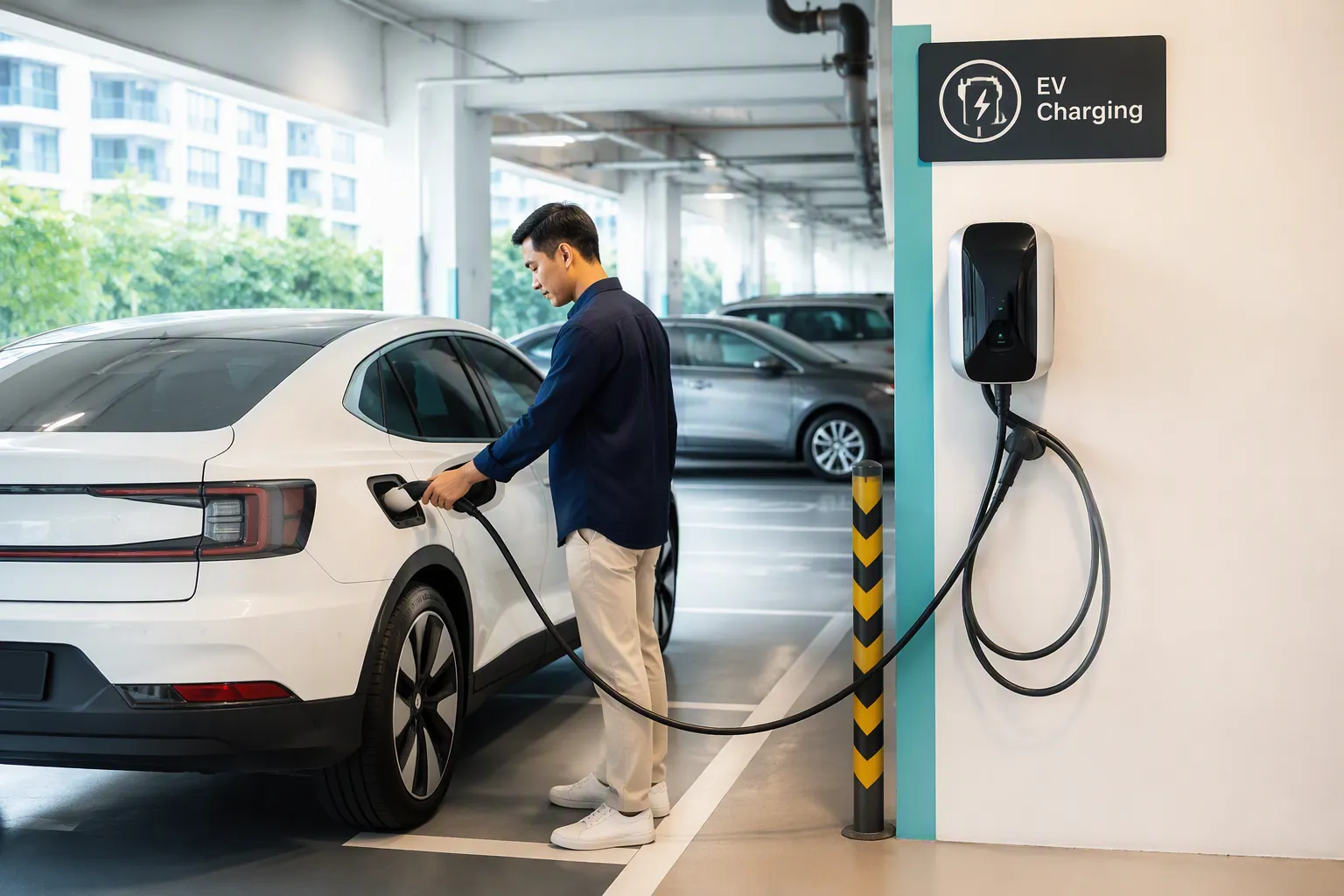
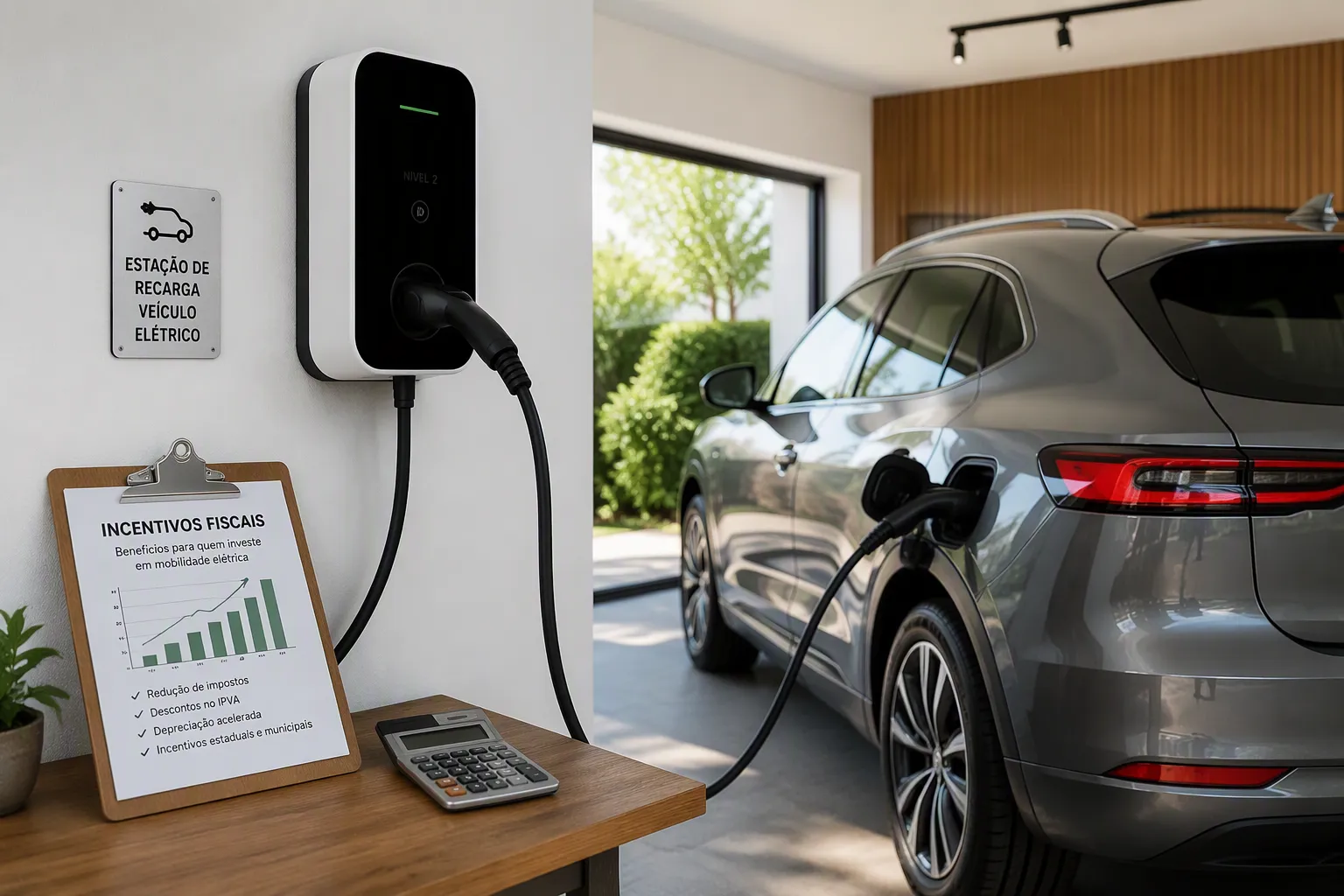
- Home and workplace charging: smart load management becomes baseline
- Public corridor charging: scale, amenities, and predictability
- Software and operations: from chargers to charging platforms
- TPSON perspective: safer charging through energy intelligence
- Practical checklist for buyers and site hosts (global)
- FAQ (4)
- References and outbound links
The EV charging market is entering a phase where the winners are defined by system performance—not just station count. Across regions, several themes repeat in regulator guidance, buyer behavior, and product roadmaps: قابلية التشغيل البيني, managed electrical capacity, و predictable charging experiences.
Platform maturity (public + home)
Software-led
Charging networks increasingly present hardware, software, and services as a single operating system for sites and drivers.
اقتصاديات الشحن المنزلي
~1/3 التكلفة
Car and Driver reports home charging is roughly one-third the cost of DC fast charging in typical use cases.
Network credibility signal
Uptime
Site hosts and fleets evaluate proactive monitoring, diagnostics, and maintenance packages—not only power rating.
Corridor expansion pace
Through 2026
Love’s states its fast-charging locations are being added frequently through 2026, supporting long-distance travel patterns.
Values summarize commonly cited ranges for consumer education and purchasing decisions.
Source basis: Car and Driver’s consumer guide defines Level 1 (~1 kW), Level 2 (~6–19 kW), and Level 3 (~50–350 kW) with typical outcomes for charge time. Read the Car and Driver testing overview.
Many top-ranking pages focus on connector types and peak kilowatts. However, real-world performance is often determined by four less visible variables: electrical capacity constraints, continuous-load compliance, network reliability, و maintenance response time. These are operational issues—yet they are increasingly what customers pay for.
Global charging buildout is influenced by a mix of consumer behavior (home-first charging), infrastructure funding, and commercial demand from fleets and retail destinations. In practical terms, charging demand clusters around where vehicles park (homes, apartments, workplaces) and where they travel (highway corridors, retail, travel stops).
Industry testing consistently shows the best ownership experience is achieved when most energy is delivered at home. Car and Driver notes that home charging can be substantially cheaper than DC fast charging (roughly one-third the cost) and that a dedicated 240-volt outlet is a typical step for new owners seeking predictable overnight charging.
Large networks emphasize unified software plus hardware flexibility. ChargePoint describes an approach that combines stations, an open software platform, and the ability to operate ChargePoint hardware, partner hardware, or OCPP-compliant hardware, while providing a consistent driver experience through its app and in-vehicle integrations.
Corporate R&D depth and energy-domain expertise are becoming part of procurement due diligence, particularly for fleets and municipalities. TPSON reports it was founded in 2015 and highlights multi-year recognition in innovation programs and partnerships, including work related to carbon neutrality research. This matters because EV charging increasingly overlaps with grid response, موازنة الحمل, و الصيانة التنبؤية.
Source: TPSON – About
Global deployment is not an “AC or DC” decision—it is a portfolio decision. AC Level 2 remains the backbone for long-dwell locations, while DC fast charging is designed for throughput and time-sensitive travel.
| حالة الاستخدام | Best fit | Why it fits | Typical decision criteria |
|---|---|---|---|
| Homes and long overnight parking | تكييف المستوى 2 | Enough energy overnight; lower install complexity than DC; cost tracking and scheduling features matter | إدارة الأحمال, Wi?Fi/app features, outdoor rating, electrical capacity |
| Apartments / workplaces / MUDs | AC Level 2 (networked) | Many ports, controlled access, reimbursement, and utilization tracking | access control, billing, reporting, energy sharing, OCPP/network compatibility |
| Highway corridors / travel stops | الشحن السريع بالتيار المستمر | Minimizes dwell time; supports road trips; requires strong operations and amenities | power availability, uptime, site layout, amenities, maintenance SLA |
| Emergency and temporary operations | Portable DC | Fast deployment and flexible placement when fixed infrastructure is impractical | mobility, voltage range, connectors, protection features, connectivity options |
The leading edge of home charging is shifting from “fastest possible” to “fastest possible without service upgrades.” This is why موازنة التحميل الديناميكية and real-time energy monitoring are appearing in mainstream product comparisons and installation guidance.
Illustrative examples taken from published product specs and independent testing summaries.
Evidence examples: Car and Driver’s test list includes chargers with output capability up to 48A (11.5 kW). Emporia’s Classic page specifies 11.5 kW at 240V/48A and notes plug vs hardwire current limits. ChargePoint Home Flex is described as a 240V Level 2 unit up to 50A by Smart Charge America. Links: Car and Driver, Emporia Classic, Smart Charge America product listings.
Product documentation increasingly makes a practical point: plug-in configurations can be convenient, but they may limit continuous current and can introduce nuisance-tripping scenarios when GFCI protection overlaps. Emporia explicitly discusses the nuisance of NEMA 14?50 outlets paired with GFCI breakers when the EVSE already includes GFCI protection, and it recommends consulting a licensed electrician for the correct installation method.
For homeowners and site hosts, the highest-impact improvement is often not buying a higher-amp EVSE; it is ensuring the circuit is correctly designed for continuous load, with appropriate protection and a professionally verified installation plan.
TPSON positions its AC product family around energy intelligence and safety features such as موازنة التحميل الديناميكي, التحكم الديناميكي في درجة الحرارة, و Real?Time Diagnostics & Alerts, powered by its patented خوارزمية البصمة الحالية. These capabilities target the real operational problem: how to add charging without compromising household or facility electrical stability.
Related reading and product context: شواحن السيارات الكهربائية (portfolio), شواحن التيار المتردد الكهربائية (AC category), and TPSON’s manufacturer background at مصنعة لوحدات شحن المركبات الكهربائية.
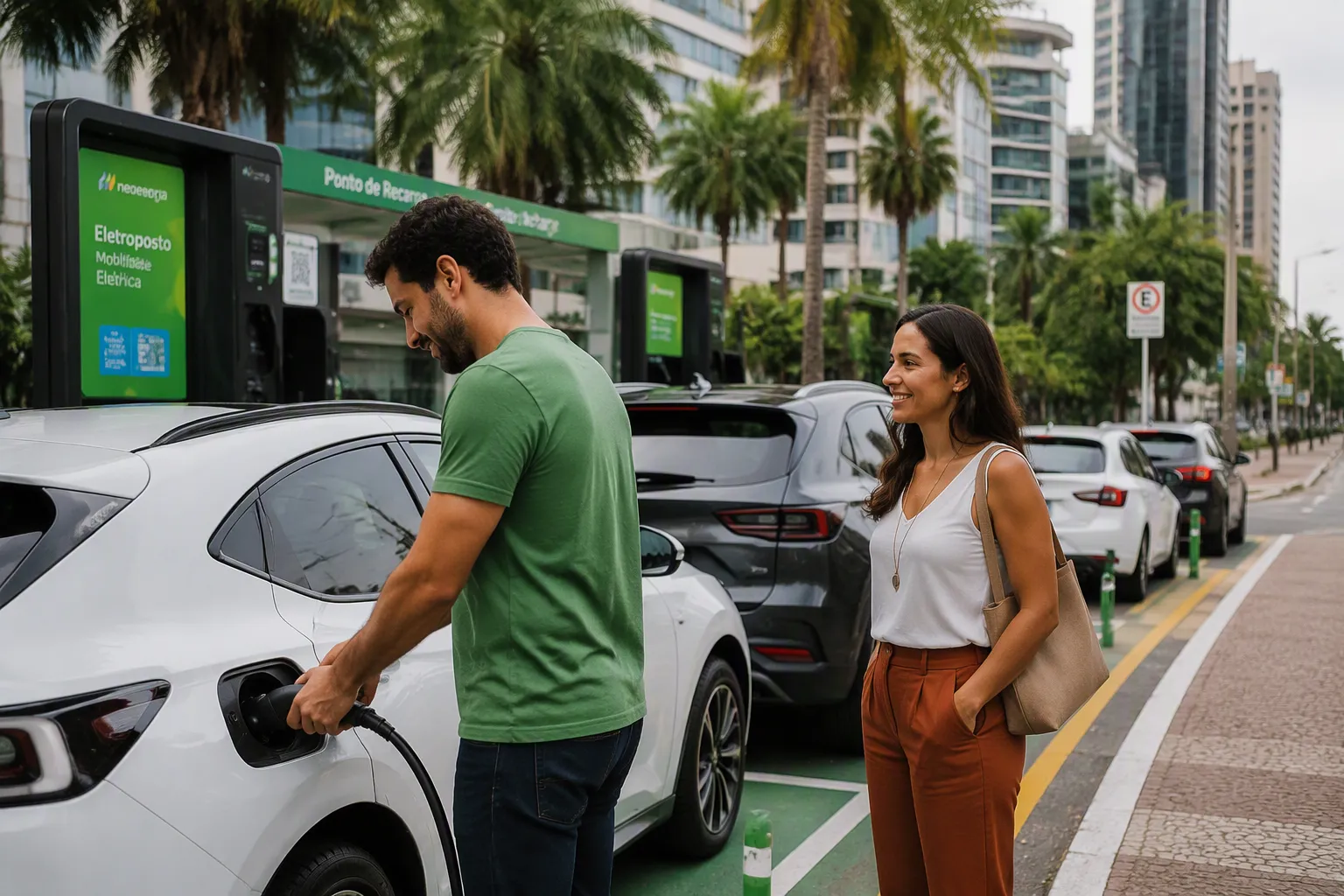
The corridor market is increasingly shaped by three expectations: drivers want fast charging that works, they want transparent station availability, and they want places worth stopping. Travel-stop operators have a natural advantage because amenities already exist, and EV charging becomes a “dwell-time product” linked to food, restrooms, and retail.
Love’s states it has been in the EV charging business since 2017 and that EV drivers can access 100+ chargers across 36 locations in 14 states, with new fast-charging locations being added frequently through 2026. It also emphasizes 24/7 staffing and amenities such as food options, clean restrooms, and dog parks.
Evidence: Love's EV Charging
ChargePoint describes an EV charging platform used across Europe and North America, combining hardware, software, and services. It highlights an open software platform and the ability to operate ChargePoint stations, partner stations, or OCPP compliant hardware, plus a driver experience through the ChargePoint app and in-vehicle integrations (e.g., Apple CarPlay and Android Auto).
Evidence: تشارج بوينت
A qualitative “weights” view based on themes repeatedly emphasized by leading networks and travel-stop operators.
السياق الداعم: تؤكد لوفز على وسائل الراحة والخدمة على مدار الساعة لسائقي السيارات الكهربائية؛ بينما يركز تشارج بوينت على تجربة السائق القائمة على التطبيقات وعمليات المنصة. لوفز, تشارج بوينت.
يتجه السوق العالمي نحو حقيقة تشغيلية: شحن السيارات الكهربائية هو عمل خدمي.
- برنامج موحد للإعداد والمراقبة وإدارة البرامج (مثل “التشغيل والإدارة والمراقبة”).
- تجربة السائق المبنية حول التطبيقات والتكامل داخل السيارة للعثور على الشحن وبدءه والدفع مقابل ذلك.
- مرونة الأجهزة من خلال أنظمة الشركاء والمعايير مثل OCPP.
- الخدمات للتنفيذ والدعم الخبير، لأن التثبيت والتشغيل يظلان خطوتين تنطويان على احتكاك كبير.
مثال مرجعي: تشارج بوينت
تدرج قوائم التجزئة وأسواق المثبتين معدات خدمة السيارات الكهربائية بشكل متزايد من حيث الشهادات وتقييمات الاستخدام الخارجي والقدرات “الذكية”.
مرجع: سمارت تشارج أمريكا – شواحن السيارات الكهربائية
تي بي سون تقدم شحن السيارات الكهربائية كجزء من نظام بيئي رقمي أوسع للطاقة. في موادها المؤسسية، تبرز تي بي سون براءة اختراع خوارزمية البصمة الحالية وتصف مهمة تتمحور حول كهرباء أكثر أمانًا ونظافة وكفاءة. أكثر من 5000 شركة و مليون أسرة—وتؤكد على عمق البحث والتطوير، وبراءات اختراع الابتكار، ونقاط جمع البيانات واسعة النطاق.
تدعي تي بي سون تحليلًا سريعًا يعتمد على ’البصمات“ الكهربائية للأجهزة لتحديد المخاطر في الوقت الحقيقي.
Source: تي بي سون هوم
تدعم الرؤية التفصيلية استراتيجيات التحسين مثل الشحن المجدول وتحقيق التوازن في الحمل.
Source: تي بي سون هوم
مقارنة بيانات المعدات في الوقت الفعلي مع الأنماط المرجعية تدعم الكشف المبكر عن الأعطال وتخطيط الصيانة.
Source: تي بي سون هوم
في السيناريوهات التجارية والتشغيلية—مثل مراكز الخدمة والفعاليات وخدمة الطرق—لا تمثل البنية التحتية الثابتة دائمًا أسرع طريق للحصول على القدرة. تيار مستمر 50–1000 فولت, ، واتصال اختياري عبر إيثرنت/4G، مساعدة الطوارئ على جانب الطريق و إدارة الأساطيل والخدمات اللوجستية الديناميكية.
استكشف مجموعة تي بي سون: شواحن السيارات الكهربائية, شواحن التيار المتردد الكهربائية, شواحن التيار المستمر للمركبات الكهربائية.
تم تصميم قائمة المراجعة التالية لترجمة أسئلة صفحات نتائج محرك البحث الأكثر شيوعًا إلى معايير على مستوى المشتريات. تنطبق على أصحاب المنازل، ومشغلي المواقع، ومشغلي الأساطيل الذين يقيمون معدات خدمة السيارات الكهربائية عبر الأسواق.
| مجال القرار | ما يجب التحقق منه | سبب الأهمية | الأدلة / مصادر الأمثلة |
|---|---|---|---|
| السعة الكهربائية | تصنيف القاطع، افتراضات الحمل المستمر، هامش لوحة التوزيع، وما إذا كان إدارة الأحمال مطلوبًا | يمنع ترقيات مكلفة ويقلل من انقطاعات التشغيل المزعجة | كار آند درايفر (إرشادات السعة); إمبوريا (إدارة الحمل + تفاعلات قاطع الدائرة ضد الأعطال الأرضية) |
| طريقة التثبيت | التوصيل المباشر مقابل القابس، متطلبات الرموز المحلية، توقيع الكهربائي | يحسن الموثوقية والسلامة؛ يمكن أن يتجنب تعارضات قاطع الدائرة ضد الأعطال الأرضية | إرشادات تثبيت إمبوريا; سياق اختبار كار آند درايفر |
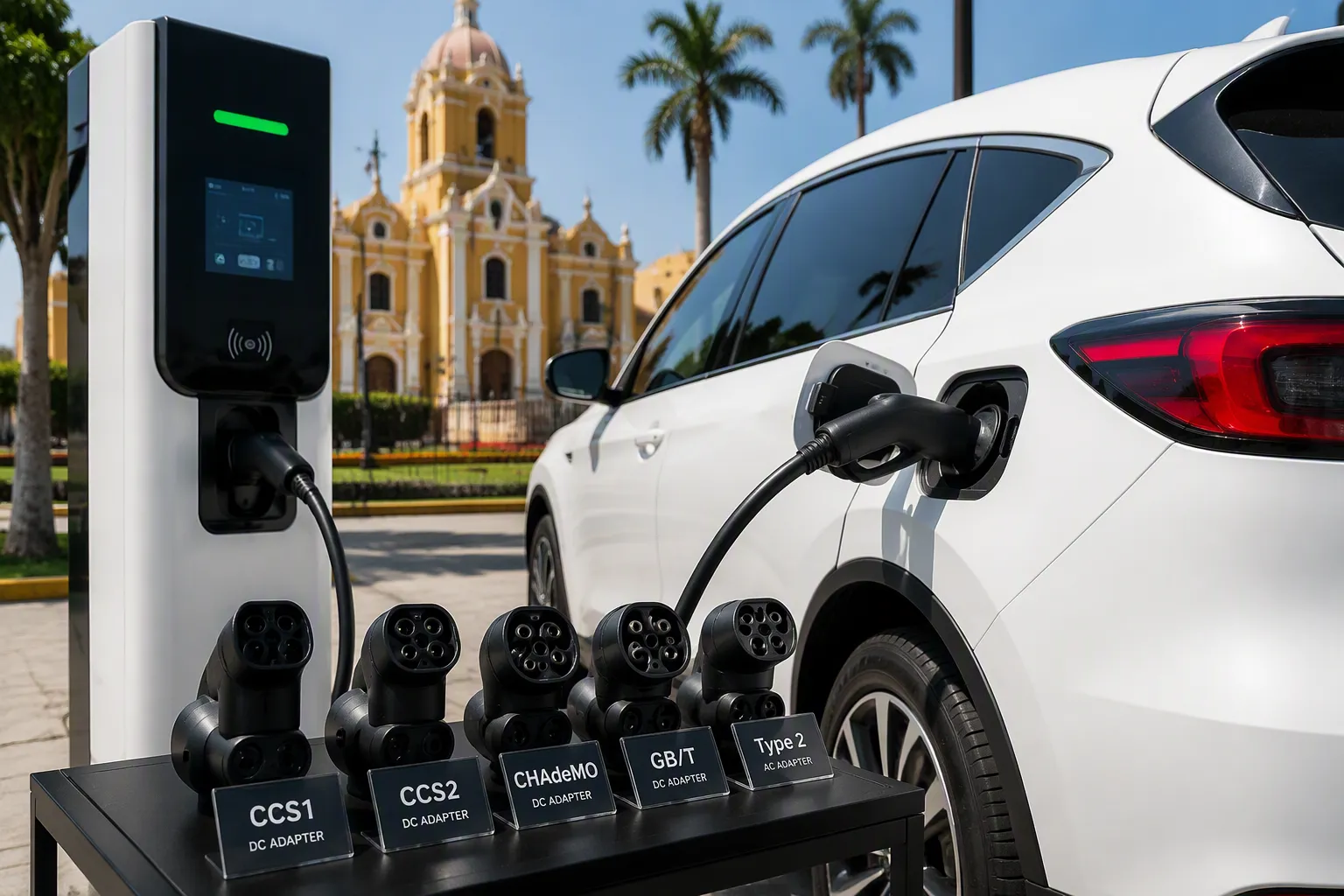
| استراتيجية الموصل | J1772 مقابل NACS (J3400)، نظام الموصلات التكميلية، مزيج المركبات | يحفظ مستقبل الأسر والأساطيل متعددة المركبات | مناقشة موصل كار آند درايفر; خيارات موصل إمبوريا |
| تصنيف الاستخدام الخارجي | تصنيف NEMA/IP متوافق مع التعرض الفعلي (المطر، الثلج، الشمس) | يحمي المكونات الإلكترونية ويقلل من طلبات الخدمة | نظرة عامة على NEMA/IP من كار آند درايفر; مواصفات منتج سمارت تشارج أمريكا |
| العمليات وزمن التشغيل | المراقبة عن بُعد، التشخيص، التحديثات اللاسلكية، نموذج الدعم | العامل الأكثر وضوحاً في تحديد رضا السائقين على نطاق واسع | ادعاءات منصة ChargePoint؛ برامج مضيفي المواقع |
| تحليلات الطاقة | تتبع التكاليف، جدولة وقت الاستخدام، تقارير الاستهلاك | يتحكم في التكلفة الإجمالية للملكية ويشجع على الشحن خارج أوقات الذروة | تجربة تطبيق ChargePoint؛ جدولة Emporia؛ مقارنات Car and Driver |
بالنسبة للمشترين الذين يقيسون النقاط السعرية، تذكر تقارير Car and Driver أن التكاليف الأولية النموذجية لمعدات الشحن المنزلية تتراوح حول 400–700 دولار في تحديثها لعام 2025.
تستخدم العديد من الأدلة الاستهلاكية مصطلح “شاحن” كاختصار. تقنياً، تحتوي المركبة على الشاحن المدمج الذي يحول التيار المتردد إلى تيار مستمر للبطارية، بينما تكون الوحدة الجدارية هي معدات تزويد المركبات الكهربائية بالطاقة (EVSE) التي تزود الطاقة بأمان وتتواصل مع المركبة. يوضح Car and Driver هذا الاختلاف صراحة في دليله للشحن المنزلي.
بالنسبة لمعظم السائقين، نعم — لأن المستوى 2 يمكنه تجديد مدى ذي معنى بين عشية وضحاها، بينما يقدم المستوى 1 عادةً حول ~1 كيلوواط ويمكن أن يستغرق أياماً لشحن كامل للبطاريات الأكبر. يصور Car and Driver المستوى 2 على أنه المعيار المنزلي العملي للاستخدام الروتيني.
أقوى اتجاه هو إدارة الأحمال والشحن الواعي للطاقة. يظهر هذا في كل من الاختبارات المستقلة (التي تسلط الضوء على أنظمة موازنة الأحمال) وفي وثائق الشركات المصنعة التي تناقش كيفية تفاعل عمليات التثبيت مع سعة المنزل وأجهزة الحماية.
يتجه الشحن العام نحو نموذج “تجربة السفر”: المزيد من الشحن السريع بالتيار المستمر على الطرق الرئيسية، وأدوات تشغيلية أقوى، ومرافق موقع أفضل. على سبيل المثال، تؤكد Love's على محطات السفر المأهولة على مدار الساعة طوال أيام الأسبوع والاستمرار في التوسع حتى عام 2026، بينما تؤكد مشغلو الشبكات مثل ChargePoint على برامج المنصة ودمج تطبيقات السائقين.
تم الرجوع إلى المصادر التالية للبيانات الواقعية والمواصفات والادعاءات المنشورة. يتم توفير روابط خارجية للتحقق والمزيد من القراءة.
- TPSON – نظرة عامة على مجموعة المنتجات: https://tpsonpower.com/ev-chargers/
- TPSON – خلفية عن الشركة المصنعة (خوارزمية البصمة الحالية، المعالم، الفريق): https://tpsonpower.com/about/
- TPSON – فئة التيار المتردد