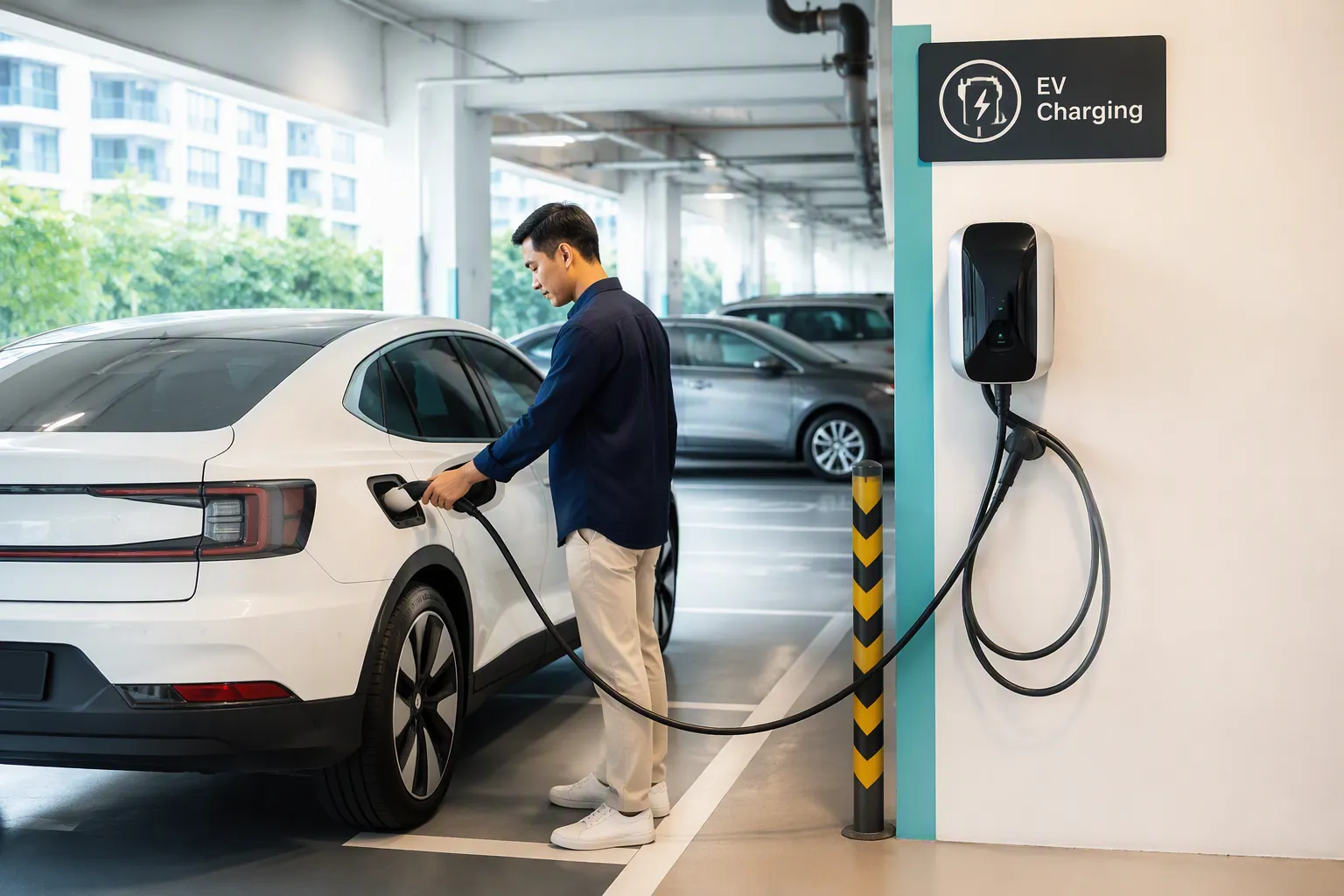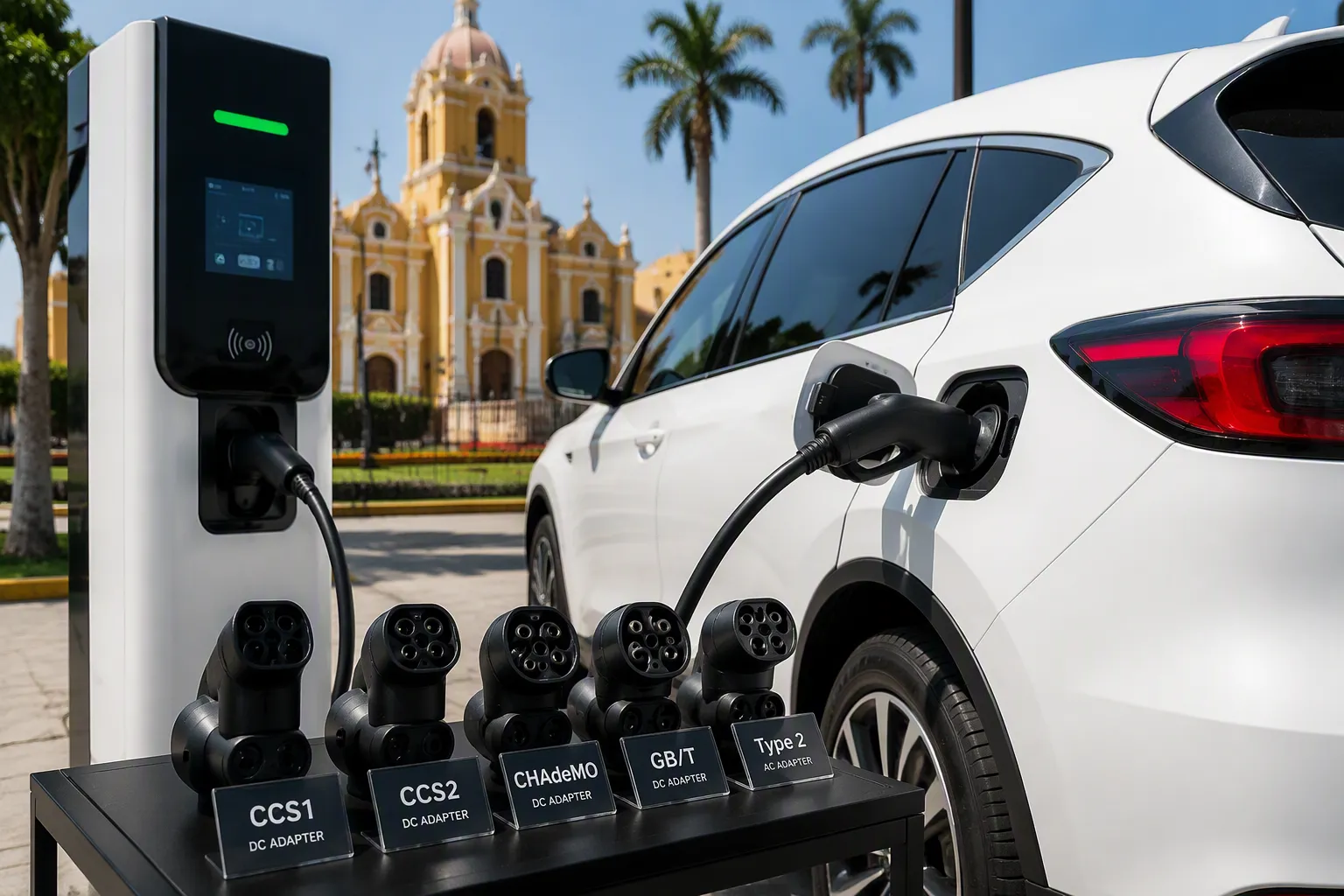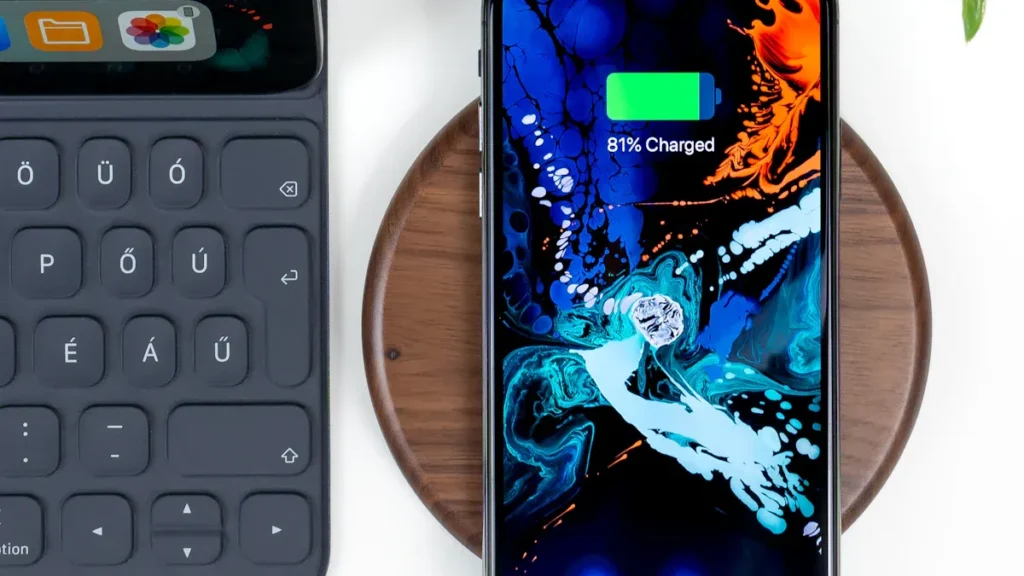

The question of whether to charge to 80% or 100% is a critical one for modern device owners. For daily routines, limiting the charge to 80% is an effective strategy to protect long-term battery health. This charging principle is so significant that الشركات المصنعة لشاحن السيارة الكهربائية now develop advanced حلول شحن السيارات الكهربائية. Every شاحن السيارة الكهربائية, including compact شواحن السيارات الكهربائية المحمولة, is designed with this in mind. However, a full 100% charge is perfectly acceptable and often necessary for long travel days or when a power source is unavailable.
The Science of Lithium-Ion Battery Aging
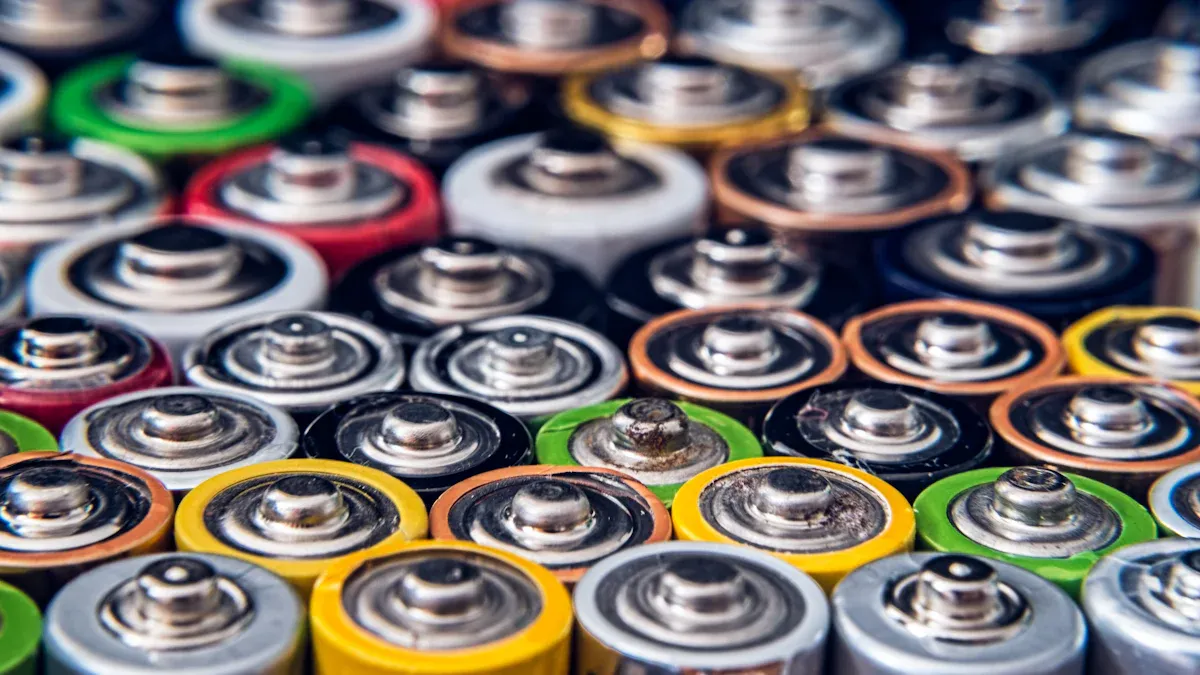
Understanding why an 80% charge is beneficial requires a look inside your device’s power source. The lithium-ion batteries in modern electronics are marvels of engineering, but they are not immortal. Their lifespan is a direct result of their chemistry and how users treat them.
What Is a Lithium-Ion Battery?
A battery is essentially a container for chemical energy. It converts this stored energy into electrical power to run a device. This process, however, causes gradual wear over time.
The Basics of How Your Battery Works
Every time a device charges, tiny particles called lithium ions travel from a positive electrode (cathode) to a negative electrode (anode). When the device is used, these ions travel back, creating an electrical current. The core components enabling this process include:
- Graphite: This carbon material typically forms the negative electrode (anode).
- Lithium Cobalt Oxide: This is a common material for the positive electrode (cathode), though some batteries use alternatives with nickel or manganese.
- Electrolyte: A chemical solvent that allows the lithium ions to move between the electrodes.
Why All Batteries Eventually Degrade
All batteries degrade because charging and discharging are physical processes. Researchers have found that over many cycles, some atoms on the surface of the cathode material rearrange themselves. This creates new, inactive structures that can no longer store energy effectively. This “fatigued” material loses its ability to hold a full charge, permanently reducing the battery’s maximum capacity.
Key Factors That Stress Your Battery
Three main factors accelerate this aging process: high voltage, heat, and charge cycles. Managing these stressors is the key to a longer battery lifespan.
High Voltage and Its Impact
High voltage places significant stress on the battery’s internal components. The battery experiences the most voltage stress when it is charged above 80% or discharged below 20%.
ملاحظة: Think of a battery’s charge level like blood pressure. Keeping it in a stable, moderate range (20-80%) is much healthier than pushing it to its absolute maximum or minimum all the time.
The Damaging Effects of Heat
Heat is a battery’s worst enemy. It acts as a catalyst, speeding up the harmful chemical reactions that cause degradation. Charging, especially fast charging, generates heat. When a battery is already at a high state of charge (like 90%), the additional heat from الشحن حتى 100٪ accelerates the breakdown of the electrolyte and cathode materials.
Understanding Charge Cycles
A charge cycle is one full discharge and recharge, from 100% down to 0% and back up. This can also be cumulative; for example, using 50% of your battery one day and recharging, then using another 50% the next day, equals one full cycle. Each cycle causes a tiny amount of irreversible capacity loss. While the effect of a single cycle is minuscule, the damage adds up. Research shows this degradation, though slow, can reach a noticeable 6% loss over 500 cycles.
Why 80% Is the Sweet Spot for Daily Charging
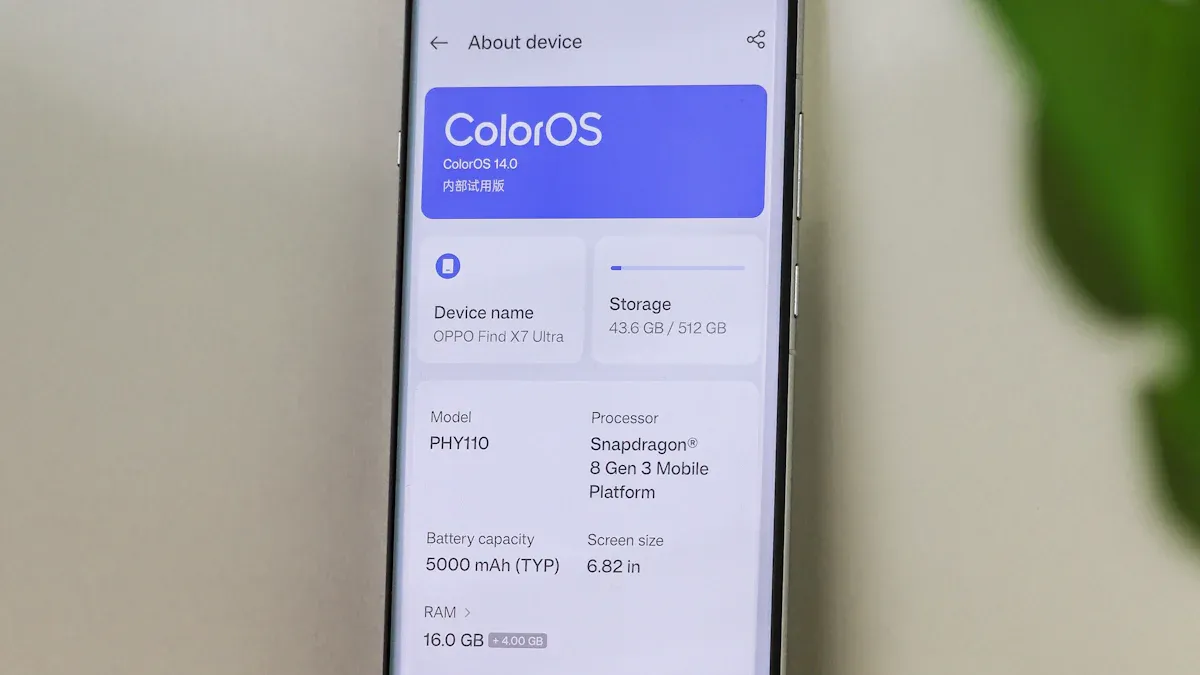
The previous section established that high voltage and heat degrade batteries. The 80% charging limit directly addresses these stressors, making it the ideal target for daily use. This practice offers a practical way to extend a battery’s lifespan without a significant impact on daily usability.
Reducing High-Voltage Stress
Voltage is not uniform across the entire charging spectrum. A battery experiences significantly more strain at the upper and lower ends of its capacity. Keeping a battery at a 100% state of charge for extended periods stresses the cells due to this high voltage, which in turn amplifies degradation.
The 80% to 100% High-Stress Zone
The final 20% of the charging process, from 80% to 100%, is the most stressful for a lithium-ion battery. During this phase, the internal resistance increases. The charger must push more voltage to pack the last lithium ions into the anode. This sustained high-voltage state accelerates the breakdown of core battery components, leading to permanent capacity loss.
Analogy: The Overstretched Rubber Band
Think of a battery like a new rubber band. You can stretch it to 80% of its maximum length thousands of times with little wear. However, if you stretch it to its absolute limit (100%) and hold it there, the band will quickly lose its elasticity. It becomes weaker and will eventually snap. A battery held at 100% charge experiences a similar kind of constant, damaging tension.
Slowing Down Chemical Degradation
High charge levels do more than just apply physical stress; they also act as a catalyst for harmful chemical reactions. Consistently charging a lithium-ion battery to 100% can accelerate its degradation. This is why experts recommend keeping the charge level within a more stable range.
How High Charges Accelerate Chemical Aging
A fully charged battery is in a highly energetic and unstable state. This high energy level speeds up the oxidation of the electrolyte, a process that coats the electrodes with resistive layers. These layers make it harder for lithium ions to move, effectively reducing the battery’s ability to store and deliver power. This is a key reason why battery health declines over time.
Keeping Your Battery in a Stable State
The goal is to keep the battery in a less volatile, more stable chemical state as often as possible. The healthy 20-80% range provides this stability. Studies even suggest that an 85% state-of-charge offers an optimal balance between available energy and long-term battery longevity. Avoiding the extremes prevents the battery from entering these high-stress, chemically reactive states.
The Long-Term Benefits of the 80% Rule
Adopting the 80% charging rule yields tangible, long-term rewards. While the daily difference is unnoticeable, the cumulative effect over months and years is significant. This practice is a cornerstone of preserving battery capacity.
Extending Your Battery’s Total Lifespan
Consistently capping the daily charge at 80% can dramatically increase the total number of charge cycles a battery can endure before its capacity significantly drops. This simple habit helps mitigate degradation over time. For example, a battery regularly charged to 80% might retain over 80% of its original capacity after several years, while one always charged to 100% might fall below that threshold much sooner.
Maintaining Higher Capacity Over Time
The most practical benefit is a battery that holds its charge better for longer. Regularly charging to 100% can negatively impact future battery capacity, even though the process itself is safe. By following the 80% guideline, users ensure their device maintains a higher maximum capacity throughout its life. This means that two years from now, a device managed this way will last noticeably longer on a single charge than an identical one that was always charged to 100%.
When Charging to 100% Is the Right Choice
While the 80% rule is excellent for daily battery maintenance, it is a guideline, not an unbreakable law. Certain situations not only permit but demand a full 100% charge. In these cases, the immediate need for maximum battery capacity outweighs the long-term goal of battery preservation.
For Maximum Usage and Peace of Mind
The primary reason to charge to 100% is to maximize the device’s utility when power is scarce or a long day is ahead. This provides users with confidence and reliability.
Long Travel Days
A full charge is essential before long trips. It ensures the device has the maximum energy available for navigation, communication, and entertainment. This is especially critical for السيارات الكهربائية, where range is a primary concern. A 100% charge offers:
- Maximum Range: The full battery capacity provides the longest possible usage time.
- المرونة: It gives users the freedom to handle unexpected delays or detours without range anxiety.
- راحة البال: A full battery allows for worry-free travel, knowing the device is prepared for an extended journey.
When a Charger Isn’t Available
Users heading into situations where they will be away from a power outlet for an entire day—such as conferences, outdoor events, or long work shifts—should start with a 100% charge. This ensures their device remains functional when it is needed most.
التأهب للطوارئ
In preparation for potential power outages or emergencies, charging devices to 100% is a wise precaution. A fully charged phone or laptop can be a critical lifeline for communication and information when the electrical grid is down.
For Accurate Battery Calibration
Another important reason for a full 100% charge is to perform battery calibration. This process helps the device’s software provide an accurate reading of the battery’s remaining power.
What Is Battery Calibration?
Battery calibration is the process of resetting the battery management system (BMS). The BMS is the small computer that monitors the battery’s health and reports its state of charge. Over time, its readings can become inaccurate.
Why Your Device Needs It Occasionally
Lithium-ion batteries do not suffer from the old “memory effect,” but the BMS can become miscalibrated after many partial charging cycles. This can cause the device to show an incorrect battery percentage or shut down unexpectedly, even when it reports having 10% or 20% charge left. A full charge-and-discharge cycle allows the BMS to relearn the battery’s true upper and lower capacity limits.
How Often to Calibrate (Once a Month)
نصيحة محترف: To recalibrate, let the device discharge to a low level (around 15-20%), then perform one complete, uninterrupted charging cycle all the way to 100%. Experts advise performing this recalibration process about once a month or every 30 cycles to ensure the battery percentage display remains accurate.
The Great Debate: Should You Charge to 80% or 100%?
The discussion about whether to charge to 80% or 100% ultimately comes down to balancing long-term battery health with immediate, practical needs. There is a strong case for both approaches, and the best strategy depends entirely on the user’s daily habits and requirements.
The Case for 80% Daily
Adopting an 80% daily charging limit is a proactive strategy for maximizing a battery’s total lifespan. The benefits are tangible and rooted in the chemistry of lithium-ion cells.
Measurable Longevity Gains
Data consistently shows that avoiding the extremes of a battery’s charge state leads to better long-term health. Sticking to a moderate charging window offers clear advantages.
- Keeping the charge level بين 20٪ و80٪ is the ideal range for minimizing battery degradation.
- This practice avoids the high-voltage stress that occurs when a battery is pushed to its maximum capacity.
Less Heat Generation
Heat is a primary enemy of battery health. The final stage of charging generates the most heat as the system works harder to fill the battery completely. By stopping at 80%, users effectively sidestep this high-temperature phase, keeping the battery cooler and slowing down chemical aging.
The Case for 100% When Needed
While the 80% rule is excellent for longevity, a device’s main purpose is to be useful. There are valid and important reasons to charge to 100%.
Maximizing Daily Utility
A full charge provides maximum runtime. For users facing long days, travel, or periods without access to a power source, a 100% charge is not just convenient—it is necessary. The immediate benefit of a fully powered device often outweighs the incremental, long-term wear.
The Role of Modern Safeguards
Modern devices are equipped with sophisticated Battery Management Systems (BMS). These systems are designed to protect the battery from damage. Once a battery reaches 100%, the BMS automatically stops the charging process to prevent overcharging, making it perfectly safe to charge to full when needed.
Finding Your Personal Balance
The optimal strategy is not a rigid rule but a flexible guideline tailored to individual lifestyles. Users should find a routine that works for them without causing unnecessary anxiety.
Assessing Your Daily Needs
Users should consider their typical usage patterns. If a person regularly ends the day with over 40% battery remaining, charging to 80% is a practical and beneficial habit. If they frequently run low on power, charging to 100% is the more sensible choice.
It’s Not All or Nothing
The decision to charge to 80% or 100% is not a permanent commitment. The best approach is to charge to 80% on normal days and reserve a full 100% charge for the days when maximum capacity is truly required. This balanced method provides both longevity and utility.
Debunking Common Battery Myths
Misinformation about battery care is widespread. Many outdated tips can actually harm modern batteries rather than help them. This section clarifies the truth behind three of the most common battery myths.
The “Memory Effect” Myth
The “memory effect” is a persistent myth that often leads to improper charging habits. It suggests a battery must be fully drained before recharging to avoid losing capacity.
Does It Apply to Modern Batteries?
No, the memory effect does not apply to the lithium-ion (Li-ion) batteries found in today’s smartphones, laptops, and EVs. Modern Li-ion batteries have a distinct chemical composition that makes them immune to this issue. Users can charge them at any time, regardless of the current power level, without any negative impact from a “memory.”
Where This Myth Originated
This myth has its roots in older battery technologies. NASA engineers first observed the phenomenon in the 1960s with nickel-cadmium (NiCd) batteries on satellites. They noticed that after repeated partial discharges, the batteries would “remember” the partial level and only supply the energy added during the last charge. This happened because crystals would form on the battery’s cadmium cathode, reducing its ability to hold a full charge. This problem was specific to NiCd and some Nickel-Metal Hydride (NiMH) batteries from the 1970s and 80s.
“يجب أن تفرغ بطاريتك حتى 0%”
هذه الخرافة هي نتيجة مباشرة لسوء فهم تأثير الذاكرة. بالنسبة للبطاريات الحديثة، فإن تفريغها عمداً حتى 0% ليس غير ضروري فحسب، بل ضار أيضاً.
لماذا يعتبر التفريغ العميق ضاراً
يؤدي تفريغ بطارية الليثيوم أيون بالكامل إلى 0% إلى إجهاد كبير في كيميائيتها الداخلية. كل تفريغ عميق يُسرع من تدهور مكونات البطارية، مما يؤدي إلى انخفاض أسرع في سعتها الإجمالية وعمرها الافتراضي. إنه أحد أكثر الأحداث إرهاقاً التي يمكن أن تتعرض لها البطارية.
الحد الأدنى المثالي: 20%
يوصي الخبراء بالحفاظ على مستوى بطارية الجهاز فوق 20% كلما أمكن. هذه الممارسة تساعد في الحفاظ على بيئة داخلية مستقلة وتقلل من الإجهاد.
للحصول على صحة مثالية للبطارية، يجب على المستخدمين أن يهدفوا إلى الحفاظ على الشحن ضمن نطاق محدد.
- حافظ على مستوى الشحن بين 20٪ و 80٪ للاستخدام اليومي.
- هذا النطاق يقلل من الإجهاد على الطبقات الداخلية للبطارية.
- عند شحن بنسبة 50%، تكون كيمياء البطارية في حالة توازن شبه مثالي، مما يعزز طول العمر.
“الشحن طوال الليل يدمر بطاريتك”
يقلق الكثيرون من أن ترك الجهاز موصولاً بالشحن طوال الليل سيؤدي إلى الشحن الزائد وتدمير البطارية. بفضل التكنولوجيا الحديثة، لم يعد هذا مصدر قلق كبير.
كيف يمنع الشحن الذكي الشحن الزائد
تتميز الأجهزة الحديثة بأنظمة إدارة بطارية ذكية (BMS). ميزات مثل “الشحن المُحسّن للبطارية” من Apple و“الشحن التكيّفي” من Android” تتعلم الروتين اليومي للمستخدم. عندما يتم توصيل الجهاز طوال الليل، عادةً ما يشحن بسرعة حتى 80% ثم يتوقف. ثم يحسب النظام الوقت المناسب للاستئناف، ويكمل الشحن إلى 100% قبل وقت استيقاظ المستخدم المعتاد. تقلل هذه الميزة الذكية بشكل كبير من الوقت الذي تقضيه البطارية في حالة 100% عالية الإجهاد.
الجاني الحقيقي: تراكم الحرارة
الخطر الأساسي من الشحن طوال الليل ليس الشحن الزائد بل الحرارة. يولد الشحن حرارة، مما يُسرع من تدهور البطارية. تحتوي العديد من الشواحن الحديثة، خاصة اللاسلكية، الآن على مستشعرات درجة الحرارة. إذا اقتربت درجة حرارة الجهاز من عتبة حرجة (مثل،, 107.6 درجة فهرنهايت أو 42 درجة مئوية)، فإن هذه الأنظمة الذكية تبطئ أو توقف الشحن تلقائياً حتى يبرد الجهاز، مما يوفر طبقة حماية أساسية.
دليل عملي لتطبيق قاعدة 80%
تطبيق قاعدة 80% أبسط مما يبدو. قام مصنعو الأجهزة بدمج ميزات ذكية لأتمتة العملية، ويمكن للعادات اليدوية البسيطة أيضاً تحقيق نفس الهدف. يوفر هذا الدليل خطوات عملية لأي شخص لحماية صحة بطاريته.
استخدام ميزات الجهاز المدمجة
تقدم الهواتف الذكية الحديثة أدوات مدمجة تدير صحة البطارية تلقائياً. تتعلم هذه الميزات عادات المستخدم لتحسين عملية الشحن، مما يجعل من السهل اتباع إرشادات 80% دون جهد يدوي.
لهواتف iPhone: الشحن المُحسّن للبطارية
يتضمن نظام iOS من Apple ميزة تسمى “الشحن المُحسّن للبطارية”. تتعلم الروتين اليومي للمستخدم وتؤخر الشحن بعد 80% حتى الحاجة إليه. على سبيل المثال، ستحتفظ بالشحن عند 80% طوال الليل وتكمل الشحن النهائي 20% قبل وقت استيقاظ المستخدم المعتاد مباشرة.
لهواتف Samsung: حماية البطارية
تقدم أجهزة Samsung Galaxy ميزة أكثر مباشرة تسمى “حماية البطارية”. عند تمكينها، يحدد هذا الإعداد أقصى شحن إلى 85%. يوفر هذا طريقة مباشرة لمنع البطارية من الدخول إلى منطقة الإجهاد العالي فوق هذا المستوى.
لهواتف Google Pixel: الشحن التكيّفي
تستخدم هواتف Google Pixel “الشحن التكيّفي”. على غرار ميزة Apple، فإنه يتحكم في سرعة الشحن بناءً على إعدادات منبه المستخدم. يشحن بثبات حتى 80% ثم يكمل الدورة ببطء للوصول إلى 100% تماماً مع انطلاق المنبه، مما يقلل الوقت المقضي عند السعة الكاملة.
عادات الشحن اليدوية لأي جهاز
حتى بدون ميزات مدمجة، يمكن لأي شخص اعتماد عادات بسيطة للحفاظ على عمر البطارية. تتطلب هذه الطرق اليدوية القليل من الانتباه ولكنها فعالة للغاية.
ضبط منبه أو تذكير
طريقة مباشرة هي ضبط منبه أو مؤقت. عندما يقوم المستخدم بتوصيل جهازه، يمكنه ضبط تذكير لفصله بعد فترة زمنية معينة. يساعد هذا في منع بقاء الجهاز عند 100% لفترات طويلة.
نهج “الجيد بما فيه الكفاية”
لا يحتاج المستخدمون إلى أن يكونوا دقيقين تماماً. الهدف هو تجنب حالة 100% عالية الإجهاد باستمرار. فصل الجهاز عندما يصل إلى حوالي 80% إلى 90% يكفي. الدقة المطلقة ليست ضرورية لتحقيق الفوائد طويلة المدى.
الاستمرارية أهم من الكمال
مفتاح طول عمر البطارية هو الاستمرارية. اعتماد روتين للحفاظ على البطارية ضمن نطاق صحي أكثر أهمية من الوصول إلى رقم دقيق كل يوم. للحصول على صحة مثالية، يجب أن يهدف المستخدمون إلى:
- إعادة شحن الجهاز عندما ينخفض مستواه إلى حوالي 20%.
- فصل الجهاز بمجرد وصوله إلى مستوى شحن 80%.
استخدام التطبيقات والملحقات الخارجية
بالنسبة لأولئك الذين يفضلون الحلول المؤتمتة على الأجهزة التي لا تحتوي على ضوابط مدمجة، يمكن أن تساعد عدة أدوات خارجية في إدارة قاعدة 80%.
المقابس الذكية والمؤقتات
تسمح المقبس الذكي للمستخدمين بالتحكم في تدفق الطاقة من هواتفهم. يمكنهم جدولة إيقاف تشغيل المقبس تلقائياً بعد مدة محددة، مما يوقف الشحن بشكل فعال قبل أن يصل إلى 100%. هذا حل رائع “اضبطه وانسه”.
تطبيقات تُعلمك عند 80%
تتوفر العديد من التطبيقات على متاجر تطبيقات Android وiOS يمكنها إرسال إشعار عندما تصل البطارية إلى نسبة مئوية محددة، مثل 80%. يذكر هذا التنبيه البسيط المستخدم بفصل جهازه، مما يساعده على الحفاظ على عادات صحية.
تطبيق قاعدة 80% على أجهزة أخرى
يمتد مبدأ الشحن بنسبة 80% إلى ما هو أبعد من الهواتف الذكية. هذه الإستراتيجية لتوفير البطارية ذات صلة تقريباً بكل جهاز حديث به بطارية ليثيوم أيون، من أجهزة الكمبيوتر المحمولة والأجهزة اللوحية إلى الأسطول المتزايد من المركبات الكهربائية.
أجهزة الكمبيوتر المحمولة والأجهزة اللوحية
يحافظ العديد من المستخدمين على توصيل أجهزة الكمبيوتر المحمولة والأجهزة اللوحية لفترات طويلة. تحافظ هذه العادة على البطارية عند 100% ثابتة،, مما يُسرع من تدهورها. تقدم الشركات المصنعة الرائدة الآن أدوات للتخفيف من هذا.
إعدادات الشركة المصنعة (Dell، Lenovo، Apple)
تقدم شركات تصنيع الأجهزة برامج مدمجة لمساعدة المستخدمين على إدارة صحة البطارية. تسمح هذه الإعدادات بروتينات شحن أكثر ذكاءً.
- Dell: إن يسمح تطبيق Command Power Manager للمستخدمين بتخصيص عتبات الشحن.
- Lenovo: يمكن للمستخدمين تعيين حد أقصى للشحن من خلال تطبيق Vantage.
- Apple: يتضمن نظام التشغيل macOS ميزة “الشحن المُحسّن للبطارية,”، التي تتعلم أنماط الاستخدام لتأخير الشحن بعد 80٪ حتى تكون هناك حاجة إلى الجهاز.
الموازنة بين قابلية النقل والمتانة طويلة الأمد
يجب على المستخدمين الموازنة بين الحاجة إلى جهاز مشحون بالكامل وقابل للنقل، وبين هدف الحفاظ على صحة البطارية على المدى الطويل. بالنسبة للأجهزة المستخدمة بشكل أساسي على المكتب، فإن تمكين ميزة تحديد الشحن يعد طريقة بسيطة وفعالة للحفاظ على البطارية.
السيارات الكهربائية (EVs)
قاعدة 80٪ حاسمة بشكل خاص للسيارة الكهربائية. تُعد بطارية السيارة الكهربائية المكون الأكثر تكلفة فيها، مما يجعل الحفاظ عليها أولوية قصوى لكل مالك سيارة كهربائية. تقوم شركات متقدمة تقنياً لتوفير حلول شحن السيارات الكهربائية مثل TPSON بتصميم أنظمتها مع مراعاة هذا المبدأ.
لماذا تنصح كتيبات السيارات الكهربائية بالشحن حتى 80٪ يومياً
توصي معظم شركات تصنيع السيارات الكهربائية بـ تحديد الشحن اليومي عند 80٪ لتحسين صحة البطارية. تساعد هذه الممارسة في الحفاظ على متانة البطارية عالية الجهد داخل كل سيارة كهربائية. شحن السيارة الكهربائية من 80٪ إلى 100٪ أبطأ ويضع ضغطاً أكبر على الخلايا. تتضمن مرحلة الشحن النهائية هذه غالباً “شحن موازن,”، وهي عملية ضرورية لنظام إدارة البطارية (BMS) لتنظيم الخلايا الفردية. تحتاج السيارة الكهربائية إلى هذا الشحن الكامل العرضي للمعايرة، ولكن ليس يومياً. بالنسبة لأي سيارة كهربائية، الالتزام بـ 80٪ هو العادة اليومية المثالية. ينطبق هذا على كل موديل سيارة كهربائية. بطارية السيارة الكهربائية نظام معقد، وهذه القاعدة البسيطة تساعد في الحفاظ عليها. تستفيد السيارة الكهربائية بشكل كبير من هذا الروتين.
متى تشحن سيارتك الكهربائية إلى 100٪
يُحتفظ بالشحن الكامل إلى 100٪ للسيارة الكهربائية لحالات محددة تكون فيها السعة القصوى ضرورية.
يُنصح بالشحن إلى 100٪ قبل الشروع في رحلة طويلة. وهذا يضمن أن السيارة الكهربائية لديها أقصى مدى ممكن. كما يُوصى به عندما يكون هناك عدم يقين بشأن إيجاد مرافق للشحن في الوجهة.
الساعات الذكية والأجهزة القابلة للارتداء
تنطبق قاعدة 80٪ أيضاً على الأجهزة الأصغر مثل الساعات الذكية، ولكن الجانب العملي غالباً ما يأخذ الأولوية.
تطبيق القاعدة على البطاريات الأصغر
تستفيد البطاريات الصغيرة في الأجهزة القابلة للارتداء أيضاً من تجنب الشحن الدائم إلى 100٪. ومع ذلك، فإن سعتها الصغيرة تعني أن المستخدمين غالباً ما يحتاجون إلى كل جزء من الطاقة لاجتياز اليوم.
الجانب العملي مقابل المتانة طويلة الأمد
يواجه المستخدمون مفاضلة مباشرة بين الراحة ومتانة البطارية طويلة الأمد. يعتمد تواتر الشحن بشكل كبير على نوع الجهاز.
| نوع الساعة الذكية | الميزات | تواتر الشحن النموذجي |
|---|---|---|
| غنية بالميزات | شاشات نابضة بالحياة، تطبيقات كثيرة | يومياً (18–36 ساعة) |
| تركز على اللياقة أولاً | شاشات مبسطة، تطبيقات أساسية | عدة أيام أو عدة أسابيع |
بالنسبة للساعات الغنية بالميزات التي تتطلب شحنًا ليلياً، فإن راحة الشحن الكامل تفوق غالباً الفوائد طويلة الأجل الهامشية للتوقف عند 80٪.
يجد النقاش حول ما إذا كان يجب الشحن إلى 80٪ أو 100٪ إجابة بسيطة في الموازنة. للاستخدام اليومي، يجب أن يهدف المستخدمون إلى شحن بنسبة 80٪ لإطالة عمر بطاريتهم بشكل كبير. يجب الاحتفاظ بالشحن الكامل إلى 100٪ للحالات التي تكون فيها السعة الإضافية مطلوبة حقاً، مثل أيام السفر.
المفتاح هو الاتساق، وليس الكمال. الحفاظ على نطاق شحن صحي بين 20٪ و 80٪ له تأثير أكبر من الوصول إلى رقم دقيق. يضمن هذا النهج أن يتمكن المستخدمون من الاستمتاع بأجهزتهم دون قلق، مع العلم أن عاداتهم تدعم الصحة طويلة الأمد. يعتمد اختيار الشحن إلى 80٪ أو 100٪ في النهاية على الاحتياجات الفورية للمستخدم.
الأسئلة الشائعة
هل شحن هاتفي إلى 100٪ ضار؟
الشحن إلى 100٪ ليس ضاراً بحد ذاته، ولكن القيام بذلك يومياً يُسرع من شيخوخة البطارية. تحتوي الأجهزة الحديثة على ضوابط سلامة لمنع الشحن الزائد. يجب على المستخدمين الاحتفاظ بالشحن الكامل للحالات التي يحتاجون فيها إلى أقصى عمر للبطارية، مثل الرحلات الطويلة.
كم مرة يجب أن أشحن إلى 100٪؟
يوصي الخبراء بدورة شحن كاملة إلى 100٪ حوالي مرة واحدة شهرياً. تساعد هذه العملية في إعادة معايرة نظام إدارة البطارية، مما يضمن بقاء عرض النسبة المئوية دقيقاً. من الحكمة أيضاً الشحن الكامل قبل أيام السفر الطويلة.
هل الشحن السريع يضر ببطاريتي؟
الشحن السريع يولد الشحن السريع حرارة أكثر من الشحن القياسي. الحرارة عامل أساسي في تدهور البطارية. بينما هو مريح، يمكن للشحن السريع المتكرر أن يقصر العمر الإجمالي للبطارية مع مرور الوقت مقارنة بطرق الشحن الأبطأ والأكثر برودة.
هل يجب أن أترك بطاريتي تفرغ تماماً قبل الشحن؟
لا، يجب على المستخدمين تجنب ترك بطارية ليثيوم-أيون تفرغ إلى 0٪. يؤدي هذا التفريغ العميق إلى إجهاد كبير على كيمياء البطارية ويسرع فقدان السعة. إنه أحد أكثر الأشياء ضرراً للبطارية الحديثة.
ما هو أفضل نطاق شحن لبطاريتي؟
النطاق المثالي للاستخدام اليومي هو بين 20٪ و 80٪. الحفاظ على البطارية ضمن هذا النطاق يقلل من إجهاد الجهد العالي ويبطئ التدهور الكيميائي، مما يطيل بشكل كبير العمر الإجمالي للبطارية وصحتها.
لماذا تحتوي الأجهزة الجديدة على ميزات تحديد الشحن؟
تدرج الشركات المصنعة ميزات مثل “الشحن المُحسّن” أو “حماية البطارية” لمساعدة المستخدمين على الحفاظ على صحة البطارية تلقائياً. تدير هذه الأدوات روتين الشحن لتقليل الوقت الذي يقضيه الجهاز في حالة 100٪ عالية الإجهاد، مما يجعل العناية بالبطارية أمراً سهلاً.