
توفر السيارات الكهربائية للسائقين التشيليين مستوى جديدًا من الكفاءة، ولكن فائدتها تتوقف على استراتيجية شحن ذكية. غالباً ما يقدم الجدل الدائر حول الشحن السريع من المستوى 2 من التيار المتردد مقابل الشحن السريع من التيار المستمر خياراً خاطئاً؛ فكلاهما له دور متميز. بالنسبة لمعظم التنقلات اليومية، فإن الشحن من المستوى 2 هو الخيار الأكثر عملية وفعالية من حيث التكلفة، مما يضمن لسيارتك الكهربائية مدى كافياً. تحافظ هذه الطريقة على سلامة البطارية وتقلل من تكاليف الكهرباء. يُعدّ الشحن السريع بالتيار المستمر أداة فعّالة لزيادة مدى سيارتك الكهربائية في الرحلات الطويلة. من الأفضل تخصيصها للرحلات البرية أو لحالات الطوارئ المحددة، وليس للشحن الروتيني، لزيادة عمر سيارتك إلى أقصى حد والحفاظ على ثبات المدى القابل للاستخدام. إن فهم هذا التوازن هو مفتاح الاستمتاع بسيارتك الكهربائية.
💡 نصيحة محترف: روتين شحن ثابت باستخدام شاحن السيارة الكهربائية في المنزل يزيد من نطاقك اليومي إلى أقصى حد. لمن يحتاجون إلى المرونة, شواحن السيارات الكهربائية المحمولة تقدم نسخة احتياطية رائعة. رائدة الشركات المصنعة لشاحن السيارة الكهربائية, مثل TPSON، تقدم حلول شحن السيارات الكهربائية لتلائم احتياجات كل سائق، مما يضمن أن يكون مدى سيارتك الكهربائية جاهزاً دائماً للطريق أمامك. يحافظ هذا النهج على إمكانية التنبؤ بمدى سيارتك الكهربائية.
فهم الأساسيات: طاقة التيار المتردد مقابل طاقة التيار المستمر
يجب أن يفهم مالك السيارة الكهربائية نوعي الشحن الأساسيين لتحسين تجربته. فالكهرباء من الشبكة والكهرباء التي تستخدمها بطارية سيارتك مختلفة. وهذا الاختلاف هو أساس الشحن بالتيار المتردد والشحن بالتيار المستمر، حيث يخدم كل منهما غرضاً مميزاً لإدارة مدى سيارتك الكهربائية.
ما هو شحن التيار المتردد (التيار المتردد)؟
يُعد الشحن بالتيار المتردد الطريقة الأكثر شيوعاً وسهولة للاستخدام اليومي للسيارات الكهربائية. إنها أساس الشحن الروتيني الفعال من حيث التكلفة والصحي للبطارية.
الطاقة مباشرة من حائطك
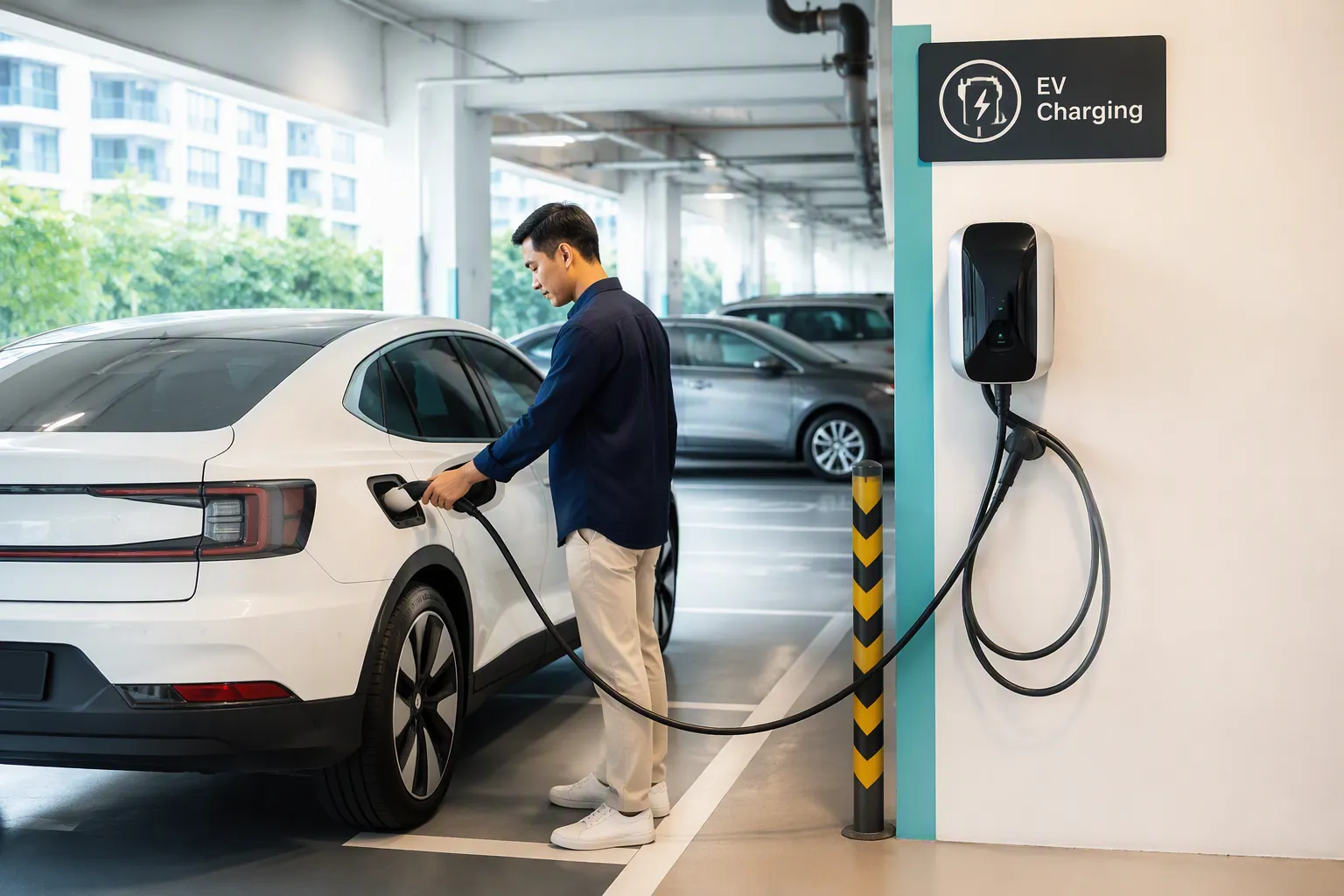
الكهرباء التي تزود المنازل والشركات بالطاقة في جميع أنحاء تشيلي هي التيار المتردد (AC). ويغير هذا التيار اتجاهه بسرعة، مما يجعله فعالاً للنقل لمسافات طويلة عبر الشبكة الكهربائية. عندما يقوم سائق السيارة بتوصيل سيارته بمقبس حائط عادي أو شاحن منزلي مخصص، فإنه يزودها بالتيار المتردد. وهذه هي الطاقة نفسها التي تزوّد تلفازك وثلاجتك بالطاقة.
شاحن سيارتك المدمج في العمل
يمكن لبطارية السيارة الكهربائية تخزين طاقة التيار المباشر (DC) فقط. لذلك، تحتوي كل سيارة كهربائية على شاحن مدمج. وتتمثل مهمة هذا المكون في تحويل طاقة التيار المتردد الواردة من منزلك إلى طاقة تيار مستمر يمكنها ملء البطارية.
إن سرعة شحن التيار المتردد محدودة بسبب حجم وقوة هذا المحول المدمج. حلول الشحن المنزلي المتقدمة من مزوّدي خدمات مثل TPSON ضمان أن تكون هذه العملية فعّالة قدر الإمكان، واستعادة نطاق سيارتك بالكامل بين عشية وضحاها.
تُعد هذه الطريقة مثالية لتلبية الاحتياجات اليومية للسائق العادي، حيث تضمن لك مجموعة كاملة كل صباح.
ما هو الشحن السريع بالتيار المباشر (تيار مباشر)؟
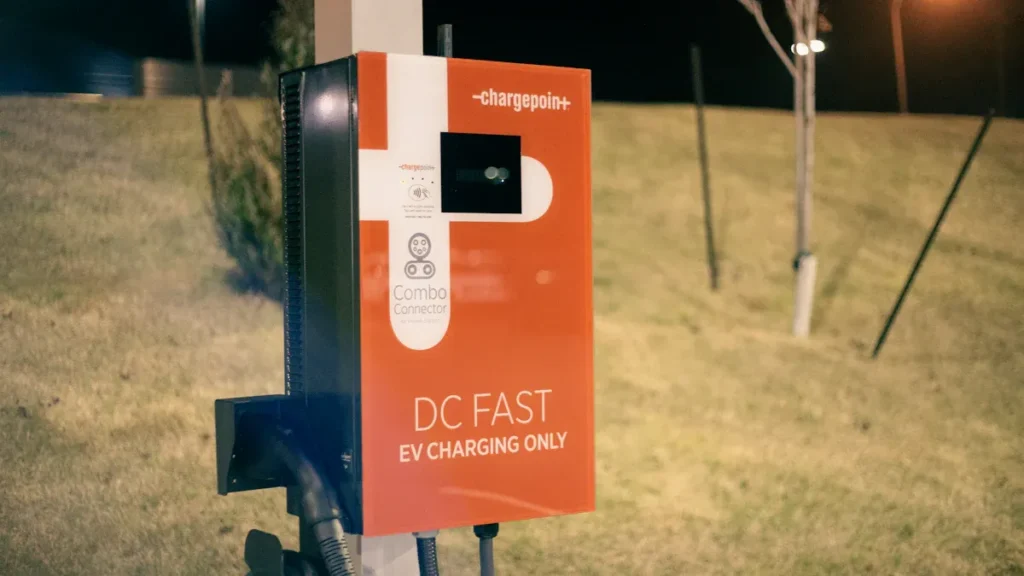
الشحن السريع بالتيار المستمر توفر كمية هائلة من الطاقة في وقت قصير. إنها أداة متخصصة لحالات محددة وليست حلاً للشحن اليومي.
تجاوز الشاحن الداخلي للسرعة
شواحن التيار المستمر السريعة هي محطات خارجية كبيرة وقوية. وهي تحتوي على محولات ضخمة تقوم بتحويل طاقة التيار المتردد من الشبكة إلى طاقة تيار مستمر عالية الجهد قبل أن تدخل السيارة. وتسمح هذه العملية لمحطة الشحن بتجاوز الشاحن الأبطأ في السيارة بالكامل. تتدفق الطاقة مباشرةً إلى البطارية، مما يتيح جلسة شحن أسرع بكثير. تؤثر أنواع الشحن المختلفة هذه تأثيراً كبيراً على الراحة والوقت.
كيف توفر الطاقة ذات الجهد العالي شحنة أسرع
فكر في شحن التيار المستمر مثل خرطوم إطفاء الحريق عالي الضغط. فهو يوفر كمية هائلة من الطاقة بسرعة كبيرة، مما يجعل من الممكن إضافة مئات الكيلومترات من المدى في أقل من ساعة. تُعدّ قدرة الشحن السريع هذه ضرورية للسفر لمسافات طويلة، مما يزيد من المدى القابل للاستخدام بشكل فعال إلى أبعد من الشحنة الواحدة. تجعل هذه السرعة من الشحن بالتيار المستمر الحل الأمثل للرحلات على الطريق، ولكن الطاقة العالية تضع المزيد من الضغط على نظام بطارية السيارة الكهربائية.
لماذا يُعد تكييف الهواء من المستوى 2 هو الخيار الذكي لروتينك اليومي في تشيلي
بالنسبة للغالبية العظمى من سيناريوهات القيادة اليومية في تشيلي، فإن الشحن بالتيار المتردد من المستوى الثاني ليس مجرد خيار؛ بل هو الاستراتيجية الأفضل. فهي توفر مزيجاً لا مثيل له من الراحة وتوفير التكاليف والحفاظ على السيارة على المدى الطويل. تعمل هذه الطريقة على تحسين تجربة الملكية لسائق السيارة الكهربائية العادي.
سهولة الشحن المنزلي والشحن في مكان العمل
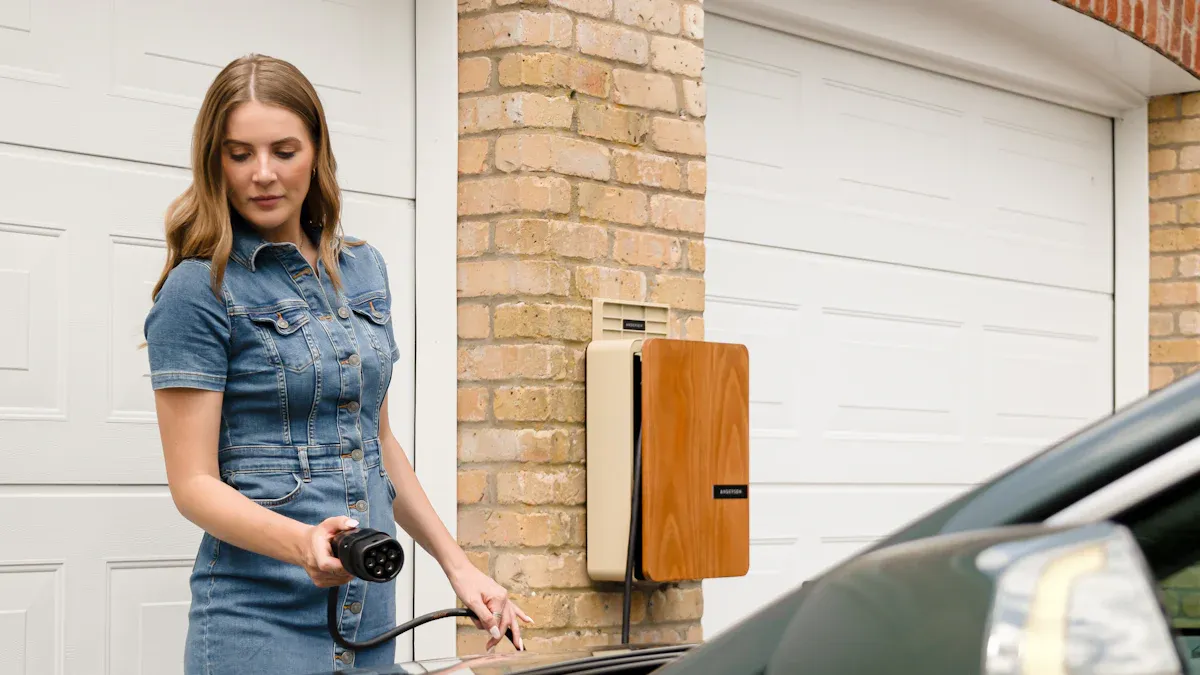
يندمج الشحن بالتيار المتردد من المستوى 2 بسلاسة في الحياة اليومية للسائق. فهو يحول وقت التوقف في المنزل والعمل إلى جلسات شحن مثمرة، مما يضمن جاهزية السيارة دائماً.
ميزة “املأها أثناء نومك”
تتمثل أهم مزايا الشحن بالتيار المتردد في القدرة على إعادة تزويد السيارة الكهربائية بالوقود طوال الليل. يصل السائق إلى المنزل ويقوم بتوصيل سيارته بالكهرباء ويستيقظ على بطارية ممتلئة. هذا الروتين البسيط يغني عن الرحلات الأسبوعية إلى المحطة ويضمن أقصى مدى متاح كل صباح. تتطلب هذه العملية الحد الأدنى من الجهد وتوفر راحة البال التامة أثناء التنقل أو القيام بأي مهمة.
شحن الموديلات المشهورة مثل BYD Dolphin
يُعد هذا الشحن الليلي المريح فعالاً للغاية بالنسبة للطرازات الشائعة في تشيلي. يمكن للشاحن المنزلي القياسي من المستوى 2 للتيار المتردد بقدرة 7.4 كيلوواط، مثل تلك المتوفرة لدى مزودي الخدمة المتقدمين مثل TPSON، تجديد بطارية السيارة بشكل كبير في غضون ساعات قليلة. وهذا يستعيد أكثر من مدى كافٍ لعدة أيام من القيادة المعتادة في المدينة.
ضع في اعتبارك أوقات شحن سيارة BYD Dolphin لاستعادة بطاريتها من 20% إلى 80%، وهو النطاق المثالي لصحة البطارية:
| طراز BYD دولفين | الشحن من 20% إلى 80% (7.4 كيلوواط أحادي الطور) |
|---|---|
| 60.4 كيلوواط/ساعة | 5 ساعات 2 دقيقة |
| تعزيز التصفح 43.2 كيلوواط/ساعة | 3 ساعات و44 دقيقة |
تتناسب هذه الأوقات بسهولة مع فترة الليل، مما يدل على الكفاءة العملية للشحن المنزلي.
دمج الشحن في يوم عملك
تمتد الراحة إلى خارج المنزل. توفر العديد من الشركات التشيلية الآن محطات شحن في أماكن العمل. ويتيح ذلك للموظفين زيادة مدى شحن سياراتهم أثناء عملهم. وتكتسب هذه الميزة قيمة خاصة للسائقين الذين يتنقلون لمسافات طويلة أو أولئك الذين قد لا يستطيعون الوصول إلى الشحن المنزلي. فهي تضمن استعداد سيارتهم الكهربائية للقيادة إلى المنزل وأي أنشطة مسائية.
الفوائد الاقتصادية لمحفظتك
يوفر اعتماد نظام الشحن بالتيار المتردد من المستوى الثاني في المنزل مزايا مالية كبيرة. إنها الطريقة الوحيدة الأكثر فعالية لخفض تكاليف تشغيل السيارة الكهربائية.
الميزة الواضحة من حيث التكلفة للشحن المنزلي
يستخدم شحن السيارة الكهربائية في المنزل أسعار الكهرباء السكنية. وهذه الأسعار أقل بكثير من الأسعار في محطات الشحن السريع العامة التي تعمل بالتيار المستمر. ويؤدي هذا الفرق في السعر إلى تحقيق وفورات فورية وطويلة الأجل، مما يجعل تكلفة الكيلومتر الواحد منخفضة بشكل ملحوظ ويحسن الكفاءة المالية الإجمالية للسيارة الكهربائية.
حساب التكلفة لكل كيلومتر في CLP
يمكن للسائقين حساب مدخراتهم بسهولة. يبلغ متوسط تكلفة الكهرباء السكنية في شيلي حوالي $0.174 دولار أمريكي لكل كيلووات ساعة. وبسعر صرف 980 ليرة شيلية مقابل دولار أمريكي واحد تقريبًا، فإن هذا يساوي حوالي 170 ليرة شيلية لكل كيلووات ساعة.
مثال على الحساب: تبلغ تكلفة السيارة ذات البطارية 60 كيلوواط/ساعة ومدى 400 كم في العالم الحقيقي حوالي 10,200 بيزو كلغ (60 كيلوواط/ساعة × 170 بيزو كلغ/كيلوواط/ساعة) للشحن الكامل. وينتج عن ذلك تكلفة تشغيل تبلغ 25.5 CLP 25.5 لكل كيلومتر.
وهذا يدل على الكفاءة المذهلة والقدرة على تحمل تكاليف الشحن المنزلي.
مقارنة أسعار الشحن المنزلي مقابل الشحن العام
تعمل شواحن التيار المستمر السريعة العامة كخدمة متميزة، حيث يمكن أن تكون تكاليفها أعلى بثلاث إلى خمس مرات من الكهرباء المنزلية. وفي حين أنها ضرورية للرحلات البرية، إلا أن الاعتماد عليها للشحن اليومي يلغي الكثير من الفوائد الاقتصادية لامتلاك سيارة كهربائية. وتؤدي عادة الشحن المنزلي الثابت إلى زيادة التوفير والمدى إلى أقصى حد.
الاستثمار المقدم في الشاحن المنزلي
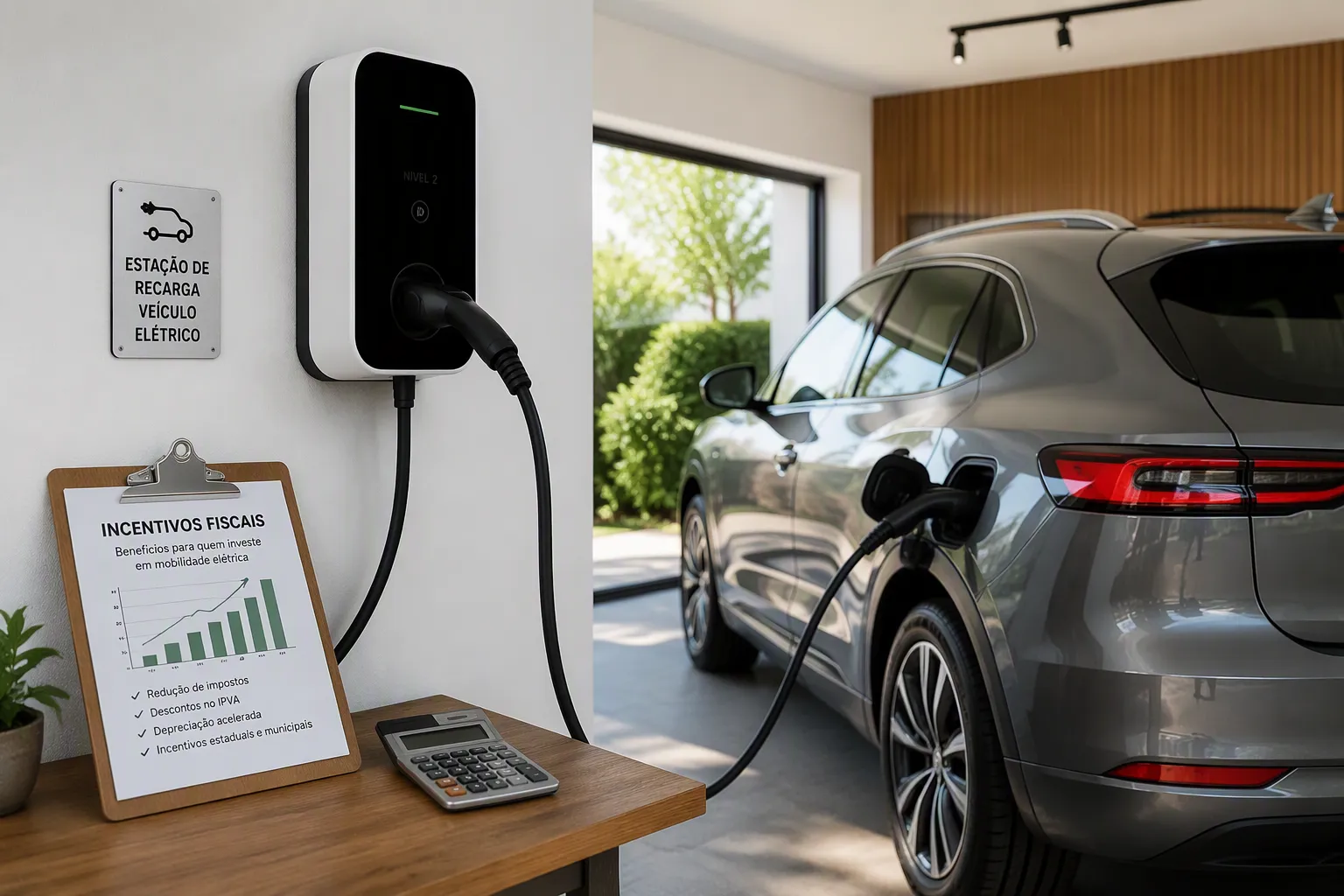
ينطوي تركيب شاحن منزلي من المستوى الثاني على استثمار أولي. ومع ذلك، يتم استرداد هذه التكلفة بسرعة من خلال التوفير في رسوم الشحن العام والبنزين. وتتيح هذه التكلفة التي تُدفع لمرة واحدة توفير سنوات من الشحن المريح ومنخفض التكلفة، مما يعزز قيمة السيارة وسهولة استخدامها اليومي. إن الكفاءة على المدى الطويل تجعلها قراراً مالياً حكيماً.
حماية استثمارك: صحة البطارية
تؤثر عادات الشحن لدى السائق بشكل مباشر على سلامة بطارية سيارته وأدائها على المدى الطويل. إن الشحن بالتيار المتردد من المستوى 2 هو الطريقة الأكثر لطفاً واستدامة للاستخدام اليومي.
كيف يحافظ الشحن البطيء على بطاريتك
يوصل الشحن بالتيار المتردد الطاقة إلى البطارية بمعدل أبطأ وأكثر استقراراً. تولد هذه العملية حرارة أقل بكثير مقارنةً بنقل الطاقة المكثف للشحن السريع بالتيار المستمر. وتقلل درجات الحرارة المنخفضة من الضغط على خلايا البطارية، وهو أمر بالغ الأهمية للحفاظ على قدرتها وإطالة عمرها الافتراضي. تساعد عملية الشحن الخفيفة هذه في الحفاظ على المدى الأقصى للسيارة على مدى سنوات عديدة.
فهم الحرارة وتدهور البطارية
الحرارة هي العدو الأساسي لبطارية الليثيوم أيون. يمكن أن يؤدي التعرض المتكرر لدرجات الحرارة المرتفعة الناتجة عن الشحن السريع للتيار المستمر إلى تسريع تدهور البطارية. ويؤدي ذلك إلى فقدان تدريجي ولكن دائم للسعة الإجمالية، مما يقلل من المدى الأقصى الذي يمكن تحقيقه في السيارة. إن قصر شحن التيار المستمر على الحالات الضرورية يحمي البطارية من الإجهاد غير الضروري.
تعظيم عمر سيارتك الكهربائية على المدى الطويل
إن استراتيجية الشحن الذكي هي مفتاح زيادة قيمة السيارة الكهربائية إلى أقصى حد. من خلال استخدام المستوى 2 من التيار المتردد في كل عمليات الشحن الروتينية، يحافظ السائق على سلامة البطارية بشكل فعال. تضمن هذه الممارسة أن تحافظ السيارة على نطاق ثابت وموثوق به لسنوات قادمة، مما يحمي الاستثمار الكبير للمالك ويضمن الأداء الأمثل. يوفر هذا الأسلوب في الشحن أفضل كفاءة للملكية طويلة الأمد.
عندما يكون الشحن السريع بالتيار المستمر هو الأداة المناسبة للسائق التشيلي

في حين أن الشحن بالتيار المتردد هو أساس الروتين اليومي الذكي، فإن الشحن السريع بالتيار المستمر يمثل أداة لا غنى عنها في حالات محددة عالية الطلب. فهو يفتح الإمكانات الكاملة للتنقل الكهربائي، ويوفر السرعة والمرونة عندما يكون السائق في أمس الحاجة إليها. ويُعدّ فهم التطبيق الصحيح لهذه الأداة أمراً أساسياً للتغلب على القلق بشأن المدى الذي يمكن أن يقطعه السائق في التنقل الكهربائي.
ضروري للسفر لمسافات طويلة والتغلب على قلق المسافات الطويلة
يحول الشحن السريع بالتيار المستمر السيارة الكهربائية من سيارة كهربائية من سيارة ركاب في المدينة إلى سيارة قادرة على القيادة لمسافات طويلة. إنها الحل النهائي للقيادة لمسافات طويلة، مما يقضي على القلق المرتبط بالرحلات الطويلة. تمنح هذه التقنية السائقين الثقة لاستكشاف كل ما تقدمه تشيلي.
تجربة “محطة الوقود” لسيارتك الكهربائية
يوفر الشاحن السريع بالتيار المستمر تجربة إعادة التزود بالوقود مماثلة لمحطات الوقود التقليدية. فبدلاً من الانتظار لساعات، يمكن للسائق إضافة قدر كبير من المدى في فترة قصيرة. تُعدّ إمكانية الشحن السريع هذه أقوى سلاح ضد القلق بشأن المدى. يمكن للتوقف السريع أن يوفر طاقة أكثر من كافية للوصول إلى الوجهة التالية، مما يجعل الرحلات على الطريق سلسة وخالية من التوتر.
بالنسبة إلى معظم السيارات الكهربائية الحديثة، يمكن لشاحن تيار مستمر قياسي بقدرة 50 كيلوواط أن يعيد شحن البطارية من حالة منخفضة إلى 80% في أقل من ساعة. تقلل هذه الكفاءة من وقت التعطل وتحافظ على سير الرحلة.
| نوع الشاحن | وقت الشحن النموذجي (20-80%) |
|---|---|
| 50 كيلوواط (شاحن سريع) | 30-60 دقيقة |
تحوّل هذه السرعة الانتظار الطويل إلى استراحة مريحة لتناول القهوة أو تناول وجبة، مما يغيّر ديناميكية التنقل الكهربائي تماماً ويخفف من أي قلق متبقٍ بشأن المدى.
مثال على رحلة برية: سانتياغو إلى لا سيرينا
فكّر في رحلة برية من سانتياغو إلى لا سيرينا، وهي رحلة تقطع مسافة 470 كيلومتراً تقريباً. لا يمكن لمعظم السيارات الكهربائية إكمال هذه الرحلة بشحنة واحدة. يمكن للسائق أن يخطط للتوقف في محطة شحن سريع بالتيار المستمر في مدينة مثل لوس فيلوس. خلال فترة توقف تتراوح بين 30 و45 دقيقة، يمكن للسيارة أن تكتسب مدى كافياً لإكمال بقية الرحلة بشكل مريح. هذا التوقف الاستراتيجي للشحن لا يجعل الرحلة ممكنة فحسب، بل يزيل أيضاً القلق بشأن المدى الذي قد يثبط من عزيمة السائق في مثل هذه المغامرة.
شرح قاعدة الشحن 80%
يعرف السائقون المتمرسون في السيارات الكهربائية أن الشحن السريع للتيار المستمر يكون أكثر كفاءة حتى 801 تيرابايت 3 تيرابايت من سعة البطارية. بعد هذه النقطة، تتباطأ سرعة الشحن بشكل كبير لحماية خلايا البطارية من الحرارة والإجهاد. يمكن أن يستغرق انتظار شحن البطارية من 80% إلى 100% نفس الوقت الذي يستغرقه الشحن من 20% إلى 80%. إن اتباع قاعدة 80% يوفر الوقت ويعزز صحة البطارية بشكل أفضل، مما يوفر نطاقاً كافياً للوصول إلى نقطة الشحن التالية دون تأخير غير ضروري.
تخطيط طريقك مع محطات الشحن
الأدوات الحديثة تجعل التخطيط رحلة برية كهربائية بسيطة. تتيح تطبيقات مثل PlugShare أو تلك الخاصة بمزوّدي خدمات الشحن مثل Copec Voltex وEnel X Way للسائقين تحديد مسارهم مع محطات التيار المستمر المتاحة. ويوفر هذا التخطيط الاستباقي صورة واضحة للرحلة، ويوضح بالضبط أين ومتى يجب التوقف للشحن. كما أنه يحوّل القلق المحتمل إلى جدول زمني يمكن التنبؤ به والتحكم فيه، مما يضمن رحلة سلسة مع مدى كافٍ.
نسخة احتياطية حرجة في حالات الطوارئ
بالإضافة إلى الرحلات على الطريق، يعمل الشحن السريع بالتيار المستمر كشبكة أمان مهمة جداً في المواقف غير المتوقعة. فهو يوفر حلاً سريعاً عندما تتغير خطط السائق ويكون مستوى البطارية أقل من المتوقع.
عندما تحتاج إلى إعادة تعبئة سريعة وسريعة
الحياة لا يمكن التنبؤ بها. قد يحتاج السائق إلى القيام برحلة غير مخطط لها عبر المدينة بعد الانتهاء بالفعل من تنقلاته اليومية. في هذه اللحظات، يمكن أن يوفر العثور على شاحن سريع بالتيار المستمر المدى اللازم في دقائق. وتوفر هذه الدفعة السريعة من الطاقة الكهربائية مستوى من المرونة يمكن أن يكون منقذاً حقيقياً للحياة، مما يحول دون أن يؤدي انخفاض مستوى البطارية إلى عرقلة الخطط المهمة.
الاستجابة لسيناريوهات انخفاض البطارية غير المتوقعة
تخيل أن تكتشف أن سيارتك لم يتم توصيلها بالشاحن بشكل صحيح طوال الليل. فبدلاً من مواجهة يوم من الحركة المحدودة والقلق الشديد، يمكن للسائق زيارة محطة شحن قريبة. يمكن لجلسة شحن مدتها 15 دقيقة أن تضيف 100-150 كيلومتراً من المدى، وهو أكثر من كافٍ لتلبية احتياجات اليوم. وهذا يحول الأزمة المحتملة إلى إزعاج بسيط، مما يسلط الضوء على قيمة شبكة التيار المستمر كوسيلة احتياطية.
استخدام الشحن بالتيار المستمر كاحتياطي وليس كعادة
المفتاح هو النظر إلى الشحن السريع للتيار المستمر كأداة قوية لاحتياجات محددة، وليس كروتين يومي. فالاعتماد عليه بشكل اعتيادي يمكن أن يسرّع من تدهور البطارية ويؤدي إلى ارتفاع تكاليف التشغيل. ومن خلال الاحتفاظ باستخدامه للرحلات الطويلة وحالات الطوارئ الحقيقية، يمكن للسائقين التخفيف من قلقهم بشأن المدى دون المساس بصحة سيارتهم أو ميزانيتها على المدى الطويل.
حل للسائقين بدون شحن منزلي
بالنسبة لعدد متزايد من التشيليين، وخاصة أولئك الذين يعيشون في شقق أو وحدات سكنية, لم يتم الشحن المنزلي بعد خياراً قابلاً للتطبيق. بالنسبة إلى هذه المجموعة، تصبح شبكة الشحن السريع بالتيار المستمر العامة جزءاً أساسياً من تجربة امتلاك السيارات الكهربائية.
الواقع بالنسبة لسكان الشقق السكنية
غالباً ما يفتقر سكان الشقق إلى مكان مخصص لركن السيارات أو القدرة على تركيب شاحن شخصي. يجب على هؤلاء السائقين الاعتماد كلياً على البنية التحتية العامة للشحن. لحسن الحظ، مع توسع سوق السيارات الكهربائية في تشيلي, الاهتمام الحكومي ومبادرات الاستدامة تشجع على تركيب المزيد من أجهزة الشحن العامة، بما في ذلك الحلول في المباني السكنية. يقوم مقدمو الخدمات المتقدمة تقنياً مثل TPSON بتطوير أنظمة شحن متعددة الاستخدامات يمكن تكييفها لمثل هذه البيئات المشتركة.
التكلفة المرتفعة لنمط الحياة المعتمد على التيار المستمر
Drivers who depend solely on public DC fast charging must accept a significant financial trade-off. The cost per kilowatt-hour at a public station is substantially higher than residential electric rates. This erases much of the fuel cost savings associated with owning an electric car. The convenience of speed comes at a premium price, making it a more expensive way to manage the vehicle’s range.
Strategies for a Public Charging Routine
A driver without home charging can still develop an efficient routine. A successful strategy involves integrating charging into regular activities. This could mean a weekly “fill-up” at a DC fast charger located at a supermarket while grocery shopping. This approach minimizes dedicated waiting time and helps manage the anxiety of constantly monitoring the battery’s state of charge. It requires more planning than home charging but makes an electric lifestyle achievable for everyone.
The Chilean Charging Landscape: Where to Find Power
Chile’s commitment to electromobility is evident in its growing charging infrastructure. Drivers can find both AC and DC charging options across the country. This expanding network ensures that an electric vehicle’s range is rarely a concern for daily use or travel. A robust charging system supports the transition to electric transportation.
The Growing AC Level 2 Network
The AC Level 2 charging network is expanding in public and private spaces. These chargers offer convenient opportunities to add range while drivers go about their day. This type of charging is perfect for maintaining a vehicle’s range without disrupting a daily schedule.
Charging at Malls and Supermarkets
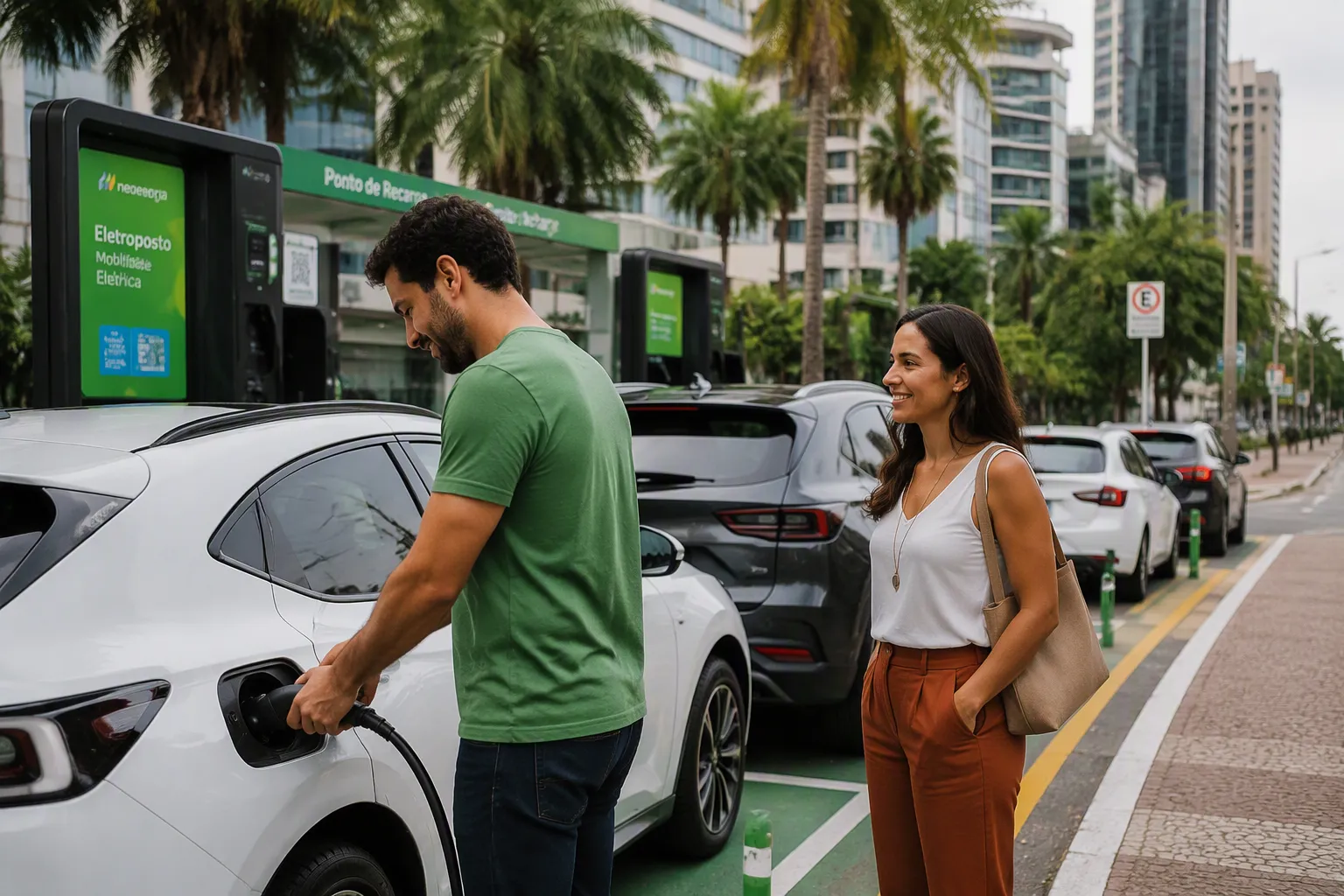
Many commercial centers now offer AC charging stations. Drivers can plug in their electric vehicles while shopping or dining. This “destination charging” allows them to return to a car with more range than when they arrived. It is an efficient way to top up the battery, extending the usable range for the rest of the day.
The Rise of Workplace Charging Programs
Forward-thinking companies are installing charging stations for their employees. This initiative provides a significant benefit, allowing staff to charge their electric cars during the workday. An employee arrives at work with a partial charge and leaves with a full battery, ensuring ample range for the evening commute and errands.
Public Charging in Plazas and Municipal Buildings
Municipalities are also contributing to the charging network. Public plazas and government buildings increasingly feature AC chargers for public use. These installations make electric vehicle ownership more accessible for all citizens, especially those without home charging options. They provide crucial charging points that help maintain a vehicle’s range throughout the city.
The Expanding DC Fast Charging Highway
The DC fast charging network is crucial for long-distance electric travel. These powerful stations are strategically placed along major highways, enabling drivers to undertake long journeys with confidence and minimal impact on their vehicle’s range.
Major Routes and “Electrolineras”
Chile’s main highways now feature “electric service stations,” or electric service stations. These facilities offer high-speed DC charging, allowing drivers to add hundreds of kilometers of range in under an hour. This network makes trips between major cities like Santiago, Valparaíso, and Concepción entirely feasible for an electric vehicle.
Key Charging Providers in Chile
Several major companies lead the development of Chile’s charging infrastructure. Providers like Copec Voltex and Enel X Way are building extensive networks of both AC and DC chargers. Technologically advanced companies like TPSON contribute by supplying the sophisticated hardware needed for these reliable charging solutions, ensuring the electric grid can support the growing demand.
Using Apps to Locate the Nearest Charger
Finding a charging station is simple with dedicated mobile applications.
Apps like PlugShare provide a real-time map of available chargers. Drivers can filter by charger type (AC or DC), connector, and network. This technology is essential for planning trips and locating the nearest charging point, removing any anxiety about finding power and managing the car’s range.
AC Level 2 vs. DC Fast Charging: A Head-to-Head Comparison
Understanding the key differences between charging methods helps a driver optimize their electric vehicle experience. The debate of ac level 2 vs. dc fast charging is not about which is better overall, but which is right for a specific situation. Each method offers distinct advantages in cost, speed, and application, directly impacting an electric car’s daily usability and long-distance range.
أفضل حالة استخدام
The ideal charging method depends entirely on the driver’s immediate needs.
AC Level 2: Daily Commuting and Overnight
AC Level 2 charging is the foundation of an efficient electric vehicle routine. It is perfectly suited for home and workplace environments where a car is parked for several hours.
- This method allows a driver to replenish their vehicle’s range overnight.
- A 7.4 kW smart charger provides an excellent balance of performance and cost for most homeowners. This consistent, slow charging ensures the car has maximum range every morning for daily commutes.
DC Fast Charging: Road Trips and Emergencies
DC fast charging is a specialized tool for speed. Its primary purpose is to facilitate long-distance travel, turning a multi-hour wait into a short break. It is also a critical backup for emergencies, providing a quick range boost when plans change unexpectedly. This powerful charging capability gives drivers the freedom to travel far beyond their typical daily range.
Cost to Charge
The financial implications of each charging type are significant.
AC Level 2: Low (Home Electricity Rates)
Charging an electric car at home with a Level 2 unit is the most economical option. It uses residential electricity rates, which are considerably lower than public charging fees. This method maximizes the cost savings of owning an electric vehicle and keeps the cost per kilometer of range very low.
DC Fast Charging: High (Premium Service Rates)
DC fast charging is a premium service with a higher price tag. The cost can be three to five times more expensive than charging at home. While necessary for road trips, relying on it for daily charging would erase much of the financial benefit of driving an electric car. It is a trade-off of cost for convenience and speed, best used sparingly to preserve a low running budget and manage range effectively.
Total Charging Time
The most noticeable difference in the ac level 2 vs. dc fast charging comparison is the time required to add range.
AC Level 2: 4-10 Hours
AC Level 2 charging is a slower process, designed for long-duration stops.
A full charge typically takes between 4 to 10 hours. This timeframe is perfect for overnight charging, ensuring a driver wakes up to a full battery and maximum available range without any inconvenience.
DC Fast Charging: 20-60 Minutes
DC fast chargers deliver power at a much higher rate, drastically reducing charging time. This rapid charging adds significant range in a short period.
| الطراز | حجم البطارية | Level 2 (11 kW) | Level 3 (50 kW) | Level 3 (150 kW) |
|---|---|---|---|---|
| تسلا موديل 3 | 60 كيلوواط/ساعة | ~5-6 hours | ~30-40 minutes | ~حوالي 20 دقيقة تقريباً |
Most modern electric vehicles can gain up to 80% of their range in just 20 to 60 minutes, making this charging method ideal for quick stops during a long journey.
التأثير على صحة البطارية
A driver’s charging choices have a direct and lasting effect on the health of their electric vehicle’s battery. The core difference in the ac level 2 vs. dc fast charging debate lies in how each method treats this vital component. A smart strategy preserves battery capacity, protecting the vehicle’s long-term value and its maximum available range.
AC Level 2: Gentle and Healthy
AC Level 2 charging is the healthiest option for daily battery maintenance. This method delivers power at a slower, more stable rate. The process generates minimal heat, which is the key to preserving battery longevity.
- Lower temperatures reduce stress on the internal cells of the electric car’s battery.
- This gentle cycle helps maintain the battery’s ability to hold a full charge over many years.
- It ensures the vehicle consistently delivers its expected daily range.
Advanced charging systems from providers like TPSON manage this energy transfer with precision. They help protect the electric vehicle’s battery, ensuring it remains healthy. This approach maximizes the car’s lifespan and preserves its usable range. A consistent routine of slow charging is the best way to protect an electric vehicle investment and maintain a reliable range.
DC Fast Charging: Higher Strain
DC fast charging subjects the battery to significantly more stress. The rapid transfer of high-voltage power generates a substantial amount of heat. This heat is the primary factor in the degradation of an electric vehicle’s battery.
Heat accelerates chemical reactions inside the battery cells. Over time, this leads to a permanent reduction in the battery’s total capacity. A degraded battery cannot hold as much energy, which results in a lower maximum range.
Frequent reliance on DC fast charging can prematurely age the battery. This reduces the vehicle’s overall usable range and diminishes its long-term performance. The decision in the ac level 2 vs. dc fast charging comparison is critical for longevity. Drivers should view DC charging as a tool for specific situations, like road trips, rather than a daily habit. This discipline is essential for protecting the battery and ensuring the electric car can achieve its optimal range for years to come. Limiting high-stress charging is crucial for maintaining a healthy electric powertrain and a dependable range.
Understanding Your EV’s Range: Advertised vs. Real-World Range
An electric vehicle’s advertised range is a useful benchmark, but the real-world range a driver experiences can differ significantly. Understanding the factors that influence an electric car’s actual battery range is crucial for effective planning and maximizing efficiency. A driver’s habits, the environment, and smart charging practices all play a role in determining how far an electric vehicle can travel on a single charge.
What Factors Affect Your Car’s Actual Range?
Several external variables directly impact an electric vehicle’s energy consumption and, consequently, its battery range. Drivers who understand these factors can adjust their behavior to improve efficiency.
Driving Style and Speed
Aggressive driving with rapid acceleration and hard braking consumes more energy than smooth, steady driving. High speeds, especially on highways, also dramatically reduce battery range. An electric motor’s efficiency is highest at moderate, consistent speeds. Maintaining a gentle driving style is one of the most effective ways for a driver to extend their vehicle’s range.
Weather and Temperature
Temperature has a significant effect on battery performance and efficiency. In the colder winter months in Chile, an electric vehicle’s battery range can decrease substantially. Tests show that real-world range can be nearly 30% less than official figures in cold weather. A driver should conservatively expect their car’s range to be at least a third lower than the advertised number during colder periods. This is because the battery must work harder to maintain its optimal operating temperature, and energy is also used to heat the cabin.
Terrain and Elevation Changes
Driving on hilly or mountainous terrain requires more energy than driving on flat ground. An electric vehicle consumes a large amount of power to climb inclines, which reduces its overall battery range. While regenerative braking can recover some energy on descents, the net effect of frequent elevation changes is a reduction in total range. Planning routes with this in mind helps manage battery range expectations.
How Charging Habits Impact Your Usable Range
A driver’s charging habits are as important as their driving style for preserving the long-term health and capacity of their electric vehicle’s battery. Smart charging maximizes both daily range and the battery’s lifespan.
Why Charging to 100% Isn’t Always Best
Consistently charging an electric vehicle’s battery to 100% can cause unnecessary stress on its cells, leading to faster degradation over time. For daily use, experts recommend following the “20-80 rule.”
This practice involves keeping the battery’s charge level between 20% and 80%. Adhering to this guideline minimizes strain and helps extend the battery’s life, ensuring better long-term efficiency and a more reliable battery range. Charging to 90% can be a good compromise for days when a little extra range is needed.
Maximizing Daily Range with Smart Charging
Smart charging habits can significantly boost an electric car’s daily efficiency and usable range. One powerful technique is pre-conditioning the vehicle while it is still plugged into a charger.
- Pre-conditioning uses power from the grid, ، وليس بطارية السيارة، لـ تدفئة أو تبريد المقصورة والبطارية إلى درجة حرارتها المثلى.
- يضمن ذلك أن تبدأ البطارية الرحلة بأعلى كفاءة لها دون فقدان أي من شحنها.
- يمكن للبطارية الباردة أن تقلل المدى الكهربائي بما يصل إلى 30٪, ، لذا فإن هذه الخطوة البسيطة حاسمة لتمديد المدى في الشتاء.
يسمح استخدام شاحن منزلي متقدم من مزود مثل TPSON للسائق بجدولة هذه العملية بسهولة. تضمن هذه الطريقة الذكية في الشحن أن تكون المركبة مريحة وجاهزة بأقصى مدى ممكن ليومها المقبل.
إستراتيجية الشحن الكهربائي الذكية للسائق بسيطة. الشحن اليومي بمستوى التيار المتردد 2 في المنزل أو العمل يوفر المال ويحمي البطارية، مما يضمن مدى كهربائي ثابت وأقصى مدى قابل للاستخدام. يجب أن ينظر السائق إلى شواحن التيار المستمر السريعة كأداة للحرية. يتيح هذا الشحن الكهربائي القوي الرحلات الطويلة ويوفر راحة البال، مما يمدد مدى السيارة. هذا النوع من الشحن ليس حلاً يومياً ولكنه ضروري للمدى الطويل. الاستخدام الذكي لكلا طريقي الشحن الكهربائي يطلق العنان للفوائد الكاملة لأصحاب المركبات الكهربائية في تشيلي. تزيد هذه الطريقة المتوازنة في الشحن من مدى المركبة وكفاءتها إلى الحد الأقصى، مما يضمن مدى كهربائي موثوق لكل رحلة. تعتبر خطة الشحن الجيدة مفتاحاً للحصول على مدى كهربائي رائع.
الأسئلة الشائعة
هل يمكن للسائق استخدام شاحن تيار مستمر سريع كل يوم؟
ينصح الخبراء بعدم الاستخدام اليومي الشحن السريع بالتيار المستمر. يمكن للحرارة العالية والطاقة المرتفعة أن تتلف البطارية بمرور الوقت، مما يقلل من عمرها الافتراضي وأقصى مدى لها. يجب على السائق حفظ الشحن بالتيار المستمر للرحلات الطويلة وحالات الطوارئ لحماية صحة بطارية مركبته.
ما هو أفضل نوع شاحن للاستخدام المنزلي؟
شاحن التيار المتردد من المستوى 2 هو الخيار المثالي للتركيب المنزلي. توفر وحدة 7.4 كيلوواط توازناً رائعاً بين سرعة الشحن والكفاءة. تقدم المزودون المتقدمون تقنياً مثل TPSON شواحن ذكية تحسن الشحن الليلي وتحافظ على صحة البطارية.
هل من الآمن شحن مركبة كهربائية تحت المطر؟
نعم، شحن المركبة الكهربائية تحت المطر آمن تماماً. تمتلك المركبات الكهربائية ومحطات الشحن ميزات أمان متعددة، بما في ذلك العزل والإيقاف التلقائي. تمنع هذه الأنظمة أي خطر من الصعق الكهربائي، مما يضمن للسائق القدرة على الشحن بأمان في جميع الظروف الجوية.
كم تبلغ تكلفة تركيب شاحن منزلي في تشيلي؟
تختلف التكلفة بناءً على النظام الكهربائي للمنزل ونموذج الشاحن. بينما تعتبر استثماراً مقدمًا، فإن المدخرات طويلة الأجل الناتجة عن تجنب رسوم الشحن العامة وتكاليف البنزين تعوض عادةً النفقات الأولية بسرعة، مما يجعلها قراراً مالياً سليماً.
هل تستخدم جميع السيارات الكهربائية في تشيلي نفس القابس؟
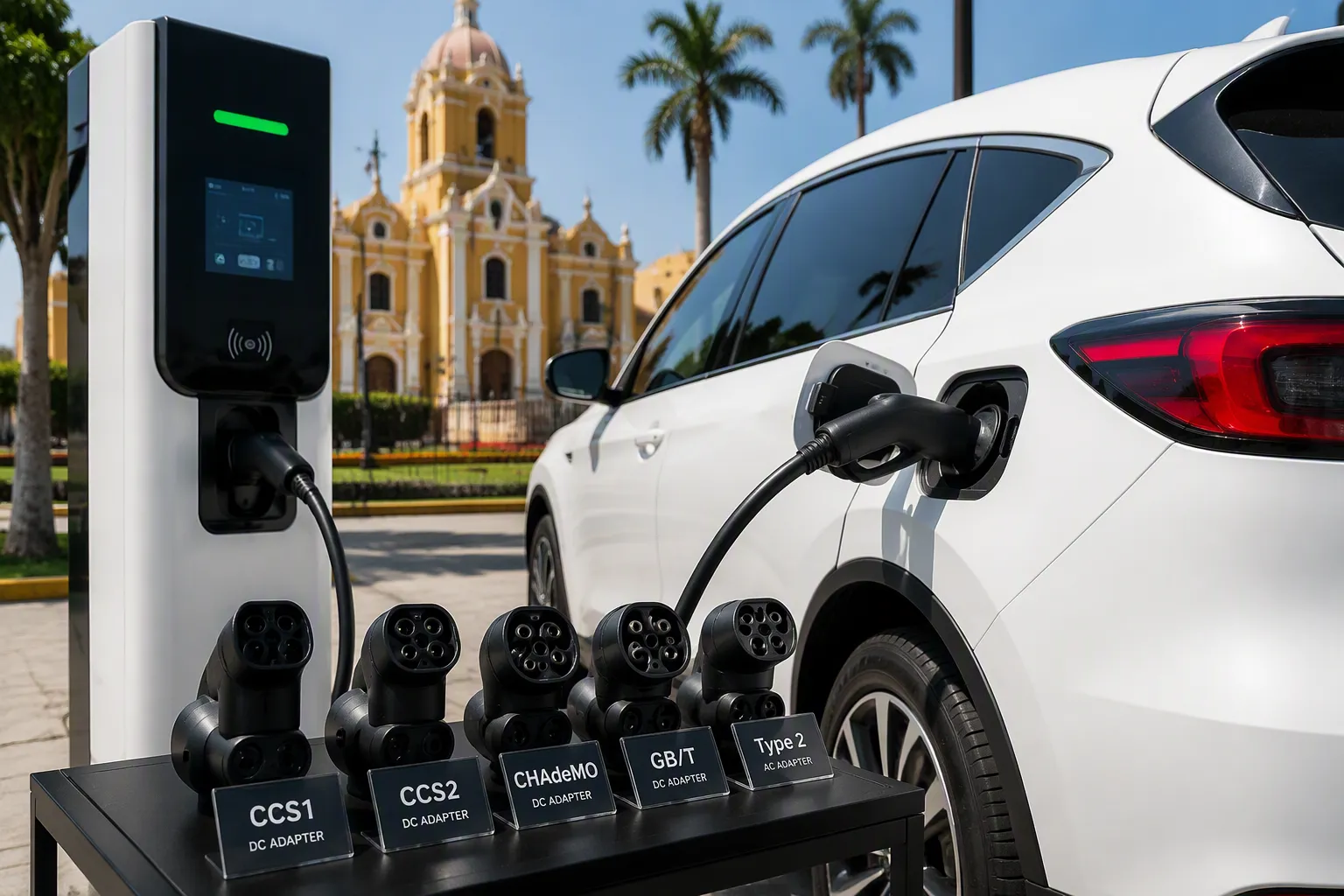
معظم المركبات الكهربائية الحديثة في تشيلي تستخدم قوابس موحدة.
- الشحن بالتيار المتردد: قابس النوع 2 هو المعيار.
- الشحن السريع بالتيار المستمر: قابس CCS2 (نظام الشحن المشترك) هو الأكثر شيوعاً.
كيف يدفع السائق مقابل الشحن العام؟
تختلف طرق الدفع حسب مزود الشبكة.
تتطلب معظم محطات الشحن العامة، مثل تلك التابعة لـ Copec Voltex أو Enel X Way، من السائق استخدام تطبيق هاتف ذكي مخصص أو بطاقة RFID مرتبطة بحسابه. يُظهر التطبيق عادةً توفر الشاحن والتسعير.