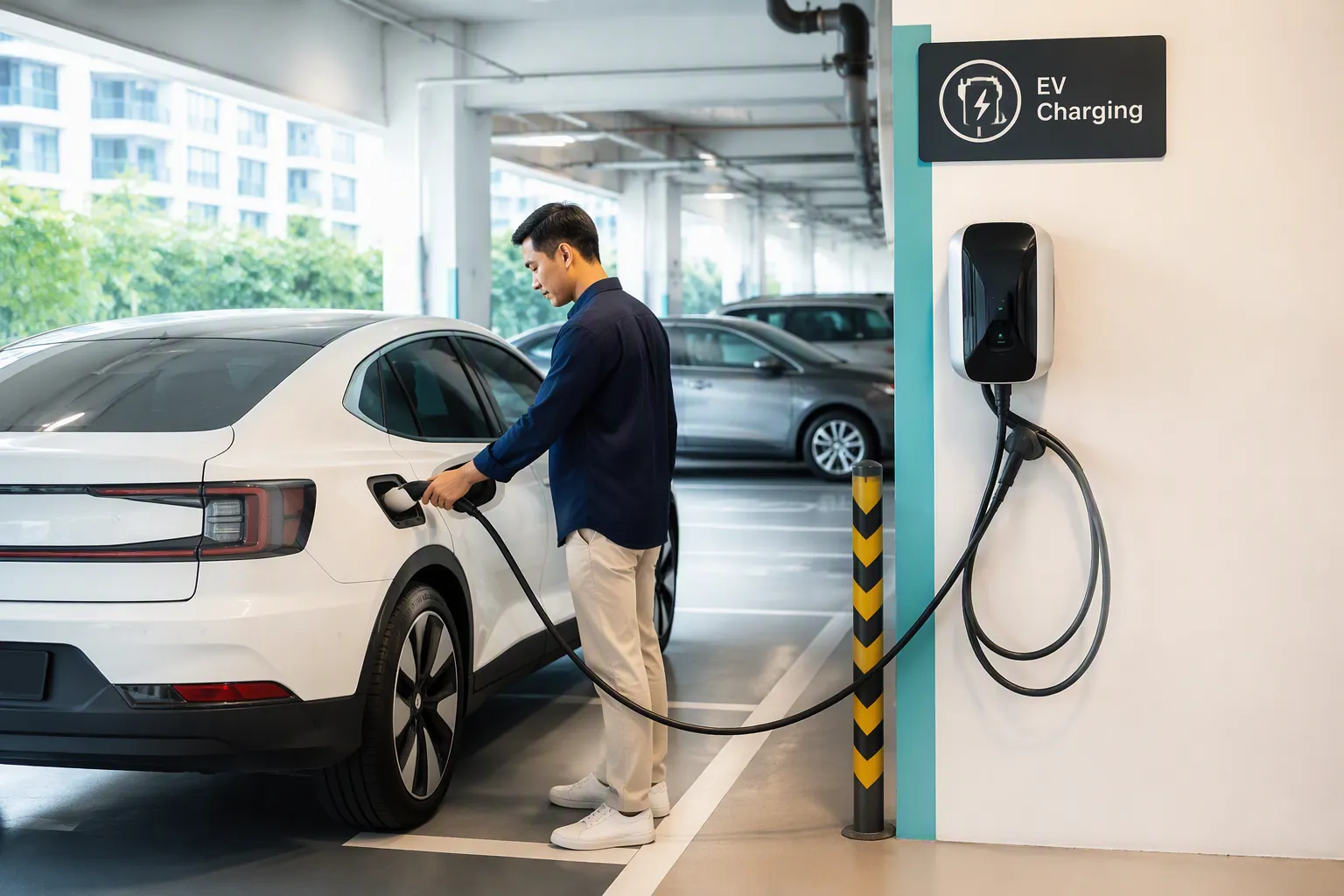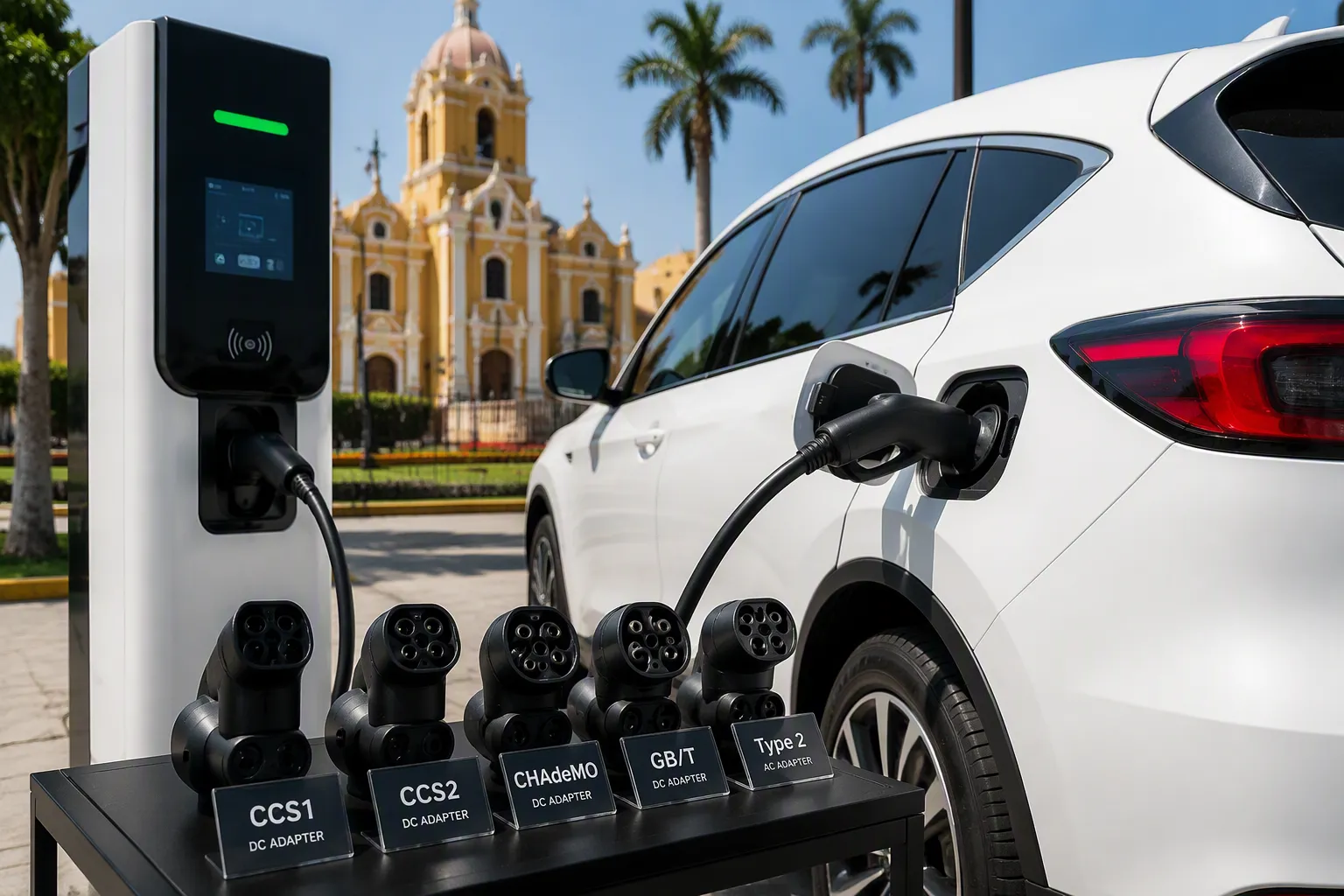
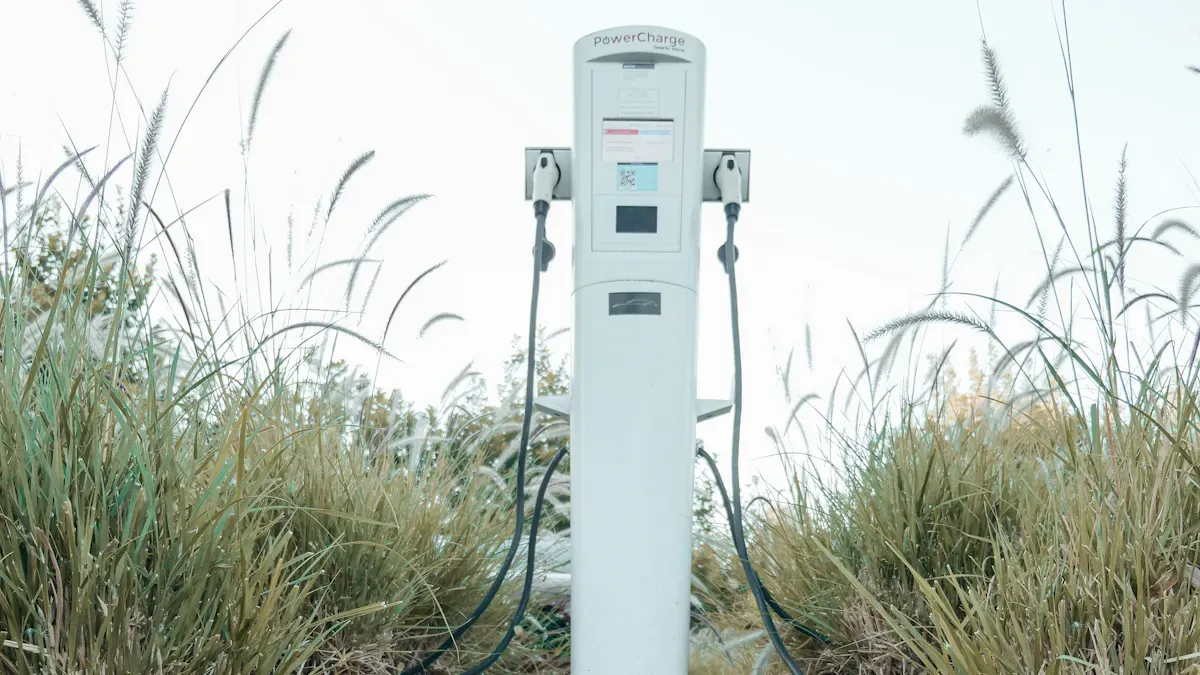
Level 3 EV Charger installations in Indonesia reduce range anxiety for drivers who rely on electric vehicles. Fast charging technology from leading EV charger manufacturers enables users to travel farther with less downtime. Many drivers appreciate the convenience of EV charging solutions that support both urban commutes and long journeys. Portable EV chargers add flexibility for those who need backup options.
Quick access to reliable charging infrastructure empowers the EV community and builds trust in electric mobility.
Range Anxiety and Its Impact on EV Adoption in Indonesia
Defining Range Anxiety for Electric Vehicle Owners
Range anxiety describes the fear that an electric vehicle will run out of power before reaching a charging station. Many drivers in Indonesia experience this concern when considering the switch to electric vehicles. The limited number of charging stations and the uncertainty about the distance between them often amplify this anxiety.
Why Range Anxiety Is a Major Concern in Indonesia
Indonesia’s vast geography and diverse road conditions make range anxiety a significant issue. Drivers often travel long distances between cities or across islands. The current charging infrastructure does not always support these journeys. Many regions lack a reliable charging network, which increases the risk of running out of power far from help. This situation discourages potential buyers from choosing electric vehicles.
The Influence of Range Anxiety on EV Purchase Decisions
Range anxiety directly affects consumer confidence. Many people hesitate to buy an EV because they worry about the electric vehicle range and the availability of charging. Surveys show that drivers want assurance that they can find charging stations easily. Without visible range anxiety solutions, the adoption rate of electric vehicles remains slow.
Challenges Unique to Indonesia’s EV Landscape
Geographic Barriers and Infrastructure Gaps
Indonesia consists of thousands of islands with varying levels of development. Some areas have modern roads and access to charging infrastructure, while others do not. The lack of a unified charging network creates gaps that make long-distance travel risky for EV owners. Drivers in remote regions face greater challenges due to limited stations and unreliable infrastructure.
Urban Versus Rural EV Charging Hubs
Urban centers like Jakarta and Surabaya offer more charging options. These cities have invested in building charging hubs and expanding the network. In contrast, rural areas often lack even basic charging facilities. This imbalance creates a divide between urban and rural EV users. Drivers in cities enjoy convenience, while those in rural regions must plan carefully to avoid running out of power.
Note: Expanding the charging network and building more stations in both urban and rural areas will help reduce range anxiety and support broader EV adoption.
EV Charging Hubs and the Current State of Infrastructure
Types of Chargers Available for Electric Vehicles
Level 1 and Level 2 Chargers: Capabilities and Limitations
Level 1 chargers use standard household outlets. They deliver slow charging speeds, often requiring overnight sessions to fully recharge an EV. Level 2 chargers operate at higher voltages and provide faster charging times. Many Indonesian homes and businesses install Level 2 chargers to support daily EV use. However, both types have limitations. Level 1 chargers cannot meet the demands of drivers who travel long distances. Level 2 chargers improve convenience but still require several hours to charge most EV batteries.
| Charger Type | Voltage | Charging Speed | Typical Use Case |
|---|---|---|---|
| Level 1 | 220V | Slow | Home, overnight |
| Level 2 | 380V | Moderate | Home, workplace |
The Drawbacks of Slow Charging for Indonesian EV Drivers
Slow charging creates challenges for EV owners in Indonesia. Many drivers need quick turnaround times, especially in urban environments. Long waits at charging stations discourage EV adoption. Drivers who rely on slow chargers must plan their schedules around charging sessions. This inconvenience limits the practicality of EVs for spontaneous travel. The charging infrastructure must evolve to address these drawbacks and support a growing EV network.
Accessibility and Convenience Issues
Long-Distance Travel and Range Anxiety
Indonesia’s geography presents unique obstacles for EV drivers. Many regions lack sufficient charging stations along highways and intercity routes. Drivers experience range anxiety when planning long-distance trips. They worry about finding reliable charging infrastructure before their battery runs out. The charging network must expand to cover more routes and reduce these concerns.
Tip: Drivers can use route planning apps to locate charging stations and minimize range anxiety during travel.
Availability of EV Charging Hubs Across Indonesia
Urban centers offer more charging hubs, while rural areas remain underserved. Jakarta and Surabaya lead in charging infrastructure development. Many smaller cities and remote regions lag behind. The uneven distribution of charging stations creates barriers for EV adoption outside major cities. Expanding the charging network will help bridge this gap and make EVs accessible to more Indonesians.
Level 3 Chargers: Reducing Range Anxiety for EV Drivers
Understanding Level 3 Charging Technology
How DC Fast Charging Works for Electric Vehicles
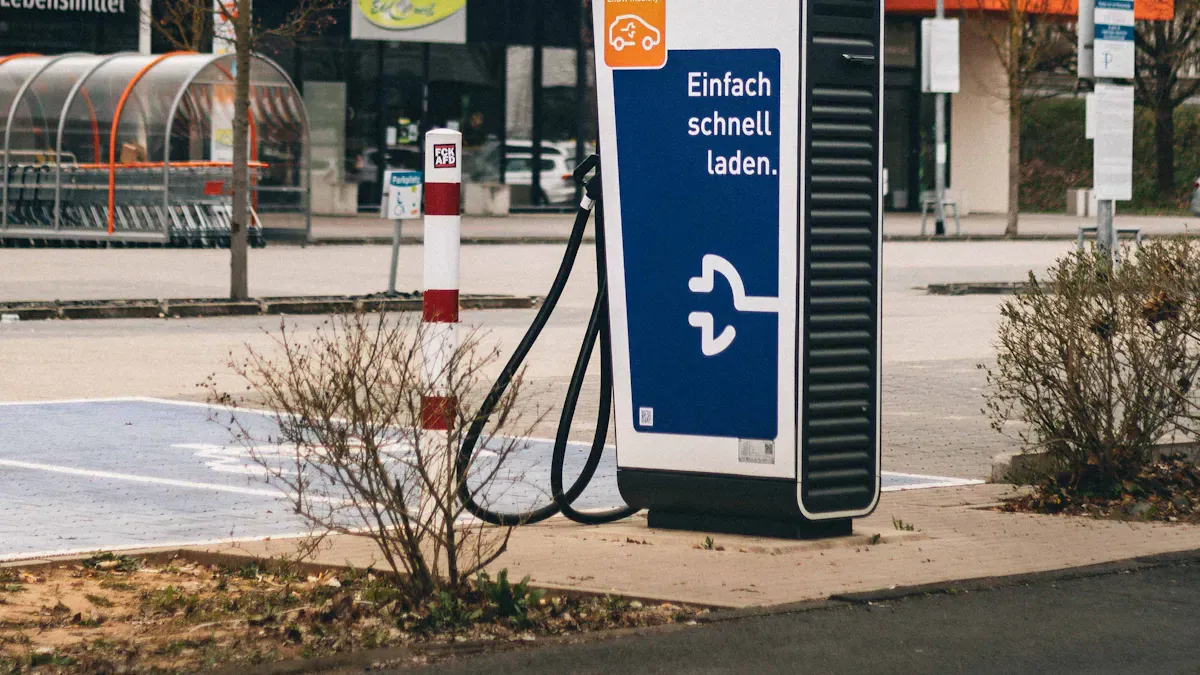
Level 3 chargers, also known as DC Fast Charging, deliver direct current at high power levels. These chargers operate with power outputs ranging from 30 kW to 360 kW. They connect directly to the battery of electric vehicles, bypassing the slower onboard charger. This process allows the battery to receive energy much faster than Level 1 or Level 2 chargers. Many charging stations equipped with Level 3 chargers can add up to 200 miles of range in just 30 minutes. Some of the fastest electric vehicles can reach 80% charge in less than 20 minutes when using advanced 800 V technology.
TPSON, a technologically advanced electric vehicle charging solution provider, supports the deployment of Level 3 chargers to enhance the charging infrastructure across Indonesia.
Speed and Efficiency Benefits of Level 3 Chargers
Level 3 chargers offer significant speed and efficiency advantages over slower options. They can charge a standard EV in under 20 minutes, making them ideal for drivers who need to minimize downtime. These chargers suit fleets, logistics companies, and individuals who travel long distances. Unlike Level 1 chargers, which are suitable for home use, and Level 2 chargers, which serve residential and commercial applications, Level 3 chargers provide the fastest solution for public charging networks. This technology helps reduce range anxiety by ensuring drivers can quickly recharge and continue their journeys.
Advantages for Indonesian EV Owners
Enabling Spontaneous and Long-Distance Travel
Level 3 chargers transform the experience of owning an EV in Indonesia. Drivers can plan spontaneous trips without worrying about the electric vehicle range. The ability to recharge quickly at charging stations along major routes supports long-distance travel. This convenience encourages more people to consider electric vehicles as a practical choice for both daily commutes and intercity journeys. The growing network of Level 3 chargers helps bridge the gap in charging infrastructure, especially in regions where range anxiety remains a concern.
Minimizing Wait Times at EV Charging Hubs
Level 3 chargers significantly reduce wait times at charging hubs. Many standard EVs can achieve a full charge in under 20 minutes. This efficiency means more drivers can use the same charging station throughout the day. The table below highlights the main advantages of Level 3 chargers for Indonesian EV owners:
| Advantage | Description |
|---|---|
| Charging Speed | Can provide up to 1400+ miles of range per hour |
| Full Charge Time | Under 20 minutes for many standard EVs |
| Ideal for Long-Distance Travel | Suitable for commercial applications and fleets |
| Reduces Downtime | Minimizes waiting time for high-mileage vehicles |
The expansion of Level 3 charging infrastructure supports a more reliable and accessible charging network. This development addresses range anxiety and makes electric vehicles a viable option for more Indonesians.
The Expansion of Indonesia’s Level 3 EV Charging Hubs
Growth of Fast Charging Networks in Major Cities and Highways
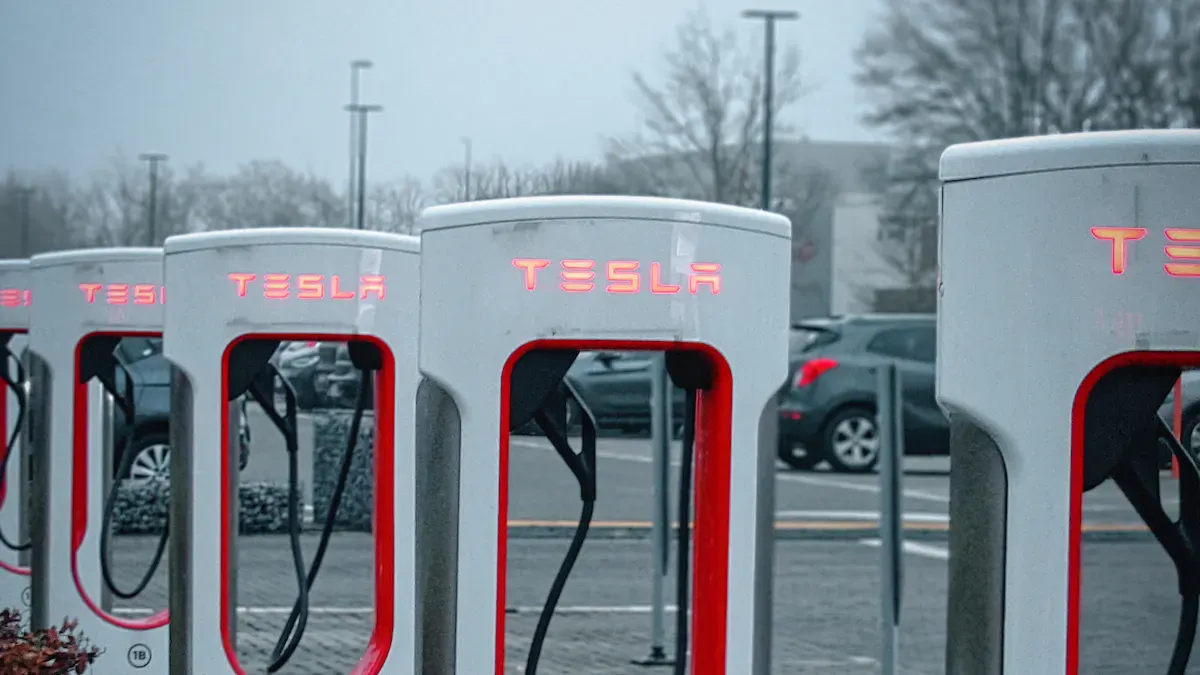
Indonesia has seen rapid expansion of Level 3 EV charging hubs in recent years. Major cities such as Jakarta, Surabaya, and Bandung now feature a growing number of public EV charging stations. These hubs support both daily commutes and long-distance travel. Key highways connecting urban centers have also become focal points for new charging infrastructure. The placement of these stations along popular routes increases the utilization of electric vehicles and reduces range anxiety for drivers.
Key Locations for Level 3 Chargers in Indonesia
Level 3 chargers now appear in strategic locations across the country. Airports, shopping malls, and business districts in Jakarta offer convenient access for city dwellers. Rest areas along the Trans-Java Toll Road provide essential support for intercity travelers. Industrial zones and logistics centers also benefit from these hubs, enabling fleet operators to maximize EV market potential. The presence of Level 3 chargers in these areas encourages potential buyers to consider electric vehicles as a practical option.
Government and Private Sector Initiatives Supporting EV Charging Hubs
The Indonesian government and private companies have launched several initiatives to accelerate the expansion of charging infrastructure. The following table highlights the most significant programs:
| Initiative | Description |
|---|---|
| Presidential Regulation 55/2019 | Establishes a framework for accelerating battery-electric vehicle (BEV) adoption and charging infrastructure. |
| Presidential Regulation 79/2023 | Revises the previous regulation to strengthen the electric mobility policy. |
| National General Energy Plan (RUEN) | Sets broad electrification objectives for the transport sector. |
| Ministerial regulations | Support the electrification targets and initiatives at various levels. |
| City-level programmes (e.g., TransJakarta) | Aims for a fully electric bus fleet by 2030 in Jakarta. |
These policies create a supportive environment for the development of public EV charging stations and encourage private investment in the charging network.
Note: Collaboration between government and industry ensures that charging stations reach both urban and rural communities, making electric mobility more accessible.
Future Developments and National EV Goals
Upcoming Projects and Partnerships for Charging Infrastructure
Indonesia continues to invest in new projects that expand the charging network. Partnerships between state-owned enterprises, local governments, and international companies drive the construction of additional Level 3 charging hubs. Planned projects include the installation of fast chargers at tourist destinations and the integration of renewable energy sources into charging stations. These efforts aim to improve infrastructure reliability and support the growing demand for EVs.
The Role of Level 3 Chargers in Achieving Widespread EV Adoption
Level 3 chargers play a critical role in Indonesia’s national EV goals. They enable fast, convenient charging for both private users and commercial fleets. The expansion of these hubs increases the practicality of electric vehicles and boosts consumer confidence. As more drivers experience the benefits of rapid charging, the market for EVs will continue to grow. Level 3 chargers help bridge the gap between early adopters and mainstream users, supporting the transition to sustainable mobility.
Practical Strategies for Overcoming Range Anxiety with Electric Vehicles
Smart Route Planning Using EV Charging Hubs
Leveraging Apps and Maps to Locate Level 3 Chargers
Many Indonesian drivers rely on digital tools to reduce range anxiety. Navigation apps such as CITA EV App, PlugShare, and ChargeMap help users find Level 3 chargers along their routes. These platforms display real-time information about public ev charging stations, including availability and charging speeds. Drivers can check the status of ev charging hubs before departure, which helps them avoid unnecessary detours and ensures efficient utilization of the charging infrastructure.
Planning Charging Stops for Long Journeys
Long-distance trips require careful planning. Drivers often map out their routes and identify charging stations at strategic intervals. By scheduling stops at major hubs, they maintain a comfortable battery buffer and reduce the risk of running out of power. Many drivers also consider the expansion of the network when planning, as new stations continue to appear along popular highways and in urban centers. This approach supports the adoption of electric vehicles by making travel more predictable and stress-free.
Tip: Always keep your battery between 20% and 80% during long journeys to maintain battery health and allow for unexpected changes in your route.
Efficient Charging Habits for EV Owners
Choosing Between Level 2 and Level 3 Chargers
EV owners in Indonesia often choose between Level 2 and Level 3 chargers based on their needs. Level 2 chargers work well for overnight charging at home or at workplaces. For quick top-ups during the day, Level 3 chargers at public ev charging stations offer much faster charging. Many drivers prefer fast chargers when available, as they minimize wait times and support spontaneous travel. Using multiple charging networks also increases flexibility, especially when one station is busy.
Maintaining Battery Health with Optimal Charging Practices
Proper charging habits extend battery life and improve performance. Drivers should avoid letting the battery drop below 20% or exceed 80% on a regular basis. Scheduling charging sessions during off-peak hours, such as early mornings or late evenings, reduces wait times at busy hubs. Regular vehicle maintenance, including checking tire pressure, also helps maximize range and efficiency.
Maximizing Real-World EV Range
Factors Affecting Electric Vehicle Range in Indonesia
Several factors influence the real-world range of electric vehicles. Driving conditions, climate control usage, and terrain all play a role. Hot weather and frequent use of air conditioning can reduce range. Proper maintenance and smooth driving help offset these challenges. The expansion of charging infrastructure across Indonesia further supports drivers by reducing the distance between stations.
Adapting Driving Style for Greater Efficiency
Efficient driving techniques can extend an EV’s range by up to 25%. Drivers who use smooth acceleration and regenerative braking conserve energy. Maintaining steady speeds and avoiding rapid starts or stops also improves efficiency. These habits, combined with regular maintenance, help drivers get the most out of every charge and make electric vehicles a practical choice for daily use and long-distance trips.
Debunking Myths About Range Anxiety and EV Charging in Indonesia
Addressing Common Misconceptions About Electric Vehicles
“EVs Can’t Handle Long Distances”—Fact vs. Fiction
Many people in Indonesia believe that electric vehicles cannot travel long distances. This misconception often discourages potential buyers from considering an EV. In reality, modern EVs offer impressive range capabilities. Manufacturers continue to improve battery technology, allowing vehicles to cover hundreds of kilometers on a single charge. The expanding network of Level 3 charging stations further supports long-distance travel. Drivers can now plan trips between cities with confidence, knowing that fast charging options exist along major routes. The myth that EVs cannot handle long journeys no longer holds true as infrastructure and technology advance.
“Charging Takes Too Long”—The Truth with Level 3 Chargers
Another common myth suggests that charging an EV always takes too much time. While early models and slow chargers did require lengthy sessions, the introduction of Level 3 chargers has changed the landscape. These fast chargers can replenish most EV batteries to 80% in under 30 minutes. Many public charging stations in Indonesia now feature Level 3 technology, making quick top-ups possible during short breaks. The utilization of these advanced chargers means drivers spend less time waiting and more time on the road. The perception of slow charging no longer matches the reality for most users.
Real Experiences from Indonesian EV Drivers
How Level 3 Chargers Are Changing Perceptions
Indonesian EV drivers report significant improvements in convenience and peace of mind since the arrival of Level 3 chargers. Many users highlight the ability to travel spontaneously without worrying about range anxiety. The presence of fast charging stations along highways and in urban centers has increased the adoption of electric vehicles. Drivers appreciate the reliability and speed of the new network, which supports both daily commutes and longer journeys.
Note: Real-world feedback shows that Level 3 chargers have become a game-changer for EV owners in Indonesia.
User Stories from EV Charging Hubs
Several drivers share positive experiences at charging hubs across the country. One Jakarta-based commuter describes how he now completes intercity trips without stress, thanks to the availability of fast charging. Another user in Surabaya mentions the ease of finding stations and the short wait times, which have improved his daily routine. These stories reflect a broader trend: as the charging network grows, more Indonesians feel confident in choosing electric vehicles. The increased utilization of charging infrastructure continues to drive positive change in the EV community.
The Future of Stress-Free EV Ownership in Indonesia
How Level 3 Chargers Make Electric Vehicles Practical
Supporting Daily Commutes and Road Trips with EV Charging Hubs
Level 3 chargers have transformed the daily experience for EV drivers in Indonesia. These fast chargers allow users to complete their commutes without worrying about running out of power. Many drivers now rely on charging hubs located in business districts, shopping centers, and along major highways. These stations provide quick top-ups, making it possible to travel between cities or take spontaneous road trips. The network of Level 3 chargers ensures that drivers can access reliable charging, even during busy hours. This convenience increases the utilization of EVs for both work and leisure.
Building Confidence for New and Prospective EV Owners
The presence of Level 3 charging stations builds trust among new and potential EV owners. Many people hesitate to switch to electric vehicles because they fear being stranded without power. Fast charging technology addresses this concern by reducing wait times and making charging more accessible. As more drivers see the benefits of rapid charging, confidence in the technology grows. The expanding network also encourages word-of-mouth recommendations, which further supports adoption. New users feel reassured knowing that charging infrastructure continues to improve across Indonesia.
What’s Next for Indonesia’s EV Community
Anticipated Improvements in Charging Access and Technology
Indonesia’s EV community expects significant advancements in charging access and technology. Developers plan to install more Level 3 chargers in both urban and rural areas. These upgrades will help close the gap between regions and make electric vehicles practical for a wider audience. Many companies are working to integrate smart features into charging stations, such as real-time availability updates and mobile payment options. These innovations will streamline the charging process and improve the overall user experience.
The Role of Policy, Community, and Industry Support
Government, industry, and community support play a vital role in shaping the future of EV adoption. The government has committed to electrification, especially in Greater Jakarta. Ride-hailing companies actively participate in the electrification process, which is crucial for widespread adoption. Strategies now include a focus on gender equality, aiming to make the sector more inclusive.
| Evidence Type | Description |
|---|---|
| Government Support | The government is committed to electrification, as indicated by their support for the electrification plan in Greater Jakarta. |
| Industry Involvement | Ride-hailing companies are actively involved in the electrification process, which is crucial for adoption. |
| Gender Equality Focus | Strategies are being integrated to improve gender responsiveness and inclusion in the electric vehicle sector. |
- The project aims to build the capacity of ride-hailing companies to electrify their two-wheeler fleets.
- There is a focus on targeting EV distribution to women drivers, enhancing community engagement in the transition to electric vehicles.
These combined efforts will help Indonesia reach its sustainability goals. The collaboration between government, industry, and the community ensures that the charging network continues to expand and that EV utilization increases across the country.
Level 3 chargers reshape the EV landscape in Indonesia by eliminating range anxiety and supporting reliable travel. The expanding network of charging stations increases utilization and makes electric vehicles a practical choice. Drivers benefit from fast charging, which reduces downtime and encourages adoption. The presence of accessible charging stations boosts user confidence and supports government efforts to grow the EV market.
- In the Asia-Pacific region, 84% of Indonesian respondents express willingness to consider EVs.
- Robust charging infrastructure reduces range anxiety and increases adoption rates.
- Proactive government measures ensure accessible charging networks and higher utilization.
FAQ
What is a Level 3 charger?
A Level 3 charger, also known as a DC Fast Charger, delivers high-power direct current to electric vehicles. This technology enables rapid charging, often reaching 80% battery capacity in under 30 minutes.
Where can drivers find Level 3 charging stations in Indonesia?
Drivers locate Level 3 charging stations in major cities, business districts, shopping malls, and along highways. Apps like PlugShare and CITA EV App provide real-time locations and availability.
How does Level 3 charging reduce range anxiety?
Level 3 charging minimizes downtime by quickly replenishing battery levels. Drivers gain confidence to travel longer distances without worrying about running out of power.
Are Level 3 chargers compatible with all electric vehicles?
Most modern electric vehicles support Level 3 charging. However, some older models or specific brands may only accept Level 1 or Level 2 charging. Always check the vehicle’s specifications.
What is the typical cost for using a Level 3 charger?
Charging costs vary by location and provider. Many stations charge per kilowatt-hour or per session. Drivers should consult station operators or apps for current pricing.
Can drivers use Level 3 chargers for daily charging?
Level 3 chargers suit quick top-ups and long-distance travel. For daily charging, Level 2 chargers are recommended to maintain battery health and reduce wear.
What should drivers do if a Level 3 charger is unavailable?
Drivers can use route planning apps to locate alternative charging stations nearby. Keeping a portable charger as backup also helps in emergencies.
How does Indonesia’s government support EV charging infrastructure?
The government implements regulations and incentives to expand charging networks. Partnerships with private companies accelerate the installation of Level 3 chargers nationwide.