For most Dutch homes, Smart EV Charging Boxes offer flexibility, energy savings, and future-proofing. Homeowners with simple charging needs and limited budgets often find a dumb EV Charger sufficient. The choice depends on several factors:
| Factor | Description |
|---|---|
| Budget Constraints | Homeowners may prefer a dumb charger if they are currently budget-constrained. |
| Utility Rate Structure | Smart chargers can help save money if utility rates vary significantly by time of day. |
| Desire for Data and Control | Homeowners who enjoy tracking usage and have a predictable schedule may prefer smart chargers. |
Matching the right EV charging solutions to your home’s current and future plans ensures optimal performance. EV charger manufacturers recommend considering solar integration, portable ev chargers, and potential upgrades before making a final decision.
Understanding Smart EV Charging Boxes and ‘Dumb’ Chargers
What Is a Smart EV Charging Box?
Key Features
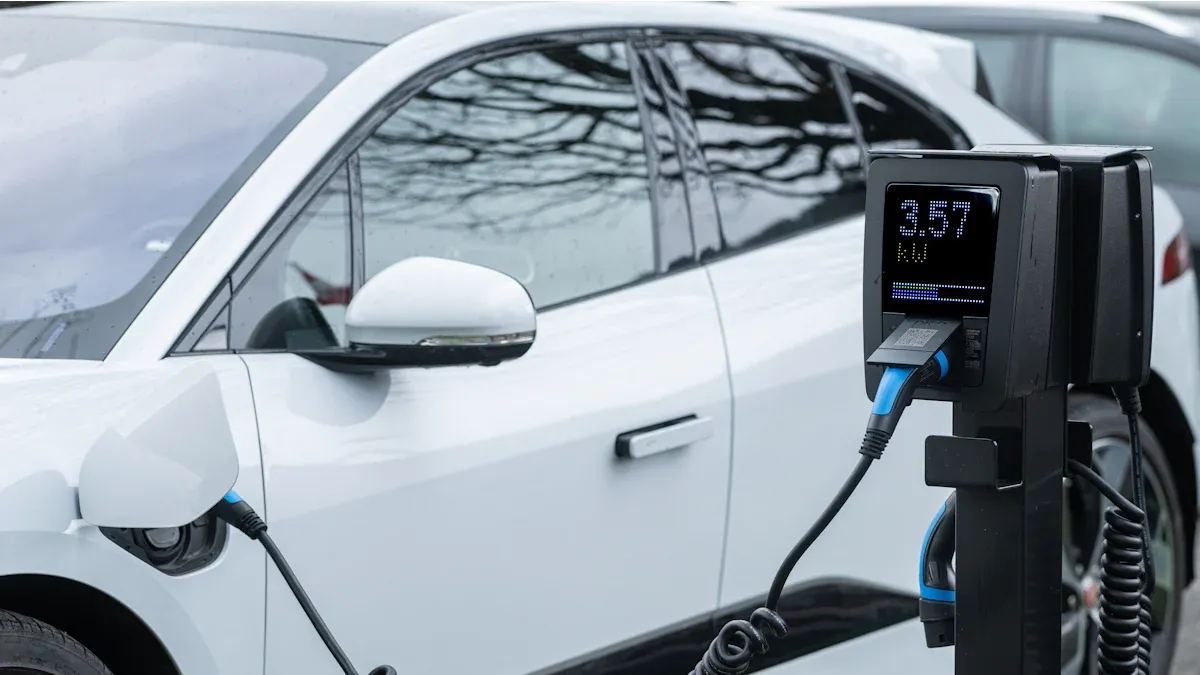
Smart EV Charging Boxes represent the latest evolution in electric vehicle charging technology. These devices offer advanced features that enhance user experience and optimize energy consumption. Most models connect to Wi-Fi, SIM, or wired internet, enabling real-time monitoring and remote control. Owners can start or stop charging sessions from a mobile app, receive alerts, and access detailed usage data. Access restriction, secure payments, session reporting, and remote troubleshooting are standard. Predictive maintenance helps prevent unexpected downtime. Integration with home energy systems, such as solar panels, supports sustainable charging. TPSON, a technologically advanced provider, delivers solutions that support these features.
Tip: Smart EV Charging Boxes allow homeowners to schedule charging during off-peak hours, reducing electricity costs and supporting grid stability.
How It Works
A smart charger manages power delivery based on user preferences and energy tariffs. The device communicates with the home network and energy sources. It can optimize charging to avoid circuit overloads and respond to dynamic pricing. Owners set charging schedules, monitor sessions, and adjust settings remotely. The charger integrates with renewable energy sources, such as solar panels, to use green power when available. Smart chargers balance load across multiple vehicles, preventing excessive demand on the electrical panel. Software updates ensure compatibility with future EVs and energy systems.
| Aspect | Dumb EV Charger | Smart EV Charger |
|---|---|---|
| Functionality | Provides basic electrical charging only | Manages power, controls sessions, provides detailed usage data |
| User Experience | Simple plug-and-charge, no remote control or status | Real-time monitoring, remote start/stop, alerts via mobile apps |
| Connectivity | No network connection | Uses Wi-Fi, SIM, or wired internet enabling advanced features |
| Features | No access control, no session reporting, no remote troubleshooting | Access restriction, secure payments, session info reporting, remote troubleshooting, predictive maintenance |
| Energy Management | Cannot optimize energy usage or respond to pricing | Optimizes charging to use power efficiently, avoids circuit overloads |
| Cost | Lower upfront cost | Higher upfront cost but saves money over time through efficiency and convenience |
What Is a ‘Dumb’ EV Charging Box?
Key Features
A ‘dumb’ EV charging box provides basic charging functionality. The device delivers electricity to the vehicle without advanced controls or connectivity. Users plug in their EV and charging begins immediately. No app control, session reporting, or access restriction exists. The charger does not support integration with home energy systems or solar panels. Owners cannot schedule charging or monitor usage remotely. The upfront cost remains lower, making it suitable for simple needs.
How It Works
The dumb charger operates as a plug-and-play device. Users connect their vehicle, and the charger supplies power until the battery reaches full capacity. The device does not communicate with the home network or energy sources. It cannot optimize charging times or respond to dynamic tariffs. The charger lacks the ability to balance load or prevent circuit overloads. Owners must manually manage charging sessions and monitor energy consumption.
- Smart chargers enable scheduling during off-peak hours, reducing costs and grid demand.
- They integrate with renewable energy sources, promoting sustainable energy use.
- Smart chargers balance load and avoid peak demand periods.
- Dumb chargers lack these energy management features.
Comparing Smart EV Charging Boxes and ‘Dumb’ Chargers
Cost Differences
Upfront Price
Smart EV Charging Boxes typically command a higher initial price than dumb chargers. Manufacturers invest in advanced hardware and software, which increases production costs. Dumb chargers, by contrast, offer basic functionality and require less technology, resulting in a lower upfront investment. Homeowners seeking a budget-friendly solution often select dumb chargers for their simplicity and affordability.
Installation Costs
Installation costs vary depending on the complexity of the device. Smart EV Charging Boxes may require additional wiring, network setup, and integration with home energy systems. Electricians must ensure compatibility with the home’s electrical panel and internet connectivity. Dumb chargers usually involve straightforward installation, with fewer requirements for technical integration. The reduced complexity can lower labor costs and minimize installation time.
Ongoing Savings or Expenses
Smart EV Charging Boxes enable homeowners to leverage dynamic energy tariffs. Devices such as the Injet Eco allow users to charge vehicles during periods of excess energy supply, when electricity prices drop to near zero or even negative. By scheduling charging sessions during low-cost periods and avoiding peak times, users can achieve substantial savings over time. These savings may reach hundreds or thousands of euros annually, depending on usage patterns and tariff structures. Dumb chargers lack this capability, so users pay standard rates regardless of market fluctuations.
Features and Functionality
App Control and Scheduling
Smart EV Charging Boxes offer app control and scheduling features that enhance user experience. Owners can schedule charging sessions to fit their daily routines. Off-peak charging reduces energy costs and supports grid stability. The app provides flexibility, allowing users to optimize energy use and automate charging times. Automated optimization systems analyze data to identify the best charging windows, adjusting sessions based on grid demand and electricity prices.
Load Balancing and Dynamic Power Management
Smart EV Charging Boxes incorporate load balancing and dynamic power management. These features coordinate household energy consumption, preventing overloads and optimizing supply and demand. The system adjusts charging rates to avoid tripping the main fuse and ensures efficient use of available power. Households using dynamic electricity tariffs can save up to 600 euros annually. This technology also contributes to lower emissions and improved grid efficiency. Dumb chargers do not offer these advanced energy management capabilities.
Integration with Solar Panels and Home Energy Systems
Smart EV Charging Boxes integrate seamlessly with solar panels and home energy systems. Devices like the io6 Pro connect through dedicated apps and sensor boxes, enabling efficient charging with green solar power. The system monitors energy supply and usage, optimizing costs and maximizing self-consumption. Up to 32 units can share available power, supporting dynamic load management. Homeowners benefit from increased self-sufficiency and reduced reliance on the grid. Dumb chargers cannot communicate with solar panels or manage renewable energy integration.
| Feature | Description |
|---|---|
| Integration with Solar Panels | Full integration through apps and sensor boxes for efficient solar charging. |
| Dynamic Load Management | Multiple units share available power, preventing overloads. |
| Energy Monitoring | Tracks supply and usage to optimize costs and renewable energy use. |
| Efficient Charging | Uses green solar power for vehicle charging. |
| Energy Management Integration | Seamless integration with home energy management systems. |
| Self-Consumption Optimization | Maximizes self-consumption and self-sufficiency automatically. |
Remote Updates and Support
Smart EV Charging Boxes receive remote updates and support, enhancing reliability and functionality. Automatic over-the-air updates keep the charger current with the latest features and improvements. Remote diagnostics enable quick troubleshooting, identifying issues early and ensuring continuous operation. Access to installation tools and documentation supports proper setup. Indra’s EV chargers, for example, improve over time through software upgrades, providing future-proof solutions without hardware replacement. Dumb chargers lack remote update capabilities and require manual intervention for maintenance.
| Feature | Benefit |
|---|---|
| Remote fault detection | Identifies issues early, improving reliability. |
| Automatic OTA updates | Keeps charger updated with new features. |
| Continuous software upgrades | Enhances performance and functionality. |
Ease of Use
Plug-and-Play Simplicity
Dumb chargers excel in plug-and-play simplicity. Users connect their vehicle, and charging begins immediately. The process requires minimal technical knowledge and no interaction with apps or settings. This straightforward approach appeals to those who prefer uncomplicated solutions.
User Experience for Non-Tech Users
Smart EV Charging Boxes provide user-friendly features that cater to non-technical users. Remote management and scheduling through apps make operation accessible. Users can easily start, stop, or schedule charging sessions, optimizing times for off-peak hours and achieving cost savings. Mandatory features such as default off-peak charging can be overridden, offering flexibility. The intuitive interface ensures convenience and reduces the learning curve compared to traditional dumb chargers.
Tip: Smart EV Charging Boxes combine advanced technology with user-friendly design, making them suitable for both tech-savvy and non-technical homeowners.
Installation and Compatibility
Home Electrical Panel Requirements
Every Dutch home presents unique electrical infrastructure. Electricians assess the main panel before installing any EV charging box. They check the available amperage and phase configuration. Most homes in the Netherlands use single-phase power, but some larger properties feature three-phase systems. The electrical panel must support the maximum charging rate of the chosen device.
| Panel Type | Typical Max Output | Suitable Charger Type |
|---|---|---|
| Single-phase | 3.7 kW – 7.4 kW | Dumb or Smart EV Charging Boxes |
| Three-phase | 11 kW – 22 kW | Smart EV Charging Boxes |
Installers verify the circuit breaker capacity. They ensure the panel can handle the additional load without risking overloads. If the panel lacks capacity, homeowners may need upgrades. Upgrading the panel increases installation costs but enables faster charging and future expansion.
Note: Electricians recommend reserving dedicated circuits for EV chargers. This practice prevents interference with other household appliances and enhances safety.
Some smart chargers require internet connectivity. Installers check Wi-Fi signal strength near the installation site. They may suggest using a wired connection or a SIM card for reliable operation.
EV Model Compatibility
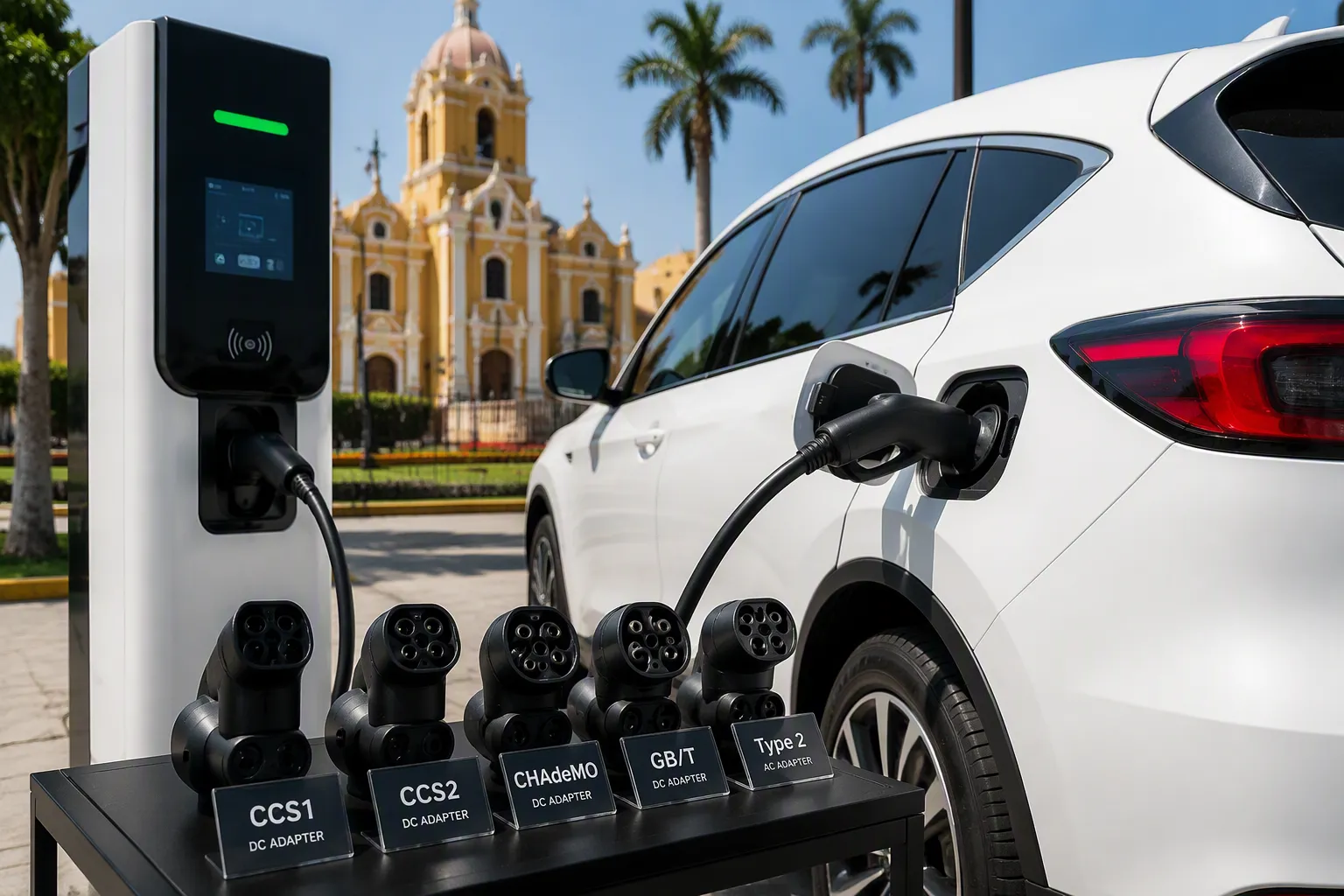
Compatibility between the charging box and the electric vehicle is essential. Most EVs in the Netherlands use the Type 2 connector, which aligns with European standards. Both dumb and smart chargers support this connector. However, charging speed depends on the vehicle’s onboard charger and the home’s electrical supply.
- Some EVs accept only single-phase charging. Others support three-phase charging for faster energy transfer.
- Manufacturers publish compatibility lists. Homeowners should consult these lists before purchasing a charger.
- Smart EV Charging Boxes often provide adjustable charging rates. This feature allows users to match the charger’s output to the vehicle’s capabilities.
| EV Model Example | Connector Type | Max Charging Rate Supported | Charger Recommendation |
|---|---|---|---|
| Nissan Leaf | Type 2 | 3.7 kW – 6.6 kW | Dumb or Smart |
| Tesla Model 3 | Type 2 | Up to 11 kW | Smart EV Charging Boxes |
| Renault Zoe | Type 2 | Up to 22 kW | Smart EV Charging Boxes |
Tip: Owners planning to upgrade their EV or add more vehicles should select a charger with broad compatibility and scalable power output.
Installers also consider cable length and mounting options. They recommend placing the charger where it is easily accessible for all vehicles. Weatherproofing is important for outdoor installations. Most modern chargers meet IP54 or higher standards, ensuring durability in Dutch weather conditions.
When Is a ‘Dumb’ Charger Enough for Dutch Homes?
Simple Charging Needs
One EV, No Solar, Fixed Schedule
Many Dutch homeowners find that a dumb EV charger meets their requirements when their charging needs remain straightforward. He or she may own a single electric vehicle and follow a consistent daily routine. The absence of solar panels or dynamic energy tariffs simplifies the charging process. A dumb charger allows the user to plug in the vehicle and charge without navigating app controls or scheduling features.
Tip: Dumb chargers offer a reliable solution for those who value simplicity and do not require advanced energy management.
A dumb charger also serves as an effective secondary charging point in households with multiple electric vehicles. He or she can use the main smart charger for advanced features and rely on the dumb charger for basic, cost-effective charging. This approach ensures that every vehicle receives adequate power without overcomplicating the system.
- Dumb EV chargers suit users who prefer plug-and-charge convenience.
- They provide a straightforward solution for secondary charging needs.
- Homeowners avoid unnecessary complexity and maintain a predictable charging routine.
Budget Constraints
Lowest Upfront Cost
Budget often influences the decision to install a dumb EV charger. He or she may prioritize affordability and seek the lowest upfront investment. Dumb chargers typically cost less than smart alternatives, both in terms of hardware and installation. The absence of network integration and advanced controls reduces labor and material expenses.
| Charger Type | Typical Upfront Cost | Installation Complexity | Ongoing Savings Potential |
|---|---|---|---|
| Dumb Charger | €400 – €800 | Low | Limited |
| Smart Charger | €900 – €1,500+ | Medium to High | High |
A dumb charger enables homeowners to enter the EV market without significant financial strain. He or she can allocate resources to other priorities, such as vehicle upgrades or home improvements. For those who do not plan to optimize charging times or integrate with solar panels, the dumb charger represents a practical and economical choice.
Note: Choosing a dumb charger helps avoid overpaying for features that may never be used.
Minimal Future Upgrades Planned
No Plans for Solar or Multiple EVs
Some homeowners do not anticipate expanding their energy systems or adding more electric vehicles. He or she may have no intention to install solar panels or upgrade the electrical panel. The household’s charging needs remain stable and predictable. In these cases, a dumb charger provides a suitable long-term solution.
A dumb charger does not require software updates or internet connectivity. He or she avoids compatibility concerns with future energy systems. The device continues to deliver reliable charging without the need for technical adjustments or upgrades.
Block Quote: “For Dutch homes with stable energy needs and no plans for solar integration or multiple EVs, a dumb charger offers dependable performance and minimal maintenance.”
When Are Smart EV Charging Boxes Worth the Investment?
Maximizing Energy Savings
Using Dynamic Energy Tariffs
Many Dutch households now benefit from dynamic energy tariffs. These tariffs adjust electricity prices throughout the day based on market demand. Homeowners who use smart charging technology can schedule vehicle charging during periods with the lowest rates. This approach reduces overall energy costs and supports efficient grid use.
Dynamic energy tariffs can significantly impact the cost-effectiveness of smart EV charging boxes by allowing users to take advantage of lower electricity rates during off-peak hours. The effectiveness of these tariffs depends on the user’s ability to shift their charging patterns accordingly, often facilitated by smart charging technology.
- Dynamic tariffs track market conditions and update prices frequently, rewarding flexible consumption.
- Best suited for highly engaged users with automation who can avoid peak pricing.
- Main risk includes price spikes at peak times, which can be punishing if charging is required during those hours.
Charging with Solar Power
Smart EV Charging Boxes help Dutch homeowners maximize the value of their solar panels. These devices use solar-generated electricity to charge electric vehicles or store energy for later use, such as overnight charging. This method reduces reliance on grid electricity and lowers energy costs by utilizing free solar power. Homeowners who combine solar energy with smart charging technology manage energy consumption efficiently, reduce electricity bills, and support sustainable living.
Multiple EVs or High Power Demand
Load Balancing for Several Cars
Households with more than one electric vehicle or high power demand face unique challenges. Smart EV Charging Boxes offer dynamic load balancing, which adjusts charging rates in real time based on household power consumption. This feature allows multiple EVs to charge simultaneously without exceeding the home’s electrical capacity.
- Maximizes charging speed at all times
- Provides automated protection against overloads
- Ensures full performance of the charger without needing a grid upgrade
- Prevents circuit breaker trips and avoids blown fuses
- Reduces fire hazards from overheated cables
- Allows vehicle-specific priority and equal sharing across all connected vehicles
Dynamic load balancing ensures safe and efficient charging, even in homes with limited electrical infrastructure.
Future-Proofing Your Home
Preparing for Grid Changes and Smart Home Integration
Smart EV Charging Boxes prepare Dutch homes for future energy needs. These devices support dynamic energy tariffs, integrate with solar energy systems, and offer advanced security functions. Homeowners benefit from accurate billing, continuous connectivity, and flexible service provider options. The user-friendly app provides features like dynamic load balancing and peak shaving, which help manage energy consumption as the grid evolves.
| Feature | Description |
|---|---|
| Dynamic Energy Tariff Support | Allows users to take advantage of varying energy prices, optimizing costs. |
| Solar Load Balancing | Integrates with solar energy systems, promoting renewable energy use in homes. |
| Advanced Security Functions | Ensures safe and secure charging, enhancing user confidence in technology. |
| MID Certified Metering | Provides accurate billing for energy usage, beneficial for both residential and commercial use. |
| Lifetime 4G SIM | Ensures continuous connectivity and flexibility in service provider options. |
| Open Charge Point Protocol | Facilitates easy switching between service providers without connectivity issues. |
| User-friendly App | Offers features like Dynamic Load Balancing and Peak Shaving to manage energy consumption. |
Homeowners who invest in smart charging technology position their properties for future upgrades, regulatory changes, and the growing adoption of electric vehicles.
Enhanced Control and Convenience
Remote Monitoring and Scheduling
Smart EV charging boxes deliver a new level of control and convenience for Dutch homeowners. He or she can manage charging sessions remotely, monitor real-time updates, and schedule charging to match personal routines. These features transform the charging experience, making it more efficient and user-friendly.
A smartphone app serves as the central hub for remote management. He or she can start or stop charging sessions from anywhere. The app displays real-time updates, showing charging status, energy consumption, and estimated completion times. This information helps users make informed decisions about when to charge their vehicles.
Scheduling options allow homeowners to set charging times that align with off-peak energy tariffs or renewable energy production. He or she can choose between scheduled charging or manual control. The app enables users to set charging parameters, such as maximum power or preferred charging window. This flexibility supports cost savings and grid stability.
Tip: Scheduling charging during off-peak hours reduces electricity costs and supports a balanced energy grid.
Smart EV charging boxes also offer user access authorization. He or she can grant or restrict access to the charger, ensuring security and preventing unauthorized use. RFID management functions provide an extra layer of control, allowing only approved users to initiate charging sessions.
Integration with renewable energy sources enhances convenience. The charger can prioritize solar or wind power when available. He or she maximizes self-consumption and reduces reliance on the grid. The app displays renewable energy usage, helping users track their environmental impact.
Software upgrades occur automatically through remote updates. He or she benefits from the latest features and improvements without manual intervention. This process ensures compatibility with new EV models and evolving energy systems.
The following table summarizes key enhanced control and convenience features:
| Feature | Description |
|---|---|
| Remote Management | Manage charging sessions remotely via a smartphone app. |
| Real-time Updates | Stay informed of vehicle charging stats with real-time updates. |
| Integration with Renewables | Integrate with renewable energy sources for charging. |
Homeowners appreciate the ability to monitor charging status, set parameters, and authorize users. Smart EV charging boxes combine advanced technology with practical convenience, making them the preferred choice for those seeking greater control over their energy use.
- Scheduled charge or manual charge options
- Monitor charging status
- Set charging parameters
- User access authorization
- Smart RFID management function
- Smart APP remote control
- Software upgrades
Smart EV charging boxes empower Dutch homeowners to optimize charging routines, enhance security, and adapt to future energy needs. He or she gains peace of mind and convenience, ensuring a seamless transition to electric mobility.
Reliability, Security, and Future-Proofing with Smart EV Charging Boxes
Reliability of Smart vs. Dumb Chargers
Hardware Durability
Manufacturers in the Netherlands design EV charging boxes with durability in mind. Brands such as EVBox and EO produce chargers that withstand daily use and harsh weather conditions. He or she can expect robust enclosures, weatherproofing, and reliable connectors. Both smart and dumb chargers offer similar physical durability, but smart chargers often include additional hardware for connectivity and monitoring. The hardware in smart chargers supports advanced features without sacrificing reliability.
- EVBox chargers feature streamlined and scalable systems for domestic and commercial use.
- EO provides both basic and smart-ready chargers, allowing upgrades as needs change.
- Dumb chargers deliver consistent performance with fewer components, reducing potential points of failure.
Software and Connectivity Issues
Smart chargers rely on software and network connections to deliver advanced functionality. He or she may encounter occasional connectivity issues, such as Wi-Fi interruptions or software bugs. Manufacturers address these challenges with remote maintenance and automatic updates. Smart chargers from Dutch brands support remote upgrades, automatic tracking, and payment software. Dumb chargers avoid software-related issues, offering a simple plug-and-charge experience.
Note: Smart chargers evolve through software updates, while dumb chargers remain static in functionality.
Security Considerations
Data Privacy and Network Security
Smart chargers collect and transmit data to optimize charging and manage payments. He or she must consider data privacy and network security. Manufacturers implement encryption and secure protocols to protect user information. Access controls, such as RFID authentication, prevent unauthorized use. Smart chargers require regular software updates to address emerging security threats. Dumb chargers do not connect to networks, eliminating concerns about data privacy.
| Security Feature | Smart Charger | Dumb Charger |
|---|---|---|
| Data Encryption | Yes | No |
| Access Control | Yes | No |
| Network Connectivity | Yes | No |
| Software Updates | Yes | No |
Tip: He or she should keep smart charger software updated to maintain security.
Adapting to Future Needs
Updates and New Features
Smart EV Charging Boxes adapt to changing requirements through software updates and modular upgrades. He or she receives new features, improved performance, and compatibility with evolving energy systems. Remote upgrades ensure that the charger remains current without manual intervention. Dumb chargers lack this flexibility, requiring hardware replacement for new capabilities.
Compatibility with Future EVs and Energy Systems
Smart chargers support scalability and integration with future EV models and energy systems. He or she can upgrade to more powerful chargers or connect to three-phase grids as demand increases. Smart technology enables smart scheduling, load balancing, app integration, and solar compatibility. Renewable integration maximizes energy efficiency and reduces reliance on the grid. Dumb chargers offer limited compatibility and may require replacement as technology advances.
- Smart chargers align with evolving energy systems and support battery storage.
- He or she benefits from flexible and efficient charging management.
Callout: Investing in smart charging technology prepares Dutch homes for future upgrades and regulatory changes.
Step-by-Step Guide to Choosing the Right EV Charger for Your Dutch Home
Assess Your Home’s Electrical Capacity
Checking Your Main Panel
He or she should begin by evaluating the electrical panel in the home. Most Dutch homes feature either single-phase or three-phase panels. The panel determines the maximum charging speed and the type of charger that can be installed. An electrician can inspect the panel and identify the available amperage. He or she should look for unused circuit breakers and verify the panel’s age and condition. If the panel supports only limited power, the homeowner may need to select a charger with lower output.
Tip: A professional assessment prevents overloads and ensures safe operation.
Considering Upgrades
Some homes require upgrades to accommodate faster charging or multiple electric vehicles. He or she may need to install a new circuit or upgrade the panel to three-phase power. Upgrades increase installation costs but provide flexibility for future needs. The homeowner should consider the long-term benefits of investing in a more robust electrical system. Upgrading the panel allows for higher charging speeds and supports advanced features found in Smart EV Charging Boxes.
| Upgrade Type | Benefit | Typical Cost Range |
|---|---|---|
| New Circuit | Dedicated power for charger | €200 – €500 |
| Panel Upgrade | Supports higher charging rates | €800 – €2,000 |
| Three-phase Upgrade | Enables fastest charging speeds | €1,500 – €3,000 |
Review Your Utility Rates and Tariffs
Fixed vs. Dynamic Tariffs
He or she should review the electricity tariff structure before choosing a charger. Dutch energy providers offer both fixed and dynamic tariffs. Fixed tariffs charge a consistent rate per kWh, while dynamic tariffs fluctuate based on market demand. Homeowners with fixed tariffs benefit from predictable costs. Those with dynamic tariffs can save money by charging during off-peak hours. Smart chargers help users take advantage of these savings by scheduling charging sessions automatically.
Block Quote: “Understanding your tariff structure helps maximize energy savings and informs the best charger choice.”
A table can help clarify the differences:
| Tariff Type | Cost Predictability | Savings Potential | Best Charger Type |
|---|---|---|---|
| Fixed | High | Low | Dumb or Smart |
| Dynamic | Low | High | Smart EV Charging Boxes |
Consider Your EV and Charging Habits
Daily Mileage and Charging Speed Needs
He or she should analyze daily driving patterns and charging requirements. A commuter who drives short distances may need only basic charging. Someone with high mileage or frequent long trips benefits from faster charging speeds. The vehicle’s battery size and onboard charger also influence the choice. He or she should check the EV’s maximum charging rate and match it to the charger’s output. Households with multiple EVs or plans for future upgrades should select a charger with scalable power and advanced management features.
Note: Matching the charger to the vehicle’s needs ensures efficient charging and avoids unnecessary expenses.
A summary checklist for homeowners:
- Assess daily mileage and battery size.
- Identify maximum charging rate of the EV.
- Consider future vehicle additions.
- Choose a charger that meets current and future needs.
Plan for the Future
Solar Panels, Battery Storage, and Multiple EVs
Dutch homeowners increasingly consider future energy needs when selecting an EV charger. Many plan to install solar panels or battery storage systems. Some expect to own more than one electric vehicle in the coming years. These factors influence the choice between basic and advanced charging solutions.
A home with solar panels can benefit from a charger that supports solar integration. This setup allows the system to use excess solar energy for vehicle charging. Battery storage adds another layer of flexibility. It stores surplus solar power during the day and supplies it to the EV at night. Households with multiple EVs require a charger that manages load distribution efficiently.
A forward-thinking approach helps homeowners avoid costly upgrades later. They should ask themselves:
- Will the household add solar panels or battery storage soon?
- Is there a possibility of owning a second or third EV?
- Does the family want to maximize self-consumption of renewable energy?
A table can help clarify the impact of future planning:
| Future Upgrade | Charger Feature Needed | Benefit |
|---|---|---|
| Solar Panels | Solar integration | Lower energy bills |
| Battery Storage | Smart energy management | Flexible charging times |
| Multiple EVs | Dynamic load balancing | Safe, efficient charging |
Tip: Planning for future upgrades ensures the charging system remains compatible and cost-effective as needs evolve.
Compare Local Installation and Support Options
Finding Qualified Installers
Selecting a qualified installer is essential for safety and performance. Homeowners should look for certified electricians with experience in EV charger installations. Many manufacturers maintain lists of approved installers. Local energy cooperatives and EV associations often provide recommendations. A professional installer will assess the home’s electrical system, recommend suitable locations, and ensure compliance with Dutch regulations.
A checklist for finding a qualified installer:
- Verify certifications and training
- Request references or reviews
- Confirm experience with the chosen charger model
- Ask about after-sales support
Warranty and After-Sales Service
Warranty and after-sales service play a significant role in long-term satisfaction. Homeowners should review the warranty terms before purchasing a charger. Most reputable brands offer warranties ranging from two to five years. Some provide extended coverage for an additional fee. Reliable after-sales service includes technical support, remote diagnostics, and access to replacement parts.
Note: A strong warranty and responsive support team reduce downtime and protect the investment.
Smart EV Charging Boxes often come with remote troubleshooting and software updates. These features minimize maintenance needs and keep the system up to date. Homeowners should choose a brand with a proven track record for customer service in the Netherlands.
Common Mistakes to Avoid When Choosing EV Charging Boxes
Selecting an EV charging box for a Dutch home involves more than comparing prices and features. Many homeowners make avoidable mistakes that lead to frustration, extra costs, or limited functionality. Understanding these pitfalls helps buyers make informed decisions and ensures long-term satisfaction.
Underestimating Future Needs
Many homeowners focus only on their current requirements. He or she may own a single EV and see no need for advanced features. However, electric mobility continues to grow in the Netherlands. Families often add a second EV or install solar panels within a few years. A basic charger may not support these upgrades.
Tip: He or she should consider future plans, such as adding more vehicles or integrating renewable energy. Choosing a scalable or smart charger prevents costly replacements.
A table illustrates the impact of future planning:
| Scenario | Short-Term Solution | Long-Term Solution |
|---|---|---|
| One EV, no solar | Dumb charger | Smart charger (upgrade) |
| Multiple EVs, solar | Smart charger | Smart charger |
Ignoring Installation Requirements
Installation requirements often surprise homeowners. He or she may overlook the need for a dedicated circuit or underestimate the complexity of integrating a smart charger. Some properties require panel upgrades or improved Wi-Fi coverage. Failing to address these needs can delay installation or increase costs.
- Electricians recommend checking the main panel’s capacity before purchasing a charger.
- He or she should verify compatibility with the home’s electrical infrastructure.
- Smart chargers may require reliable internet access for remote features.
Note: Proper planning ensures safe and efficient installation. He or she avoids unexpected expenses and technical issues.
Overpaying for Unnecessary Features
Some buyers select chargers with features they never use. He or she may pay extra for advanced app controls, solar integration, or dynamic load balancing without needing them. This mistake wastes money and complicates operation.
A simple checklist helps identify essential features:
- Does the household use dynamic tariffs?
- Are solar panels installed or planned?
- Will multiple EVs charge simultaneously?
If the answer is “no” to most questions, a basic charger may suffice.
| Feature | Essential for Most | Optional for Some |
|---|---|---|
| App control | Yes | |
| Solar integration | Yes | |
| Dynamic load balancing | Yes |
Block Quote: “He or she should match the charger’s features to actual needs. Overpaying for unnecessary technology reduces value and increases complexity.”
Avoiding these common mistakes ensures the EV charging solution fits both current and future requirements. Homeowners benefit from reliable performance, cost savings, and a smoother transition to electric mobility.
Real-World Scenarios: Dutch Home Examples
Small Apartment with One EV
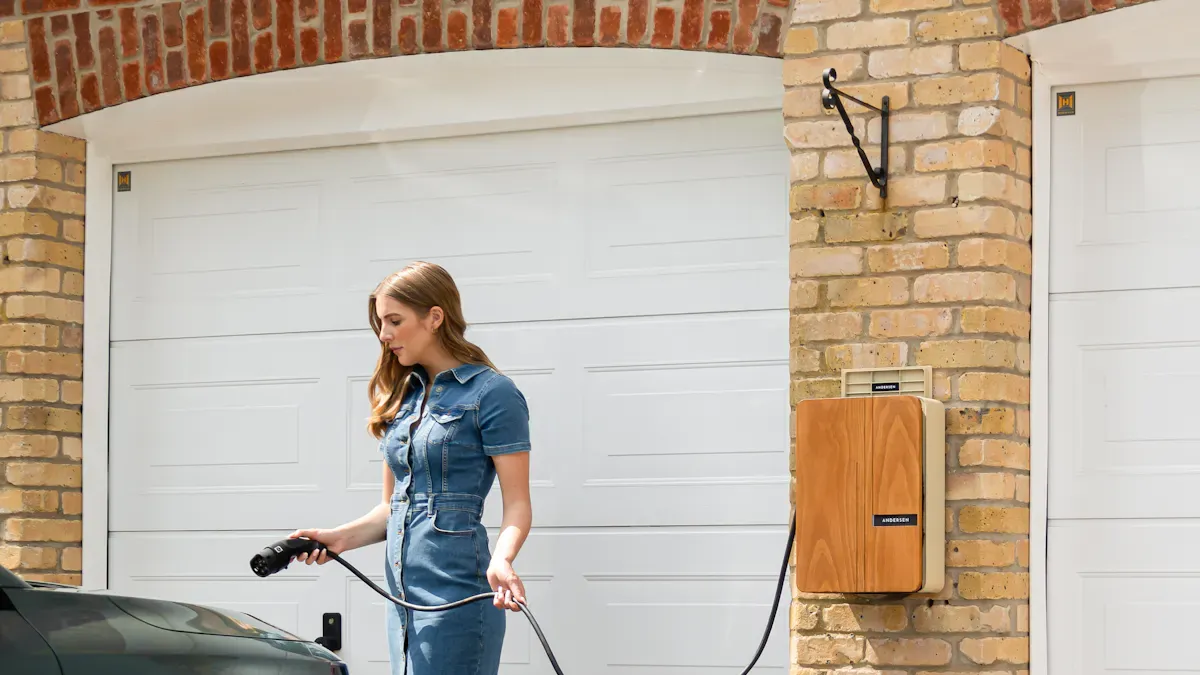
A resident in a small Dutch apartment often faces limited space and straightforward charging needs. He or she typically owns a single electric vehicle and parks in a designated spot. The electrical panel usually supports only single-phase power. A dumb EV charger fits this scenario well. The resident plugs in the vehicle after work and charges overnight. He or she does not require app control or advanced scheduling. The upfront cost remains low, and installation proceeds quickly.
Tip: Residents in apartments should check with building management before installing any charger. Approval ensures compliance with safety regulations.
A smart charger may offer benefits if the resident wants to track energy usage or access remote support. However, for most apartment dwellers, simplicity and reliability take priority.
| Scenario | Recommended Charger | Key Benefit |
|---|---|---|
| Small apartment, 1 EV | Dumb charger | Plug-and-play ease |
| Tech-savvy resident | Smart charger | Usage tracking |
Family Home with Solar Panels
A Dutch family living in a detached home often invests in solar panels. He or she wants to maximize self-consumption and reduce energy bills. The household may own one or two electric vehicles. A smart EV charging box integrates seamlessly with the solar system. The charger schedules sessions to coincide with peak solar production. The app displays real-time energy flows and allows remote adjustments.
The family benefits from dynamic load balancing. The charger distributes available power between the EV and household appliances. He or she avoids circuit overloads and optimizes energy use. The smart charger supports future upgrades, such as battery storage or additional vehicles.
- Smart charger enables solar integration.
- Dynamic scheduling reduces reliance on the grid.
- Real-time monitoring improves energy management.
Block Quote: “A smart EV charging box transforms solar energy into mobility, lowering costs and supporting sustainability.”
Multi-EV Household
A household with multiple electric vehicles faces higher power demand and complex charging routines. He or she needs a solution that prevents overloads and ensures efficient charging. A smart EV charging box offers dynamic load balancing. The charger adjusts power delivery based on real-time consumption. Each vehicle receives optimal charging speed without exceeding the panel’s capacity.
The app allows the homeowner to set priorities for each vehicle. He or she can schedule charging sessions to avoid peak tariffs. The smart charger supports integration with solar panels and battery storage. The household prepares for future expansion and regulatory changes.
| Feature | Benefit |
|---|---|
| Dynamic load balancing | Safe, efficient charging |
| App scheduling | Cost savings, convenience |
| Solar integration | Lower energy bills |
Note: Multi-EV households should invest in smart charging technology to ensure safety, flexibility, and long-term value.
Rural Home with Limited Grid Capacity
Rural homes in the Netherlands often face unique challenges when installing EV charging boxes. Many properties rely on older electrical infrastructure. The local grid may not support high power demand. He or she must consider these limitations before selecting a charger.
A dumb EV charger offers simplicity. The device draws a fixed amount of power. The homeowner plugs in the vehicle and charging begins. This approach works well when the grid cannot handle rapid charging. The dumb charger avoids complex integration and minimizes risk of overload. He or she benefits from predictable operation and lower upfront costs.
Smart EV charging boxes provide advanced solutions for rural settings. These devices monitor household energy consumption. The charger adjusts charging rates based on available capacity. Dynamic load balancing prevents circuit breaker trips. The smart charger schedules charging sessions during periods of low household demand. He or she can optimize energy use without upgrading the grid.
Tip: Smart chargers help rural homeowners avoid costly electrical upgrades by managing power intelligently.
A rural household may own multiple electric vehicles. The grid cannot always support simultaneous charging. Smart chargers prioritize vehicles based on user preferences. The system distributes available power efficiently. He or she can set charging windows to match off-peak hours or solar production.
The following table compares key features for rural homes:
| Feature | Dumb Charger | Smart Charger |
|---|---|---|
| Fixed Power Draw | Yes | No |
| Dynamic Load Balancing | No | Yes |
| Scheduling | No | Yes |
| Solar Integration | No | Yes |
| Grid Upgrade Required | Sometimes | Rarely |
He or she must assess the main electrical panel. Many rural homes use single-phase power. The panel may require upgrades for faster charging. Smart chargers reduce the need for expensive modifications. The homeowner gains flexibility and prepares for future energy needs.
Block Quote: “Smart EV charging boxes empower rural Dutch homeowners to charge vehicles safely, even with limited grid capacity.”
Weatherproofing remains essential. Rural properties often install chargers outdoors. Both smart and dumb chargers offer robust enclosures. He or she should select a model with IP54 or higher rating.
Smart chargers support remote monitoring. The homeowner tracks energy usage and charging status from a smartphone. He or she receives alerts if the system detects overload risk. This feature enhances safety and convenience.
Rural homes benefit from smart charging technology. The system adapts to grid limitations. The homeowner avoids costly upgrades and maintains reliable charging. He or she prepares for future expansion and supports sustainable mobility.
Smart EV Charging Boxes suit most Dutch homes due to their flexibility and energy-saving features. Some homeowners with simple needs may find a dumb charger sufficient. Each household should match the charger to both current and future requirements. The step-by-step guide in this blog helps clarify the decision process.
Tip: He or she should consult a certified installer if any uncertainty remains about the best charging solution.
FAQ
What is the main difference between smart and dumb EV charging boxes?
Smart EV charging boxes offer app control, scheduling, and energy management. Dumb chargers provide basic plug-and-charge functionality without connectivity or advanced features.
Can a dumb charger work with any electric vehicle in the Netherlands?
Most dumb chargers support the Type 2 connector, which fits nearly all EVs in the Netherlands. He or she should check the vehicle’s charging rate and compatibility before installation.
Does a smart EV charging box require an internet connection?
Smart chargers need Wi-Fi, SIM, or wired internet for remote control and updates. Without a connection, advanced features like scheduling and monitoring may not function.
How much can a smart charger save on energy costs?
Smart chargers help users schedule charging during off-peak hours and use solar power. Savings depend on energy tariffs and usage patterns. Some households save hundreds of euros each year.
Is it possible to upgrade from a dumb charger to a smart charger later?
He or she can upgrade to a smart charger if the electrical panel supports it. Some brands offer modular systems that allow easy upgrades without replacing the entire unit.
Are smart EV charging boxes secure against hacking?
Manufacturers use encryption and access controls to protect smart chargers. Regular software updates improve security. He or she should keep the charger’s firmware current for maximum protection.