Installing an EV charger at home is one of the most important steps in making electric vehicle ownership convenient, cost-effective, and sustainable. While public charging networks continue to grow, most drivers quickly discover that home charging is the real foundation of everyday EV use. It is often cheaper than public DC fast charging, more convenient than hunting for a station, and easier to integrate into daily routines when the charger is selected and installed correctly.
This comprehensive guide explains how homeowners should think about EV charger installation from start to finish: charger types, amperage, breaker sizing, panel capacity, plug-in versus hardwired installation, safety considerations, smart charging features, and when AC or even portable DC charging may be the right fit. The guide uses the supplied source material from TPSON, ChargePoint, Emporia, Smart Charge America, Love’s, and Car and Driver to ground the discussion in real products and industry practice.
- Why home EV charger installation matters
- Understanding EV charging levels
- Choosing between Level 1, Level 2, and DC charging at home
- How to choose the right charger amperage
- Plug-in vs hardwired installation
- Electrical panel capacity and service assessment
- Breaker sizing and continuous load rules
- Location planning: garage, driveway, carport, and outdoors
- Connector types and future compatibility
- Smart charging features worth considering
- Dynamic load balancing and why it matters
- Installation costs and upgrade scenarios
- Safety, codes, and GFCI considerations
- Single-EV vs multi-EV household planning
- When homeowners should consider portable DC charging
- Recommended planning checklist
- Frequently asked questions
- Conclusion
For most EV owners, the real charging experience happens at home. Car and Driver notes that charging at home has two major advantages: the vehicle can charge while it is otherwise parked, and home charging is usually much cheaper than DC fast charging. This is one reason home charging equipment has become such a central part of EV ownership planning.
A properly installed charger can deliver:
- Lower fueling costs
- Predictable overnight charging
- Reduced dependence on public infrastructure
- Better convenience during bad weather or busy schedules
- Improved home value and EV readiness
The best installation is not simply the highest-output one. It is the one that matches your car, your parking pattern, your electrical system, and your long-term household plans.
Before choosing equipment, it is essential to understand the three charging levels described by Car and Driver:
| Charging Level | Power Source | Typical Power | Use Case |
|---|---|---|---|
| Level 1 | 120V AC | ~1 kW | Emergency or very low-mileage home charging |
| Level 2 | 240V AC | ~6 to 19 kW | Mainstream home and destination charging |
| Level 3 / DC Fast | 400V–800V DC | 50 to 350 kW+ | Public fast charging, fleet, commercial rapid turnaround |
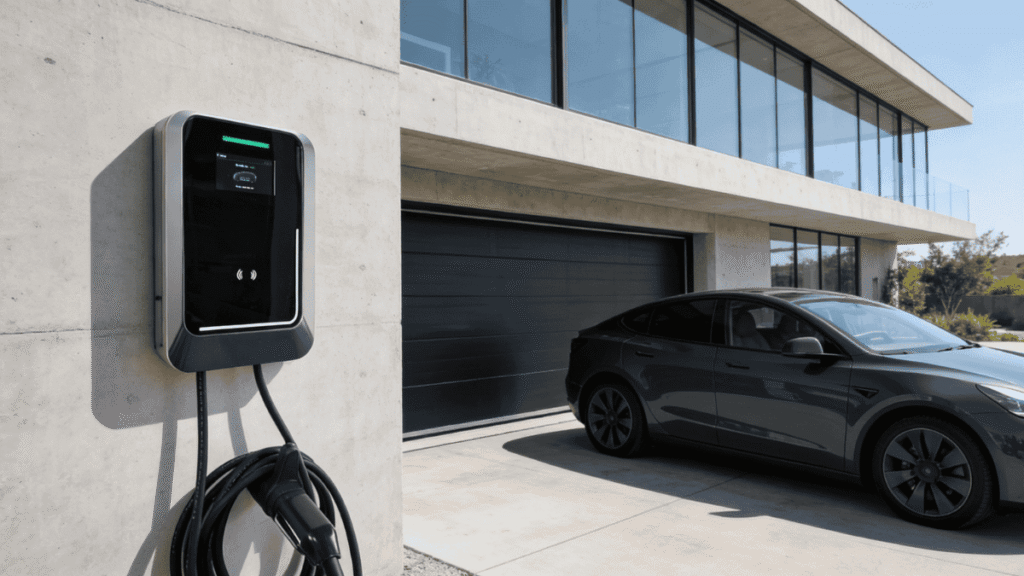
Most homeowners installing dedicated EV charging equipment will be choosing a Level 2 AC charger. That is the sweet spot for cost, practicality, and overnight replenishment.
Level 1 uses a standard household outlet and is extremely slow. It may be adequate for very light driving or as a backup solution, but most EV owners quickly outgrow it.
Level 2 is the standard answer for home charging. It provides much faster replenishment and is widely supported by home EVSE products. This is the category where buyers choose among 32A, 40A, 48A, and sometimes 50A or higher configurations.
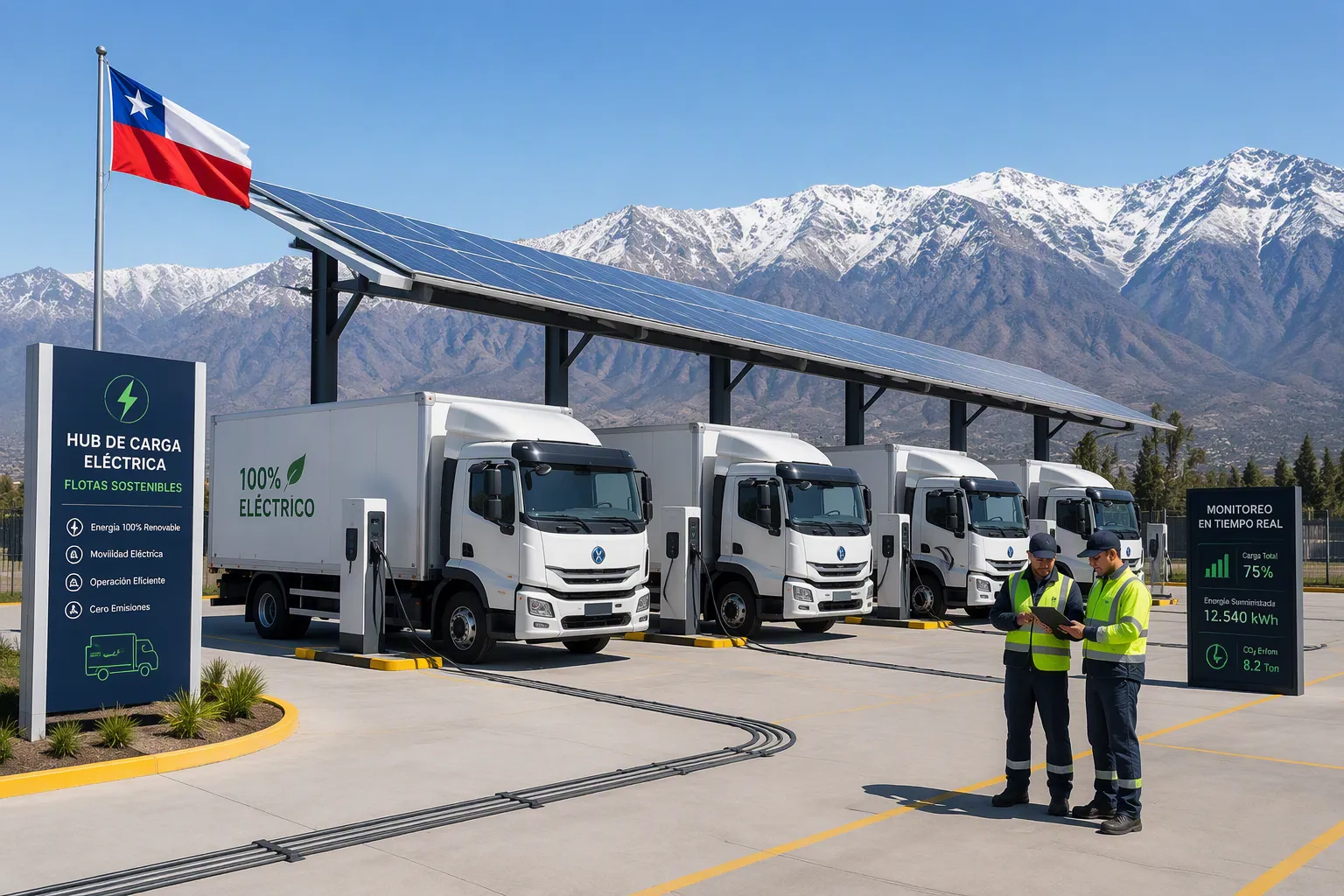
Car and Driver clearly states that DC fast charging is generally illogical for home use due to cost. That is true for mainstream residential installations. However, there are niche exceptions. TPSON’s DC EV Chargers page describes 20 kW, 30 kW, and 40 kW portable DC solutions for roadside assistance, logistics, temporary events, and dealerships. That means portable DC has a role—but usually not as a standard home garage solution.
For ordinary homeowners, Level 2 AC remains the correct category to focus on.
One of the biggest decisions in home charger installation is choosing the output current. Common residential charging tiers include:
| Current | Approx. Power at 240V | Typical Fit |
|---|---|---|
| 32A | 7.7 kW | Strong standard home charging |
| 40A | 9.6 kW | Very popular balance of speed and cost |
| 48A | 11.5 kW | Premium hardwired home charging |
| 50A | 12.0 kW | Higher-end configurable Level 2 |
Car and Driver recommends a modest 40- or 50-amp circuit as a good middle ground for most homes, because it can charge most EVs overnight while keeping costs under control. That advice aligns with current market leaders:
- Emporia Classic: up to 40A plug-in or 48A hardwired
- Emporia Pro: up to 40A plug-in or 48A hardwired
- Tesla Wall Connector Gen 3: up to 48A
- Tesla Universal Wall Connector: up to 48A
- ChargePoint Home Flex: configurable through 50A
The right amperage depends on your daily mileage, parking duration, future vehicle plans, and whether your home can support the charger without expensive upgrades.
This is one of the most important practical choices in home charger installation.
Plug-in chargers are attractive because they are easier to install, easier to replace, and portable if you move. Car and Driver specifically recommends a NEMA 14-50 outlet for many homes because it allows the EV charging equipment to be unplugged and taken to a new house or swapped later.
Emporia’s official product page also notes that a NEMA plug installation is easier and portable, but limits charging to 40A.
Hardwired chargers are more permanent but allow higher charging outputs and may avoid some outlet-related GFCI complications. Emporia recommends hardwiring for 48A operation and notes that it is the better choice if GFCI breaker interactions are a concern.
A simple summary: choose plug-in for flexibility, choose hardwire for maximum Level 2 performance.
Before choosing any charger, the home’s electrical capacity must be assessed. Car and Driver notes that households with 150A or 200A service may have enough room to add EV charging without a service upgrade, but this is never guaranteed. The real answer depends on total household load.
An electrician should review:
- Main service size
- Peak electrical demand
- Existing major appliances
- Panel space
- Distance from panel to charging location
This is one of the main reasons why two houses can have very different EV charger installation costs even when the same charger is selected.
Breaker sizing is not arbitrary. EV charging is treated as a continuous load, which means the charger can generally use only about 80% of the breaker’s rating on a continuous basis.
Car and Driver provides the practical rule set:
- 40A breaker → 32A charging
- 50A breaker → 40A charging
- 60A breaker → 48A charging
- 100A breaker → 80A charging
Emporia’s official technical specs match this pattern exactly:
- 50A+ dedicated dual pole breaker for 40A charging
- 60A+ dedicated dual pole breaker for 48A charging
This is why charger selection and breaker selection must always be considered together. They are not separate decisions.
The physical location of the charger matters more than many first-time buyers expect. A charger should be installed where it is easy to reach the vehicle charge port, convenient to use daily, and protected appropriately from weather or damage.
Car and Driver notes that many quality home chargers are rated for outdoor installation, but the supporting wiring and outlet enclosure must also be rated accordingly. It also highlights that cord length and cord management are significant practical factors.
Common placement options include:
- Garage wall near the parking bay
- Driveway-adjacent exterior wall
- Carport post or structure
- Shared parking locations for dual-EV households
Cable length should be chosen carefully. Many leading home chargers in the supplied materials use cable lengths around 23 to 25 feet, which gives flexibility across different parking layouts.
Connector choice is no longer as restrictive as it once was. Car and Driver emphasizes that buyers should mainly consider J1772 and NACS/J3400, and that adapters are widely available. This means homeowners do not necessarily need to match the charger perfectly to a single vehicle forever.
Emporia’s product page reflects this market shift by offering both:
- CCS / J1772 variants
- NACS / Tesla variants
TPSON’s broader charger portfolio also emphasizes global compatibility across standards such as Type 1, Type 2, GB/T, and other connector ecosystems, which is especially relevant for a globally oriented EV Chargers manufacturer.
If your household may add a non-Tesla EV, switch brands, or serve visitors, connector flexibility should be part of the installation decision from the beginning.
Modern EV charger installation is not only about electricity delivery. Software and smart features can dramatically improve the user experience. Leading products in the provided source set commonly support:
- Scheduling during off-peak hours
- Real-time charging session monitoring
- Energy use and cost tracking
- OTA updates
- App-based control
- Power sharing between multiple chargers
ChargePoint’s broader platform strongly emphasizes app integration, driver experience, and software management. Its Home Flex product is particularly notable because Car and Driver praised its nuanced utility rate cost tracking and user-friendly app experience.
These features matter because a slightly lower-output smart charger may be a better long-term solution than a higher-output but less intelligent device.
Dynamic load balancing is one of the most valuable features in modern home EV charging. It allows the charger to adjust its power draw based on total household electrical demand, reducing the risk of overloading the home’s system and potentially avoiding a panel upgrade.
This is a core part of TPSON’s charging positioning. On the company’s EV charger overview page, TPSON states that its AC chargers feature Dynamic Load Balancing to protect the home electrical system. On its homepage, TPSON also highlights dynamic temperature control, real-time diagnostics, and advanced safety protection as part of its charging value proposition.
Car and Driver’s review of Emporia Pro makes a very similar point: its included whole-home energy monitoring allows the charger to reduce output in real time so the house stays within safe capacity limits.
For many homes, smart load management is the difference between a straightforward installation and a costly service upgrade.
The cost of EV charger installation depends on much more than the charger price. Car and Driver notes that if the home already has enough spare electrical capacity, running a new line may cost only a few hundred dollars. If the home needs more electrical capacity, the project can cost a couple thousand dollars or more.
Typical cost drivers include:
- Distance from panel to charger location
- Required breaker size
- Need for panel upgrades
- Indoor vs outdoor installation complexity
- Permit and inspection requirements
- Hardwired vs plug-in approach
Emporia’s retail page adds another practical detail by offering a $100 installation credit through Treehouse, showing that installation support is increasingly part of the product ecosystem. This is consistent with how major charging brands are trying to simplify the transition for homeowners.
If rebates, tax credits, or utility incentives apply, they should be factored into the project economics early in the process.
Safety is not optional in EV charger installation. Chargers operate at substantial continuous electrical load and must be installed to code. Buyers should never size breakers, wire, or outlets by guesswork.
One important issue highlighted by Emporia is GFCI nuisance tripping. The company explains that plug-in charger installations on GFCI-protected outlet circuits may experience nuisance trips because the charger also contains built-in GFCI protection.
This is one of several reasons why hardwired charging can be preferable in higher-output residential installations. It is also why electrician input is essential: charger certification, local code requirements, and site conditions all affect the correct installation method.
TPSON’s emphasis on advanced safety protection and real-time diagnostics reflects the same reality: safe charging systems are about more than just delivering power. They must also detect, manage, and communicate risk.
Installing a home charger for one EV is different from planning for two or more. A single charger may be enough today but feel inadequate later if the household adds another EV.
Car and Driver’s coverage of products like the Grizzl-E Duo and Tesla/Emporia power-sharing options shows that multi-EV planning is increasingly important. The installation decision should consider:
- Whether a second EV is likely within a few years
- Whether the chosen charger supports power sharing
- Whether the site has space and capacity for a second unit
- Whether one higher-output charger or two load-managed chargers makes more sense
For many homeowners, planning the wiring and location for a second charger during the first installation can save substantial cost later.
Most homeowners should not install DC fast charging at home. However, some use cases blur the boundary between residential and commercial.
TPSON’s portable DC charger lineup shows where portable DC becomes relevant:
- Emergency roadside support
- Dynamic fleet and logistics charging
- Temporary sites and events
- Dealerships and service centers
If a homeowner operates a home-based fleet, vehicle service business, or unique property where rapid mobile charging is operationally valuable, then a portable DC solution might be worth evaluating. In a conventional single-family residence, though, it is almost never the starting point.
This broader perspective also aligns with public charging deployment patterns. Love’s states that its EV network combines Level 2 and Level 3 charging based on travel needs and dwell time, showing that faster charging belongs where usage patterns demand it—not automatically in every home.
- Confirm your vehicle’s maximum AC charging rate.
- Estimate daily energy use and overnight parking duration.
- Decide whether you want plug-in flexibility or hardwired performance.
- Have an electrician assess panel capacity and breaker options.
- Choose a location with good cable reach and safe daily access.
- Consider connector flexibility for future vehicles.
- Evaluate smart features such as scheduling, app control, and cost tracking.
- Prioritize dynamic load balancing if panel capacity is tight.
- Check local incentives, utility rebates, and tax credits.
- Plan ahead if a second EV may be added later.
Not absolutely, but for most EV owners it quickly becomes the most practical option. Level 1 charging is often too slow for regular use, while Level 2 allows reliable overnight charging and integrates much better into daily life.
A 40A charger is often the better balance of speed and installation simplicity, especially in plug-in setups. A 48A charger can be worth it if you want faster home charging and are comfortable with a hardwired installation plus the associated breaker and wiring requirements.
That does not automatically mean you cannot install a charger. Smart load management or dynamic load balancing may allow a charger to operate safely without a major panel upgrade. This is exactly why products like TPSON’s AC charging ecosystem and Emporia Pro’s load-managed setup are so relevant.
A well-planned home EV charger installation is one of the best investments an EV owner can make. It turns charging from an occasional task into an invisible part of everyday life. The right installation starts with understanding charging levels, household electrical capacity, breaker sizing, and charger output—but it also depends on smart planning around location, future vehicles, software features, and long-term flexibility.
For most homeowners, the best path will be a Level 2 AC charger in the 32A to 48A range, selected according to the vehicle’s actual needs and the home’s electrical reality. For more demanding or unusual scenarios, portable DC solutions can also play a role.
If you are building a smart, future-ready home charging setup, TPSON’s portfolio of EV Chargers, intelligent AC EV Chargers, and specialized DC EV Chargers offers a useful reference for how safety, compatibility, diagnostics, and power management can be integrated into one complete charging strategy.