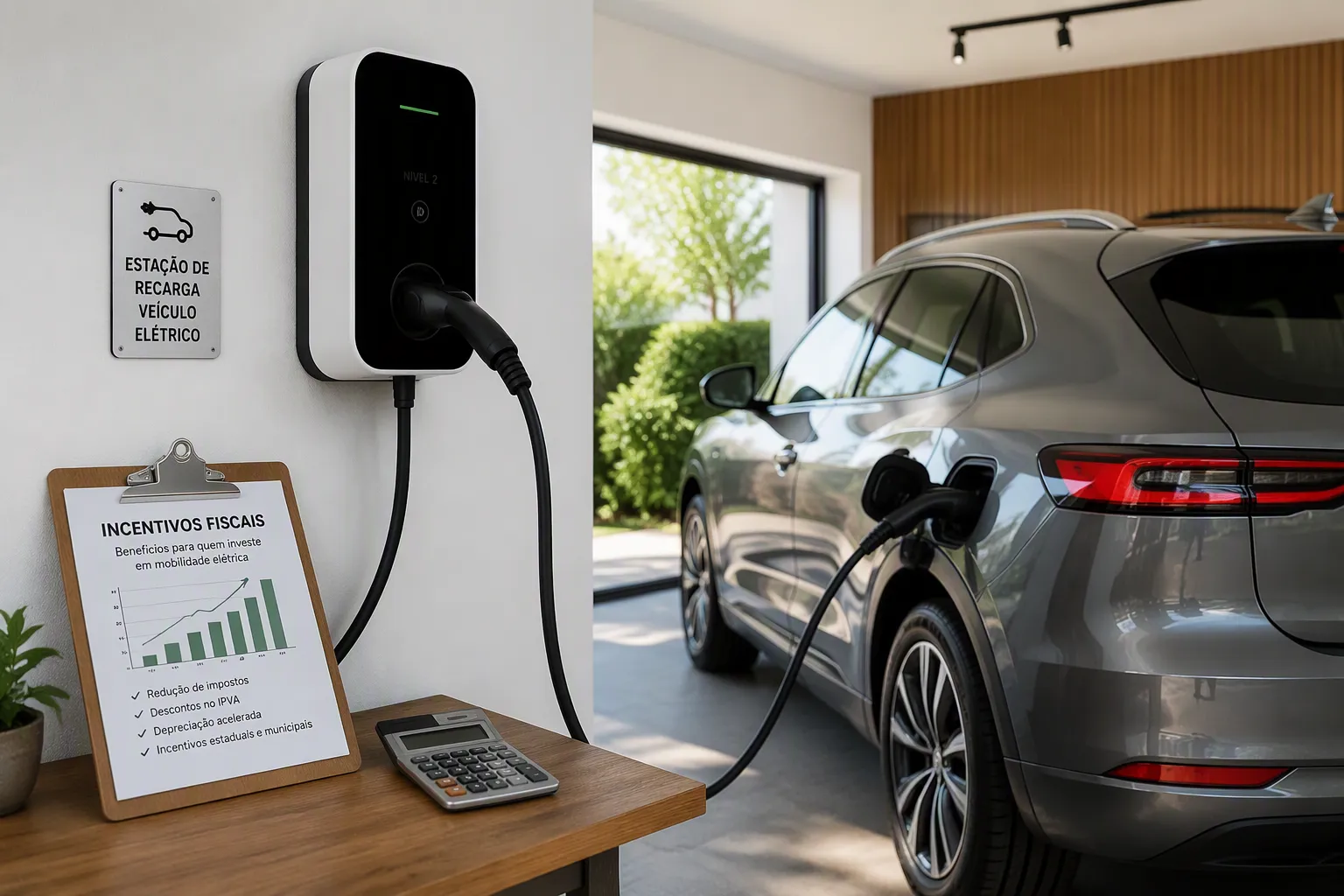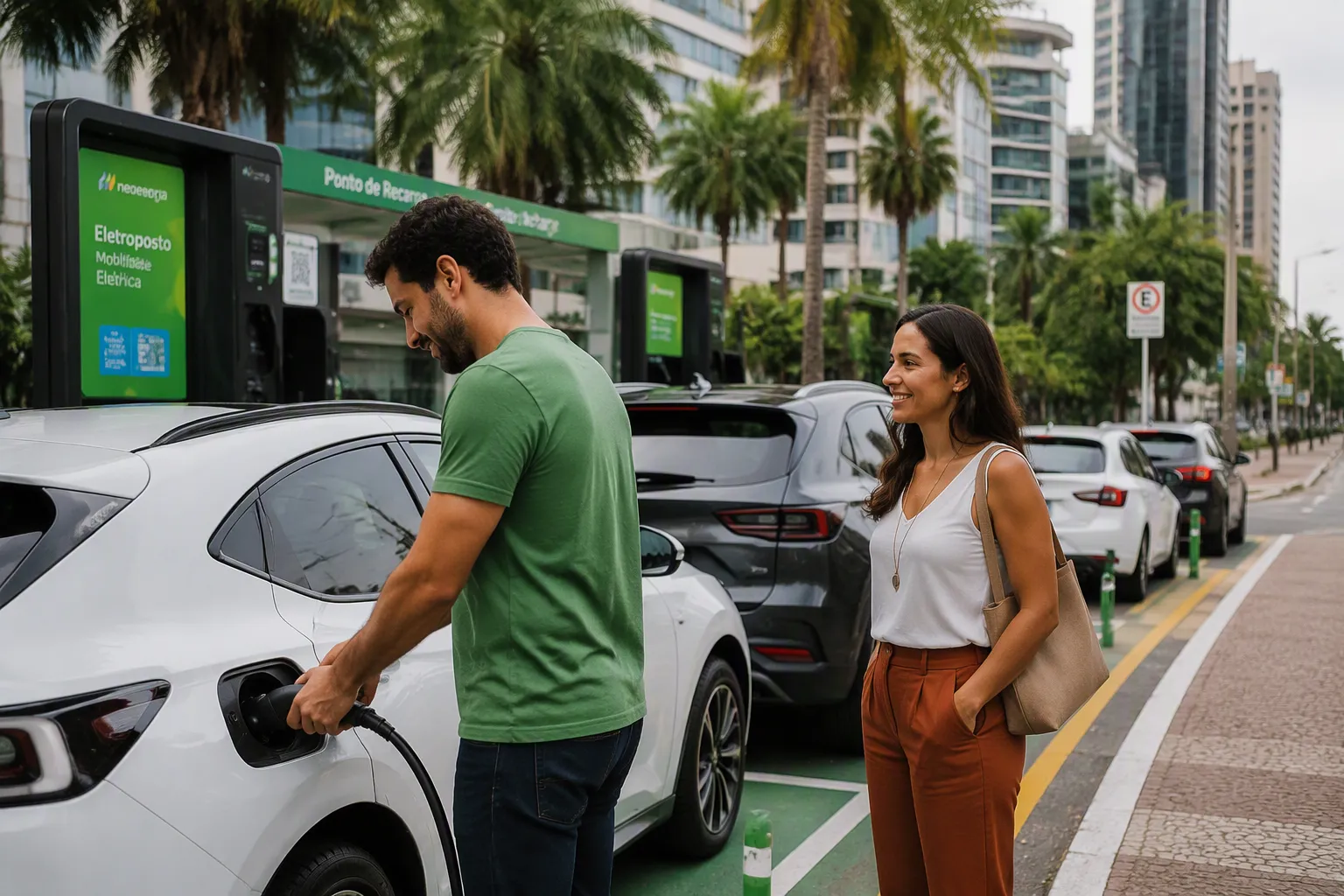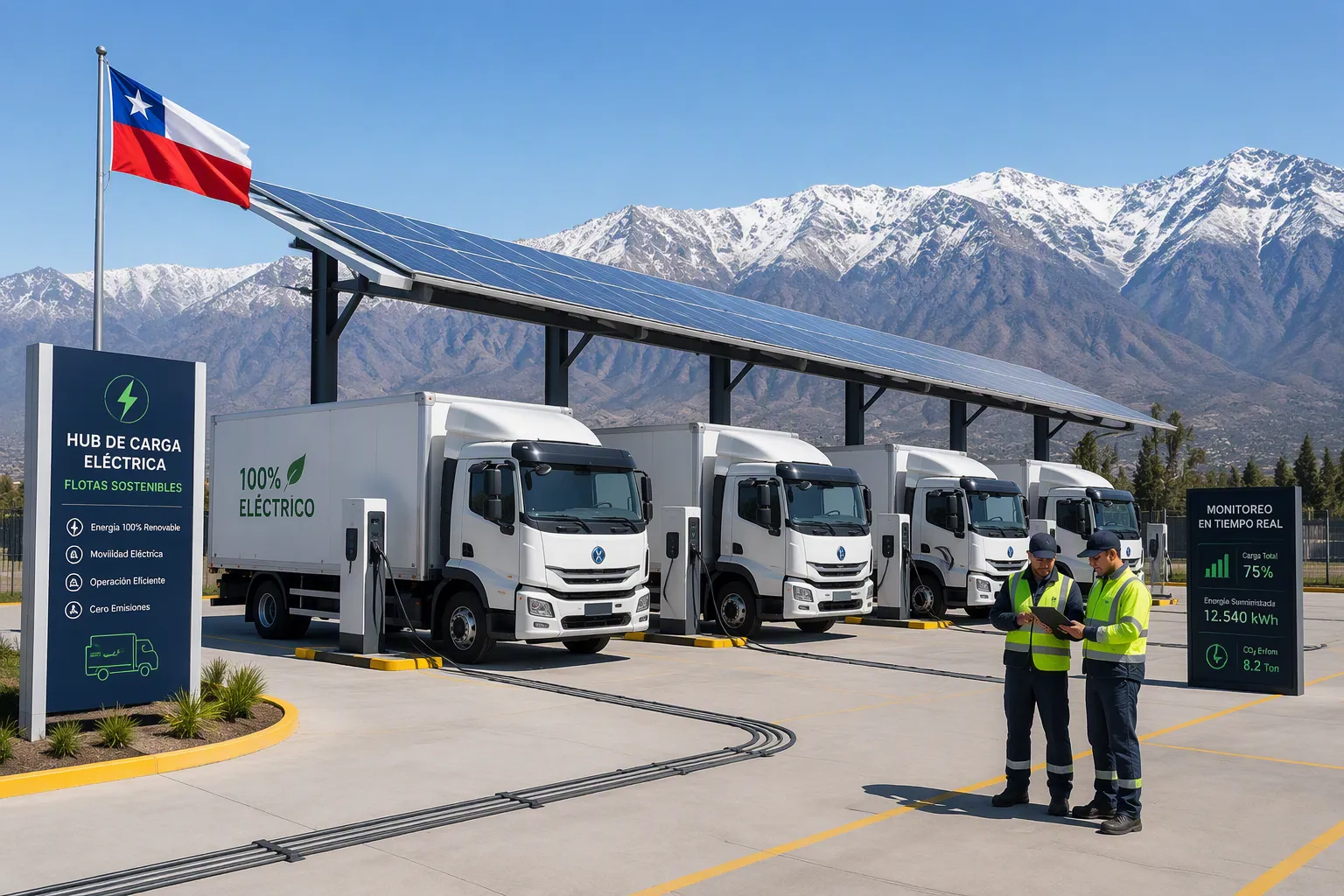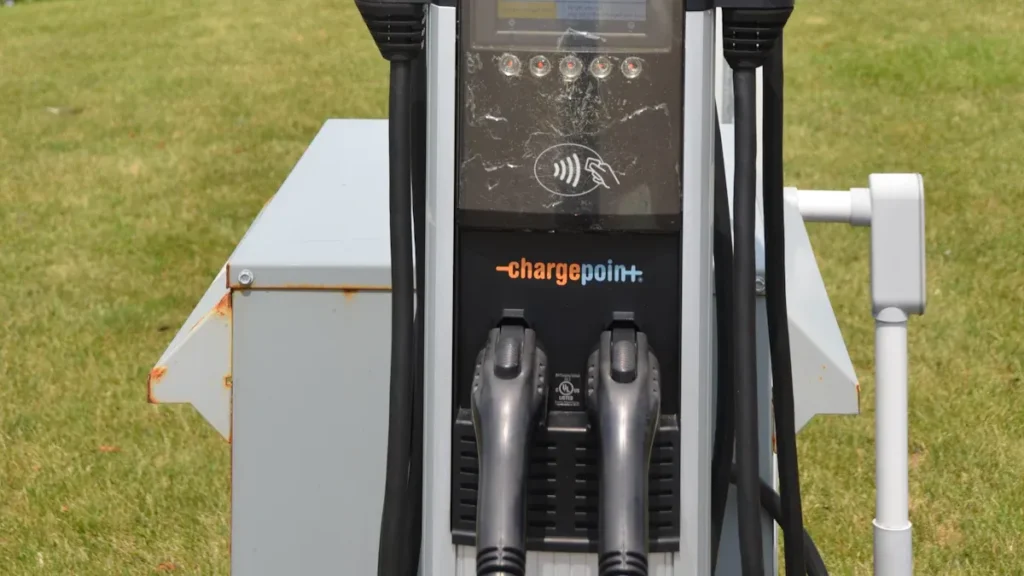

Determining the cost of a commercial EV charging station involves several factors. The total cost for a single EV charger typically ranges from $6,000 to over $100,000. A Level 2 EV charger often has an installed cost between $6,000 and $15,000. In contrast, a DC fast charger can range from $40,000 to over $100,000. This investment depends on the specific EV charger type, the complexity of the installation, and any available financial incentives for commercial EV charging station deployment. The demand for these stations is rapidly increasing.
- The UK government projects growth to reach at least 300,000 public charge points by 2030.
- Industry body ChargeUK has pledged over $7.5 billion for charging infrastructure before 2030.
- ChargeUK also plans to double the number of charge points in the next year.
This surge highlights the growing need for reliable EV charging solutions from technologically advanced EV charger manufacturers like TPSON. The commercial EV charging station installation cost is a key consideration for businesses planning to meet this demand. While most focus on fixed installations, the availability of portable EV chargers can also offer flexible solutions for certain business needs. The final cost of the installation is influenced by the specific EV charger chosen and site conditions. Businesses must carefully evaluate these variables for their charging projects.
Understanding the Total Cost for a Commercial EV Charging Station

The total investment for a commercial EV charging station is a sum of two primary components: the hardware itself and the installation services. These costs diverge significantly based on the charger’s power level and technological complexity. Businesses must evaluate these differences to select a solution that aligns with their budget and customer needs. The final cost of electric vehicle charge points depends heavily on the chosen technology tier.
Level 2 AC Charger Costs
Level 2 chargers are the most common type for commercial use cases like workplaces, multi-family housing, and retail locations where vehicles park for an hour or more. They use AC power and provide a reliable charging speed for daily top-ups.
Hardware: $1,000 – $7,000 per port
The hardware cost for a Level 2 charger varies based on its features. A basic, non-networked charger sits at the lower end of this range. Smart, networked stations from technologically advanced providers like TPSON command a higher price. These smart chargers offer valuable features like remote management, access control, and payment processing, which are essential for public or shared use. The price also scales with power output, typically ranging from 7kW to 22kW.
Installation: $2,000 – $10,000+
Level 2 installation costs are highly dependent on site conditions. A straightforward installation where the charger is placed near an existing electrical panel with sufficient capacity will be on the lower end of the spectrum. However, the cost increases with complexity. Factors that drive up the installation price include:
- Long distances from the power source, requiring extensive trenching and conduit.
- The need to upgrade electrical panels or service to handle the additional load.
- Installation of new concrete pads or protective bollards.
DC Fast Charger (DCFC) Costs
DC Fast Chargers (DCFCs) deliver high-power DC electricity directly to a vehicle’s battery, enabling rapid charging in 20-60 minutes. These stations are critical for public charging plazas, highway service areas, and commercial fleets that require quick turnaround times. The cost of electric vehicle charging stations at this level represents a more significant capital investment.
💡 A Note on Charging Rates: While this section focuses on upfront costs, the operational cost of charging also varies dramatically. Public charging network pricing differs by location and provider. Urban areas often have more competitive rates, while some rural locations may have premium pricing. Rapid and ultra-rapid charging (50kW+) typically costs 70-85 pence per kWh, whereas slower AC charging generally ranges from 45p-60p per kWh.
Hardware: $25,000 – $100,000+ per unit
The hardware for a DC fast charger is substantially more expensive due to the sophisticated technology required to convert AC power from the grid into high-voltage DC power. The price depends on the unit’s power output, which can range from 50kW to over 350kW. Higher-power units that deliver faster charging speeds command a premium. The market includes a variety of models from different manufacturers.
- CITA EV Charger: Smart DC 60kW, CITA Smart 60-360 DC
- ABB: DC All-in-one (50-360kW), DC Distributed (50-600kW)
- ZEROVA Technologies: DC Portable (30kW), DC All-in-one (50-180kW)
- EO Charging: DC All-in-one (50-400kW), DC Distributed (50-600kW)
Installation: $15,000 – $50,000+
The cost of installing commercial electric vehicle charging stations of the DCFC variety is considerable. This process is far more involved than a Level 2 setup. It almost always requires a three-phase power supply and significant electrical work, including potential transformer upgrades and coordination with the local utility. The high installed cost reflects the complexity of managing high-power electrical infrastructure safely and effectively.
Ultra-Rapid Charger Costs
Ultra-rapid chargers represent the pinnacle of current commercial EV charging technology, with power outputs of 150kW, 350kW, or even higher. These are designed for sites dedicated to offering the fastest possible charging experience.
Hardware: Starting at $100,000
The commercial charging station cost for an ultra-rapid unit starts at six figures and increases with power and features. This hardware is engineered for maximum throughput and efficiency, making it suitable for high-traffic corridors and flagship charging hubs. The investment reflects its ability to add hundreds of miles of range in minutes.
Installation: Often exceeds $50,000
The installation for these powerful commercial electric vehicle charging stations is the most complex and expensive. It frequently necessitates major site modifications and direct grid connection upgrades from the utility provider. The total installed cost for a single ultra-rapid charger can easily approach or exceed the cost of the hardware itself, making it a substantial infrastructure project.
Breaking Down Commercial EV Charger Installation Cost

Hardware is only one part of the total investment. The commercial ev charger installation cost often includes a wide range of services and site modifications. Businesses must account for these variables to create an accurate budget. These on-site installation costs can sometimes equal or exceed the price of the charger hardware itself.
Electrical and Labor Costs
Electrical work forms the backbone of any charger installation project. This category covers the skilled labor and heavy-duty components needed to power the charging equipment safely and reliably.
Electrician Fees and Labor
Qualified electricians are essential for a safe and compliant installation. Their fees cover the labor for connecting the charger, running wiring, and ensuring all work meets electrical codes. The total labor cost depends on the project’s duration and complexity.
Electrical Panel and Service Upgrades
Many commercial properties require electrical upgrades to support EV charging. An existing electrical panel may lack the capacity for a new charger. This situation necessitates an upgrade to a larger panel or even a new electrical service from the utility, which adds a significant cost.
Transformer and Grid Connection Fees
DC fast charging projects often require a new, dedicated transformer. This step ensures the site can draw sufficient power from the grid without disrupting the main building’s supply. Utilities may also charge connection fees for this new service, adding to the overall infrastructure costs.
Site Work and Preparation Costs
Preparing the physical location for the charger is a major component of the commercial electric vehicle charger installation cost. These activities transform an empty parking space into a functional charging station.
💡 Site Complexity Matters: The distance from the electrical room to the parking space is a primary cost driver. Longer distances require more materials and labor for trenching and conduit, directly increasing the final price.
Site Assessment and Design
A professional site assessment is the first step. Experts evaluate the location, identify the power source, and create an optimal layout. This design phase, often handled by turnkey providers like TPSON, prevents costly mistakes during the installation.
Trenching, Boring, and Conduit
Crews must run electrical wiring from the panel to the charger’s location. This process often involves trenching through asphalt or boring underneath sidewalks. The wires are then protected inside a durable conduit. This civil work is a substantial part of the budget.
Concrete Pads and Bollard Installation
Most pedestal-style chargers require a new concrete pad for a stable foundation. Businesses also install steel bollards around the charger. These posts protect the expensive equipment from accidental vehicle impacts, safeguarding the investment.
Administrative and Finishing Costs
The final set of expenses involves permits, compliance, and site finishing touches. While smaller than other categories, these costs are mandatory for a legal and user-friendly charging station.
Permitting and Inspection Fees
Local authorities require permits for electrical and construction work. The cost of installing commercial electric vehicle charging stations includes fees for submitting plans and obtaining these permits. After the work is done, a final inspection is necessary to certify the installation is safe and code-compliant.
ADA Compliance Requirements
Publicly accessible charging stations must comply with accessibility standards. This may require specific dimensions for the parking space, clear access paths, and appropriate charger height. Meeting these requirements can influence the commercial charging station cost.
Line Painting and Signage
The project concludes with finishing touches. This includes painting the parking space with EV-specific markings and installing clear signage. Proper signage directs drivers to the station and provides instructions for use, improving the user experience.
Ongoing Operational Costs for Commercial Electric Vehicle Charging Stations
The initial purchase is only the beginning of the financial commitment. The ongoing cost of electric vehicle charging includes electricity, software, and maintenance. Business owners must budget for these recurring expenses to ensure the long-term viability and profitability of their charging infrastructure.
Electricity and Utility Charges
Electricity is the primary operational cost for any charging station. This expense is composed of two main parts: the energy consumed and the peak power demanded.
Cost Per Kilowatt-Hour (kWh)
The most direct cost is the price per kilowatt-hour (kWh) of electricity. This rate varies significantly based on the utility provider, geographic location, and the time of day the charging occurs. Businesses can often access special commercial rates or Time-of-Use (TOU) plans to manage this expense.
Understanding Demand Charges
Utilities often bill commercial customers for their peak power usage in a given period, measured in kilowatts (kW). These “demand charges” can account for a substantial portion of an electricity bill. DC fast chargers, with their high power draw, can create significant demand spikes. For example, a high-power user could face millions in annual demand charges if peak usage is not managed.
💡 Mitigating High Demand: Strategies like peak shaving, often using a Battery Energy Storage System (BESS), can lower a site’s peak power draw from the grid. This reduces demand charges and lowers the overall ongoing cost of electric vehicle charging.
Software and Network Fees
Smart commercial electric vehicle charging stations rely on software for management and payment processing. Technologically advanced providers like TPSON offer robust networks that come with recurring fees.
Monthly Station Management Fees
Network providers charge a monthly or annual fee per charger for access to their management platform. This software allows owners to set pricing, control access, monitor usage, and generate reports.
Payment Processing Fees
When a station accepts public payment, a percentage of each charging transaction is taken as a processing fee. This is similar to the fees associated with any credit card transaction.
Inter-Network Roaming Fees
To improve driver convenience, many networks have roaming agreements. These allow drivers from one network to use stations on another. A small fee is typically associated with these roaming transactions.
Maintenance and Repair Costs
Keeping stations operational requires a budget for maintenance and repairs. This ensures a positive user experience and protects the hardware investment.
Preventative Maintenance Plans
Many installers offer preventative maintenance plans. These service agreements help keep the charger in optimal condition and can include:
- Annual onsite electrical and visual inspections
- Remote software support and firmware updates
- General cleaning of the unit and surrounding area
- Generation of a detailed report for customer records
Warranty Coverage Details
New hardware comes with a manufacturer’s warranty, typically covering parts and labor for one to three years. Owners should review the warranty terms carefully to understand what is covered and for how long.
Out-of-Warranty Repair Expenses
Once the warranty expires, the owner is responsible for all repair costs. The cost for common repairs can vary.
| Component | Estimated Repair Cost (Parts & Labor) |
|---|---|
| Charging Cables | $125 – $500 |
| Connectors | $60 – $250 |
These expenses are a critical part of the total cost of ownership for the charging stations.
How to Reduce Your Commercial Electric Vehicle Charger Installation Cost
The initial investment in commercial electric vehicle charging stations can be substantial. However, a variety of financial incentives exist to significantly lower this expense. Businesses can leverage federal, state, and utility programs to reduce the upfront commercial ev charger installation cost and improve the project’s return on investment. Exploring these opportunities is a critical step in planning any charging infrastructure project.
Federal Tax Credits and Grants
National-level programs often provide the most significant financial relief for large-scale EV charging infrastructure projects. These incentives aim to accelerate the build-out of a public charging network.
Alternative Fuel Infrastructure Tax Credit (30C)
One powerful tool is the federal tax credit, exemplified by programs like the Alternative Fuel Infrastructure Tax Credit (30C). This incentive can refund up to 30% of the total project cost. To qualify for the maximum credit, businesses must meet specific criteria.
- The charging station site must be in a designated low-income or non-urban census tract.
- Contractors and laborers on the installation project must be paid prevailing wages.
Failure to meet these wage and apprenticeship requirements typically reduces the available credit to a much lower percentage, such as 6%.
National Electric Vehicle Infrastructure (NEVI) Program
Large-scale funding, such as that from the NEVI Program, provides capital for building a nationwide charger network. Accessing these funds involves a structured, state-managed process.
- States first submit detailed EV Infrastructure Deployment Plans to the federal government.
- These plans outline how the state will use its allocated funds.
- The plans must cover strategic siting of stations, public engagement, and adherence to technical standards.
- Businesses then apply for funding through the programs created by their respective states.
State and Local Rebate Programs
Beyond federal aid, many states and municipalities offer their own incentives. These programs are often easier to apply for and can be combined with other forms of assistance to further reduce the installation cost.
Finding State-Level Rebates
Most states have an energy office or environmental department that manages rebate programs. These incentives can help offset the commercial ev charger installation cost. Businesses should research their state’s specific offerings, which may provide funding for both hardware and installation labor.
Researching Municipal Grant Opportunities
Cities and counties sometimes offer their own grants to encourage local businesses to install charging stations. While smaller than state or federal programs, these grants provide valuable supplementary funding that lowers the final project cost.
Utility Provider Incentives
Utility companies are key partners in deploying EV charging infrastructure. Many offer programs designed to make the installation process more affordable and reduce ongoing operational expenses. Technologically advanced providers like TPSON can help businesses identify and apply for these valuable utility incentives.
“Make-Ready” Infrastructure Programs
A “Make-Ready” program is one of the most impactful incentives. In this model, the utility company pays for and installs the electrical infrastructure needed for the charger, from the transformer to the parking space. The business is then only responsible for the final charger connection, dramatically cutting the installation cost.
Per-Port and Per-kW Rebates
Utilities frequently offer direct rebates to lower the hardware cost. This can be a fixed dollar amount per charging port installed or a variable amount based on the charger’s power capacity (per-kW). This direct financial support makes the initial purchase more manageable.
Special Time-of-Use (TOU) Rates
To manage grid load, utilities offer special electricity rates for EV charging. These Time-of-Use (TOU) rates provide cheaper electricity during off-peak hours, such as overnight. Enrolling in a TOU plan helps businesses minimize the long-term cost of charging.
Cost Examples for Different Business Types
The ideal charging solution and its associated cost vary significantly depending on the business type. Understanding the specific use case is crucial for making a sound investment in electric vehicle charging for business.
Workplace and Office Buildings
Typical Setup: Multiple Level 2 Chargers
Workplaces are a prime location for Level 2 charging. Employees have long dwell times, typically 8-9 hours, making slower AC charging a perfect fit. A common setup involves installing a bank of four to ten Level 2 chargers.
Estimated Cost and Use Case
The primary use is employee vehicle charging throughout the workday. This amenity helps attract and retain talent.
- Hardware: $4,000 – $70,000 (for 4-10 smart, networked chargers)
- Installation: $10,000 – $50,000+
- Total Estimated Cost: $14,000 – $120,000+
The total cost depends heavily on the number of units and the site’s electrical capacity. Technologically advanced providers like TPSON can help plan scalable solutions that allow for future expansion.
Retail and Hospitality
Typical Setup: Mix of Level 2 and DCFC
Retail and hospitality locations serve two distinct customer types. A mix of charger technologies is often best.
- Level 2 Chargers: Serve hotel guests staying overnight or shoppers spending several hours at a mall.
- DC Fast Chargers (DCFC): Attract drivers on long journeys or those needing a quick top-up while running errands.
Estimated Cost and Use Case
These charging points at your business premises act as a powerful customer magnet. A single DCFC unit paired with two Level 2 stations offers broad appeal.
The return on investment can be strong. While a Level 2 charger may take longer to break even, fast-charging stations can do so in 2-4 years. Under the right conditions, profitability can reach a 10% to 30% net margin by attracting eco-conscious guests and increasing on-site spending.
- Hardware: $30,000 – $115,000 (for one 50kW DCFC and two Level 2 units)
- Installation: $20,000 – $60,000+
- Total Estimated Cost: $50,000 – $175,000+
Multi-Family Housing (Apartments)
Typical Setup: Dedicated Level 2 Chargers
Apartment complexes and condominiums are ideal for Level 2 charging stations. Residents need a reliable way to charge their vehicles overnight. The setup often involves assigning dedicated chargers to specific parking spaces or creating a shared pool of community chargers.
Estimated Cost and Use Case
The goal is to provide a home-charging experience for residents who cannot install their own units. Installing multiple commercial electric vehicle charging stations at once can reduce the per-unit installation cost.
- Hardware: $10,000 – $70,000 (for 10 networked Level 2 chargers)
- Installation: $25,000 – $100,000+
- Total Estimated Cost: $35,000 – $170,000+
This investment enhances property value and meets the growing demand from EV-driving tenants.
Public Charging Plazas
Public charging plazas represent the most advanced and capital-intensive model for EV infrastructure. These sites function as dedicated service stations for electric vehicles. They are strategically located along major transport corridors, highways, and in dense urban centers to serve a high volume of drivers.
Typical Setup: Multiple DCFC and Ultra-Rapid
The setup for a public plaza prioritizes speed and throughput. These locations are designed to minimize driver wait times and maximize the number of vehicles served per day. A typical configuration includes:
- A bank of multiple DC fast chargers (DCFC), often with power outputs from 150kW to 350kW.
- The inclusion of ultra-rapid charger units to cater to the latest EV models capable of the fastest charging speeds.
- Advanced load management systems to balance power distribution across all active stations.
- Often, a Battery Energy Storage System (BESS) is integrated to manage peak demand and reduce high utility costs.
This powerful hardware combination ensures that drivers can add significant range in as little as 15-30 minutes, replicating the convenience of a traditional fuel station.
Estimated Cost and Use Case
The primary use case for a public plaza is direct revenue generation through the sale of electricity. These commercial electric vehicle charging stations are businesses in their own right. The total project cost is substantial, reflecting a major infrastructure investment. The financial scope is significantly larger than for other business types.
💡 A Capital-Intensive Venture: Developing a public charging plaza is a multi-million dollar project. The investment covers not just the expensive hardware but also extensive site work, major utility upgrades, and sophisticated management software.
The scale of these projects makes accurate cost estimation complex.
- Hardware: $500,000 – $2,000,000+ (for 4-8 ultra-rapid units)
- Installation: $250,000 – $1,000,000+
Total Estimated Cost: $750,000 – $3,000,000+
This investment requires careful planning and partnership with experienced providers. Technologically advanced firms like TPSON can provide the robust hardware and network solutions necessary for operating a successful high-throughput charging hub. The long-term business model relies on high utilization rates and strategic pricing to achieve profitability. The success of these ventures is critical for building a comprehensive public charging network.
Calculating Your Total Cost of Ownership (TCO)
Understanding the full financial picture of an EV charging project requires looking beyond the initial price tag. Calculating the Total Cost of Ownership (TCO) provides a comprehensive view of the investment over its entire lifecycle.
The TCO Formula Explained
The TCO calculation helps businesses make informed decisions by accounting for all expenses and financial benefits associated with the charging infrastructure.
(Upfront Costs + Lifetime Operational Costs) – Total Incentives
This formula provides a clear path to understanding the true cost of your project.
- Upfront Costs: This includes hardware and the complete commercial ev charger installation cost.
- Lifetime Operational Costs: These are recurring expenses like electricity, software fees, and maintenance.
- Total Incentives: This represents the total value of all grants, tax credits, and rebates that lower your final expense. The result is the project’s net installed cost over its lifespan.
Key Factors That Influence Your Final Price
Several key variables determine the final price of a charging project. These factors that influence commercial ev charger installation cost must be carefully evaluated during the planning phase.
Number of Charging Ports
The quantity of chargers directly impacts the total investment and revenue potential. A higher number of ports increases the initial cost due to hardware, labor, and the need for more robust electrical infrastructure.
- Installation costs can make up 60-80% of the total project budget.
- A larger installation with five chargers accessible 24/7 can generate significant annual revenue.
- Even smaller installations can create a substantial new income stream.
More ports require smart load balancing to manage power, but they also create greater opportunities for return on investment through charging fees.
Charger Power Level (kW)
The power output of the charger is a primary cost driver. A basic 7kW AC charger has a much lower hardware price than a 150kW DC rapid charger. The installation for a high-power DC charger is also far more complex and expensive, requiring significant electrical upgrades to the existing infrastructure.
Site Complexity and Distance from Power
The physical characteristics of the installation site play a huge role. A location far from the main electrical panel requires extensive trenching and more conduit, which increases labor and material costs. Upgrading electrical panels or installing new transformers adds another layer of expense to the installation.
How to Get an Accurate Quote
Obtaining a precise and comprehensive quote is essential for budgeting. This process involves working with qualified professionals who understand the nuances of EV charging installation.
Working with a Turnkey Installation Provider
Partnering with a turnkey provider simplifies the process. Technologically advanced firms like TPSON manage every aspect of the project, from site assessment and design to final commissioning. This integrated approach ensures all costs are accounted for upfront, preventing unexpected expenses.
The Importance of Requesting Multiple Bids
💡 Secure Competitive Pricing: Always request detailed bids from at least three qualified installers. This practice allows you to compare costs, timelines, and proposed solutions. A thorough comparison ensures you receive fair market value for your charging project and select the best partner for your needs.
The final cost for a commercial ev charging station balances upfront hardware, installation expenses, and operational fees against available incentives. A Level 2 charger can be installed for around $6,000, while a DC fast charging station often exceeds $50,000. Project scope and site complexity are the biggest variables affecting the commercial ev charging station installation. Proactively seeking incentives is the most effective strategy to lower the total investment for a commercial ev charging station installation.
FAQ
What is the biggest factor affecting installation cost?
Site complexity is the primary cost driver. The distance from the electrical source to the charger’s location determines the amount of trenching and conduit needed. Longer distances significantly increase labor and material expenses for the installation.
How long does a commercial EV charger installation take?
Installation timelines vary. A simple Level 2 charger installation might take a few days. A complex project with multiple DC fast chargers and utility upgrades can take several weeks or months from planning to commissioning.
Can businesses generate revenue from charging stations?
Yes, businesses can generate revenue. Owners can set pricing per kWh, per session, or based on time. This creates a new income stream and can help achieve a return on investment, especially with high-traffic DC fast chargers.
Why are DC fast chargers so much more expensive?
DC fast chargers contain complex power conversion technology. They convert high-voltage AC power from the grid to DC power for the vehicle’s battery. This sophisticated hardware, along with higher installation requirements, drives up the total cost.
Do I need a networked charger for my business?
A networked charger is essential for most commercial applications. It allows for remote management, payment processing, and access control. Technologically advanced providers like TPSON offer robust network solutions that provide valuable usage data and operational control.
How can I get an accurate cost estimate for my project?
To get an accurate estimate, businesses should partner with a turnkey installation provider.
- Request a professional site assessment.
- Obtain detailed quotes from multiple qualified installers.
- Discuss hardware options and long-term goals.
This process ensures a comprehensive and competitive bid.