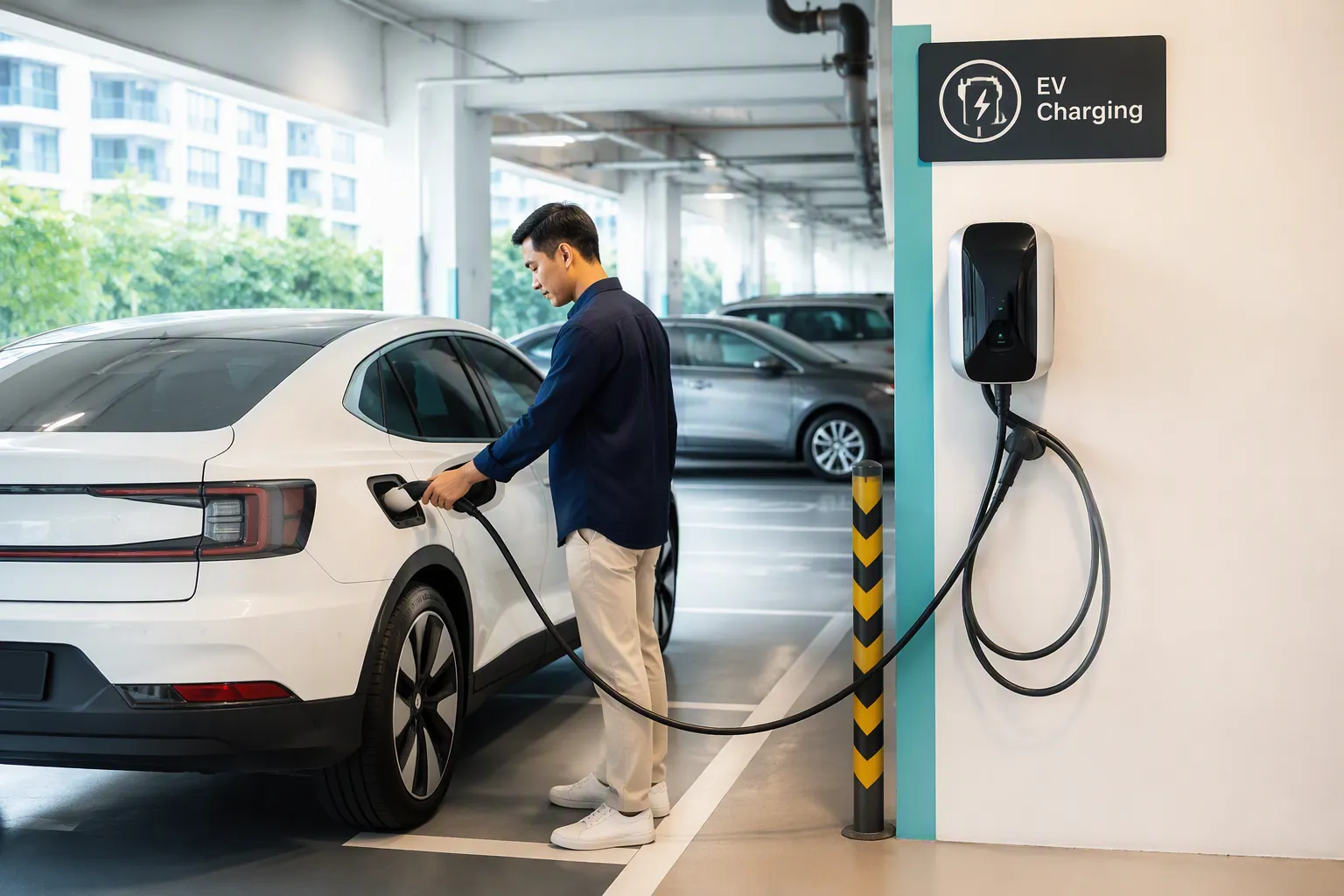

Vietnam’s electric vehicle market is expanding rapidly, with a projected annual growth rate of 17.51% through 2032. Local EV charger manufacturers and government investment in infrastructure fuel this trend. For most owners, Level 2 EV charging presents the most practical method for daily power needs. This type of EV charger uses the common 220V household supply, offering a significant speed boost compared to basic portable ev chargers. Mastering these EV charging solutions is essential for optimizing the ownership experience in this growing market.
What is Level 2 EV Charging?
Level 2 EV charging is the international standard for regular, daily charging of an electric vehicle at home or the workplace. It utilizes a 220-volt (V) power source, the same voltage common in Vietnamese households for appliances like air conditioners and water heaters. This method provides a reliable balance of charging speed and electrical infrastructure requirements, making it the most practical solution for most EV owners to wake up to a full battery every morning.
The Basics of 220V Charging
How It Works
A Level 2 charger, also known as an Electric Vehicle Supply Equipment (EVSE), acts as a smart and safe controller for delivering electricity to the vehicle. When an EV is plugged in, the charger communicates with the car to determine the maximum power it can safely accept. The charger then draws 220V alternating current (AC) from the dedicated circuit and delivers it to the vehicle through the charging cable. The vehicle’s internal systems then take over to manage the charging process.
AC vs. DC Power Explained
A common point of confusion is the difference between AC and DC power. The electrical grid supplies AC power, but an EV’s battery can only store direct current (DC) power. The Level 2 charger itself does not convert the power. Instead, the vehicle’s own On-Board Charger (OBC) performs this critical task.
- Electric vehicle batteries require DC power to store energy.
- Level 2 chargers supply the vehicle with AC power from the grid.
- The EV’s On-Board Charger (OBC) is a component inside the car that converts the incoming AC power into DC power to charge the battery.
- The OBC also manages the communication handshake between the charger and the vehicle, ensuring a safe and efficient charging session.
- Nearly all electric vehicles designed for AC charging come equipped with an OBC from the factory.
Charging Speed and Range
Kilometers Gained Per Hour
The primary advantage of Level 2 EV charging is its practical speed. While exact figures depend on the vehicle’s efficiency and the charger’s power output, a typical home installation provides a significant boost over a standard outlet.
Note: A standard 7.4 kilowatt (kW) Level 2 charger generally adds between 40 to 60 kilometers of range per hour of charging. This speed is more than sufficient to fully recharge most EVs overnight.
Charging Times for Popular EVs
Charging times vary based on battery size and the specific power output of the charger. For popular EVs in Vietnam, a 7.4kW Level 2 charger can replenish a significant portion of the battery in just a few hours, making it ideal for overnight charging.
| Vehicle Model | Battery Size (Usable) | Est. Time (20% to 80%) |
|---|---|---|
| VinFast VF e34 | 42 kWh | ~3.5 – 4 hours |
| VinFast VF 8 (Eco) | 82 kWh | ~6.5 – 7 hours |
| Wuling Hongguang Mini EV | 13.9 kWh | ~1.5 – 2 hours |
Comparing the Charging Levels
Understanding the different charging levels helps clarify why Level 2 is the preferred home solution. Each level serves a distinct purpose in the EV ecosystem.
Level 1 (Slow Charge)
This method uses a standard 220V household wall socket and a portable charging cord. It is extremely slow, often adding only 5-8 kilometers of range per hour. Level 1 charging is best reserved for emergencies or for plug-in hybrid vehicles (PHEVs) with very small batteries.
Level 2 (Standard Home/Work Charge)
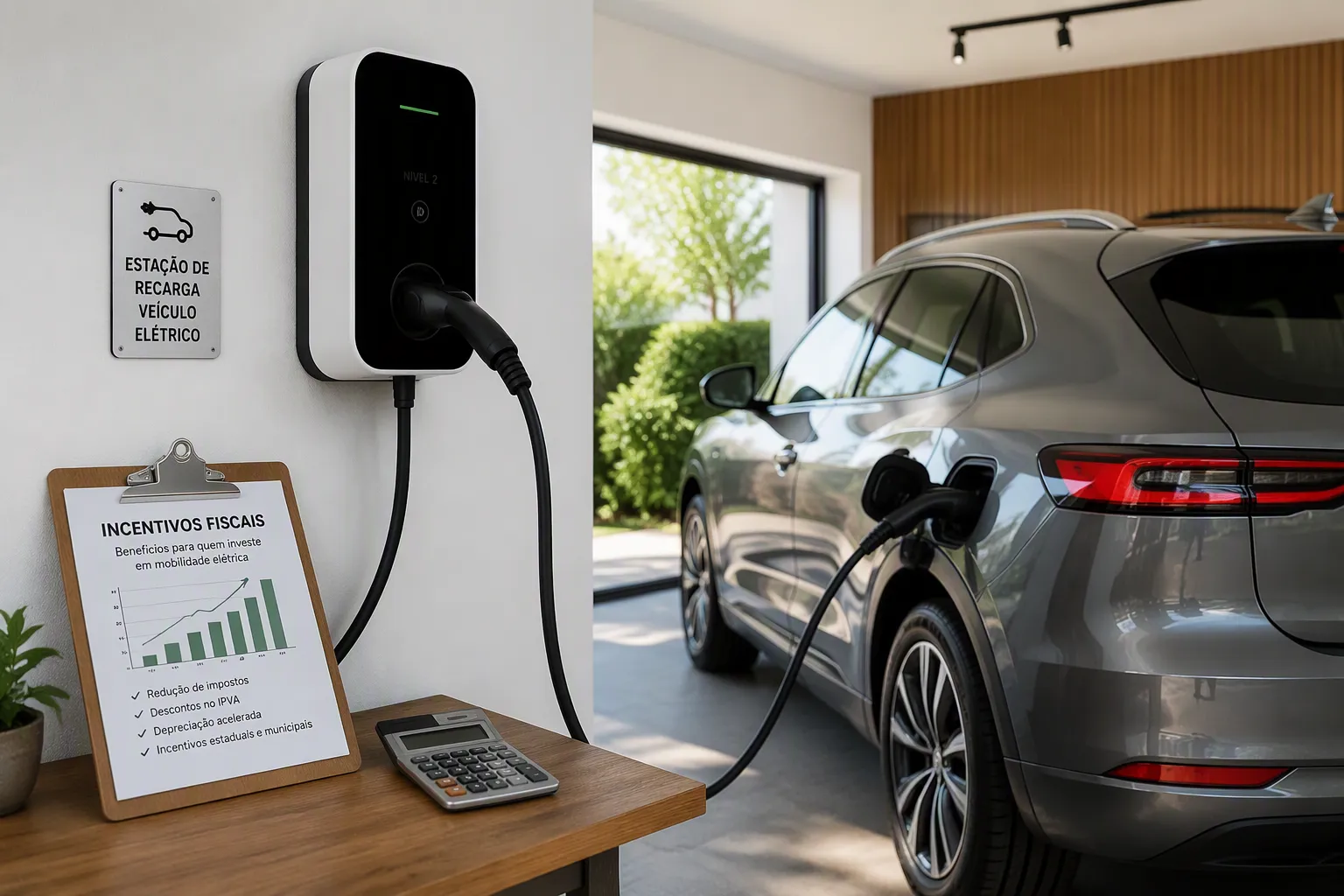
This is the focus of our guide. It requires the professional installation of a dedicated 220V circuit and a wall-mounted charging station. Its balance of speed, cost, and convenience makes it the gold standard for daily EV use, ensuring the vehicle is always ready for the day’s commute.
Level 3 (DC Fast Charge)
Also known as DC Fast Charging, this is the fastest method available. These powerful stations are found along highways and in public areas, designed for long-distance travel. They bypass the car’s On-Board Charger and supply high-voltage DC power directly to the battery, enabling a charge from 20% to 80% in as little as 20-30 minutes. Level 3 chargers are not suitable for home installation due to their immense power requirements and cost.
Getting a Level 2 Charger in Vietnam
Transitioning to home charging is a significant step for any EV owner. It involves preparing your home’s electrical system, selecting the right equipment, and understanding the available options in the Vietnamese market. This process ensures a safe, efficient, and convenient charging experience.
Home Electrical Requirements
Before purchasing a charger, the first priority is to assess your home’s electrical setup. A proper installation is non-negotiable for safety and performance.
The Need for a 220V Outlet
Level 2 EV charging operates on a 220V circuit, which is the standard voltage in Vietnam. While this voltage is common, the charger requires a specific type of connection that can handle a continuous high-power draw, unlike a standard wall socket used for small appliances.
Why a Dedicated Circuit is Essential
A Level 2 charger must be installed on its own dedicated circuit. This means a new circuit breaker is added to your home’s main electrical panel, with wiring running directly to the charging station.
Safety First! ⚠️ A dedicated circuit prevents overloading your home’s electrical system. Sharing a circuit with other high-power appliances like air conditioners or water heaters creates a serious fire hazard and can lead to frequent breaker trips.
Professional Safety Assessment
Hiring a qualified electrician to perform a safety assessment is a critical first step. The electrician will:
- Inspect your main electrical panel to confirm it has enough capacity for the new circuit.
- Determine the best and safest route for running the new wiring from the panel to your desired charger location (e.g., garage or carport).
- Identify any potential upgrades needed to comply with local electrical codes.
Choosing the Right Charger
With your home’s electrical system deemed ready, the next step is selecting a charger. Modern chargers offer a range of features that can significantly enhance the ownership experience.
Key Features to Look For
When comparing models, several key features stand out. A good charger should offer a balance of speed, intelligence, and safety.
- Power Output: This determines charging speed. Most home chargers offer 7kW, which is ideal for overnight charging.
- Safety Certifications: Look for chargers with protections against overvoltage, overcurrent, and short circuits. An IP rating (like IP65) indicates its resistance to dust and water, making it suitable for covered outdoor installations.
- Smart Capabilities: Many chargers connect to Wi-Fi, allowing for remote control and monitoring via a smartphone app.
Understanding Power Output (kW)
Power output, measured in kilowatts (kW), directly relates to how quickly the charger can add range to your EV.
- 3.6kW – 7.4kW: This is the most common range for home chargers. A 7.4kW unit can add 40-60 km of range per hour, fully charging most EVs overnight.
- 11kW – 22kW: These are faster three-phase chargers, typically found in commercial settings or homes with three-phase power supply, which is less common in standard Vietnamese residences.
It is crucial to match the charger’s output to your vehicle’s maximum AC charging rate. For example, using a 22kW charger on a car that can only accept 7.4kW will not make it charge any faster.
Smart vs. Standard Chargers
The choice between a smart and a standard (or “dumb”) charger comes down to convenience and long-term cost management.
| Feature | Smart Charger | Standard Charger |
|---|---|---|
| Control | Remote start/stop, scheduling via app | Manual plug-in and start |
| Monitoring | Tracks energy usage and costs | No usage data provided |
| Cost Savings | Can be scheduled for off-peak electricity rates | Requires manual plugging in during off-peak hours |
| Updates | Receives software updates for new features | Functionality is fixed |
Smart chargers allow users to schedule charging sessions to take advantage of cheaper overnight electricity tariffs, potentially reducing charging costs. They provide detailed reports on energy consumption, helping owners understand their exact spending.
Popular Charger Brands in Vietnam
The Vietnamese market offers a growing selection of both local and international charger brands.
VinFast Wallbox
As the leading domestic EV manufacturer, VinFast provides its own branded wallbox chargers. These are designed to work seamlessly with their vehicles (like the VF e34 and VF 8) and are often offered as part of a vehicle purchase package. They are a reliable and well-supported option for VinFast owners.
EverEV Chargers
EverEV is a prominent Vietnamese brand specializing in EV charging solutions. They offer a range of AC chargers suitable for home and commercial use, known for their robust build quality and compliance with international standards.
StarCharge and Others
Several international brands have an official presence in Vietnam.
- StarCharge: A global provider of EV charging infrastructure, StarCharge offers a variety of AC and DC charging solutions in the market.
- SolaX Power: Known for its solar energy products, SolaX Power also distributes smart EV chargers in Vietnam, with models offering 7.2kW, 11kW, and 22kW outputs. These are designed to integrate with solar panel systems for even greater energy savings.
- TPSON: As a technologically advanced electric vehicle charging solution provider, TPSON also offers reliable charging products for the market.
When choosing, it is best to select a brand with official distribution and support in Vietnam to ensure warranty coverage and access to technical assistance.
Connectors and Cables
An owner’s daily interaction with a charger involves its connector and cable. Understanding the standards in Vietnam and the available configurations is key to making a practical and future-proof purchase decision.
The Type 2 Connector Standard
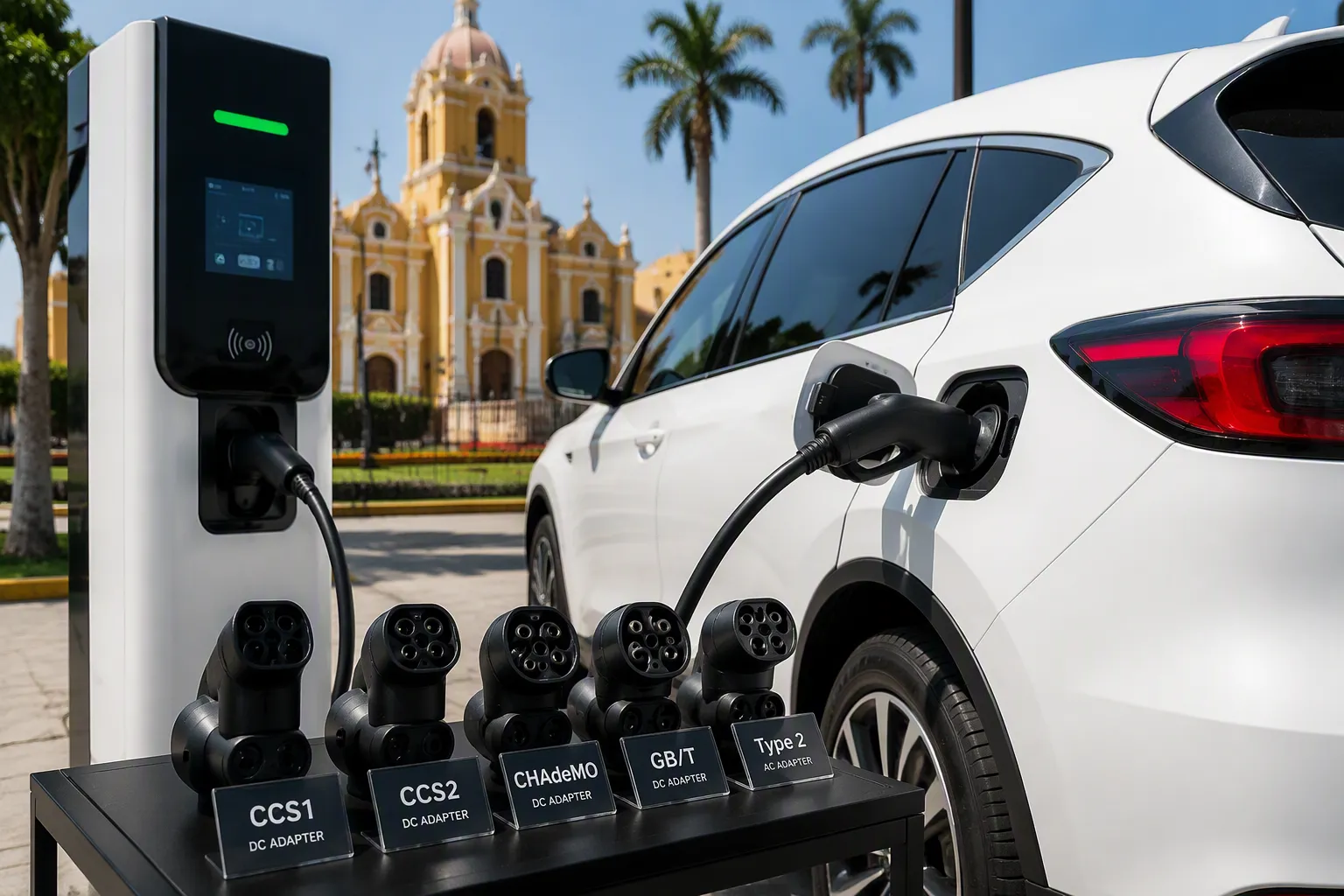
Vietnam, like Europe, has adopted the Type 2 connector (also known as Mennekes) as the standard for AC charging. This decision simplifies the charging landscape for EV owners across the country.
- Universal Compatibility: Nearly all home chargers and new electric vehicles sold in Vietnam, including those from VinFast, are equipped with a Type 2 inlet. This standardization ensures that a charger purchased today will be compatible with a wide range of current and future vehicles.
- Design and Function: The Type 2 connector is a versatile seven-pin plug. It is engineered to handle both single-phase power (common in homes) and three-phase power (found in commercial settings), making it a flexible solution for the entire AC charging ecosystem.
- Safety Features: The design includes locking mechanisms that secure the plug to the vehicle during a charging session, preventing accidental or malicious disconnection.
Key Takeaway: An EV owner in Vietnam does not need to worry about choosing a connector type for Level 2 charging. The Type 2 standard provides a reliable and universal connection for all home charging needs.
Tethered vs. Untethered Options
Home chargers come in two main configurations: tethered (with an attached cable) or untethered (with a socket only). This choice impacts daily convenience, aesthetics, and flexibility.
A tethered charger has a charging cable permanently attached to the unit. This design offers maximum convenience. The owner simply parks, grabs the attached cable, and plugs it into the car. There are fewer steps in the charging process and no risk of forgetting the cable at home.
An untethered charger is a more compact wall box that features a Type 2 socket. To use it, the owner must supply their own separate charging cable, which typically comes with the vehicle. This option provides a cleaner look and greater flexibility.
The decision between these two styles involves a trade-off between convenience and flexibility.
| Feature | Tethered EV Charger | Untethered EV Charger |
|---|---|---|
| Convenience | High; cable is always ready | Lower; requires handling a separate cable |
| Aesthetics | Can be bulkier; requires cable management | Sleeker and more discreet installation |
| Flexibility | Limited to the fixed cable length and type | High; owner can choose cable length or upgrade it |
| Initial Cost | Typically higher | Generally lower initial purchase price |
| Use Case | Ideal for a dedicated home spot with one EV | Good for owners wanting a minimalist look or future flexibility |
Ultimately, a tethered charger is perfect for the EV owner who prioritizes a quick “plug-and-go” experience. An untethered charger appeals to those who value a tidier aesthetic, potential cost savings, and the freedom to upgrade or change their charging cable in the future.
The Home Installation Process
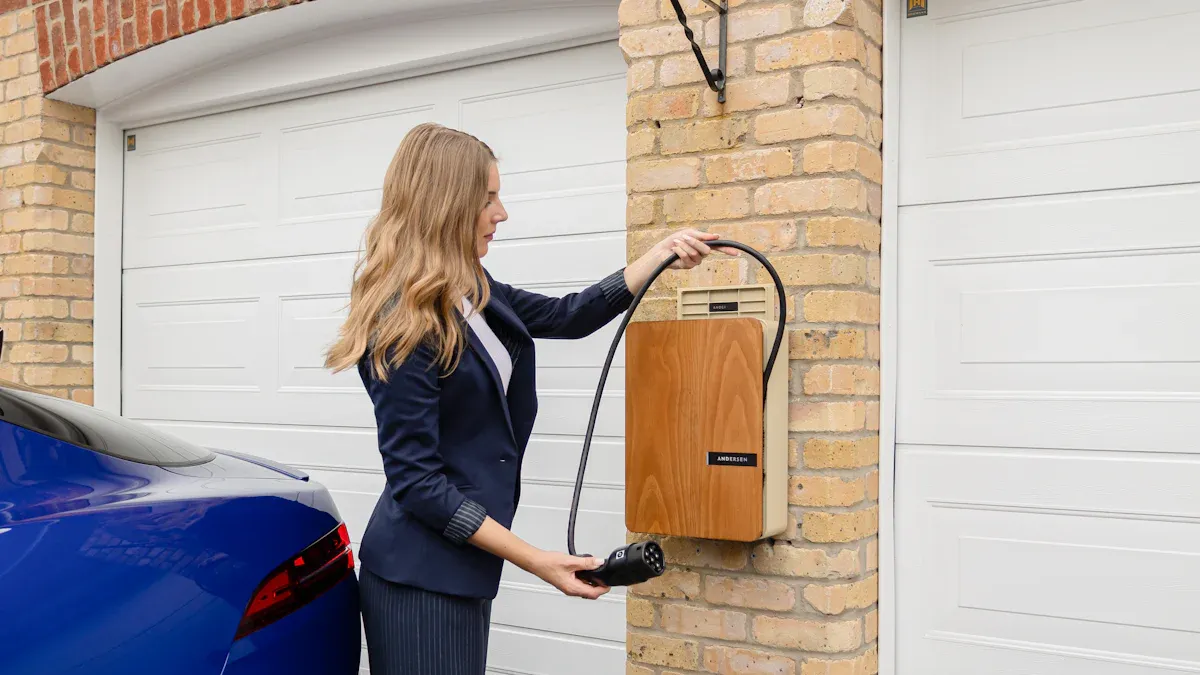
A professional installation is the most critical part of setting up a home EV charger. This process ensures the system operates safely and efficiently, protecting both the vehicle and the home’s electrical infrastructure. It requires careful planning and the expertise of a qualified professional.
Finding a Qualified Installer
Selecting the right person for the job is the first and most important decision an EV owner will make. Not all electricians have experience with Electric Vehicle Supply Equipment (EVSE).
What to Look for in an Electrician
An owner should seek a licensed electrician with specific experience in EV charger installations. Key qualifications include:
- A valid electrical license recognized in Vietnam.
- Proven experience with residential EVSE installations.
- Positive customer reviews or references.
- Knowledge of local electrical codes and safety standards.
How to Get an Accurate Quote
To receive an accurate quote, the owner should provide the electrician with as much detail as possible. This includes the desired charger location, photos of the main electrical panel, and the distance between the panel and the installation spot. Obtaining quotes from at least two different qualified installers allows for a fair comparison of cost and services.
Step-by-Step Installation Guide
A professional installation follows a structured process to guarantee safety and functionality. The journey from consultation to a fully operational charger involves several key stages.
Initial Site Survey
The process begins when a qualified electrician conducts an initial site survey. The professional assesses the home’s electrical panel to confirm it has sufficient capacity. They also determine the safest and most efficient route for the new wiring from the panel to the charger’s location, whether in a garage or a covered carport.
Wiring and Circuit Breaker Setup
Following the survey, the electrician prepares the electrical system. This involves installing a new, dedicated circuit breaker in the main panel specifically for the EV charger. They then run appropriate, heavy-gauge wiring from this breaker to the installation point.
Important Note ⚠️ This dedicated circuit is non-negotiable. It prevents electrical overloads and ensures the charger can draw its maximum power without interfering with other home appliances.
Mounting and Testing the Unit
Once the wiring is in place, the electrician securely mounts the charger unit to the wall. They connect it to the new circuit and perform a series of crucial tests. These tests verify correct voltage, proper grounding, and safe operation. If it is a smart charger, the installer will also help configure its Wi-Fi connection and demonstrate the mobile app’s functions.
Safety and Compliance
The final phase of installation focuses on ensuring everything meets legal and safety requirements. This step provides peace of mind and certifies the installation as safe for long-term use.
Adhering to Local Electrical Codes
A professional installer ensures the entire setup, from the circuit breaker to the wiring and the charger itself, complies with all of Vietnam’s national and local electrical codes. This adherence is essential for safety and may be required for insurance purposes.
Final Safety Checks
Before completing the job, the electrician performs a final round of safety checks. They confirm all connections are secure and that the charger communicates correctly with the vehicle. A final inspection may be required to receive a certificate of compliance, officially validating the safety and quality of the work.
Where to Use Level 2 Chargers

Level 2 chargers offer a versatile and practical solution for keeping an EV powered up. Their balance of speed and infrastructure requirements makes them suitable for various locations, from private homes to public spaces. Understanding where to find and use these chargers is key to a seamless ownership experience.
At Home: The Ultimate Convenience
The primary benefit of owning an EV is the ability to refuel at home. A dedicated home charger transforms the daily routine, eliminating trips to a fuel station.
Overnight Charging in a House
For homeowners with a garage or private carport, overnight charging is the gold standard. An owner simply plugs in their vehicle at the end of the day. The car recharges while they sleep, ensuring a full battery is ready every morning for the daily commute. This “set it and forget it” approach offers unparalleled convenience.
Solutions for Apartment Buildings
Apartment dwellers face unique challenges but have growing options. Residents can collaborate with their building’s management board (Ban Quản Lý) to explore installing chargers in designated parking spots. Some newer developments in Vietnam are already including shared EV charging facilities as a modern amenity to attract tenants.
At the Workplace
Charging at the office is becoming an increasingly popular perk. It allows employees to top up their batteries during the workday, extending their vehicle’s daily range.
The Rise of Office Charging
Companies in Vietnam are recognizing the significant advantages of providing workplace charging. This initiative helps them attract and retain talent while demonstrating a commitment to sustainability. Key benefits for businesses include:
- Achieving ESG Goals: Installing chargers helps companies meet their Environmental, Social, and Governance targets.
- Future-Proofing Property: Buildings with EV charging infrastructure often have higher rental and resale values.
- Financial Incentives: Businesses may recover VAT on electricity used for business travel and can generate revenue from the chargers.
- Regulatory Compliance: It helps companies prepare for future environmental regulations and potential government incentives.
Talking to Your Employer
Employees interested in workplace charging can approach their management or HR department. Presenting the benefits, such as enhancing the company’s green image and its appeal to modern talent, can build a strong case for investment.
Public Level 2 Stations
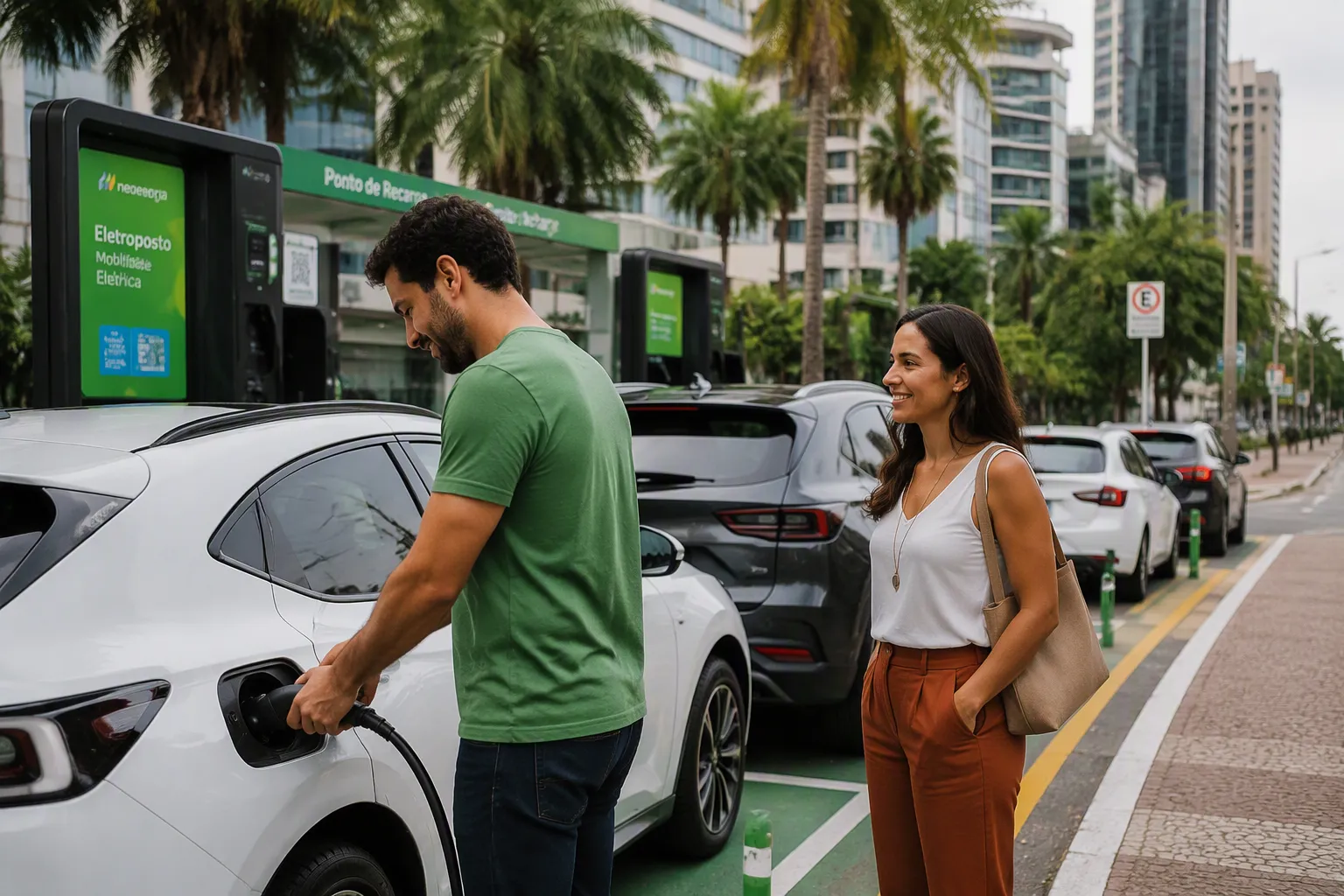
While not as fast as DC fast chargers, public Level 2 EV charging stations serve an important role as “destination chargers.”
Locations: Malls, Hotels, and Parks
These chargers are commonly found at locations where people spend several hours. EV owners can conveniently add significant range while shopping at a mall, staying at a hotel, dining at a restaurant, or visiting a park. They are designed for topping up, not rapid refueling.
Payment and Access Methods
Accessing public chargers typically requires a specific mobile app associated with the charging network provider. Users often initiate and pay for sessions by scanning a QR code on the charger, using an RFID card, or directly through the app.
The Cost of Level 2 EV Charging in Vietnam
Understanding the full financial picture is essential for prospective EV owners. The cost of Level 2 EV charging involves an initial investment, but it unlocks significant long-term savings on running costs. A careful analysis reveals the economic advantages of charging at home.
Upfront Investment Costs
The primary expenses are the charger itself and its professional installation. These one-time costs are the main barrier to entry for home charging.
Charger Purchase Prices
The price for a quality home charging station in Vietnam typically ranges from 15,000,000 VND to 25,000,000 VND. The final cost depends on the brand, power output, and whether it includes smart features like app connectivity and charge scheduling.
Typical Installation Fees
Professional installation by a qualified electrician generally costs between 2,000,000 VND and 5,000,000 VND. This fee can vary based on the complexity of the job. Factors include the distance from the main electrical panel to the charger location and whether the home’s panel requires any upgrades.
Calculating Your Charging Costs
The ongoing cost to power an EV is significantly lower than refueling a petrol car. Owners can easily calculate their expenses using their monthly electricity bill.
Understanding EVN Electricity Prices
Vietnam Electricity (EVN) uses a progressive tiered tariff for residential customers. The price per kilowatt-hour (kWh) increases as household consumption rises.
| Tier (Bậc) | Consumption | Approx. Price (VND/kWh) |
|---|---|---|
| 1 | 0-50 kWh | ~1,806 |
| 2 | 51-100 kWh | ~1,866 |
| 3 | 101-200 kWh | ~2,167 |
| 4 | 201-300 kWh | ~2,729 |
| 5 | 301-400 kWh | ~3,050 |
| 6 | 401+ kWh | ~3,151 |
Note: Prices are subject to change. EV charging will likely push a household into the higher tiers.
How to Calculate a Full Charge
An owner can estimate the cost of a full charge with a simple formula. This calculation helps in budgeting for monthly energy expenses.
Battery Size (kWh) x Electricity Price (VND/kWh) = Cost of a Full Charge
For example, charging a VinFast VF e34 (42 kWh battery) at a Tier 4 rate (~2,729 VND/kWh) would cost approximately 114,618 VND for a full charge from empty.
Leveraging Time-of-Use Tariffs
EVN also offers Time-of-Use (ToU) tariffs with different rates for off-peak, normal, and peak hours. EV owners with smart chargers can schedule sessions during off-peak hours (typically late at night) to take advantage of the lowest electricity prices, further reducing costs.
Long-Term Financial Benefits
The initial investment in a home charger pays for itself over time through substantial savings on fuel and public charging fees.
Cost Per Kilometer: EV vs. Petrol
The cost to drive one kilometer with an EV charged at home is dramatically lower than with a petrol-powered vehicle. While petrol prices fluctuate, home electricity provides a stable and much cheaper alternative, often resulting in savings of 70-80% on “fuel” costs.
Comparing Home vs. Public Charging Costs
Charging at home is consistently more affordable than using public DC fast charging stations. Public networks include operational and service fees in their pricing, making them more expensive per kWh. Home charging remains the most economical method for daily driving needs.
Living with Your Level 2 Charger
Installing a Level 2 charger transforms the electric vehicle ownership experience. The daily routine of visiting a petrol station becomes a thing of the past. Instead, owners can adopt simple habits that maximize convenience, preserve battery health, and lower running costs.
Developing Daily Charging Habits
The “Plug-in and Forget” Mindset
The greatest advantage of home charging is its simplicity. An owner can develop a “plug-in and forget” habit, similar to charging a smartphone overnight. Upon arriving home, they simply connect the vehicle to the charger. The car then replenishes its battery while parked, ensuring it has a full charge for the next day’s commute and errands. This routine effectively eliminates range anxiety for daily driving.
Best Practices for Battery Longevity
Proper charging habits can significantly extend the life of an EV’s battery. For optimal battery health, experts recommend a few key practices:
- Follow the 20-80 Rule: For daily use, it is best to keep the battery’s state of charge between 20% and 80%. This reduces stress on the battery cells. Most EVs allow the owner to set a maximum charge limit directly in the vehicle’s settings.
- Save 100% for Long Trips: While charging to 100% is perfectly fine before a long journey, avoid making it a daily routine.
- Prioritize AC Charging: Level 2 AC charging is gentler on the battery than frequent DC fast charging. Reserve fast charging for road trips when time is a priority.
- Mind the Temperature: Extreme heat can degrade a battery over time. Whenever possible, park and charge in a shaded or cool location.
Using Smart Features
Many modern Level 2 chargers come with “smart” capabilities, offering greater control and cost-saving opportunities through a mobile app.
Scheduling Off-Peak Charging
A key benefit of a smart charger is the ability to schedule charging sessions. Owners can program the charger to start only during off-peak hours, when electricity rates are lowest. This simple step can lead to significant savings on monthly energy bills, making EV ownership even more economical.
Monitoring Your Energy Use
Smart charger apps also provide detailed reports on energy consumption. Owners can track exactly how much electricity their vehicle uses per charging session and see the associated costs. This data offers valuable insights into driving efficiency and helps with household budgeting.
Basic Troubleshooting
While Level 2 chargers are generally very reliable, minor issues can occasionally arise. Most can be resolved with a few simple checks.
When Your Charger Won’t Start
If the charger does not seem to be working, an owner can perform a quick diagnosis before calling for service. First, check the home’s main electrical panel to see if the dedicated circuit breaker for the charger has tripped. If it has, reset it once. If it trips again, there may be an electrical fault that requires a professional. Next, inspect the charging cable and connectors for any visible damage. Finally, try power cycling the unit by turning its circuit breaker off for a minute and then back on.
Understanding Fault Lights
Most chargers use colored LED lights to indicate their status. While these can vary by brand, they generally follow a common pattern.
| Light Status | Common Meaning |
|---|---|
| Solid Green | Ready to charge or charging complete. |
| Pulsing/Blinking Blue | Actively charging the vehicle. |
| Solid Red | A fault has been detected. Unplug the vehicle and try resetting the charger. |
| Flashing Red | A more serious error. Consult the user manual or contact customer support. |
Pro Tip: Always keep the charger’s user manual handy, as it will provide the precise meaning for all indicator lights specific to that model.
Level 2 charging stands as the most practical and cost-effective solution for daily EV use in Vietnam. It transforms the ownership experience by providing unmatched convenience. For prospective owners, the path to home charging begins with a professional safety assessment of their electrical system.
- The initial investment in a charger and installation delivers substantial long-term savings on fuel.
- Adopting an overnight charging routine eliminates range anxiety for daily commutes.
- This setup offers a reliable, efficient, and economical way to power an electric vehicle.
FAQ
Can an owner install a Level 2 charger themselves?
No, an owner should never attempt a self-installation. The process requires a licensed electrician to ensure safety and compliance with local codes. Professional installation protects the home’s electrical system and the vehicle from potential damage.
Will a Level 2 charger work with any EV in Vietnam?
Most new EVs and chargers in Vietnam use the Type 2 connector standard, ensuring broad compatibility. An owner should still verify their vehicle’s specifications to confirm its maximum AC charging rate before purchasing a charger.
How much will a home charger increase an electricity bill?
The increase depends on driving distance and local electricity rates. An owner can estimate costs by multiplying their battery’s size (kWh) by the EVN price per kWh. Using a smart charger for off-peak scheduling significantly lowers this expense.
Is it safe to charge an EV in the rain? 🌧️
Yes, charging in the rain is safe. Chargers and connectors are built with high IP ratings for water resistance. Safety mechanisms prevent electricity from flowing until the system establishes a secure connection, protecting the user from electric shock.
What is the main benefit of a smart charger?
A smart charger’s primary benefit is cost savings. It allows an owner to schedule charging for off-peak hours when electricity is cheapest. It also provides detailed reports on energy consumption through a mobile app for better expense tracking.
What are the options for apartment dwellers?
Residents in apartment buildings can propose charger installations to their building’s management board (Ban Quản Lý). Some newer developments already include shared EV charging facilities as a modern amenity. Collaboration is the key first step.