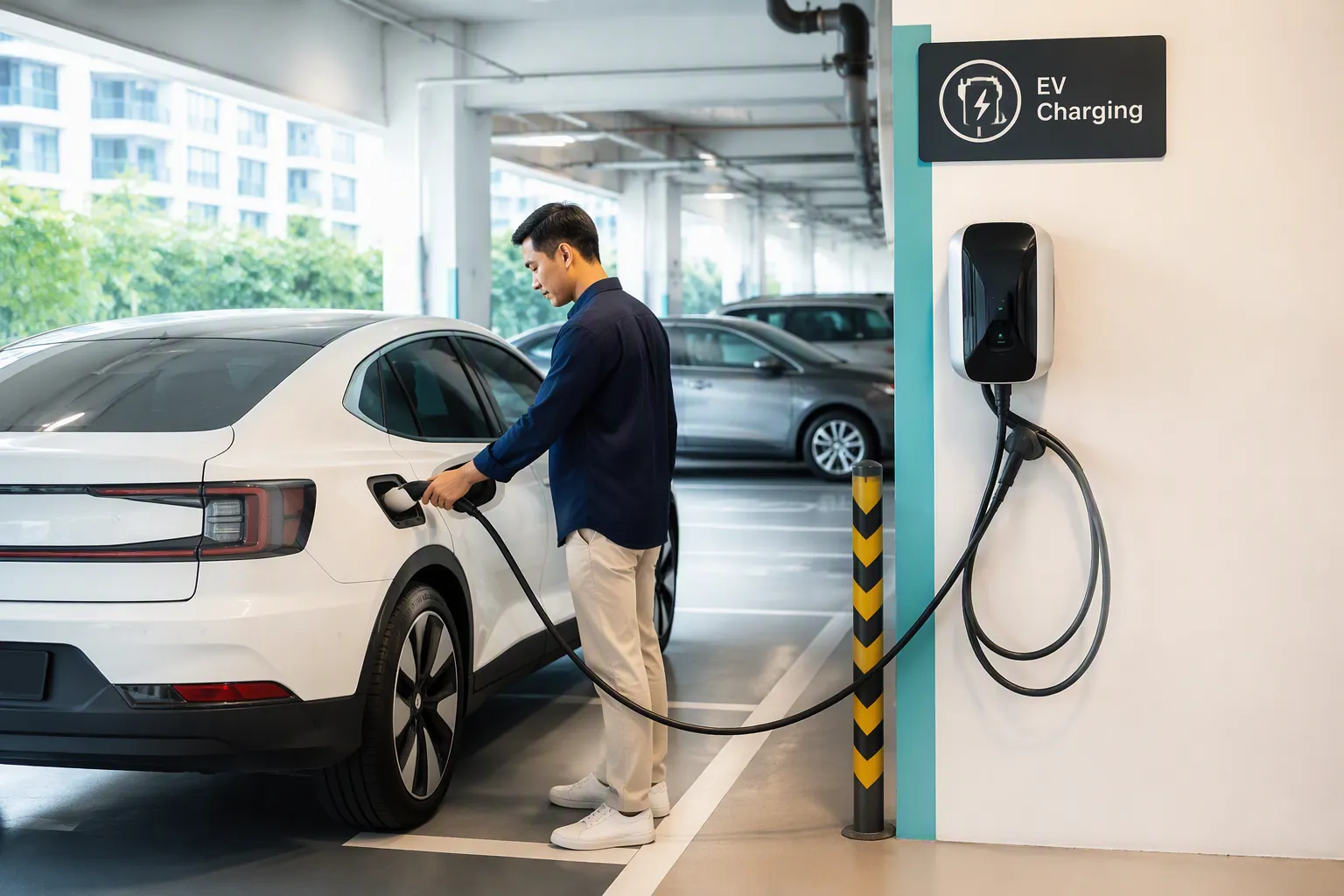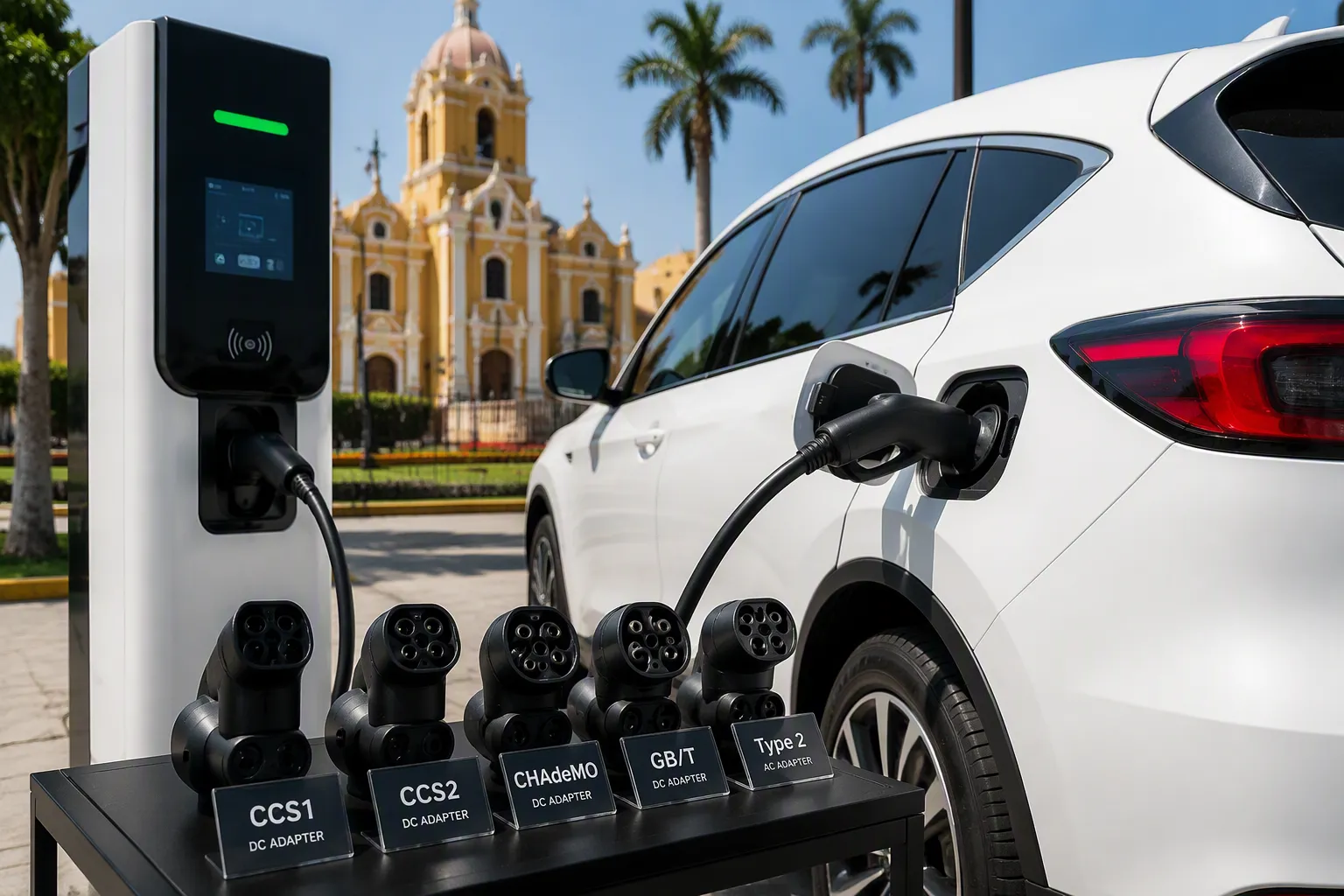

Vietnam’s electric vehicle market is expanding rapidly, with a projected annual growth rate of 17.51% through 2032. Local الشركات المصنعة لشاحن السيارة الكهربائية and government investment in infrastructure fuel this trend. For most owners, Level 2 EV charging presents the most practical method for daily power needs. This type of شاحن السيارة الكهربائية uses the common 220V household supply, offering a significant speed boost compared to basic شواحن السيارات الكهربائية المحمولة. Mastering these حلول شحن السيارات الكهربائية is essential for optimizing the ownership experience in this growing market.
What is Level 2 EV Charging?
Level 2 EV charging is the international standard for regular, daily charging of an electric vehicle at home or the workplace. It utilizes a 220-volt (V) power source, the same voltage common in Vietnamese households for appliances like air conditioners and water heaters. This method provides a reliable balance of charging speed and electrical infrastructure requirements, making it the most practical solution for most EV owners to wake up to a full battery every morning.
The Basics of 220V Charging
كيف تعمل
A Level 2 charger, also known as an Electric Vehicle Supply Equipment (EVSE), acts as a smart and safe controller for delivering electricity to the vehicle. When an EV is plugged in, the charger communicates with the car to determine the maximum power it can safely accept. The charger then draws 220V alternating current (AC) from the dedicated circuit and delivers it to the vehicle through the charging cable. The vehicle’s internal systems then take over to manage the charging process.
AC vs. DC Power Explained
A common point of confusion is the difference between AC and DC power. The electrical grid supplies AC power, but an EV’s battery can only store direct current (DC) power. The Level 2 charger itself does not convert the power. Instead, the vehicle’s own On-Board Charger (OBC) performs this critical task.
- Electric vehicle batteries require DC power to store energy.
- Level 2 chargers supply the vehicle with AC power from the grid.
- The EV’s On-Board Charger (OBC) is a component inside the car that converts the incoming AC power into DC power to charge the battery.
- The OBC also manages the communication handshake between the charger and the vehicle, ensuring a safe and efficient charging session.
- Nearly all electric vehicles designed for AC charging come equipped with an OBC from the factory.
Charging Speed and Range
Kilometers Gained Per Hour
The primary advantage of Level 2 EV charging is its practical speed. While exact figures depend on the vehicle’s efficiency and the charger’s power output, a typical home installation provides a significant boost over a standard outlet.
ملاحظة: A standard 7.4 kilowatt (kW) Level 2 charger generally adds between 40 to 60 kilometers of range per hour of charging. This speed is more than sufficient to fully recharge most EVs overnight.
Charging Times for Popular EVs
Charging times vary based on battery size and the specific power output of the charger. For popular EVs in Vietnam, a 7.4kW Level 2 charger can replenish a significant portion of the battery in just a few hours, making it ideal for overnight charging.
| طراز المركبة | Battery Size (Usable) | Est. Time (20% to 80%) |
|---|---|---|
| VinFast VF e34 | 42 kWh | ~3.5 – 4 hours |
| VinFast VF 8 (Eco) | 82 kWh | ~6.5 – 7 hours |
| Wuling Hongguang Mini EV | 13.9 kWh | ~1.5 – 2 hours |
Comparing the Charging Levels
Understanding the different charging levels helps clarify why Level 2 is the preferred home solution. Each level serves a distinct purpose in the EV ecosystem.
Level 1 (Slow Charge)
This method uses a standard 220V household wall socket and a portable charging cord. It is extremely slow, often adding only 5-8 kilometers of range per hour. Level 1 charging is best reserved for emergencies or for plug-in hybrid vehicles (PHEVs) with very small batteries.
Level 2 (Standard Home/Work Charge)
This is the focus of our guide. It requires the professional installation of a dedicated 220V circuit and a wall-mounted charging station. Its balance of speed, cost, and convenience makes it the gold standard for daily EV use, ensuring the vehicle is always ready for the day’s commute.
Level 3 (DC Fast Charge)
Also known as DC Fast Charging, this is the fastest method available. These powerful stations are found along highways and in public areas, designed for long-distance travel. They bypass the car’s On-Board Charger and supply high-voltage DC power directly to the battery, enabling a charge from 20% to 80% in as little as 20-30 minutes. Level 3 chargers are not suitable for home installation due to their immense power requirements and cost.
Getting a Level 2 Charger in Vietnam
Transitioning to home charging is a significant step for any EV owner. It involves preparing your home’s electrical system, selecting the right equipment, and understanding the available options in the Vietnamese market. This process ensures a safe, efficient, and convenient charging experience.
المتطلبات الكهربائية المنزلية
Before purchasing a charger, the first priority is to assess your home’s electrical setup. A proper installation is non-negotiable for safety and performance.
The Need for a 220V Outlet
Level 2 EV charging operates on a 220V circuit, which is the standard voltage in Vietnam. While this voltage is common, the charger requires a specific type of connection that can handle a continuous high-power draw, unlike a standard wall socket used for small appliances.
Why a Dedicated Circuit is Essential
A Level 2 charger must be installed on its own dedicated circuit. This means a new circuit breaker is added to your home’s main electrical panel, with wiring running directly to the charging station.
Safety First! ⚠️ A dedicated circuit prevents overloading your home’s electrical system. Sharing a circuit with other high-power appliances like air conditioners or water heaters creates a serious fire hazard and can lead to frequent breaker trips.
Professional Safety Assessment
Hiring a qualified electrician to perform a safety assessment is a critical first step. The electrician will:
- Inspect your main electrical panel to confirm it has enough capacity for the new circuit.
- Determine the best and safest route for running the new wiring from the panel to your desired charger location (e.g., garage or carport).
- Identify any potential upgrades needed to comply with local electrical codes.
Choosing the Right Charger
With your home’s electrical system deemed ready, the next step is selecting a charger. Modern chargers offer a range of features that can significantly enhance the ownership experience.
الميزات الرئيسية التي يجب البحث عنها
عند مقارنة النماذج، تبرز عدة ميزات رئيسية. يجب أن يوفر الشاحن الجيد توازناً بين السرعة والذكاء والسلامة.
- ناتج الطاقة: هذا يحدد سرعة الشحن. معظم شواحن المنازل توفر 7 كيلو واط, ، وهو مثالي للشحن أثناء الليل.
- شهادات السلامة: ابحث عن شواحن مزودة بحماية ضد الجهد الزائد والتيار الزائد والدوائر القصيرة. يشير تصنيف IP (مثل IP65) إلى مقاومته للغبار والماء، مما يجعله مناسبًا للتركيبات الخارجية المغطاة.
- القدرات الذكية: تتصل العديد من الشواحن بشبكة Wi-Fi، مما يسمح بالتحكم والمراقبة عن بُعد عبر تطبيق الهاتف الذكي.
فهم خرج الطاقة (كيلوواط)
يرتبط خرج الطاقة، المقاس بالكيلوواط (kW)، بشكل مباشر بمدى سرعة قدرة الشاحن على إضافة مدى لسيارتك الكهربائية.
- 3.6 كيلوواط – 7.4 كيلوواط: هذا هو النطاق الأكثر شيوعًا لشواحن المنازل. يمكن للوحدة بقدرة 7.4 كيلوواط إضافة 40-60 كم من المدى في الساعة، مما يشحن معظم السيارات الكهربائية بالكامل أثناء الليل.
- 11 كيلوواط – 22 كيلوواط: هذه شواحن ثلاثية الطور أسرع، توجد عادة في الأماكن التجارية أو المنازل المزودة بمصدر طاقة ثلاثي الطور، وهو أقل شيوعًا في المساكن الفيتنامية القياسية.
من الضروري مطابقة خرج الشاحن مع أقصى معدل شحن تيار متردد لمركبتك. على سبيل المثال، استخدام شاحن بقدرة 22 كيلوواط على سيارة لا تستطيع استقبال سوى 7.4 كيلوواط لن يجعلها تشحن بشكل أسرع.
الشواحن الذكية مقابل الشواحن القياسية
الاختيار بين شاحن ذكي وشاحن قياسي (أو “عادي”) يعود إلى الراحة وإدارة التكاليف طويلة الأجل.
| الميزة | الشاحن الذكي | الشاحن القياسي |
|---|---|---|
| التحكم | بدء/إيقاف عن بُعد، جدولة عبر التطبيق | توصيل وتشغيل يدوي |
| المراقبة | تتبع استخدام الطاقة والتكاليف | لا يتم توفير بيانات الاستخدام |
| الوفورات في التكاليف | يمكن جدولته لاستخدام فترات تعرفة الكهرباء غير الذروية | يتطلب التوصيل اليدوي خلال ساعات غير الذروة |
| التحديثات | يتلقى تحديثات برمجية لميزات جديدة | الوظيفة ثابتة |
تسمح الشواحن الذكية للمستخدمين بجدولة جلسات الشحن للاستفادة من تعرفة الكهرباء الليلية الأرخص, ، مما قد يقلل من تكاليف الشحن. وهي توفر تقارير مفصلة عن استهلاك الطاقة، مما يساعد المالكين على فهم إنفاقهم بالضبط.
علامات الشواحن الشهيرة في فيتنام
يقدم السوق الفيتنامي مجموعة متزايدة من علامات الشواحن المحلية والدولية.
VinFast Wallbox
باعتبارها صانعة السيارات الكهربائية المحلية الرائدة، تقدم VinFast شواحن حائط تحمل علامتها التجارية. تم تصميم هذه الشواحن للعمل بسلاسة مع مركباتها (مثل VF e34 و VF 8) وغالبًا ما تُعرض كجزء من باقة شراء المركبة. وهي خيار موثوق وجيد الدعم لأصحاب سيارات VinFast.
شواحن EverEV
EverEV هي علامة فيتنامية بارزة متخصصة في حلول شحن السيارات الكهربائية. تقدم مجموعة من شواحن التيار المتردد المناسبة للاستخدام المنزلي والتجاري، والمعروفة بمتانة بنائها وامتثالها للمعايير الدولية.
StarCharge وآخرون
العديد من العلامات الدولية لها وجود رسمي في فيتنام.
- StarCharge: مزود عالمي للبنية التحتية لشحن السيارات الكهربائية، تقدم StarCharge مجموعة متنوعة من حلول الشحن بالتيار المتردد والتيار المستمر في السوق.
- SolaX Power: المعروفة بمنتجات الطاقة الشمسية، توزع SolaX Power أيضًا شواحن سيارات كهربائية ذكية في فيتنام، مع نماذج تقدم مخرجات 7.2 كيلوواط، و11 كيلوواط، و22 كيلوواط. تم تصميم هذه الشواحن للتكامل مع أنظمة الألواح الشمسية لتوفير طاقة أكبر.
- TPSON: كمزود متقدم تقنيًا لحلول شحن المركبات الكهربائية، تقدم TPSON أيضًا منتجات شحن موثوقة للسوق.
عند الاختيار، من الأفضل اختيار علامة تجارية لديها توزيع ودعم رسمي في فيتنام لضمان تغطية الضمان والوصول إلى المساعدة الفنية.
الوصلات والكابلات
يتضمن تفاعل المالك اليومي مع الشاحن الوصلة والكابل الخاصين به. فهم المعايير في فيتنام والتكوينات المتاحة هو مفتاح اتخاذ قرار شراء عملي ومستعد للمستقبل.
معيار الوصلة من النوع 2
تبنت فيتنام، مثل أوروبا، موصل من النوع 2 (المعروفة أيضًا باسم Mennekes) كمعيار للشحن بالتيار المتردد. يبسط هذا القرار مشهد الشحن لأصحاب السيارات الكهربائية في جميع أنحاء البلاد.
- توافق عالمي: تقريبًا جميع شواحن المنازل والمركبات الكهربائية الجديدة المباعة في فيتنام، بما في ذلك تلك من VinFast، مجهزة بمدخل من النوع 2. يضمن هذا التوحيد القياسي أن الشاحن الذي يتم شراؤه اليوم سيكون متوافقًا مع مجموعة واسعة من المركبات الحالية والمستقبلية.
- التصميم والوظيفة: وصلة النوع 2 هي قابس متعدد الاستخدامات بسبعة دبابيس. تم هندستها للتعامل مع كل من الطاقة أحادية الطور (الشائعة في المنازل) والطاقة ثلاثية الطور (الموجودة في الأماكن التجارية)، مما يجعلها حلاً مرنًا لنظام الشحن بالتيار المتردد بأكمله.
- ميزات السلامة: يتضمن التصميم آليات قفل تؤمن القابس بالمركبة أثناء جلسة الشحن، مما يمنع الفصل العرضي أو الخبيث.
الوجبات السريعة الرئيسية: لا يحتاج مالك السيارة الكهربائية في فيتنام للقلق بشأن اختيار نوع وصلة للشحن من المستوى 2. يوفر معيار النوع 2 اتصالاً موثوقًا وعالميًا لجميع احتياجات الشحن المنزلي.
خيارات الشاحن المربوط مقابل غير المربوط
تأتي شواحن المنازل في تكوينين رئيسيين: مربوط (بكابل متصل) أو غير مربوط (بمقبس فقط). يؤثر هذا الاختيار على الراحة اليومية والجماليات والمرونة.
A الشاحن المربوط له كابل شحن متصل بشكل دائم بالوحدة. يوفر هذا التصميم أقصى درجات الراحة. يقوم المالك ببساطة بركن السيارة، والإمساك بالكابل المتصل، وتوصيله بالسيارة. هناك خطوات أقل في عملية الشحن ولا يوجد خطر نسيان الكابل. في المنزل.
أن untethered charger is a more compact wall box that features a Type 2 socket. To use it, the owner must supply their own separate charging cable, which typically comes with the vehicle. This option provides a cleaner look and greater flexibility.
The decision between these two styles involves a trade-off between convenience and flexibility.
| الميزة | Tethered EV Charger | Untethered EV Charger |
|---|---|---|
| الملاءمة | High; cable is always ready | Lower; requires handling a separate cable |
| الجماليات | Can be bulkier; requires cable management | Sleeker and more discreet installation |
| المرونة | Limited to the fixed cable length and type | High; owner can choose cable length or upgrade it |
| التكلفة الأولية | Typically higher | Generally lower initial purchase price |
| حالة الاستخدام | Ideal for a dedicated home spot with one EV | Good for owners wanting a minimalist look or future flexibility |
Ultimately, a tethered charger is perfect for the EV owner who prioritizes a quick “plug-and-go” experience. An untethered charger appeals to those who value a tidier aesthetic, potential cost savings, and the freedom to upgrade or change their charging cable in the future.
The Home Installation Process
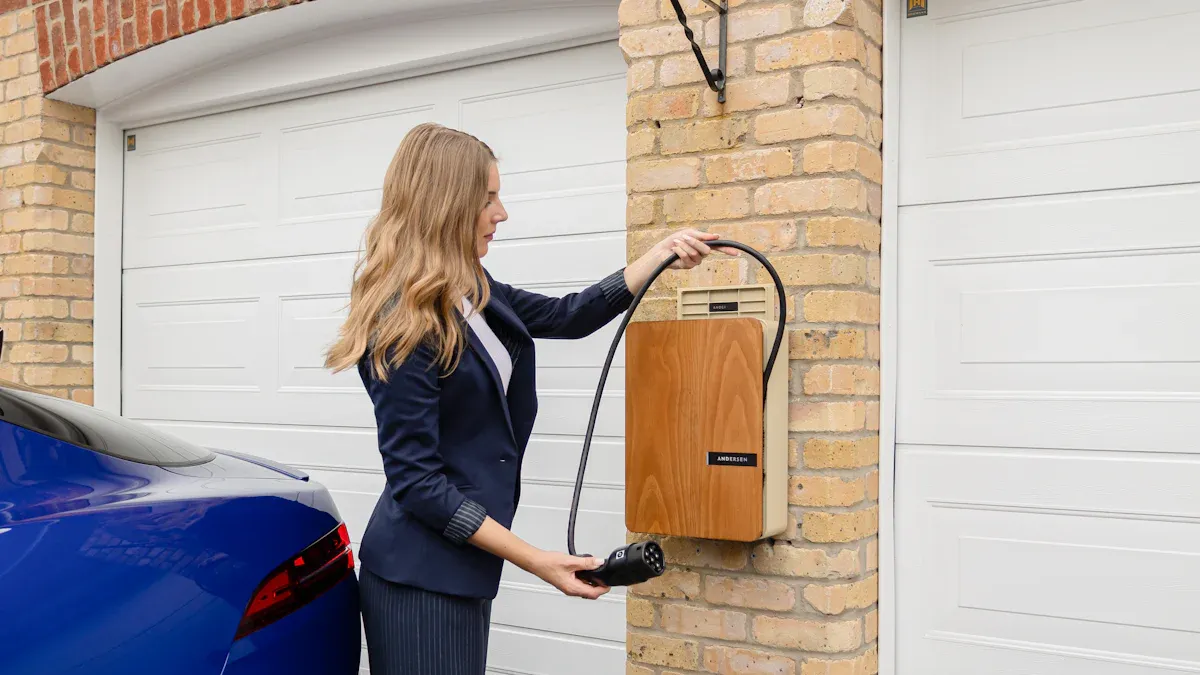
A professional installation is the most critical part of setting up a شاحن السيارة الكهربائية المنزلي. This process ensures the system operates safely and efficiently, protecting both the vehicle and the home’s electrical infrastructure. It requires careful planning and the expertise of a qualified professional.
العثور على عامل تركيب مؤهل
Selecting the right person for the job is the first and most important decision an EV owner will make. Not all electricians have experience with Electric Vehicle Supply Equipment (EVSE).
What to Look for in an Electrician
An owner should seek a licensed electrician with specific experience in EV charger installations. Key qualifications include:
- A valid electrical license recognized in Vietnam.
- Proven experience with residential EVSE installations.
- Positive customer reviews or references.
- Knowledge of local electrical codes and safety standards.
How to Get an Accurate Quote
To receive an accurate quote, the owner should provide the electrician with as much detail as possible. This includes the desired charger location, photos of the main electrical panel, and the distance between the panel and the installation spot. Obtaining quotes from at least two different qualified installers allows for a fair comparison of cost and services.
Step-by-Step Installation Guide
A professional installation follows a structured process to guarantee safety and functionality. The journey from consultation to a fully operational charger involves several key stages.
Initial Site Survey
The process begins when a qualified electrician conducts an initial site survey. The professional assesses the home’s electrical panel to confirm it has sufficient capacity. They also determine the safest and most efficient route for the new wiring from the panel to the charger’s location, whether in a garage or a covered carport.
Wiring and Circuit Breaker Setup
Following the survey, the electrician prepares the electrical system. This involves installing a new, dedicated circuit breaker in the main panel specifically for the EV charger. They then run appropriate, heavy-gauge wiring from this breaker to the installation point.
ملاحظة مهمة ⚠️ This dedicated circuit is non-negotiable. It prevents electrical overloads and ensures the charger can draw its maximum power without interfering with other home appliances.
Mounting and Testing the Unit
Once the wiring is in place, the electrician securely mounts the charger unit to the wall. They connect it to the new circuit and perform a series of crucial tests. These tests verify correct voltage, proper grounding, and safe operation. If it is a smart charger, the installer will also help configure its Wi-Fi connection and demonstrate the mobile app’s functions.
السلامة والامتثال
The final phase of installation focuses on ensuring everything meets legal and safety requirements. This step provides peace of mind and certifies the installation as safe for long-term use.
Adhering to Local Electrical Codes
A professional installer ensures the entire setup, from the circuit breaker to the wiring and the charger itself, complies with all of Vietnam’s national and local electrical codes. This adherence is essential for safety and may be required for insurance purposes.
Final Safety Checks
Before completing the job, the electrician performs a final round of safety checks. They confirm all connections are secure and that the charger communicates correctly with the vehicle. A final inspection may be required to receive a certificate of compliance, officially validating the safety and quality of the work.
Where to Use Level 2 Chargers

شواحن المستوى 2 offer a versatile and practical solution for keeping an EV powered up. Their balance of speed and infrastructure requirements makes them suitable for various locations, from private homes to public spaces. Understanding where to find and use these chargers is key to a seamless ownership experience.
At Home: The Ultimate Convenience
The primary benefit of owning an EV is the ability to refuel at home. A dedicated الشاحن المنزلي transforms the daily routine, eliminating trips to a fuel station.
Overnight Charging in a House
For homeowners with a garage or private carport, overnight charging is the gold standard. An owner simply plugs in their vehicle at the end of the day. The car recharges while they sleep, ensuring a full battery is ready every morning for the daily commute. This “set it and forget it” approach offers unparalleled convenience.
Solutions for Apartment Buildings
Apartment dwellers face unique challenges but have growing options. Residents can collaborate with their building’s management board (Ban Quản Lý) to explore installing chargers in designated parking spots. Some newer developments in Vietnam are already including shared EV charging facilities as a modern amenity to attract tenants.
At the Workplace
Charging at the office is becoming an increasingly popular perk. It allows employees to top up their batteries during the workday, extending their vehicle’s daily range.
The Rise of Office Charging
Companies in Vietnam are recognizing the significant advantages of providing workplace charging. This initiative helps them attract and retain talent while demonstrating a commitment to sustainability. Key benefits for businesses include:
- Achieving ESG Goals: Installing chargers helps companies meet their Environmental, Social, and Governance targets.
- Future-Proofing Property: Buildings with EV charging infrastructure often have higher rental and resale values.
- Financial Incentives: Businesses may recover VAT on electricity used for business travel and can generate revenue from the chargers.
- الامتثال التنظيمي: It helps companies prepare for future environmental regulations and potential government incentives.
Talking to Your Employer
Employees interested in workplace charging can approach their management or HR department. Presenting the benefits, such as enhancing the company’s green image and its appeal to modern talent, can build a strong case for investment.
Public Level 2 Stations
While not as fast as DC fast chargers, public Level 2 EV charging stations serve an important role as “destination chargers.”
Locations: Malls, Hotels, and Parks
These chargers are commonly found at locations where people spend several hours. EV owners can conveniently add significant range while shopping at a mall, staying at a hotel, dining at a restaurant, or visiting a park. They are designed for topping up, not rapid refueling.
Payment and Access Methods
Accessing public chargers typically requires a specific mobile app associated with the charging network provider. Users often initiate and pay for sessions by scanning a QR code on the charger, using an RFID card, or directly through the app.
The Cost of Level 2 EV Charging in Vietnam
Understanding the full financial picture is essential for prospective EV owners. The cost of Level 2 EV charging involves an initial investment, but it unlocks significant long-term savings on running costs. A careful analysis reveals the economic advantages of charging at home.
Upfront Investment Costs
The primary expenses are the charger itself and its professional installation. These one-time costs are the main barrier to entry for home charging.
Charger Purchase Prices
The price for a quality محطة الشحن المنزلي in Vietnam typically ranges from 15,000,000 VND to 25,000,000 VND. The final cost depends on the brand, power output, and whether it includes smart features like app connectivity and charge scheduling.
Typical Installation Fees
Professional installation by a qualified electrician generally costs between 2,000,000 VND and 5,000,000 VND. This fee can vary based on the complexity of the job. Factors include the distance from the main electrical panel to the charger location and whether the home’s panel requires any upgrades.
Calculating Your Charging Costs
The ongoing cost to power an EV is significantly lower than refueling a petrol car. Owners can easily calculate their expenses using their monthly electricity bill.
Understanding EVN Electricity Prices
Vietnam Electricity (EVN) uses a progressive tiered tariff for residential customers. The price per kilowatt-hour (kWh) increases as household consumption rises.
| Tier (Bậc) | Consumption | Approx. Price (VND/kWh) |
|---|---|---|
| 1 | 0-50 kWh | ~1,806 |
| 2 | 51-100 kWh | ~1,866 |
| 3 | 101-200 kWh | ~2,167 |
| 4 | 201-300 kWh | ~2,729 |
| 5 | 301-400 kWh | ~3,050 |
| 6 | 401+ kWh | ~3,151 |
ملاحظة: Prices are subject to change. EV charging will likely push a household into the higher tiers.
How to Calculate a Full Charge
An owner can estimate the cost of a full charge with a simple formula. This calculation helps in budgeting for monthly energy expenses.
Battery Size (kWh) x Electricity Price (VND/kWh) = Cost of a Full Charge
For example, charging a VinFast VF e34 (42 kWh battery) at a Tier 4 rate (~2,729 VND/kWh) would cost approximately 114,618 VND for a full charge from empty.
Leveraging Time-of-Use Tariffs
EVN also offers Time-of-Use (ToU) tariffs with different rates for off-peak, normal, and peak hours. EV owners with smart chargers can schedule sessions during off-peak hours (typically late at night) to take advantage of the lowest electricity prices, further reducing costs.
Long-Term Financial Benefits
The initial investment in a home charger pays for itself over time through substantial savings on fuel and public charging fees.
Cost Per Kilometer: EV vs. Petrol
The cost to drive one kilometer with an EV charged at home is dramatically lower than with a petrol-powered vehicle. While petrol prices fluctuate, home electricity provides a stable and much cheaper alternative, often resulting in savings of 70-80% on “fuel” costs.
Comparing Home vs. Public Charging Costs
Charging at home is consistently more affordable than using public DC fast charging stations. Public networks include operational and service fees in their pricing, making them more expensive per kWh. Home charging remains the most economical method for daily driving needs.
Living with Your Level 2 Charger
Installing a Level 2 charger transforms the electric vehicle ownership experience. The daily routine of visiting a petrol station becomes a thing of the past. Instead, owners can adopt simple habits that maximize convenience, preserve battery health, and lower running costs.
Developing Daily Charging Habits
The “Plug-in and Forget” Mindset
The greatest advantage of home charging is its simplicity. An owner can develop a “plug-in and forget” habit, similar to charging a smartphone overnight. Upon arriving home, they simply connect the vehicle to the charger. The car then replenishes its battery while parked, ensuring it has a full charge for the next day’s commute and errands. This routine effectively eliminates range anxiety for daily driving.
Best Practices for Battery Longevity
Proper charging habits can significantly extend the life of an EV’s battery. For optimal battery health, experts recommend a few key practices:
- Follow the 20-80 Rule: For daily use, it is best to keep the battery’s state of charge between 20% and 80%. This reduces stress on the battery cells. Most EVs allow the owner to set a maximum charge limit directly in the vehicle’s settings.
- Save 100% for Long Trips: While charging to 100% is perfectly fine before a long journey, avoid making it a daily routine.
- Prioritize AC Charging: Level 2 AC charging is gentler on the battery than frequent DC fast charging. Reserve fast charging for road trips when time is a priority.
- Mind the Temperature: Extreme heat can degrade a battery over time. Whenever possible, park and charge in a shaded or cool location.
استخدام الميزات الذكية
Many modern Level 2 chargers come with “smart” capabilities, offering greater control and cost-saving opportunities through a mobile app.
جدولة الشحن في الأوقات غير الذروة
إحدى الفوائد الرئيسية لشاحن الذكي هي القدرة على جدولة جلسات الشحن. يمكن للمالكين برمجة الشاحن للبدء فقط خلال ساعات الذروة المنخفضة، عندما تكون أسعار الكهرباء في أدنى مستوياتها. هذه الخطوة البسيطة يمكن أن تؤدي إلى توفير كبير في فواتير الطاقة الشهرية، مما يجعل امتلاك مركبة كهربائية أكثر اقتصاداً.
مراقبة استهلاكك للطاقة
تقدم تطبيقات الشاحن الذكي أيضاً تقارير مفصلة عن استهلاك الطاقة. يمكن للمالكين تتبع كمية الكهرباء التي تستخدمها مركبتهم بدقة في كل جلسة شحن ومعرفة التكاليف المرتبطة بها. تقدم هذه البيانات رؤى قيمة حول كفاءة القيادة وتساعد في وضع ميزانية الأسرة.
استكشاف الأخطاء وإصلاحها الأساسي
بينما تعتبر شواحن المستوى 2 موثوقة جداً بشكل عام، إلا أنه قد تنشأ أحياناً مشاكل طفيفة. يمكن حل معظمها ببعض الفحوصات البسيطة.
عندما لا يعمل الشاحن
إذا بدا أن الشاحن لا يعمل، يمكن للمالك إجراء تشخيص سريع قبل طلب الخدمة. أولاً، تحقق من لوحة الكهرباء الرئيسية في المنزل لمعرفة ما إذا كان قاطع الدائرة المخصص للشاحن قد انقطع. إذا كان الأمر كذلك، أعد ضبطه مرة واحدة. إذا انقطع مرة أخرى، قد يكون هناك عطل كهربائي يتطلب محترفاً. بعد ذلك،, افحص كابل الشحن والموصلات بحثاً عن أي تلف مرئي. أخيراً، حاول إعادة تشغيل الوحدة عن طريق إيقاف تشغيل قاطع الدائرة الخاص بها لمدة دقيقة ثم إعادة تشغيله.
فهم أضواء الأعطال
تستخدم معظم الشواحن مصابيح LED ملونة للإشارة إلى حالتها. بينما يمكن أن تختلف هذه حسب العلامة التجارية، إلا أنها تتبع عادة نمطاً شائعاً.
| حالة الضوء | المعنى الشائع |
|---|---|
| أخضر خالص | جاهز للشحن أو اكتمال الشحن. |
| أزرق نابض/وميض | شحن المركبة بنشاط. |
| أحمر خالص | تم اكتشاف عطل. افصل المركبة وحاول إعادة ضبط الشاحن. |
| وميض أحمر | خطأ أكثر خطورة. استشر دليل المستخدم أو اتصل بدعم العملاء. |
نصيحة محترف: احتفظ دائماً بدليل مستخدم الشاحن في متناول اليد، حيث سيقدم المعنى الدقيق لجميع أضواء المؤشر الخاصة بهذا الموديل.
يعد الشحن من المستوى 2 الحل الأكثر عملية وفعالية من حيث التكلفة للاستخدام اليومي للمركبات الكهربائية في فيتنام. إنه يحول تجربة الملكية من خلال توفير راحة لا مثيل لها. بالنسبة للمالكين المحتملين، تبدأ رحلة الشحن المنزلي بإجراء تقييم سلامة احترافي لنظامهم الكهربائي.
- الاستثمار الأولي في شاحن وتركيبه يوفر مدخرات طويلة الأجل كبيرة على الوقود.
- اعتماد روتين الشحن أثناء الليل يلغي قلق المدى لرحلات التنقل اليومية.
- يوفر هذا الإعداد طريقة موثوقة وفعالة واقتصادية لتشغيل مركبة كهربائية.
الأسئلة الشائعة
هل يمكن للمالك تركيب شاحن من المستوى 2 بنفسه؟
لا، لا ينبغي للمالك أبداً محاولة التركيب الذاتي. تتطلب العملية كهربائياً مرخصاً لضمان السلامة والامتثال للقوانين المحلية. يحمي التركيب الاحترافي النظام الكهربائي للمنزل والمركبة من التلف المحتمل.
هل سيعمل شاحن المستوى 2 مع أي مركبة كهربائية في فيتنام؟
تستخدم معظم المركبات الكهربائية والشواحن الجديدة في فيتنام معيار موصل النوع 2، مما يضمن توافقاً واسعاً. لا يزال يتعين على المالك التحقق من مواصفات مركبته لتأكيد أقصى معدل شحن تيار متردد قبل شراء شاحن.
كم سيزيد شاحن المنزل من فاتورة الكهرباء؟
يعتمد الزيادة على مسافة القيادة وأسعار الكهرباء المحلية. يمكن للمالك تقدير التكاليف بضرب حجم البطارية (كيلوواط ساعة) في سعر EVN لكل كيلوواط ساعة. يؤدي استخدام شاحن ذكي لجدولة الأوقات غير الذروة إلى خفض هذه النفقة بشكل كبير.
هل من الآمن شحن مركبة كهربائية تحت المطر؟ 🌧️
نعم، الشحن تحت المطر آمن. تم بناء الشواحن والموصلات بتصنيفات IP عالية لمقاومة الماء. تمنع آليات السلامة تدفق الكهرباء حتى ينشئ النظام اتصالاً آمناً، مما يحمي المستخدم من الصعق الكهربائي.
ما هي الفائدة الرئيسية للشاحن الذكي؟
الفائدة الأساسية للشاحن الذكي هي توفير التكاليف. يسمح للمالك بجدولة الشحن في ساعات الذروة المنخفضة عندما تكون الكهرباء أرخص. كما يوفر تقارير مفصلة عن استهلاك الطاقة عبر تطبيق جوال لتتبع النفقات بشكل أفضل.
ما الخيارات المتاحة لسكان الشقق؟
يمكن للمقيمين في المباني السكنية اقتراح تركيب شواحن على مجلس إدارة المبنى (Ban Quản Lý). تتضمن بعض المشاريع الجديدة بالفعل مرافق شحن مشتركة للمركبات الكهربائية كوسيلة راحة حديثة. التعاون هو الخطوة الأولى الأساسية.