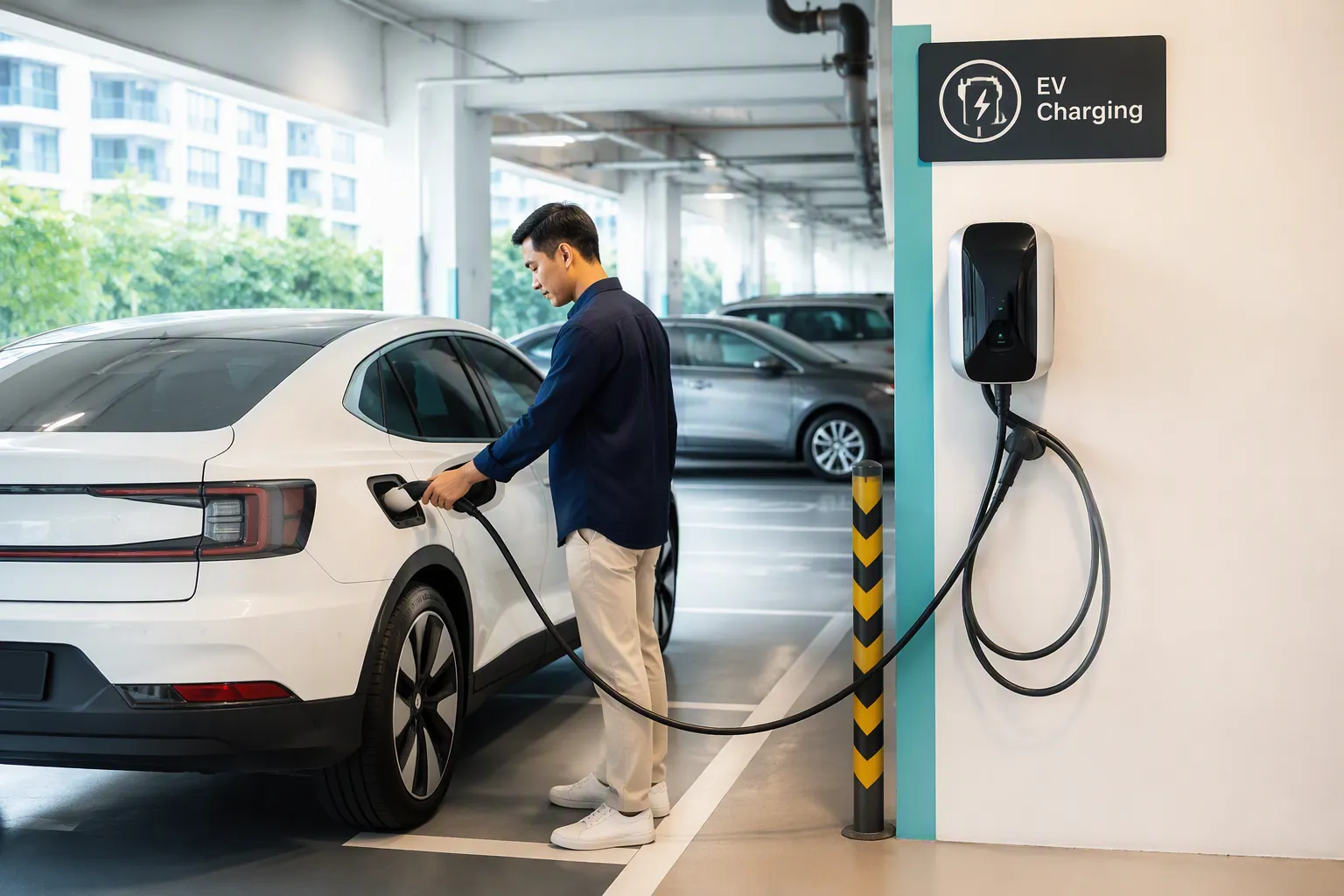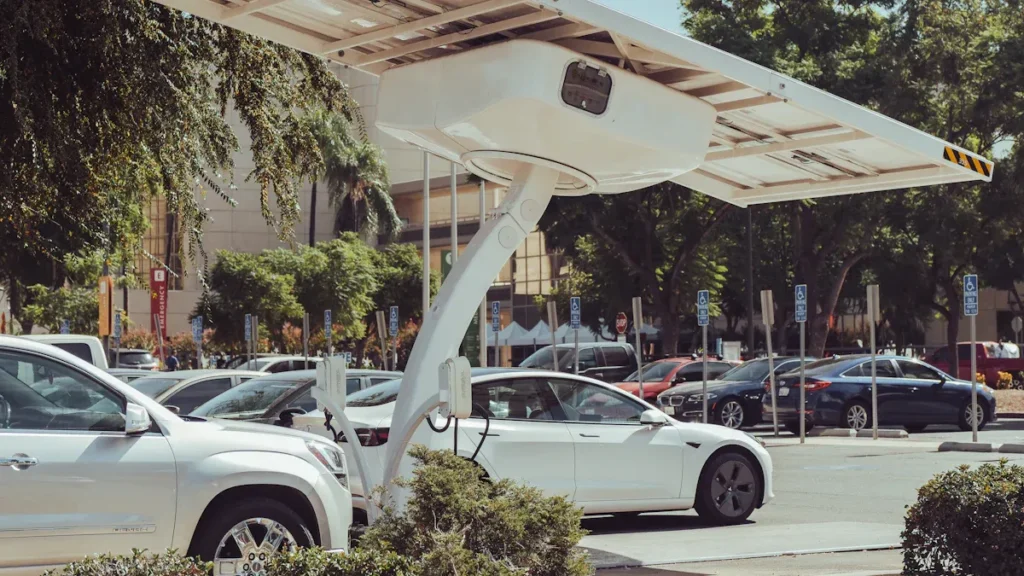

The best EV chargers of 2025 offer remarkable advancements in electric vehicle charging. Our analysis identifies the Grizzl-E Ultimate 48 as the best overall home EV charger, excelling in power and durability. However, the best EV charger for you depends on your vehicle, driving habits, and home’s electrical capacity. EV charger manufacturers like TPSON continue to innovate, providing many excellent home EV chargers. This guide details the top models from the best home EV charging stations to help you find the perfect match for your charging needs.
Note: Choosing the right charger involves more than just speed. Your ideal home EV charger should complement your daily routine and vehicle specifications for optimal charging performance. We review the best home EV chargers and EV charging stations to simplify your decision.
Reviewing the Best Home EV Charging Stations of 2025

Choosing from the best home EV charging stations requires a close look at individual performance and features. The best EV chargers of 2025 cater to a wide range of needs, from raw power to intelligent energy management. Innovative providers like TPSON continue to push technology forward, resulting in excellent options for every type of EV owner. These reviews of the top models will help identify the ideal solution for your home.
1. Grizzl-E Ultimate 48 – Best Overall
The Grizzl-E Ultimate 48 earns its top spot by delivering a professional-grade combination of power, intelligence, and extreme durability. This charger is built to perform reliably in any environment while offering the smart features modern EV owners expect. It stands out as one of the best home ev chargers for those who prioritize robust construction and high-speed charging.
Key Specifications
| Feature | Specification |
|---|---|
| Max Power Output | 11.5 kW |
| Amperage | 48A (Adjustable: 16A, 24A, 32A, 40A, 48A) |
| Voltage | 240V |
| Connector Type | J1772 or NACS |
| Cable Length | 24 feet (7.3 m) |
| Enclosure | IP67 Waterproof, Fire-Resistant Aluminum |
Best For
This charger is ideal for EV owners who need maximum power for a large-battery vehicle and live in a region with harsh weather conditions. Its rugged, waterproof, and crush-proof casing makes it perfect for outdoor or garage installations where durability is paramount.
Pros & Cons
| Pros ✅ | Cons ❌ |
|---|---|
| Extremely durable, all-weather construction | Industrial design may not suit all home aesthetics |
| Powerful 48A output for fast charging | Smart features can be complex for basic users |
| Adjustable amperage for electrical circuit flexibility | Heavier and bulkier than some competitors |
| Wi-Fi connectivity with smart scheduling |
Price & Warranty
The Grizzl-E Ultimate 48 typically falls into the mid-to-high price range, reflecting its premium build and features. It comes with a robust 3-year warranty, with options to extend, providing peace of mind for your investment.
2. Zappi Glo – Best for Solar Integration
The Zappi Glo is more than just a charger; it is a sophisticated energy management device. It is one of the best electric car home chargers for environmentally conscious homeowners. The Zappi charger intelligently integrates with home renewable energy systems like solar panels or wind turbines to maximize self-consumption.
The Zappi charger is a smart charger designed to work with solar panels and wind turbines to maximize the use of self-consumed renewable energy. Through its unique functionality, combined with the Myenergi app and timers, it intelligently controls the charging speed of electric vehicles, utilizing excess energy from renewable sources and ensuring charging occurs at the most cost-effective times.
Key Specifications
| Feature | Specification |
|---|---|
| Max Power Output | 7 kW or 11 kW (model dependent) |
| Amperage | Up to 48A |
| Voltage | 240V |
| Connector Type | J1772 (Tethered) |
| Cable Length | 21 feet (6.5 m) |
| Special Features | Solar & Wind Integration, Dynamic Load Balancing |
Best For
This unit is the undisputed champion for homeowners with a solar PV array or a domestic wind turbine. Its ability to use 100% surplus energy for charging makes it the most cost-effective and greenest option for those generating their own power.
Pros & Cons
| Pros ✅ | Cons ❌ |
|---|---|
| Unmatched solar and wind power integration | Higher upfront cost than standard chargers |
| Three intelligent charging modes (ECO, ECO+, FAST) | Installation can be more complex |
| Dynamic load balancing prevents circuit overloads | Overkill for homes without renewable energy sources |
| Real-time energy monitoring via app |
Price & Warranty
The Zappi Glo is a premium-priced unit, justified by its advanced energy management technology. It is generally backed by a 3-year warranty. The long-term savings on electricity bills for solar owners can quickly offset the initial investment in these advanced stations.
3. Emporia EV Charger – Best Budget-Friendly Smart Charger
The Emporia EV Charger disrupts the market by offering a suite of smart features typically reserved for more expensive stations. It proves that budget-friendly does not mean a compromise on intelligence, making it one of the best EV chargers for value-conscious buyers. This charger delivers reliable performance and deep energy insights without a premium price tag.
Key Specifications
| Feature | Specification |
|---|---|
| Max Power Output | 11.5 kW |
| Amperage | Up to 48A (Adjustable) |
| Voltage | 240V |
| Connector Type | J1772 |
| Cable Length | 24 feet (7.3 m) |
| Connectivity | Wi-Fi |
Best For
This charger is perfect for the data-driven EV owner on a budget. Anyone who wants to track energy consumption, schedule charging to avoid peak utility rates, and manage their charger remotely will find immense value in the Emporia. It offers many of the smart features of premium EV charging stations at a fraction of the cost.
Pros & Cons
The Emporia app provides a wealth of smart control options, including:
- Real-time energy usage monitoring.
- Scheduling of charging sessions to optimize for off-peak rates.
- Tracking of charging costs and overall consumption.
- Remote monitoring and management of charging sessions.
| Pros ✅ | Cons ❌ |
|---|---|
| Excellent value for a full-featured smart charger | Build quality is less robust than premium models |
| Powerful app with detailed energy monitoring | Lacks native dynamic load balancing (requires accessory) |
| High maximum power output of 48A | Customer support can have slower response times |
| Simple, user-friendly installation process |
Price & Warranty
As a budget-focused option, the Emporia EV Charger is one of the most affordable smart stations available. It comes with a standard 3-year warranty, providing a solid guarantee for its price point.
4. ChargePoint Home Flex – Most Versatile Power Output
The ChargePoint Home Flex stands out in the market for its exceptional power flexibility. This charger allows users to select the perfect amperage for their home’s electrical circuit, making it one of the most adaptable stations available. The ChargePoint Home Flex offers adjustable power settings and can deliver up to 50 amps of power. This capability translates to a charging speed of up to 11.5 kW, providing significant range per hour. Its combination of a trusted brand name, smart features, and adjustable output makes it a top contender among the best ev chargers.
Key Specifications
| Feature | Specification |
|---|---|
| Max Power Output | 12 kW |
| Amperage | 50A (Adjustable: 16A to 50A) |
| Voltage | 240V |
| Connector Type | J1772 |
| Cable Length | 23 feet (7 m) |
| Connectivity | Wi-Fi, Bluetooth |
Best For
This charger is the ideal choice for homeowners who want to future-proof their investment. Its wide range of amperage settings (from 16A to 50A) accommodates nearly any electrical panel capacity. This makes it perfect for those who might upgrade their EV to a model with a higher acceptance rate later. It is also great for renters who may move to a new home with different electrical constraints.
Pros & Cons
| Pros ✅ | Cons ❌ |
|---|---|
| Highly flexible amperage settings | Premium price point |
| Excellent app with smart scheduling and reminders | Design is functional but less stylish than some rivals |
| Reliable performance and good customer support (rated 4/5) | Some advanced features require a subscription |
| Integrates with Alexa for voice control |
Price & Warranty
The ChargePoint Home Flex is positioned in the upper-middle price tier, reflecting its brand reputation and feature set. It is backed by a solid 3-year warranty, ensuring dependable performance from one of the best home ev charging stations.
5. Tesla Universal Wall Connector – Best for NACS and J1772 Households
The Tesla Universal Wall Connector solves a major challenge for households with multiple EV brands. This innovative charger features an integrated adapter, eliminating the need for separate cables or clumsy dongles. It is a brilliant solution for homes with both Tesla (NACS) and non-Tesla (J1772) vehicles. This model is a highlight among the best ev chargers of 2025 for its seamless user experience.
The unit’s “Magic Dock” holster cleverly integrates both NACS and J1772 connectors. The charger defaults to NACS for Tesla vehicles. For other EVs, the user simply pushes a button on the handle, which locks the NACS plug and extends the J1772 adapter for universal charging compatibility.
Key Specifications
| Feature | Specification |
|---|---|
| Max Power Output | 11.5 kW |
| Amperage | 48A (Adjustable) |
| Voltage | 240V |
| Connector Type | Integrated NACS and J1772 |
| Cable Length | 24 feet (7.3 m) |
| Special Features | Power-sharing with up to six Wall Connectors |
Best For
This charger is unequivocally the best choice for families or individuals owning both a Tesla and a non-Tesla EV. Its integrated “Magic Dock” provides a clean, elegant, and efficient way to service any electric vehicle, making it one of the best home ev chargers for mixed-brand garages. The power-sharing feature also makes it ideal for properties needing multiple ev charging stations.
Pros & Cons
| Pros ✅ | Cons ❌ |
|---|---|
| Seamlessly charges both NACS and J1772 vehicles | Higher cost than single-connector stations |
| Sleek, minimalist design | App features are less detailed than some competitors |
| Power-sharing capability for multiple stations | The integrated adapter adds a small amount of bulk to the handle |
| Long 24-foot cable provides excellent reach |
Price & Warranty
The Tesla Universal Wall Connector carries a premium price, justified by its unique dual-connector technology and robust build quality. It comes with a comprehensive 4-year warranty for residential use, offering excellent long-term value and peace of mind.
How to Choose the Best EV Charger for Your Home
Selecting the right home ev charger from the many available options requires a careful evaluation of your personal needs. The best ev chargers are not just about raw power; they are about seamless integration into your daily life. Technologically advanced providers like TPSON offer a wide range of solutions, so understanding your specific requirements is the first step. This guide breaks down the key decision factors.
Assess Your Driving and Charging Needs
Your daily routine is the most critical factor in choosing the right charging equipment.
Daily Commute vs. Long-Distance Travel
Most drivers do not need the fastest charger for daily use. The average daily driving distance in the United States is about 37 miles, while in the UK, it is closer to 19 miles. A standard Level 2 charger can easily replenish this range overnight. A more powerful charger becomes valuable for drivers who frequently undertake long-distance journeys and need a full battery each morning.
Overnight Charging vs. Quick Top-Ups
Consistent overnight home charging is the most convenient and cost-effective method for electric vehicle charging. It also benefits battery health. While occasional DC fast charging is safe, studies show that exclusive reliance on it can slightly accelerate battery degradation, especially for certain battery chemistries like NCA.
Pro Tip: Standard Level 2 charging has a minimal impact on battery longevity. Prioritizing overnight charging and limiting DC fast charging to essential situations helps preserve your vehicle’s battery life.
Single vs. Multiple EV Households
A household with one electric vehicle can choose any suitable charger. Homes with two or more EVs need a more strategic approach. Options include:
- Installing two separate ev charging stations.
- Choosing a single charger with power-sharing capabilities, which balances the load between two connected vehicles.
Comparing the Best EV Chargers by Feature
Modern home ev chargers offer intelligent features that enhance convenience and reduce costs.
Smart Scheduling and Utility Rate Syncing
This feature allows the charger to automatically begin charging during off-peak hours when electricity rates are lowest. Some utility programs, like the UK’s Intelligent Octopus Go, sync directly with the charger or vehicle to optimize charging schedules, saving owners hundreds of dollars annually.
Dynamic Load Balancing
A crucial feature for homes with limited electrical capacity, dynamic load balancing monitors the home’s total energy use. If it detects high consumption (e.g., from an oven and an air conditioner), it temporarily reduces the charger’s power output to prevent a circuit overload. This can help avoid an expensive electrical panel upgrade.
App Integration and Voice Control
The best home ev charging stations come with sophisticated mobile apps. These apps provide remote start/stop functionality, scheduling, and notifications. Many also integrate with voice assistants like Amazon Alexa or Google Assistant for hands-free control.
Energy Monitoring and Reporting
For those who want to track expenses, a charger with detailed reporting is essential. Apps like Pod Point and Zap-Map offer dashboards that show:
- Energy consumed per session (kWh)
- Total charging costs
- Charging history and patterns
Tethered vs. Untethered Home EV Chargers
This choice comes down to convenience versus flexibility and aesthetics.
The Convenience of a Tethered Cable
A tethered charger has a permanently attached cable. This offers grab-and-go simplicity, as the driver does not need to retrieve the cable from the vehicle’s trunk for every charging session.
The Flexibility of an Untethered Port
An untethered charger has a universal port, requiring the driver to use the cable that came with their vehicle. This provides a cleaner look when not in use and offers better EV compatibility if you own multiple vehicles with different connector types.
Understanding EV Charger Technology
Navigating the technical specifications of home EV chargers is essential for making an informed decision. Technologically advanced providers like TPSON develop solutions that incorporate these core concepts. Understanding the basics of charging speed, power output, and connector types empowers buyers to select the right charging equipment for their needs.
Charging Speed Explained: Level 1 vs. Level 2
The primary difference between charging levels is the voltage they use, which directly impacts charging speed.
Level 1 Charging (120V)
Level 1 charging uses a standard 120V household outlet. This method requires no special installation and is the simplest way to begin electric car charging. However, its low power output results in a very slow charging speed. It is best suited for plug-in hybrids with small batteries or as a backup option.
Charging Time Comparison (60kWh Battery):
- Level 1 (120V): A full charge from empty can take between 20 and 30 hours.
- Level 2 (240V): The same vehicle can achieve a full charge in just 6 to 10 hours.
Level 2 Charging (240V)
Level 2 is the standard for home charging. These units use a 240V circuit, similar to an electric dryer, and must be installed by a professional. The significant increase in power dramatically reduces charging times, making it practical for daily use. All dedicated home EV chargers, including faster home chargers, operate at this level. This ensures a driver can fully replenish their vehicle’s battery overnight.
Power Output: Do You Need 32, 40, or 48 Amps?
The amperage of a Level 2 charger determines its maximum power output and, consequently, its charging speed.
Matching Amperage to Your Vehicle’s Max Rate
Every electric vehicle has an onboard charger that dictates the maximum rate of AC power it can accept. A charger with a higher amperage cannot force a vehicle to charge faster than its limit. For example, using a 48A charger on a car that can only accept 32A will result in the car charging at 32A. Matching the charger to your vehicle’s capability is key for efficient electric vehicle charging.
Future-Proofing Your Power Choice
Choosing a charger with a higher amperage, like 48A, can be a wise investment. While your current EV may not use that full capacity, your next vehicle might. Installing a more powerful charger now can prevent the need for a costly replacement later, ensuring your home is ready for future advancements in battery technology.
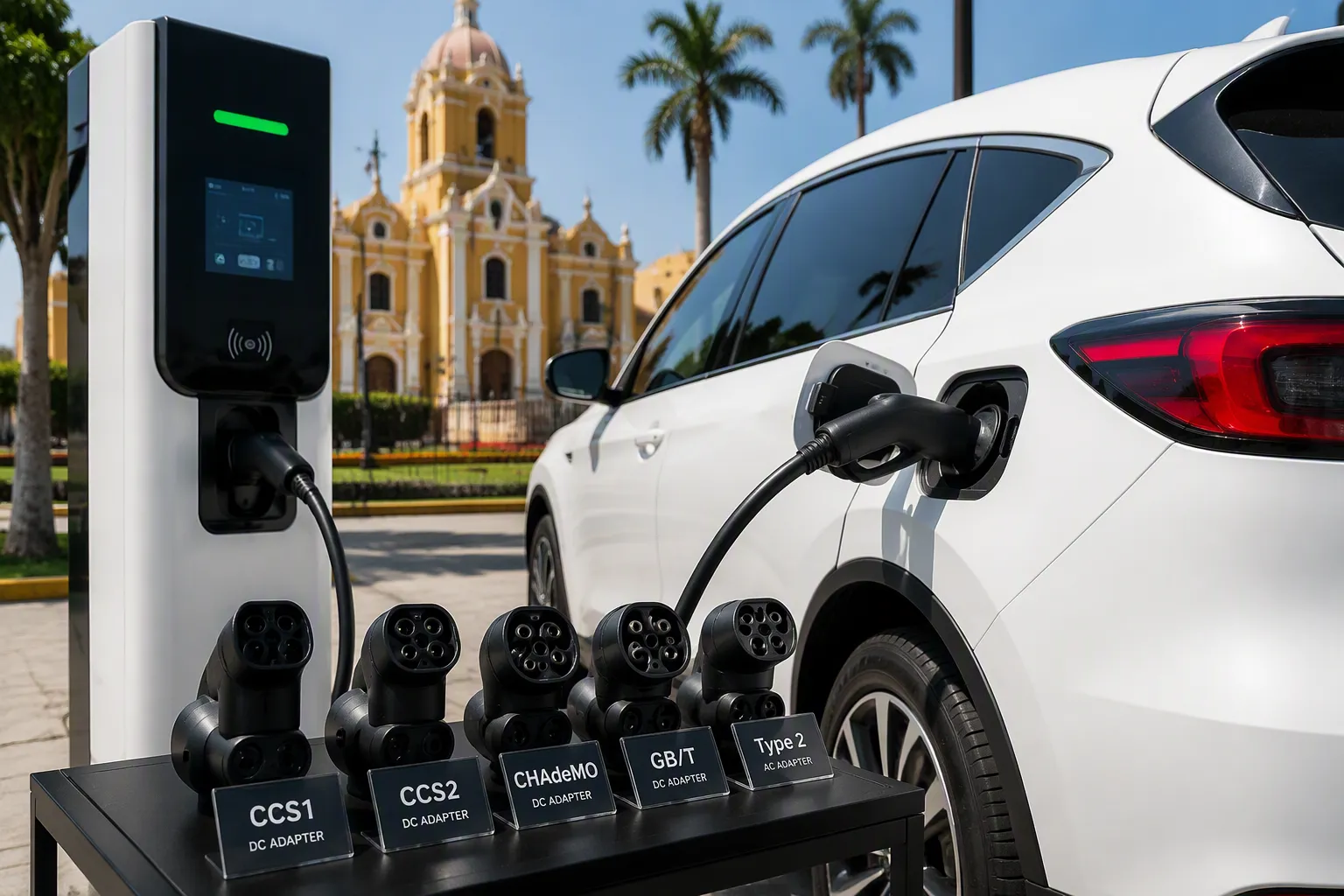
Connector Types: NACS vs. J1772
The connector is the physical plug that connects the charger to the vehicle. Two main standards dominate the market.
The NACS Standard Explained
The North American Charging Standard (NACS) was developed by Tesla. It features a smaller, more compact design. Its influence is growing rapidly, with many major automakers like Subaru planning to adopt the NACS port on new models starting in 2025.
The J1772 Standard Explained
The SAE J1772 is the connector standard historically used by most non-Tesla automakers. It has a larger, round design with five pins. For years, it has been the universal plug for most electric vehicles across North America.
The Role of Adapters
Adapters are small devices that allow a charger with one type of plug to connect to a vehicle with a different port. High-quality adapters are engineered for safety and performance. Certified test adapters, for instance, comply with IEC 61851-1 safety standards, ensuring the integrity of the electrical connection and proper communication between the charger and the vehicle during a charging session.
Installation Guide for Home EV Charging Stations

Properly installing home ev charging stations is a job for professionals. While purchasing the charging equipment is straightforward, the ev charger installation process involves high-voltage electricity and requires adherence to strict safety codes. This guide outlines the key steps, from estimating costs to finding the right expert for the job.
Estimating Your Installation Costs
Installation costs can vary significantly from one home to another. Understanding the potential scope of the project helps in budgeting for your new charger.
Standard vs. Complex Installations
A standard installation is typically quick and affordable. This scenario involves a home with a modern electrical panel that has sufficient capacity, with the installation site located near the panel. A complex installation, however, may involve trenching to run conduit, drilling through thick concrete walls, or requiring a major electrical system upgrade, all of which increase labor and material costs.
Factors Affecting the Final Price
Several key elements influence the final invoice for an ev charger installation. Homeowners should consider the following variables:
- Distance from the main panel: A greater distance requires more cabling and labor, directly increasing expenses.
- Electrical upgrades needed: A panel upgrade is one of the most significant potential costs.
- Type of charger chosen: Some stations have more complex wiring requirements.
- Charging point location: An outdoor or detached garage installation may be more expensive than one inside an attached garage.
Electrical Requirements and Panel Upgrades
Your home’s electrical system must safely support the demands of electric vehicle charging. Technologically advanced providers like TPSON design stations that integrate smoothly, but the home’s infrastructure must be ready.
Assessing Your Home’s Electrical Panel
An electrician will perform a “load calculation” to determine if your panel can handle the additional power draw. The National Electrical Code (NEC) defines this type of charging equipment as a continuous load.
The NEC requires that the circuit breaker be rated for at least 125% of the charger’s maximum amperage. For example, a 48-amp charger needs a dedicated 60-amp breaker. This safety margin prevents overheating.
When a Panel Upgrade is Necessary
If the load calculation shows your panel lacks capacity, an upgrade is necessary. This is common in older homes with 100-amp service. Upgrading an electrical panel from 100 amps to 200 amps typically costs between $1,500 and $3,000, including both labor and materials. This investment ensures your home can safely manage home charging and other appliances simultaneously.
Finding a Qualified Electrician
Hiring the right person is the most critical step for a safe and compliant installation of your home wallbox charger.
What Certifications to Look For
Look for an electrician with specific experience installing EV charging stations. Key qualifications include:
- A valid state or local electrical license.
- Knowledge of local building codes and permitting.
- Specialized training or certification in EV Supply Equipment (EVSE) installation, such as from the Electric Vehicle Infrastructure Training Program (EVITP).
- Manufacturer-specific training for certain advanced stations.
Getting Multiple Quotes
It is wise to get at least three quotes from different qualified electricians. This allows you to compare not only prices but also their proposed installation plans, timelines, and understanding of your specific needs. Ensure each quote is detailed and itemized.
Permits, Rebates, and Incentives
Beyond the hardware, the financial landscape of an ev charger installation includes permits and incentives. These elements are crucial for ensuring a safe, compliant setup and can significantly reduce the overall cost. Navigating these programs effectively turns a necessary expense into a smart investment.
Navigating Local Permitting
Most municipalities require a permit for an ev charger installation. This process is not just a bureaucratic step; it is a critical safety measure. A permit ensures that a licensed electrician performs the work according to the latest electrical codes, protecting your home and vehicle.
Important Note: A permitted installation is essential for home insurance purposes and can be a key selling point for future homebuyers. Your electrician will typically manage the entire permitting process, from application to final inspection.
The specific requirements and fees for permits vary by location. The electrician’s familiarity with local regulations is invaluable for a smooth and timely approval, ensuring your new charging setup is fully compliant with the law.
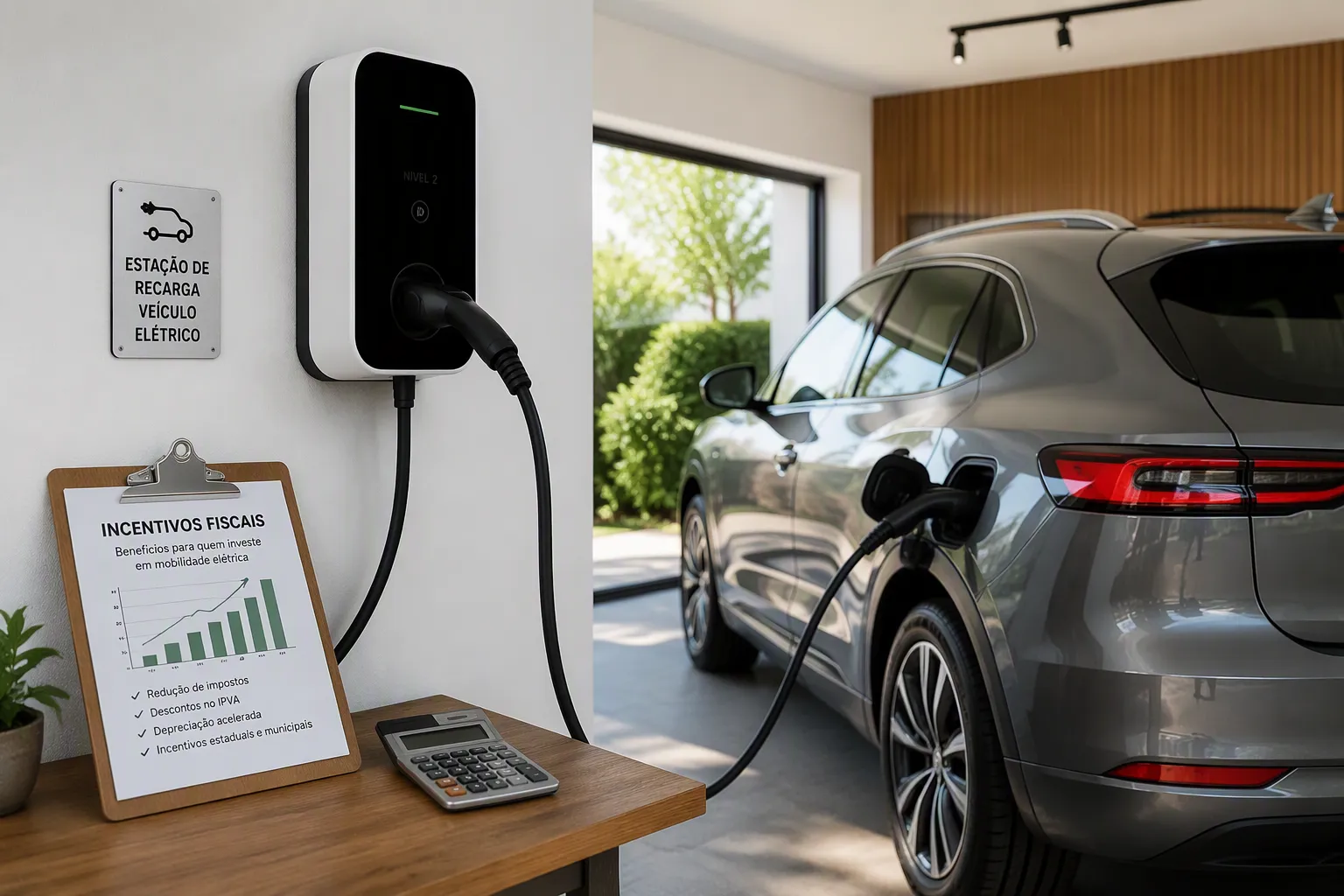
Finding Federal and Local Rebates
Governments and utility companies offer financial incentives to encourage the adoption of electric vehicles and their supporting infrastructure. These programs can make your charging equipment significantly more affordable.
For example, the federal government offers tax credits for home charging infrastructure. The Alternative Fuel Refueling Property Tax Credit allows eligible individuals to claim 30% of the cost of the charger and installation, up to a maximum of $1,000. This credit generally applies to residents in specific low-income or rural areas. Taxpayers claim this benefit by filing Form 8911 with their tax return.
Many state and provincial governments also provide their own incentives for home charging stations. These programs vary widely but offer substantial savings. Notable examples include:
- California, USA: The state’s Clean Transportation Program helps fund charging infrastructure.
- Quebec, Canada: This province offers direct financial assistance for the purchase and installation of home charging stations.
- British Columbia, Canada: Similar to Quebec, this province provides rebates for homeowners installing new stations.
Additionally, local utility providers often have their own rebate programs. It is always worthwhile to check their websites for special offers on specific models of charging stations.
The Grizzl-E Ultimate 48 stands out among the best ev chargers of 2025 for its excellent balance of features. However, the best ev charger ultimately depends on personal requirements. An owner’s lifestyle, vehicle, and home electrical system define the ideal choice from the many available home ev chargers. This guide provides the details needed to select the right charger.
Before any purchase, a qualified electrician must assess the home’s electrical system. This ensures a safe and efficient installation for your chosen charger and vehicle.
FAQ
1. Can I install an EV charger myself?
Homeowners should not install Level 2 chargers. The process involves high-voltage wiring and requires professional expertise. A qualified electrician must perform the installation to ensure safety and compliance with local electrical codes, protecting both the home and the vehicle.
2. How much does a typical installation cost?
Installation costs vary widely based on home infrastructure. A simple installation near the electrical panel is most affordable. Complex jobs requiring panel upgrades or long cable runs increase the price. Homeowners should obtain multiple quotes from certified electricians for an accurate estimate.
3. What is a “smart charger”?
A smart charger connects to the internet via Wi-Fi. This allows users to schedule charging sessions for off-peak hours, monitor energy use, and control the charger remotely through a mobile app. It helps optimize costs and convenience for the EV owner.
4. Will any charger work with my electric vehicle?
Most chargers work with most EVs if the connector type matches, and adapters can bridge differences. However, the vehicle’s onboard electronics limit the maximum charging speed. A powerful station cannot charge a car faster than its own acceptance rate.
5. How do I choose a reliable charger provider?
Buyers should look for providers with a strong reputation for safety and innovation. For example, TPSON is a technologically advanced electric vehicle charging solution provider known for reliable products. Check for robust warranties and positive industry reviews to ensure long-term performance.
6. Do I need the most powerful charger available?
Not always. A standard 32A or 40A charger is sufficient for most drivers’ overnight charging needs. A higher-power 48A charger is best for EVs with large batteries or for owners who need to replenish significant range quickly.
7. How can I save money on home charging?
The best way to save is by using a smart charger to schedule sessions during off-peak hours when electricity rates are lowest. Many utility companies offer special time-of-use plans for EV owners, significantly reducing charging costs over time.