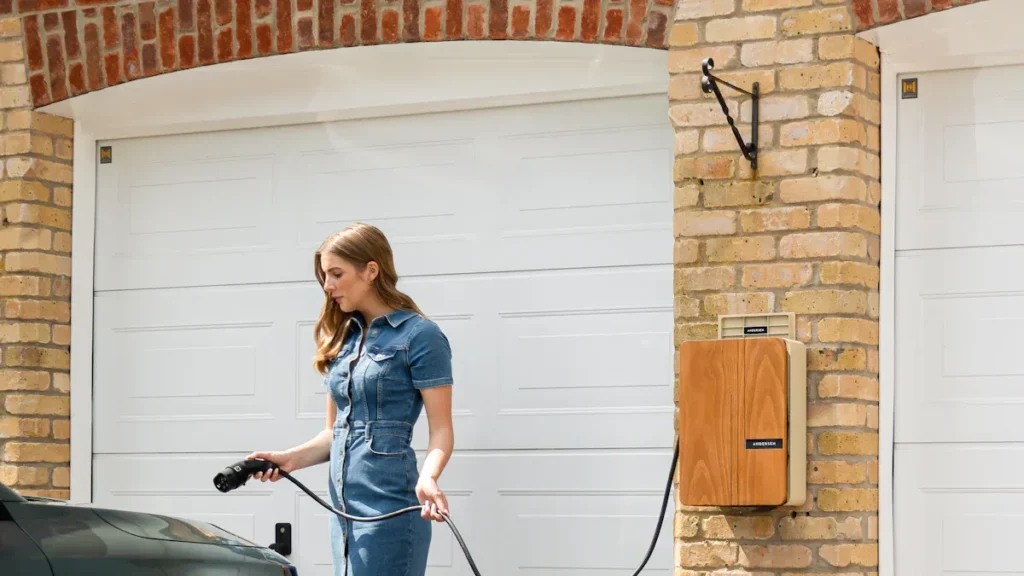

A professional home EV charger installation typically has a total cost between $1,200 and $2,500. With the electric vehicle (EV) market share growing rapidly, more owners are considering the convenience of charging at home. This all-in price for an electric car charger installation generally covers the EV Charger unit, a standard installation, and necessary permits. However, final installation costs can vary. The cost to install an electric car charger depends on the charger model from EV charger manufacturers like the technologically advanced TPSON, your home’s electrical system, and the complexity of the ev charger installation. These factors determine the ultimate installation costs for your specific electric car charging points.
Core Costs Breakdown: Charger Unit and Standard Installation

The total expense for a home EV charger installation is divided into two primary categories: the price of the charger unit itself and the cost of a standard professional installation. Understanding these core components helps homeowners budget effectively. The final installation costs depend heavily on the choices made in these two areas.
Level 2 Charger Unit Prices
The charger is the heart of your home charging setup. Home charger prices can vary significantly based on features, brand, and power. A Level 2 charger is the standard for home charging, offering much faster speeds than a basic Level 1 cord.
Basic, Non-Smart Chargers
Basic, non-smart chargers offer a straightforward function: they charge your electric vehicle. These units lack connectivity features like Wi-Fi or Bluetooth. Homeowners simply plug in their vehicle to begin charging. Their simplicity often translates to a lower upfront cost, making them an attractive option for budget-conscious buyers who do not need remote monitoring or scheduling capabilities.
Smart, Wi-Fi Enabled Chargers
Smart chargers connect to your home Wi-Fi network. This connectivity unlocks a suite of advanced features through a smartphone app.
- Remote Monitoring: Owners can check charging status from anywhere.
- Scheduled Charging: Users can program the charger to operate during off-peak hours when electricity rates are lower.
- Energy Tracking: The app provides detailed reports on energy consumption, helping manage electricity costs.
- Software Updates: Manufacturers can push over-the-air updates to improve performance and add new features.
Providers like TPSON offer technologically advanced smart chargers that integrate these features seamlessly, providing a superior user experience. While the initial price is higher, the long-term savings and convenience often justify the investment.
Brand Reputation and Warranty
Established brands with a strong reputation for reliability and customer support often command a higher price. A charger is a long-term investment for your home. A comprehensive warranty (typically 3 to 5 years) provides peace of mind and protects against potential defects. Investing in a reputable brand ensures you receive a quality product backed by dependable service.
Power Output (Amperage)
Level 2 chargers are available in various power outputs, measured in amperes (amps). Common options range from 32 amps to 48 amps or higher.
- 32-Amp Charger: Sufficient for most daily charging needs.
- 48-Amp Charger: Provides faster charging speeds, ideal for EVs with larger batteries or for drivers who need a quicker turnaround.
A higher-amperage charger generally has a higher cost. It is crucial to select a charger with an output that matches both your vehicle’s capabilities and your home’s electrical capacity.
The Cost of a Standard EV Charger Installation
A standard ev charger installation assumes your home’s electrical system is up-to-date and the charger will be located near the electrical panel. The average cost for this service covers labor and essential materials.
Note: A “standard installation” typically involves a straightforward setup without major electrical upgrades or structural modifications. Any complexities will add to the final installation costs.
Average Labor Costs
Labor makes up a significant portion of the installation cost. A qualified electrician will spend several hours performing the installation. This includes assessing the site, running the wiring, making connections, and testing the system. Labor rates vary by location and the electrician’s experience level.
Included Wiring and Conduit
The installation includes running a new, appropriately gauged electrical wire from the breaker box to the location of the home charging point. To protect this wiring, electricians encase it in conduit. The cost of a standard installation typically covers a reasonable length of wire and surface-mounted conduit.
Dedicated 240V Circuit Breaker
All Level 2 electric car charging points require a new, dedicated 240-volt circuit. An electrician adds a new two-pole circuit breaker to your electrical panel during the ev charger installation. This ensures the charger has a safe and stable power supply without overloading other circuits in your home.
Wall Mounting and Final Testing
The final step of the installation involves securely mounting the charger to a wall in your garage or on an exterior wall. After mounting the unit, the electrician powers it on, tests its functionality, and ensures it communicates correctly with your vehicle. This final check guarantees the charging system operates safely and efficiently.
Uncovering Potential Additional Costs for Your Home
While a standard installation covers the basics, many homes require additional work that can increase the final electric vehicle charger costs. These potential expenses often relate to the home’s existing electrical infrastructure, the complexity of the charger’s placement, and other miscellaneous needs. Understanding these factors helps homeowners anticipate the full scope and cost of their ev charger installation.
When Your Electrical System Needs an Upgrade
The age and capacity of your home’s electrical system are the most significant variables affecting installation costs. A modern home may be ready for an EV charger, but older properties often need upgrades to handle the increased electrical load safely.
Electrical Panel (Breaker Box) Upgrades
Your electrical panel, or breaker box, is the distribution hub for all electricity in your home. A Level 2 charger requires a dedicated 240-volt, two-pole breaker. If your panel has no available physical slots or lacks the capacity to support the new circuit, an upgrade is necessary.
- Upgrading an electrical panel in the UK can cost between £500 and £2,500.
- Costs generally fall between £500 and £1,500 for more common residential scenarios.
An electrician must assess the panel to determine if a simple sub-panel addition or a full replacement is the right solution.
Adding a New 240-Volt Circuit
Every Level 2 ev charger installation requires a new 240-volt circuit. The cost for this can vary dramatically based on the installation’s complexity. Factors include the length of the wire run, the type of cable needed (e.g., armored cable for outdoor runs), and the installation method.
Pro Tip: Always get multiple quotes from qualified electricians. Clearly specify your charging needs (e.g., 32A for future-proofing) to ensure the quotes are accurate and comparable. Prioritize safety and compliance over the lowest price.
The following table illustrates how costs can change based on different scenarios in the UK market:
| Cost (GBP) | Details |
|---|---|
| £250-£300 | For a 32A supply to a garage, surface mounted, with a short cable run. |
| £400-£500 | For a 32A supply where the cable must be trenched in soft ground. |
| £500-£700 | For a 32A supply requiring more complex trenching or groundwork. |
| £800-£1,200 | For a 32A supply with significant trenching, long cable runs, or other complexities. |

Main Service Panel Upgrades
In some cases, the main electrical service coming into the home is insufficient. Many older homes have a 60-amp or 100-amp service. Adding a powerful EV charger to the existing load could require an upgrade to a 200-amp service. This is a major project involving the utility company and can significantly increase the overall cost of the project.
Grounding and Earthing Requirements
Modern electrical codes have strict requirements for grounding (or “earthing”) to ensure safety. If an electrician finds the home’s existing grounding system is inadequate, they must bring it up to code before completing the charger installation. This unforeseen work adds to the final installation costs.
Complex Installation Factors That Increase Costs
The physical location of your charger relative to your electrical panel plays a huge role in determining the final price. A simple installation is one where the charger is mounted on the same wall as the panel. Any deviation from this adds complexity and cost.
Long Wiring Runs to Garage
The farther the charger is from the breaker box, the more materials and labor are required. A long wiring run from a basement panel to a garage on the other side of the house will be more expensive than a 5-foot run. The cost of heavy-gauge copper wire adds up quickly with distance.
Trenching for Detached Garages
Installing a charger in a detached garage requires running an armored cable underground. This involves digging a trench from the house to the garage. The cost of trenching depends on the distance and the surface material (e.g., soil, concrete, or pavement), adding hundreds or even thousands of pounds to the installation.
Drywall Repair for Concealed Wires
For a cleaner aesthetic, many homeowners prefer to have the wiring for their EV charger hidden inside the walls. This requires the electrician to cut into the drywall. The installation quote typically does not include the cost of patching, sanding, and painting the drywall afterward, which becomes a separate expense.
Pedestal Mounting Solutions
If there is no suitable wall for mounting the charger, a pedestal mount is an excellent alternative. This is common for carports or specific parking spaces. The pedestal itself is an additional material cost, and its installation requires a concrete base and extra labor, increasing the total project price.
Other Ancillary Expenses to Consider
Beyond the core electrical work, several other expenses can emerge during the planning and installation of your electric car charging points. These costs are often overlooked but are important for a complete and functional charging setup.
Local Permitting Fees
Most local authorities require a permit for installing a new 240-volt circuit. The electrician usually handles the application process, but the fee itself is passed on to the homeowner. These permitting fees can vary significantly by council, typically adding an extra £50 to £300 to the overall expenses for your EV charging project.
Wi-Fi Signal Boosters
Smart chargers, like the advanced units from a provider such as TPSON, rely on a stable Wi-Fi connection to enable features like scheduled charging and energy monitoring. If your garage has a weak signal, you may need to purchase and install a Wi-Fi extender or mesh system to ensure your new charger functions correctly.
Protective Bollards or Posts
To protect your charging station investment from accidental bumps from your vehicle, some owners install a protective bollard or steel post in front of the unit. This adds a material and labor cost but provides valuable peace of mind, especially in tight garage spaces.
Optional Software Subscriptions
While most smart charger apps are free, some brands offer premium features or third-party integrations through an optional subscription service. These services might provide advanced energy analytics or integration with home automation systems. Homeowners should check for any potential ongoing software costs associated with their chosen EV charger.
How to Reduce Your Total Home EV Charger Installation Cost
The initial investment for an EV charger can be significant, but homeowners have several strategies to lower the overall expense. By leveraging financial incentives, making smart equipment choices, and planning the installation carefully, the final cost can become much more manageable. These approaches help reduce both upfront installation costs and long-term charging expenses.
Leveraging Government and Utility Incentives
Government bodies and utility companies offer numerous programs to encourage EV adoption. These grants and credits can substantially decrease the financial burden of installing an EV charger at home.
Federal Tax Credits
Homeowners may be eligible for the Alternative Fuel Vehicle Refueling Property Tax Credit. According to the IRS, this incentive covers 30% of the cost for charger equipment and installation, up to a maximum of $1,000 for individuals. This credit applies to property installed at a principal residence. Eligibility often depends on the home being located in a designated low-income or non-urban census tract.
Note: Tax laws can change. Recent legislative proposals, such as H.R.1, have included provisions that could repeal this credit. Homeowners should consult a tax professional for the most current information on available grants.
State-Level Rebates and Grants
Many states offer their own rebates and grants to further reduce the cost of an EV charger. These programs are separate from federal incentives and have their own eligibility requirements. Researching state-specific energy department websites can uncover valuable grants that lower the total installation cost. These grants often help make the decision for installing an EV charger much easier.
Local Utility Company Programs
Utility companies are key partners in promoting clean energy. Many offer direct rebates for the purchase and installation of a home charging station. These programs are designed to support customers transitioning to an electric vehicle. Homeowners should contact their local energy provider directly to inquire about available grants and the documentation required to claim them.
Enrolling in Time-of-Use (TOU) Rate Plans
Enrolling in a Time-of-Use (TOU) rate plan is a powerful strategy for long-term savings. These plans offer significantly lower electricity rates during off-peak hours, typically overnight. By scheduling charging sessions during these periods, EV owners can dramatically reduce their energy costs.
Choosing the Right Charger for Your Budget
The charger itself is a major part of the total cost. Selecting the right unit for your needs and budget is crucial for managing your EV charger installation expenses.
Smart vs. Non-Smart Chargers
A basic, non-smart charger has a lower upfront cost. However, a smart charger, like the technologically advanced units from TPSON, offers features that lead to long-term savings. Smart chargers connect to Wi-Fi, allowing users to automate charging to coincide with low-cost TOU rates, which can save hundreds of dollars annually.
Matching Amperage to Your Needs
A higher-amperage charger provides faster charging but comes at a higher price and may require more extensive electrical work. Homeowners should assess their daily driving habits. A 32-amp charger is often sufficient for overnight charging, making it a more cost-effective choice than a 48-amp unit for many users.
Comparing Upfront Cost vs. Long-Term Value
When selecting a charger, it is important to look beyond the initial price. A smart charger may have a higher upfront cost, but its ability to optimize charging schedules for the lowest electricity rates provides significant long-term value. This makes the overall EV ownership experience more economical.
Smart Installation Planning to Save Money
Strategic planning before the installation begins can prevent unnecessary expenses and ensure a smooth process. A little foresight goes a long way in controlling installation costs.
The Importance of Multiple Quotes
Always obtain at least three quotes from qualified electricians. A detailed quote will break down the costs for labor, materials, and permits. Comparing offers ensures a competitive price for the EV charger installation and helps identify the best professional for the job.
Installing Near Your Electrical Panel
The location of the charger significantly impacts the installation cost. The shorter the distance between the electrical panel and the charger, the less wiring and labor are required. Placing the charger on the same wall as the panel is the most cost-effective home installation scenario.
Bundling with Other Electrical Work
If a home needs other electrical upgrades, bundling them with the charger installation can save money. Having an electrician perform multiple tasks during a single visit is more efficient and can reduce the total labor cost compared to scheduling separate appointments.
The Installation Process for Electric Car Charging Points

A successful EV charger installation depends on professional execution and proper approvals. Homeowners should navigate this process carefully to ensure a safe and compliant setup for their home charging needs. This involves finding the right expert and securing all necessary permissions before work begins.
Finding and Vetting a Qualified Electrician
Selecting a qualified installer is the most critical step in the process. An expert ensures the charger operates safely and efficiently, protecting both your home and your vehicle.
Why Certified Installers Are Essential
A certified electrician possesses specialized knowledge for installing an EV charger. This work goes beyond a simple outlet installation. A qualified installer has specific training and credentials.
- Specialist EV Charger Training: They understand the unique power demands and safety protocols for EV charging equipment.
- Knowledge of Electrical Codes: Professionals are versed in the National Electrical Code (NEC) requirements for EV supply equipment.
- Brand-Specific Accreditation: Some electricians receive training directly from manufacturers like TPSON, ensuring expertise with their technologically advanced charger units.
Hiring a certified professional guarantees the installation meets all safety standards.
Where to Find Reputable Professionals
Homeowners can find reputable electricians through several reliable channels. Many EV charger manufacturers maintain a network of recommended installers on their websites. Additionally, third-party services vet and list local electricians who specialize in EV charger installation, allowing users to find trusted professionals in their area.
How to Read an Installation Quote
A detailed installation quote is a sign of a thorough professional. Homeowners should look for a quote that clearly itemizes all costs.
A proper quote should break down expenses for:
- The charger unit itself (if supplied by the electrician)
- Labor charges
- Materials like wiring, conduit, and the circuit breaker
- Permit fees
This transparency allows for an accurate comparison between different offers.
Navigating Permissions and Approvals
Before the installation can start, homeowners must address any required permissions. This step prevents potential fines and legal issues down the road.
Standard Homeowner Requirements
Most jurisdictions require an electrical permit for installing a new 240-volt circuit. This permit ensures the work is inspected for compliance with local safety codes. The electrician typically manages the permit application process, but the homeowner is ultimately responsible for ensuring it is secured.
Securing Landlord Agreements for Renters
Renters must obtain explicit, written permission from their landlord before installing any electric car charging points. This agreement should outline all terms, including responsibility for the installation and what happens to the charger at the end of the lease.
HOA (Homeowners Association) Rules
Homeowners in a community with an HOA should review their association’s guidelines. The HOA may have specific rules regarding the external appearance and placement of the EV charger. Getting approval beforehand avoids conflicts.
Policies for Apartments and Condos
Installing a charger in a multi-family home like an apartment or condo presents unique challenges. This type of EV charger installation often requires approval from the condo board or property management. The process may involve assessing the building’s electrical capacity and establishing a plan for electricity billing.
Long-Term Value and Savings of Home Charging
While the initial installation cost is a key consideration, the true value of a home EV charger unfolds over time. The long-term financial savings and unparalleled convenience make it a transformative upgrade for any electric vehicle owner. A home charger delivers a significant return on investment by lowering fuel expenses and simplifying daily life.
Calculating Your Return on Investment
The financial case for charging at home is compelling. Owners can calculate their return by comparing home charging costs against the expenses of public charging and traditional gasoline. The savings from home charging quickly offset the upfront investment.
Home Charging vs. Public Charging Costs
Charging an EV at home is substantially more economical than relying on public networks. The cost to charge your electric car varies greatly between these two options. Public rapid chargers, essential for long journeys, have the highest charging costs.
Cost Comparison: Home charging offers clear financial benefits, especially when using off-peak electricity rates.
| Charging Type | Average Cost per kWh (£) |
|---|---|
| Home Charging (Off-Peak) | 0.075 |
| Home Charging (Standard) | 0.24 |
| Public Charging (Fast) | 0.50 |
| Public Charging (Rapid) | 0.70 |
This difference in charging costs means that routine charging at home generates significant savings over the life of the vehicle.
Home Charging vs. Gasoline Costs
The most dramatic savings come from replacing gasoline with electricity. The cost to charge your electric car at home is a fraction of the price of petrol or diesel. An EV owner can save up to £1,240 annually by using a home charger on a specialized off-peak tariff. High-mileage drivers see even greater benefits, with potential savings reaching £1,780 per year. This makes the EV a much more affordable vehicle to run day-to-day.

The Convenience Factor
Beyond the financial benefits, the convenience of a home charger is a primary advantage of EV ownership. It fundamentally changes the refueling experience for the better.
Waking Up to a Full Charge
A home charger allows EV owners to start every day with a full battery. The process is as simple as plugging in the vehicle overnight. Technologically advanced chargers from providers like TPSON can be scheduled to charge during the cheapest off-peak hours, combining maximum convenience with minimum cost.
Avoiding Trips to Public Stations
Installing a home charger eliminates the need for regular trips to public charging stations. Owners no longer have to search for an available charger, wait for it to become free, or spend time waiting for the charging session to complete. This reclaimed time and freedom from “fueling” errands is a priceless benefit for any busy EV driver.
The total cost for a home EV charger installation combines the charger unit and a standard installation, with a final price typically between $1,200 and $2,500. While a complex installation can increase installation costs, incentives for EV charging can reduce this expense. The long-term savings on charging costs and the daily convenience of charging at home make a home charger a valuable upgrade for any EV owner. The next step is to contact certified electricians. They can provide a detailed quote for the cost to install an electric car charger and your home’s specific electric car charging points, ensuring a safe and efficient charging installation.
FAQ
What is the difference between Level 1 and Level 2 charging?
Level 1 charging uses a standard household outlet. It is very slow. Level 2 charging requires a dedicated 240-volt circuit. It charges an EV much faster, making it the standard for home installations. Most homeowners choose Level 2 for daily convenience.
How long does a standard EV charger installation take?
A standard installation typically takes a qualified electrician between two to six hours. The process includes mounting the unit, running the electrical wiring, installing a new circuit breaker, and testing the system. Complex installations requiring panel upgrades or trenching will take longer.
Can I install an EV charger myself?
Homeowners should not install a Level 2 charger themselves. The installation involves high-voltage electrical work and must meet strict safety codes. A certified electrician ensures the installation is safe, compliant, and protects your home and vehicle from damage.
Do I need a smart charger?
A smart charger is not required, but it offers significant benefits. Technologically advanced providers like TPSON offer smart chargers that allow remote scheduling and energy tracking. These features help owners charge during off-peak hours, reducing long-term electricity costs.
What amperage charger should I get?
The right amperage depends on your vehicle and driving habits.
- 32-Amp Charger: Sufficient for most overnight charging needs.
- 48-Amp Charger: Offers faster charging for EVs with larger batteries.
An electrician can help determine the best option for your home’s electrical capacity.
Does my electrical panel need an upgrade?
An upgrade may be necessary if your panel lacks space for a new 240V breaker or cannot handle the added load. An electrician will assess your panel during the initial consultation. Older homes are more likely to require a panel upgrade.