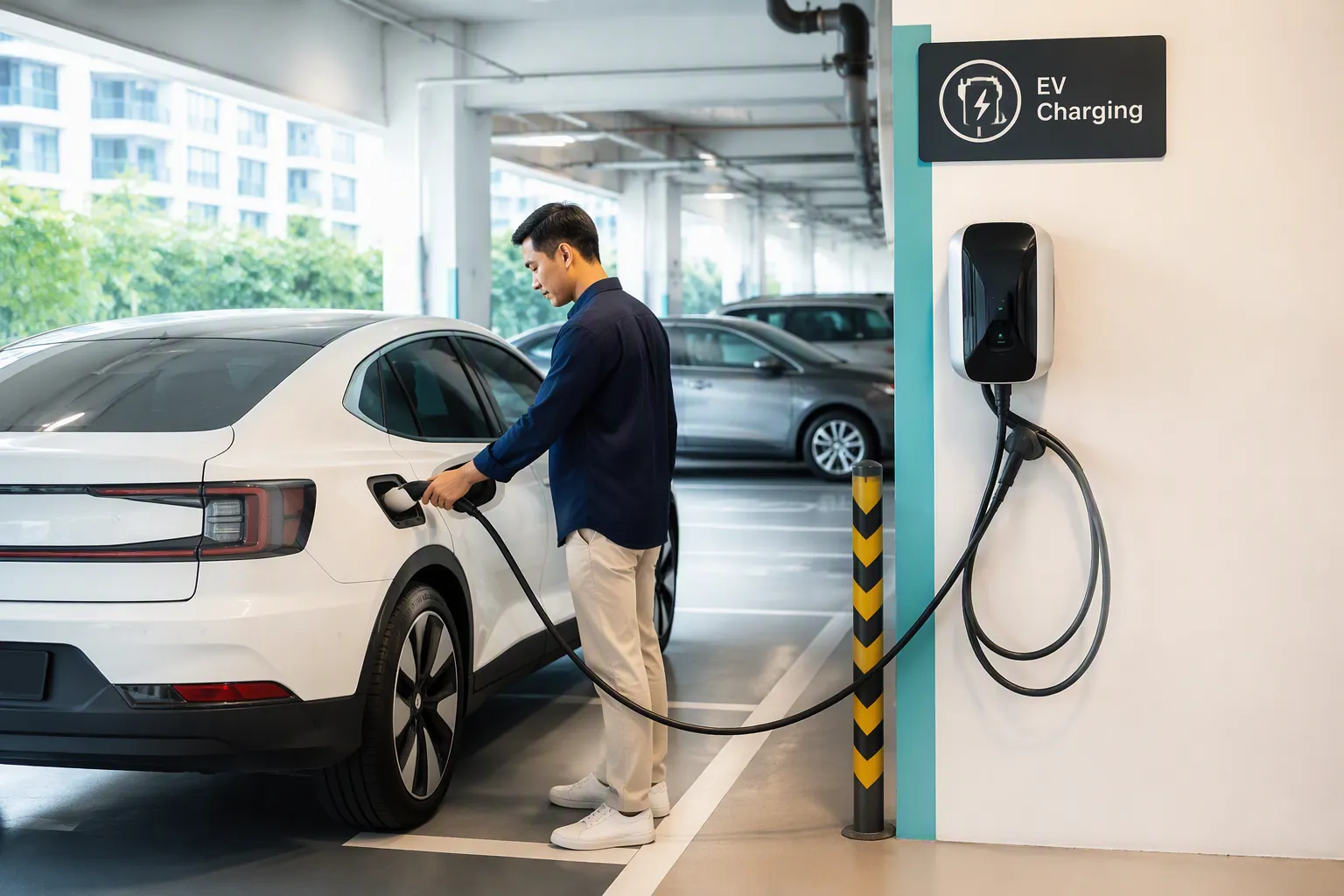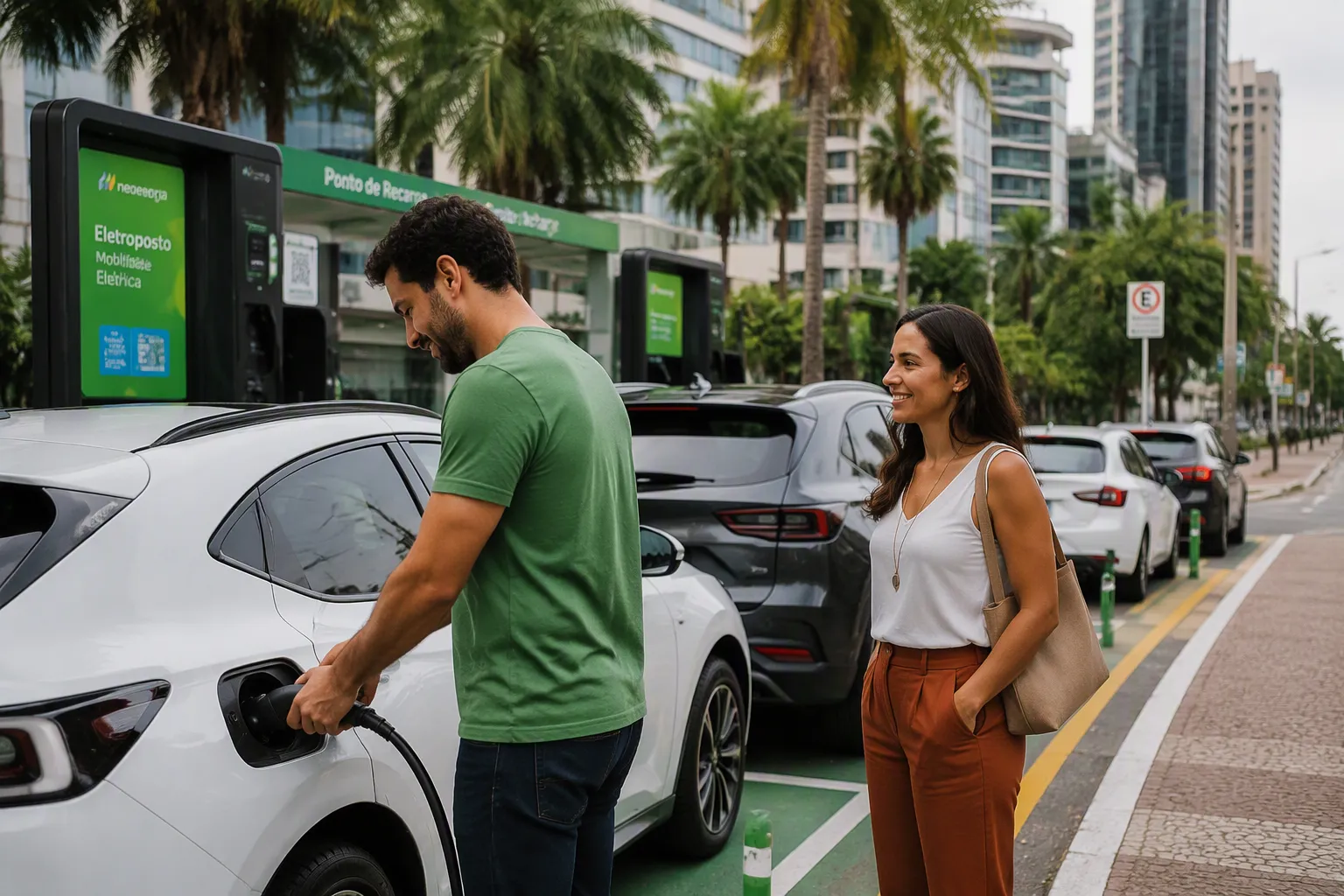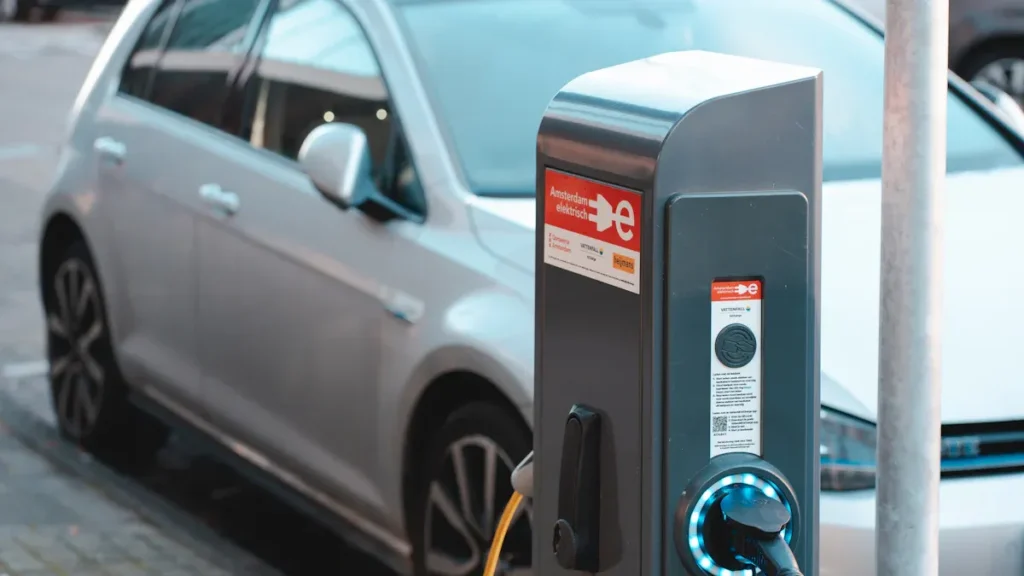
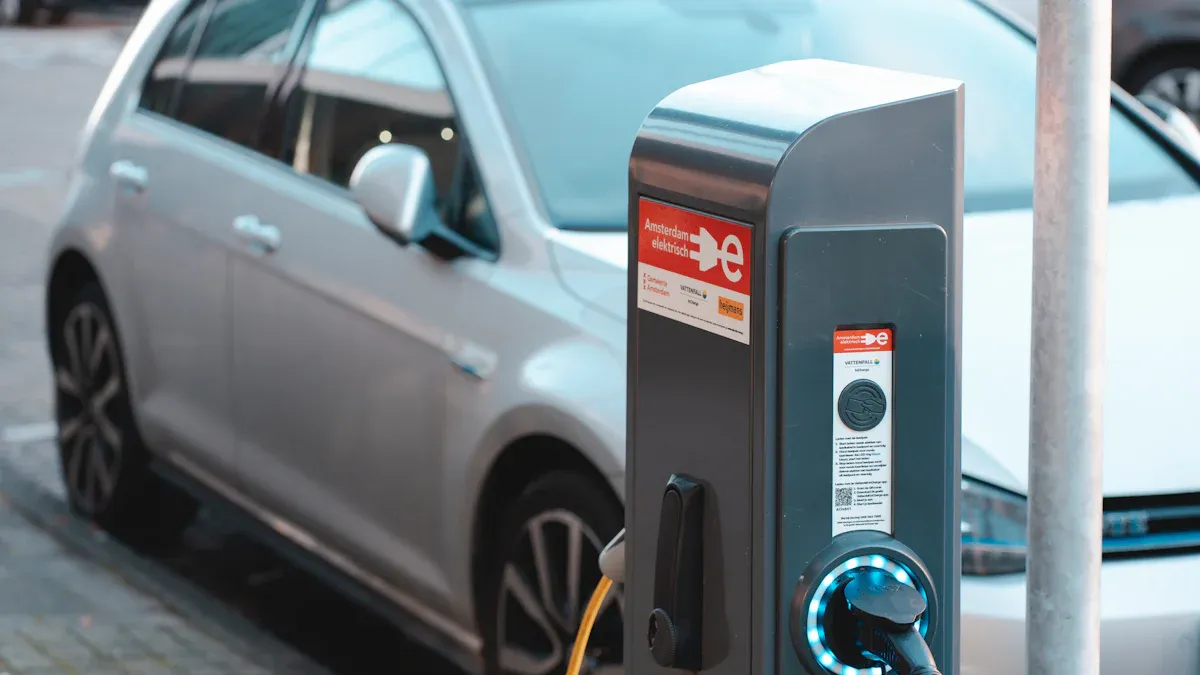
You can easily find EV chargers across Europe, thanks to a rapidly growing network. As of August 2025, 1.54 million battery electric vehicles are registered in the region. The available charging infrastructure supports this growth. Leading EV charger manufacturers have helped install a wide range of stations, making charging convenient for everyone.
| Type of Charger | Number of Charging Points |
|---|---|
| DC Chargers | 141,122 |
| AC Chargers | 740,890 |
| Total | 882,012 |
Use EV Charging Apps to Find Public Charging Stations in Europe
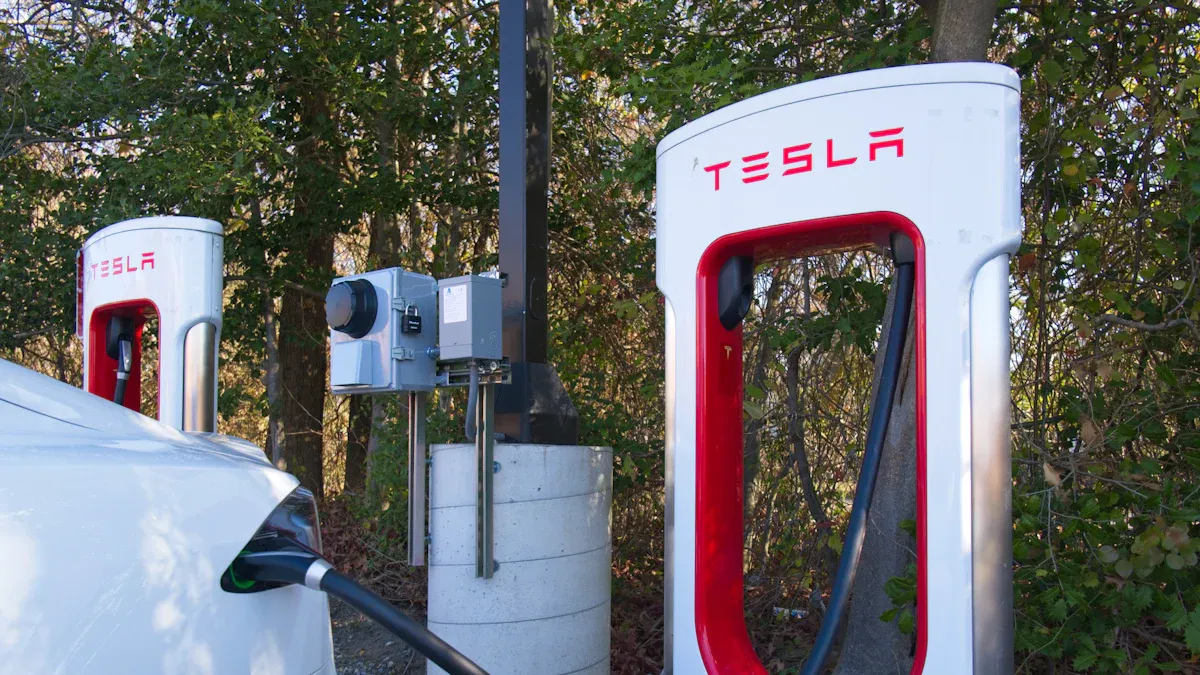
Finding public charging stations in Europe has become easier with the rise of dedicated EV charging apps. You can access thousands of electric car charging points and plan your journey with confidence. These apps help you locate electric car chargers, check real-time availability, and even filter by charger type.
Top EV Charging Apps for Electric Car Charging
You have many options when choosing a charging app for electric vehicle charging. The following apps stand out for their features and popularity:
| App Name | Key Features |
|---|---|
| EV Connect | Open platform, driver dashboard, waitlist notifications, dynamic pricing, smart charging features. |
| Chargemap | Access to 600,000+ charging points, unified RFID pass, community reviews, pricing transparency. |
| Tesla App | Supercharger map, automated billing, remote preconditioning, energy consumption statistics. |
| Shell Recharge | Access to 300,000+ charging points, loyalty program integration, reservation feature, transparent pricing. |
| Zap-Map | Coverage of 95% of UK charging points, hyperlocal focus, route planner, unified payment solution. |
You can also use PlugShare, A Better Routeplanner (ABRP), ChargeFinder, Electroverse, and easyCharging. Each app offers unique benefits for electric car charging.
PlugShare
PlugShare provides a comprehensive map of public EV charging points across Europe. You can view station details, user reviews, and filter by charger type.
Chargemap
Chargemap gives you access to over 600,000 charging stations. You can use the RFID pass for easy payments and read community reviews for each location.
A Better Routeplanner (ABRP)
ABRP helps you plan your journey by integrating charging stops. You can optimize routes based on your vehicle’s range and charger availability.
ChargeFinder
ChargeFinder offers real-time data on charger status and availability. You can filter stations by speed and network.
Electroverse
Electroverse connects you to a wide network of public EV charging points. You can manage payments and track your charging history.
easyCharging
easyCharging simplifies the process of finding and using public charging stations. You can access station information and filter by charger type.
Step-by-Step: How to Find EV Chargers with Apps
You can find EV chargers quickly by following these steps:
- Download an EV charging app suitable for your region.
- Open the app and allow it to access your location.
- Use the map feature to view nearby charging stations.
- Filter results based on charging speed or availability.
- Select a charging station and get directions to it.
Downloading and Setting Up the App
Start by downloading your chosen charging app from the App Store or Google Play. Set up your account and enable location services for accurate results.
Searching for Nearby Chargers
Use the app’s map to find EV chargers near you. The app displays public charging stations and electric car charging points in your area.
Filtering by Charger Type and Availability
You can filter stations by charger type, speed, and real-time availability. This helps you find the best electric car chargers for your needs.
Viewing Real-Time Status and Reviews
Check the real-time status of each station before you go. Many apps show user reviews and ratings, which help you choose reliable public EV charging points.
Tips for Maximizing Results with Charging Apps
You can improve your experience by using these strategies:
| Feature | Description |
|---|---|
| Proactive maintenance | Detects and diagnoses potential malfunctions before they occur, ensuring chargers are operational. |
| User-friendly interface | Simplifies the search for charging stations, reducing time spent navigating the app. |
| Personalized interactions | Offers various payment options and saves favorite stations for quick access. |
| Real-time notices | Alerts users to outages and provides alternative charging options. |
| Amenities information | Informs users about nearby amenities, enhancing the overall charging experience. |
Saving Favorite Locations
Save your favorite public charging stations for quick access during future journeys.
Setting Up Notifications
Enable notifications for updates on charger status and availability. You receive alerts about outages or when a charger becomes available.
Using Offline Maps
Download offline maps to find EV chargers even when you lose internet connection. This ensures you can locate electric car charging points anywhere in Europe.
Tip: Look for apps with eco-friendly charging options, solar charging capabilities, and smart charging features. These options help you save money and optimize charging times.
You can charge at the best times for lower rates, use remote start functionality, and benefit from helpful customer support. These features make electric car charging more convenient and cost-effective.
Use In-Car Navigation Systems to Locate Chargers in Europe
Modern electric vehicles in Europe come equipped with advanced in-car navigation systems. These systems help you find EV chargers quickly and efficiently, making your journey smoother and more convenient. You can rely on your vehicle’s built-in technology to locate public charging stations, check real-time availability, and plan stops along your route.
Accessing Public Charging Stations via In-Car Navigation
Navigating the Menu
You can start by accessing your car’s main menu. Most electric vehicles feature a dedicated section for charging. Select the charging or EV menu to view available options. The interface usually displays a map with nearby public chargers, helping you make informed decisions during your trip.
Searching for Charging Stations
Once you open the charging menu, you can search for charging stations near your current location or along your planned route. The system displays essential details, such as distance, charging speed, and real-time port availability. This information allows you to choose the best charging point for your needs.
Tip: Always check the real-time status of a charger before you arrive. This step helps you avoid unnecessary detours and ensures a seamless electric car charging experience.
Brand-Specific Navigation for Electric Car Charging
Different car manufacturers in Europe offer unique navigation systems tailored for electric vehicles. Each system provides specialized features to help you find EV chargers and optimize your charging stops.
Tesla Navigation
Tesla’s navigation system integrates Supercharger locations directly into the route planner. You can view charger availability, estimated charging times, and nearby amenities. The system automatically suggests optimal charging stops based on your battery level and destination.
BMW iDrive
BMW iDrive offers a dedicated charging menu. You can search for public charging stations, filter by charging speed, and view real-time availability. The system also displays compatible networks, making it easier to select the right charger for your electric vehicle.
Volkswagen Discover Pro
Volkswagen Discover Pro provides a user-friendly interface for locating chargers in Europe. You can access a map of charging stations, filter by connector type, and receive route suggestions that include charging stops. The system updates in real time to reflect charger status.
Renault EASY LINK
Renault EASY LINK allows you to search for public charging points and plan your journey with confidence. The system highlights charging stations along your route and provides information on charging speed and network compatibility.
Mercedes-Benz MBUX
Mercedes-Benz MBUX features an intelligent search function for EV chargers. You can filter results by charging speed, network, and availability. The system integrates seamlessly with route planning, ensuring you never miss a charging opportunity.
Customizing Your Search for Chargers
You can tailor your search to find the most suitable chargers for your electric vehicle. In-car navigation systems in Europe offer several customization options to enhance your charging experience.
Filtering by Charger Speed
You can view nearby chargers on the in-car map and filter them based on charging speed. This feature helps you select between Level 1, Level 2, or DC Fast chargers, depending on your needs and schedule. Real-time port availability appears alongside speed information, allowing you to make quick decisions.
Setting Preferences for Networks
Many systems let you filter and search for stations by network. You can choose preferred networks for reliability or compatibility with your payment method. Some platforms, like ChargeHub and Chargeway, provide extensive filtering options based on charging level and connector type. This flexibility ensures you always find the right charger for your electric vehicle.
Note: Customizing your search saves time and helps you avoid incompatible or unavailable chargers during your journey.
Use Online Maps and Websites to Find EV Chargers in Europe
Online maps and dedicated websites offer powerful tools to help you find EV chargers across Europe. You can access charging points in Europe quickly, plan your journey, and compare charging options for electric vehicle charging. These platforms provide real-time data and route planning features, making electric car charging more efficient.
Finding Public Charging Stations with Google Maps
Google Maps remains a popular choice for locating public charging stations. You can search for “EV charger near me” to view electric car charging points in your area. The platform displays public charging points, charger types, and station details.
Searching for “EV charger near me”
You can enter “EV charger near me” in the search bar. Google Maps shows nearby public EV charging locations, including electric car chargers and charging stations. This method works well for short trips and quick stops.
Using Filters and Reviews
Google Maps allows you to filter results by charger type, charging speed, and availability. You can read station reviews and check ratings to find reliable public charging stations. This helps you select the best charging options for your journey.
Note: For short trips, 20% more users prefer Google and Apple Maps over specialized charging apps. For long-range driving, 41% of users rely on charging apps from mobility service providers (MSPs).
| Tool Type | Preference Percentage | Usage Context |
|---|---|---|
| Charging apps from MSPs | 41% | Long-range driving |
| Google and Apple Maps | 20% more favored | Short trips |
| Charging apps from MSPs | 38% | Potential consumers |
Dedicated Websites for Electric Car Charging
Several websites specialize in helping you find charging points in Europe. These platforms offer extensive coverage, advanced filters, and integration with EV charging networks.
Zapmap
Zapmap provides comprehensive data on electric car charging points. You can access charging points, filter by charger type, and view station details for public EV charging.
Open Charge Map
Open Charge Map lists public charging points and electric car charging stations across Europe. You can find charging points, check charger availability, and plan your route.
IONITY
IONITY operates a high-speed EV charging network with more than 450 stations in 24 countries. You can access charging points and view real-time status for electric car charging.
TotalEnergies Map
TotalEnergies Map helps you locate public charging stations and electric car chargers. You can filter by charging speed and network compatibility.
| Service | Coverage Details | Number of Charge Points | Countries Covered |
|---|---|---|---|
| Bonnet | Access to over 400,000 power points across 11 European countries | 400,000 | 11 (including UK, Germany, France) |
| Chargemap | Lists over 500,000 charge points with powerful filters for specific requirements | 500,000 | Extensive coverage in Europe |
| IONITY | More than 450 stations and over 2,000 points across 24 European countries | 2,000 | 24 |
Step-by-Step: Planning Your Route to Chargers Online
You can use online maps and websites as an electric vehicle journey planner. These platforms help you organize multiple stops and optimize your route for charging in public.
Mapping Multiple Stops
Start with a full charge before your journey. Understand your EV’s range and plan for stops at public charging stations where you can rest or eat. Consider overnight charging at accommodations that offer EV charging points.
Checking Real-Time Availability
Check real-time charger status and availability before you arrive. Carry essential equipment, such as charging cables and adapters, and prepare for weather conditions that may affect battery performance.
- Performance and accessibility matter. Choose responsive and user-friendly apps.
- Integration with EV charging networks ensures real-time plug availability and payment options.
- Cost estimation and optimization features help you plan budget-friendly routes.
- Multi-stop route planning allows flexible itinerary adjustments.
Tip: Use dedicated websites and online maps to access charging points and find charging stations in public locations throughout Europe. This approach streamlines your electric car charging experience and keeps your journey stress-free.
Quick Tips for Ensuring Charger Availability and Compatibility
Checking Real-Time Status Before You Go
You should always check the real-time status of chargers before heading to public charging stations. Many public EV charging points in Europe experience temporary outages or technical issues. Common reasons for charger unavailability include:
- System electrical failures that prevent charging sessions from starting.
- Payment system failures that block transactions.
- Charge initiation failures due to software or hardware errors.
- Connectivity problems, which account for 55% of unsuccessful charging sessions. These often result from offline modems or poor cell reception.
- Internal station faults, such as faulty cables, power converters, or software glitches, which cause 38% of failed charges.
- Faulty installations and substandard maintenance, which reduce charger reliability.
- Improper management of software updates, leading to connectivity issues during charging.
You can avoid wasted trips by using apps or online maps to verify the operational status of public EV charging stations. Many platforms display live updates, so you know if a charger is available before you arrive.
Tip: Always refresh the app or website just before you leave. This step helps you find EV chargers that are actually working and ready for use.
Understanding Plug Types and Charging Networks
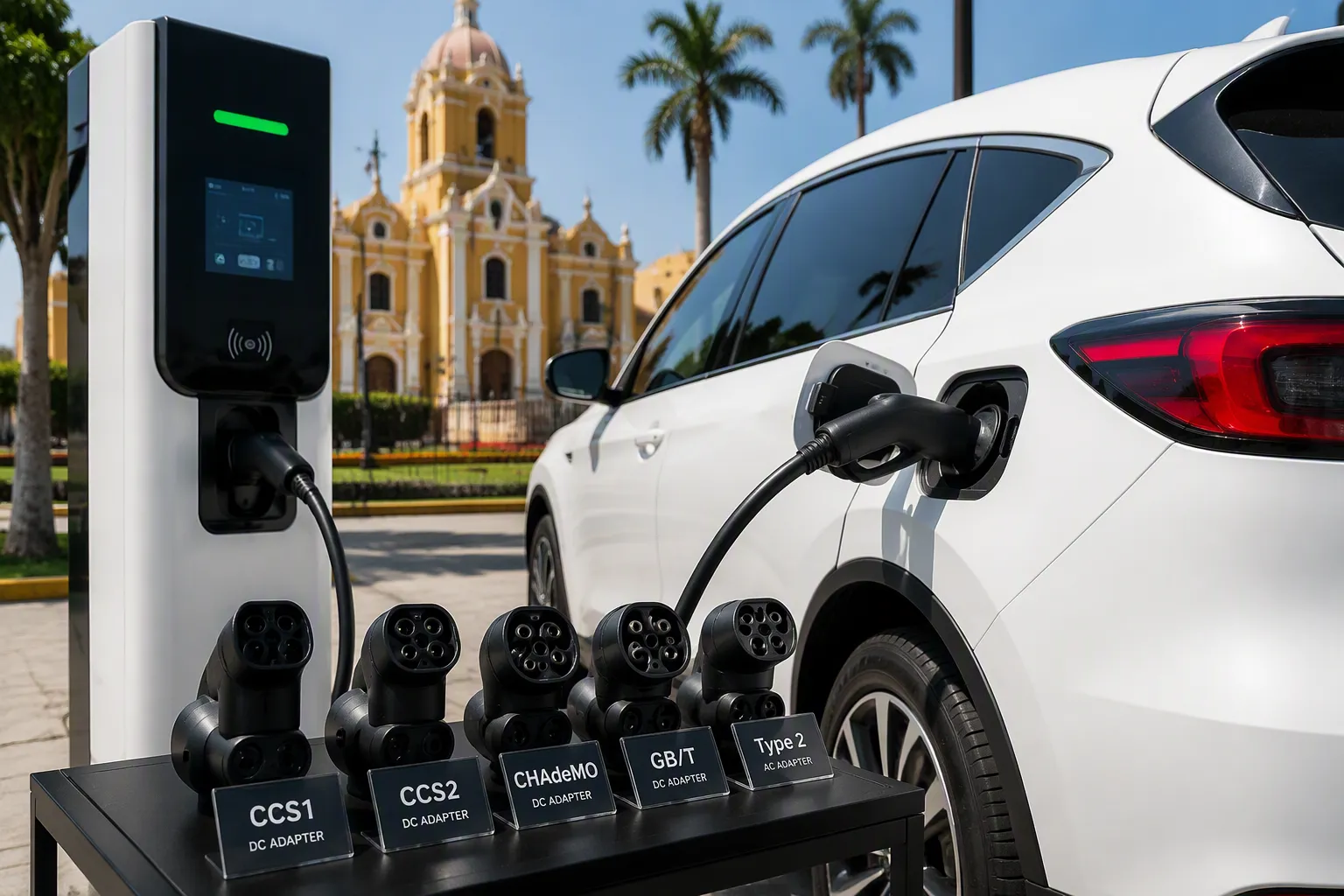
Europe uses several plug types and charging networks. You need to know which connectors your electric vehicle supports to ensure compatibility at public charging stations. The CCS Type 2 plug is the most versatile and widely used in Europe. It combines the Mennekes Type 2 plug with two extra high-speed pins, supporting both AC and DC charging. Most European EVs, including Tesla Model 3 and Y, use this plug. Model S and X require an adapter for CCS. The CCS Type 2 supports up to 360 kW, making it suitable for fast charging during your journey.
Here is a quick reference table for the main connector types:
| Connector Type | Description | Speed | Compatibility | Use Case |
|---|---|---|---|---|
| Type 2 (Mennekes) | Standard AC connector across Europe | Up to 22 kW (AC), 43 kW (AC fast) | Common in European EVs | Go-to connector for most AC charging stations |
| Combined Charging System (CCS) | Combines Type 2 with DC pins | Up to 350 kW (AC and DC) | Supported by newer European, American, and some Asian EVs | Ideal for both AC and high-speed DC charging |
| CHAdeMO | Japanese DC fast charging | Up to 62.5 kW (DC) | Used by Nissan LEAF, Mitsubishi Outlander PHEV | Primarily found in Japan, less common in Europe |
| Tesla Supercharger Connector | Tesla’s proprietary connector | Up to 250 kW (DC) | Only for Tesla vehicles | Ideal for Tesla drivers seeking rapid charging |
Most European models, such as Audi, BMW, Renault, Mercedes, VW, and Volvo, use Type 2 and CCS. Asian brands like Nissan and Mitsubishi often use Type 1 and CHAdeMO, but Hyundai and Kia increasingly adopt European standards. Always check your vehicle’s manual and the station’s connector type before starting a charging session.
Preparing for Peak Times and Busy Locations
You can improve your charging experience by planning for peak times and busy locations. Public charging stations in Europe often see high demand during weekends, holidays, and rush hours. You may encounter queues or wait times at popular stations, especially in city centers or along major highways.
To avoid delays:
- Plan your journey with alternative charging options in mind.
- Use apps to monitor real-time availability and choose less crowded stations.
- Charge your electric vehicle during off-peak hours, such as early mornings or late evenings.
- Carry backup charging solutions, like portable chargers or adapters, for emergencies.
Note: Charging networks sometimes experience congestion at public EV charging points. Flexibility in your route and timing ensures you always find a working charger and keep your journey on track.
Carrying Backup Charging Options
You should always prepare for unexpected situations when driving an electric vehicle in Europe. Carrying backup charging options ensures you stay mobile, even if your primary plan changes. Many drivers overlook this step, but it can save you time and reduce stress during your journey.
You can start by planning your route with charging apps such as A Better Routeplanner. These apps help you identify multiple charging stops and provide real-time updates on station availability. You should also use websites like plugshare.com to locate nearby charging options. This approach gives you flexibility if your preferred station is busy or out of service.
Consider booking hotels that offer EV chargers. Charging overnight at your accommodation allows you to begin each day with a full battery. Many hotels in Europe now provide dedicated charging points for guests, making this a convenient backup solution.
You should keep your battery level above 20% whenever possible. This practice gives you a buffer in case you encounter delays or need to search for alternative charging stations. Planning for several backup charging stations in the vicinity of your route increases your options and reduces the risk of running low on power.
Use Chargemap to identify clusters of charging stations. Station clusters provide multiple charging points in one area, so you have alternatives if one charger is unavailable. This strategy works well in urban centers and along major highways.
For occasional EV users, no-commitment charging cards like Plugsurfing or the Tesla app offer flexible payment options. You pay only when you charge, which makes these cards ideal for backup charging situations. You do not need a subscription, so you can use them as needed without extra costs.
Here is a quick checklist to help you stay prepared:
- Maintain a battery level of at least 20%.
- Plan your route with several backup charging stations.
- Use charging apps and websites to monitor real-time availability.
- Book hotels with EV charging facilities for overnight stays.
- Carry no-commitment charging cards for flexible payment.
Tip: Always check the status of backup charging stations before you arrive. This step helps you avoid unnecessary detours and keeps your journey on track.
You can travel with confidence when you prepare backup charging options. This proactive approach ensures you have access to charging points, even during peak times or unexpected outages.
Staying Safe and Informed at Public Charging Stations in Europe
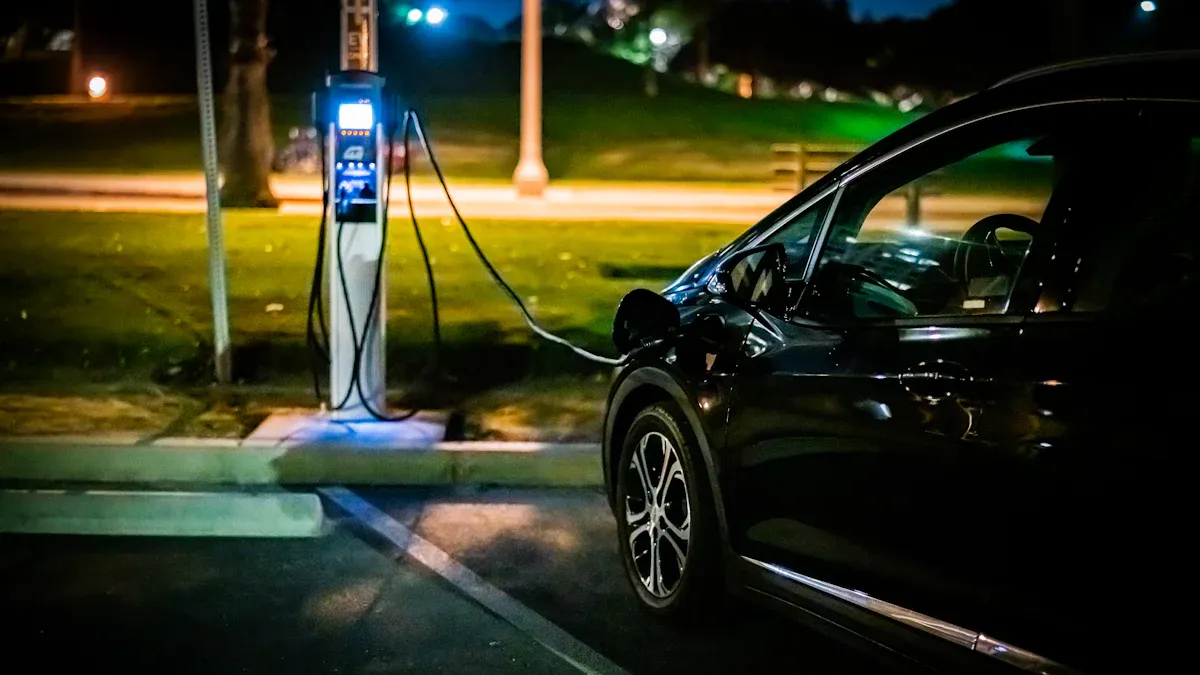
Charging your electric vehicle at public stations in Europe requires more than just finding a plug. You need to prioritize your safety and stay informed throughout the process. By following a few best practices, you can make every charging stop secure and stress-free.
Choosing Well-Lit, Secure Locations
You should always select public charging stations that offer strong visibility and security features. Well-lit areas help you feel safer, especially during evening hours or in less busy neighborhoods. Stations visible from nearby roads or buildings deter unwanted activity and make it easier for others to assist if needed. Many modern charging points now include surveillance cameras and emergency call buttons. These features not only discourage vandalism but also give you peace of mind while you charge.
- Choose stations with bright lighting and clear visibility.
- Look for locations equipped with security cameras.
- Prefer sites that offer emergency call buttons.
- Select charging points near busy roads or buildings for added safety.
Tip: Visible security systems and emergency features encourage repeat visits and build user confidence.
Using Trusted Networks and Payment Methods
Always use trusted networks and reliable payment methods when charging your vehicle at public stations. Not all charging points accept every payment type, so knowing your options helps you avoid frustration. The table below outlines the most common and secure payment methods available at public charging stations in Europe:
| Payment Method | Description |
|---|---|
| RFID charging cards | Fast authentication at public stations; widely used across networks. |
| Mobile app payments | Convenient for finding and paying at stations; may require several apps for different networks. |
| Credit/debit card payments | Available at some fast-charging stations; not universal. |
| Multi-network charging cards | Access to many stations without multiple accounts; widely accepted. |
| Subscriptions | Practical for regular or occasional drivers; tailored to different charging needs. |
You can streamline your charging experience by carrying a multi-network card or using a reputable app. These solutions reduce the hassle of managing multiple accounts and ensure you can pay quickly and securely.
Keeping Emergency Contacts Handy
Always prepare for unexpected situations at public charging stations. Keeping essential contact information accessible ensures you can respond quickly if something goes wrong. Store these details in your phone or write them down before your trip:
- Emergency contact numbers for your charging scheme provider and insurance company
- Local emergency services (Call 999 if required)
- Your exact location and vehicle registration details
Note: Having this information ready can save valuable time during an emergency and help authorities assist you more efficiently.
By following these safety tips, you can enjoy a secure and reliable charging experience at public stations across Europe.
Making the Most of Your Electric Car Charging Experience
Combining Charging with Sightseeing or Meals
You can turn every charging stop into an opportunity to explore new places or enjoy a meal. Instead of waiting idly at electric car charging points, plan your journey so that charging aligns with activities you already want to do. Many drivers in Europe choose charging stations near restaurants, shopping centers, or local attractions. This approach helps you optimize your time and makes each stop more enjoyable.
Here are some practical strategies:
- Plan charging stops around meal breaks or sightseeing.
- Search for charging stations close to cafes, parks, or museums.
- Use charging time to visit nearby attractions or take a relaxing walk.
You can see the benefits of this approach in the table below:
| Strategy | Description |
|---|---|
| Plan around charging stops | Combine charging with meals, rest breaks, or sightseeing to optimize time. |
Instead of settling for random fast-food options, map your route to include charging stops that coincide with lunch at a local café or a quick visit to a scenic spot. This method not only meets your charging needs but also adds value to your journey.
Joining EV Communities for Local Tips
Local EV communities can offer valuable insights and support. These groups help you find electric car chargers and share tips about the best charging locations. Many drivers without home chargers benefit from community networks, which make electric car ownership more accessible.
Consider these advantages:
- Community charging provides confidence by ensuring access to local home chargers.
- It offers solutions for drivers without private parking.
- Networks like Co Charger allow you to rent home chargers from nearby hosts.
- Most residents live within a mile of a Co Charger host, making it easy to find a convenient charging option.
You can also join networks such as ChargePoint. These networks offer seamless integration with e-mobility apps and support reliable, OCPP-compliant stations. By connecting with other drivers, you stay informed about new charging points and receive real-time advice during your travels.
Tracking Your Charging History
Tracking your charging history helps you understand your usage patterns and manage costs. Many drivers use an app to monitor where and when they charge. This information supports better planning and helps you identify the most efficient electric car charging points.
The table below highlights useful tools for tracking your charging activity:
| Tool/App | Features |
|---|---|
| Chargemap | Tracks charging history and helps you find charging stations across Europe. |
| Chargemap Pass | Enables charging on multiple networks with one badge and records your charging history. |
By reviewing your charging data, you can optimize future trips and ensure you always have access to reliable charging. This practice also helps you spot trends, such as peak usage times or preferred locations, making every journey smoother.
Tip: Use your app’s tracking features to set reminders for regular charging and to monitor your spending over time.
You now have three easy ways to find EV chargers nearby in Europe: use dedicated apps, rely on in-car navigation, and explore online maps or websites. These methods give you quick access to charging locations, flexible payment options, and real-time station details.
- Apps like Zap-Map let you filter by connector type, so you always find a compatible charger.
- Most modern EVs guide you directly to charging stations during long trips.
- You avoid common challenges such as limited fast chargers or downtime.
| Company | Method Used | Outcome |
|---|---|---|
| WattEV | Operational excellence for EV truck sites | High peak power demand managed effectively |
| Revel | AI-powered fleet charging solutions | Improved energy management and operations |
With the right tools, you make electric car charging simple and enjoyable. Try these methods today for a hassle-free experience.
FAQ
How do you know if a public EV charger is available?
You can check real-time availability using charging apps or online maps. Most platforms display live status updates. Always refresh the app before you leave to ensure the charger is working and not in use.
What should you do if your charging app cannot find any stations nearby?
Try switching to another app or use your car’s built-in navigation. You can also search “EV charger near me” on Google Maps. Expanding your search radius often reveals more options.
Can you use any charging station with your electric vehicle?
You need to check your vehicle’s connector type and the station’s compatibility. Most European EVs use Type 2 or CCS connectors. Always verify before you start charging to avoid issues.
Do you need a subscription to use public charging stations?
Many public chargers allow pay-as-you-go payments with credit cards or apps. Some networks offer subscriptions for lower rates or extra features. You can choose the option that fits your driving habits.
How can you pay at public EV charging stations?
You can pay with RFID cards, mobile apps, or credit/debit cards. Some stations accept contactless payments. Multi-network cards provide access to many networks with one account.
What should you do if a charger is out of service?
Check your app for alternative stations nearby. Most apps show real-time status and suggest other locations. Keeping backup charging options ensures you stay on track.
Is it safe to charge your EV at night?
You should choose well-lit, secure locations with visible security features. Charging at busy sites or near main roads increases safety. Always stay aware of your surroundings.
Can you charge your EV while traveling in another European country?
Yes, most charging networks operate across Europe. You may need a compatible payment method or app. Check roaming agreements and connector types before your trip.